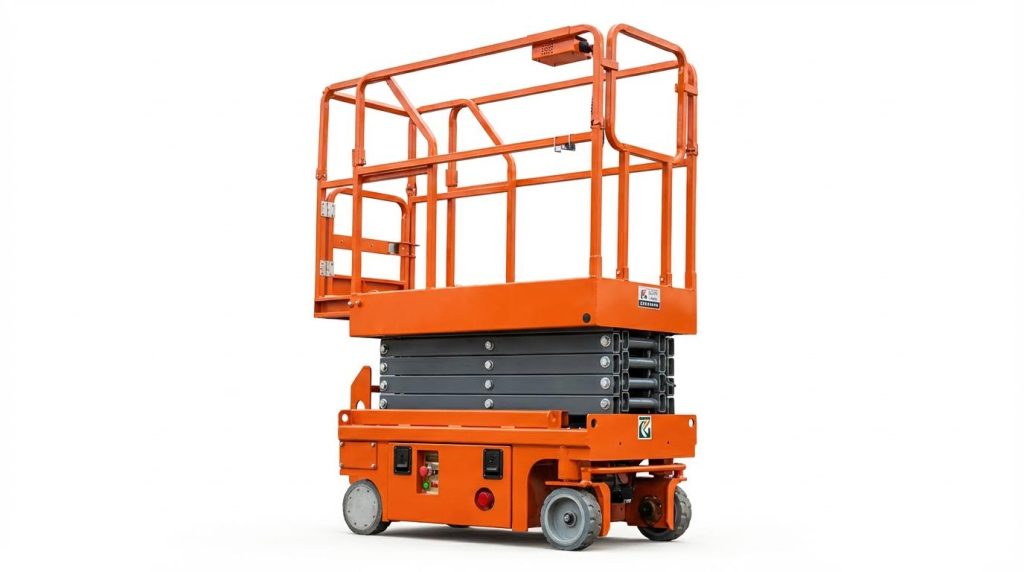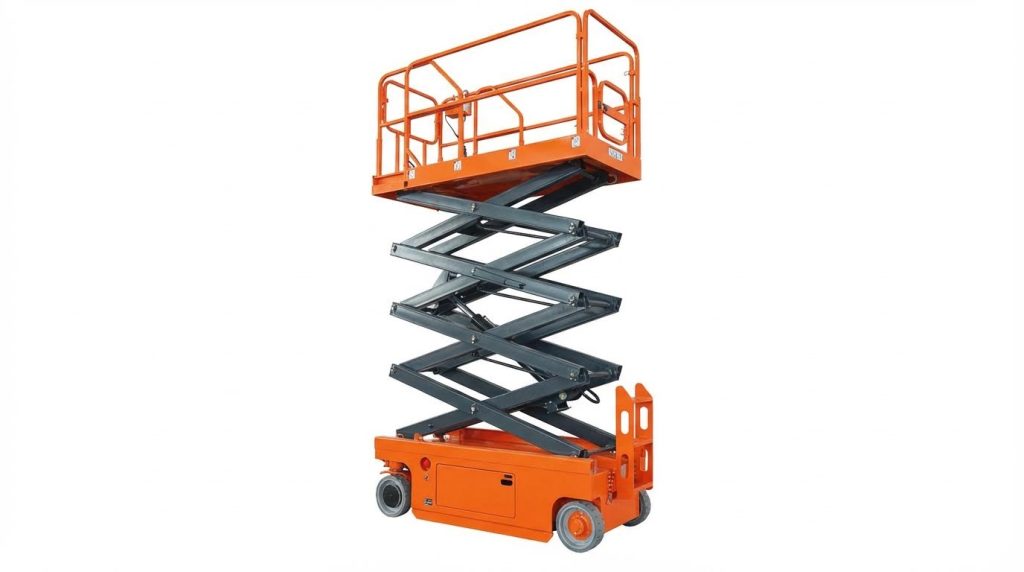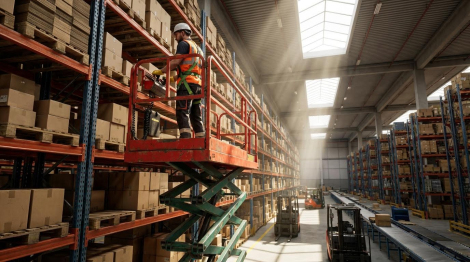
Scissor lift engineers often ask “are scissor lifts electric” because power source choice drives design, safety, and lifecycle cost. This guide compares electric and engine-powered scissor lifts from the ground up, covering powertrains, hydraulics, control architectures, and emerging hybrid systems. It then analyzes performance, emissions, reliability, and total cost of ownership, before mapping each technology to indoor, outdoor, and integrated automation applications. The final section consolidates these insights into practical engineering selection guidelines for specifying and operating scissor platform lift in modern fleets.
Power Sources And Core Design Differences
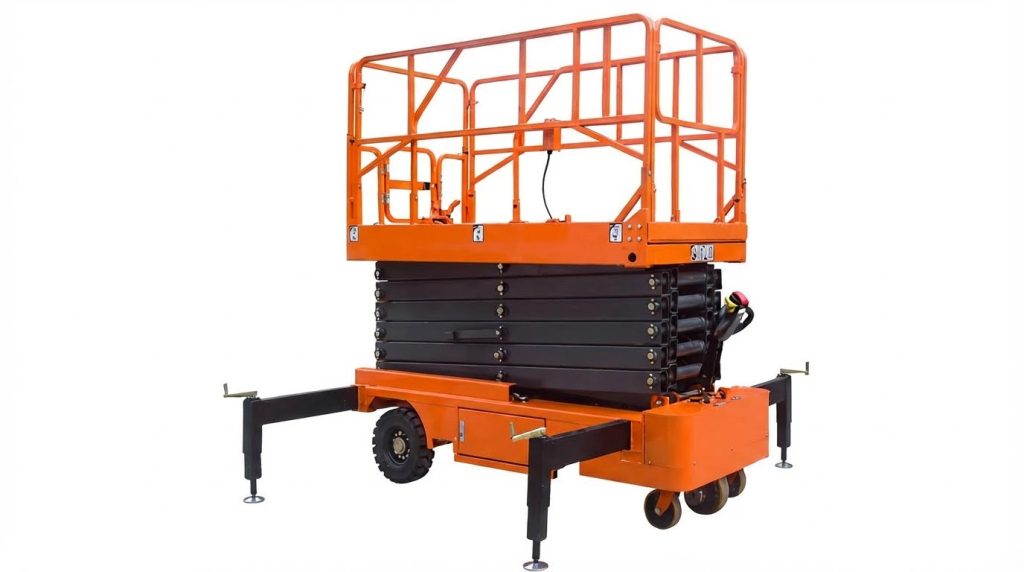
When engineers ask “are scissor lifts electric,” they usually compare battery-electric machines against engine-powered units at the architecture level. Power source selection drives noise, emissions, duty cycle, and terrain capability. It also defines hydraulic layouts, structural sizing, and control strategies. This section explains how electric, engine, and hybrid designs differ so you can specify the right scissor platform for each environment.
Electric Drive Systems: Batteries And Motors
Electric scissor lifts used rechargeable battery packs as their primary energy source. Historically, manufacturers specified flooded lead–acid batteries, but lithium‑ion chemistries increasingly replaced them for higher energy density and faster charging. The batteries supplied DC power to traction motors and hydraulic pump motors, which converted electrical energy into linear platform motion. Typical duty cycles delivered 8–10 hours of operation per charge in indoor applications with flat floors and moderate lift cycles.
Electric systems produced zero point‑of‑use emissions and operated with very low noise, which suited warehouses, hospitals, schools, and clean facilities. The drivetrain contained fewer rotating components than an internal combustion engine, which reduced lubrication points and simplified maintenance. Designers optimized control algorithms for smooth acceleration, precise positioning, and energy‑saving standby modes. Engineers sized battery capacity based on lift frequency, travel distance, and charger availability, because insufficient charging infrastructure constrained continuous use.
Engine Powertrains: Diesel, Gasoline, And LPG
Engine‑powered scissor lifts relied on internal combustion engines fueled by diesel, gasoline, or liquefied petroleum gas (LPG). Diesel engines dominated rough‑terrain and heavy‑duty segments due to high torque at low engine speeds and favorable fuel economy. Gasoline and LPG engines served applications where lower particulate emissions or fuel logistics justified their use. The engine drove a hydraulic pump through a mechanical coupling, delivering continuous flow for traction and lift circuits.
These powertrains supported higher platform capacities and better gradeability than most electric configurations of similar size. They tolerated long duty cycles with short refueling stops, which benefited construction sites and outdoor maintenance with limited electrical access. However, exhaust emissions and higher sound power levels restricted indoor usage unless ventilation met regulatory thresholds. Designers also incorporated larger cooling systems, fuel tanks, and exhaust after‑treatment, which increased mass and package volume compared with electric units.
Hydraulic, Mechanical, And Control Architectures
Both electric and engine‑powered scissor lifts used hydraulic actuation as the primary means of raising the platform. A hydraulic pump supplied pressurized fluid to one or more lift cylinders connected to the scissor stack. Engineers selected pump displacement, relief valve settings, and cylinder bore to meet required lift speed, maximum platform load, and safety factors. Rough‑terrain units often used higher‑flow pumps and larger cylinders to achieve faster lifting under heavy loads.
Mechanical structures differed according to expected duty and environment. Indoor electric models favored compact scissor arms, smaller tires, and lower ground clearance to reduce weight and floor loading. Engine‑powered units employed reinforced chassis, wider wheel tracks, and large off‑road tires to handle uneven terrain and higher overturning moments. Control architectures evolved from simple relay logic to integrated electronic control units coordinating traction, lift, steering, and safety interlocks. Modern systems implemented proportional valves, smooth ramp profiles, and diagnostics to support predictive maintenance and compliance with ANSI A92 and relevant ISO standards.
Emerging Hybrid And Dual-Power Configurations
Hybrid and dual‑power scissor lifts combined electric and engine sources to bridge the gap between indoor and outdoor requirements. A common configuration used a small diesel or gasoline engine paired with a generator and battery pack. The machine operated in full‑electric mode indoors with zero exhaust, then switched to engine‑assisted or engine‑only operation outdoors for extended runtime. Control systems managed power flow, battery charging, and mode selection to maintain performance while minimizing fuel consumption and noise.
Another architecture used plug‑in battery packs sized for typical indoor shifts, supplemented by an onboard engine for peak demand or remote locations without chargers. These designs allowed fleets to standardize on one platform for mixed‑use sites, reducing transport and training complexity. Engineers had to balance additional mass, component count, and cost against flexibility and reduced idle time. As emissions regulations tightened and low‑noise construction practices expanded, hybrid scissor platform lift provided a transitional step between conventional engine units and fully electric fleets, especially where terrain and duty cycles remained demanding.
Performance, Safety, And Lifecycle Cost Analysis
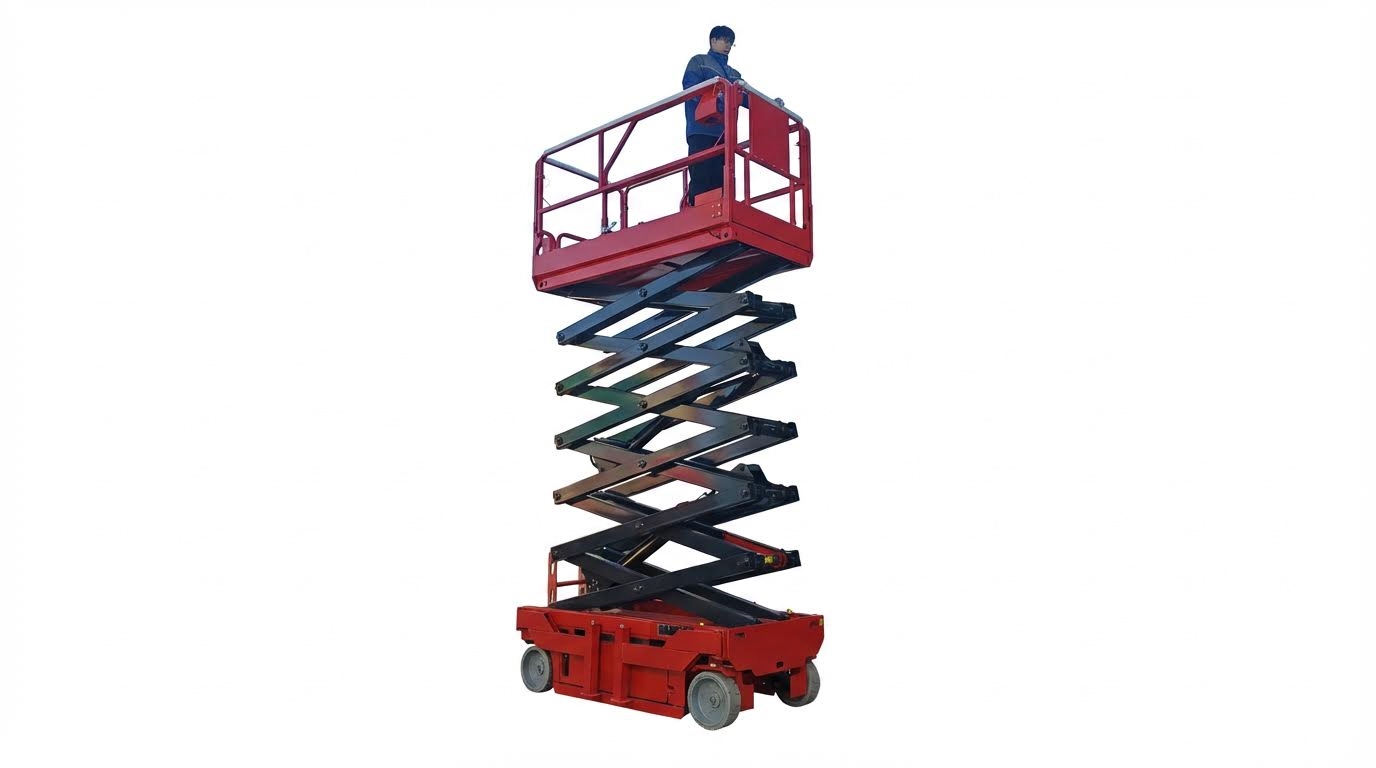
Engine-powered and electric scissor lifts answered different performance, safety, and cost requirements. Engineers evaluated load, duty cycle, and terrain before deciding whether scissor lifts should be electric or engine-driven. They also compared noise, emissions, reliability, and maintenance intervals to optimize lifecycle cost. This section structured those comparisons so specifiers could select the right architecture for each work environment.
Load Capacity, Duty Cycles, And Terrain Capability
Electric scissor lifts used battery-electric drive and typically offered moderate platform capacities. Typical electric units carried approximately 230–1,150 kilograms, while engine-powered rough-terrain models often reached 700–1,800 kilograms. When engineers asked “are scissor lifts electric for heavy loads?”, the answer depended on model class and duty cycle. High-capacity, multi-shift construction tasks still favored diesel or gasoline units due to higher torque and continuous refueling.
Electric lifts suited flat, prepared surfaces and medium duty cycles, for example 8–10 hour indoor shifts with access to charging. Battery depth-of-discharge, charger power, and opportunity charging strategy strongly influenced achievable daily uptime. Engine-powered scissors handled steep grades, mud, gravel, and uneven outdoor ground through larger tires, higher ground clearance, and higher tractive effort. For mixed-terrain projects, engineers increasingly specified hybrid or dual-power units that combined electric drive for indoor work with engine assist outdoors.
Noise, Emissions, And Indoor Air Quality Compliance
Electric scissor lifts produced zero point-of-use exhaust emissions and very low noise levels, typically below 70 dB(A) at operator position. This characteristic made them the default choice for warehouses, hospitals, schools, and clean manufacturing where ventilation limits applied. They helped projects comply with indoor air quality targets and green-building frameworks that restricted CO₂, NOₓ, and particulate concentrations. In contrast, diesel and gasoline scissors emitted combustion byproducts and required robust ventilation or outdoor-only operation.
Engine-powered units often exceeded 80–90 dB(A), which increased the need for hearing protection and noise management plans. Local regulations in urban areas and around sensitive facilities sometimes restricted engine operation during certain hours. When specifiers evaluated whether scissor lifts should be electric indoors, emission-free operation and reduced noise usually outweighed the lower peak power. LPG engines offered cleaner combustion than diesel, but still could not match the zero-emission profile of electric platforms. As cities tightened low-emission-zone rules, electric and hybrid lifts gained regulatory and contractual advantages.
Reliability, Failure Modes, And Predictive Maintenance
Electric scissor lifts had fewer moving parts in the powertrain, which reduced wear mechanisms compared with internal combustion engines. Typical failure modes included battery degradation, charger faults, contactor failures, and issues in electronic motor controllers. With proper charging discipline and thermal management, traction batteries often delivered 4–5 years of service life. Engine-powered lifts showed additional failure modes such as fuel system blockages, injector wear, turbocharger issues, and exhaust aftertreatment faults.
Hydraulic circuits remained a common reliability focus for both architectures, including hose leaks, seal wear, and valve sticking. Electric units tended to experience fewer hydraulic leaks because their systems were often simpler and sized for lighter loads. Telematics and onboard diagnostics enabled predictive maintenance by tracking duty cycles, fault codes, and hydraulic temperatures. Engineers could then schedule hose replacement, battery renewal, or engine service before in-service failures occurred. When organizations asked if scissor lifts should be electric to reduce downtime, field data often showed lower unplanned stoppages for well-managed electric fleets.
Energy Use, Service Intervals, And Total Cost Of Ownership
Electric scissor lifts typically consumed 8–10 hours of work from a full charge, depending on lift cycles and drive usage. Electricity cost per kilowatt-hour was usually significantly lower than diesel or gasoline cost per equivalent energy unit. Electric platforms eliminated engine oil changes, fuel filter replacements, and most exhaust system maintenance. Service intervals for electric units often extended to 6–12 months for routine inspections, compared with roughly quarterly engine servicing for intensive diesel use.
Engine-powered scissors incurred higher variable costs from fuel, lubricants, and more frequent component replacements. However, they offered fast refueling and longer continuous run times, which benefitted time-critical outdoor projects. Total cost of ownership analysis usually showed higher initial purchase price for electric units but lower lifetime operating cost, especially for high-hours indoor fleets. Case studies reported operating cost reductions of approximately 30–35% after switching suitable applications from diesel to electric. Therefore, when decision-makers evaluated whether scissor lifts should be electric, they typically favored electric for high-utilization indoor work and engine power for remote, heavy-duty, or high-torque outdoor scenarios where fuel logistics were simpler than charging infrastructure.
Application-Based Selection And System Integration
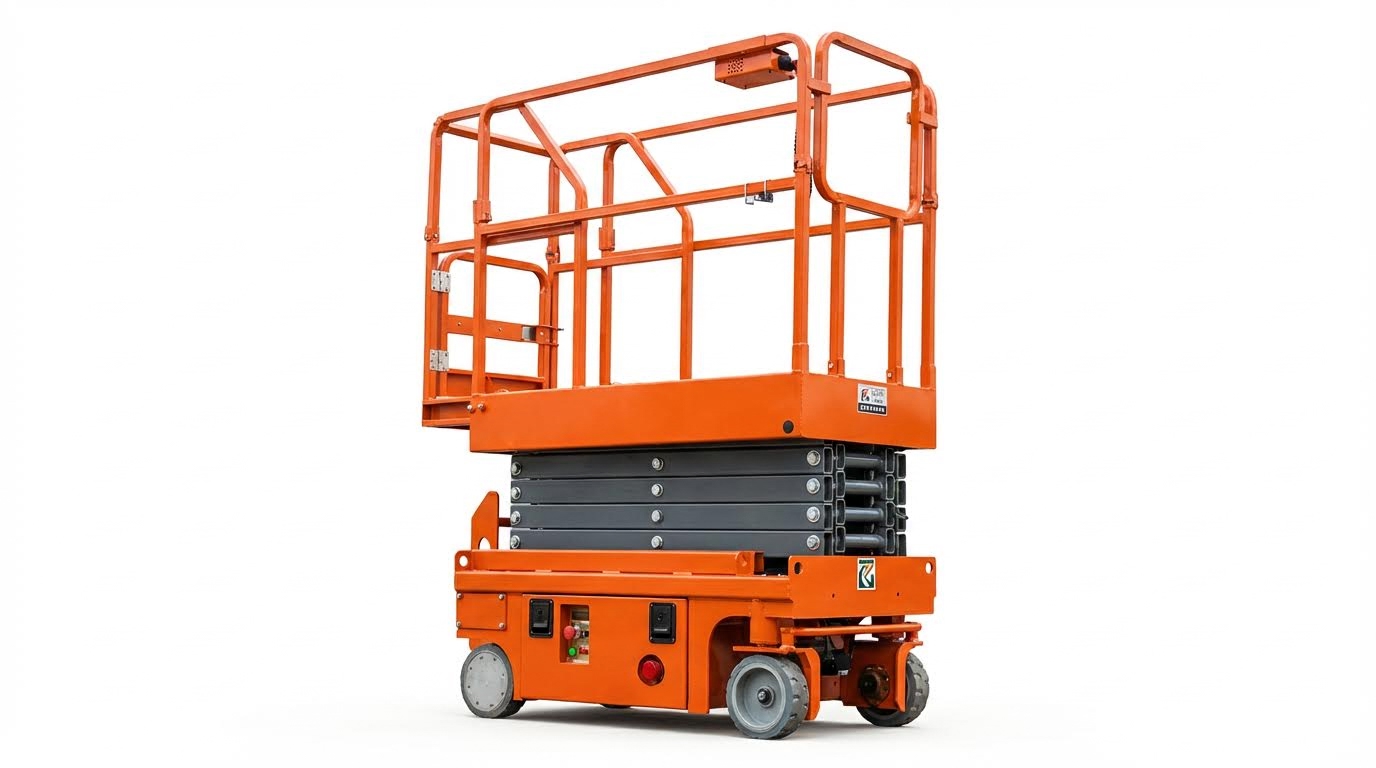
Engineers evaluating whether scissor lifts are electric, engine-powered, or hybrid must match the power source to the use case. Application environment, duty cycle, and integration with digital and intralogistics systems drive the technical choice. This section links powertrain characteristics to indoor and outdoor scenarios, then extends to data connectivity and coordinated automation with cobots and Atomoving systems.
Indoor Facilities: Warehouses, Plants, And Clean Areas
Electric scissor lifts dominate indoor applications because they use battery power and produce zero direct exhaust emissions. This characteristic protects indoor air quality in warehouses, process plants, and clean-adjacent areas where ventilation rates are controlled. Their low noise profile supports shift work near offices, laboratories, or hospitals, where acoustic limits often apply. Typical runtimes reach 8–10 hours per charge with modern lithium batteries, which suits single-shift operations or planned opportunity charging. Non‑marking tires and compact chassis enable operation on coated concrete, epoxy floors, and narrow aisles without surface damage. Engineers must size battery capacity for peak picking periods, high lift cycles, and accessory loads such as lighting or tools. Where continuous multi‑shift use is required, options include fast charging, battery swapping, or hybrid models that can run electrically indoors and switch to engine power outside. Compliance with indoor emission and noise regulations usually excludes diesel units, except in very short, well‑ventilated maintenance tasks with additional controls.
Outdoor Construction, Rough Terrain, And Weather Risks
Outdoor construction and rough-terrain work still relied heavily on diesel or other engine-powered scissor platform. These machines offered higher torque, greater ground clearance, and larger, often foam-filled or rough‑terrain tires. They handled mud, gravel, and unprepared ground that would overload or destabilize lighter electric units. Engine-powered lifts also provided long runtimes through rapid refueling, which benefited continuous concrete, steel erection, or façade work. However, engineers had to account for emissions, noise, and fuel logistics, especially near occupied buildings or environmentally sensitive zones. Weather introduced additional constraints: wind limits for outdoor-rated platforms typically stayed below 12.5 m/s, regardless of power source. Rain, lightning, and freezing temperatures affected traction, hydraulic response, and electrical systems. Electric lifts could operate outdoors on flat slabs or paved yards when range and charging were managed properly. In mixed indoor–outdoor projects, hybrid or dual‑power scissor lifts allowed quiet, emission‑free operation inside and engine use on external slabs or ramps, reducing fleet complexity.
Digital Twins, Telematics, And Fleet Optimization
Scissor lifts, whether electric or engine-powered, increasingly integrated telematics modules and supported digital twin workflows. Electric lifts offered rich energy data, including state of charge, charge cycles, and instantaneous current draw, which engineers used to refine duty-cycle assumptions and charger placement. Engine-powered units transmitted fuel consumption, idle time, and engine load, enabling right‑sizing of fleet composition between electric and diesel assets. Digital twins of job sites modeled lift trajectories, platform utilization, and queuing at charging or refueling points. This modeling improved staging plans and reduced non‑productive travel. Telematics also supported condition monitoring by tracking hydraulic temperatures, fault codes, and sensor states, which enabled predictive maintenance scheduling. For rental fleets, comparing utilization and cost per operating hour between electric and diesel scissor lifts guided procurement strategies. Over time, data-driven optimization tended to favor electric units for repetitive indoor tasks, while retaining engine-powered or hybrid lifts for high‑load or remote outdoor work.
Integrating Lifts With Cobots And Atomoving Systems
When engineers integrated scissor lifts with cobots and Atomoving systems, power source selection affected control architecture and safety strategy. Electric scissor lifts interfaced more easily with low‑voltage control networks and could share power and data buses with mobile robots or automated guided vehicles. Their predictable acceleration profiles and precise speed control simplified synchronization with cobot arms performing picking, fastening, or inspection at height. Engine-powered lifts required additional isolation of vibration, noise, and exhaust from sensitive sensors and collaborative workspaces. Fleet orchestration platforms coordinated task assignments among lifts, cobots, and Atomoving material handling systems using telematics data. For example, an electric scissor lift could move to a maintenance point while Atomoving units staged parts below and cobots performed torque or inspection operations on the platform. Functional safety analyses had to consider combined failure modes, including unexpected lift motion during cobot operation or loss of communication. Standardizing on electric lifts in such integrated cells reduced emissions and simplified emergency-stop and interlock design across the broader automated system.
Summary And Engineering Selection Guidelines
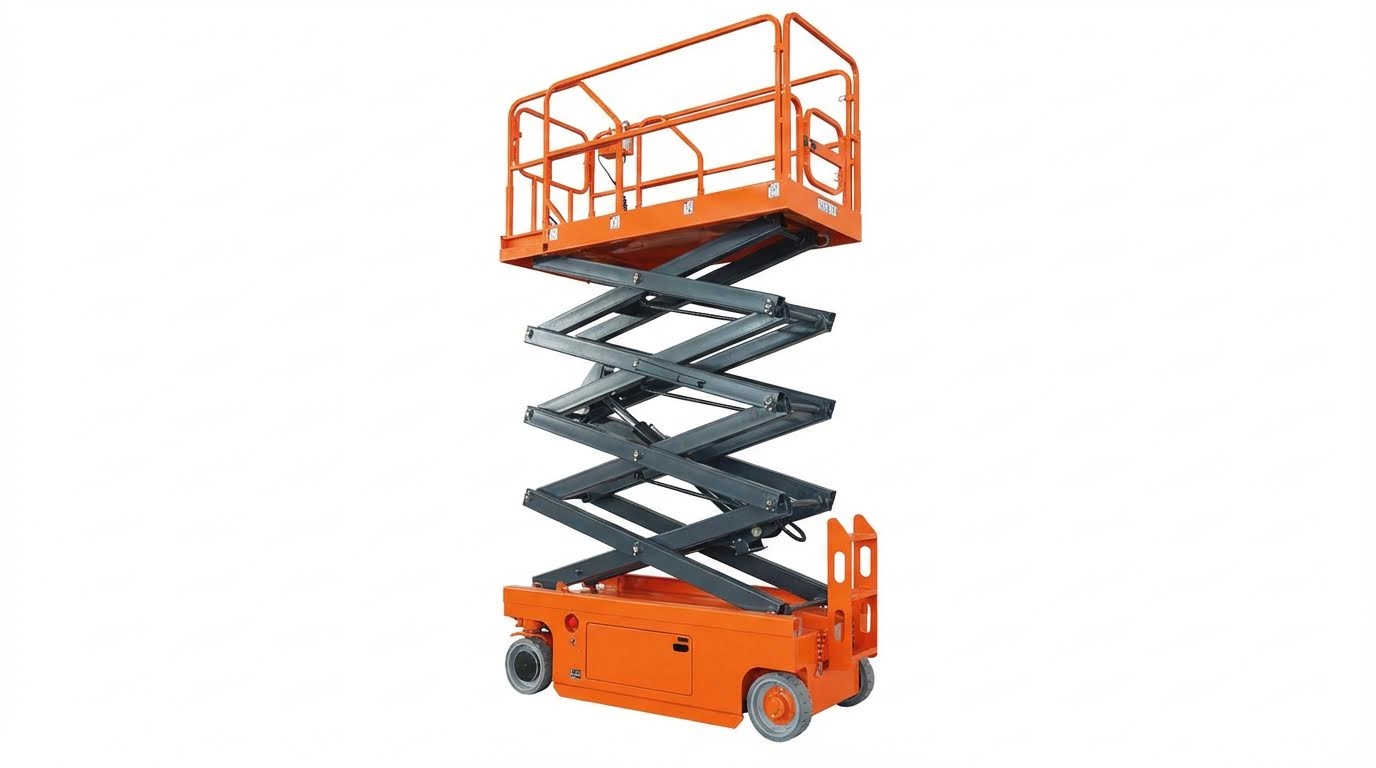
Engineers evaluating whether scissor lifts are electric, engine-powered, or hybrid should frame the decision around duty cycle, environment, and lifecycle cost. Electric scissor lifts used batteries as the primary source, delivered zero local emissions, and operated with low noise levels, which made them suitable for indoor and noise‑sensitive sites. Engine-powered units, typically diesel, gasoline, or LPG, delivered higher torque, greater rough‑terrain capability, and longer continuous runtime, but required stricter controls for emissions, noise, and ventilation, especially near occupied areas.
From a technical and regulatory perspective, electric lifts aligned better with indoor air quality requirements and green building objectives, particularly where CO₂ limits and particulate thresholds applied. Their lower moving‑part count reduced routine maintenance tasks such as oil changes and filter replacements, which decreased unplanned downtime and total cost of ownership over multi‑year horizons. However, engineers had to size battery capacity to match shift lengths, plan charging infrastructure, and consider ambient temperature effects on battery performance. Engine-powered lifts remained the reference choice for rough terrain, high load capacities, and remote locations without reliable grid access, though they incurred higher fuel consumption, more frequent service intervals, and stricter safety controls for exhaust and fire risk.
Future scissor lift deployments increasingly incorporated hybrid and dual‑power architectures, telematics, and digital twins to optimize fleet utilization, energy use, and predictive maintenance. A balanced engineering specification therefore compared electric, engine, and hybrid options using quantified metrics: platform height, rated load, allowable ground conditions, noise levels in decibels, emission class, energy cost per operating hour, and maintenance labor hours per year. In mixed indoor–outdoor fleets, a practical approach paired electric units for interior work with engine or hybrid units for exterior and rough‑terrain tasks, while ensuring consistent training, inspection regimes, and compliance with ANSI and OSHA requirements across all power types.