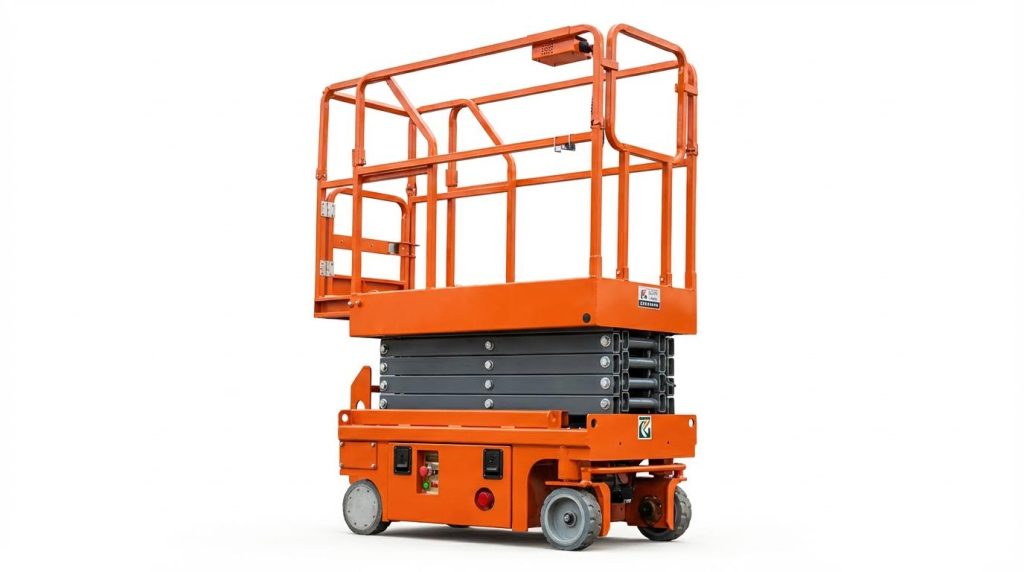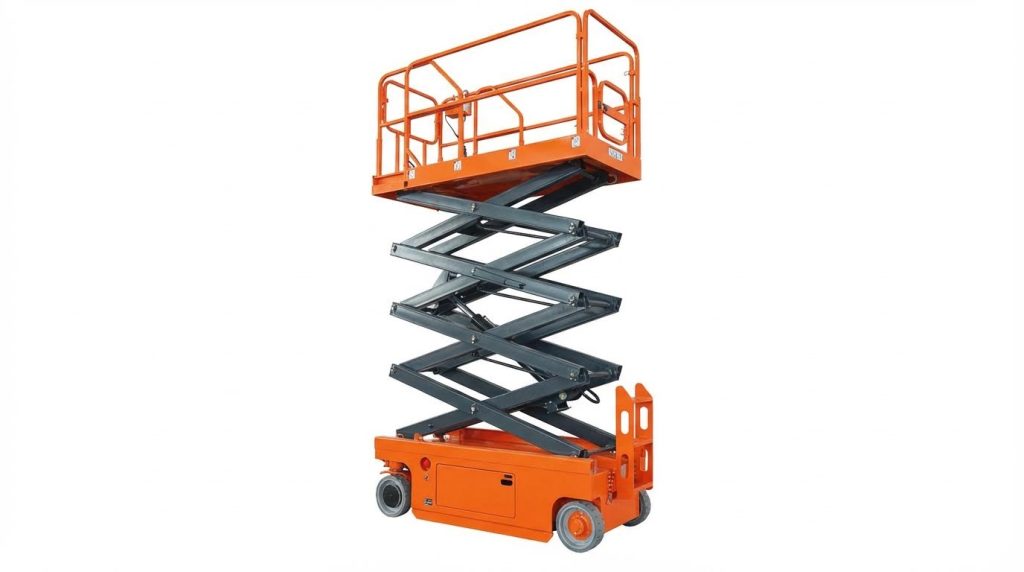
Hydraulic scissor lifts relied on tightly integrated hydraulic, structural, and electronic systems, so small faults often propagated into major failures. Effective maintenance and troubleshooting therefore required coordinated care of hydraulic oil, filtration, lubrication, storage, and corrosion control across the entire lifecycle. The full article examined preventive maintenance planning, hydraulic diagnostics and valve adjustments, electrical and drive system fault handling, and systematic approaches to sensors and electronic control units. It concluded with consolidated best practices and safety compliance measures to help operators and maintenance teams reduce downtime, extend service life, and maintain regulatory conformity.
Preventive Maintenance For Hydraulic Scissor Lifts
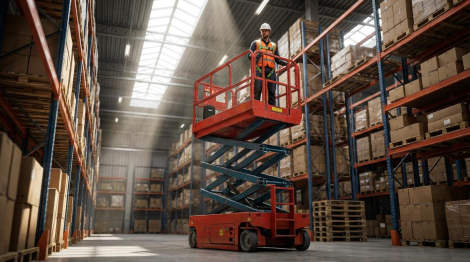
Preventive maintenance for hydraulic scissor lifts reduced unplanned downtime and extended component life. Structured service schedules aligned inspections, lubrication, and fluid management with actual operating hours and environment severity. Effective programs combined OEM recommendations with local conditions such as dust, temperature, and duty cycle. Consistent documentation supported regulatory compliance and informed overhaul or replacement decisions.
Service Intervals And Maintenance Planning
Maintenance planning for scissor lifts typically used hour-based and calendar-based intervals. Daily or pre-start checks covered leaks, visible structural damage, decal legibility, tire condition, and hydraulic oil level. At 200 operating hours, technicians replaced hydraulic oil, cleaned the tank, and changed filters to remove initial wear debris and assembly contamination. Periodic tasks at 250 hours or three months included changing lubricating oil on moving components and inspecting cylinders and general structure. At 500 hours or six months, maintenance included detailed inspection of tubes, pipes, valves, and electrical harnesses for wear, corrosion, and deformation. Annual tasks at 1000 hours combined hydraulic oil replacement, greasing rotation bearings and wear pads, and comprehensive structural inspection. At 2000 hours or two years, technicians inspected hydraulic tanks, lids, and vents for corrosion, internal contamination, and breathing function. Maintenance plans also integrated regulatory requirements such as annual inspections, lockout/tagout procedures, and documentation of replaced parts and safety devices. Planners adjusted intervals for harsh environments, high-duty cycles, or frequent overload attempts, shortening inspection cycles to prevent early failures.
Hydraulic Oil, Filtration, And Contamination Control
Hydraulic oil cleanliness directly affected lift reliability, cylinder seal life, and valve performance. Operators maintained oil within a temperature range of 0°C to 40°C to prevent viscosity loss at high temperature and sluggish response at low temperature. HL-N46 hydraulic oil was commonly specified, with low-temperature grades used in cold climates or large seasonal swings. After 200 hours, service personnel replaced hydraulic oil, cleaned the tank, and changed filters to remove initial contamination and oxidation products. Under normal conditions, the oil box and tank cleaning interval was six months, but technicians shortened this in sandy or dusty environments. Filtration strategies included suction strainers, return-line filters, and sometimes pressure-line filters, each checked and replaced per schedule or when pressure drop indicated clogging. Technicians minimized contamination ingress by keeping filler caps closed, using clean funnels, and wiping connection points before opening circuits. Air removal followed initial filling or long idle periods, using repeated full-stroke operations and, if necessary, loosening and retightening tubing joints to vent trapped air. Proper oil selection, temperature control, and filtration management reduced valve sticking, cavitation, and premature pump damage.
Lubrication Of Pins, Bushings, And Sliding Surfaces
Lubrication of mechanical joints ensured smooth scissor arm articulation and reduced noise and wear. Pins, bushings, rollers, and sliding pads required grease or oil at intervals defined by operating hours and environmental exposure. Typical programs specified daily visual checks and periodic greasing at 250-hour or three-month intervals, with higher frequencies for outdoor or corrosive environments. Technicians applied manufacturer-recommended greases, such as food-grade formulations in hygienic plants, to avoid incompatibility or seal damage. Proper lubrication films reduced metal-to-metal contact, lowering friction and extending pin and bush life. Inadequate lubrication caused abnormal noises during lifting and lowering, increased backlash, and accelerated hole ovalization. Maintenance personnel cleaned fittings before greasing to avoid injecting abrasive particles into joints. They also confirmed that grease purged across the bearing width, indicating full coverage. Where sliding wear pads supported scissor arms, periodic inspection checked for scoring, delamination, and thickness loss, with re-greasing or pad replacement as required. Consistent lubrication practices stabilized motion, reduced power demand, and minimized vibration transmitted to the
Hydraulic System Diagnostics And Adjustments
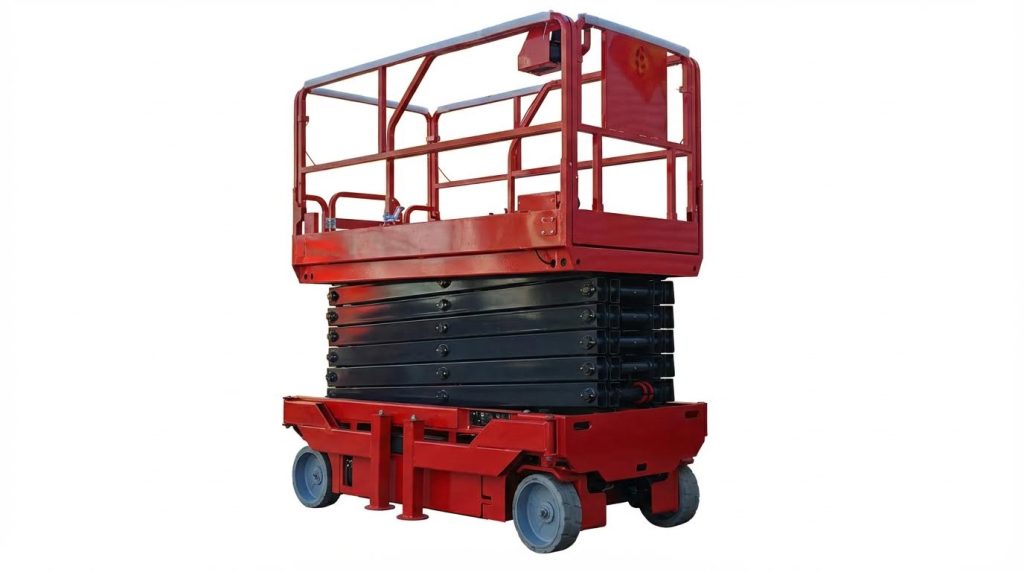
Hydraulic system diagnostics for scissor lifts required a structured approach that linked symptoms to specific components. Technicians first verified fluid type, temperature, and cleanliness before adjusting valves or replacing parts. Proper adjustment of relief, spill, and throttle valves maintained safe pressures and controlled motion profiles. Systematic leak checks and noise analysis then confirmed that the hydraulic circuit operated within design parameters.
Bleeding Air, Temperature Limits, And Oil Selection
After first commissioning or long storage, technicians cycled the lift repeatedly under no load, then partial load, to purge trapped air. Where residual air remained in high points or fittings, they briefly loosened tubing joints, allowed air and foaming oil to escape, then retightened to the specified torque. Hydraulic oil operated reliably only between 0°C and 40°C; outside this range, viscosity changes reduced pump efficiency and accelerated wear. HL-N46 hydraulic oil served as the standard choice, while low-temperature hydraulic oil was preferable in cold climates with large daily temperature swings.
Cleanliness levels strongly affected valve reliability and cylinder life. Maintenance plans usually specified oil replacement and tank cleaning after about 200 operating hours, followed by six‑monthly reservoir cleaning under normal plant conditions. In sandy or dusty sites, technicians shortened these intervals and monitored breather and return filters for loading. They also ensured that oil level stayed within sight gauge limits to avoid air ingestion on pump suction, which caused cavitation, erratic motion, and accelerated component damage.
Relief, Spill, And Throttle Valve Inspection
The main relief valve typically limited system pressure to about 16 MPa to protect cylinders, hoses, and structure. If pressure fluctuated or the lift stalled below rated load, technicians removed the relief valve, cleaned the spool, spring, and seat, then reassembled and reset pressure using a calibrated gauge. Increasing the relief setting required turning the adjustment plug clockwise, while counterclockwise rotation reduced the set pressure; adjustments always stayed within manufacturer limits to avoid structural overload. Spill valves, installed to smooth scissor motion, controlled flow bypass and thus extension speed.
Clockwise adjustment of the spill valve plug reduced flow and slowed platform movement, which helped when operators reported jerky or overshooting motion. Counterclockwise rotation increased flow and speed but could worsen oscillation if taken too far. Throttle or descent control valves governed lowering speed; excessive descent speed indicated that the throttle opening was too large or the valve was worn, while very slow descent suggested partial blockage or internal damage. After any valve adjustment, technicians performed full‑stroke functional tests under load, checked for pressure spikes, and locked adjustment caps to prevent unauthorized changes.
Cylinder, Hose, And Fitting Leak Management
Effective leak management started with routine visual inspections of cylinders, hoses, hard pipes, and fittings before each shift. Technicians looked for wet spots, oil misting, blistered hose covers, cracked pipes, and deformed fittings, which indicated overpressure or fatigue. Rod seal leakage at cylinders reduced lifting capacity and caused gradual platform drift; persistent leakage after rod cleaning usually required cylinder resealing or replacement. Internal cylinder leakage, not visible externally, manifested as slow creep under load or failure to hold height despite normal pump performance.
To confirm internal bypass, inspectors pressurized the lift, shut off the pump, and monitored platform height and cylinder pressure over time. Rapid pressure decay without external oil loss pointed to worn piston seals or scored barrel surfaces. Joint leaks at flared or threaded connections often resulted from incorrect torque, damaged seats, or contamination trapped in sealing surfaces. Technicians depressurized the system, cleaned mating faces, replaced damaged seals or ferrules, then retightened using specified torque values and verified integrity with a static pressure test at or near relief setting.
Noise, Vibration, And Performance Degradation
Abnormal noise and vibration in hydraulic scissor lifts usually indicated cavitation, air entrainment, or mechanical looseness. Knocking sounds during ascent often traced to low oil level or air intake at the pump inlet
Electrical, Control, And Drive System Issues
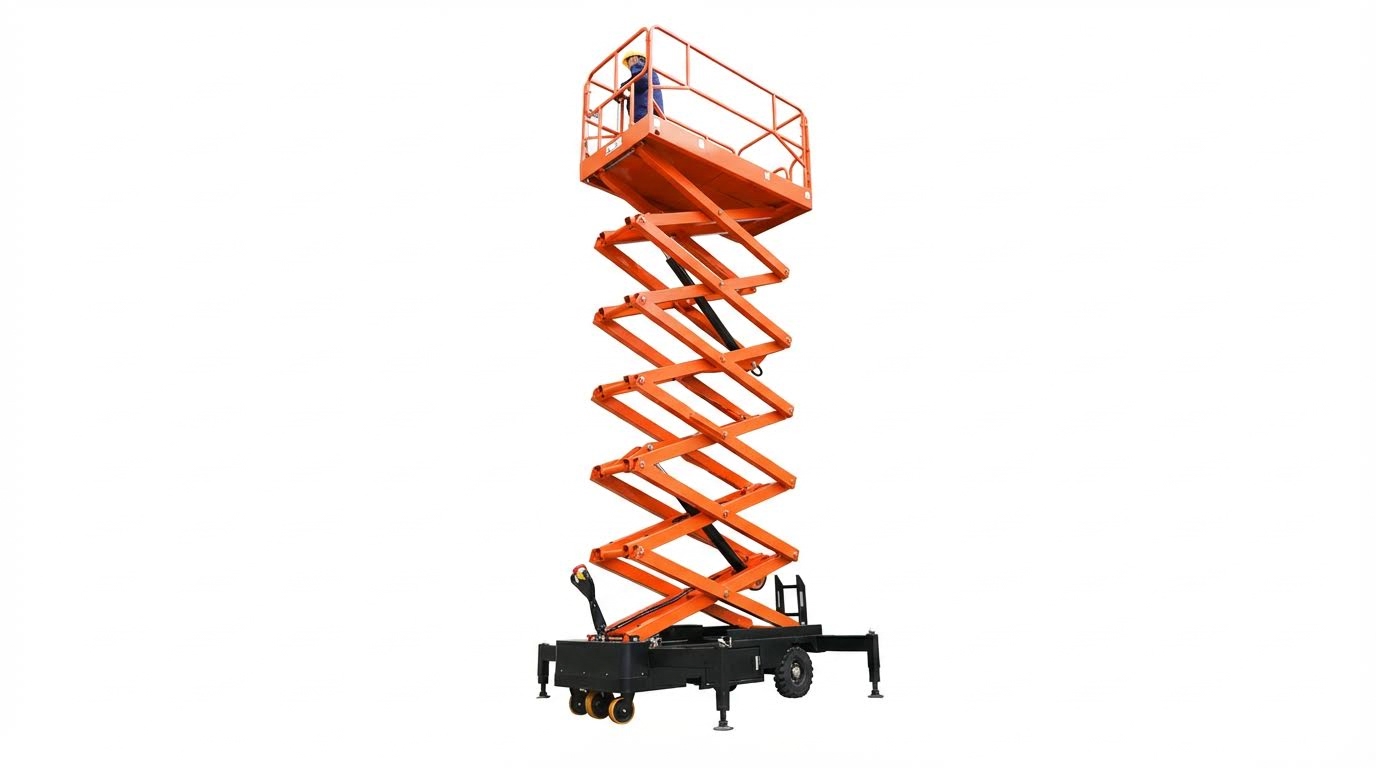
Electrical, control, and drive faults in hydraulic scissor lifts directly affected safety, availability, and lifecycle cost. Systematic diagnostics relied on correlating fault symptoms with measured voltages, currents, and controller status codes instead of trial-and-error part replacement. Maintenance teams minimized downtime by combining routine functional checks with targeted troubleshooting of motors, batteries, sensors, and ECUs. The following subsections outlined field-proven approaches aligned with manufacturer recommendations and safety standards.
Motor Overheating, Non-Start, And Low Power
Electric drive and pump motors in hydraulic scissor lifts operated within defined thermal limits, typically up to 40°C ambient. Thermal protectors opened the motor circuit when winding temperature reached a set threshold, often triggered by high duty cycles, overloading, or poor ventilation. When overheating occurred, technicians verified ambient temperature, load versus rated capacity, and actual duty cycle, then allowed full cool-down before restart. Non-start conditions required a structured check: incoming supply voltage at terminals, phase balance, integrity of fuses and breakers, and state of magnetic thermal relays. If voltage and protection devices were normal, the next steps included continuity tests on motor windings, inspection for single-phasing, and verification of control circuit components such as contactors, operation switches, and cables. Low power complaints indicated possible undervoltage, high cable losses, partially shorted windings, or mechanical drag in the pump; current measurements under load and comparison to nameplate data isolated whether the limitation was electrical or hydraulic.
Slow Or Failed Lifting, Descent, And Drift
When the motor ran but the platform failed to lift or lifted very slowly, technicians first confirmed correct phase rotation at the hydraulic power unit, since reverse phase operation reduced or eliminated pump output. They then inspected for external mechanical restrictions such as bent scissor arms, misaligned rollers, or foreign objects obstructing the structure. If the mechanism moved freely, diagnostic focus shifted to hydraulic components: pump volumetric efficiency, electromagnetic check valve function, and relief valve setting relative to the specified 16 MPa opening pressure. Slow ascent or descent also resulted from clogged strainers, contaminated valves, or insufficient hydraulic fluid level, which reduced effective flow and introduced aeration. Abnormal descent behavior required evaluation of throttle (flow control) valve settings, condition of lifting and check valves, and wear in pins and holes that changed linkage geometry. Uncommanded drift after stopping indicated internal leakage in cylinders, check valves not fully sealing, or micro-leaks at joints; best practice kept platforms lowered during standby to mitigate risk and reduce structural stress.
Battery, Charger, And Power Quality Problems
Electric scissor lifts depended on healthy battery banks and stable power quality for reliable operation. Capacity loss from aging cells, repeated deep discharges, or inadequate charging caused reduced run time, sluggish lifting, and frequent low-voltage faults. Maintenance programs used visual inspections for corrosion, cleaning of terminals to prevent surface discharge, and periodic amp-draw and charge tests with digital instruments to quantify battery health. Chargers required verification of output voltage, charge profile compatibility with the battery type, and proper ventilation to avoid overheating and gas accumulation. Technicians evaluated power quality by measuring on-load voltage at the lift input, checking for excessive voltage drop along long or undersized extension cords, and ensuring cords met or exceeded the equipment’s current rating. Storing batteries in controlled environments, avoiding operation at extreme temperatures, and preventing prolonged storage in a discharged state significantly extended battery life and reduced unplanned outages.
Sensors, ECUs, And Electronic Fault Handling
Modern hydraulic scissor lifts incorporated tilt sensors, load sensors, limit switches, and electronic control units (EC
Summary Of Best Practices And Safety Compliance
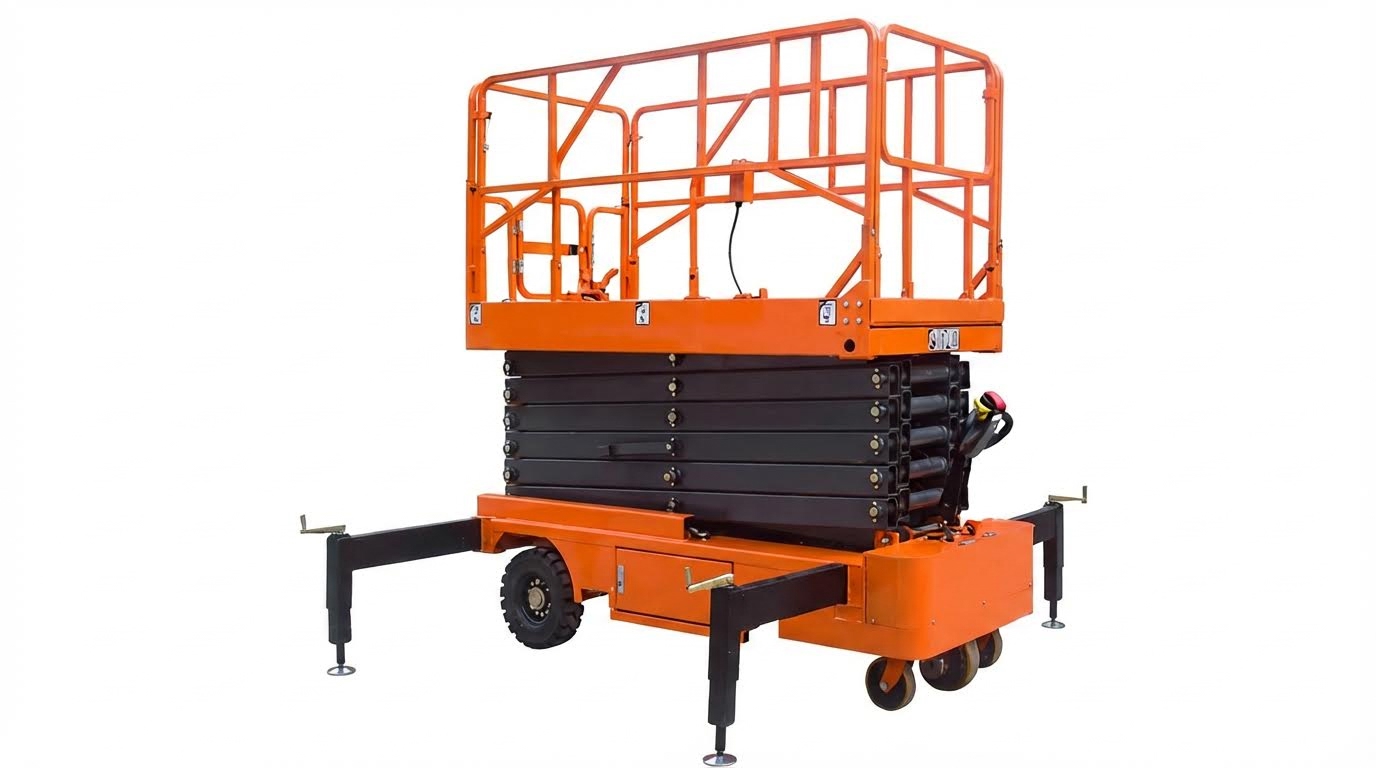
Hydraulic scissor lift reliability depended on disciplined preventive maintenance and strict adherence to safety procedures. Operators and maintenance staff reduced failures when they followed defined service intervals for hydraulic oil, filters, lubrication, and structural inspections. Systematic troubleshooting of hydraulic, electrical, and control faults limited downtime and prevented secondary damage to pumps, cylinders, motors, and ECUs. Consistent documentation of inspections and repairs supported compliance with internal policies and external regulations.
From an industry perspective, scheduled maintenance at defined hour or calendar intervals extended service life and reduced life-cycle cost. Temperature-controlled, clean hydraulic oil, correct valve settings around 16 MPa, and verified leak-free hose and fitting connections remained central to hydraulic safety. Electrical diagnostics, including battery testing, connector integrity checks, and controller fault-code analysis, improved availability of electric scissor lifts. Future trends pointed toward more sensorized platforms, remote condition monitoring, and predictive maintenance using logged operating data.
Practical implementation required clear maintenance plans, trained and qualified personnel, and lockout/tagout during hydraulic or electrical work. Site managers needed to enforce pre-start inspections, including structural checks, functional tests of emergency controls, and verification of decals and manuals. Operators had to respect rated capacity, temperature limits between about 0 °C and 40 °C, and manufacturer-specified fluids. Keeping platforms lowered during standby, storing equipment under cover, and applying correct greases at pins and sliding surfaces all reduced corrosion and wear.
Technology evolution increased lift sophistication but did not replace basic safety principles. Mechanical integrity, hydraulic cleanliness, and electrical isolation still formed the foundation of safe operation. Electronic controls, thermal protection, and advanced sensors enhanced fault detection but required correct calibration and software configuration. A balanced maintenance strategy combined OEM recommendations, field experience, and periodic third-party inspections to maintain regulatory compliance and protect personnel working at height.