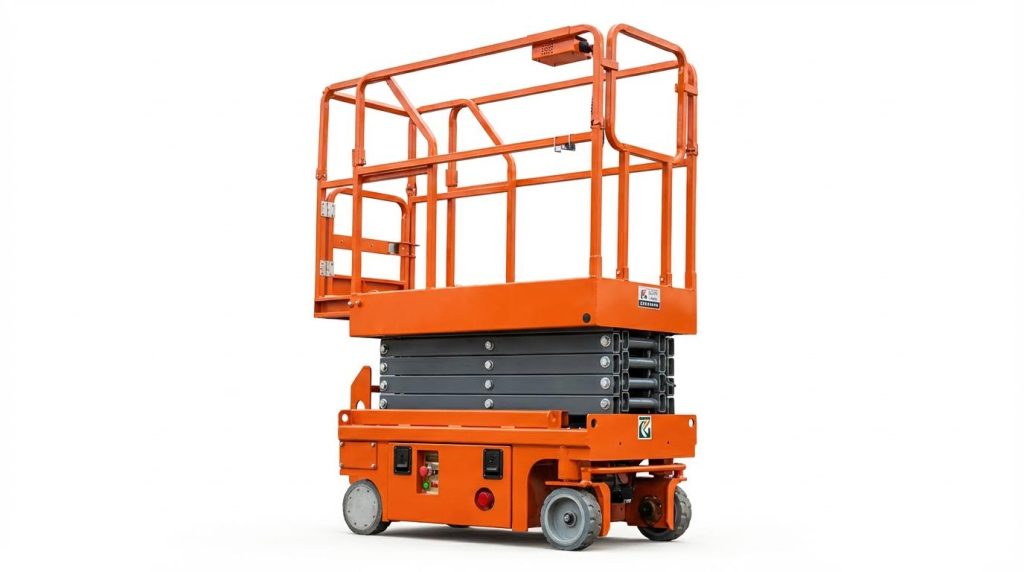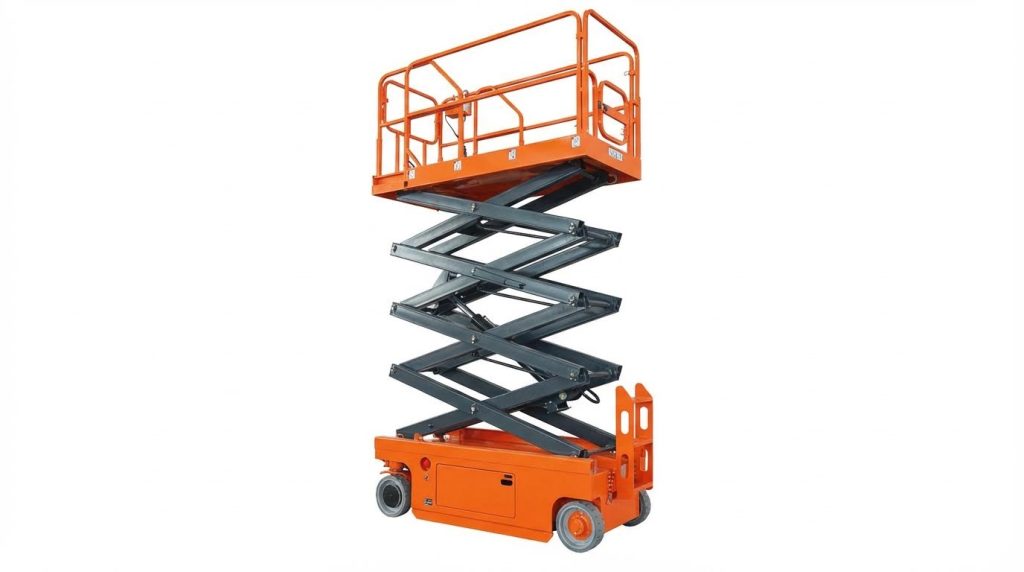
Modern electric scissor lifts evolved into highly specialized MEWPs with model‑specific control logic, diagnostics, and safety systems. This article compares core control layouts on popular units such as Genie GS‑1930, Skyjack 3219/3226, and JLG 1930ES, including emergency and overload functions. It then walks through operating procedures, slope and loading limits, and integrated protections against tip‑over, collision, and electrical hazards for ANSI and CE variants. Finally, it explains how to interpret fault codes, use schematics and web tools, and apply advanced battery management and all‑electric concepts to build a predictive, low‑downtime maintenance strategy.
Core Control Systems On Common Scissor Lift Models
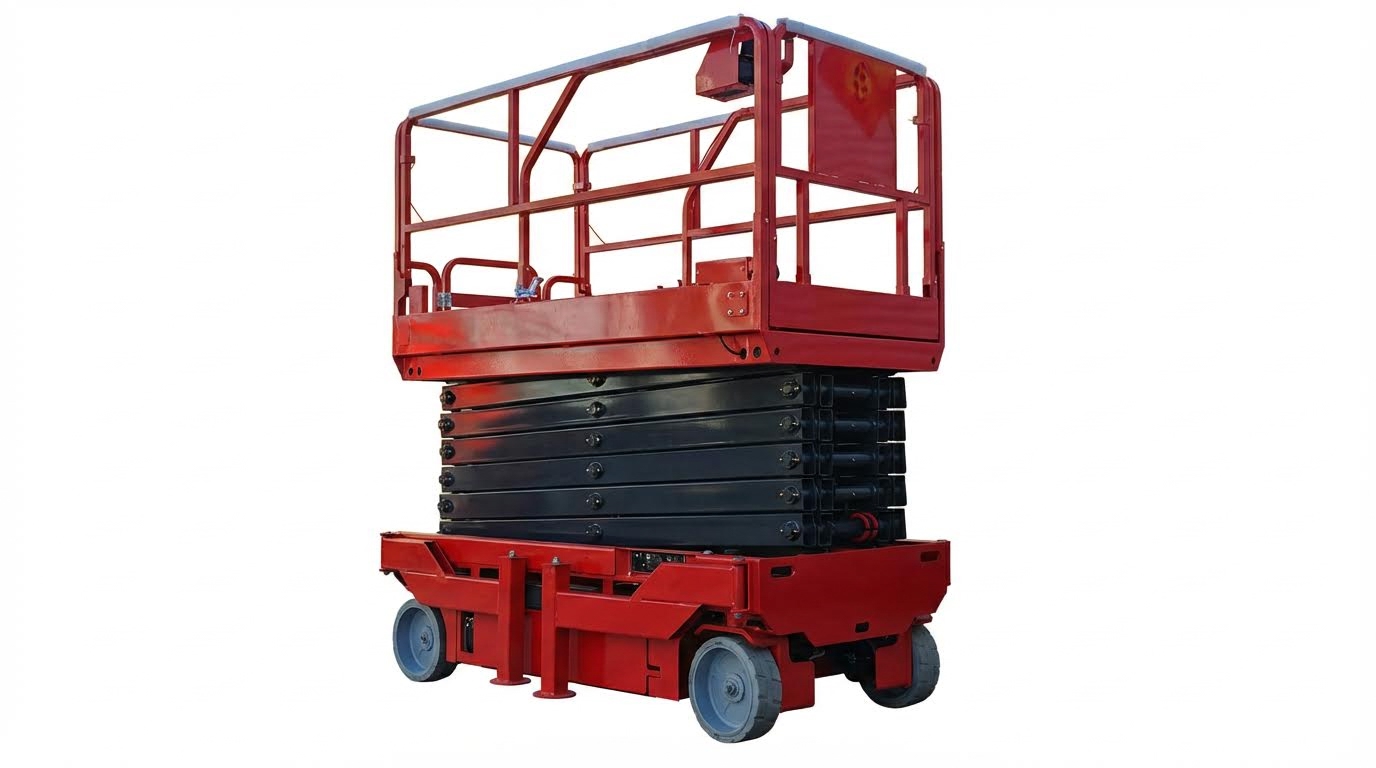
Core control systems on electric scissor lifts governed how operators commanded movement, how safety logic intervened, and how technicians accessed diagnostics. Genie, Skyjack, and JLG implemented similar functional groups: platform controls, ground controls, emergency and backup systems, and load or stability monitoring. Differences appeared in control layouts, interface conventions, and the depth of electronic supervision. Understanding these variations reduced operating errors and simplified fault finding across mixed fleets.
Genie GS-1930 Platform And Ground Control Layout
The Genie GS-1930 used a dual control arrangement with platform and ground stations linked through the Smartlink control architecture. The platform control box incorporated a joystick for drive and lift, function enable switches, a platform emergency stop button, and selector switches for proportional or non‑proportional lift where fitted. The Service and Repair Manual described platform controls from page 33, including circuit boards on page 35 and joystick details on page 36, which defined input signals and fault behaviors. Ground controls, starting on page 38, provided a key switch, emergency stop, lift and lower switches, and an interface to software revision and setup functions described around pages 39–41. The layout allowed operators to perform function tests from either station, while technicians accessed configuration, software loading, and Smartlink Web Service Tool connectivity via ground controls.
Skyjack 3219/3226 And JLG 1930ES Interface Differences
Skyjack 3219 and 3226 models used a relatively simple, hard‑wired control philosophy compared with the more networked JLG 1930ES. Skyjack platform controls typically featured a drive‑lift selector, joystick, horn, and emergency stop, with model‑specific operator’s manuals tied to defined serial number ranges to reflect wiring and logic changes. The JLG 1930ES shared a common electronic service platform with 2032ES, 2632ES, 2646ES, and 3246ES, using distributed modules on a CANbus network. Its interface supported flash codes that identified subsystem faults, such as 6‑6 for CANbus communication issues or 7‑7 for drive motor field circuit problems. This architecture gave JLG lifts richer diagnostic feedback at the cost of higher complexity, whereas Skyjack favored straightforward wiring that field technicians could trace quickly using the appropriate serial‑range schematic.
Emergency Stops, Manual Lowering, And Backup Controls
All referenced models incorporated redundant emergency stopping and backup lowering provisions to satisfy MEWP safety standards. Platform and ground emergency stop buttons removed power to motion circuits and required manual reset before operation could resume. The Genie GS‑1930 included a manual platform lowering cable, documented around page 65 of the Service and Repair Manual, which allowed ground personnel to lower an elevated platform in the event of electrical or control failure. Operator’s manuals for Genie, Skyjack, and JLG specified that function tests had to verify emergency stop operation from both control stations at the start of each shift. Ground controls also acted as a supervisory backup, allowing authorized personnel to override platform commands during abnormal situations, provided they followed manufacturer‑defined procedures.
Load Sensing, Overload Lockout, And Recovery Logic
Modern scissor lifts integrated load sensing and overload lockout to prevent operation beyond rated capacity, including personnel and tools. Genie GS‑1930 manuals described a platform overload system with dedicated recovery procedures around pages 159 and 164, where the system inhibited lift functions when the platform load exceeded design limits. JLG 1930ES models used a platform Load Sensing System (LSS) tied into the CANbus; flash codes in the 8‑x range indicated specific load cell channel errors such as “LSS CELL #1 ERROR.” When an overload or sensor fault occurred, the controller locked out affected functions until the condition cleared or a defined recovery sequence was completed. These systems enforced compliance with rated load and center‑of‑gravity assumptions and required operators to remove excess weight rather than attempting to bypass the lockout, while technicians used fault codes and schematics to distinguish genuine overload from sensor or wiring defects.
Model-Specific Operating Procedures And Safety Logic
Pre-Operation Checks And Function Tests By Model
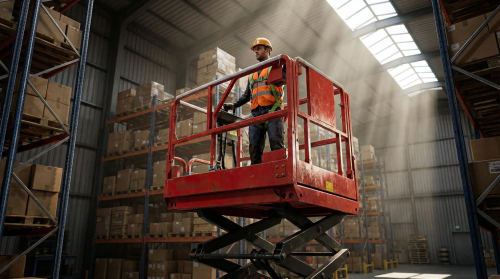
Pre-operation procedures always started with a structured walk-around inspection, but details varied by model family. Genie GS-1930 manuals required checks of hydraulic oil level, battery electrolyte or fill state, scissor arm wear pads, manual platform lowering cable integrity, and correct serial-number configuration. JLG 1930ES and related ES models used a similar checklist but emphasized battery condition, hydraulic leaks, structural damage, decal legibility, and presence of all manuals on board. Skyjack 3219/3226 documentation for defined serial ranges specified verification of tire condition, brake release function, and correct operation of platform gates and interlocks. All manufacturers required function tests at both ground and platform controls in an obstruction-free area, confirming emergency stop, lift, drive, steering, and alarms before releasing the machine for service.
Function tests also validated safety logic, not just motion. Genie procedures included verification of platform overload system behavior and correct response of level sensors and, where fitted, outriggers. JLG ES-series checks covered proper fault indication through the control system and confirmation that any logged problems cleared before operation. Operators had to verify that all guardrails and gates latched securely and that controls returned to neutral when released. If any anomaly appeared during checks or function tests, manuals mandated locking out the machine until qualified maintenance personnel corrected the fault.
Driving, Elevating, And Slope Limits For ANSI/CE Versions
Manufacturers defined strict limits for driving and elevating, and CE variants often had tighter constraints than ANSI units. For scissor lifts such as the Genie GS-1930, manuals specified that operators must not raise the platform on slopes or uneven ground; elevation occurred only on firm, level surfaces. ANSI models typically allowed limited driving at height within defined grade and wind limits, while CE models incorporated additional interlocks and warnings aligned with EN 280 requirements. Operating instructions for multiple brands explicitly prohibited driving the machine while elevated on inclines or unstable ground.
Before travel, operators had to determine slope grade using methods in the operator’s manual or onboard indicators. If the measured gradient exceeded the rated gradeability, the lift remained in the stowed position or the route changed. Procedures required slow, deliberate driving with the platform lowered, especially near ramps, trailer edges, or dock transitions. Manuals also stressed verified ground conditions, including avoiding voids, trenches, uncompacted fill, or slippery surfaces that could degrade traction and braking. Where stabilizers or outriggers existed, operators deployed and confirmed their lock status before any elevation.
Platform Extension, Guardrails, And Fall Protection Rules
Platform extension decks increased reach but also changed load distribution and side-force behavior, so manuals defined specific use rules. Operators had to extend and retract decks only using designated handles or controls, never by pushing on guardrails or external structures. Load charts treated the extension zone separately, requiring compliance with a reduced capacity if tools and personnel occupied the extended section. Guidance required even load distribution and prohibited storing heavy materials against the guardrails or on top rails. Guardrail systems formed the primary fall protection for most scissor lifts, and all manufacturers stressed keeping the body fully within the rail envelope.
Users could not stand on mid-rails, top rails, or improvised steps, and could not climb the scissor stack or extension structure. When site rules or manufacturer instructions called for personal fall protection, operators attached lanyards only to approved anchor points on the platform. Procedures for entering or exiting at height followed manufacturer or competent-person instructions to control fall and entrapment risks. Tools and materials required securing with belts or lanyards to prevent dropped-object incidents. Any damaged, missing, or modified guardrail components rendered the lift out of service until repair restored original design strength and geometry.
Tip-Over, Collision, And Electrical Hazard Controls
Tip-over prevention relied on a combination of design features and strict operational discipline. Manuals for Genie, Skyjack, and JLG platforms prohibited using MEWPs as cranes, jacks, or structural supports, and banned adding side structures such as tents that increased wind-exposed area. Operators had to stay within rated platform capacity, including personnel, tools, and materials, and avoid side loading by pushing or pulling on external structures. Weather checks before and during use addressed wind, thunderstorms, ice, and reduced visibility, with elevation prohibited above published wind-speed limits. Ground verification ensured solid, level support; operations over voids, ducts, or covers were not allowed without engineering verification.
Collision control depended on planning and segregation of the work zone. Procedures required removing debris and overhead obstructions, installing cones or barriers, and establishing clear communication signals for team operations. Operators moved the platform slowly, avoided acrobatic driving or rapid directional changes, and never drove while elevated near obstacles. Electrical hazard controls followed the principle of maintaining safe approach distances to energized conductors, in line with OSHA and regional standards. Manuals warned against using the lift as an insulating device and required de-energization or adequate clearance whenever work occurred near power lines or busbars. If any contact, near-miss, or structural impact occurred, the lift had to be inspected and tested by qualified personnel before returning to service.
Diagnostics, Software, And Predictive Maintenance
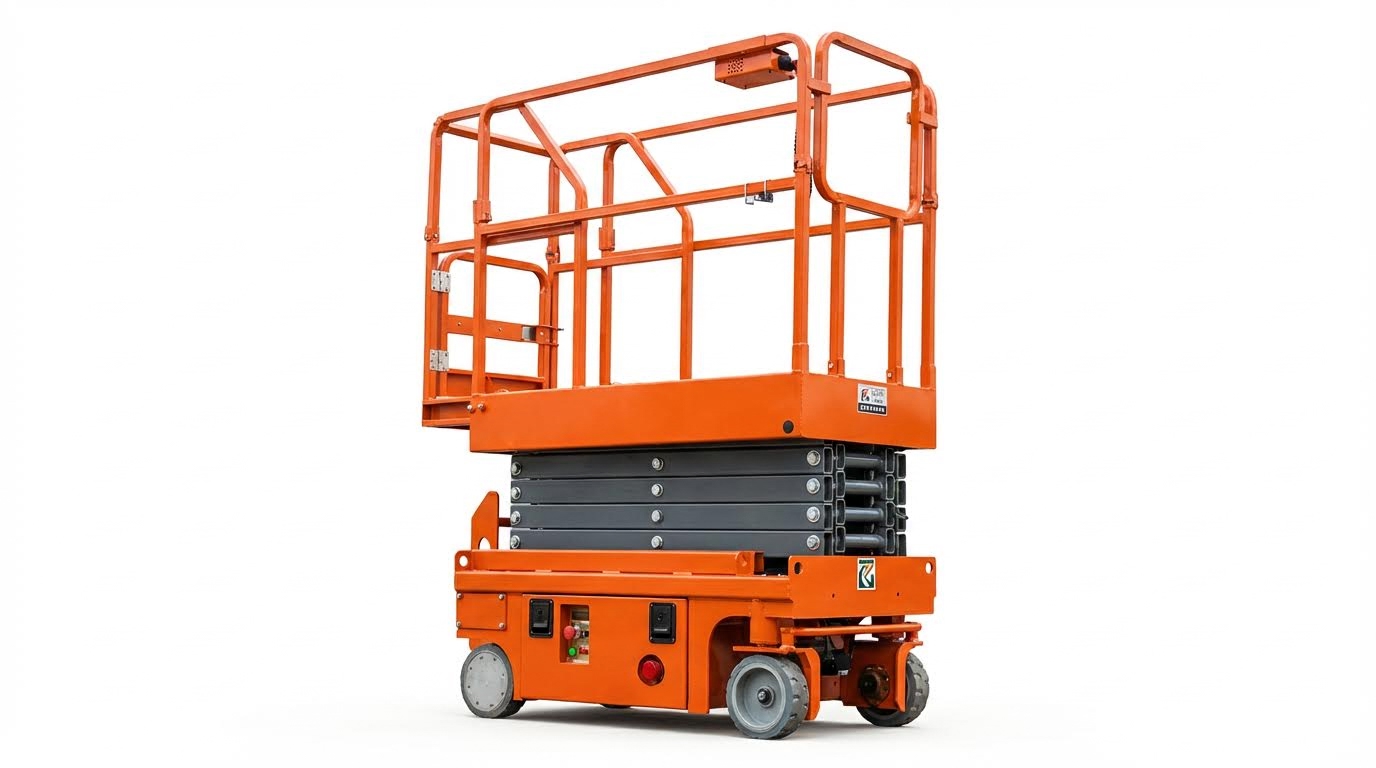
Modern scissor lifts integrated increasingly complex electronic and hydraulic systems. Effective diagnostics reduced downtime and prevented repeat failures. Technicians relied on fault codes, structured schematics, and connected tools to isolate issues quickly. Predictive maintenance approaches then used these data streams to extend component life and improve fleet availability.
Reading Fault Codes And GCON/CANbus Flash Patterns
Manufacturers implemented different diagnostic architectures, but all encoded faults in structured patterns. Genie GS-1930 models used GCON I/O maps and fault code charts to map inputs, outputs, and system states to specific failure modes. JLG ES-series lifts used CANbus-based flash codes on diagnostic LEDs, where paired digit sequences indicated module-level issues. For example, a 6-6 flash code indicated CANbus communication problems between the power module, platform module, or load-sensing system, while 8-x patterns pointed to specific load cell channel errors. Non-latching codes cleared once the root cause, such as a loose connector or intermittent accessory fault, was corrected and power was cycled. Technicians needed to reference the model-specific manual, verify wiring continuity, and confirm sensor calibration before returning the lift to service.
Hydraulic And Electrical Schematics For Troubleshooting
Service manuals for units such as the Genie GS-1930 provided dedicated hydraulic and electrical schematic sections. Hydraulic schematics, starting around page 204 for GS-1930, showed tank, pump, manifold, and cylinder connections, including serial-range variations. These drawings supported diagnosis of slow functions, drift, or lift refusal by tracing pressure paths through function manifolds and valve blocks. Electrical schematics, split by ANSI/CSA and CE/Australia configurations, documented control power distribution, interlocks, level sensors, and overload systems. Technicians used these to verify correct voltage at platform and ground controls, to check emergency stop circuits, and to locate failed relays or broken conductors. Cross-references to component removal and torque procedures ensured that hydraulic hose replacements and manifold servicing met specified tightening values, reducing leak and failure risk.
Software Updates, Smartlink, And Web Service Tools
As scissor lifts adopted programmable controllers, software revision management became a core maintenance activity. Genie platforms such as the GS-1930 included procedures for checking software revision levels at ground controls and updating firmware via dedicated service ports. Manuals described how to load or update machine software and how to configure parameters like drive speeds, language, or outrigger logic. Smartlink-style web service tools allowed technicians to connect through a Wi‑Fi router, read live I/O states, log faults, and push configuration changes without disassembling panels. Correct software baselines were critical, because later revisions often addressed nuisance fault codes, refined overload behavior, or improved slope and level-sensor handling. Shops needed controlled processes to track which serial ranges required specific firmware and to document any parameter changes for regulatory compliance and fleet consistency.
Battery Management, Advanced Monitoring, And All-Electric Lifts
Battery systems heavily influenced uptime and life-cycle cost for electric scissor lifts. Traditional flooded lead-acid banks on models like Genie GS-1930 or JLG 1930ES required regular checks of fluid levels, terminal cleanliness, and charge profiles. Poorly maintained batteries often failed within one year, while properly serviced units typically reached two to three years. Advanced battery monitoring systems improved this by logging state-of-charge, depth-of-discharge history, fluid status, and charge events, enabling predictive replacement before sudden failures. Newer all-electric platforms, such as JLG’s Davinci AE1932, eliminated hydraulics and used a single long-life lithium-ion pack with onboard self-diagnostics. These systems reduced leak risks and routine service points but demanded adherence to manufacturer charging, storage, and temperature limits. Integrating monitoring data into fleet management software allowed planners to schedule maintenance windows, optimize charger allocation, and align battery replacement with other major service activities.
Summary: Key Takeaways For Safe, Efficient Operation
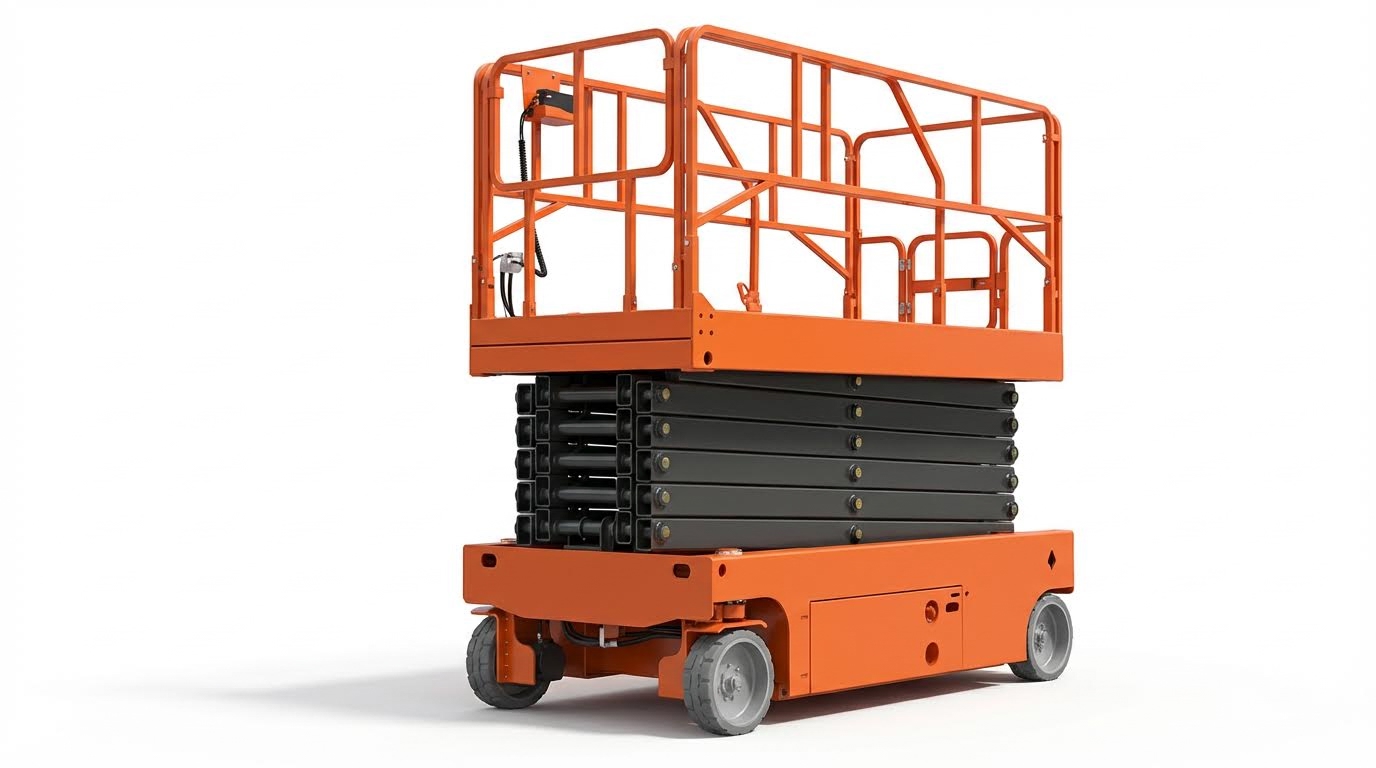
Modern scissor lifts such as the Genie GS‑1930, Skyjack 3219/3226, and JLG 1930ES required strict adherence to model‑specific manuals and control logic. Operators had to understand both platform and ground control layouts, including emergency stops, manual lowering systems, and load‑sensing based overload lockout. Safe operation depended on pre‑operation inspections, function tests at both control stations, and verification of ground conditions and slope limits for the applicable ANSI or CE configuration.
From a technical standpoint, the OEM service manuals provided the authoritative source for specifications, hydraulic and electrical schematics, torque values, and diagnostic maps. GCON or CANbus fault codes and I/O maps enabled structured troubleshooting of sensors, valves, and control modules, while software update procedures and Smartlink‑type web tools supported configuration management across serial number ranges. Correct interpretation of overload, stability, and tilt logic was critical to avoid bypassing safety interlocks and to execute recovery procedures without introducing new hazards.
Industry practice increasingly moved toward predictive maintenance, using structured inspection intervals, battery monitoring, and data from controller diagnostics to reduce downtime. All‑electric architectures such as the JLG Davinci AE1932, with zero hydraulics and integrated self‑diagnostics, illustrated a clear trend toward lower leakage risk, fewer service points, and longer service intervals. However, these advances still required disciplined battery care, software revision control, and adherence to OEM maintenance schedules.
For practical implementation, fleet owners needed standardized checklists aligned with OSHA and MEWP guidance, training that emphasized model‑specific controls, and documented procedures for transport, lifting, and storage. A balanced approach combined respect for legacy hydraulic machines with readiness for software‑driven, all‑electric platforms. Organizations that integrated diagnostics, digital manuals, and structured maintenance planning achieved higher availability, lower lifecycle cost, and a measurably safer operating environment for scissor lift users.