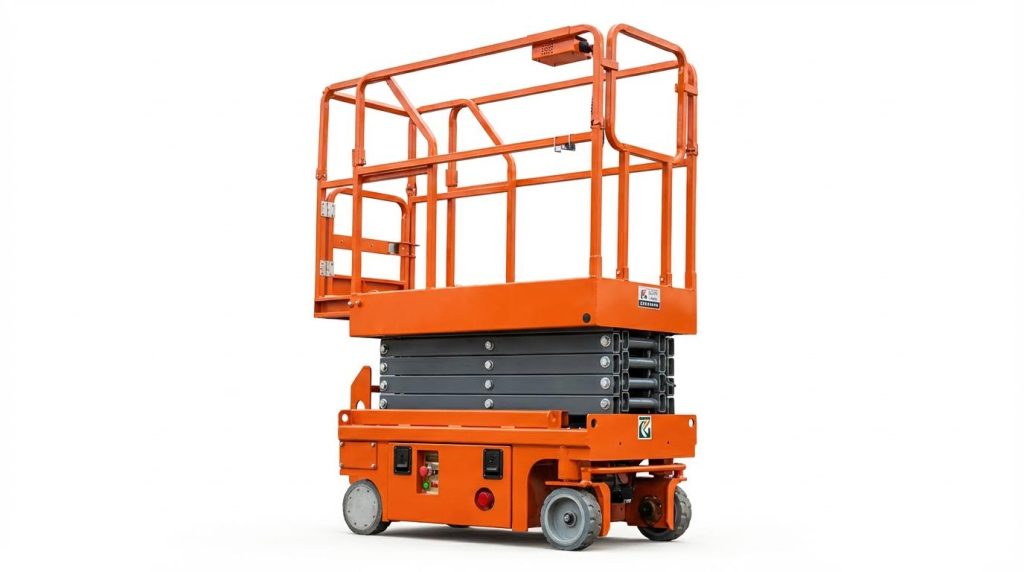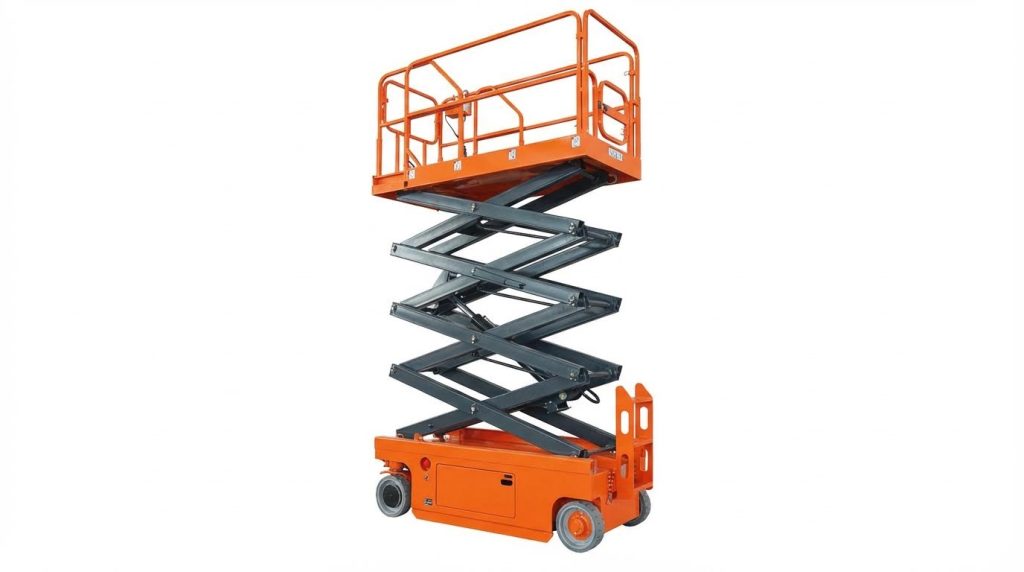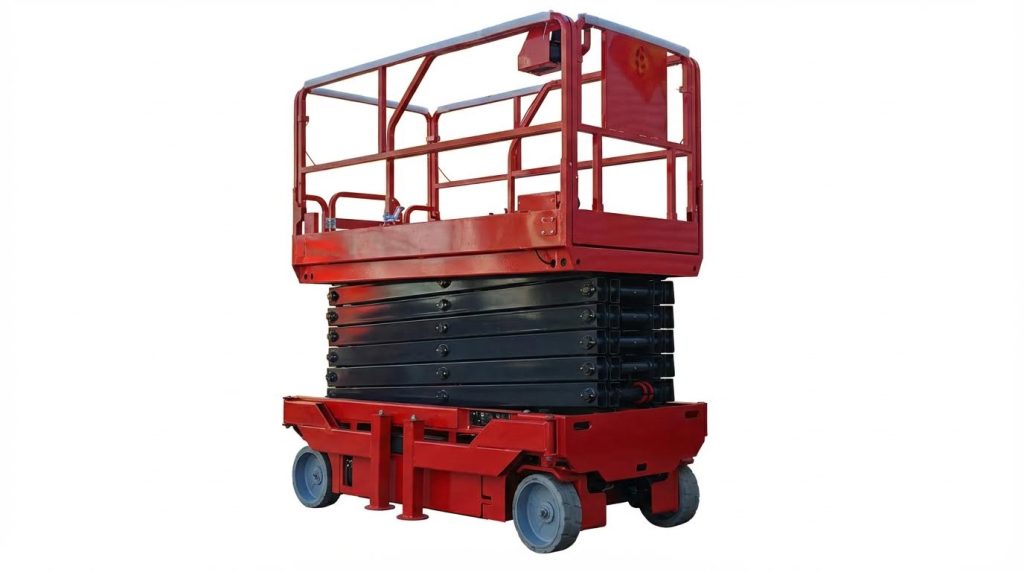
Electric scissor lifts are primarily powered by on-board rechargeable battery packs that drive electric motors and control systems. Understanding what electric scissor platform lift are powered by requires comparing lead-acid, AGM, and lithium chemistries, their safety characteristics, and their environmental impact. Engineers must also size batteries correctly, manage temperature, and choose between maintenance-free and serviceable designs to support multi-shift duty cycles. Modern fleets further depend on smart chargers, robust battery management systems, and connected power management that integrates with traction drives, lift actuators, and energy recovery to maximize uptime and lifecycle value.
Core Power Options For Electric Scissor Lifts
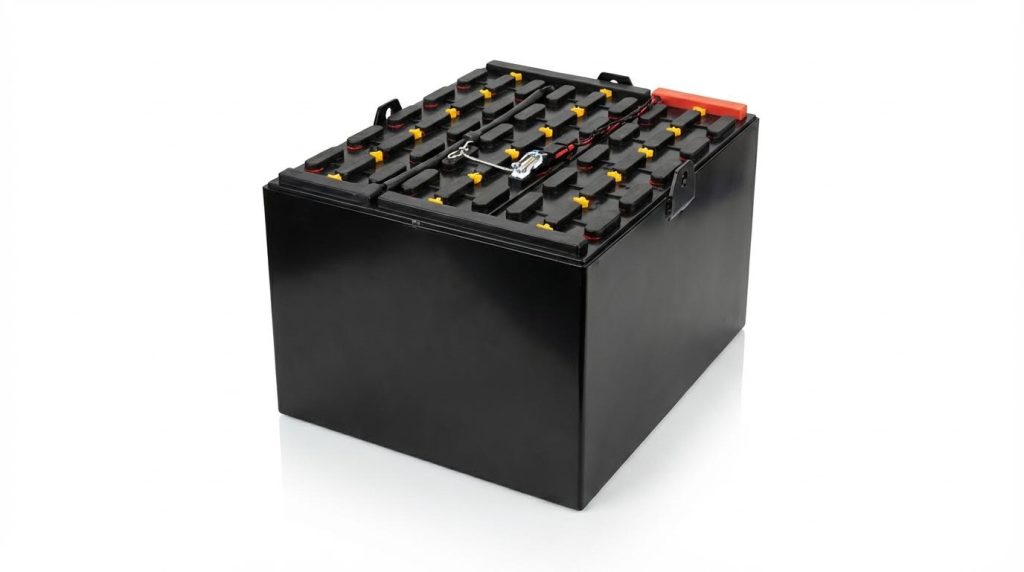
Electric scissor lifts are almost always powered by on-board rechargeable batteries. Understanding the core battery options helps answer “what are electric scissor lifts powered by” in practical, engineering terms. Power choice directly affects duty cycle, charging strategy, emissions profile, and total cost of ownership. The following subsections compare chemistries, safety, operational patterns, and environmental compliance for modern fleets.
Lead-Acid, AGM, And Lithium: Key Differences
Electric scissor lifts were traditionally powered by flooded lead-acid traction batteries. These units offered low upfront cost but required regular watering, cleaning, and equalization. Typical charge times ranged between 6 and 8 hours, followed by a cooling period, which limited multi-shift use. Energy efficiency stayed relatively low, and voltage sag under load reduced performance late in the shift.
AGM batteries represented a sealed lead-acid evolution. They used absorbent glass mat separators, which immobilized electrolyte and eliminated free liquid. This design made the packs spill-proof and maintenance-free, removing daily watering tasks and reducing acid exposure risk. AGM batteries delivered higher cycle life than flooded lead-acid and tolerated moderate vibration, which suited rougher job sites.
Lithium-ion packs, including LiFePO4 variants, changed what electric scissor lifts are powered by in high-utilization fleets. Lithium batteries stored roughly three times more energy per unit mass than conventional lead-acid. They provided stable voltage during discharge, fast charging, and very low self-discharge, typically under 3% per month. Charge times could drop to about 1 hour with suitable chargers, enabling opportunity charging during breaks without significant degradation.
In comparative terms, lead-acid chemistries still offered the lowest initial cost but the highest routine maintenance and shorter life, often 300–400 cycles to 80% depth of discharge. AGM reduced maintenance and improved safety but remained constrained by lead-acid charge profiles and weight. Lithium solutions carried higher purchase cost but delivered 4× longer life cycles, up to 30% higher energy efficiency, and better compatibility with intensive multi-shift operation.
LiFePO4 Chemistry And Safety Characteristics
LiFePO4 (lithium iron phosphate) batteries became a preferred lithium chemistry for electric scissor lifts where safety and durability were critical. Their cathode material provided excellent thermal and structural stability. The cells resisted thermal runaway and did not decompose rapidly at elevated temperatures, which reduced fire and explosion risk relative to less stable lithium chemistries. This behavior was important in enclosed warehouses and sensitive facilities.
LiFePO4 packs typically reached up to about 5,000 charge-discharge cycles under controlled depth-of-discharge conditions. This contrasted sharply with the 300–400 cycle range typical of flooded lead-acid traction batteries. The longer life allowed fleet managers to align battery life more closely with the chassis life of the lift. As a result, total cost of ownership often dropped despite the higher initial investment.
From a control standpoint, LiFePO4 systems relied on an integrated battery management system to supervise cell voltages, temperatures, and currents. The BMS enforced charge and discharge limits, provided cell balancing, and protected against short circuits or over-temperature events. These functions were essential because LiFePO4 cells operated safely only within defined voltage and temperature windows. The combination of chemistry stability and active electronic protection produced a robust safety envelope.
LiFePO4 also offered environmental and regulatory benefits. The chemistry did not use cobalt and contained fewer toxic elements than many legacy batteries. Packs were RoHS-compliant and recyclable. This profile aligned with stricter site requirements that limited hazardous substances and demanded documented end-of-life pathways for energy storage systems.
Duty Cycles, Charge Times, And Shift Patterns
When engineers evaluated what electric scissor lifts are powered by, they matched battery chemistry to duty cycle and shift structure. Flooded lead-acid systems suited single-shift applications with predictable overnight charging windows. These packs typically required 6–8 hours to fully charge using manufacturer-approved chargers. They then needed additional time to cool, which restricted back-to-back deployment. Heavy opportunity charging shortened their life due to sulfation and heat buildup.
AGM lead-acid batteries behaved similarly regarding charge profile but tolerated slightly higher discharge rates and offered better resilience under partial-state-of-charge conditions. However, they still performed best with full charge cycles and limited deep discharges. For two-shift operations, fleets often rotated spare packs or used larger capacity banks to avoid excessive depth of discharge.
Lithium-ion and LiFePO4 systems supported very different operating patterns. Their fast-charging capability allowed partial recharges during scheduled breaks or between tasks without significant memory effect. Some systems charged from low state of charge to full in roughly one hour under optimal conditions. Quick top-up charging enabled continuous operation across multiple shifts using a single battery pack, especially when combined with high-efficiency drive systems and regenerative features.
Duty cycle planning also considered voltage stability and cutback behavior. Lead-acid voltage declined steadily with discharge, which caused performance reduction and triggered early machine derating. Lithium chemistries maintained flatter discharge curves, keeping lift and drive performance more consistent until approaching the lower state-of-charge limit set by the BMS. This stability improved productivity on long travel routes or high lift cycles per shift.
Environmental And Regulatory Considerations
Environmental and regulatory frameworks significantly influenced choices for what electric scissor lifts are powered by. Flooded lead-acid batteries contained lead and liquid sulfuric acid, which required controlled handling, spill containment, and ventilation. Charging emitted hydrogen gas, so standards and best practices mandated dedicated, well-ventilated charging areas free of ignition sources. Workers needed PPE such as goggles and acid-resistant gloves during maintenance and watering.
AGM batteries reduced spill risk because the electrolyte was immobilized, but they still used lead-based chemistries. Disposal and recycling had to comply with hazardous waste regulations and established lead recycling streams. Sites documented handling procedures to meet occupational safety rules and environmental laws. Regular inspections for corrosion and damaged wiring remained mandatory to prevent shorts and potential fires.
Lithium-ion and scissor platform lift technologies changed the environmental profile. They did not emit acid fumes or CO₂ during normal operation and removed the risk of electrolyte spills in typical use. LiFePO4 cells, in particular, contained no cobalt and fewer toxic heavy metals, easing compliance with RoHS and similar directives. Manufacturers designed these packs for recyclability, and specialized recyclers recovered valuable materials such as lithium, copper, and aluminum.
Regulators also focused on electrical safety and thermal risks. Lithium systems had to comply with transport and storage rules that addressed energy density and fire behavior. Certification processes evaluated BMS robustness, enclosure design, and thermal protection. Site-level policies often required documented training for operators on safe charging, emergency response, and isolation procedures. Across chemistries, adherence to ANSI, CSA, and regional standards ensured that scissor platform power systems operated safely within diverse industrial and commercial environments.
Battery Sizing, Selection, And Thermal Management

Understanding what are electric scissor lifts powered by is essential before sizing and managing batteries. Electric scissor lifts use battery banks as their sole onboard energy source, so capacity, chemistry, and thermal control directly determine uptime and safety. This section explains how to size batteries for multi-shift work, manage temperature in harsh climates, and choose between maintenance-free and serviceable designs for reliable, low-cost operation.
Capacity Sizing For Multi-Shift Operations
Electric scissor lifts are powered by batteries that must support full shift duty cycles without deep over-discharge. Engineers typically size capacity from measured ampere-hour (Ah) consumption per hour, multiplied by worst-case shift length and a safety factor of at least 20%. Lead-acid fleets often target 50–80% depth of discharge per shift to avoid sulfation and premature failure. Lithium-ion and LiFePO4 packs tolerate deeper discharge, so designers can reduce nominal Ah while maintaining equal or higher usable energy. For multi-shift operations, opportunity charging strategies or fast chargers allow smaller lithium packs to replace oversized lead-acid banks. Correct sizing also considers peak current for lift and drive motors, ensuring voltage sag stays within controller limits during high-load maneuvers on ramps or rough slabs.
Temperature Effects And Cold-Weather Strategies
Battery performance strongly depends on temperature, which affects both capacity and internal resistance. A fully charged battery that delivered 100% capacity at 27°C could drop to about 65% usable capacity at 0°C and near 40% at −18°C. These losses directly reduce run time, so engineers must oversize packs or integrate thermal mitigation for cold regions. Electric scissor lifts powered by lithium often use optional pack heaters that enable safe charging down to approximately −20°C. In hot climates, forced-air cooling and clear airflow paths around the pack help prevent thermal runaway in lithium systems and water loss in flooded lead-acid batteries. Control systems should derate lift or drive power if cell temperatures exceed specified limits, protecting both battery and power electronics.
Maintenance-Free Vs. Serviceable Battery Designs
When considering what are electric scissor lifts powered by in terms of battery design, the choice between maintenance-free and serviceable types has major lifecycle implications. Flooded lead-acid batteries are serviceable and require periodic watering, terminal cleaning, and equalization charging to achieve rated life. Improper water levels or neglected corrosion shorten service life and increase downtime. AGM lead-acid and lithium-ion packs are maintenance-free, with sealed construction that eliminates watering and greatly reduces acid exposure risk. These designs suit rental fleets and high-utilization sites that cannot rely on daily maintenance discipline. However, serviceable designs can offer lower initial cost and easier cell-level replacement. Engineers should balance total cost of ownership, available maintenance skills, and safety requirements when selecting between sealed and flooded chemistries for a given scissor lift platform.
Chargers, BMS, And Connected Power Management
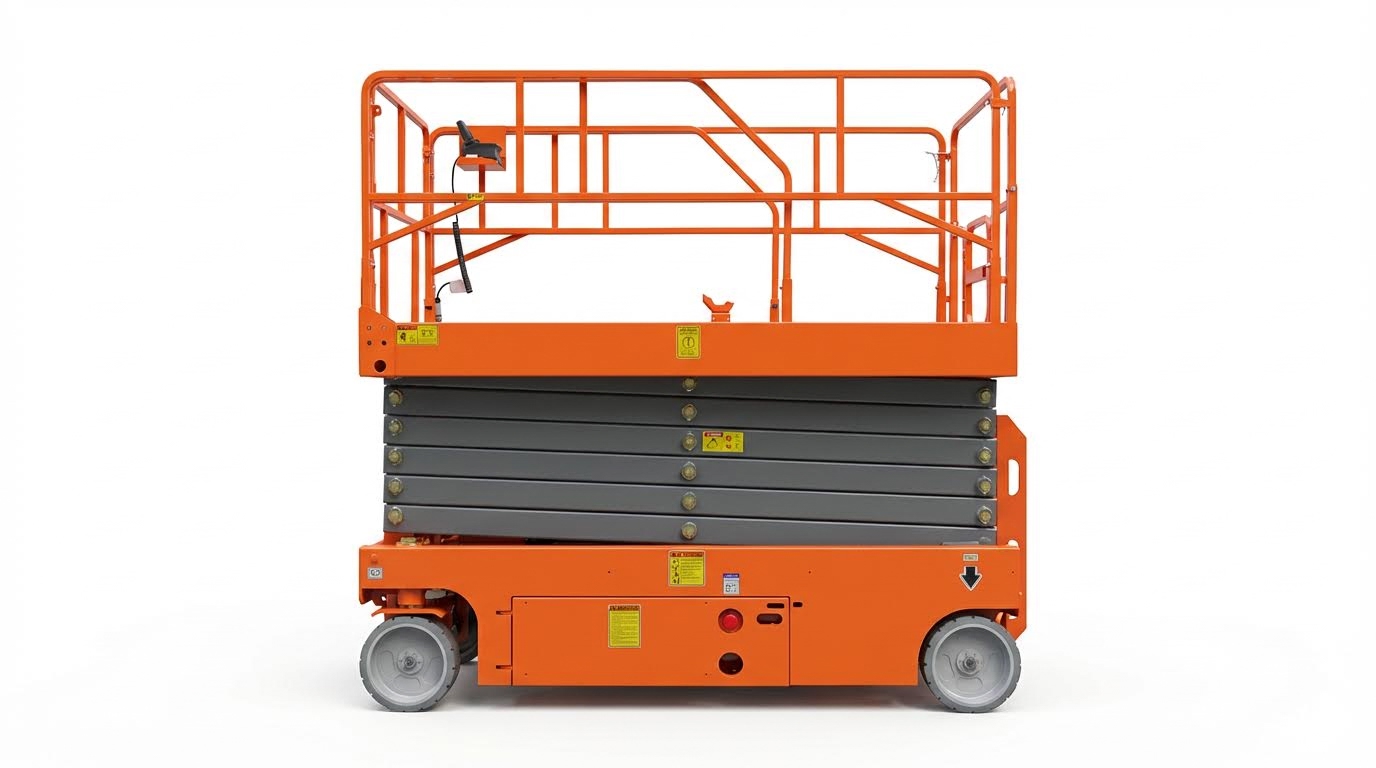
Electric scissor lifts are powered by battery packs, so charging hardware and digital power management determine real-world uptime. This section focuses on how smart chargers, battery management systems, and connected analytics work together to answer a key user question: what are electric scissor lifts powered by in modern fleets, and how is that energy controlled. Engineers can use these concepts to specify safer systems, reduce energy losses, and extend battery life in demanding duty cycles.
Smart Chargers And Safe Charging Practices
Electric scissor lifts are powered by lead-acid, AGM, or lithium-based batteries, and each chemistry needs a matched smart charger profile. Smart chargers regulate current and voltage in stages, prevent overcharge, and often cut off near 14.8 V DC for 12 V-class modules, then resume when voltage drops below about 12.7 V DC. For fleet operations, engineers specify chargers with temperature compensation, correct charge curves, and lockouts that refuse to start when battery voltage is below a safe diagnostic threshold. Safe charging practices include using ventilated areas, inspecting connectors for corrosion, and monitoring case temperature to avoid thermal runaway or plate damage. For lead-acid packs, operators should check electrolyte levels with PPE, use distilled water, and avoid opportunity charging patterns that shorten life through partial-state-of-charge cycling.
Battery Management Systems And Cell Balancing
Lithium-ion and LiFePO4 packs that power electric scissor lifts rely on battery management systems to stay within safe operating limits. The BMS measures cell voltages, pack current, and temperatures, and it enforces limits on charge, discharge, and low voltage cut-off to prevent overcharge and deep depletion. Cell balancing circuits equalize charge between series cells, which preserves usable capacity and avoids localized overvoltage that could otherwise accelerate degradation. Advanced BMS designs include primary and secondary protection circuits, contactor control, and accurate coulomb counting to estimate state of charge and state of health. For engineers, correct BMS sizing and integration are essential to support high peak currents for drive motors while still protecting the pack over thousands of cycles.
Remote Monitoring, Apps, And Predictive Analytics
Connected power management answers not only what are electric scissor lifts powered by, but also how those batteries behave in the field over time. Bluetooth or telematics gateways stream parameters such as state of charge, state of health, cell temperatures, and instantaneous current to mobile apps or cloud dashboards. Fleet managers can visualize charge patterns, depth-of-discharge statistics, and temperature excursions, then adjust shift planning, charger allocation, or storage practices accordingly. Predictive analytics models use this historical data to estimate remaining useful life, flag abnormal self-discharge, and detect failing cells or wiring issues before they cause downtime. This connectivity supports remote diagnostics, over-the-air firmware updates for BMS or chargers, and data-driven warranty validation.
Integration With Motors, Drives, And Energy Recovery
Because electric scissor lifts are powered by batteries, the interaction between the pack, the motor drives, and any energy recovery features strongly influences runtime per charge. Modern permanent magnet AC drive motors reduce current draw by roughly 20–30%, which allows smaller battery packs or longer duty cycles for the same capacity. Motor controllers communicate with the BMS to limit current when state of charge is low or cell temperatures approach limits, protecting both pack and power electronics. Some lifts implement regenerative functions that recover energy while the platform descends or decelerates, feeding it back into the battery to extend operating time between charges. Distributed control architectures reduce voltage drops in harnesses and enable precise coordination between lift, drive, and steering loads, further improving overall system efficiency and battery utilization.
Summary: Optimizing Scissor Lift Power Systems
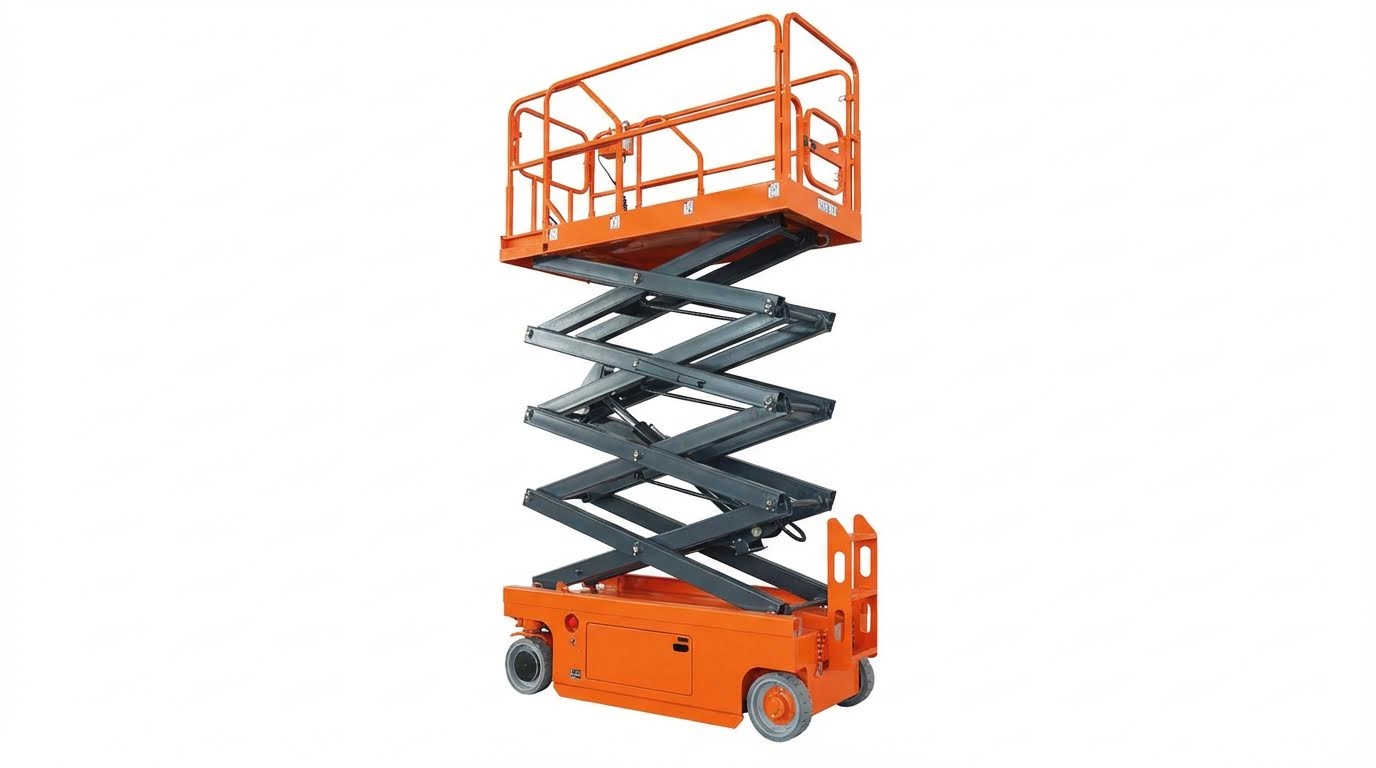
Electric scissor lifts were powered primarily by on-board battery packs, so answering “what are electric scissor lifts powered by” required a system-level view. Modern fleets used lead-acid, AGM, and lithium chemistries, coordinated with smart chargers, battery management systems, and connected controls. Correct battery sizing, thermal management, and charging strategy determined duty cycle, safety, and total cost of ownership. An optimized power system aligned chemistry, capacity, and electronics with site conditions, regulations, and utilization patterns.
Across the industry, lithium-ion and LiFePO4 packs shifted the answer to what are electric scissor lifts powered by toward higher-energy, maintenance-free solutions. These batteries delivered up to roughly four times the cycle life of flooded lead-acid, supported fast and opportunity charging, and reduced emissions and spill risk. Integrated BMS, cell balancing, and remote monitoring improved safety by mitigating overcharge, deep discharge, and thermal runaway, while providing real-time state-of-charge and state-of-health data to fleet managers. Smart chargers and energy recovery from descent further extended run time between charges and reduced grid energy use.
Implementing these technologies required careful engineering. Designers had to validate pack sizing against multi-shift profiles, ambient temperature ranges from roughly -20 °C to +75 °C, and motor and drive efficiency targets. Cold-climate projects often needed heaters or insulated compartments, while hot regions demanded adequate ventilation and thermal protection logic. From a lifecycle and regulatory perspective, low-maintenance chemistries that complied with RoHS and supported recycling improved sustainability metrics and reduced operating risk. Over the next decade, scissor lifts were likely to rely increasingly on lithium-based packs with higher integration between batteries, drives, and telematics, while legacy lead-acid remained viable for cost-sensitive, single-shift applications. This created a balanced technology landscape where the answer to what are scissor platform lifts powered by depended on project duty cycle, environmental constraints, and total cost calculations rather than chemistry alone.