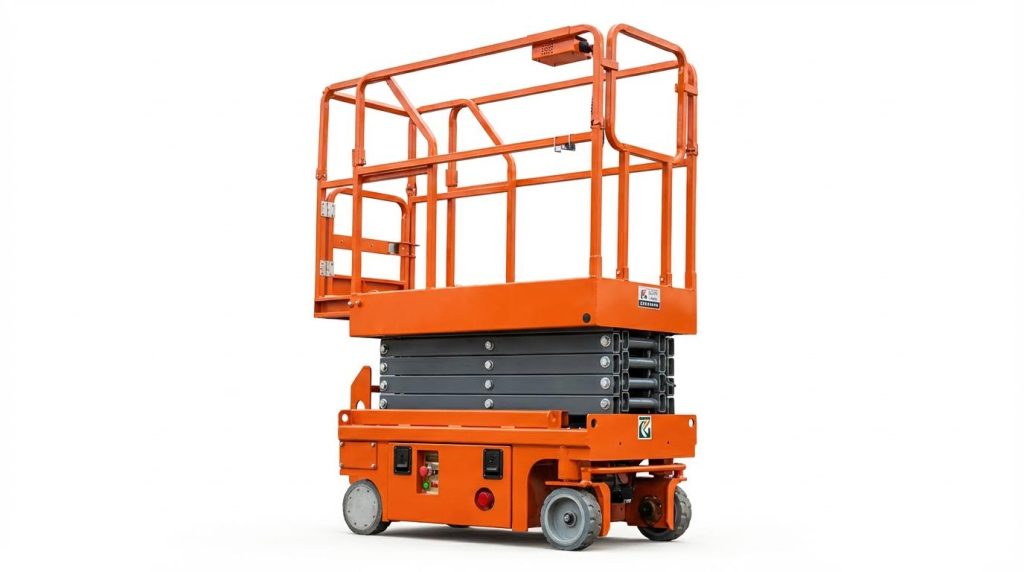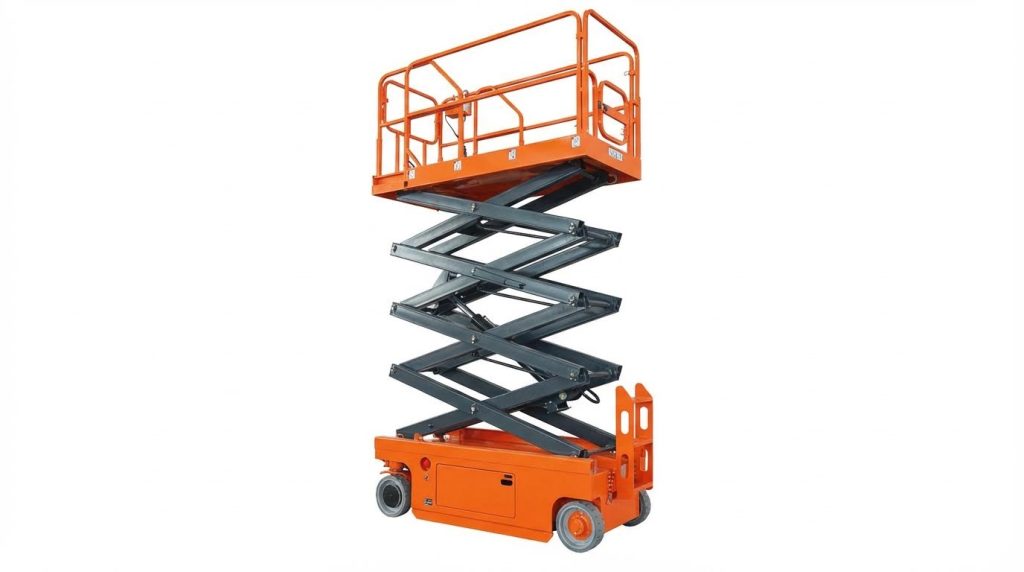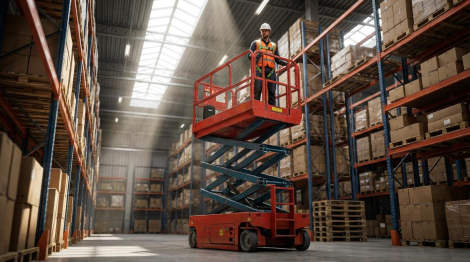
Scissor lift brake systems relied on mechanical, hydraulic, or electric actuation, and each type required a distinct, model-specific manual release method. Incorrect release or re-engagement created uncontrolled movement risks, especially when operators bypassed OEM instructions or skipped basic controls like chocking and power isolation.
This article outlined core principles of when manual brake release was justified, compared brake architectures, and highlighted OEM variations across Hybrid, Skyjack, Genie, and other platforms. It then detailed model-specific procedures, including lever-operated Hybrid HB units, hydraulic manifold releases on Skyjack SJ 32xx / 68xx, Genie brake manifolds with hand pumps, and control-panel releases on electric lifts.
Finally, it examined engineering safety, design choices, and diagnostic strategies: pre-release safety controls, power isolation and freewheeling valves, typical brake valve and cylinder failure modes, and the role of telematics and predictive analytics in maintaining brake integrity. The closing section synthesized these aspects into practical engineering implications for plants managing mixed scissor lift fleets.
Core Principles Of Manual Brake Release
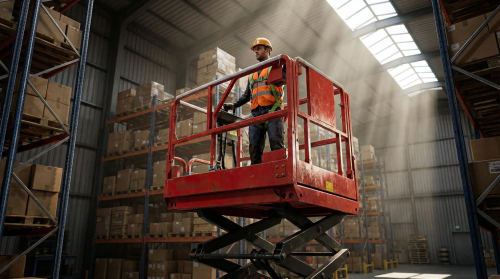
Manual brake release on scissor lifts allowed controlled movement when normal drive or brake functions were unavailable. Engineers and supervisors treated it as an exception procedure, not a routine maneuver. Correct execution depended on understanding brake architecture, OEM-specific hardware, and site safety controls. The principles below framed safe, repeatable practice across mixed fleets.
When Manual Brake Release Is Actually Required
Manual release was justified only when the scissor lifts could not self-propel yet needed relocation or recovery. Typical triggers included power loss, control system failure, hydraulic faults, or a disabled drive circuit during maintenance. Standards and OEM manuals restricted manual release to pushing, winching, or towing on firm, level ground. Operators first chocked or blocked wheels, verified that the platform load stayed within rated capacity, and confirmed no slopes, holes, or obstructions in the path. If the fault origin was unclear, plants escalated to maintenance personnel or the manufacturer, because misdiagnosed failures could lead to uncontrolled movement or brake non-reengagement.
Mechanical vs. Hydraulic vs. Electric Brake Systems
Mechanical brake systems typically used spring-applied, lever-released mechanisms on the drive wheels or axle. Hybrid HB-series lifts demonstrated this approach, where operators flipped mechanical levers at the rear of the machine to disengage and re-engage the brakes. Hydraulic brake systems integrated the brake function into the hydraulic circuit, using brake release manifolds, hand pumps, and valves that modulated pressure to spring-applied brakes. Skyjack SJ 3219 and SJ 6826 RT used hand pumps, auto-reset plungers, and freewheeling valves to generate release pressure. Electric brake systems relied on electrically actuated brake coils, with release triggered from the control panel through a key switch and a dedicated brake release button. In practice, many electric scissor lifts combined electric control with hydraulic or mechanical brake hardware, so engineers treated them as electro-hydraulic systems and validated both power and fluid conditions during diagnostics.
OEM Variations: Hybrid, Skyjack, Genie, Others
Hybrid HB models used straightforward lever actuation but differed between variants, which introduced human-factor risk. On the HB-1230, flipping the levers up released the brakes and flipping them down re-engaged them. On the HB-1030 and HB-1430, the logic inverted: flipping the levers down released the brakes and flipping them up re-engaged them. Skyjack models such as SJ 3219 and SJ 6826 RT used hydraulic manifolds with brake auto-reset valve plungers, hand pumps, and freewheeling valves. Their manuals required wheel chocking, main power disconnect off, and operation only on level ground before pumping until firm resistance indicated brake release. Genie scissor lifts also used a rear brake release manifold but distinguished between dome-shaped push-in knobs and coin-shaped knobs that rotated counterclockwise for release. Operators then pumped a red knob to build hydraulic pressure and release the brakes. Because each OEM embedded different knob geometries, valve motions, and reset behaviors, plant procedures referenced model-specific instructions, photographs, and tag plates to avoid cross-model assumptions and to ensure correct re-engagement before returning equipment to service.
Model-Specific Brake Release Methods
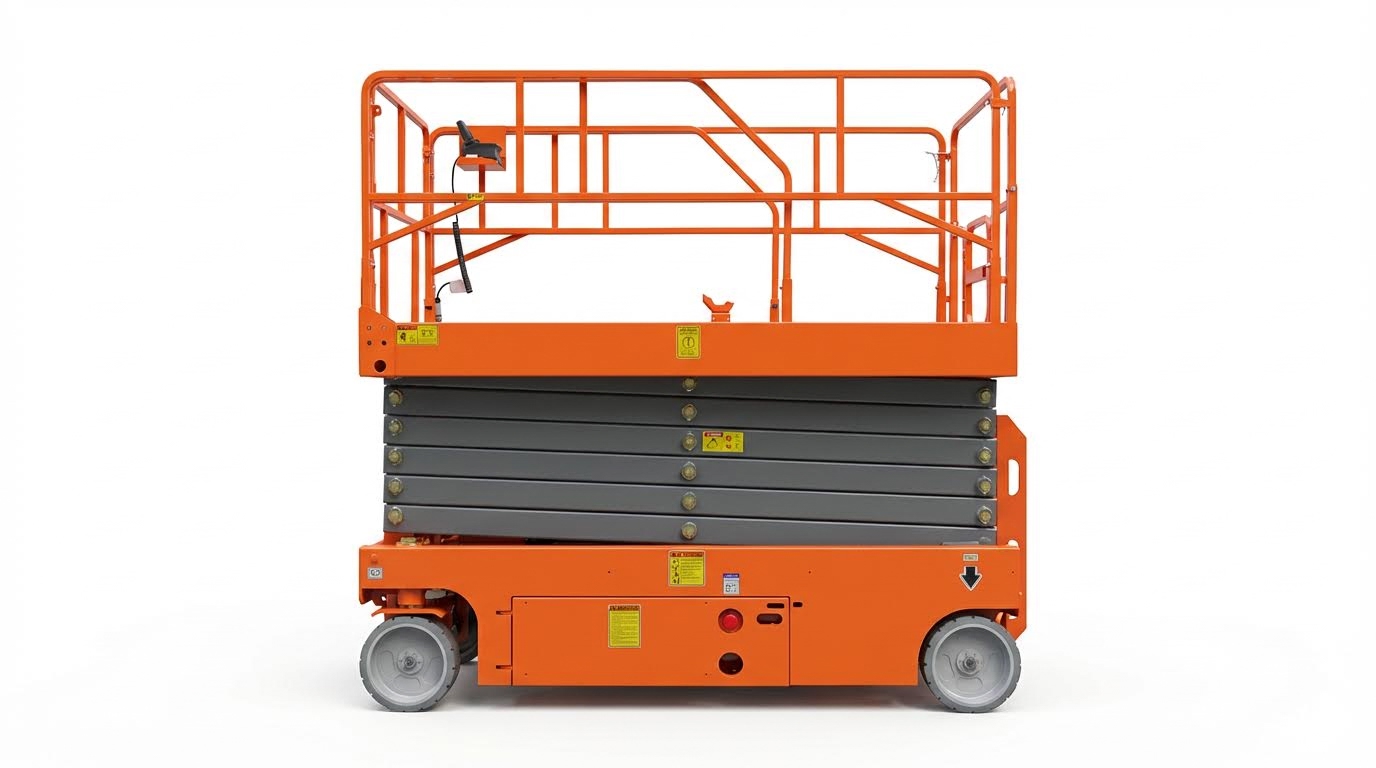
Scissor lift brake release procedures differed significantly between manufacturers and series. Engineers and technicians needed to apply model-specific methods while still maintaining common safety fundamentals. This section compared lever, hydraulic manifold, and electrically actuated releases, highlighting control locations, motion modes, and reset logic. The focus stayed on manual or semi-manual release scenarios used for pushing, winching, or towing disabled machines.
Lever-Actuated Brakes On Hybrid HB Series
Hybrid HB series scissor lifts used direct mechanical lever actuation at the rear of the chassis. On the HB-1230, operators released the brakes by flipping the rear levers up and re-engaged them by flipping the levers down. In contrast, HB-1030 and HB-1430 units released the brakes by flipping the rear levers down and re-engaged by flipping them up, which introduced a potential human-factor risk if technicians assumed consistent lever logic across the family. Procedures therefore required clear labeling at the lever cluster and explicit references in work instructions to avoid reverse operation. These lever systems provided a simple, low-component-count solution, but they offered no integrated interlocks such as wheel-chock sensing or power isolation, so site procedures had to supply those controls administratively through checklists and supervision.
Hydraulic Manifold Release On Skyjack SJ 32xx / 68xx
Skyjack SJ 32xx and 68xx families used hydraulic manifold-based brake release systems with hand pumps and auto-reset valves. On the SJ 3219 and related 32xx models, technicians positioned the machine on level ground, turned the main power disconnect off, chocked the wheels, and accessed the brake manifold at the rear. They then pushed in the brake auto-reset valve plunger and rapidly cycled the hand pump until firm resistance indicated the brake cylinders had released. The SJ 6826 RT and similar 68xx rough-terrain models used an analogous process but added a freewheeling valve, which had to be turned counterclockwise to fully open before pumping the hand pump. To re-engage brakes on both families, operators repositioned the MEWP on firm, level ground, re-chocked wheels, pulled out the brake auto-reset plunger, and closed the freewheeling valve where fitted, allowing hydraulic pressure to restore spring-applied brakes. Service manuals listed detailed failure modes, including stuck shuttle valves, misadjusted pressure-reducing valves, and bypassing brake cylinders, which guided troubleshooting when the manual release or re-engagement did not respond as expected.
Genie Brake Manifolds And Pump-Down Procedures
Genie scissor lifts used a dedicated brake release manifold at the rear of the machine, combined with a color-coded pump knob. Procedures started with chocking wheels, then identifying the type of release knob: dome-shaped push-in or coin-shaped rotary. For dome-type units, technicians pressed the knob in to open the hydraulic path; for coin-shaped versions, they rotated the knob counterclockwise to the release position. They then operated the red hand pump repeatedly until resistance increased, confirming that hydraulic pressure had overcome the spring-applied brake force and allowed manual movement. Reactivation logic depended on knob style: dome-type systems auto-reset when the unit was driven with wheels still chocked, causing the black knob to pop back out, whereas coin-shaped knobs required clockwise rotation to the closed position before normal powered travel. This design offered clear tactile feedback but required explicit training to prevent leaving a coin-type knob in the open position, which would compromise parking security.
Electric Scissor Lifts: Control-Panel Brake Release
On fully electric scissor lifts that used electrically actuated brakes, release procedures centered on the control panel rather than mechanical levers or manual pumps. Technicians first verified the platform stood on solid, level ground and that the rated load was not exceeded, then inserted the key into the control box and turned it to the open or on position to energize the control circuits. They located a dedicated brake release button or switch, typically labeled Brake Release or similar, and pressed or held it while monitoring for a characteristic mechanical click from the brake assembly and any unintended machine movement. Some models used indicator lights to confirm that the brake release command was active, which supported remote diagnosis and operator feedback. Because these systems relied on electrical power and control logic, OEM manuals stressed that manual brake release for towing or winching after a power failure might still require auxiliary procedures, such as mechanical overrides or hydraulic valves, and that technicians should consult model-specific documentation before attempting non-standard recovery methods.
Engineering Safety, Design, And Diagnostics
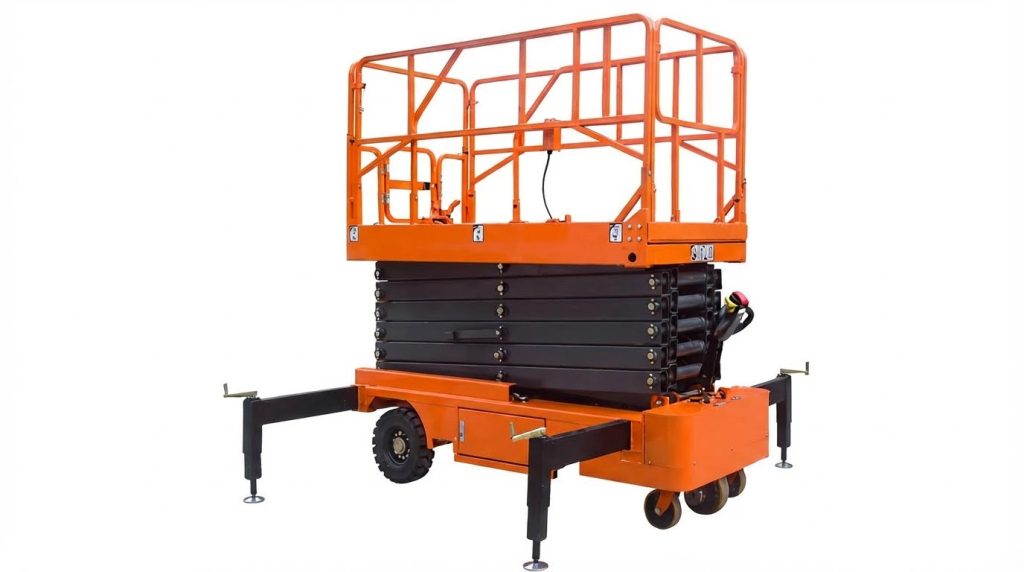
Pre-Release Safety Controls And Wheel Chocking
Manual brake release always increased roll-away risk, so engineered pre-controls were essential. Modern scissor lift manuals specified firm, level ground before any brake override. Skyjack SJ 3219 and SJ 6826 RT documents required chocking or blocking wheels at the front and rear. This created a redundant restraint path when brakes were intentionally disabled.
Wheel chocks functioned as a passive mechanical barrier independent of hydraulic or electric systems. Engineers sized chocks for wheel diameter, machine mass, and worst-case slope within site limits. Procedures typically placed chocks on both sides of drive wheels when pushing, winching, or towing. Hybrid HB-series instructions historically omitted chocking, but facility procedures often added it as a local control.
Pre-release checks also verified that the platform load stayed within the rated capacity, for example 567 kg on SJ 6826 RT. Overloaded machines had higher rolling inertia and longer stopping distance after re-engagement. Worksite inspections identified holes, slopes, soft ground, and traffic that could defeat chocking. These steps formed the first safety layer before touching any brake release hardware.
Power Isolation, Freewheeling Valves, And Lockout
Safe designs separated power isolation from brake release to avoid unexpected motion. Skyjack manuals required the main power disconnect switch in the off position before manual brake release. This removed drive power while technicians worked around wheels and manifolds. Electric scissor lifts that used panel-mounted brake release buttons instead relied on key control and emergency-stop circuits.
Hydraulic architectures introduced freewheeling valves to decouple drive transmissions during towing. On the SJ 6826 RT, operators turned the freewheeling valve counterclockwise to open it fully before hand-pumping the brake release. Closing that valve after relocation restored normal hydrostatic drive behavior. Designers located these valves and manifolds at the rear of the machine for consistent access and to keep personnel away from crush zones.
Lockout/tagout procedures complemented built-in controls, especially in plant environments. Technicians applied padlocks to main disconnects and tagged energy sources according to site rules and EN or ANSI MEWP standards. After movement, procedures required pulling out the brake auto-reset plunger and closing freewheeling valves to positively re-engage brakes. This combination of hardware and administrative controls reduced inadvertent free-rolling conditions.
Common Failure Modes In Brake Valves And Cylinders
Field diagnostics showed that manual release systems often exposed underlying brake defects. The Skyjack SJ61T service manual documented several hydraulic failure modes around the brake circuit. Stuck or defective shuttle valves, such as SV5 or SV6, could prevent pressure routing to release or apply the brake. Misadjusted pressure-reducing valves or relief valves, like PR1 or RV5, altered setpoints and degraded holding force.
Brake valves such as 3H-26 sometimes seized in a shifted position due to contamination or varnish. In that state, the brake might not release or might fail to re-engage after manual override. Service instructions specified cleaning, O-ring inspections, and replacement when internal leakage or sticking occurred. Bypassing brake hand pumps or defective brake cylinders (for example BR1) produced symptoms like no resistance when pumping or gradual machine creep on slopes.
Mechanical components also contributed. Defective return springs in the axle-mounted brake allowed pads to drag or stay disengaged. Misalignment in the axle brake assembly required adjustment procedures described in dedicated brake sections. Engineers therefore designed diagnostic trees around observable behaviors: no release, partial release, failure to hold, or overheating during emergency descents. These patterns guided whether to focus on valves, cylinders, or mechanical linkages.
Using Telematics And Predictive Tools For Brake Health
Recent MEWP platforms increasingly integrated telematics, like Elevate-type access control units, to support brake health monitoring. These systems logged fault codes, operating hours, and event histories related to drive and hydraulic functions. Engineers could correlate repeated brake release overrides, tilt alarms, or overload events with accelerated brake wear. Remote data access allowed fleet managers to schedule inspections before functional failures appeared on-site.
Predictive maintenance strategies used patterns in sensor data rather than only time-based intervals. For example, frequent emergency-lowering or manual brake release events flagged machines for closer hydraulic checks. Pressure transducer readings around brake manifolds, when available, indicated valve leakage or marginal setpoints. Integration with load-sensing systems helped confirm that brakes held rated loads under typical duty cycles.
Plants that combined telematics with structured inspection routines achieved more consistent brake performance. Daily function tests still verified that brakes engaged and released correctly after any manual override. However, telematics highlighted outliers across large fleets that showed abnormal behavior. Over time, engineers refined design margins, filtration, and valve selection using this field data, closing the loop between diagnostics and product improvement.
Summary And Engineering Implications For Plants
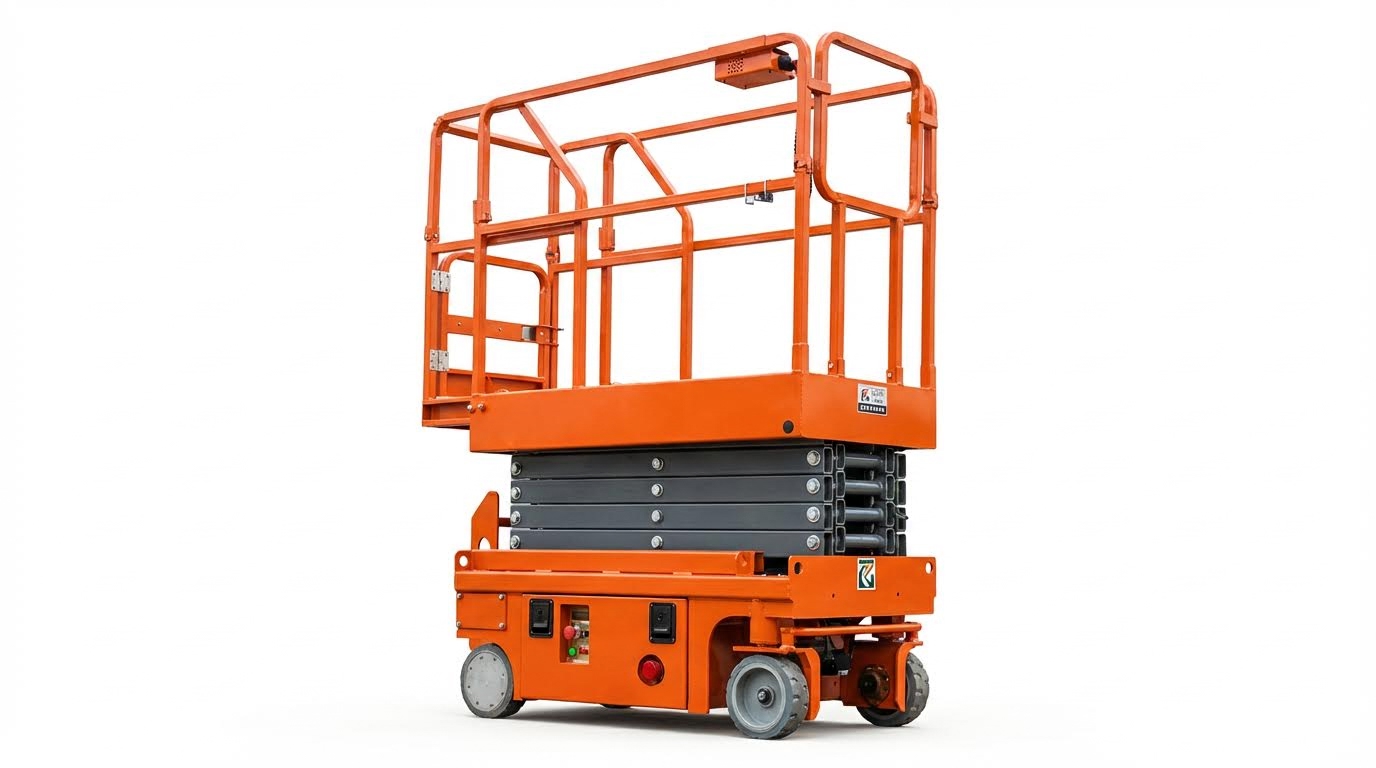
Manual brake release on scissor lifts required tightly controlled procedures and model-specific steps. Hybrid HB series units used simple mechanical levers, while Skyjack SJ 32xx and SJ 68xx platforms relied on hydraulic manifolds, freewheeling valves, and hand pumps. Genie machines implemented knob-operated brake manifolds with pump-down actions, and some electric scissor lifts used control-panel “Brake Release” functions. Across all platforms, safe execution depended on level ground, wheel chocking, power isolation, and immediate brake re-engagement after movement.
For industrial plants, these differences had direct implications for risk management, maintenance planning, and operator training. Facilities that operated mixed fleets needed standardized work instructions that still preserved OEM-specific sequences, especially for lever directions and hydraulic valve positions. Engineering teams benefited from integrating brake release procedures into lockout–tagout documents and job safety analyses, including explicit requirements for chocks, ground conditions, and load status. Diagnostics information from manuals, such as identified failure modes in shuttle valves, pressure-reducing valves, and brake cylinders, supported structured troubleshooting and spare-parts strategies.
Future practice in plants would likely combine embedded telematics, load-sensing, and tilt monitoring with predictive analytics on brake cycles, temperatures, and valve behavior. This trend favored condition-based maintenance instead of purely interval-based inspections, reducing unexpected brake non-release or non-engagement events. When implementing these technologies, engineers needed to ensure compatibility with existing MEWP controls, maintain regulatory compliance with MEWP and hoisting standards, and keep manual fallback procedures current and accessible. A balanced approach treated electronic monitoring as an enhancement, not a substitute, for robust mechanical design, disciplined inspection, and rigorous operator training on manual brake release and reset.