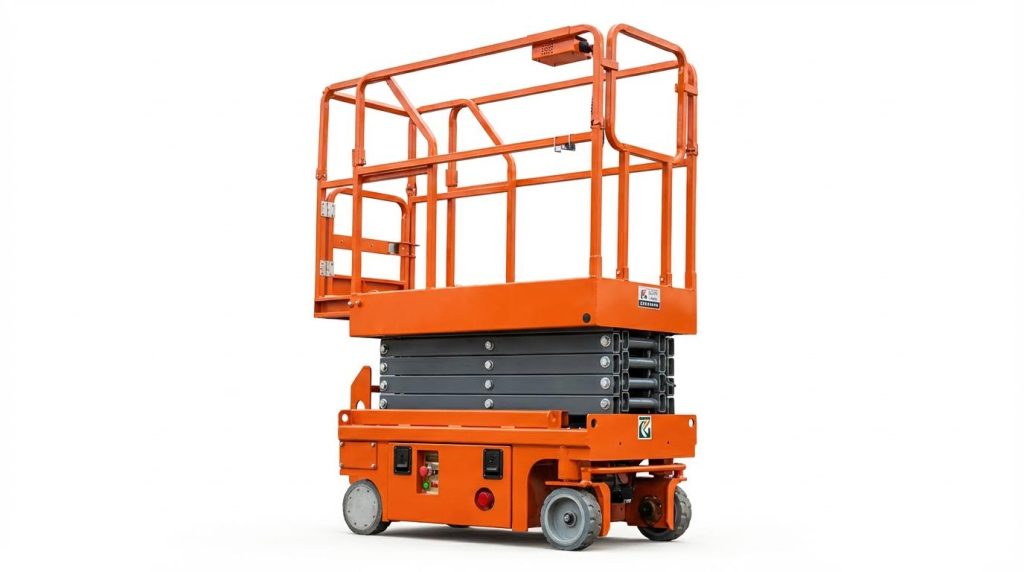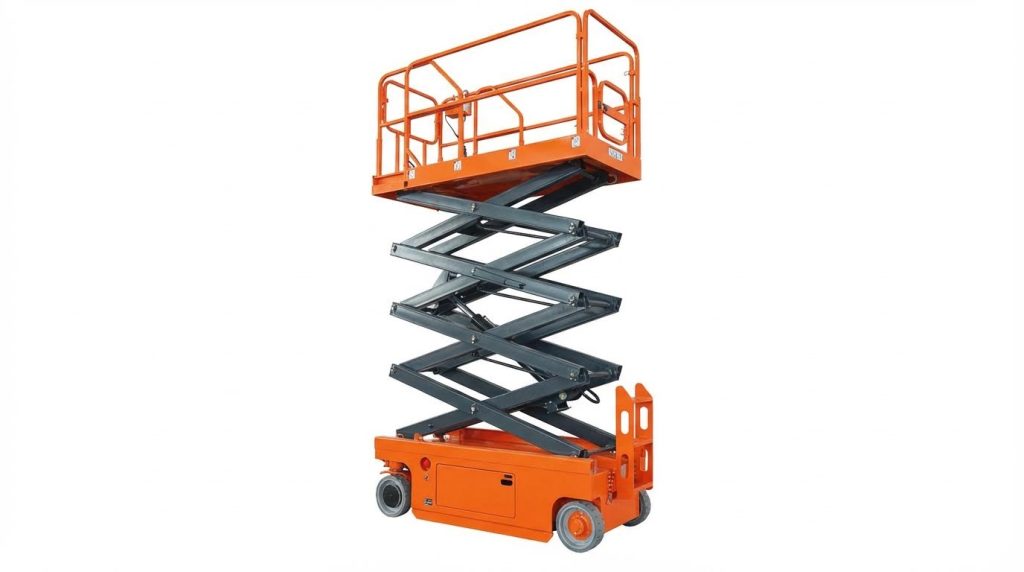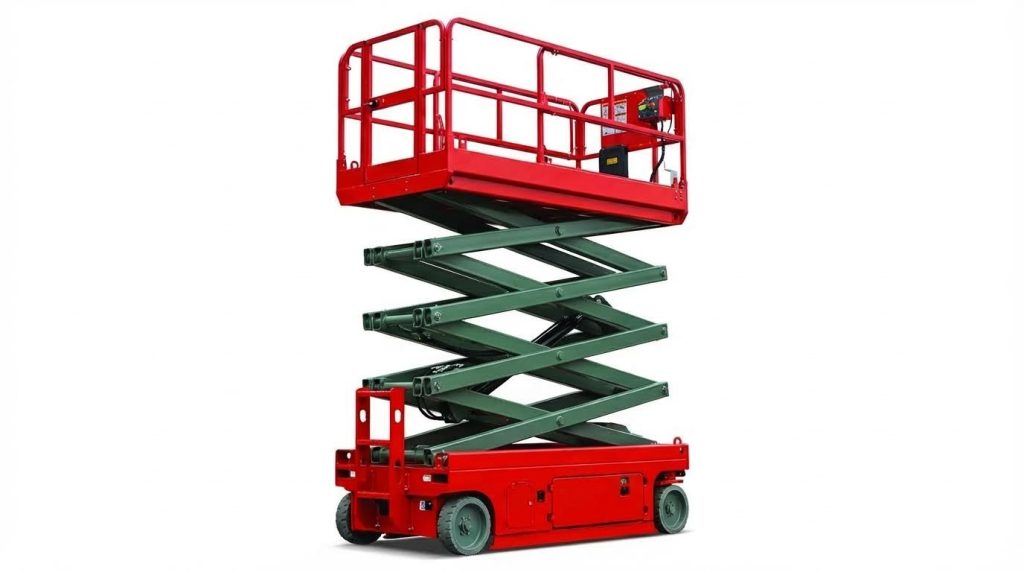
Mobile elevating work platforms often need to move across slopes, cambers, and rough ground to reach work at height. This article explains how to keep stability and control when traveling on a slope mobile elevated work platform, using manufacturer data, ground engineering, and safety rules.
You will see how gradeability limits, tilt alarms, and operator training link to real ground behavior, from soft soils to concrete slabs and bridge decks. The article then covers operating techniques for driving, positioning, and using outriggers on uneven terrain, before closing with engineering implications for long term MEWP planning and fleet selection.
Core Principles Of MEWP Slope Safety
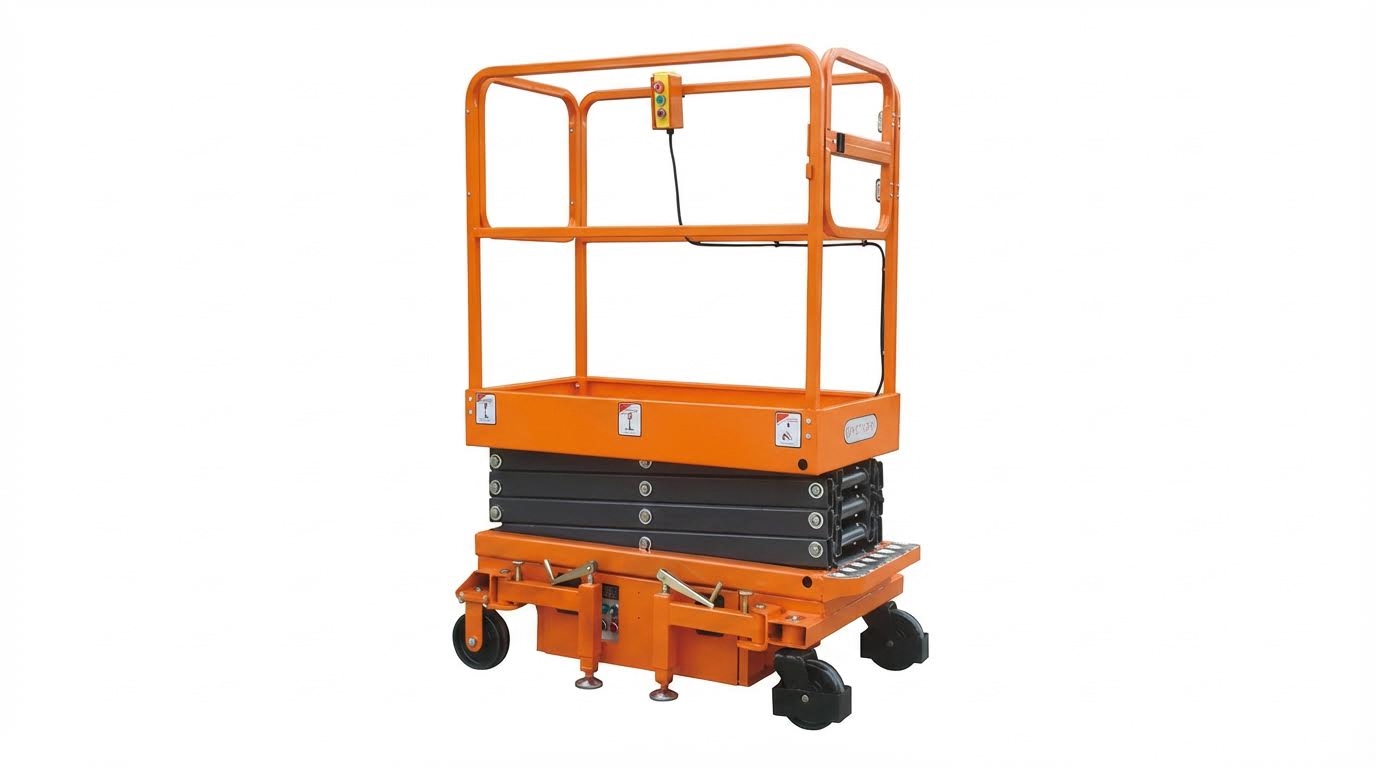
Safe travel on slopes starts with clear limits, not operator instinct. When traveling on a slope mobile elevated work platform stability depends on gradeability, tilt alarms, surface condition, and disciplined procedures. This section explains how to read and respect manufacturer ratings, structure training and legal compliance, carry out pre-use checks, and factor in wind and weather before moving a MEWP on uneven ground.
Understanding Gradeability And Tilt Limits
Gradeability defines the maximum slope a MEWP can climb or descend in a stowed position. Typical values range from low single digit grades for small scissors to higher grades for rough terrain booms. Tilt limits define how far the chassis may lean before stability is at risk, especially when elevated.
Operators must compare measured site slopes with the gradeability rating in the manual. A simple method is to measure rise and run and compute grade as rise divided by run times 100. If the actual grade exceeds the rating, the MEWP must not travel on that slope.
Key rules when traveling on a slope mobile elevated work platform include:
- Keep within the stated maximum slope, often about 5% when elevated.
- Obey tilt alarms; stop and lower the platform if an alarm sounds.
- Avoid side slopes; travel straight up or down where possible.
Modern self-propelled units use sensors to trigger tilt alarms when limits are exceeded. These systems do not replace engineering judgment. They act as a final warning, not a planning tool.
Training, Procedures, And Legal Requirements
Regulators required that only trained and authorized people operated MEWPs. Training had to cover both general principles and specific model features. On slopes this meant operators understood grade limits, braking behavior, and emergency lowering procedures.
Written procedures should define:
- Who may authorize work on sloping or uneven ground.
- How to measure slopes and document compliance with ratings.
- Steps to follow if conditions change or alarms activate.
Standards and guidance, including ANSI A92 series and national regulations, required pre-job site assessments. These assessments had to identify soft fills, drop-offs, overhead conductors, and weather exposure before travel. Procedures also had to ban unsafe practices such as tethering the platform to structures or using the MEWP as a crane.
When traveling on a slope mobile elevated work platform, supervision had to confirm that fall protection, load limits, and travel rules were followed. Records of training and familiarization supported legal defensibility after incidents.
Pre-Use Inspections And Functional Checks
Daily inspections were a core control for slope work. Operators needed to confirm that steering, brakes, drive motors, and emergency systems worked before any travel. A failure in these systems on a slope could cause uncontrolled movement.
Typical pre-use checks included:
- Visual inspection of tires or tracks for damage and correct inflation.
- Check of hydraulic circuits for leaks that could reduce holding force.
- Test of platform and ground controls, including emergency stop and descent.
Operators had to verify that warning lights, tilt sensors, and alarms functioned correctly. They also had to confirm that the platform load, including tools and people, stayed within the rated capacity. Overloading reduced stability margins on inclines.
Before traveling on a slope mobile elevated work platform, the boom or scissor stack should be fully lowered and properly cradled unless the manufacturer allowed slow travel while elevated. Outriggers, if fitted, had to be stowed for travel unless the design specifically supported mobile operation with outriggers deployed.
Weather, Wind, And Environmental Effects
Weather changed ground strength and wind loading, which directly affected slope safety. Rain, thaw, or flash flooding softened soil and reduced friction between tires and ground. On paved slopes, water, ice, or mud increased the risk of sliding even within grade limits.
Wind effects increased with height. A gust that felt mild at ground level could be much stronger at platform height. Most MEWPs had a maximum allowable wind speed, often around 12.5 m/s, printed on the data plate. Operators had to stop work if forecasts or on-site readings exceeded this value.
Environmental factors to review before traveling on a slope mobile elevated work platform included:
- Recent rain or freeze–thaw cycles that weakened embankments and fills.
- Softening of asphalt in high temperatures, which allowed wheel rutting.
- Debris, loose gravel, or mud that reduced tire grip on inclines.
Good practice required continuous monitoring during the shift, not only at the start. If ground pumping, rutting, or surface cracking appeared, the MEWP should be moved to a firm, level area and the task re-planned, possibly with alternative access methods or temporary ground improvement.
Assessing Ground And Surface Conditions
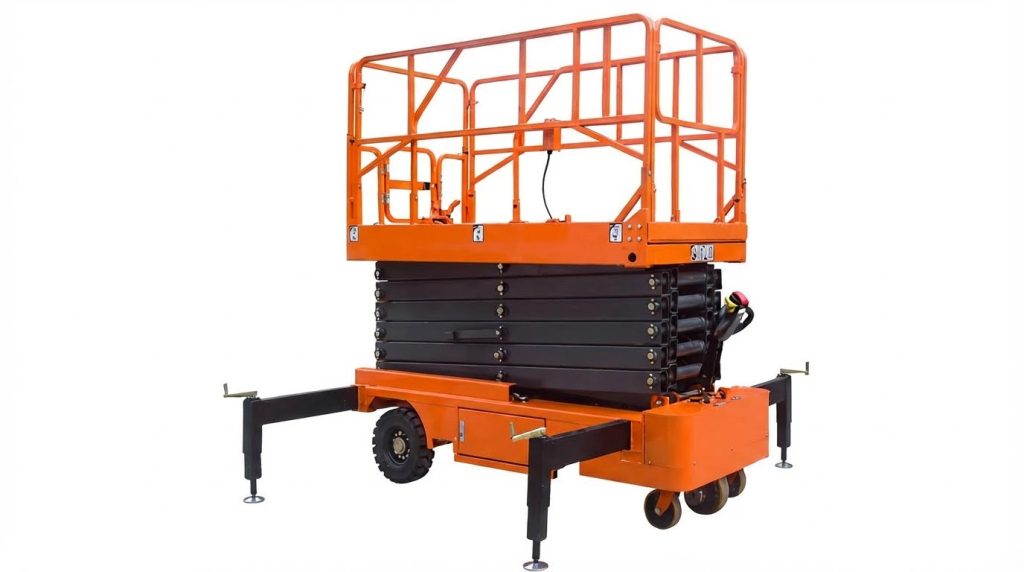
Ground assessment is the first control when traveling on a slope mobile elevated work platform. Poor ground turns a compliant slope into a high-risk situation. Engineers and supervisors should treat ground and surface checks as an engineered task, not a quick visual look. The goal is to confirm that the surface can safely carry concentrated wheel or outrigger loads under all expected conditions.
Ground Surveys And Hidden Subsurface Risks
A formal ground survey should precede any MEWP work on slopes or uneven ground. The survey must consider both surface condition and hidden subsurface features. Visual checks alone miss voids, trenches, and weak backfill that can collapse under wheel loads.
Key survey steps usually include:
- Review site drawings for buried services, ducts, and manholes.
- Identify made ground, recent excavations, or filled trenches.
- Check distances from edges of slopes, pits, and retaining walls.
- Note previous ground failures, settlement, or repaired areas.
Paved areas can hide weak subgrade or shallow utilities. Footpaths, residential roads, and covers for sewers or tanks often have low load ratings. When traveling on a slope mobile elevated work platform, avoid manhole covers, service trenches, and unsupported edges unless an engineer confirms capacity.
Soil Type, Moisture, And Compaction Effects
Soil type controls how ground behaves under MEWP wheel or outrigger pressure. Dense gravel or well-compacted granular fill usually carries higher loads than loose sand or silty clay. Uncompacted fill can suddenly collapse, especially near slopes or excavations.
Moisture content changes soil strength during a shift. Heavy rain, thaw, or leaking services reduce bearing capacity and increase rutting and sinkage. On sloping ground this can cause one side of the MEWP to settle, triggering tilt alarms or a tip-over risk.
Before traveling on a slope mobile elevated work platform, supervisors should:
- Identify soil type from site data or trial pits.
- Check for standing water, pumping mud, or soft spots.
- Confirm compaction level for any placed fill or haul road.
Where soil is marginal, use wider pads or temporary reinforcement to spread load and limit settlement.
Load-Bearing Capacity Of Slabs And Structures
Concrete slabs, bridge decks, and suspended floors need special checks. These structures can fail in punching shear under high point loads from solid tyres or outriggers. Surface appearance does not prove capacity.
Engineering review should cover:
| Aspect | Consideration |
|---|---|
| Slab thickness | Compare to expected wheel and outrigger loads. |
| Reinforcement | Check mesh or bar layout and cover. |
| Support type | Ground-bearing or suspended over voids. |
| Service zones | Presence of ducts, voids, or soft infill. |
Manufacturer data gives maximum wheel and outrigger reactions for each MEWP configuration. Compare these to structural design loads. When traveling on a slope mobile elevated work platform across slabs, avoid slab edges, openings, and areas above unverified cellars or basements.
Temporary Ground Reinforcement Methods
Temporary reinforcement allows safe MEWP use where natural ground or slabs are borderline. The aim is to lower contact pressure by spreading load over a larger area. This is critical on soft soils and when traveling on a slope mobile elevated work platform, where dynamic effects add to static loads.
Common reinforcement options include:
- Timber mats or crane mats for soft soils and work platforms.
- Steel plates over weak surfacing or trench lines.
- Engineered outrigger pads sized for calculated bearing pressures.
- Geotextile with granular capping to create temporary haul roads.
Designers should size pads or mats using known or conservative soil bearing values and MEWP reaction loads. Regular inspections are vital, as mats can creep, pump, or tilt on slopes under repeated passes. If any differential settlement, cracking, or plate movement appears, stop travel and redesign the support before continuing.
Operating Techniques On Slopes And Rough Terrain
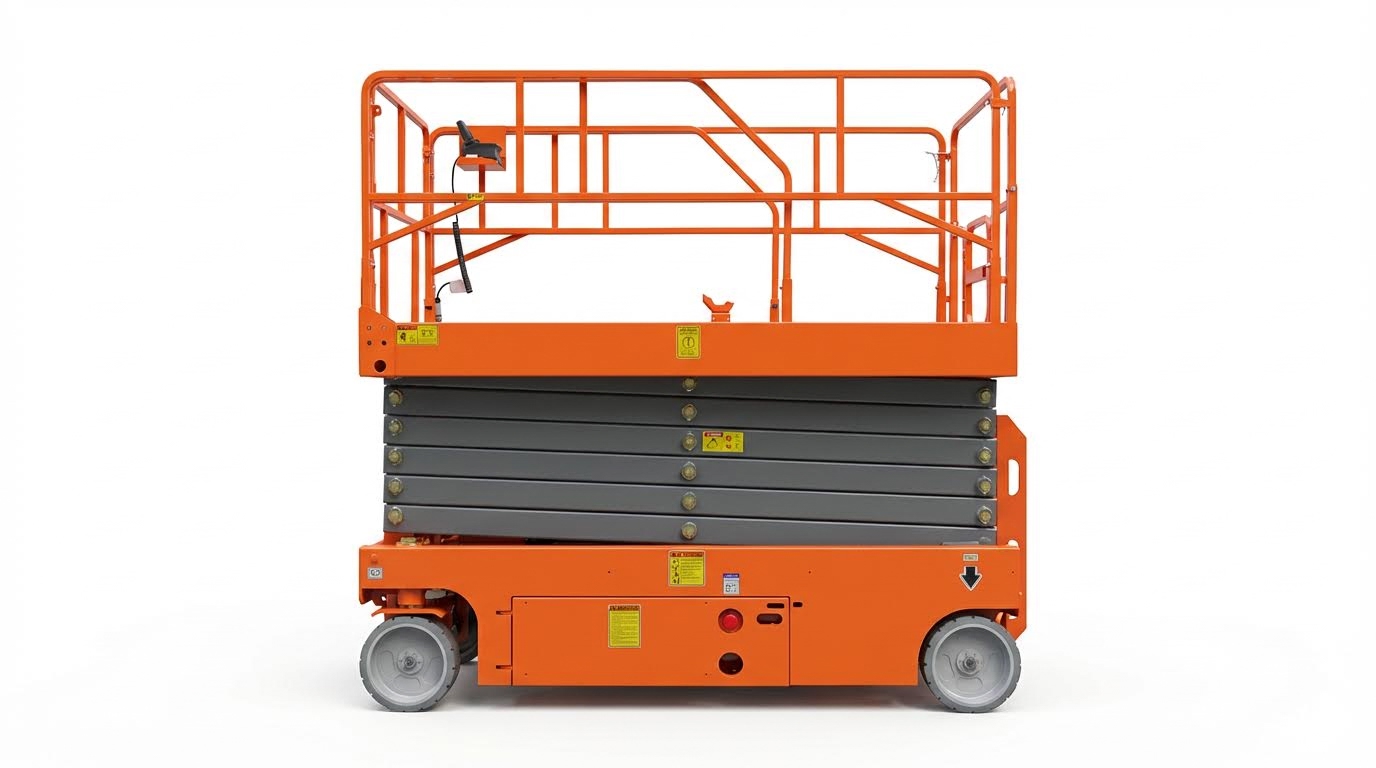
Safe operation on rough or inclined ground depends on matching technique to the machine’s limits. When traveling on a slope mobile elevated work platform operators must control travel direction, boom position, and stabilizing devices in a planned way. This section explains how to measure slopes, compare them with gradeability ratings, and apply practical driving methods that reduce tip-over risk.
Measuring Slopes And Comparing To Ratings
Before moving a MEWP on an incline, measure the slope rather than guessing. Use a digital inclinometer or a smartphone app where allowed. For manual checks, measure rise and run with a level and tape, then calculate grade as rise divided by run times 100. Keep the method simple so crews can repeat it consistently on site.
Compare the measured grade with the machine’s slope and gradeability limits in the operator manual. Typical guidance restricted travel on steeper grades when the platform was elevated. If the measured slope exceeded the rating, the travel route or work method needed to change. Options included selecting a different MEWP, using outriggers at a lower position, or relocating the task to level ground.
| Step | Action |
|---|---|
| 1 | Measure slope with inclinometer or rise/run method |
| 2 | Calculate grade percentage |
| 3 | Compare with MEWP gradeability and tilt limits |
| 4 | Decide if travel is allowed, restricted, or prohibited |
Positioning, Travel Direction, And Counterweight
Travel direction strongly affects stability when traveling on a slope mobile elevated work platform. Good practice kept the counterweight or heavy end facing uphill whenever possible. This reduced the risk of the machine pivoting or sliding downhill. Operators avoided side-on travel across slopes unless the manufacturer allowed it and the gradient was well within limits.
Plan the route before moving. Remove loose debris, level small humps, and mark hazards. Travel slowly on inclines and avoid sudden steering or braking inputs. Maintain a low platform position during travel unless the manual specifically allowed driving while elevated on that slope. At the work position, orient the chassis so the boom worked mainly uphill or directly downhill, not across the fall line.
Supervisors should brief operators on escape paths if the tilt alarm sounded mid-travel. The plan usually required stopping, lowering the platform, and backing out along the same path. This kept the machine in its most stable configuration while leaving the hazard zone.
Outriggers, Pads, Brakes, And Wheel Chocks
On sloping or uneven ground, outriggers and brakes worked as a system. Operators only deployed outriggers on firm, level, load-bearing surfaces. Where the ground was soft or layered, they added pads or mats to spread the load and prevent punching failure. The goal was to create a stable base before lifting.
Once positioned, operators set the parking brake before raising the platform. On inclines, they installed wheel chocks where it was safe to do so. Chocks went on the downhill side of wheels or as specified in site procedures. This reduced rolling risk if the brake performance degraded.
When traveling on a slope mobile elevated work platform, outriggers remained fully stowed unless the machine was designed for mobile use with outriggers deployed. Operators never drove with outriggers down on rough terrain. Instead, they lowered the platform, stowed stabilizers, and then moved to the next location. Before any new lift, they repeated the pad and brake checks.
Regular inspection of outrigger cylinders, pins, and pads was essential. Leaks or bent components reduced effective capacity and could cause slow settling on a slope. Maintenance teams used manufacturer data to confirm pad sizes and bearing pressures matched the expected ground conditions.
Platform Elevation, Boom Control, And Alarms
Platform height and boom position had a direct effect on stability on slopes and rough ground. Operators kept the platform as low as practical while moving, especially on gradients. Many models did not allow travel when elevated above a set height on a slope. Operators followed those rules strictly to avoid exceeding the stability envelope.
When traveling on a slope mobile elevated work platform, boom control had to be smooth and planned. For boom lifts, the sequence for lowering on a slope mattered. If the platform sat uphill, operators usually lowered first, then retracted. If the platform sat downhill, they retracted first, then lowered. This kept the center of gravity closer to the chassis during each step.
Modern MEWPs included tilt alarms and interlocks. When the tilt alarm activated, the operator stopped travel, avoided any further outreach, and lowered the platform to a safe height. The machine might block certain movements until it returned within rated limits. Crews treated these alarms as engineering controls, not as suggestions.
Pre-use checks included testing alarms, limit switches, and emergency lowering systems. Faulty alarms removed a key safety layer and should have grounded the machine until repair. Supervisors documented these checks so that work on slopes and uneven ground remained defensible and traceable.
Summary And Engineering Implications For MEWP Use
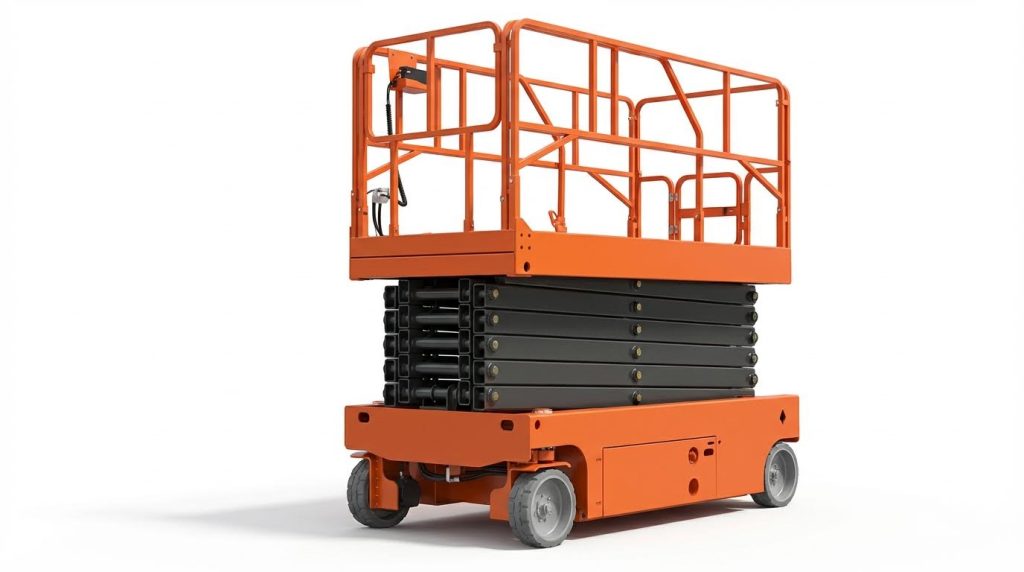
When traveling on a slope mobile elevated work platform operation depends on conservative engineering choices and disciplined procedures. The core message is simple. Stay inside manufacturer limits for gradeability, platform load, height, and outreach at all times. Treat every slope and surface as an engineering problem, not an operator judgment call.
From a technical view, three factors dominate stability on slopes. These are ground bearing capacity, slope angle versus rated gradeability, and dynamic effects during travel. Ground surveys, slab checks, and soil assessments reduce the risk of local bearing failure or sudden sinkage. Simple tools such as digital inclinometers and load charts help link field conditions to rated limits.
Future MEWP fleets will use more sensors and telematics. Tilt alarms, load sensors, and connected platforms already warn operators when they approach unsafe conditions. Integration with digital manuals and checklists supports faster decisions in changing weather and ground states. However, these tools only work when teams respect alarms and follow written procedures.
Practical implementation needs clear site rules. Plan travel routes on the flattest ground. Keep counterweights uphill. Use outriggers, pads, and wheel chocks correctly. Stop work when wind, rain, or ground movement changes the original assumptions. A balanced approach combines modern technology, sound civil and mechanical engineering, and consistent operator training to keep MEWPs upright on slopes and uneven ground.
,
Frequently Asked Questions
What should you do if you are on a mobile elevated work platform and something is out of reach?
If an item is out of reach while operating a mobile elevated work platform, the safest action is to reposition the platform. This ensures you stay within the safety boundaries and avoid risks like tipping or falling. Always prioritize safe operation over shortcuts. Safety Tips for Elevated Work.
What personal protective equipment (PPE) should be used on a mobile elevated work platform?
Operators and workers must wear appropriate PPE, including hard hats, safety harnesses, and non-slip footwear. Proper use of PPE reduces the risk of injury and ensures a safer working environment. MEWP Safety Guide.
Can you operate a scissor lift on a slope or incline?
Standard electric scissor lifts are designed for firm, level surfaces. Operating them on slopes or inclines can make the lift inoperable and unsafe. Always ensure the ground is level before raising the platform. Scissor Lift Safety Tips.