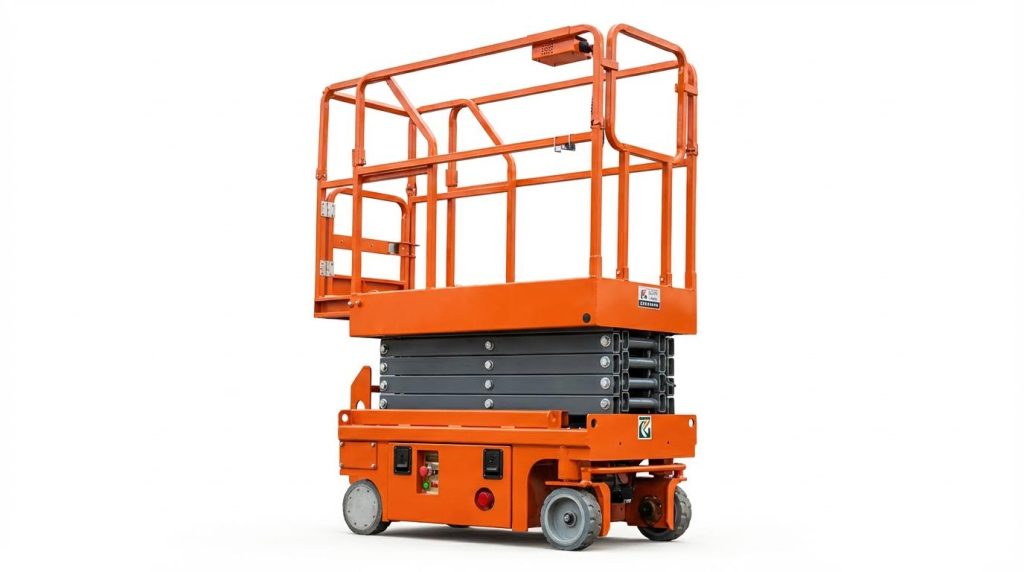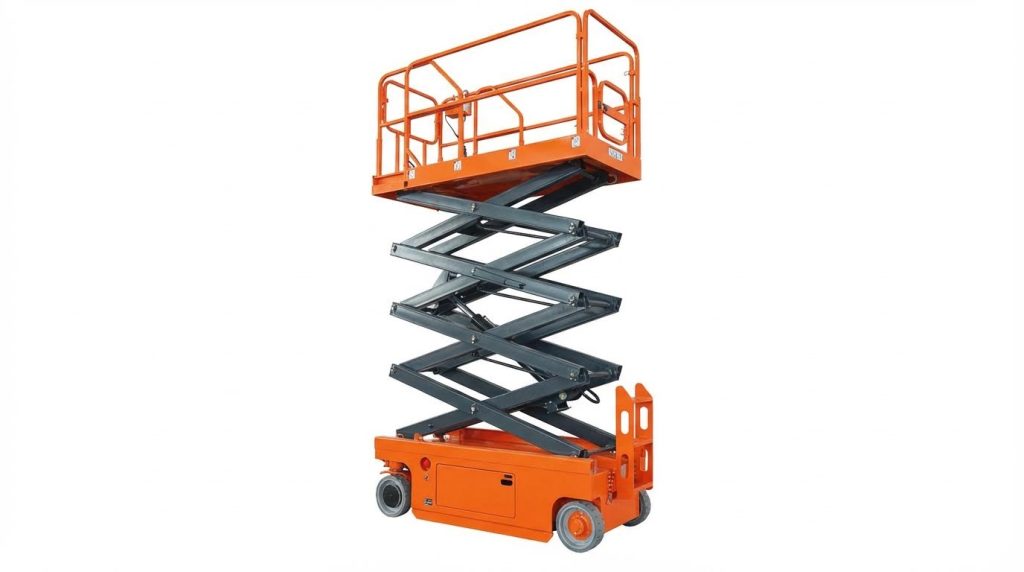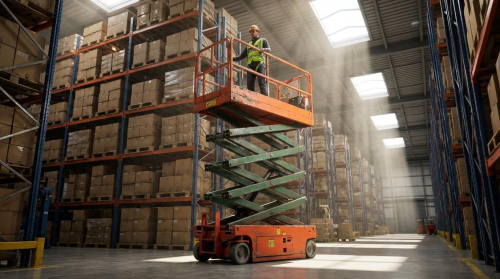
Scissor lift battery selection directly affects platform height capability, duty cycle, and safe operation across indoor and outdoor jobsites. This article explains core battery chemistries, how to size packs for performance and runtime, and how to maintain them for maximum service life. It also links these fundamentals to practical decisions such as what size battery in an upright electric scissor lift, including voltage, amp‑hour capacity, and physical fit. By the end, you will understand how to balance cycle life, efficiency, cost, and safety when specifying or replacing scissor lift batteries.
Core Battery Types For Scissor Lifts
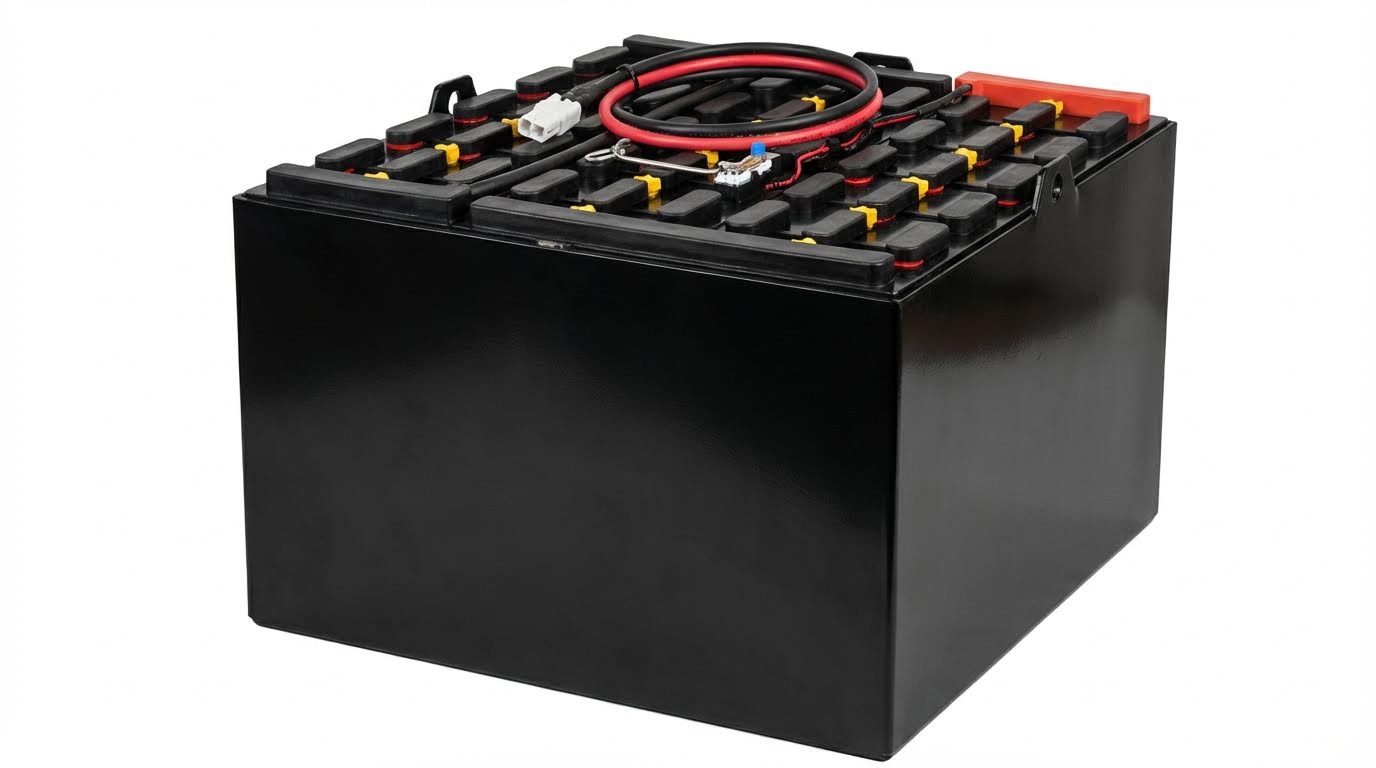
Understanding core battery chemistries is essential when deciding what size battery in an upright electric scissor lift delivers safe runtime and performance. Scissor lifts historically used lead-acid deep-cycle batteries, but sealed VRLA and modern lithium iron phosphate options changed lifecycle economics and maintenance strategies. Each chemistry offers distinct trade-offs in cycle life, charge time, upfront cost, and weight that directly affect platform capacity and duty cycle planning. Selecting the correct type is the first step before finalizing voltage, amp-hour rating, and physical size.
Flooded Lead Acid And Deep-Cycle Basics
Flooded lead-acid deep-cycle batteries defined the baseline for upright electric scissor lift power systems. They used liquid electrolyte and thick plates designed for repeated discharge to 50–80% depth of discharge, unlike automotive starter batteries. Typical configurations used multiple 6 V or 12 V units wired in series to achieve 24 V, 36 V, or 48 V system voltage with capacities around 180–260 Ah for mid-size lifts. These batteries required routine watering, terminal cleaning, and equalization charging to control stratification and corrosion. They offered relatively low acquisition cost but delivered limited cycle life, often 300–700 cycles at 50% depth of discharge, which constrained total lifetime energy throughput.
AGM And VRLA: Sealed, Low-Maintenance Options
Absorbent Glass Mat and other VRLA batteries addressed leakage and maintenance issues associated with flooded cells. Engineers immobilized the electrolyte in glass mat separators or gel, allowing sealed construction with pressure relief valves instead of open vents. This design eliminated routine watering and significantly reduced acid exposure risk, which improved safety in indoor work-at-height applications. AGM scissor lift batteries typically matched flooded lead-acid in nominal voltage and amp-hour size, so they could drop into existing battery compartments without structural changes. They generally provided higher cycle life and better vibration resistance than conventional flooded units, while still requiring correct charging profiles and temperature management to avoid premature dry-out or capacity loss.
Lithium Iron Phosphate For High-Duty Cycles
Lithium iron phosphate batteries transformed expectations for high-duty-cycle scissor lift fleets. This chemistry delivered far higher cycle life, often exceeding 3,500 cycles and sometimes 5,000 cycles at moderate depth of discharge, which equated to several times the lifetime of lead-acid packs. LiFePO4 modules integrated a Battery Management System that monitored cell voltage, current, and temperature, providing protection against overcharge, over-discharge, and short circuits. They supported fast charging, with some systems reaching full charge in roughly one hour, compared with 8 hours of charge plus cooling time for typical lead-acid packs. Their higher gravimetric and volumetric energy density allowed equivalent or greater usable capacity in a smaller, lighter form factor, although engineers had to reassess counterweight balance and center-of-gravity in compact upright lifts.
Comparing Cycle Life, Efficiency, And ROI
When evaluating what size battery in an upright electric scissor platform lift truly optimizes cost, engineers compared chemistries on cycle life, efficiency, and total return on investment. Flooded lead-acid offered the lowest purchase price but the shortest service life and the highest maintenance labor, with round-trip energy efficiency often near 70–80%. AGM and other VRLA designs improved safety and reduced maintenance while maintaining similar efficiency and only modestly extending cycle life. Lithium iron phosphate systems achieved roughly 90–95% energy efficiency and supported opportunity and fast charging without the sulfation issues seen in lead-acid. Although lithium packs cost more initially, their longer cycle life, reduced downtime, and lower maintenance frequently reduced cost per kWh delivered over the machine’s life. The optimal choice depended on duty cycle intensity, charging infrastructure, ambient temperature range, and whether the fleet prioritized low upfront cost or minimum lifetime energy cost per operating hour. Additionally, equipment like the aerial platform and semi electric order picker also benefit from advancements in battery technology.
Sizing Batteries For Performance And Runtime
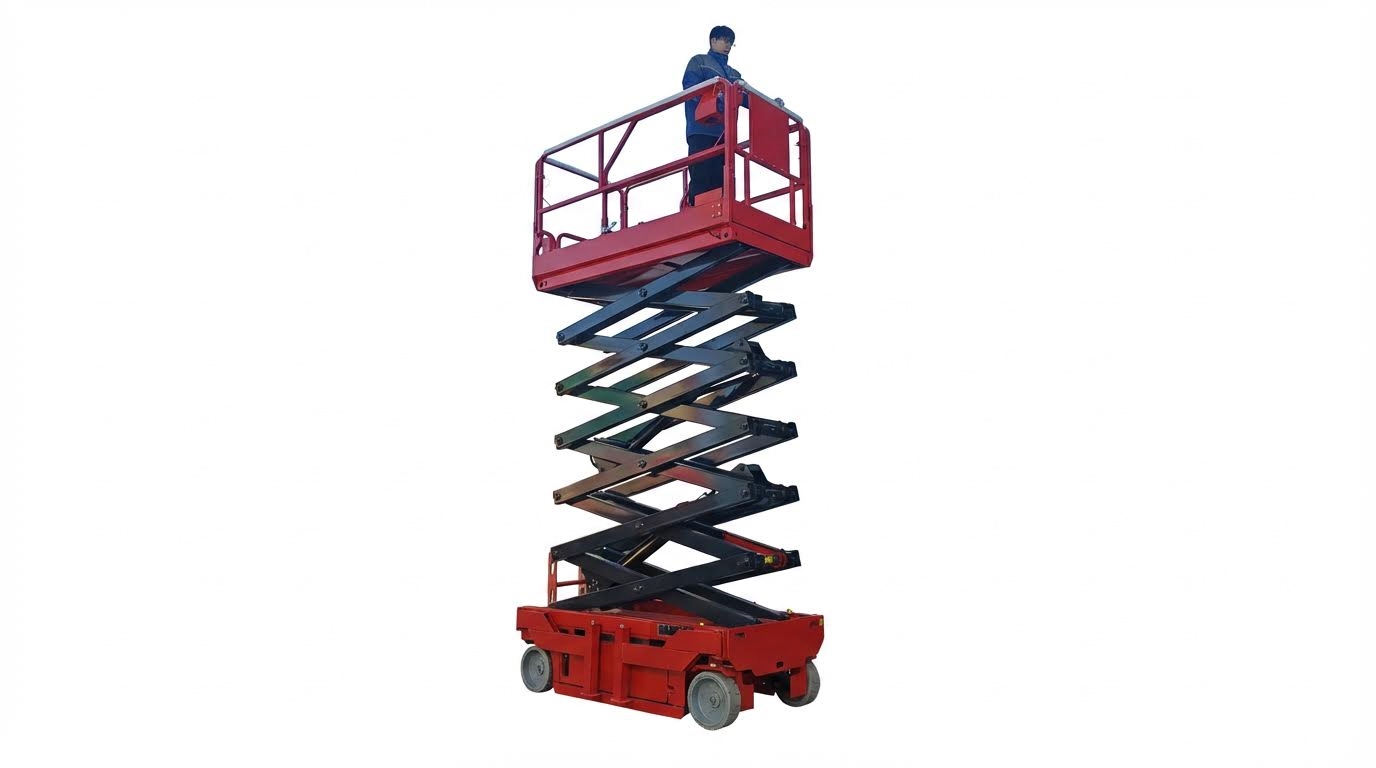
Correct battery sizing in an upright electric scissor lift directly affects runtime, lift speed, and safety margins. Engineers must balance voltage, amp-hour capacity, mass, and enclosure constraints against duty cycle and jobsite conditions. Mis-sized batteries reduce productivity, increase depth of discharge, and accelerate replacement cycles. The following sections break down how to decide what size battery in an upright electric scissor platform for reliable daily operation.
Voltage Configurations: 24V, 36V, And 48V Systems
Most upright electric scissor lifts used 24 V or 48 V DC architectures, with 36 V appearing in some compact or legacy designs. OEMs typically achieved these bus voltages by connecting 6 V, 8 V, or 12 V deep-cycle batteries in series. For example, a 24 V pack often used four 6 V units, while a 48 V pack used eight 6 V units. Higher system voltage reduced current for the same power, which lowered cable losses and allowed smaller conductor sizes. When deciding what size battery in an upright electric scissor lift, the engineer must match the nominal system voltage specified in the lift manual and ensure the replacement pack’s series configuration and polarity align with the original wiring diagram.
Voltage stability under load also mattered. Undersized packs exhibited excessive voltage sag during platform elevation or drive acceleration, which triggered low-voltage cutouts and reduced usable runtime. Specifying batteries with adequate cold-cranking characteristics was less critical than ensuring deep-cycle design and sufficient capacity at the C5 or C20 rate. For lithium iron phosphate systems, integrated Battery Management Systems (BMS) maintained cell balance and protected against over-voltage or under-voltage, but the pack’s nominal voltage still had to match the lift’s controller and charger ratings.
Amp-Hour Capacity, C-Rates, And Duty Cycles
Amp-hour (Ah) capacity defined how long an upright electric scissor lift could operate between charges. Typical 24 V scissor lifts used batteries in the 200–260 Ah range at the 20-hour rate, while heavier-duty 48 V units often required 300–400 Ah or higher. Engineers should estimate daily energy consumption from average current draw, duty cycle, and shift length, then select a pack that limited depth of discharge to around 50–80% for lead-acid and 70–90% for lithium. This approach extended cycle life and improved return on investment.
C-rate described discharge current relative to capacity. A 1C discharge emptied the battery in one hour, while C5 or C20 ratings reflected longer discharge periods. Scissor lifts frequently experienced intermittent high-current peaks during lifting and driving, superimposed on lower average loads. When determining what size battery in an upright electric scissor lift, the selected batteries must support peak C-rates without excessive voltage drop or thermal rise. Deep-cycle flooded and AGM batteries were usually rated for repetitive moderate C-rates, whereas lithium iron phosphate packs tolerated higher C-rates and faster recharge. Designers should verify that the charger’s output current and profile matched the battery chemistry and recommended charge C-rate to avoid overheat or premature aging.
Space, Weight, And Center-Of-Gravity Constraints
Battery size in an upright electric scissor lift is constrained by the steel battery tray envelope and the machine’s stability calculations. Each battery must fit the compartment footprint and height, including room for cabling, venting, and service access. Typical 6 V deep-cycle blocks measured roughly 260 mm by 180 mm by 275 mm and weighed around 30 kg, while high-capacity lithium modules reached several hundred kilograms for complete 48 V packs. Substituting physically larger batteries without checking clearance risked cable chafing, cover interference, or inadequate ventilation.
Weight is not purely a limitation; it also contributes to counterbalance. Designers validated total battery mass against the lift’s rated load, axle loading, and center-of-gravity (COG) envelope. A lighter lithium pack could reduce overall machine weight but might shift the COG upward or toward one end, which affected stability on slopes and at full platform height. When changing chemistry or capacity, engineers should keep total pack mass close to the OEM specification or revalidate stability per relevant standards. All blocks in a series string should have identical capacity, age, and chemistry to avoid imbalance and uneven discharge.
Environmental, IP, And Certification Requirements
Operating environment strongly influenced what size battery in an upright electric scissor lift is appropriate. Indoor warehouse lifts typically operated in moderate temperatures and clean conditions, so standard IP20–IP23 battery enclosures were sufficient. Outdoor construction sites exposed packs to dust, splashed water, vibration, and temperature extremes, which favored higher Ingress Protection ratings, such as IP54 or IP65 for lithium modules and robust tray sealing for lead-acid systems. Engineers must ensure that venting paths for flooded batteries did not compromise enclosure IP performance.
Temperature range affected usable capacity and charge acceptance. Lead-acid capacity dropped sharply below 0 °C, while advanced lithium packs with integrated heating maintained function down to approximately −20 °C. In hot climates, elevated temperatures accelerated degradation, so derating or upsizing capacity could be necessary to preserve runtime over the service life. Certification was another sizing constraint. Industrial scissor lift batteries often required compliance with CE, UN 38.3 transport tests for lithium, UL or IEC safety standards, and ISO 9001 quality system requirements. Specifying certified batteries reduced regulatory risk and simplified global deployment. Engineers should confirm that the chosen battery’s dimensions, capacity, and protection ratings meet both the lift manufacturer’s requirements and applicable regional regulations before release to production or fleet use.
Maintenance And Charging Best Practices
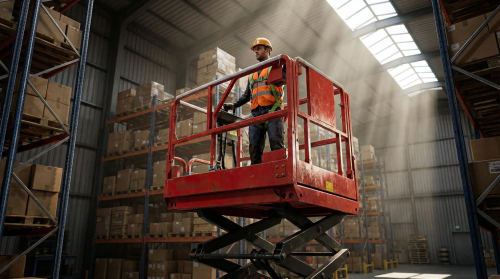
Well-structured maintenance and charging routines extended scissor lift battery life and improved safety. These practices mattered regardless of what size battery in an upright electric scissor lift an engineer selected. Correct inspection, cleaning, watering, and charging profiles reduced failures and unplanned downtime. Digital tools such as BMS and telematics further optimized lifecycle cost and reliability.
Inspection, Cleaning, And Cable Integrity Checks
Routine visual inspection formed the foundation of safe battery operation. Technicians checked battery wiring at least monthly, or more frequently in high-duty fleets, for insulation cuts, abrasion, and loose terminations. They verified that lugs sat fully on posts, torque matched manufacturer specifications, and terminals remained free of corrosion products. Any green or white sulfate buildup increased resistance, generated heat, and reduced available voltage under load. Cleaning involved a solution of approximately 5 millilitres baking soda per 0.95 litres of warm water, applied carefully to neutralize acid residues on cases and terminals. After cleaning and drying, technicians applied a purpose-made terminal protectant to slow future corrosion. For upright electric scissor lifts, these checks ensured the installed battery size and capacity delivered the expected runtime without voltage drop from poor connections.
Watering, Equalization, And Corrosion Control
Flooded lead-acid deep-cycle batteries required periodic watering to maintain electrolyte above the plates. Technicians removed vent caps and filled each cell with distilled water only up to the manufacturer’s split ring or level indicator. Overfilling caused electrolyte expansion during charging and led to acid spillage, which accelerated tray corrosion and cable degradation. Best practice added water after charging, when electrolyte volume stabilized, unless levels had fallen below the plates, which risked permanent capacity loss. Equalization charges, performed at controlled intervals, reduced cell imbalance and sulfate buildup in lead-acid banks, especially in high-depth-of-discharge scissor lift duty cycles. Corrosion control combined correct torque, protective coatings, and prompt cleanup of any spilled electrolyte. For fleets using different battery sizes or chemistries, maintenance plans distinguished between flooded cells that needed watering and sealed AGM or lithium packs that did not.
Charging Profiles, Temperature, And Smart Chargers
Correct charging profiles depended on chemistry, nominal system voltage, and amp-hour rating. Conventional lead-acid scissor lift batteries typically used an 8-hour charge followed by a cooling period, while lithium iron phosphate packs supported much faster charging and higher round-trip efficiency. Smart chargers monitored voltage and current, often cutting off around 14.8 volts for a 12-volt block and resuming when voltage dropped below approximately 12.7 volts. They usually refused to start on batteries below about 7 volts, signalling severe discharge or cell damage. Temperature strongly influenced effective capacity: a fully charged battery at 27 degrees Celsius lost significant usable capacity at 0 degrees Celsius. In cold climates, heaters and insulated compartments helped maintain performance; in hot environments, adequate ventilation limited thermal stress. Operators avoided frequent short “opportunity charges” on lead-acid packs, because repeated partial charging shortened cycle life. Overnight, full charging aligned better with deep-cycle design and preserved runtime, regardless of what size battery in an upright electric scissor lift the designer specified.
BMS, Telematics, And Predictive Maintenance Tools
Lithium and advanced VRLA systems typically integrated a Battery Management System to protect cells and optimize performance. The BMS monitored individual cell voltages, pack current, and temperature, and enforced limits against overcharge, over-discharge, and short circuits. Some industrial packs used CAN bus or RS485 communication to share state-of-charge, state-of-health, and fault codes with the lift controller or fleet management software. Telematics platforms aggregated this data across multiple scissor lifts, enabling engineers to correlate battery size, duty cycle, and charging behaviour with actual field runtime. Predictive maintenance algorithms flagged abnormal internal resistance growth, high temperature excursions, or repeated deep discharges before they caused in-service failures. These tools supported right-sizing decisions for what size battery in an upright electric scissor platform lift best matched a given application, while minimizing unplanned downtime and extending overall battery life.
Summary: Optimizing Lift Battery Life And Safety
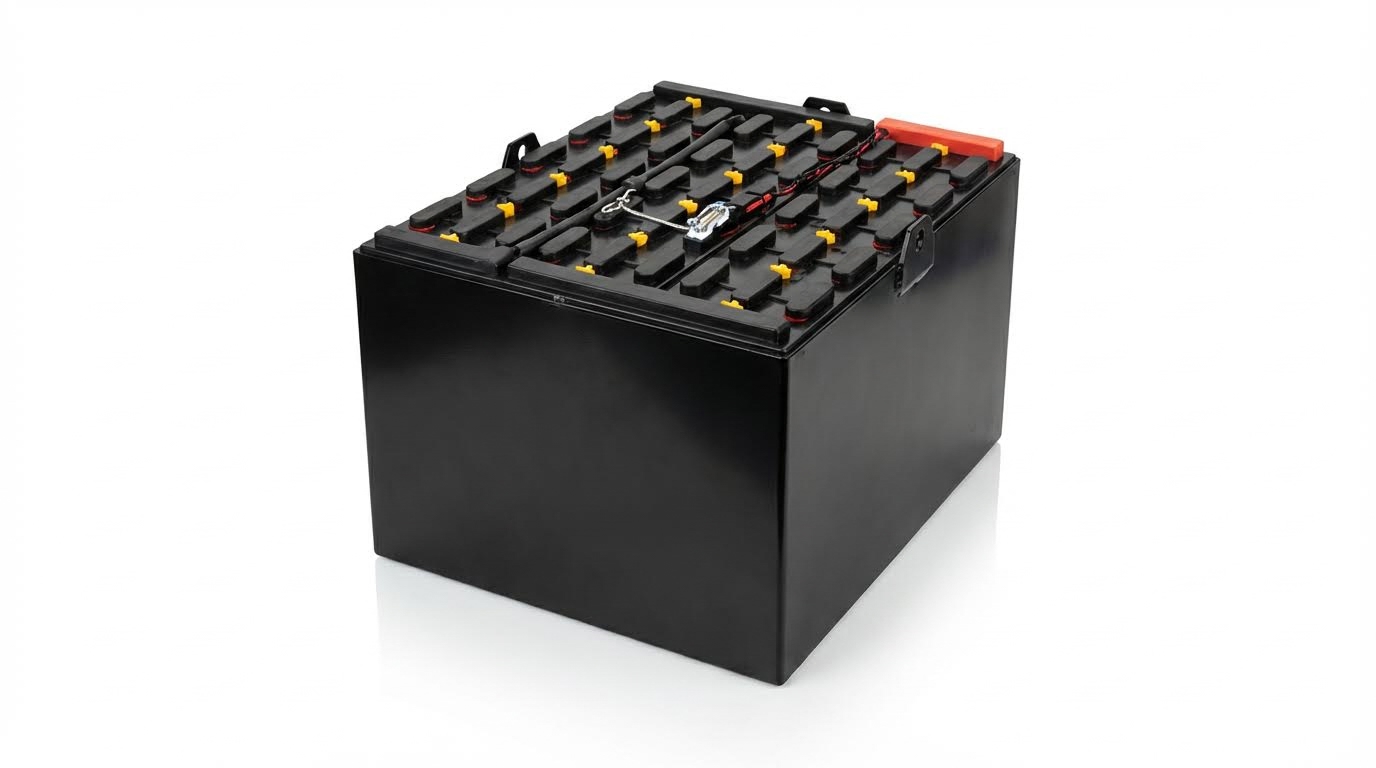
Selecting what size battery in an upright electric scissor lift requires a balance of voltage, amp-hour capacity, and physical fit. Engineers must match the lift’s DC bus voltage, typical duty cycle, and load profile while respecting tray dimensions and center-of-gravity limits. Deep-cycle lead-acid, AGM/VRLA, and lithium iron phosphate each offered different trade-offs in cycle life, charging time, and maintenance burden. Correct sizing and chemistry selection directly influenced runtime, availability, and total cost of ownership.
From a technical perspective, flooded lead-acid batteries delivered low upfront cost but required strict watering, equalization, and corrosion control. AGM and VRLA variants reduced daily maintenance and improved safety by containing electrolyte, which suited rental fleets and indoor work. Lithium iron phosphate provided the longest cycle life, fast charging, and high efficiency, often exceeding 3,500 cycles, but demanded proper BMS integration and adherence to certification and transport regulations such as UN 38.3 and UN 3480. Across chemistries, right-size capacity and appropriate C-rates minimized deep discharges and thermal stress, which extended service life.
Industry trends moved toward sealed and lithium solutions, tighter IP ratings, and smarter systems with BMS, telematics, and predictive maintenance. Future fleets would likely standardize on connected battery packs that reported state of charge, state of health, and fault conditions in real time. For practical implementation, specifiers should define required runtime, charging windows, and ambient temperature range, then select the smallest compliant voltage and Ah combination that meets these constraints with margin. This approach optimized lift productivity and safety while controlling lifecycle cost as battery technology continued to evolve.