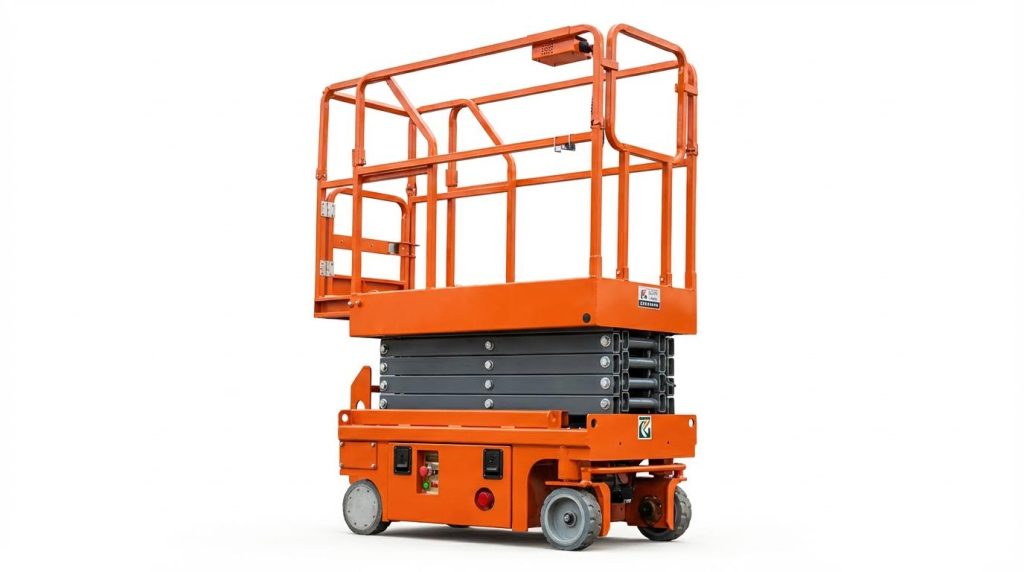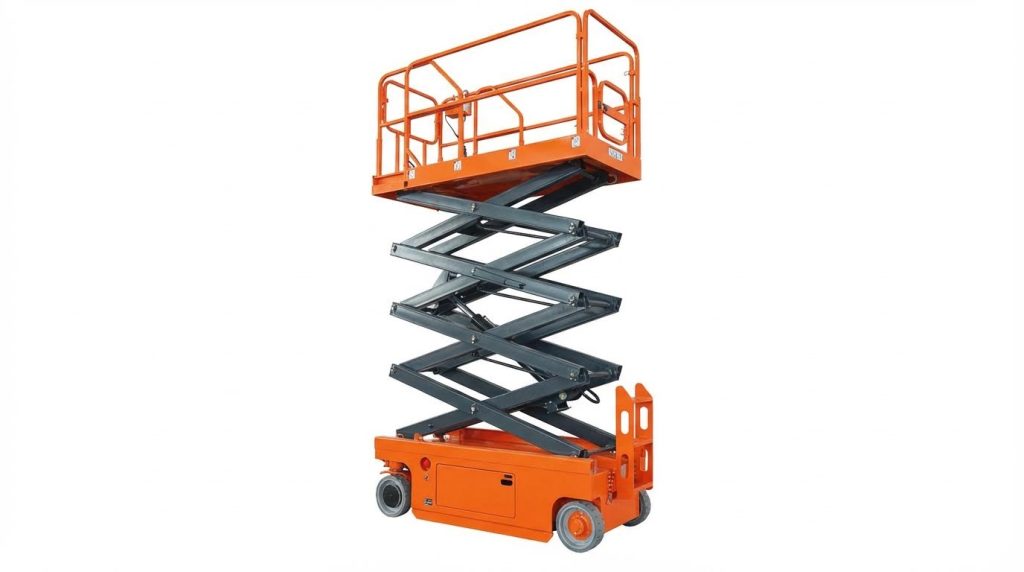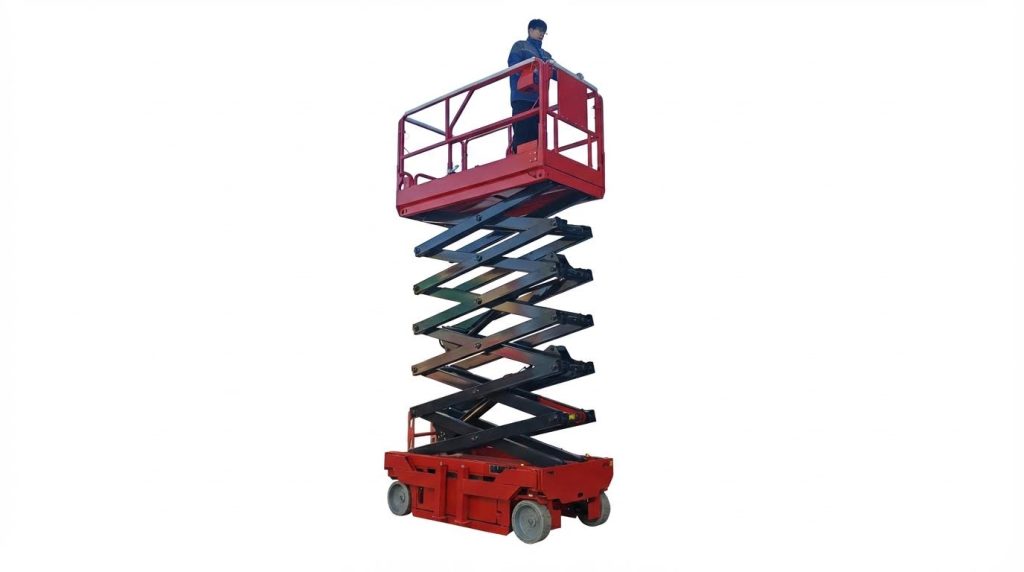
Understanding scissor lift capacity starts with how engineers rate platforms for combined people and load weight. This article explains how structural design, stability, and standards define safe limits, then translates those ratings into practical guidance on how many people can fit on an scissor platform with tools and materials. You will also see how maintenance practices, load sensing, and emerging digital monitoring technologies support safe operation over the full lifecycle. Finally, the summary section connects these engineering principles to everyday jobsite decisions so teams can plan elevated work with confidence and regulatory compliance.
Key Factors Governing Scissor Lift Capacity
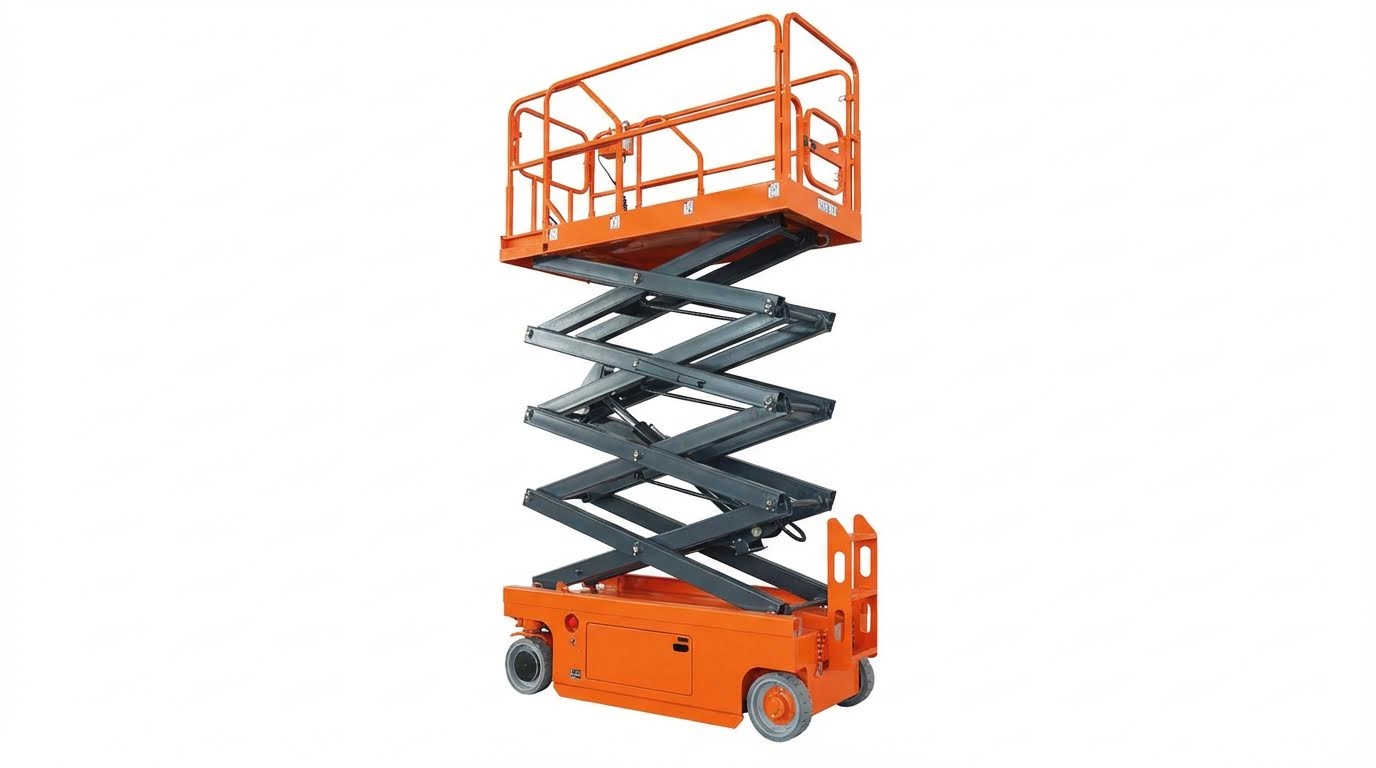
Scissor lift capacity depended on a combination of structural strength, hydraulic or electric actuator limits, and stability margins. Engineers translated these factors into a single rated platform capacity that operators could apply in the field. Understanding how this rating related to people count, tools, and materials helped answer questions such as how many people can fit on an electric scissor lift without exceeding safe limits. Regulatory standards, labels, and documented safety factors tied the engineering calculations to real-world compliance and site procedures.
Rated Platform Capacity And Design Safety Factors
Rated platform capacity represented the maximum allowable total load on the platform, including people, tools, and materials. Engineers derived this value from structural analysis, actuator force limits, and stability calculations, then divided ultimate capacities by a safety factor. Typical structural safety factors ranged from 1.5 to 3, depending on application and standard. For example, a lift structurally capable of 900 kilograms might receive a rated capacity of 450 to 600 kilograms to maintain margin against yield, fatigue, and buckling. When estimating how many people could fit on an electric scissor lift, operators first divided the rated capacity by an assumed average person mass, often 80 to 100 kilograms, then subtracted the weight of tools and materials. Exceeding the nameplate rating, even if the platform felt stable, reduced safety margins below the level assumed in the design.
Structural Limits: Arms, Pins, And Actuators
The scissor mechanism transferred platform load into axial, bending, and shear forces in the arms, pins, and actuators. Designers checked these components against yield strength, fatigue life, and buckling using static equilibrium and finite element analysis. Key parameters included arm length, cross-section, pivot spacing, and the angle between arms and the horizontal, which affected mechanical advantage and actuator force. Pins and joints required sufficient diameter and material strength to resist shear and bearing stresses under worst-case loading, including dynamic effects from driving or braking at height. Hydraulic cylinders or electric actuators had defined maximum force capacities and pressure ratings, which limited the allowable platform load at minimum and maximum heights. If operators overloaded the platform with additional people or dense materials, these components could approach their design limits even before any visible deformation appeared.
Stability, Load Distribution, And Center Of Gravity
Stability depended on the combined center of gravity of the lift, platform, and load remaining within the support polygon formed by the wheels or outriggers. Engineers evaluated worst-case conditions, including platform fully elevated, maximum outreach, and rated load concentrated at the edge. Uneven load distribution, such as several people standing on one side or a bulky object against a guardrail, shifted the center of gravity and reduced the tipping margin. Standards limited allowable side slope, longitudinal slope, and wind speed to maintain a minimum stability factor, often 1.33 or higher against overturning. Operators needed to spread people and materials evenly and respect platform markings that defined restricted zones for heavy items. Even when the total mass stayed below the rating, poor distribution or movement of multiple occupants could compromise stability, especially on rough or sloped terrain.
Standards, Labels, And Regulatory Compliance
Capacity and occupancy limits were governed by standards and regulations that defined how manufacturers determined and displayed ratings. Historically, standards such as ISO 16368, EN 280, and regional rules aligned with OSHA and similar authorities set requirements for structural tests, stability trials, and functional safety systems. These documents specified proof load tests above the rated capacity, tilt and wind testing, and overload protection features such as warning alarms or automatic lift cutout. Nameplates and decals on the platform and chassis had to show maximum platform capacity, maximum number of occupants, allowable side forces, and indoor or outdoor use classification. Operators answered questions like how many people can fit on an electric scissor lift by following these labels rather than guesswork or visual judgment. Compliance audits and periodic inspections verified that modifications, wear, or repairs had not invalidated the original certified capacity or occupancy limits.
How Many People And What Loads A Lift Can Hold
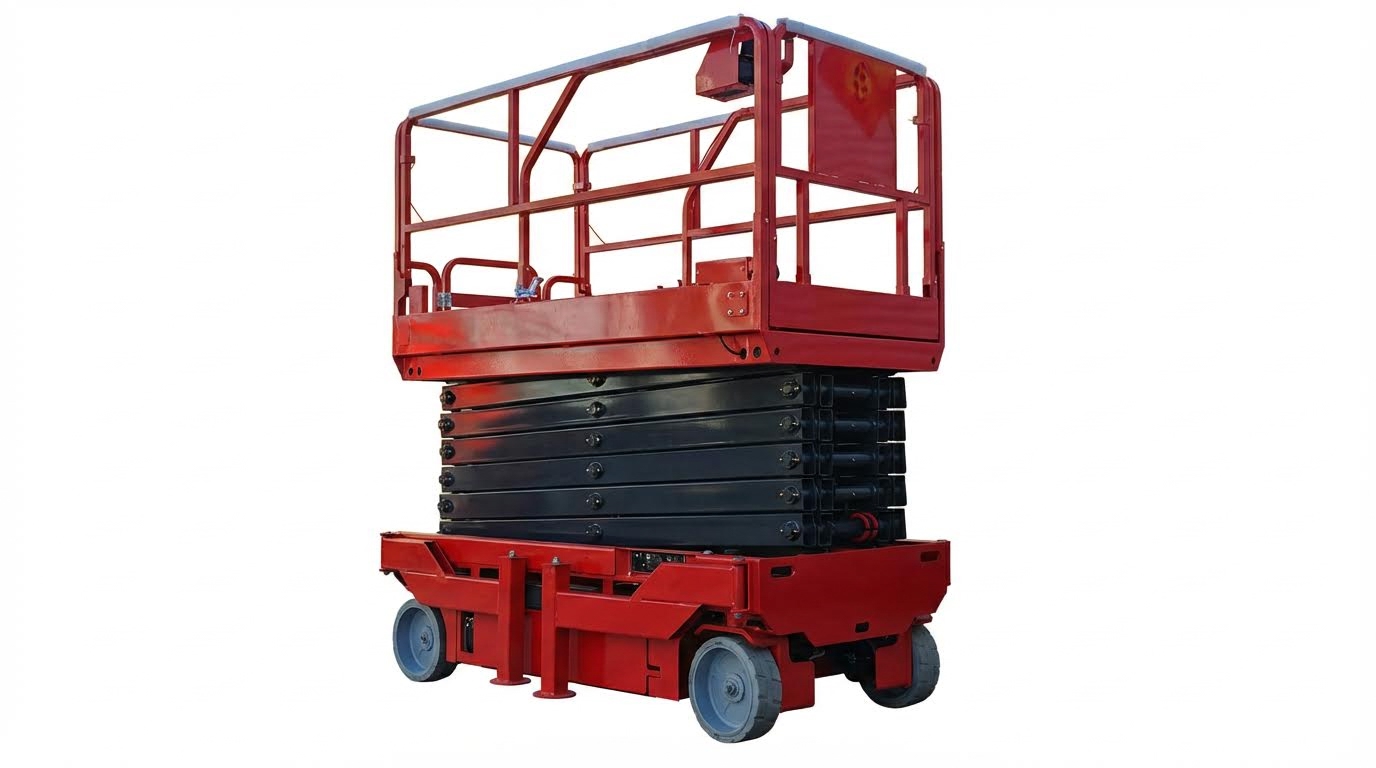
Scissor lift users often ask how many people can fit on an electric scissor lift while staying within safe limits. The answer depends on rated platform capacity, person weight assumptions, and how tools and materials share that capacity. Engineers and safety managers must convert the numeric capacity into a practical mix of workers, equipment, and materials. This section explains how to interpret capacity ratings, plan personnel loading, and account for environment and terrain.
Translating Capacity Ratings Into People Count
The rated platform capacity always includes the combined weight of people, tools, and materials. Standards such as ISO 16368 and EN 280 historically assumed a nominal worker mass around 80–100 kg when defining typical person counts. To estimate how many people can fit on an electric scissor lift, divide the rated capacity by a realistic average worker weight, then subtract an allowance for tools. For example, a 450 kg capacity platform with workers averaging 90 kg and 30–50 kg of tools reasonably holds four persons at most. Always derate further if workers wear heavy PPE, carry large tools, or if the manufacturer specifies a lower maximum person count than the pure calculation suggests.
Handling Tools, Materials, And Bulky Loads Safely
Capacity planning must treat tools and materials as part of the live load, not as an afterthought. Long or bulky items such as duct sections, pipe, or cladding panels can shift the center of gravity even if their mass stays within the numeric limit. Place dense loads close to the platform centerline and avoid stacking materials against guardrails to prevent excessive overturning moments. For tracked electric scissor lifts with extended platforms rated for an additional 113 kg, treat that rating as local capacity, not an invitation to overload the entire platform. Use tag lines, restraints, or purpose-built material carriers for awkward components so that operators keep both hands free for control and maintain three-point contact when repositioning.
Indoor Vs. Outdoor Use, Wind, And Terrain Effects
Manufacturers typically published separate ratings or restrictions for indoor and outdoor use. Indoor electric scissor lifts often operated in low-wind, flat-floor conditions, so the full rated capacity applied. Outdoors, wind loads and dynamic effects from uneven ground reduced the safe number of people and the allowable material mass. Many standards limited operation above wind speeds near 12.5 m/s, and calibration procedures required winds below roughly 12.5 m/s and above-freezing temperatures. On sloping or irregular terrain, even for rough-terrain or tracked units with tilt protection, operators should reduce personnel count and material load to maintain a generous stability margin. Always respect the maximum allowable slope and tilt alarms; if the system derates capacity in a tilt condition, treat that derated value as the governing limit.
Tracked And Rough-Terrain Lifts: Special Considerations
Tracked and rough-terrain scissor lifts introduced additional variables when calculating how many people can fit on an electric scissor lift safely. Typical tracked models historically offered rated loads in the 318–450 kg range with platform dimensions around 2.28 m by 1.15 m. Although the tracks improved traction and reduced ground pressure, they did not increase structural platform capacity beyond the published rating. On uneven or soft ground, operators should assume higher dynamic loads from pitching and rolling and therefore reduce both person count and stored materials. Use the tilt sensor, overload warning system, and emergency stop functions as hard limits, not suggestions. Where the platform extension carries its own sub-rating, keep only one or two workers on the extension with limited tools, while the remainder of the crew and heavier materials stay on the main deck or at ground level.
Maintenance, Load Sensing, And Predictive Monitoring
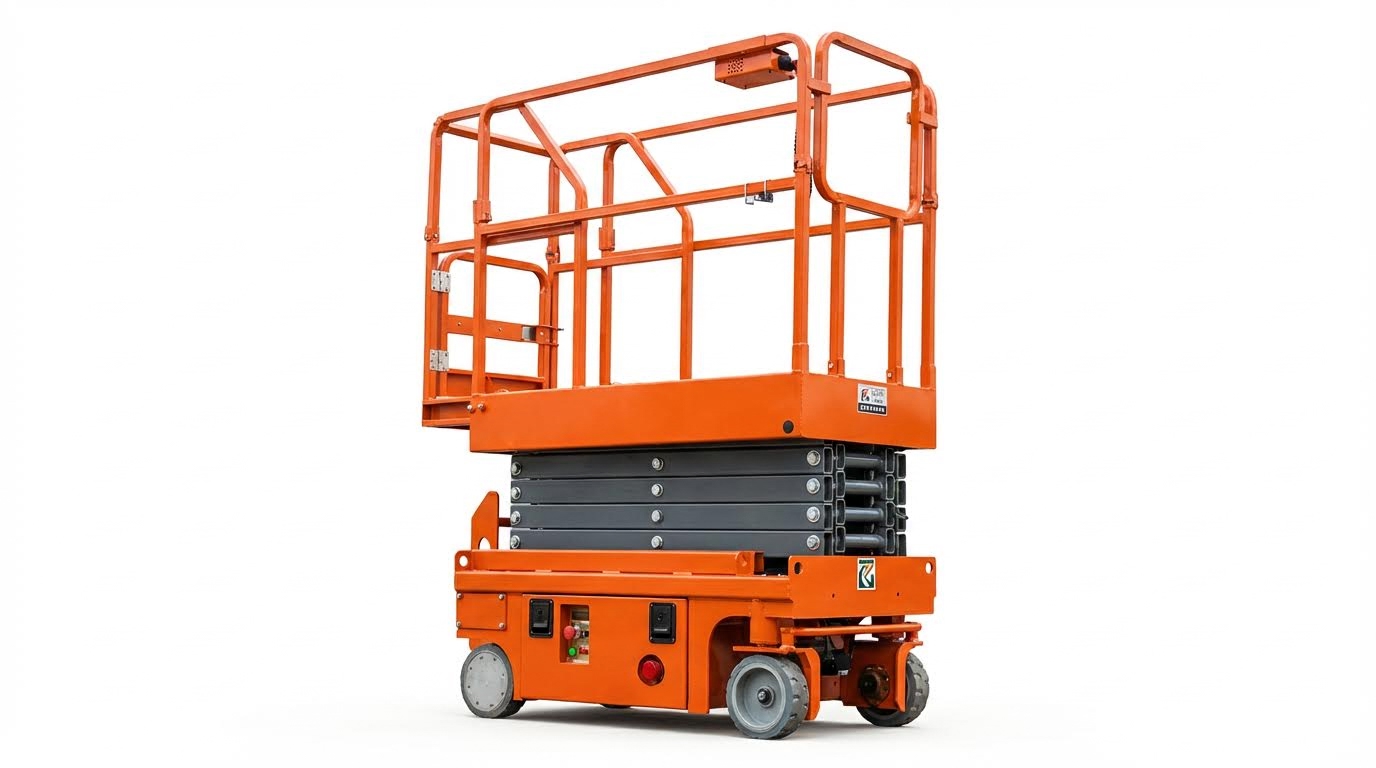
Robust maintenance and monitoring practices governed how many people could fit on an electric scissor lift while staying within safe capacity. Inspection, calibration, and sensing strategies ensured that the rated platform load, including people and tools, never exceeded structural or stability limits. Modern fleets increasingly combined classic preventive maintenance with load-sensing electronics, data logging, and predictive analytics. This section explains how these practices interacted to keep personnel, platforms, and structures within engineered safety margins throughout the lift lifecycle.
Daily, Monthly, And Annual Inspection Practices
Daily inspections focused on immediate safety before anyone stepped onto the platform. Technicians checked guardrails, gates, emergency stops, tilt alarms, and overload indicators so operators could trust capacity warnings when deciding how many people could fit on an scissor platform. They inspected hydraulic circuits for leaks, verified fluid levels, and tested all platform and ground controls for smooth, predictable response. They also examined tires or tracks, brakes, and steering for damage or excessive wear, which directly affected stability under rated load.
Monthly inspections provided a deeper structural and functional review. Maintenance staff examined scissor arms, welds, pins, and pivot points for cracks, corrosion, or deformation that could reduce true capacity below the nameplate rating. They inspected electrical harnesses, connectors, and battery systems, confirming correct voltage and electrolyte levels and cleaning terminals to avoid voltage drops that might affect control or sensing systems. Lubrication of pins, rollers, and sliding surfaces reduced friction and delayed wear, preserving the original design safety factors.
Annual inspections, typically performed by qualified technicians, validated that the lift still met its rated platform capacity. These checks included formal load testing to confirm the structure and hydraulic or electric actuators could safely carry the specified mass at full height. Inspectors verified compliance with applicable standards such as EN 280 or ANSI A92 by reviewing safety device operation, decals, and manuals. Annual reports documented any derating, repairs, or component replacements so supervisors could plan how many persons and what tools remained permissible on each specific unit.
Load Sense Calibration And Capacity Verification
Modern electric scissor lifts frequently used load-sensing systems to prevent overload by monitoring platform mass in real time. Proper calibration was essential; if the system under-read the actual load, operators might unknowingly exceed structural capacity when calculating how many people could fit on an scissor platform lift. Technicians usually performed at least one full-load calibration during the machine’s life, then used approved no-load procedures for subsequent recalibrations if the manufacturer allowed. The lift had to stand on a firm, level surface, with the platform empty during no-load steps to avoid biasing the sensor baseline.
Calibration procedures often required raising the platform to full working height to account for geometry and sensor behavior across the stroke. Technicians checked the height sensor and any pressure or strain-based transducers for correct operation before starting. They followed environmental limits, such as wind speeds below approximately 12.5 m/s and temperatures above 0 °C, to avoid external forces that distorted readings. After calibration, they verified that the overload warning activated at or slightly below the rated capacity, including a conservative safety margin defined by standards and manufacturer guidance.
Capacity verification extended beyond electronics. Inspectors compared measured deflections, leveling performance, and platform behavior under test loads to reference values. If the lift struggled to reach full height, showed abnormal tilt alarms, or stopped prematurely under rated load, maintenance staff investigated hydraulic pressure, structural damage, or sensor faults. Accurate load sensing enabled safer decisions about combined personnel, tools, and materials, particularly on compact platforms where a single additional worker could push the system past its permitted limit.
AI-Driven Monitoring And Digital Twin Applications
AI-driven monitoring systems increasingly analyzed scissor lift usage data to predict when components approached capacity-related risk thresholds. Embedded controllers or telematics units recorded platform load histories, duty cycles, lift heights, and environmental conditions. Algorithms learned typical patterns for each unit and flagged anomalies, such as frequent operation near maximum capacity or repeated overload interventions. This information helped safety managers refine rules about how many people should occupy specific electric scissor lifts in demanding applications.
Digital twin models replicated the mechanical and control behavior of individual lifts in software. Engineers used these models to simulate stress on scissor arms, pins, actuators, and chassis under different loading scenarios, including extreme combinations of personnel and bulky materials. By correlating sensor data with the twin, they could estimate residual life of critical components and adjust inspection intervals. For example, a lift regularly used with near-maximum platform load at full height might require more frequent structural checks than one used mainly at mid-stroke with lighter crews.
AI tools also supported root-cause analysis after overload events. When the load-sense system disabled elevation due to excessive weight, recorded data allowed engineers to determine whether the issue arose from miscalculation of crew size, unexpected material delivery, or terrain-induced tilt. Over time, fleets used these insights to improve operator training, signage, and job planning. The combination of real-time sensing, historical analytics, and digital twins thus transformed capacity management from static nameplate values into a dynamic, data-informed process.
Lifecycle Cost, Downtime, And Reliability Planning
Capacity management directly affected lifecycle cost and reliability planning for scissor lift fleets. Operating consistently near or above rated load accelerated fatigue in arms, pins, and welds, increasing the probability of unplanned downtime. Maintenance teams used inspection findings and load-history data to classify units by risk level and schedule proactive repairs or component replacements before critical failures occurred. This strategy reduced emergency outages and improved availability for high-priority projects.
Accurate records of inspections, calibrations, and overload incidents supported cost forecasting. Fleet managers could compare lifts that routinely carried two operators with light tools to those frequently loaded to full capacity with materials. Units subjected to heavier average loads tended to require more frequent pin, bushing, and cylinder servicing, as well as earlier tire or track replacement. These patterns informed procurement decisions, such as specifying higher-capacity models for tasks that regularly demanded large crews or heavy fixtures.
Reliability planning also considered regulatory and insurance requirements. Documented adherence to inspection schedules, load-testing protocols, and calibration procedures demonstrated that capacity limits were actively managed rather than assumed. This documentation helped justify crew-size rules on specific platforms and supported safe answers when supervisors asked how many people could fit on an aerial platform for a given task. Over the full lifecycle, disciplined maintenance and predictive monitoring reduced total cost of ownership while maintaining the engineered safety margins that protected personnel and assets.
Summary: Engineering Safe Scissor Lift Utilization
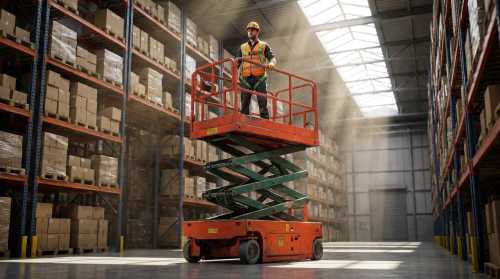
Safe scissor lift utilization depended on respecting rated capacity, geometry limits, and stability margins. Engineers defined maximum platform load by analyzing arm stresses, pin shear, actuator force, and buckling resistance with safety factors between 1.5 and 3. Operators then translated this capacity into a practical answer to “how many people can fit on an electric scissor platform” by combining personnel mass, tools, and materials within the rated platform load and respecting floor load distribution. Regulatory frameworks such as OSHA and EN 280 required clear capacity labels, guardrails, emergency stops, and overload protection, while modern tracked and rough‑terrain models added tilt sensors, overload alarms, and interlock logic to prevent unsafe operation on slopes or uneven ground.
Industry practice moved toward continuous condition monitoring. Load‑sensing systems, when properly calibrated, verified that the actual load stayed within the design envelope and that the lift reacted correctly to overload conditions. AI‑assisted analytics and digital twins started to predict component fatigue in arms, pins, and cylinders, optimizing inspection intervals and reducing unplanned downtime. For owners and fleet managers, integrating daily inspections, scheduled maintenance, and periodic load tests into a documented program lowered lifecycle cost and improved availability.
In practical terms, safe answers to capacity questions always started with the data plate, not visual judgment. Engineers and safety managers should train operators to count people and payload against the rated capacity, consider wind and terrain, and avoid concentrated or eccentric loads. Future developments will likely increase platform intelligence rather than raw capacity, with smarter sensors, geo‑fencing, and automated derating for harsh conditions. This balanced evolution favored reliability, regulatory compliance, and predictable risk control over pushing structural limits.