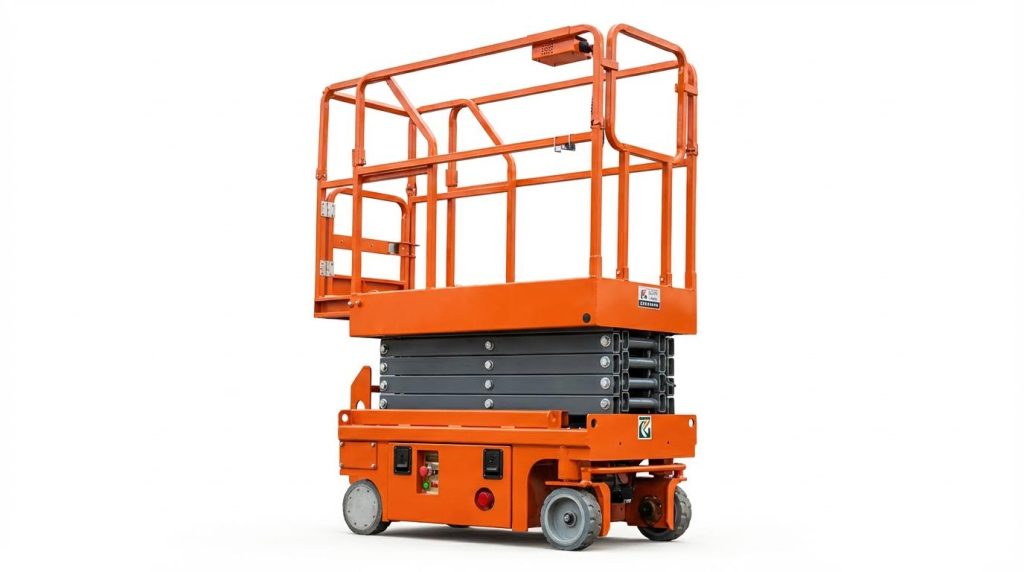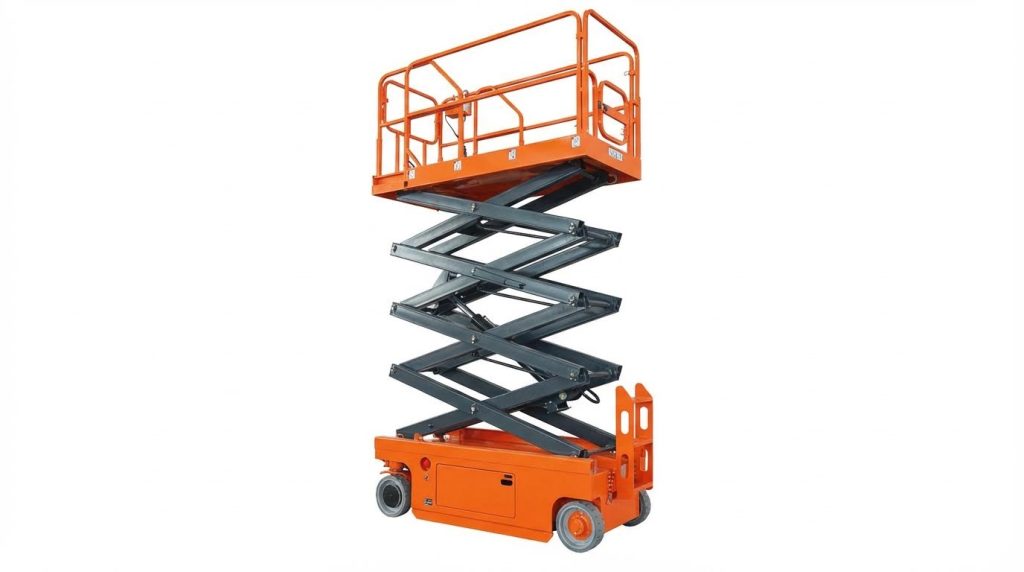
Supervisors and operators who ask “can you exit a scissor lift at height” face a mix of strict regulations, real fall hazards, and complex job-site conditions. This article explains how OSHA, ANSI, and local codes treat exiting at height, when it is clearly prohibited, and when tightly controlled exceptions are possible.
You will see how different risk scenarios drive decisions on whether a worker should step from a lift to a roof, mezzanine, or structure, and how fall protection, anchor layout, and platform design affect that choice. The engineering section walks through risk assessment, lift selection, step-off interface design, and rescue planning so safety managers can turn policy into clear, repeatable procedures. The conclusion consolidates best-practice methods that align legal compliance, safe work methods, and practical productivity for scissor lift operations at height.
Regulations On Exiting A Scissor Lift At Height
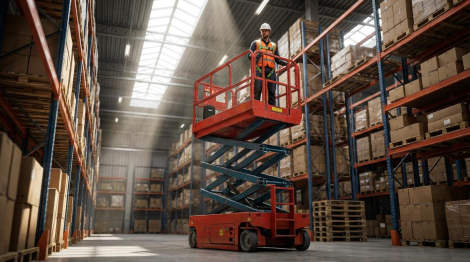
Safety teams often ask can you exit a scissor lift at height without breaking rules. The answer depends on OSHA, ANSI, local codes, and the manufacturer manual. This section explains when step-off is legally possible and how to document it. It also links exit decisions to site systems such as permits, fall protection, and emergency plans.
OSHA, ANSI, And Local Code Requirements
OSHA treated most scissor lifts as mobile scaffolds, not aerial lifts. Core federal rules came from 29 CFR 1910.27, 1910.28, 1910.29, 1915.71, and 1926.451 and 1926.452(w). These standards focused on guardrails, platform access, and fall protection, not routine stepping off at height.
OSHA letters of interpretation stated that guardrails plus firm footing usually met fall protection needs. They did not forbid exit at height in all cases. ANSI A92.3 and A92.6 set design and use rules for elevating work platforms. These standards required users to follow manufacturer limits for entry and exit points.
Local building and occupational safety codes sometimes added stricter rules. Examples included mandatory personal fall protection during transfer or bans on open edges above specific heights. Safety managers had to treat federal OSHA as the floor, then layer ANSI guidance and local rules on top.
When Exiting At Height Is Explicitly Allowed
Regulators and standards bodies discouraged routine step-off at elevation. They allowed it only under controlled conditions. Typical allowed cases included:
- Emergency evacuation when lowering the lift was impossible.
- Planned transfer to a fixed structure with compliant guardrails or parapets.
- Work that needed access from both the lift and the structure, using full fall protection.
In each case, the question can you exit a scissor lift at height depended on three checks. First, the manufacturer had to allow exit at a designated gate or access point. Second, a fall protection system had to cover both the platform and the landing surface. Third, the receiving surface needed enough strength, slip resistance, and edge protection to take the load safely.
Where any of these conditions failed, exit at height moved from controlled to prohibited. In those situations, workers had to reposition the lift or use alternate access like fixed scaffolds.
Employer Responsibilities And Documentation
OSHA placed the duty to control scissor lift exit risk on the employer. This duty covered planning, training, supervision, and recordkeeping. From a compliance view, documentation answered the question can you exit a scissor lift at height on this site, for this task.
Robust documentation usually included:
- A written scissor lift safety plan that addressed entry and exit methods.
- Task or job hazard analyses that identified when step-off at height might occur.
- Manufacturer instructions showing if exit at height was permitted and under what limits.
- Training records that proved operators understood transfer procedures and fall protection.
Incident reports, near-miss logs, and inspection checklists closed the loop. They showed if controls around exit at height actually worked. Auditors and regulators often reviewed these files after accidents, especially falls or tip-overs linked to transfers.
Coordination With Other Site Safety Systems
Rules on exiting a scissor lift at height did not stand alone. They tied into broader site controls. Poor coordination often turned a technically allowed transfer into a high-risk move.
Effective sites aligned exit-at-height rules with:
- Fall protection programs, including anchor layouts, rescue plans, and equipment issue.
- Permit-to-work systems for hot work, confined spaces, or work near live electrical parts.
- Traffic management plans that controlled mobile plant near parked or elevated lifts.
- Energy control and LOTO procedures during maintenance or modification of adjacent equipment.
Control rooms and supervisors also needed clear communication rules. They had to know when workers planned to step off a lift and where they would go. This coordination helped prevent conflicts with crane operations, overhead power work, or simultaneous construction activities.
Key Hazards When Exiting A Scissor Lift Aloft
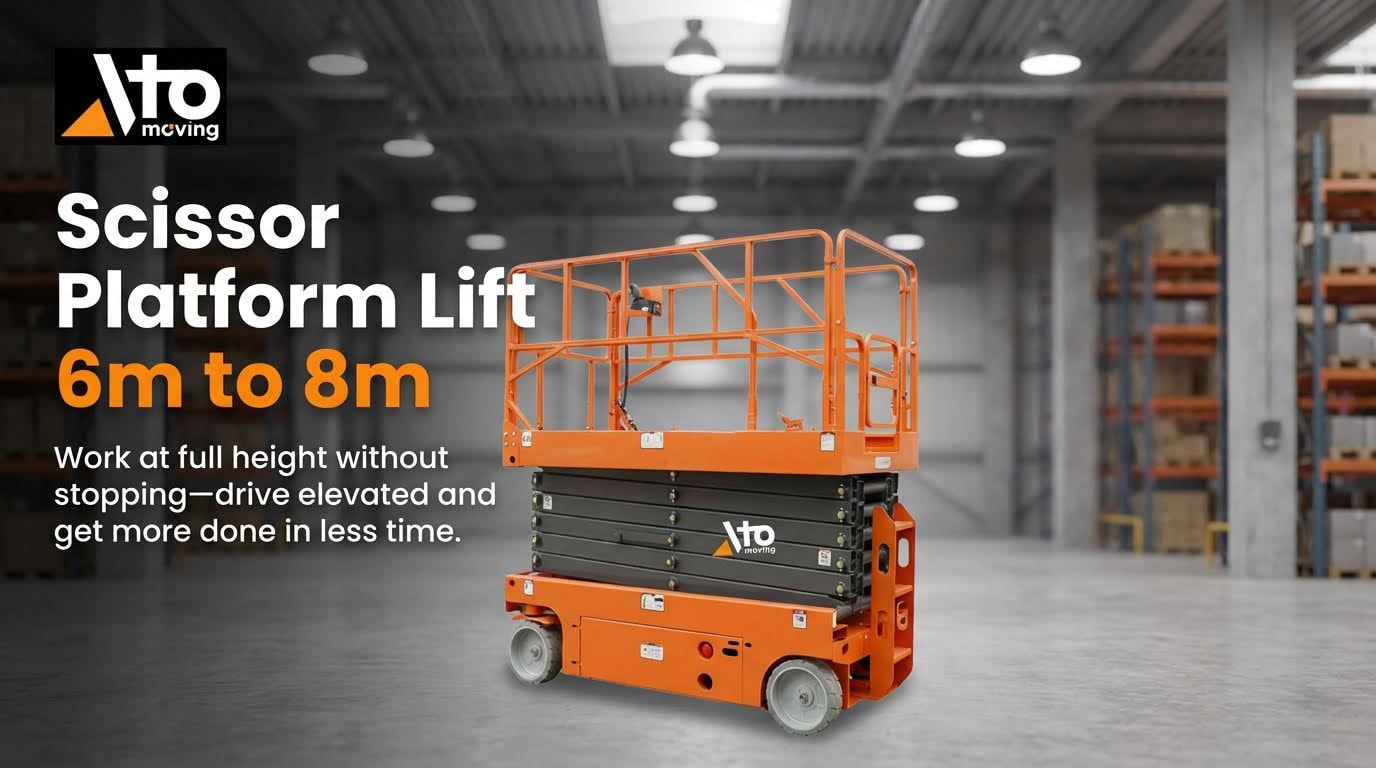
When supervisors ask can you exit a scissor lift at height, the real issue is hazard control. Exiting the platform aloft changes load paths, body position, and exposure to nearby structures. Risk levels rise sharply compared with staying inside the guardrail system. A structured view of fall, electrical, human, and mechanical hazards is essential before any step-off is approved.
Fall, Tip-Over, And Crushing Risk Scenarios
Fall risk increases the moment an operator defeats the guardrail envelope to step off at height. The worker may need to climb, reach, or twist, which reduces three‑point contact and balance. If the receiving surface is not level or is obstructed, a slip can turn into a multi‑metre fall.
Tip‑over potential also changes. As the worker exits, dynamic loads shift, especially if they push or pull on handrails or adjacent structures. Moving the lift while someone is mid‑transfer is particularly dangerous and should remain prohibited unless the manufacturer explicitly allows elevated travel.
Crushing hazards appear between the platform and fixed structures. Typical scenarios include: a moving platform under a beam, a platform slewing near a wall, or nearby vehicles tracking past the base. A misjudged step or unexpected platform movement can trap the worker’s torso, head, or limbs between rails and the structure.
Electrical, Arc Flash, And Weather-Driven Hazards
When workers exit at height, their body clearance to conductors or bus ducts often reduces. The guardrail no longer limits reach, so the effective approach distance can shrink below safe values. OSHA guidance required at least 3 metres clearance from energised lines for typical distribution voltages, and project rules often adopted larger buffers.
Arc flash risk also rose when stepping from a scissor lift into switchgear rooms or substation galleries. The platform might not be part of the facility’s arc flash study, so incident energy labels on doors did not reflect the lift location. A worker leaning from the platform to operate a breaker faced both blast and fall hazards.
Weather amplified every risk outdoors. Winds near 12–13 metres per second already approached typical outdoor lift limits. Gusts, rain on walking surfaces, or icing on handrails turned a controlled step-off into an uncontrolled slide. Exiting at height in marginal weather was therefore a high‑risk choice that required explicit management approval.
Human Factors: Training, Fatigue, And Misuse
The query can you exit a scissor lift at height often surfaced after workers improvised. Common drivers were schedule pressure, awkward reach, or poor initial positioning. Under time stress, operators tended to bypass procedures and “just step across” rather than lower and reposition.
Fatigue reduced balance, reaction time, and judgment. Long shifts or repetitive tasks at height increased the chance of mis‑stepping during transfer. Inadequate training also played a role. Operators who only learned basic up‑and‑down controls often did not understand how dynamic loading, centre of gravity, and guardrail design related to step‑off risk.
Typical misuse patterns included standing on mid‑rails for extra reach, using ladders on the platform, or leaving gates unlatched. Each behaviour degraded the engineered fall protection system. When combined with exiting at height, these actions produced complex incident chains that were hard to recover from once started.
Equipment Condition, Inspections, And LOTO
Mechanical condition directly affected the safety of any exit at height. Worn platform locks, soft tyres, or leaking hydraulics allowed unexpected movement while a worker transferred to or from a structure. If brakes did not hold, even minor base creep could create a gap at the step‑off point.
Pre‑use inspections therefore needed to focus on stability‑critical items when exit at height was anticipated. Key checks typically included: platform gate latches, guardrail integrity, emergency stop function, tyre condition, and lift/lower controls. Any defect should trigger immediate removal from service.
Lockout/Tagout became critical whenever technicians worked on the lift, especially if they did so from an elevated position or adjacent structure. Energy isolation had to cover electrical, hydraulic, and, where relevant, pneumatic sources. A clear rule set helped: no one exited or re‑entered a platform under maintenance unless LOTO was applied, verified, and communicated to all parties.
Engineering Safe Procedures For Exit At Height
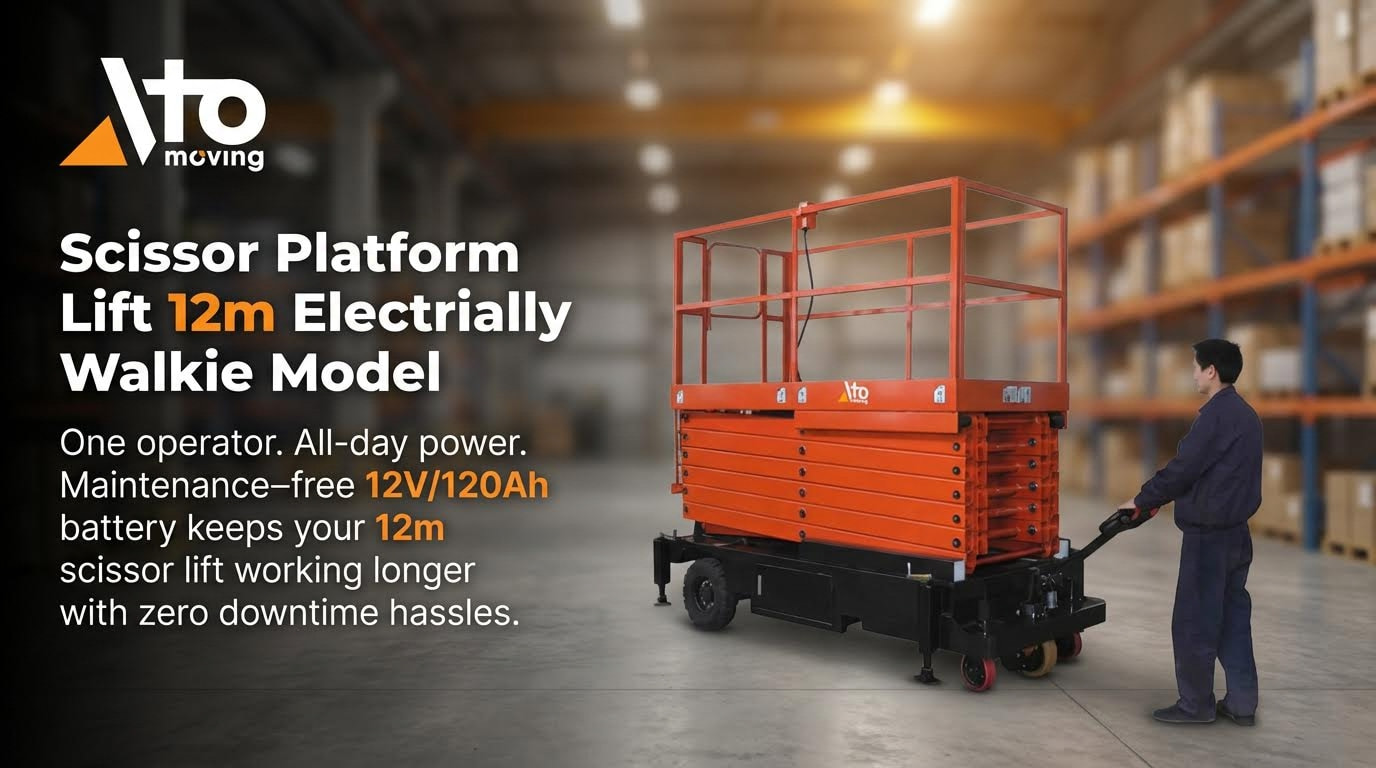
Engineering safe procedures answers the recurring field question: can you exit a scissor lift at height without breaching standards. The answer depends on risk assessment, equipment selection, fall protection design, and documented rescue planning. This section explains how to turn that question into a controlled, auditable procedure that meets OSHA, ANSI, and site rules.
Site Risk Assessment And Lift Selection
A site-specific risk assessment must come first before any plan to exit a scissor lift at height. The assessment should decide if exiting aloft is necessary or if work can stay fully inside the guarded platform. Engineers review ground bearing capacity, slope, nearby traffic, overhead structures, and electrical clearances.
Where step-off is unavoidable, the risk assessment should compare options:
- Use of scissor lift versus fixed scaffold or stair tower
- Indoor electric lift versus rough-terrain model outdoors
- Platform height, outreach, and rated load versus task needs
Selection criteria should include:
| Factor | Engineering focus |
|---|---|
| Working height | Platform height plus step-off level and guardrail interaction |
| Rated load | Workers, tools, materials, and dynamic effects during transfer |
| Environment | Wind rating, surface roughness, and indoor obstructions |
| Controls | Emergency lowering, tilt alarms, and descent speed control |
The assessment result should state clearly when exiting at height is allowed, under which weather, and with what supervision level.
Fall Protection Systems And Anchor Strategies
When workers exit a scissor lift at height, guardrails alone are no longer enough. A fall protection plan must cover both the platform and the destination surface. The plan should define whether workers use restraint, work-positioning, or fall-arrest systems during transfer.
Anchor strategy is critical. Engineers should:
- Use manufacturer-approved anchors on the lift for any lanyard attached to the platform
- Provide certified anchors on the receiving structure within reach of the step-off point
- Design lanyard length to prevent a fall over unprotected edges during movement
Where possible, use travel-restraint so the worker cannot reach a fall edge. If only fall arrest is feasible, calculate required clearance below and verify that the free-fall and deceleration distance fit available space. Written instructions must explain when the lanyard transfers from lift anchor to structure anchor and how to avoid double-hook gaps.
Step-Off Interfaces, Edge Protection, And Access
The physical interface between the scissor lift and the structure often decides whether a step-off is safe. The gap, level difference, and edge protection all affect stability during transfer. A controlled step-off layout should allow workers to face the work surface, keep three points of contact, and avoid twisting.
Good practice is to:
- Align platform height within a small level difference to the landing surface
- Limit horizontal gap so feet cannot slip between platform and structure
- Use removable guardrail sections or gates only where engineered and locked
Edge protection on the landing surface should match or exceed scissor lift guardrail performance. Where the landing has unprotected edges, temporary guardrails, toe boards, or netting should extend beyond the transfer zone. If fixed stairs or ladders are involved, their orientation should minimize sideways stepping from the lift.
Procedures, Permits, And Emergency Rescue Plans
Exiting a scissor lift at height should never be a casual decision. It should run under a written procedure and, on many sites, a formal permit system. The procedure must describe step-by-step actions from pre-use inspection through ascent, transfer, work, and return to the platform.
A simple permit for exit at height can include:
- Task description and reason exit is required
- Named competent operator and spotter
- Verification of lift model, wind limits, and ground conditions
- Confirmation of fall protection method and anchor points
Rescue planning is essential because suspension or entrapment risks increase once workers leave the guarded platform. The plan should define how to use ground-level emergency controls, secondary access (such as another lift or fixed stairs), and how to reach a fallen worker if arrest equipment deploys. Drills and toolbox talks should refresh the team on these steps so the answer to “can you exit a scissor lift at height” is “yes, but only under this tested and documented procedure.”
Summary Of Best Practices And Compliance Impacts
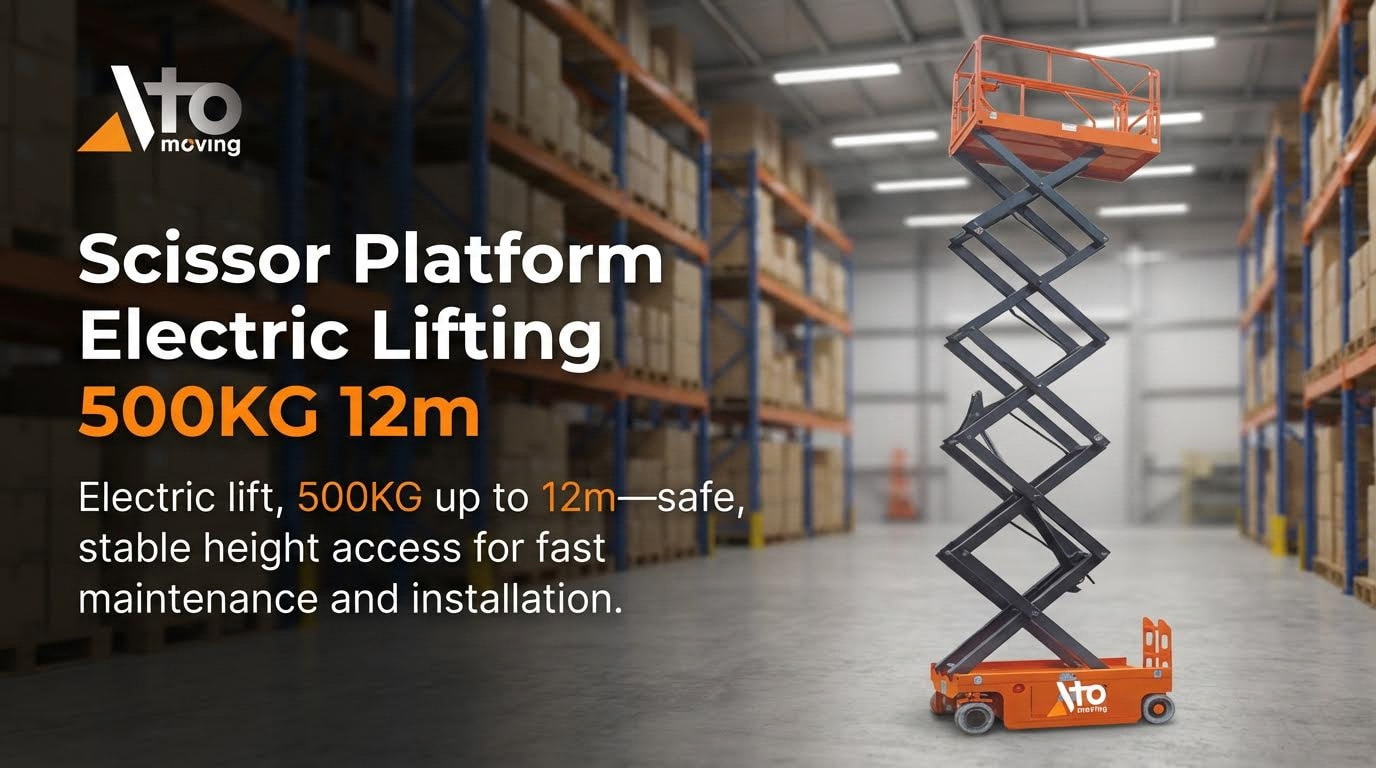
Safety teams that ask can you exit a scissor lift at height must treat the question as a control-of-risk problem, not a convenience issue. Regulations treated scissor lifts as mobile scaffolds, so OSHA scaffold rules and ANSI A92 design standards applied. These frameworks discouraged step-off at height unless a task-specific assessment, engineered access, and fall protection plan existed. The safest default remained to enter and exit only at ground level.
Where exiting aloft was justified, best practice required four elements. First, a documented risk assessment that covered falls, tip-over, electrical contact, weather, and human factors. Second, written procedures and permits that defined when exit was allowed, what fall protection was required, and who could authorize it. Third, engineered controls such as compatible platform-to-structure gaps, guardrail modifications only as permitted by the manufacturer, and certified anchor points that prevented swing or edge falls. Fourth, training and drills for emergency lowering and rescue.
Compliance impacts extended beyond one lift. Site-wide planning had to align scissor lift rules with broader fall protection, lockout/tagout, and electrical safety programs. Inspections, maintenance records, and operator training files supported OSHA and ANSI conformity and reduced liability. In practice, the most robust programs minimized exit at height, selected other access methods where frequent step-off was required, and used scissor lifts mainly as guarded work platforms rather than as general access bridges.
,
Frequently Asked Questions
Can you exit a scissor lift at height?
No, you should never exit a scissor lift while it is elevated. Exiting at height increases the risk of falls and serious injuries. OSHA guidelines require proper fall protection measures for working at heights, including the use of harnesses when necessary. Always lower the scissor lift to the ground before exiting. For more details on safety requirements, refer to Scissor Lift Safety Guide.
What are the OSHA requirements for scissor lifts?
OSHA requires employers to provide fall protection for employees working at heights of four feet or higher in general industry and six feet or higher in construction. Scissor lifts must be equipped with guardrails to prevent falls, and workers should be trained on safe operation practices. Employers must also ensure that scissor lifts are properly maintained and inspected regularly. Learn more about these regulations from this Safety Resource.