Scissor lift inspection frequency is a critical control point for both safety and uptime. This guide explains how to turn OSHA and ANSI rules into a practical daily, monthly, and annual schedule that fits real-world duty cycles. You will see how technical maintenance intervals, hydraulic and battery care, and lubrication planning link directly to fewer failures and incidents. Use it as a framework to benchmark or upgrade your current inspection program.
Defining A Compliant Scissor Lift Inspection Schedule
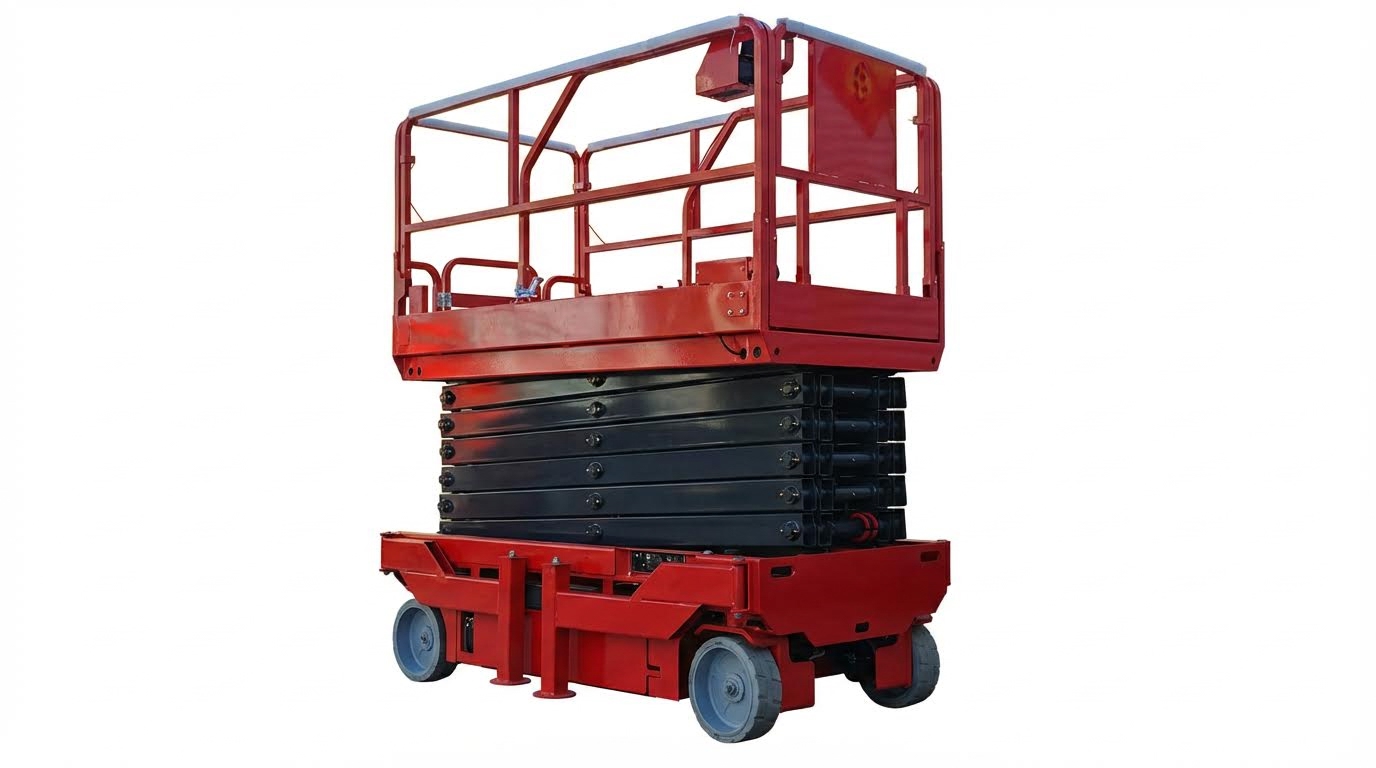
Regulatory drivers: OSHA and ANSI requirements
OSHA and ANSI do not list a single universal scissor lift inspection frequency, but they both expect a structured, documented program. OSHA requires employers to keep scissor platform lifts in safe condition, test controls and components before each use, and verify that guardrails and brakes function correctly. Daily inspection of controls, safety devices, and guardrail systems is explicitly called out. ANSI A92 standards add that inspections must be performed by qualified personnel at defined intervals and after events such as damage, overload, or major repairs. They also restrict unsafe practices such as standing on guardrails or using ladders or planks on the platform, which should be checked during inspections as behavioral and setup compliance items.
To be compliant, a site maintenance plan should link each inspection type (pre-start, frequent, annual) to OSHA’s “safe condition” duty and ANSI’s terminology. That means documenting who is qualified to inspect, what checklist they use, and how defects are tagged and corrected before use. OSHA also requires training so operators can recognize hazards and report defects, which directly supports effective daily inspections. Training must cover correct operation, weight limits, and how to report equipment defects or maintenance needs, so it should be integrated into the inspection program.
Core inspection intervals: daily, monthly, annual
In practice, a compliant scissor lift inspection frequency program uses three core levels: daily (or pre-use), monthly, and annual. Daily or pre-start inspections focus on visible damage, leaks, and basic function checks performed by the operator before each shift. Typical items include:
- Checking for visible oil or battery fluid leaks and foreign objects on or around the machine (pre-start inspections).
- Inspecting scissor arms, welds, gates, and guardrails for cracks, distortion, or improper closure and verifying warnings and placards are legible.
- Testing controls, steering, and brakes to ensure the lift stops and holds position once set as required before each use.
- Checking fluid levels and battery charge so the unit can complete the planned duty cycle without loss of power. This includes oil, fuel (if applicable), coolant, and hydraulic fluid.
Monthly inspections are more detailed and are usually done by maintenance technicians. They extend beyond the operator walk-around to structural and system checks. Typical monthly tasks include examining the scissor structure and chassis for wear, corrosion, or damage and inspecting electrical wiring, cables, and battery terminals for abrasion or corrosion. These monthly inspections help keep the lift in safe working order and extend service life. Many fleets align these with quarterly reviews for hydraulic hoses, fittings, and valves to catch early-stage leaks or chafing.
Annual inspections are comprehensive and must be carried out by a qualified person, often combined with load testing and a full documentation review. Annual checks normally verify that the lift can safely handle its rated capacity and that all systems and components meet current safety standards. A robust annual process will:
- Confirm structural integrity of arms, pins, and welds, and check for deformation or fatigue.
- Verify hydraulic and electrical systems under load, not just at no-load conditions.
- Audit manuals, decals, and records to prove that daily and monthly inspections have been performed and defects corrected.
From an engineering and safety perspective, the optimal scissor platform lift inspection frequency is the one that meets or exceeds OSHA and ANSI expectations and matches the lift’s duty cycle and environment. High-usage or harsh environments may justify upgrading monthly checks to bi-weekly and adding mid-year “mini-annual” inspections. Whatever schedule is chosen, it must be written, consistently followed, and supported by training and clear checklists.
Technical Maintenance Intervals And Checklists
Daily pre-use and shift-change inspections
Daily checks are the backbone of any safe scissor lift inspection frequency. Before each shift, operators should complete a pre-start walkaround that looks for visible leaks, damage, or contamination, including oil or battery fluid on and under the machine pre-start inspections. Structural items such as scissor arms, centering links, welds, platform gates, and guardrails must be checked for cracks, deformation, or improper closure structural inspections. Controls, emergency stops, alarms, and brakes should be function-tested from the ground and platform positions to confirm the lift stops and holds when commanded daily inspections. Finally, verify hydraulic oil level with the platform fully stowed, check tires for damage and inflation, and ensure all manuals, decals, and placards are present and legible for the next operator hydraulic oil level check.
- Walkaround: leaks, dents, weld cracks, missing fasteners, loose parts.
- Safety systems: guardrails, gates, emergency stop, alarms, interlocks, brakes.
- Fluids and power: hydraulic oil at marks, battery charge level, visible wiring or cable damage.
- Mobility: wheels/tires condition, steering and drive response, parking brake holding power.
Monthly and quarterly structural and system checks
Monthly and quarterly intervals support a more thorough review of the structure and major systems, beyond what operators see daily. At least monthly, the chassis, scissor stack, and platform structure should be inspected for wear, corrosion, distortion, or impact damage, paying attention to pins, bushings, and mechanical fasteners monthly inspections. Electrical and control systems, including cables, connectors, and limit switches, should be checked for insulation damage, loose terminations, or moisture ingress, while batteries are inspected for correct electrolyte level and terminal corrosion battery checks. Many fleets combine this with a quarterly hydraulic and lubrication review, checking cylinders, hoses, and valves for leaks or chafing and applying fresh grease to pivot points according to an hours-based schedule (for example, every 250–500 operating hours) regular lubrication schedule. Documenting these structural and system checks helps demonstrate that your scissor lift inspection frequency is risk-based and aligned with real duty cycles, not just calendar dates.
Typical monthly / quarterly checklist items
- Inspect scissor arms, base frame, and platform for corrosion, cracks, or deformation.
- Verify condition and torque of structural fasteners, pins, and locking devices.
- Check electrical looms, junction boxes, and controls for wear or damage.
- Inspect batteries for case damage, cable condition, and clean, tight terminals.
- Review hydraulic cylinders, hoses, and fittings for seepage, abrasion, or loose clamps.
- Grease specified pins, bearings, and wear pads per the manufacturer’s lubrication chart.
Annual inspections, load tests, and documentation
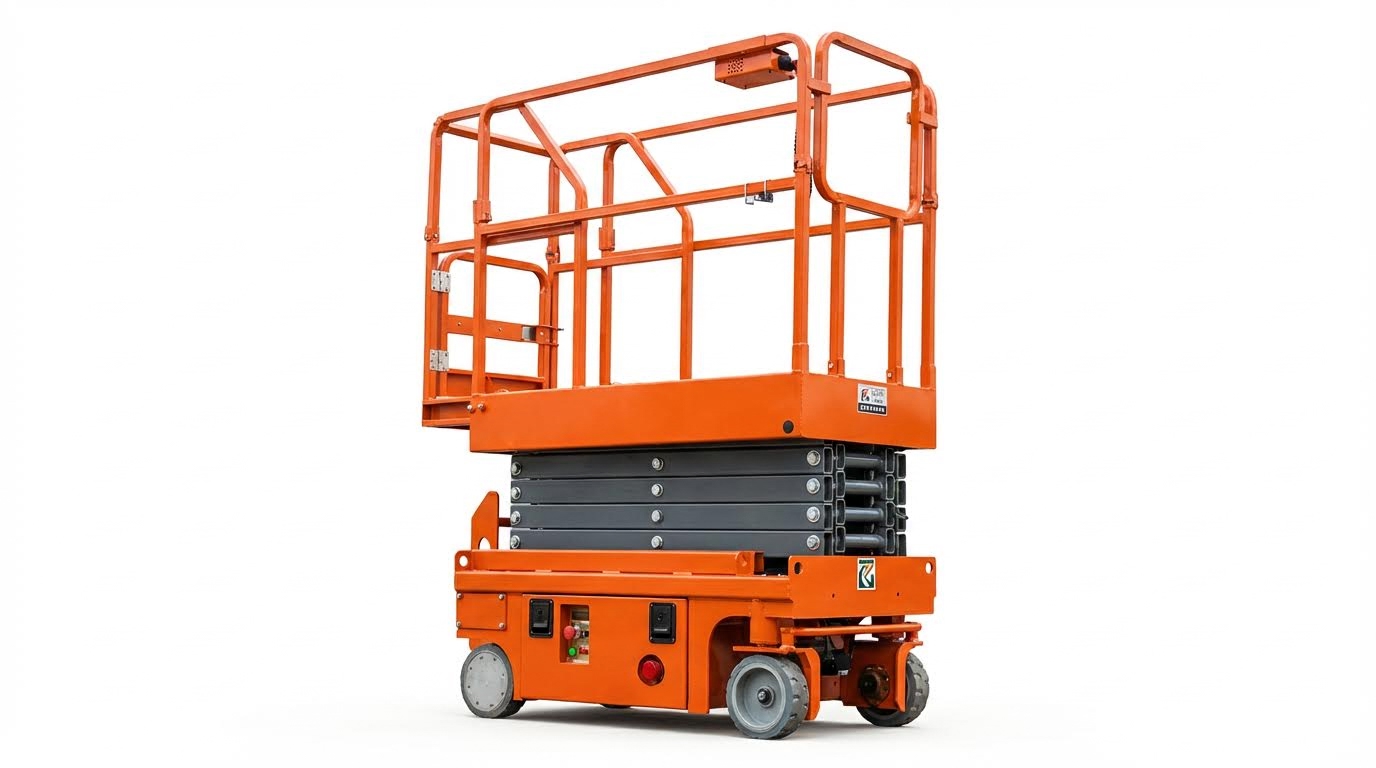
Annual inspections are formal, comprehensive evaluations carried out by a qualified person, and they sit at the top of a robust scissor lift inspection frequency plan. This work typically includes a detailed visual and functional inspection of every major system, plus non-destructive checks where needed on critical welds, pins, and structural members structural inspections. A rated-capacity load test confirms the platform can safely lift and hold its specified load without abnormal deflection, instability, or hydraulic leakage, supporting compliance with applicable safety standards annual inspections and load testing. Annual service is also the logical point to perform deep maintenance tasks tied to hours of use, such as full hydraulic oil changes, inspection of tanks and filters, and detailed battery performance tests using digital testers oil and filter changes battery testing. All findings, defects, and corrective actions should be logged in a permanent maintenance record set, providing traceability for regulators, insurers, and internal safety audits.
| Interval | Main focus | Typical actions |
|---|---|---|
| Daily / per shift | Immediate safety and operability | Walkaround, leaks, controls test, brakes, guardrails, fluid level check |
| Monthly / quarterly | Structural and system condition | Frame and scissor inspection, electrical checks, hose and cylinder review, lubrication |
| Annual | Compliance and life-cycle health | Full-system inspection, rated load test, fluid changes, detailed battery and hydraulic assessment |
Engineering Considerations For Different Lift Technologies
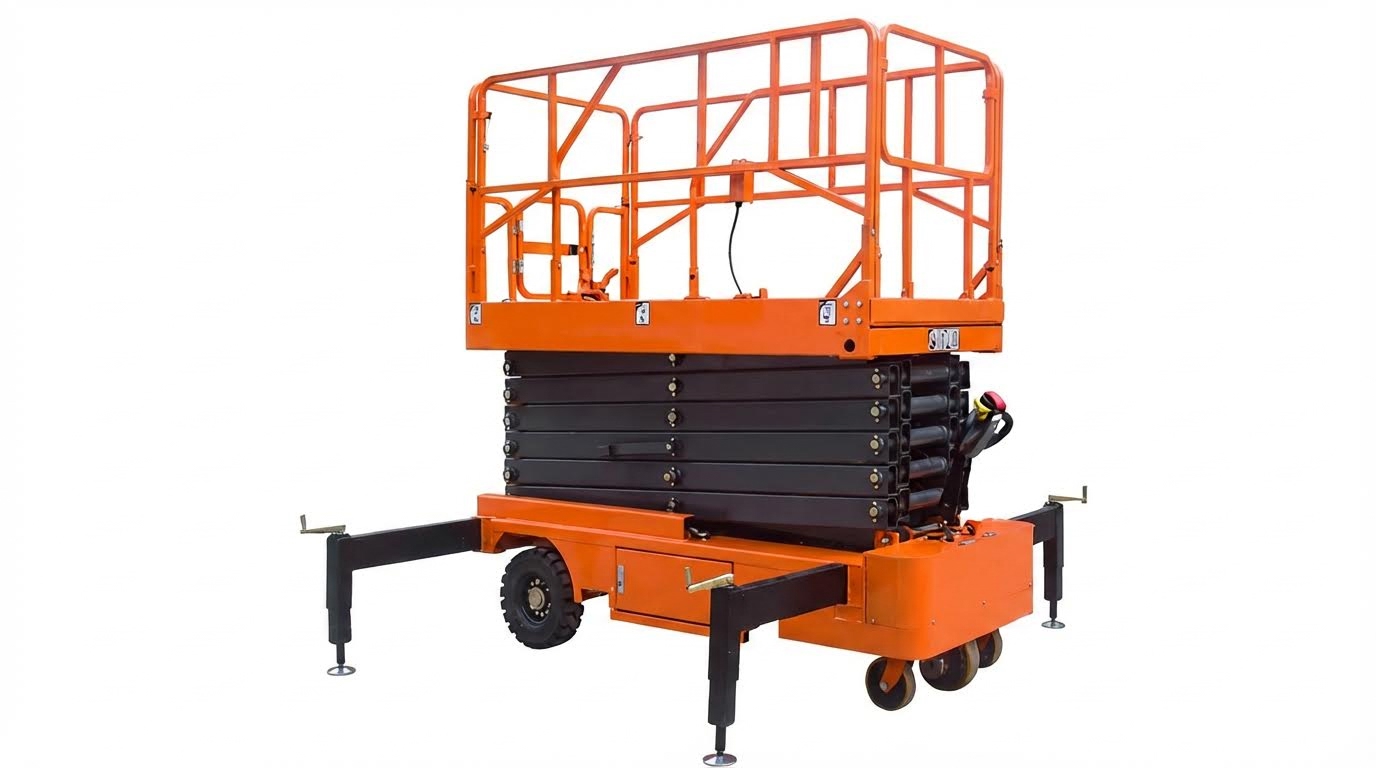
Hydraulic systems: oil, valves, and leak prevention
Hydraulic designs drive most decisions about scissor lift inspection frequency because small fluid issues can quickly become major safety risks. Daily checks should confirm hydraulic oil level and cleanliness with the platform fully stowed, using the tank markers as a reference for correct fill height. In typical service, many manufacturers recommend cleaning the hydraulic tank and replacing oil after about 200 operating hours, with six‑month cleaning intervals shortened in dusty environments to avoid contamination. Relief and speed-control (spill) valves must be adjusted only by qualified personnel, since incorrect settings can raise system pressure or change platform speed in ways that affect stopping distance and stability during loaded operation.
- Daily: inspect hoses, fittings, and cylinders for leaks or chafing, and check for visible oil on the ground or in the scissor pack as part of pre-start checks.
- Monthly: evaluate cylinder rod condition, mounting pins, and welds for corrosion, pitting, or cracks that indicate high-cycle fatigue.
- Annual: combine a full hydraulic system inspection with load testing to confirm the lift can hold rated capacity without drift or pressure spikes under real loading.
These hydraulic-specific checks should be embedded into your written maintenance plan so that scissor lift inspection frequency increases whenever you see recurring leaks, contaminated oil, or abnormal valve adjustments.
Electric and battery systems, including Li-ion options
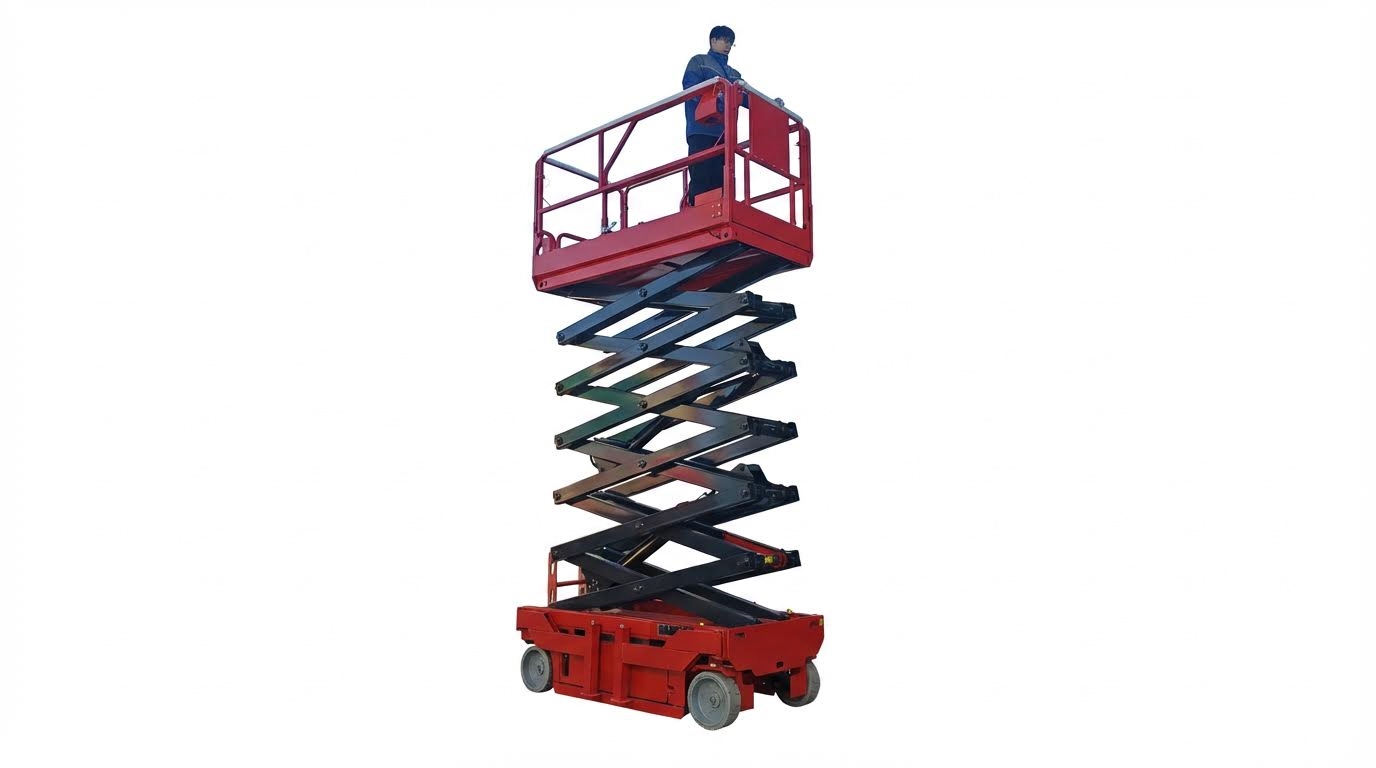
Electric drive and lift systems shift the maintenance focus from fluids to wiring, controls, and batteries, which directly influences inspection intervals. Daily inspections should include visible checks for damaged cables, loose connections, and leaking battery electrolyte, along with confirmation that emergency stops, alarms, and controls operate smoothly before use. Lead–acid batteries need regular cleaning of the battery bank to remove dirt and moisture, plus testing of charge and amp draw to catch weak units early; a neglected battery may last about one year, while a well-maintained pack can reach three years in typical duty. Advanced battery monitoring systems that log state-of-charge, charge history, and fluid levels allow maintenance teams to adjust scissor lift inspection frequency based on real usage data instead of fixed calendar dates improving uptime.
- Daily: verify charge level, look for swelling or heat in batteries, and ensure chargers and cables are undamaged.
- Monthly: perform functional tests on drive, steer, and lift circuits, and inspect wiring harnesses and connectors for abrasion or loose terminations throughout the machine.
- For Li-ion or “all‑electric” designs with no hydraulics, plan fewer fluid-related checks but maintain strict schedules for software diagnostics, battery health reports, and self-lubricating pivot inspections since electronics replace many mechanical wear points.
Because electrical failures often appear first as intermittent faults, tightening daily and monthly checks on these systems is one of the most effective ways to align scissor lift inspection frequency with real reliability risk.
Lubrication, wear components, and duty-cycle planning
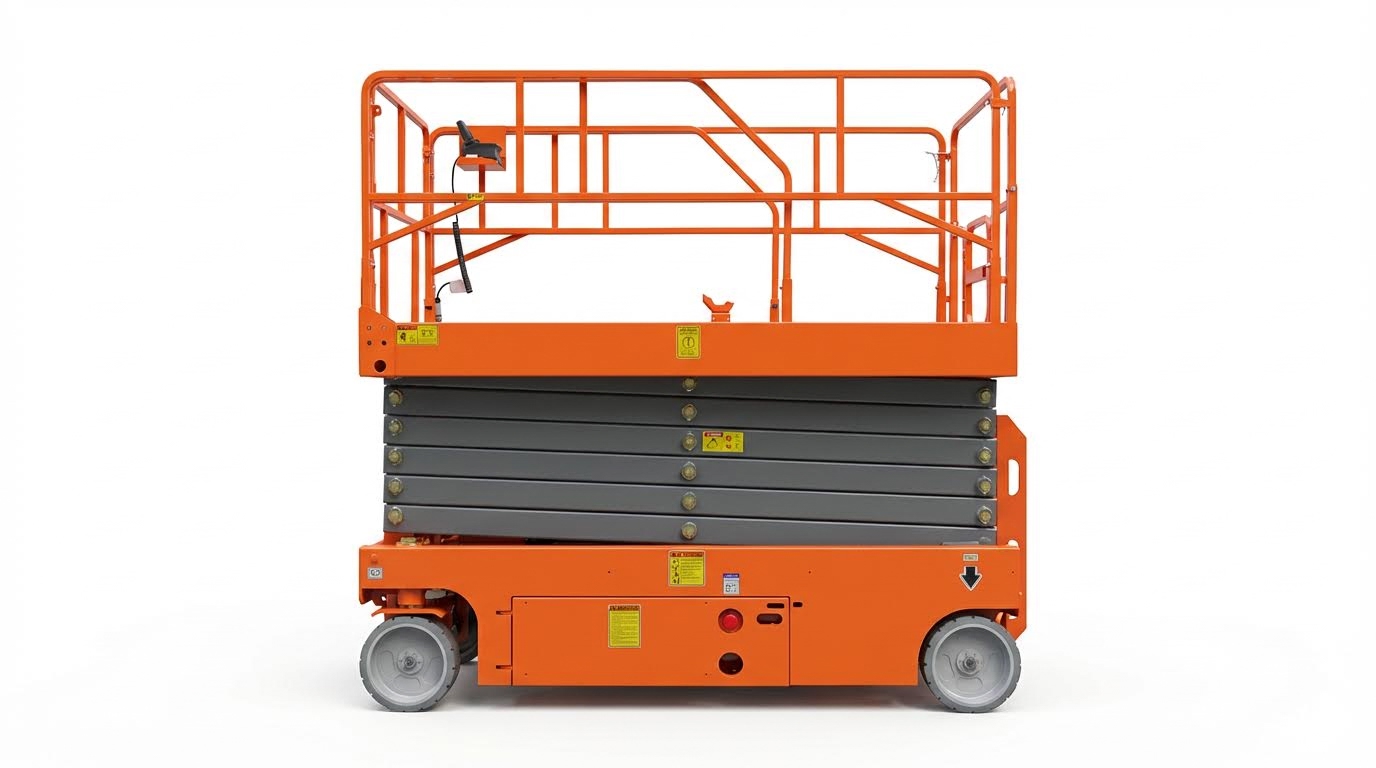
Lubrication and wear management link directly to how often a lift cycles, how heavily it is loaded, and the environment, so they should be the backbone of any inspection schedule. Many OEM-style guidelines call for checking moving parts and hydraulic oil level or color daily, changing lubricating oil around every 250 hours or three months, and inspecting tubes, pipes, and valves at roughly 500 hours or six months for early wear. At approximately 1,000 hours or one year, hydraulic oil replacement and greasing of rotation bearings and wear pads are typically recommended, with tank, lid, and vent checks around 2,000 hours or two years to control contamination. High-duty fleets that run multiple shifts, operate near corrosives, or see frequent road travel should compress these hour-based intervals and increase scissor lift inspection frequency for structural elements such as scissor arms, pins, and welds to catch fatigue damage.
- Daily: lubricate exposed pivot points where specified, and listen for squeaks or binding that signal dry joints.
- Monthly/quarterly: inspect wear pads, rollers, and steering and brake components for flat spots, play, or uneven wear that change stopping distance or platform tracking during travel.
- Annually: review duty-cycle data (hours, lifts per shift, average load) and adjust grease, oil, and component replacement intervals so they reflect actual usage instead of generic calendar periods.
By tying lubrication and wear inspections to measured duty cycles, you turn scissor lift inspection frequency into a predictive maintenance tool that reduces unplanned downtime and extends component life.
“”
Summary: Turning Inspection Frequency Into Uptime And Safety
A safe scissor lift program does not start with hardware. It starts with a clear, written inspection schedule that links OSHA and ANSI duties to real duty cycles. Daily operator checks catch leaks, structural damage, and control faults before people leave the ground. Monthly and quarterly inspections go deeper into structure, hydraulics, electrics, and lubrication so small defects do not turn into cracks, drift, or loss of braking.
Annual inspections and load tests then verify the whole system. They prove that the lift still carries its rated load with stable geometry, correct stopping distance, and no hidden fatigue. Hydraulic, electric, and battery designs each shift the focus of these checks, but the goal stays the same: control contamination, protect structural members, and keep power and control systems predictable.
The best practice for operations and engineering teams is simple. Build a tiered schedule (daily, monthly, annual) that reflects hours, environment, and technology. Train operators and technicians, lock checklists into work orders, and escalate inspection frequency when leaks, intermittent faults, or fast wear appear. When you treat inspection data as a predictive tool, your Atomoving scissor lifts deliver higher uptime, longer life, and a much larger safety margin for every job.
Frequently Asked Questions
How often should you inspect a scissor lift?
Scissor lifts should undergo daily inspections to ensure safe operation. Additionally, more thorough maintenance checks are recommended every 90 days or 150 operational hours, whichever comes first. Preventive Maintenance Guide.
- Daily inspections are essential for identifying immediate safety concerns.
- Every 90 days or 150 hours, a qualified mechanic should perform a detailed inspection.
Does OSHA require annual inspections on scissor lifts?
According to OSHA, scissor lifts should undergo regular maintenance at least once every 12 months, not exceeding 13 months without service. However, more frequent inspections may be necessary based on usage and local regulations. Lifting Equipment Safety Standards.
- Annual inspections are required to comply with OSHA standards.
- Heavily used equipment may need more frequent checks every 6 months.