Facility managers and fleet owners often ask: how long do scissor lifts last in real-world conditions, not just on paper. This guide explains typical years and operating hours you can expect, and how duty cycle and environment change actual service life. You will see the engineering factors that drive longevity, plus practical maintenance and cost-per-hour thinking to decide when to rebuild or replace. Use it as a technical roadmap to maximize uptime, safety, and total return from every lift in your fleet.
Defining Scissor Lift Lifespan And Key Hour Benchmarks
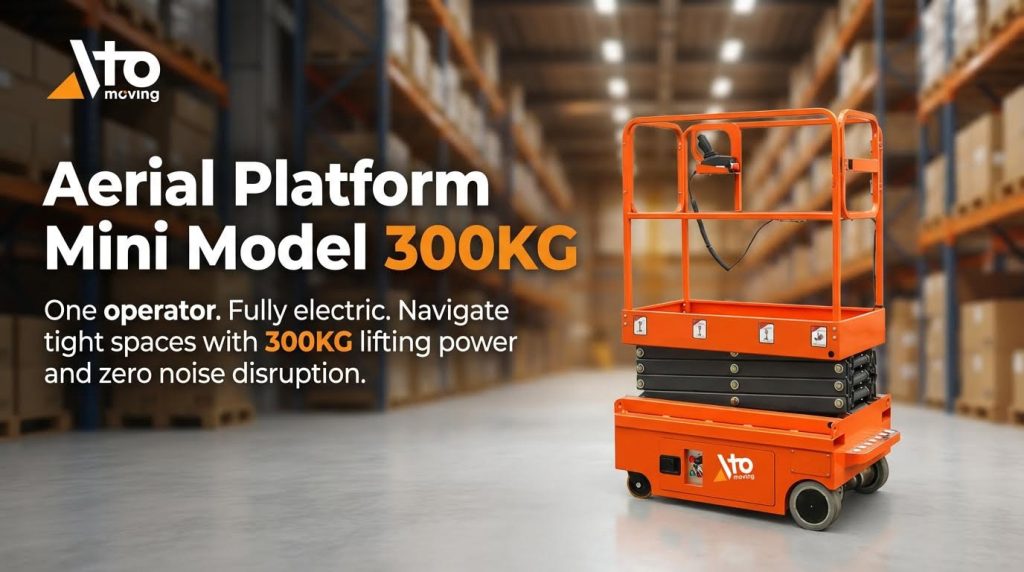
Typical years and operating hours you can expect
If you are asking “how long do scissor lifts last,” you need to look at both calendar years and total operating hours. A well-maintained unit typically delivers around 10–15 years of service in normal duty applications with a total operational lifespan in the 500–5,000 hour range. High‑quality self‑propelled models in light or occasional use often stay in service for 15 years or more, while heavy daily use can bring that down to roughly 8–10 years depending on duty cycle and care. In practice, most fleets treat 8–12 years or roughly low‑thousands of hours as the point where major rebuild or replacement decisions start.
| Usage intensity | Typical service years | Approximate lifetime hours |
|---|---|---|
| Light / occasional | 12–15+ years | Upper end of 3,000–5,000 hours |
| Moderate (regular, not continuous) | 10–12 years | Mid‑range of 1,500–3,000 hours |
| Heavy daily use | 8–10 years | Lower end of 500–2,000 hours |
Battery systems inside electric units follow a shorter cycle. Traction batteries typically last about 3–5 years before needing replacement, with proper charging and maintenance needed to reach the upper end of that range as runtime per charge starts to fall. These battery replacements are normal wear items and should not be confused with the structural or chassis life of the machine.
How usage patterns change real-world service life
Two scissor lifts of the same age can have very different answers to “how long do scissor lifts last” because duty cycle drives wear. For example, a unit running about 2 hours every day can accumulate roughly 500 operating hours in a year, which quickly consumes its available hour budget compared with a machine that only works weekly. Occasional or weekly use spreads those same hours over many years, so the calendar life stretches while the hour meter climbs slowly.
- High‑duty indoor warehouse use tends to reach hour limits sooner but often with less corrosion.
- Outdoor construction use may hit environmental limits first, as weather, dust, and rough ground accelerate structural and hydraulic wear and can shorten service life by roughly 25–35%.
- Indoor applications can extend overall life by roughly 20–30% because the machine avoids rain, extreme temperatures, and abrasive debris given the same maintenance level.
Maintenance discipline interacts strongly with usage. Regular inspections and service at roughly every 3 months or 150 operating hours help many machines run well past 1,000 hours without major failures while neglected units can suffer early hydraulic, structural, or electrical issues. In real fleets, the best predictor of lifespan is not just age, but the combination of hour count, environment, and how consistently the maintenance program has been followed.
Engineering Factors That Drive Scissor Lift Longevity
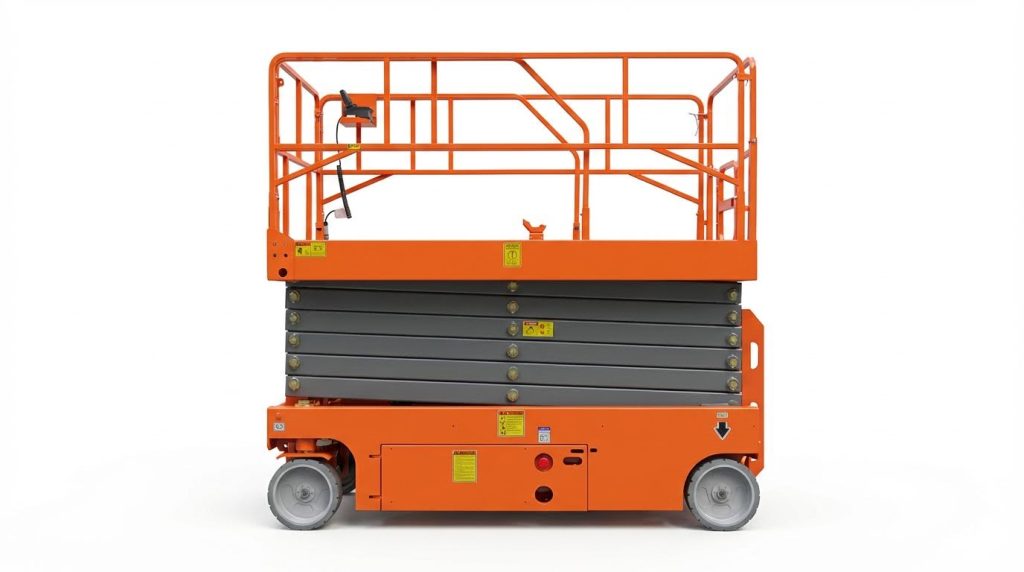
Structural design, materials, and environment impacts
Core structural design is the first answer to how long do scissor lifts last. High‑strength steels, robust welds, and stiff scissor arms reduce stress concentrations and delay fatigue cracking over thousands of cycles. Protective coatings such as electrophoresis paint help resist rust and corrosion, which is critical for outdoor or wash‑down applications. Premium lifts used high‑strength steel and anti‑corrosion coatings to extend service life.
Operating environment can easily swing real service life by several years. Indoor use avoids rain, UV, road salt, and abrasive dust, so frames and pins see far less corrosion and wear. Some studies indicated indoor applications could extend life by roughly 20–30%, while harsh outdoor use might shorten it by about 25–35%. Outdoor exposure, rough ground, and temperature extremes all reduce lifespan.
Design features also help tailor a lift to its environment. All‑terrain chassis with higher ground clearance and more robust axles cope better with impacts and uneven ground, reducing structural damage over time. Corrosion‑resistant builds, waterproof electrics with IP65‑type protection, and temperature‑controlled systems are engineered specifically to survive humidity, chemicals, or extreme hot/cold sites. Heavy‑duty, corrosion‑resistant, and waterproof variants are typical for harsh environments.
Key structural and environmental drivers
- Frame and arm stiffness, weld quality, and pin sizing
- Coatings and corrosion protection on all steel parts
- Indoor vs outdoor duty, exposure to chemicals and salt
- Shock loads from transport, potholes, dock edges, and debris
Powertrain, hydraulics, and battery life cycles
Powertrain and hydraulic components usually dictate the “economic life” long before the frame wears out. Hydraulic pumps, cylinders, and hoses gradually lose efficiency or start to leak after many thousands of cycles. Regular oil changes and contamination control significantly slow this degradation. Monthly hydraulic inspections and routine oil changes were recommended to protect system life.
Hydraulic hoses and seals are classic wear items. They see pressure spikes, flexing, and temperature cycles every time the platform raises or lowers. If they are not inspected and replaced on condition, internal leaks and burst hoses can shorten the usable life of the machine. Hydraulic components were noted as common sources of leaks and failures with age.
For electric units, battery life cycle is a major factor in how long do scissor lifts last in daily service. Typical traction or deep‑cycle batteries last about 3–5 years if charged correctly and kept clean. Sources reported 3–5 years of life, with poor charging and corrosion cutting this down. Battery runtime per charge also matters: 6–8 hours of continuous or 8–10 hours intermittent operation per full charge is typical for many electric scissors, and deep daily discharge accelerates wear. Electric scissors commonly achieved 6–8 hours continuous runtime on a charge.
Drive systems, tires, and controls also influence longevity. Rough terrain, debris, and overloading accelerate tire wear and put extra load on drive motors and gearboxes. Control panels, switches, and sensors cycle every time an operator moves or raises the platform, so cheap components or poor sealing can turn them into frequent failure points. Tires, control systems, and safety devices were all highlighted as wear‑prone subsystems.
Typical subsystem life influences
| Subsystem | Key stress | Life drivers |
|---|---|---|
| Hydraulics | Pressure cycles, contamination | Oil quality, hose inspection, cooling |
| Batteries | Charge/discharge cycles | Depth of discharge, charging habits, temperature |
| Drive & tires | Impacts, abrasion | Surface quality, load, speed of travel |
| Controls & sensors | Cycle count, vibration | Ingress protection, mounting, inspection |
Maintenance regimes, inspections, and predictive tools
Across fleets, maintenance practice is often the single biggest factor in how long do scissor lifts last in years and hours. Well‑maintained units commonly achieved 10–15 years of service, depending on usage intensity. Some guidance cited 10–15 years as a realistic lifespan with proper care. Manufacturers typically recommended scheduled maintenance around every 3 months or 150 operating hours to keep machines in this range. Quarterly or 150‑hour service intervals were common recommendations.
Effective regimes layer daily, weekly, monthly, and annual checks. Daily pre‑use inspections catch obvious leaks, tire damage, and control issues before they cascade into structural or component failures. Weekly lubrication and battery checks reduce friction and electrical issues, while monthly inspections focus on hydraulics, drive systems, and emergency‑lowering functions. Structured daily, weekly, and monthly routines were recommended to extend life.
Periodic structural and professional inspections close the loop. Six‑ to twelve‑month structural checks look for cracks, rust, and deformation in the chassis and scissor arms, especially on outdoor machines. Annual servicing by qualified technicians helps identify hidden problems in electrics, sensors, and hydraulics before they cause downtime or safety incidents. Professional annual inspections and structural checks every 6–12 months were advised.
Newer predictive tools are starting to shape lifespan strategies. Telematics, hour‑meter data, and basic sensors can flag abnormal trends in usage, temperature, or vibration, allowing maintenance teams to intervene before failures. When combined with a disciplined inspection program and proper storage in a dry, covered area, these tools help push equipment closer to the upper end of its expected life range in both hours and years. Predictive maintenance using sensors and condition data was highlighted as a way to prevent failures.
Core maintenance levers for longer life
- Daily pre‑use checks on hydraulics, tires, and controls
- Lubrication and battery testing at least weekly
- Monthly hydraulic and drive system inspections
- 6–12 month structural checks plus annual professional service
- Use of telematics and sensor data to catch issues early
Strategies To Extend Life And Optimize Replace‑Vs‑Rebuild
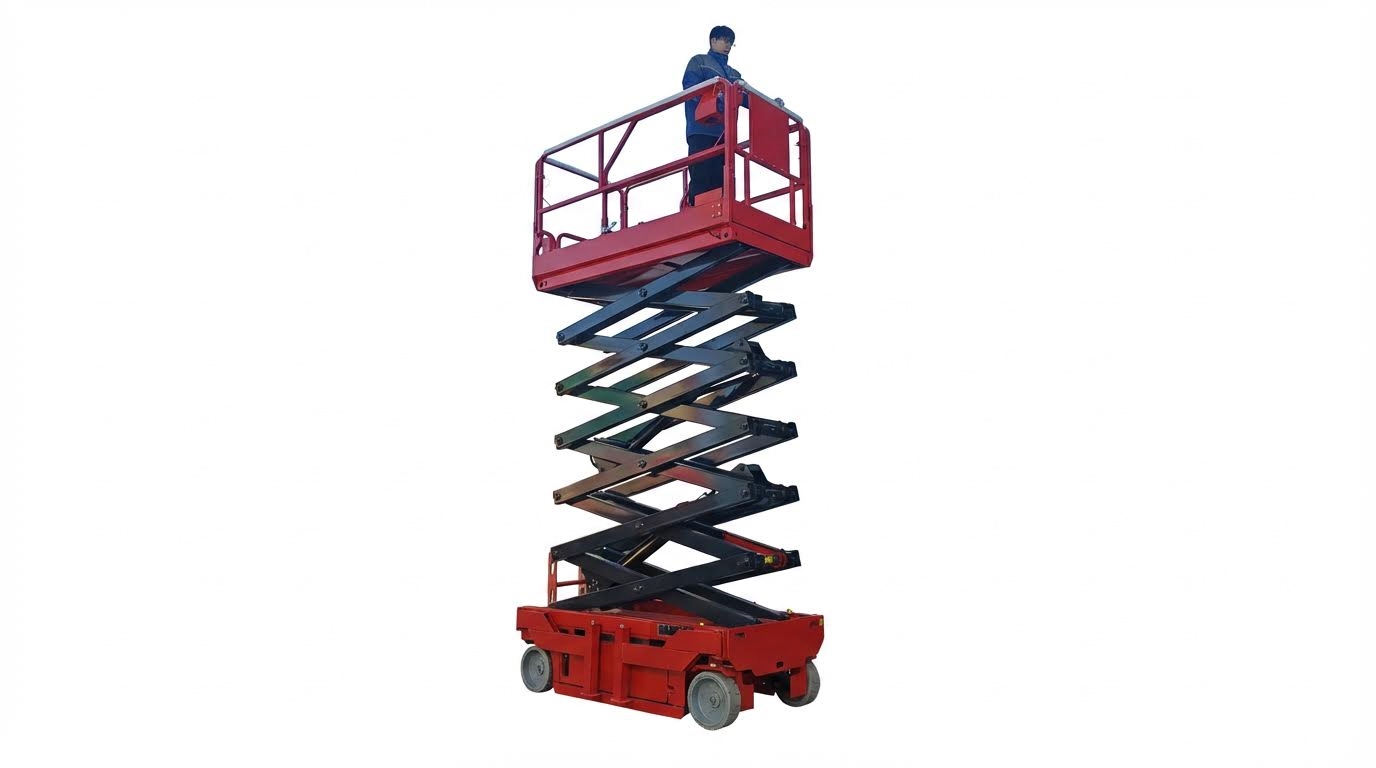
Practical maintenance schedules by duty cycle
To extend service life, you need maintenance intervals that match how hard the fleet works, not just calendar time. This is central when you plan around how long do scissor lifts last, because duty cycle drives both hours and failure modes. Most manufacturers recommended servicing every 3 months or about 150 operating hours for core systems, which helped many units exceed 1,000 operating hours without major failures. Quarterly or 150‑hour service intervals are a common baseline.
For light or occasional use (few hours per week, mainly indoors), a simple tiered plan works well:
- Daily: Visual walk‑around, function tests, fluid level check, tires and safety devices check. Daily inspections focus on hydraulics, tires, and controls.
- Weekly: Lubricate key pivot points and rollers; test battery and charging function on electric units. Weekly lubrication and battery testing are standard tasks.
- Monthly/Quarterly: Inspect hydraulic hoses and cylinders for leaks, check drive system, test emergency lowering, and review structural components for rust or cracks. Monthly checks typically cover hydraulics, drive, and emergency systems.
For medium and heavy duty cycles (daily use, outdoor work, rough floors), you tighten both hour‑based and calendar‑based tasks. Batteries that normally last 3–5 years need closer monitoring of runtime per charge and charging time; falling runtime and longer charge cycles are early warning signs. Typical scissor lift batteries lasted about 3–5 years with proper care. In harsh outdoor conditions, plan structural inspections every 6–12 months to catch corrosion and fatigue early. Semi‑annual structural checks looked for rust, cracks, and fatigue.
Example duty‑cycle‑based maintenance matrix
| Duty cycle | Key environment | Extra focus areas |
|---|---|---|
| Light | Indoor, smooth floor | Battery health, basic lubrication |
| Medium | Mixed indoor/outdoor | Hydraulics, tires, structural checks |
| Heavy | Outdoor, rough/dirty sites | Corrosion, chassis, frequent hose and tire checks |
When to rebuild, upgrade, or replace based on TCO
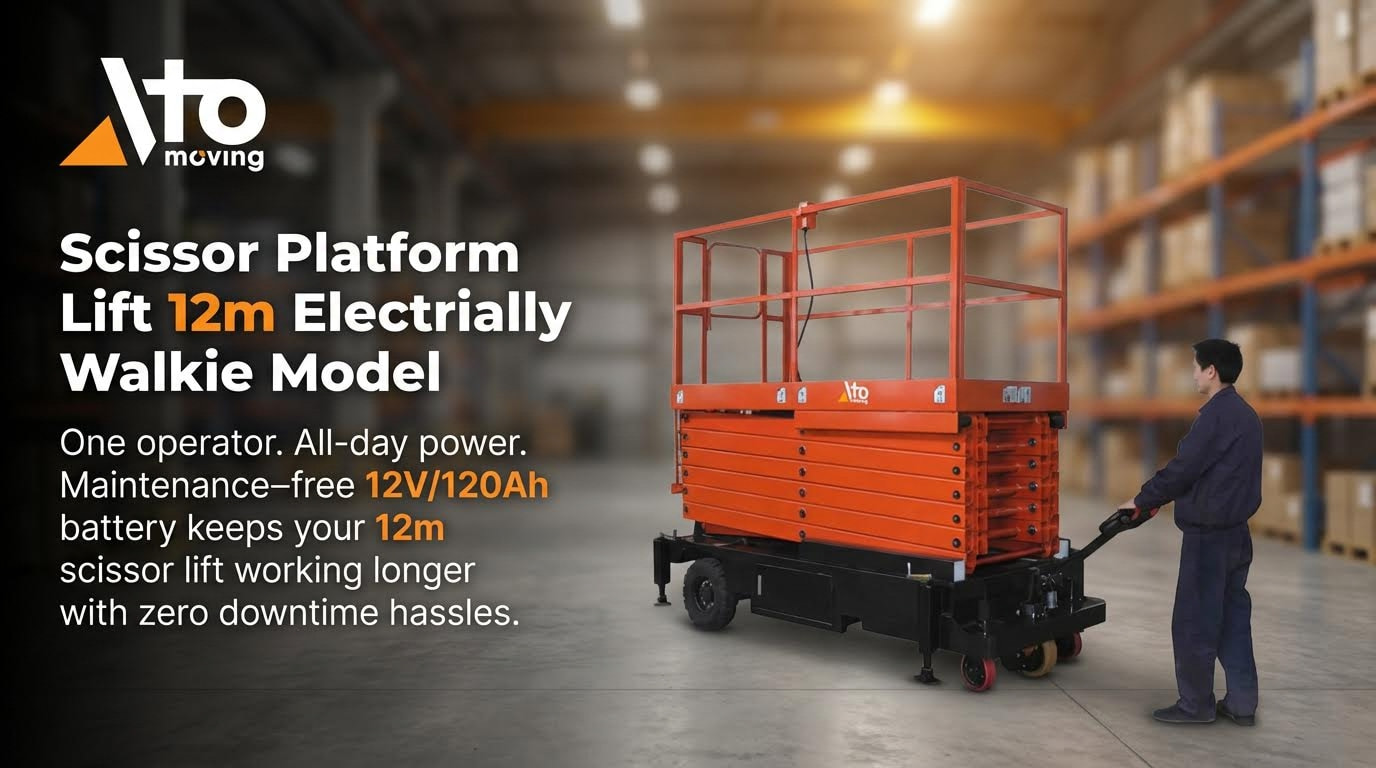
Deciding between rebuild and replacement is a cost‑per‑hour and risk question, not just “can we fix it.” A well‑maintained scissor platform lift often delivered 10–15 years of service, but heavy daily use could pull this down to 8–10 years, while light use could push beyond 15. Self‑propelled units typically lasted about 10–15 years with good maintenance. That is the backdrop when you answer how long do scissor lifts last for your specific fleet and whether more capital in an old chassis still makes sense.
A structured way to compare options is to look at cost per productive hour. One practical formula used in heavy equipment was: (New Equipment Price × 0.5) ÷ (Estimated Equipment Life × 0.75) = cost per hour. This approach compared new versus rebuilt cost per hour. You apply similar logic to scissor lifts by estimating remaining hours after a major rebuild versus buying new, then adding downtime and reliability risk into the comparison. If the effective cost per hour of the old unit (including frequent repairs and lost production) exceeds a new unit, replacement is usually the rational choice.
Rebuilds make sense when the structure is sound and failures are concentrated in replaceable systems like hydraulics, electrics, or powertrain. A full machine rebuild, where major components are overhauled or replaced, can return equipment to near‑new performance for a fraction of replacement cost and add thousands of productive hours. Rebuild programs typically replaced engines, hydraulics, and electronics to extend life. Replacement becomes mandatory when safety or compliance is at risk, or when structural fatigue, severe corrosion, or obsolete controls make further investment hard to justify. Equipment that no longer met safety or emissions standards generally needed replacement.
Practical replace‑vs‑rebuild checklist
Favour a rebuild when:
- Chassis and scissor structure pass detailed inspection.
- Failures are mainly in hydraulics, batteries, hoses, or controls.
- Projected cost per hour after rebuild is clearly below a new unit.
Favour replacement when:
- Cracks, deformation, or heavy corrosion are present in load‑bearing parts.
- Unplanned downtime and repair frequency are rising sharply.
- Safety, emissions, or functional requirements can’t be met with upgrades.
Final Thoughts On Maximizing Scissor Lift Service Life
Scissor lift lifespan is not fixed by a single number of years or hours. Structural design, environment, duty cycle, and maintenance all interact. Strong frames, quality welds, and corrosion protection give you a safe base, but poor storage or harsh outdoor use can still cut years off service life. Hydraulics, batteries, and drive components usually define the economic limit, not the steel itself.
Disciplined maintenance shifts that limit. Daily checks, hour‑based servicing, and scheduled structural inspections keep small defects from turning into safety failures. Telematics and hour data then let you target the hardest‑worked units and act before breakdowns. When costs rise, a structured cost‑per‑hour view helps you choose between rebuild and replacement, instead of chasing repairs on a tired machine.
The best practice for operations and engineering teams is clear. Match lift design and protection to the environment. Control duty cycle where you can. Lock in a tiered inspection and service plan tied to hours, not just dates. Use data to plan rebuilds early and retire units when structural integrity or safety margins fall. That approach delivers maximum safe uptime and the lowest true cost per working hour for your Atomoving scissor lifts.
Frequently Asked Questions
How Long Do Scissor Lifts Last?
A well-maintained scissor lift can last approximately 500-750 operational hours. However, the lifespan heavily depends on regular inspections and proper maintenance of critical components like pivot points, pins, and bushings. Scissor Lift Maintenance Tips. Neglecting maintenance can lead to reduced stability and a shorter lifespan.
- Routine checks for wear and misalignment are essential.
- Address issues early to prevent further damage.
What Factors Affect the Lifespan of a Scissor Lift?
The life expectancy of a scissor lift is influenced by several factors, including frequency of use, environmental conditions, and adherence to manufacturer guidelines. For instance, exposure to harsh weather or heavy loads can accelerate wear. Common Scissor Lift Issues. Regular operator training also plays a key role in extending the equipment’s operational life.
- Ensure operators are trained to use the equipment safely.
- Follow manufacturer recommendations for maintenance schedules.