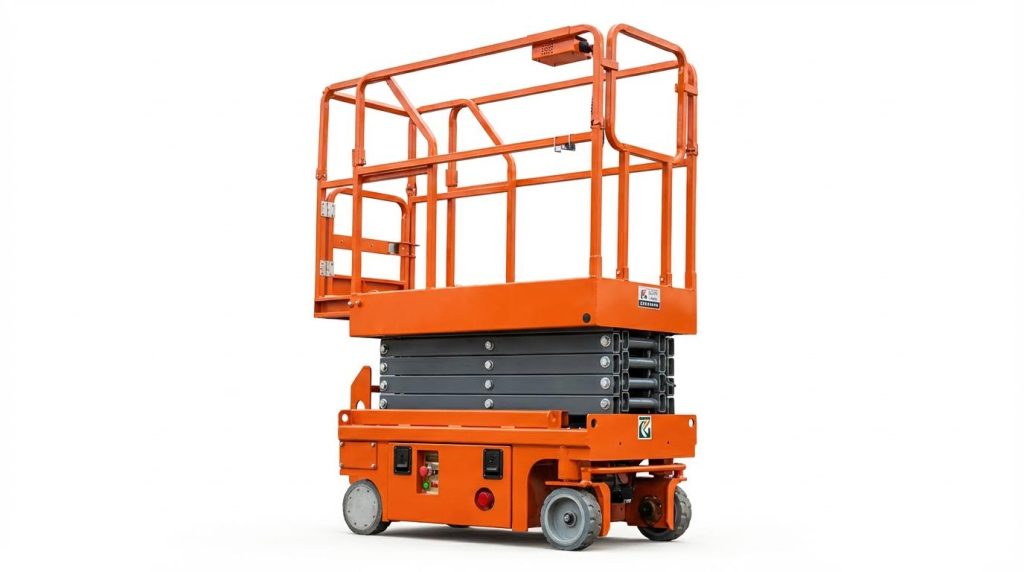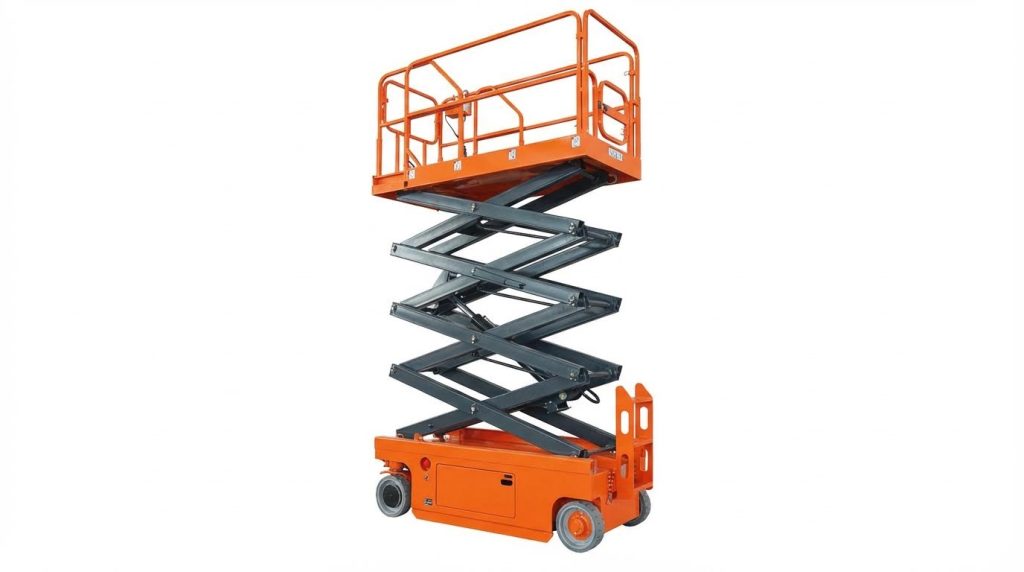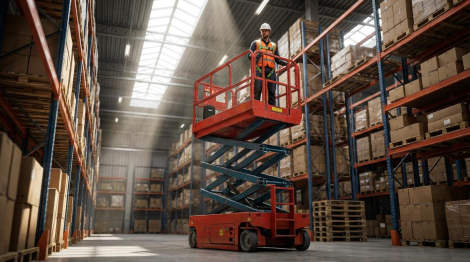
Scissor lift load capacity governs how safely and efficiently these platforms handle materials, tooling, and personnel. This article explains core load concepts, including static and dynamic loads, platform footprint, and center-of-gravity effects, as well as stability differences between single and double-scissor mechanisms and between hydraulic and electric drivelines. It then examines how to select lifts for pallets, fixtures, and specialized environments, linking capacity to vertical travel, minimum height, ergonomics, and platform configuration for rolling and sliding loads. Finally, it addresses safety standards, loading patterns, impact forces, and lifecycle performance, including preventive maintenance, diagnostics, and powertrain reliability, before summarizing best practices for safe, efficient scissor lift use in material handling.
Core Load Capacity Concepts for Scissor Lifts
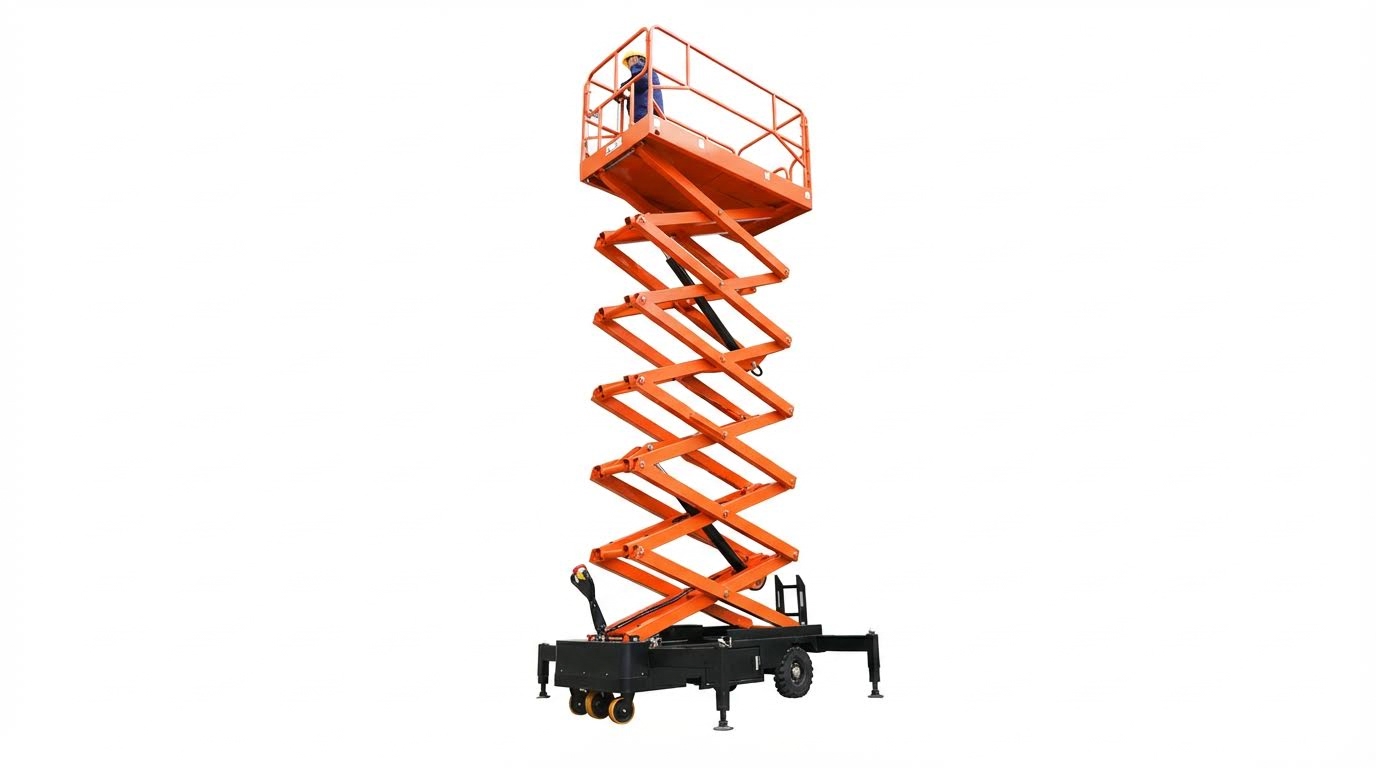
Core load capacity concepts defined the safe working envelope of any scissor lift. Engineers evaluated not only rated capacity but also how the load acted on the structure during real operations. Static, dynamic, and edge loading, platform geometry, linkage configuration, and driveline type all influenced the true usable capacity. Understanding these parameters allowed correct specification for pallet handling, maintenance work, and precision assembly applications.
Static, dynamic, and edge load definitions
Static load described the weight applied without significant motion, such as a pallet placed centrally on a lift table. Manufacturers rated static capacity in kilograms or newtons and validated it by test according to internal or regional standards. Dynamic load occurred when the load moved or impacted the platform, for example during rolling on with a pallet truck or when the lift braked or started. Engineers accounted for dynamic factors by applying safety factors above the nominal static rating to limit stress and deflection.
Edge load referred to weight concentrated near the platform perimeter rather than uniformly distributed. This condition increased bending moments in the deck and produced higher forces in the outer scissor legs and pins. Technical data for high-quality industrial tables, such as double-scissor units rated between 1,000 kg and 4,000 kg, typically specified separate edge-load or end-load limits. Correct interpretation of these definitions prevented overload when operators placed heavy tooling or fixtures close to guardrails or stops.
Platform size, footprint, and center of gravity
Platform size controlled how a given load distributed over the structure and influenced stability margins. A larger deck, such as 1,700×1,200 mm on a 4,000 kg table, spread forces over more area and reduced local stresses, but also allowed higher overturning moments if operators shifted the load to one side. Engineers evaluated the load footprint relative to the minimum platform dimensions and checked that the load did not cantilever beyond the deck edges. They then located the combined center of gravity in plan view and compared it with the manufacturer’s allowable envelope.
A centered center of gravity minimized torsion in the frame and symmetric leg loading. When the center of gravity moved toward an edge, side loads increased, and the lift’s lateral stiffness became critical, particularly at large elevations. Guidance from industrial suppliers and safety bulletins emphasized loading along the stronger ends of the platform when fully raised, since scissor structures carried higher axial forces more effectively than lateral bending. Proper pallet placement and fixture design therefore formed part of the engineering control of load capacity, not just operator training.
Single vs. double-scissor stability limits
Single-scissor lifts used one X-shaped linkage set and typically handled moderate lift heights with relatively simple kinematics. Their stability decreased as height increased because the slenderness ratio of the extended legs rose and lateral deflection became more significant. Double-scissor designs stacked two X linkages vertically to achieve greater travel while maintaining acceptable leg geometry and stiffness. Industrial double-scissor tables with capacities from 1,000 kg to 4,000 kg demonstrated improved stability at maximum heights of 1,780 mm to about 2,050 mm.
Reinforced steel construction and wider base frames further increased resistance to sway in double-scissor units. Tests showed that well-designed double-scissor mechanisms could lift rated loads with minimal wobble even at full extension, which was essential for precise positioning of machinery components or vehicle parts. Engineers still respected the manufacturer’s specified lateral and end-load limits, since higher centers of gravity amplified overturning moments. The choice between single and double-scissor configurations therefore balanced required travel, capacity, footprint constraints, and allowable dynamic movement of the platform.
Hydraulic vs. electric driveline load behavior
Hydraulic drivelines historically dominated industrial scissor lifts for material handling. They converted pump pressure into cylinder force, which translated into platform lift through the scissor geometry. Load behavior depended on system pressure, cylinder bore, and mechanical advantage; overload protection valves limited force to prevent structural damage. Hydraulic systems offered fine control with typical positioning accuracy on the order of ±5 mm, suitable for pallet alignment and assembly work. However, fluid compressibility and hose elasticity introduced slight compliance under changing loads.
Modern all-electric scissor lifts used electric drive and screw or linkage systems without
Engineering Selection of Scissor Lifts for Materials
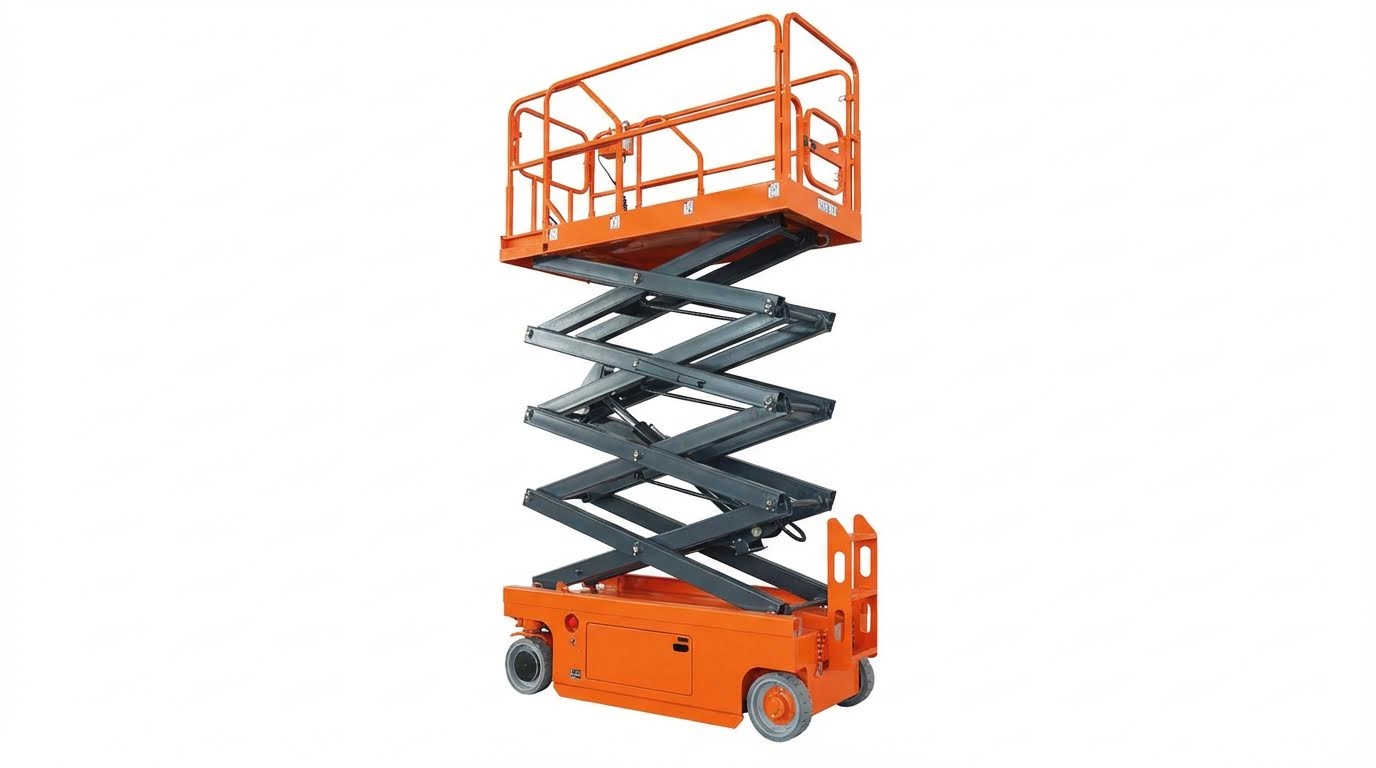
Engineering selection of scissor lifts for material handling required a structured comparison of rated capacity, geometry, and duty profile. Designers evaluated the full load spectrum, from palletized goods to precision tooling, then mapped these to platform size, travel, and powertrain type. Modern product lines, such as industrial double-scissor tables and compact electric access lifts, illustrated how different architectures served distinct use cases. The goal remained consistent: maintain adequate safety margins while optimizing throughput and ergonomics for the specific environment.
Matching capacity to pallets, tooling, and fixtures
Capacity selection started with the heaviest credible load, not the average load. Engineers accounted for pallet weight, packaging, fixtures, and any handling devices, then applied a safety factor that aligned with manufacturer guidance and standards. Industrial double-scissor lift tables with capacities between 1,000 kg and 4,000 kg suited pallet loading, engine blocks, dies, and heavy jigs. For example, a 2,000 kg-rated table with a 1,300×850 mm platform could support a full 1,200×1,000 mm pallet plus fixtures while maintaining margin for dynamic effects. Lifts like the AE1932, with a capacity near 275 kg, instead targeted personnel and light tools at height, not bulk material handling.
Engineers also evaluated edge load ratings and load distribution. Concentrated tooling loads, such as presses or assembly fixtures, imposed higher local stresses than evenly distributed pallets. The load footprint needed to sit well within the platform edges to avoid overstressing scissor legs or pivot pins. Where frequent offset loading occurred, double-scissor mechanisms with reinforced steel structures and powder-coated frames offered better stiffness and fatigue resistance. Matching capacity therefore combined total mass, load geometry, and how operators actually placed items on the platform.
Vertical travel, minimum height, and ergonomics
Vertical travel defined the usable working envelope of a scissor lift. Industrial double-scissor tables with maximum lift heights between 1,780 mm and 2,050 mm allowed operators to bring pallets or parts into an ergonomic zone for assembly, packing, or inspection. Engineers compared these heights with workstation layouts, conveyor elevations, and vehicle bed heights to avoid awkward reaches or sustained shoulder-level work. A maximum platform height around 5.8 m, as in compact electric access lifts, supported overhead installation and maintenance tasks rather than bench-height material positioning.
Minimum height strongly influenced loading strategy and compatibility with hand pallet trucks or conveyors. Tables with collapsed heights between 305 mm and 400 mm enabled easier pallet placement using standard pallet jacks, reducing the need for pits or ramps. Ergonomic design required that operators could load and unload without excessive bending or stepping up onto unstable surfaces. Vertical travel also affected cycle time and energy use; taller strokes increased lift time and hydraulic or electric demand. Engineers therefore balanced required reach with throughput targets, selecting stroke ranges that minimized unnecessary travel while still covering all task heights.
Platform configuration for rolling and sliding loads
Platform configuration determined how rolling, sliding, and placed loads interacted with the scissor structure. For rolling loads, such as forklifts transferring pallets onto a dock lift, engineers considered wheel loads, impact at transitions, and deflection at entry edges. Platform decks could integrate reinforced entry plates, embedded rails, or conveyor sections to spread wheel loads and guide motion toward the center. Double-scissor designs offered improved stability under these transient conditions, maintaining near-wobble-free lifting even at maximum height.
Sliding loads, including sheet metal, cartons on gravity conveyors, or components fed from adjacent equipment, applied localized friction and horizontal forces. Surface finishes, such as smooth steel, tread plate, or low-friction coatings, helped control sliding resistance and wear. Edge stops and side guides prevented overshoot and reduced the risk of pushing loads against guardrails or beyond the platform. For placed loads, where cranes or operators positioned items manually, a flat, unobstructed deck with clearly marked load zones supported even distribution. Engineers sized platforms, for example 1,300×820 mm versus 1,700×1,200 mm, based on the largest load footprint plus clearance for safe maneuvering.
Customization for chemicals, food, and clean use
Applications involving chemicals, food products, or clean environments required customized materials and finishes. Stainless steel constructions or stainless-clad platforms resisted oils, corrosive
Safety, Standards, and Lifecycle Performance
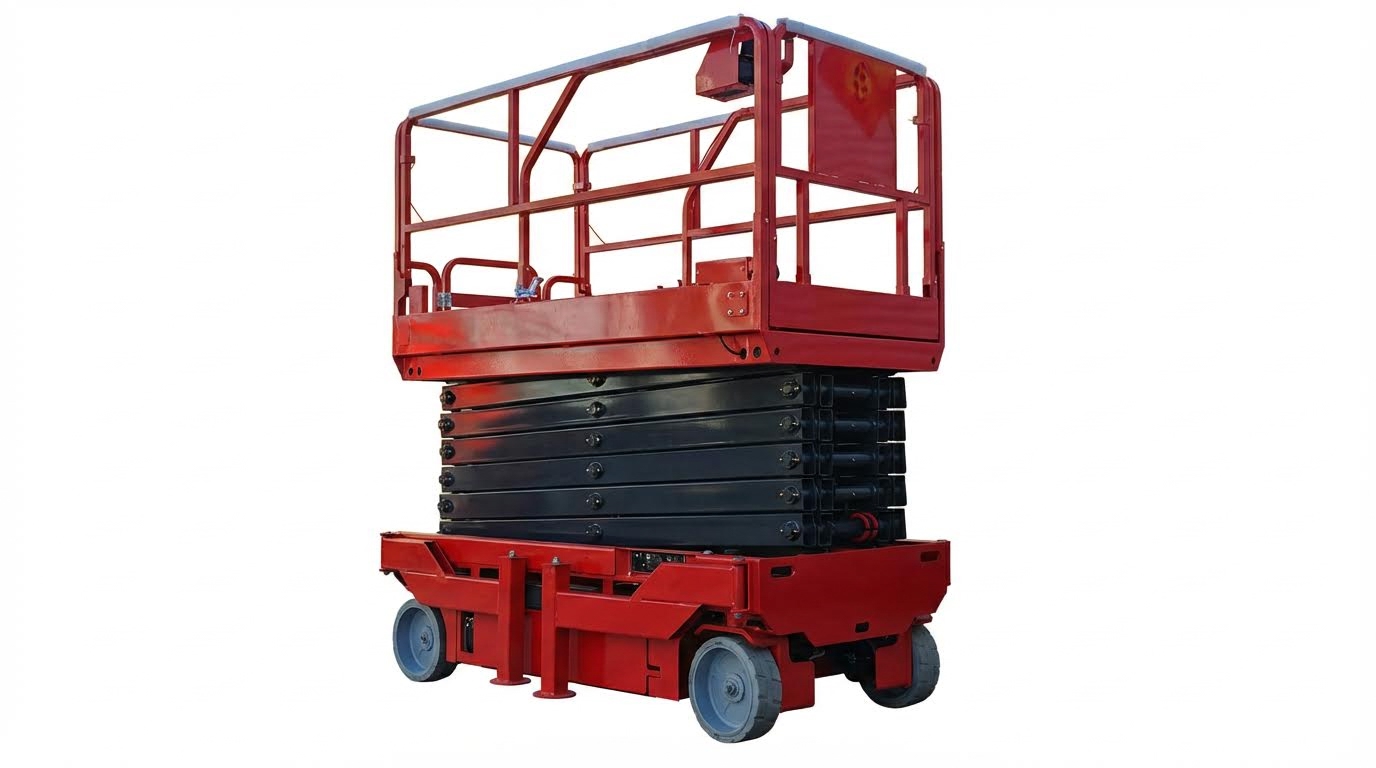
Safety, regulatory compliance, and lifecycle performance governed how engineers specified and operated scissor lifts in material handling. Designers linked structural capacity, control systems, and powertrains to explicit standards and inspection regimes. Operators relied on repeatable procedures to keep platforms stable under varying loads and duty cycles. This section examined how regulations, loading behavior, maintenance, and power system design interacted to determine real-world reliability.
OSHA and EN compliance for load handling
OSHA and EN standards defined minimum safety expectations for scissor lift design, operation, and training. OSHA guidance required employers to train operators to read the lift manual, recognize hazards, handle materials correctly, and report defects before use. EN standards, such as EN 280 for mobile elevating work platforms, specified structural safety factors, guardrail design, control logic, and emergency lowering performance. Compliance demanded that rated load, maximum platform height, and allowable occupants remained clearly marked and never exceeded during operation. Facilities needed documented pre-use checks, lockout procedures for defective equipment, and maintenance records to demonstrate adherence during audits or incident investigations.
Loading patterns, impact forces, and tipping risk
Loading patterns directly influenced structural stress, stability margins, and tipping risk. Engineers considered static load, dynamic load from motion, and horizontal forces from impacts or sliding materials, as highlighted in the 2024 Liftool analysis. Rolling loads, such as forklifts crossing a dock lift, created localized leg deflection that then re-centered as the load moved onto the platform. Sliding loads, like sheet metal fed from a conveyor, applied transient side or end forces that could reduce stability if the center of gravity moved near a platform edge. Placed loads distributed weight more evenly but still required the operator to keep the center of gravity inside the manufacturer’s defined stability polygon and to load along the stronger platform ends rather than the sides when fully extended.
Preventive maintenance and predictive diagnostics
Preventive maintenance extended scissor lift life and preserved rated capacity by keeping structural and control components within design tolerances. Daily inspections typically covered hydraulic fluid levels, visible leaks, tire condition, decals, and functional tests of controls and safety devices. Weekly and monthly tasks included lubricating pivot points, checking drive systems, verifying emergency lowering, and inspecting welds for cracks or corrosion. Long-term intervals, often six to twelve months, required deeper structural checks, calibration of sensors, and professional servicing. Newer platforms, such as advanced electric models with integrated monitoring, used onboard diagnostics and remote connectivity to detect anomalies early, enabling predictive maintenance and reducing unexpected downtime. This data-driven approach let owners schedule repairs before degraded components compromised safety or load-handling accuracy.
Battery, hydraulic, and electric system reliability
Power system reliability determined whether a lift maintained consistent performance under rated load across its service life. Traditional hydraulic units relied on clean fluid, intact hoses, and leak-free cylinders to deliver precise lifting within tolerances around ±5 mm, as specified for industrial double-scissor tables. Regular checks for leaks, hose abrasion, and seal wear prevented sudden failures that could cause uncontrolled descent or capacity loss. Battery-powered scissors required disciplined charging practices; poorly maintained lead–acid batteries often failed within one year, whereas well-maintained units operated for up to three years. Advanced electric lifts, like JLG’s DaVinci AE1932, eliminated hydraulics and used a single long-life lithium-ion battery, reducing leak points and maintenance tasks. Electric drivetrains with AC motors and self-lubricating components minimized wear, while smart diagnostics reported battery status, drive faults, and control issues, supporting higher uptime and safer, more predictable load handling.
Summary: Safe, Efficient Scissor Lift Use in Handling
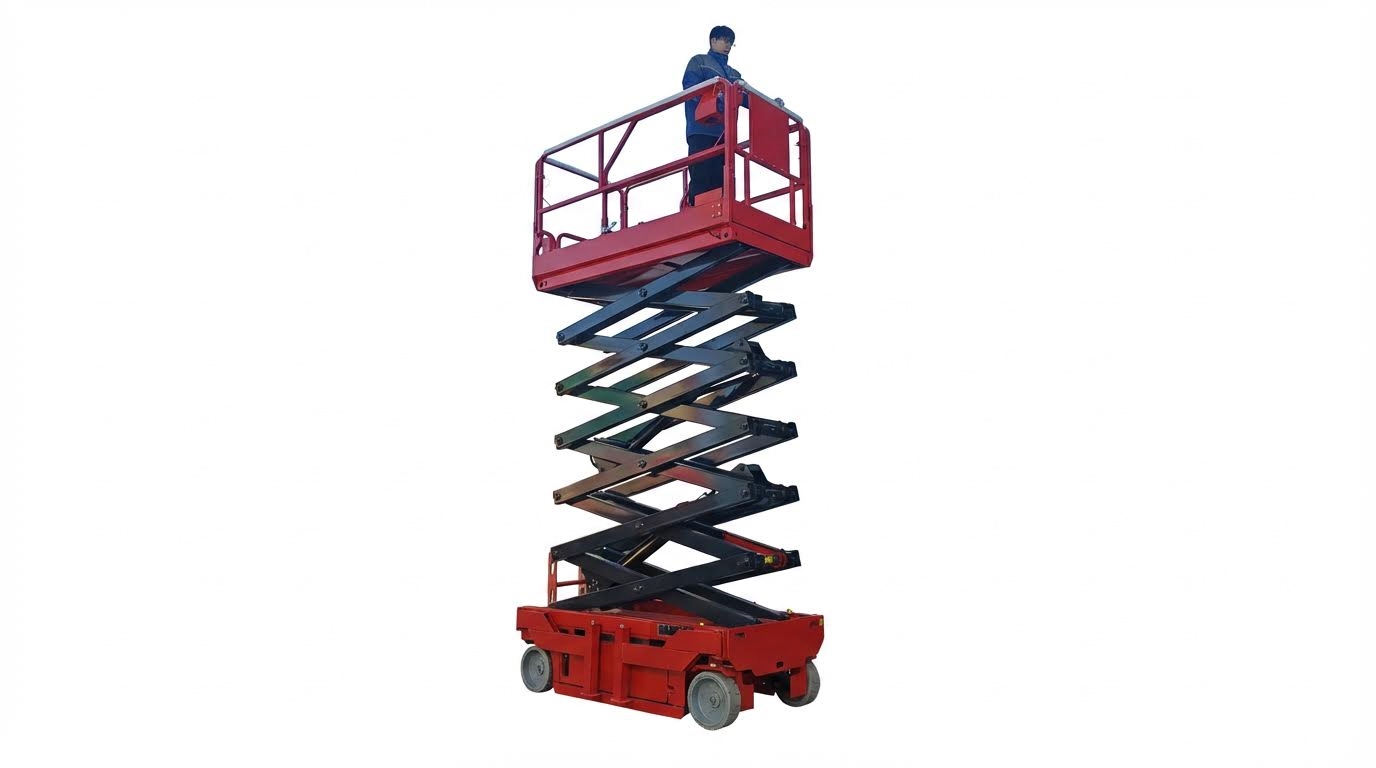
Safe and efficient scissor lift use in material handling relied on correctly matching engineering limits to real loading conditions. Engineers defined static, dynamic, and edge loads, then related these to platform size, footprint, and center-of-gravity location. Manufacturers specified capacities from roughly 100 kg up to 40,000 lb, while industrial double-scissor tables typically offered 1,000–4,000 kg ratings with controlled hydraulic accuracy around ±5 mm. Exceeding these limits, or ignoring edge-load ratings, increased deflection, instability, and structural fatigue.
Design choices strongly influenced stability and lifecycle performance. Double-scissor geometries and reinforced steel platforms increased stiffness at height compared with single-scissor units. Hydraulic tables with overload protection and fail-safe circuits suited heavy pallet handling, while fully electric machines with lithium-ion batteries and zero hydraulics reduced leaks and maintenance. Vertical travel, minimum height, and ergonomic working levels remained central to specifying lifts for palletizing, assembly, and vehicle component handling.
Regulatory frameworks such as OSHA and EN standards required formal operator training, documented inspections, and adherence to manufacturer instructions. Best practice combined pre-use checks, structured maintenance intervals, and attention to loading patterns, including rolling and sliding loads. Future trends pointed toward higher energy efficiency, longer-life batteries, integrated telematics, and predictive diagnostics that monitored structural health and drive systems. Implementing these technologies in a disciplined way allowed operators to increase uptime and throughput while maintaining a conservative safety margin on every lift cycle.