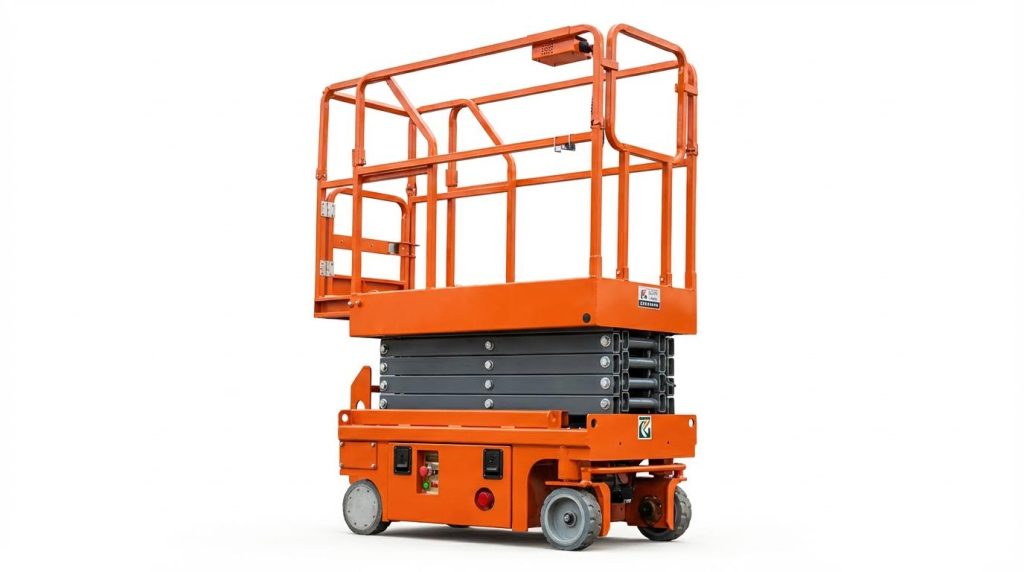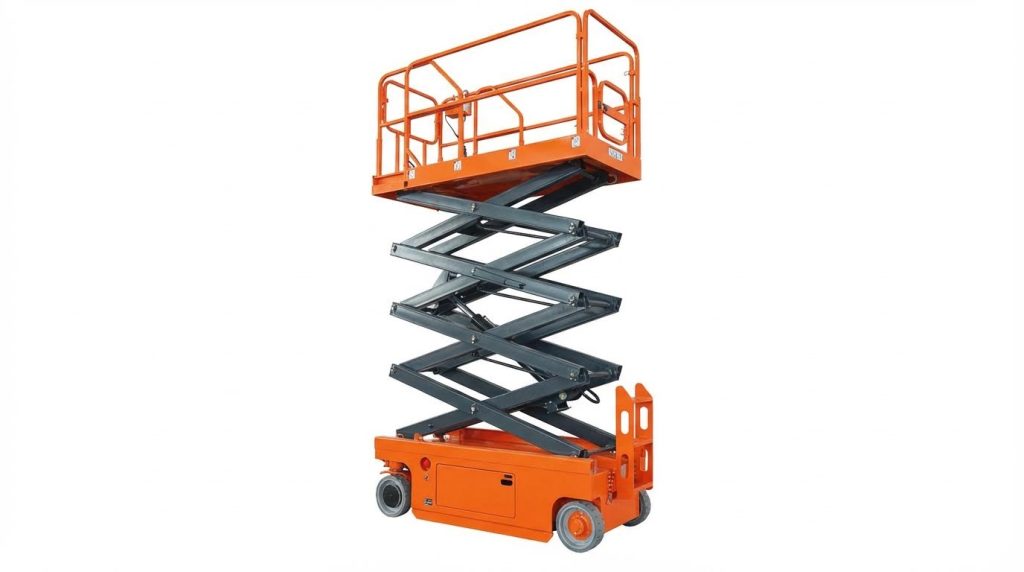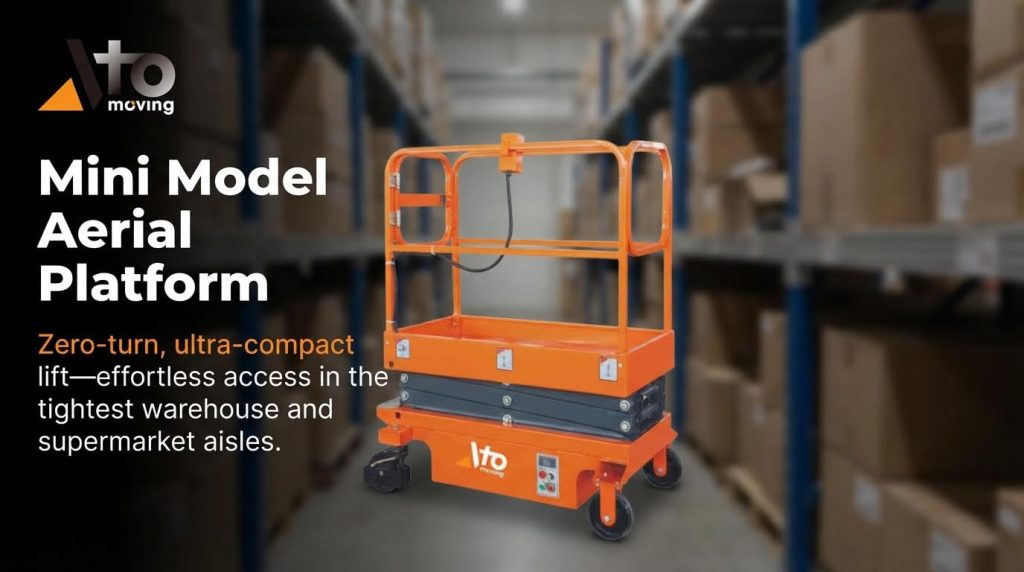
Engineers who ask how is a scissor lift max height calculated need to link pure geometry with real stability limits. This article walks through the geometric basis of scissor lift height, using clear symbols and trigonometric relations to show how arm length, platform size, and working angle set the theoretical maximum stroke.
It then connects these geometric limits to structural capacity, buckling, hydraulic sizing, and external effects such as wind and ground conditions. Later sections explain how ANSI and OSHA rules cap usable height through guardrail, load, and stability requirements, and how digital twins, sensors, and efficient drives reshape future designs. The summary section combines these strands into a practical method for determining a safe maximum scissor lift height that is both structurally sound and compliant.
Geometric Basis Of Scissor Lift Height
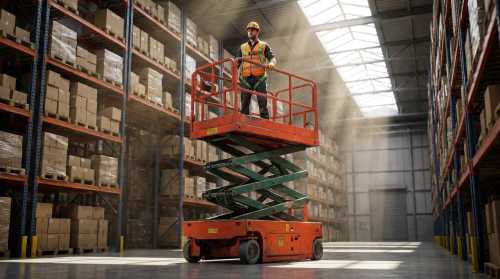
Engineers answered the query how is a scissor lift max height calculated first with geometry. The scissor pack defined a clear kinematic chain that linked arm length, platform size, and working angle. From this, they derived the theoretical maximum platform height before checking strength and stability. This section explains the geometric side only, before structural and standards limits reduced the final rated height.
Key Kinematic Parameters And Symbols (L, H, C, W, θ)
Designers used a small set of symbols to describe scissor lift geometry. They defined L as the length of one scissor arm between pivots. H was the current platform height above the base, while C was the compressed or minimum height. W represented the horizontal distance between lower pivots, often close to the platform length. θ was the arm working angle measured from the horizontal.
These parameters answered the core question: how is a scissor lift max height calculated from pure geometry. At any instant, the mechanism formed a right triangle. The vertical leg equaled H − C, the horizontal leg equaled W/2, and the hypotenuse equaled L. Once these values were fixed, the kinematics of the whole scissor stack followed.
| Symbol | Description |
|---|---|
| L | Length of one scissor arm (pivot to pivot) |
| H | Instantaneous platform height |
| C | Compressed or minimum height |
| W | Distance between lower pivots on base |
| θ | Working angle of arm from horizontal |
Trigonometric Relations And Working Angle Ranges
The right triangle allowed direct trigonometric links between L, H, and θ. Designers commonly used the vertical relation sin(θ) = (H − C) / L. That gave θ = arcsin((H − C) / L) for a known target height. They also used cos(θ) = (W/2) / L when they sized the base width.
To keep motion smooth and forces reasonable, they limited the working angle range. Typical industrial scissor lifts operated between about 15° in the lowered state and 60–75° near full rise. Angles very close to 0° created huge horizontal forces in pins and cylinders. Angles near 90° gave little extra height but increased risk of over‑center lock or instability.
In practice, the geometric maximum height from sin(θ) rarely became the rated maximum. Engineers reduced it to keep θ inside a safe band and to leave clearance for guardrails and limit switches. They also checked that H stayed compatible with access conditions and working height, which equaled platform height plus about 2 m.
Effective Stroke Versus Arm Length And Platform Size
For a single scissor stage, the effective stroke was the difference between maximum and minimum heights. Geometry linked this stroke directly to arm length. A common design rule used a reference angle of 45°. At this angle, sin(45°) ≈ 0.707, so effective stroke ≈ scissor length × 0.707 for one stage.
This relation helped answer how is a scissor lift max height calculated at concept level. If a project needed 2 m of stroke, engineers estimated arm length as 2 m / 0.707 ≈ 2.83 m. They then checked if such arms would fit under the platform in the folded state. The platform had to be longer than the scissor pack to leave space for pins, rollers, and safety edges. A typical sizing used a simple expression: platform length = scissor length + allowance. A common allowance for foot protection edges and limit switches was about 150 mm. Extra underrun protection or rollers required more space. If the required arm length pushed the platform beyond layout limits, designers shifted to multi‑scissor concepts.
Single, Double, And Multi-Scissor Configurations
Configuration choice strongly affected maximum geometric height. A single scissor stage gave one effective stroke based on its arm length and angle range. For higher reach with the same platform footprint, engineers stacked stages vertically. A double scissor lift used two identical packs in series and achieved roughly twice the stroke of a single stage for the same arm length.
Triple and higher multi‑scissor designs extended this idea. Some industrial tables used up to five stages for very tall but compact systems. However, each extra stage increased closed height C, added joints, and amplified deflections. That meant the theoretical geometric height from stacking did not automatically become usable working height.
When they answered how is a scissor lift max height calculated for multi‑stage units, engineers summed the strokes of all stages, then applied reductions. They accounted for clearances between stages, platform thickness, and guardrail height. They also checked that the base footprint and outrigger design could keep the combined center of gravity inside safe limits at full extension.
Structural Capacity, Stability, And Load Effects
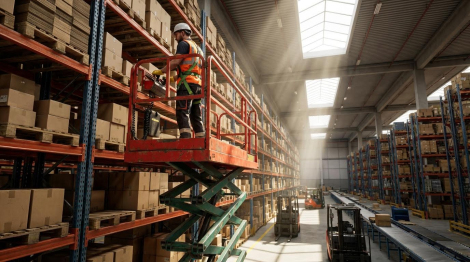
Structural capacity and stability set hard limits on how a scissor lift max height is calculated. Geometry may allow a tall stroke, but steel strength, cylinder force, and overturning resistance decide the real limit. Engineers must check load paths in the arms, platform, and base for every operating case, not only for rated load at full height. This section links structural checks and site conditions to practical height caps for different scissor designs.
Load Cases, Moments, And Buckling Of Scissor Arms
Designers treat the scissor pack as a system of pin-jointed beams under compression and bending. Critical load cases include rated load at maximum height, partial extension with offset load, and dynamic effects during lifting or braking. At high reach, arm forces rise sharply because the vertical component of cylinder force becomes smaller, which increases compressive stress in each arm.
To keep safety margins, engineers check:
- Axial compression versus Euler buckling capacity of each arm.
- Bending moments at pivots and mid-spans from platform overhang and load eccentricity.
- Combined stress using simple interaction formulas, for example σ/σallow + N/Nallow ≤ 1.
In practice, this means that for a given arm section and steel grade, there is a maximum safe height where slenderness and joint stiffness still keep buckling factors within code limits. That structural limit often reduces theoretical geometric height by a clear margin.
Platform Size, Weight Distribution, And Center Of Gravity
Platform geometry has a strong impact on how a scissor lift max height is calculated. A long or wide deck shifts the combined center of gravity away from the arm pivot line when the load is not centered. This offset creates overturning moments and extra bending in the arms and base frame.
Engineers check worst-case load positions, usually at the platform edge or corner. They then compare stabilizing moment from the base footprint and machine weight with overturning moment from the elevated load. A simple comparison table illustrates the trend.
| Parameter | Influence on Max Height |
|---|---|
| Larger platform plan area | Increases lever arm, reduces allowable height unless structure is reinforced |
| Higher platform self-weight | Raises total load on arms and cylinders, may cut rated height |
| Load at center | Lower bending, higher possible height for same structure |
| Load at edge or corner | Higher overturning, lower allowable height or reduced capacity |
To keep stability at target height, designers often limit allowable eccentric load, increase base width, or specify stricter load charts for tall models.
Hydraulic Cylinder Sizing, Stroke, And Safety Factors
Hydraulic cylinders define both how high the lift can travel and how much load it can raise at that height. Cylinder bore sets available thrust, while stroke and mounting geometry set the motion curve. At small arm angles, the cylinder sees the highest force because mechanical advantage is poor.
When engineers answer how is a scissor lift max height calculated, they usually run these steps:
- Determine required vertical load including platform, structure, and rated payload.
- Convert that load to cylinder force versus angle using linkage geometry.
- Select bore and pressure so peak force stays within typical hydraulic efficiency and pressure limits.
- Apply safety factors specified in relevant standards for pressure-containing parts.
The chosen stroke must also match the arm kinematics so the cylinder does not bottom or top out before full safe height. If cylinder force or stroke becomes excessive, the design height is reduced or the arm layout is changed.
Wind, Ground Conditions, And Use Of Outriggers
External conditions often reduce the theoretical maximum height to a lower, safe working height. Wind loads create lateral forces and overturning moments that grow with height and exposed area. Outdoor-rated scissor lifts therefore have stricter height limits at given wind speeds than indoor-only units.
Ground stiffness and levelness also matter. Soft soil or uneven concrete allows base settlement or tilt, which shifts the center of gravity toward the tipping edge when the lift rises. To control this risk, manufacturers specify maximum allowable ground slope and require firm, compacted support.
Outriggers or stabilizers extend the effective base width and move the tipping line outward. When deployed on solid pads, they allow higher platform positions for the same load and wind class. However, the structural checks described earlier still govern, so outriggers do not override arm strength or cylinder limits. Instead, they form one part of an integrated calculation that turns geometric reach into a safe, certified maximum height.
Standards, Safety Limits, And Emerging Technologies
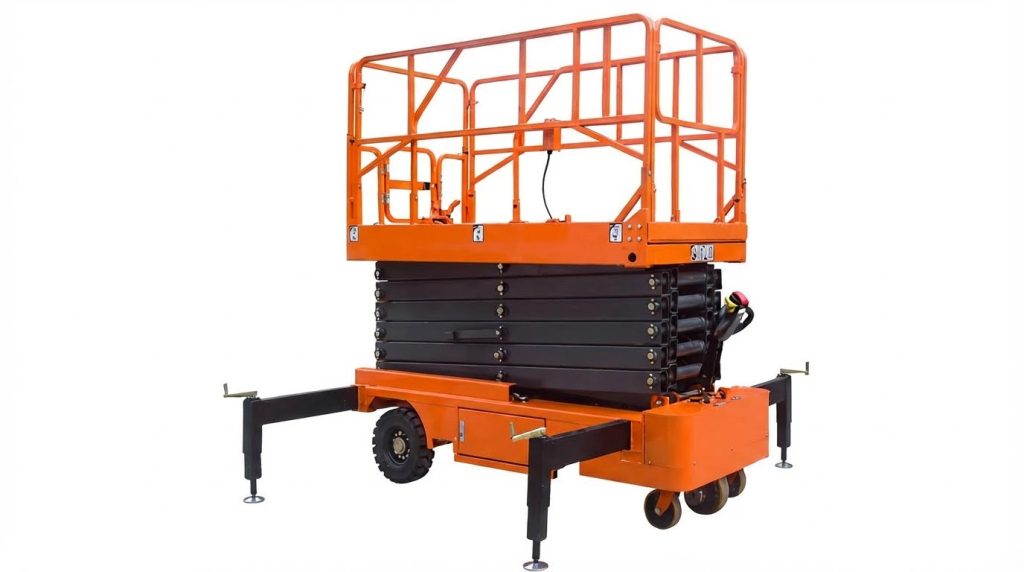
Standards define how engineers turn the geometric answer to how is a scissor lift max height calculated into a safe, legal working height. ANSI and OSHA rules link geometry, stability, and guardrail design to real jobsite limits. New sensors and digital tools now track height, load, and wind in real time. These technologies help keep lifts within their certified maximum height envelope.
ANSI/OSHA Height, Stability, And Guardrail Requirements
ANSI A92 series standards defined how manufacturers rated maximum platform height and working height. They required documented stability tests at full extension, rated load, and specified wind speeds. Engineers could not just use trigonometry to set maximum height. They had to prove that the lift stayed stable under worst credible loading.
OSHA rules focused on how employers used that rated height in the field. Guardrails had to surround the platform at all rated heights, with top rail, mid rail, and toe board in most cases. Fall protection rules treated the guardrail as the primary system for scissor lifts. Workers had to stand on the floor of the platform, not on boxes or railings, so the effective working height stayed within the design assumptions.
Stability limits also controlled how is a scissor lift max height calculated for outdoor use. Many outdoor-rated scissor lifts had wind ratings around 12.5 m/s (about 28 mph). Above that value, safe working height dropped to zero because operation had to stop. Manufacturers validated these limits through tilt, wind, and overload tests before publishing the rated maximum height.
Indoor Vs. Outdoor Height Classes And Use Cases
Indoor and outdoor rating strongly affected allowable maximum height. Indoor-only scissor lifts usually had smaller platforms, lower wind exposure, and smoother floors. This allowed taller height for a given base size because lateral loads were lower. Typical indoor units served warehouses, factories, and retail spaces.
Outdoor-rated lifts faced wind, uneven ground, and sometimes slopes. The same geometric mechanism could not run at the same height outdoors without added measures. Wider chassis, heavier counterweight, or outriggers raised the stability margin. As a result, two lifts with similar arm geometry could have different published maximum heights.
Use cases also shaped how is a scissor lift max height calculated in practice. For example, façade work, signage, and construction often needed higher outdoor working heights. Engineers then balanced arm length, platform width, and base footprint to keep the center of gravity inside the stability polygon at full height. For indoor maintenance, designers could prioritize compact size and low floor loading instead of extreme height.
Digital Twins, Sensors, And AI Predictive Maintenance
Digital tools changed how manufacturers verified and managed maximum height over the life of the lift. A digital twin of the scissor mechanism could simulate different arm angles, loads, and wind profiles. Engineers used these models to check stability margins at each height step before finalizing the rating chart.
Sensors on modern lifts measured platform height, tilt angle, load, and sometimes wind speed. Control systems compared these values with allowed ranges. If the system detected overload, excessive tilt, or high wind at a given height, it could stop further elevation or lower the platform. This made the theoretical answer to how is a scissor lift max height calculated dynamic instead of fixed.
AI-based predictive maintenance used historical data from these sensors. Algorithms looked for patterns in cylinder pressure, motor current, or leveling corrections. Abnormal trends could indicate wear that reduced safe stability margin. Maintenance teams could then repair or derate the lift before a fault affected operation at maximum height.
Energy-Efficient Drives And Sustainable Design Trends
Energy-efficient drives also influenced height decisions. Electric drive and modern hydraulic systems reduced losses compared with older designs. Higher efficiency meant lower heat, smaller power supplies, and more compact components. This helped keep total mass under control even as platform height increased.
However, sustainability goals pushed designers to use lighter materials and optimized sections. Engineers had to confirm that lighter structures still met stiffness and buckling limits at full extension. They checked deflection, vibration, and fatigue at maximum height under rated load. Any reduction in structural margin directly limited the safe height rating.
Trends such as regenerative lowering and smart power management improved duty cycles. Lifts could perform more up‑and‑down cycles per charge without overheating. From an engineering view, these systems did not change the geometric answer to how is a scissor lift max height calculated. Instead, they ensured that the lift could repeatedly reach that height safely and efficiently over its full service life.
Summary: Determining Safe Maximum Scissor Lift Height
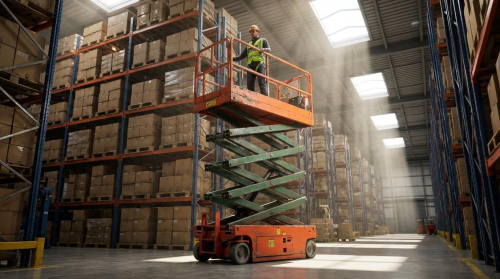
Engineers answered the query how is a scissor lift max height calculated by combining geometry, structure, and standards. They started from the basic scissor triangle, then checked stability, then applied ANSI and OSHA limits. This section links those steps into one clear method.
Geometric limits came first. Designers related effective stroke to arm length and working angle using trigonometry. For a single stage, a common design check used stroke ≈ scissor length × 0.707 at 45°. Platform length then had to exceed scissor length by a fixed allowance for mechanisms and safety edges. Where height targets exceeded practical arm length or platform size, engineers used double or multi‑scissor stacks or switched to column lifts.
Next came structural and stability checks. Higher loads increased axial force, bending moments, and buckling risk in the arms. Designers sized sections, pins, and cylinders to keep stresses and deflections within code limits with safety factors. They then verified that the center of gravity stayed inside the support polygon under worst cases: full height, rated load, wind, and slight slope. Outriggers, wheel chocks, and surface quality all affected the final allowable height.
Finally, standards and technology fixed the usable maximum. ANSI A92 families and OSHA rules constrained platform height, guardrail design, and outdoor wind ratings. Typical self‑propelled units stayed within platform heights of roughly 3–16 m indoors and up to about 18–20 m outdoors, depending on terrain class. Digital sensors, tilt and overload cut‑outs, and emerging predictive maintenance tools helped keep operation inside those engineered,
Frequently Asked Questions
How is a scissor lift’s maximum height calculated?
The maximum height of a scissor lift is determined by its design and engineering specifications. Factors include the number of scissor mechanisms, hydraulic or electric power capacity, and stability during elevation. Manufacturers conduct rigorous testing to ensure safety at full extension. The max height typically ranges from 20 to over 40 feet depending on the model.
- Number of scissor mechanisms affects stability and reach.
- Hydraulic or electric systems determine lifting power.
- Safety standards like OSHA and ANSI dictate testing requirements.
What are the common height ranges for different types of material handling equipment?
Different types of equipment have varying height capabilities based on their intended use. For example, counterbalance forklifts can lift up to 6 meters (20 feet), reach trucks up to 9 meters (30 feet), and telehandlers over 15 meters (50 feet). Always consult the manufacturer’s specifications for precise details. Forklift Lifting Heights Guide.