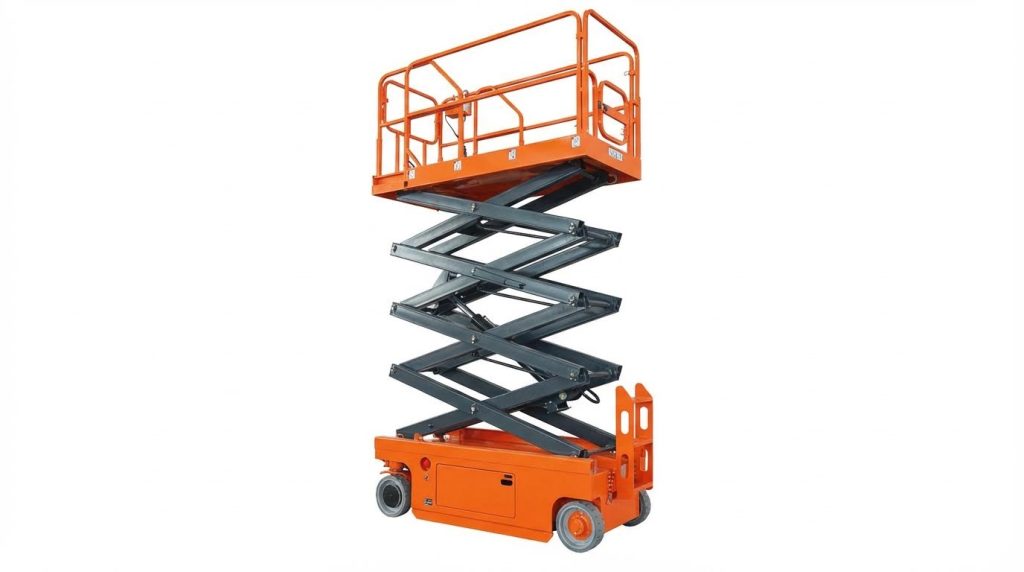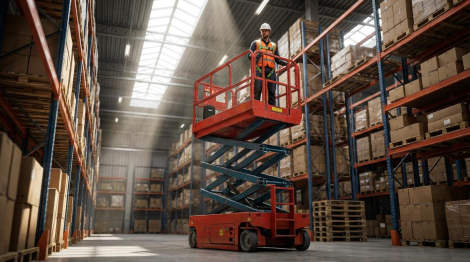
Scissor lifts rely on intricate mechanical and hydraulic systems to achieve precise vertical motion. Understanding their design and operation is essential for engineers and maintenance professionals. This article covers fundamental design aspects, maintenance strategies, troubleshooting techniques, and summarizes industry best practices for optimal hydraulic performance in scissor lifts.
Fundamental Design and Hydraulic Components of Scissor Lifts
Scissor Arm Mechanism: Kinematics and Load Distribution
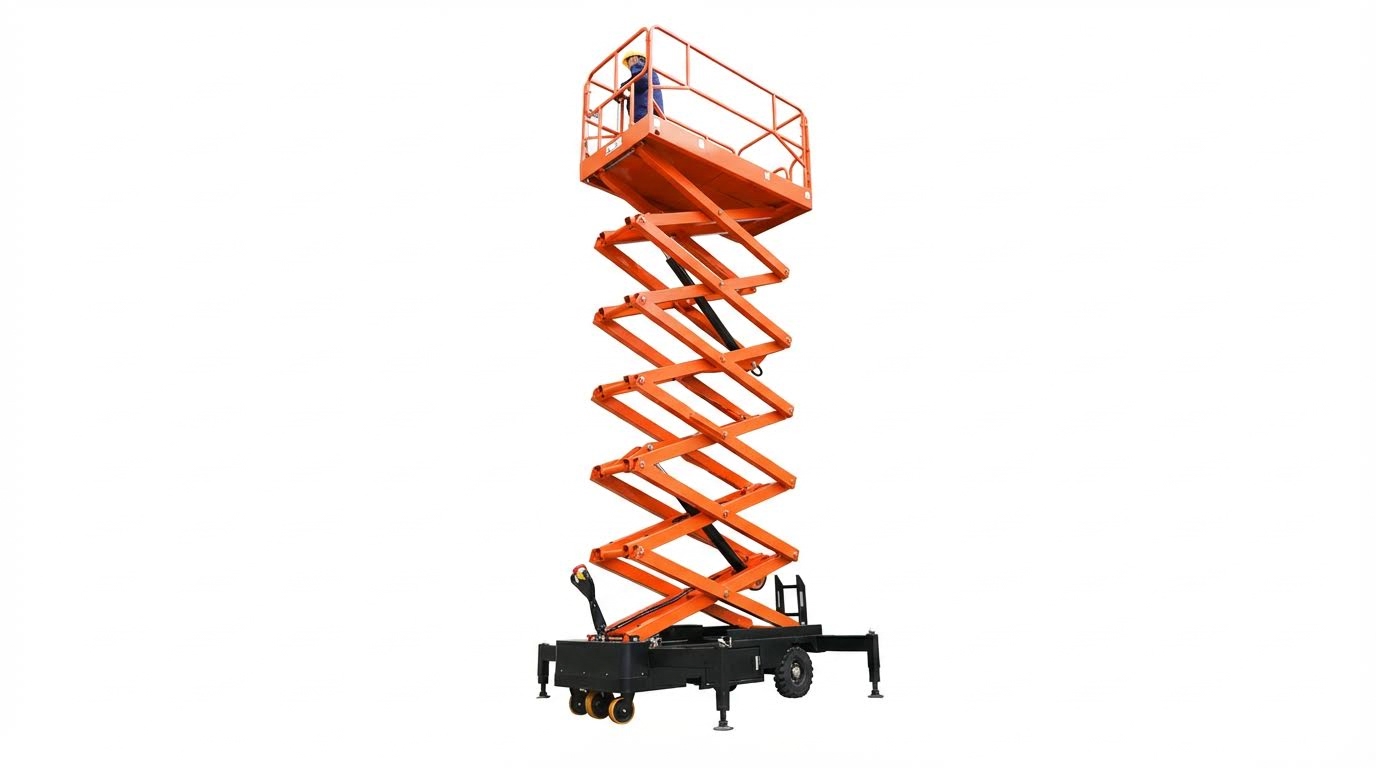
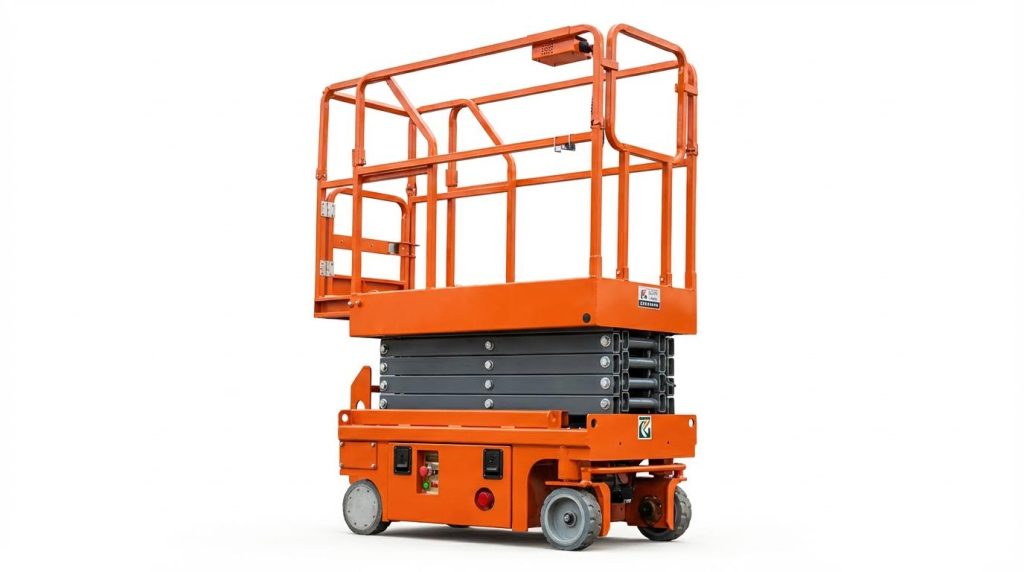
The scissor arm mechanism consists of crossed, folding supports that extend vertically to raise the platform. This kinematic arrangement converts horizontal force into vertical lift through a series of pivot points. Load distribution is critical; forces concentrate at the pivots and base, requiring robust joint design to prevent deformation. Precise geometry ensures smooth operation and stability under varying load conditions.
Hydraulic Cylinders: Function and Force Transmission
Hydraulic cylinders act as the primary actuators, converting fluid pressure into mechanical force to extend the scissor arms. The cylinder stroke length and bore diameter determine the lift height and force capacity. Force transmission occurs via piston movement, with fluid pressure controlled to achieve smooth, controlled elevation. Cylinder seals and rods must withstand high pressures to maintain system integrity and prevent leaks.
Key Hydraulic Components: Pumps, Valves, Hoses, and Seals
The hydraulic system includes pumps that generate flow and pressure necessary for lifting. Directional control valves regulate fluid flow, enabling precise movement and load holding. High-pressure hoses connect components, designed for flexibility and durability under cyclic loading. Seals prevent fluid leakage, ensuring system efficiency and safety. Each component must meet strict standards for pressure ratings and compatibility with hydraulic fluids.
Safety Features Integrated with Hydraulic Systems
Safety features include pressure relief valves to prevent over-pressurization and potential component failure. Load-holding valves maintain platform position in case of power loss, preventing sudden descent. Mechanical locks may engage automatically at specific heights for additional security. Redundant seals and emergency lowering systems enhance operational safety, complying with regulatory standards for scissor platform equipment.
Maintenance Strategies for Optimal Hydraulic Performance
Hydraulic Fluid: Selection, Monitoring, and Replacement Intervals
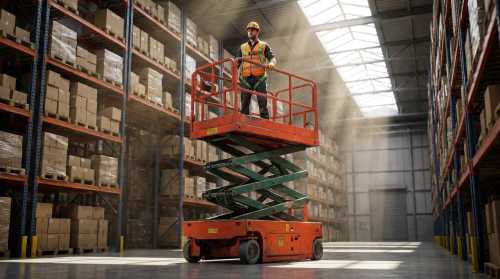
Hydraulic fluid selection is critical for ensuring system efficiency and longevity. Fluids must meet viscosity, thermal stability, and anti-wear property requirements specific to scissor lift applications. Regular monitoring includes checking fluid cleanliness, contamination levels, and degradation indicators such as oxidation and moisture content. Replacement intervals depend on operating conditions but typically range between 1,000 and 2,000 hours of operation or as specified by manufacturers to prevent performance loss and component damage.
Inspection and Servicing of Hoses, Cylinders, and Valves
Routine inspection targets hydraulic hoses, cylinders, and valves for wear, leaks, and mechanical damage. Hoses should be checked for cracks, bulges, or abrasion, while cylinders require examination of seals and rod surfaces for corrosion or scoring. Valves must be tested for proper operation and absence of internal leakage. Servicing involves timely replacement of defective components and ensuring all fittings maintain correct torque to prevent hydraulic fluid loss and pressure drops.
Air Removal and System Bleeding Procedures
Air entrainment in hydraulic systems reduces efficiency and causes erratic operation. Effective air removal involves systematic bleeding procedures using designated bleed valves or ports. Operators should follow manufacturer protocols to release trapped air, ensuring the system is fully pressurized and free of cavitation risks. Proper bleeding enhances response time and stabilizes lift movements, crucial for safe and precise scissor platform lift operation.
Lubrication of Mechanical Joints and Wear Components
Mechanical joints and wear components in scissor lifts require consistent lubrication to minimize friction and prevent premature failure. Lubricants must be compatible with materials and environmental conditions, applied at recommended intervals. Attention to pivot points, bearings, and sliding surfaces ensures smooth kinematic motion and load distribution. Neglecting lubrication accelerates wear, increasing maintenance costs and risking operational downtime.
Troubleshooting and Operational Challenges in Hydraulic Systems
Diagnosing Hydraulic Leaks and Pressure Loss Issues
Hydraulic leaks often manifest as visible fluid loss or reduced system pressure, which compromises lift performance. Common leak points include cylinder seals, hose connections, and valve fittings. Diagnosing these leaks requires systematic inspection using pressure gauges and visual checks during operation. Identifying pressure loss involves monitoring system pressure against manufacturer specifications to detect drops indicating internal or external leaks.
Electrical System Interactions Affecting Hydraulic Operation
Hydraulic systems in scissor lifts rely on electrical components such as pumps and solenoid valves for operation. Faulty wiring, damaged connectors, or control module failures can disrupt hydraulic function. Electrical issues may cause intermittent pump activation or failure to maintain pressure. Integrating electrical diagnostics with hydraulic troubleshooting ensures comprehensive fault isolation and restores system reliability.
Effects of Environmental Conditions on Hydraulic Performance
Environmental factors such as temperature extremes and contamination significantly influence hydraulic system efficiency. Low temperatures increase fluid viscosity, reducing flow and response time. High temperatures can degrade hydraulic fluid, leading to seal damage and leaks. Dust and moisture ingress contaminate fluid, accelerating wear and causing erratic operation. Implementing environmental controls and regular fluid analysis mitigates these impacts.
Common Operator Errors and Safety Compliance Considerations
Operator mistakes like overloading, improper control use, and neglecting pre-operation checks often lead to hydraulic system failures. Non-compliance with safety protocols increases risk of accidents and equipment damage. Training programs emphasizing correct operation, load limits, and emergency procedures enhance safety. Regular audits ensure adherence to standards and reduce operational hazards associated with hydraulic systems.
Summary of Engineering Insights and Industry Best Practices
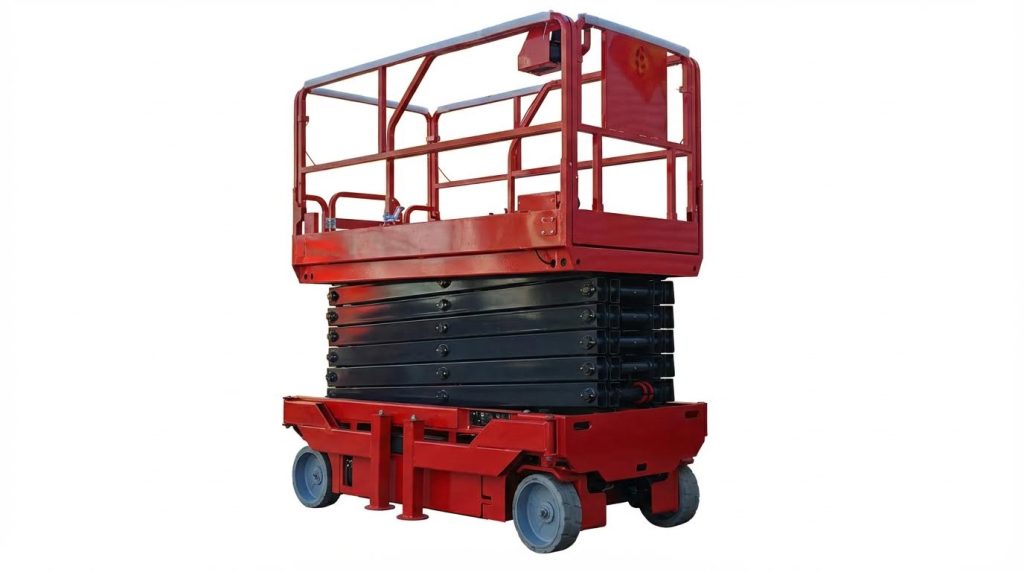
Scissor lift designs rely heavily on precise kinematics of the scissor arms and robust hydraulic components to ensure reliable load distribution and force transmission. Hydraulic cylinders, pumps, valves, hoses, and seals must meet stringent engineering standards to maintain performance and safety. Integrated safety features within the hydraulic system, such as pressure relief valves and emergency stops, are critical for preventing mechanical failure and operator injury.
Maintenance practices focusing on hydraulic fluid quality, timely inspection of hoses and cylinders, and systematic air removal procedures significantly extend system longevity and operational efficiency. Proper lubrication of mechanical joints reduces wear and enhances smooth motion. Troubleshooting efforts often address hydraulic leaks, pressure drops, and electrical interactions that can impair system responsiveness, with environmental factors like temperature and contamination also influencing performance.
Industry trends point toward enhanced sensor integration and predictive maintenance technologies to improve diagnostics and reduce downtime. Implementing these advances requires consideration of system compatibility and operator training. The evolution of hydraulic systems in scissor lifts balances increased automation with stringent safety and reliability standards, ensuring these machines remain essential in various industrial applications.