Scissor lift operator certification is a core safety and compliance requirement for any site that uses mobile elevating work platforms. This guide explains how long a scissor lift certification lasts, when recertification is required, and what OSHA‑aligned training must cover. You will see how to plan renewals across multiple locations, integrate new equipment, and stay audit‑ready. Use it as a practical reference when answering “how long does a scissor platform certification last” and setting your internal training policy.
How Long Scissor Lift Certification Lasts
Standard 3‑Year Certification Period
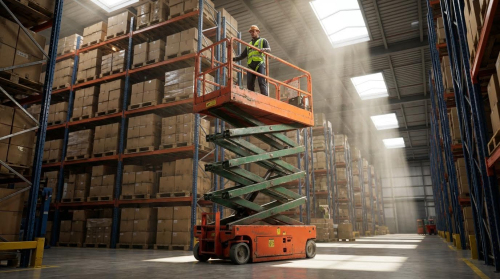
If you are asking how long does a scissor platform certification last in a typical program, the standard validity period is three years from the date of issue. Most training providers and best‑practice guidelines set scissor lift and MEWP certifications to expire on a 3‑year cycle to keep skills and safety knowledge current. After this period, operators must complete refresher or recertification training, which usually includes updated theory and a practical check, before they are considered current again. This 3‑year interval aligns with many aerial platform evaluation requirements, which also call for a new hands‑on evaluation at least every three years. Typical 3‑year validity and refresher requirement Three‑year evaluation cycle for aerial/scissor lifts
What “three years” usually means in practice
In most programs, the 3‑year period runs from the date printed on the operator card. On or before that expiration date, the employer schedules the operator into a renewal course so there is no gap in authorization. Many companies plan internal renewal windows (for example, 90 days before expiry) so that large groups of operators can be recertified efficiently.
When Early Recertification Is Required
Even though the normal answer to how long does a scissor platform lift certification last is three years, OSHA‑aligned programs require earlier recertification in several risk‑based situations. Employers must arrange refresher training and a new evaluation if an operator is involved in an accident or near miss, if they are observed operating unsafely, or if workplace conditions change in a way that introduces new hazards. A change in equipment type can also trigger early retraining and evaluation, because OSHA expects operators to be evaluated on the specific class of aerial or scissor lift they will use on the job. Early renewal after unsafe use, incidents, or new equipment Triggers for new hands‑on evaluations
- Unsafe operation: Refresher training is required if an operator is seen using the lift in an unsafe manner.
- Accident or near miss: Any incident involving a scissor or aerial lift typically triggers retraining and reevaluation.
- New or different equipment: Moving from one type or model of aerial platform to another can require updated, task‑specific training.
- Changed work conditions: Significant changes in jobsite layout, hazards, or procedures may also justify earlier recertification.
Why early recertification matters for compliance
OSHA places the duty on the employer to ensure only trained and competent workers operate scissor lifts. When there is an incident, unsafe behavior, or new equipment, relying on an old card within the 3‑year window is not enough to demonstrate due diligence. Early recertification documents that the employer reassessed skills and addressed the specific gaps or changes in risk.
Technical Requirements For Initial And Renewal Training
OSHA, ANSI, And MEWP Training Standards
OSHA required employers to train and evaluate anyone who operated a scissor lift before they used it independently. Training had to meet OSHA’s scaffold and aerial/scissor lift rules, typically aligned with standards such as 29 CFR 1926.454 for construction and related general industry guidance. Many structured online aerial and scissor lift courses were designed to satisfy these OSHA requirements for operators who handled aerial lifts, scissor platform, and other supported platforms. Typical programs covered regulations, hazard controls, and safe-use procedures through modular lessons and exams. MEWP (Mobile Elevating Work Platform) best-practice guidelines and many national codes required refresher or recertification training on about a three‑year cycle to keep skills current and maintain compliance. These MEWP refresher requirements help explain why, in practice, how long does a scissor lift certification last is usually answered with a three‑year validity period.
Classroom Theory: Hazards, Loads, And PPE
Both initial and renewal scissor lift certification included a classroom or online theory component. Core content covered how to recognize common hazards such as tip‑over risks, crush points, overhead power lines, unstable ground, and unsafe weather conditions. Courses also explained OSHA expectations, safe operating procedures, and correct use of personal protective equipment (PPE), including fall protection where required. Typical theory modules addressed load management, platform capacity, and the effect of forces on the lift structure. Many structured programs broke theory into several chapters or modules with quizzes and a final exam, often requiring a minimum passing score (for example around 70%) to demonstrate understanding before moving to practical evaluation. Some blended recertification formats used mandatory chapters plus optional material, with limited attempts allowed within a set time window.
Practical Evaluation And Site‑Specific Skills
OSHA expected a hands‑on evaluation before an operator used a scissor platform lift on their own and at least every three years, or sooner after an accident, near miss, unsafe use, or assignment to a different lift type. Best practice was to conduct this evaluation at the worksite or in a controlled environment using the same class of lift the worker would operate. Typical tasks included:
- Pre‑start and pre‑operation inspections to identify damage or malfunctions.
- Safe mounting, dismounting, and platform entry/exit.
- Raising, lowering, and maneuvering the lift within rated capacity and reach limits.
- Navigating near obstacles and overhead hazards, and demonstrating emergency lowering or shutdown procedures where applicable.
Training also addressed site‑specific factors such as surface conditions, traffic routes, nearby structures, and local emergency plans. Programs emphasized safe operating procedures, capacity limits, and emergency response and rescue protocols as part of both initial and refresher training. These practical elements, combined with periodic evaluation, defined the technical framework behind how long does a scissor lift certification last in a compliant safety program.
Planning Recertification For Multi‑Site Operations
Setting Internal Review And Renewal Cycles
For multi‑site operations, the starting point is to recognize that, in practice, when you ask how long does a scissor platform certification last, the industry standard answer is three years from the issue date. Many training programs and best‑practice guidelines specify a three‑year validity period for scissor lift and MEWP operator certification, after which recertification is required to stay compliant with safety expectations and regulations. Typical scissor lift certifications remained valid for three years, with recertification required at expiration. Multi‑site employers should therefore build an internal cycle that never exceeds three years and often targets a shorter internal review interval.
- Use a centralized database to track every operator, site, lift type, and certification expiry date.
- Set internal review checkpoints at 24–30 months, so recertification is planned and completed before the three‑year limit.
- Align reviews with OSHA’s requirement to evaluate operators at least every three years and sooner after unsafe use, incidents, or assignment to different equipment types. Operator evaluations were required before independent operation, at least every three years, and after incidents or unsafe operation.
- Standardize a company‑wide rule that operators with less than 90 days to expiry are automatically scheduled into the next available refresher class.
Coordinating schedules across multiple locations
To minimize downtime, group operators by site and shift, then run staggered sessions so each facility maintains coverage. Use mobile or on‑site trainers where possible so practical evaluations occur on the same lift types and work environments operators use daily, which matched best practice for hands‑on assessments. Hands‑on evaluations were typically performed at the worksite or in a controlled environment using the same type of aerial lift as on the job.
Integrating New Equipment And Technology
Multi‑site operations often add new aerial platform, MEWPs, or control technologies during the three‑year certification window. When this happens, you cannot rely only on the calendar answer to how long does a scissor lift certification last. Operators may need earlier recertification or supplemental training whenever their tasks, the equipment type, or work environment change significantly. Recertification was commonly required sooner if an operator used equipment unsafely, was involved in an accident, or if new equipment required updated training.
- Flag any purchase of new lift models, platform heights, drive systems, or control interfaces in your training database.
- Trigger a task‑specific or model‑specific familiarization session for all affected operators at that site.
- When new technology changes risk profiles (for example, higher reach, different stability behavior, or integrated telematics), schedule a focused refresher that covers hazards, safe operating limits, and emergency procedures.
- Update pre‑use inspection checklists and ensure operators are evaluated practically on the new equipment before independent use, consistent with hands‑on evaluation expectations. Training programs emphasized pre‑start, pre‑operation, and post‑operation inspections as part of safe practice.
Using technology to manage multi‑site compliance
Centralized learning management systems or fleet platforms can track expiry dates, incident history, and equipment assignments in one place. This helps safety managers see, in real time, which operators at which sites are due for recertification based on both the three‑year cycle and event‑based triggers like accidents or near misses. Recertification triggers included unsafe operation, accidents, and new equipment introduction.
Key Takeaways On Certification And Renewal
Scissor lift certification works as a full safety system, not just a card with a date. The three‑year cycle keeps knowledge, hazard awareness, and hands‑on skill aligned with real site risks. Early recertification after incidents, unsafe use, or major changes in equipment or layout closes gaps before they turn into serious injuries.
Strong programs link OSHA and MEWP rules with clear training content. Theory modules teach hazards, load limits, and PPE. Practical evaluations prove that operators can inspect the lift, maneuver within capacity, and respond in an emergency on their actual worksite. This combination protects people and also shows regulators that the employer controls risk.
For multi‑site operations, the best approach is simple and strict. Track every operator and expiry date in one system. Plan reviews before 36 months and trigger extra training whenever new platforms, controls, or heights arrive. Use on‑site evaluations on the same lift types you run day to day.
Operations and safety teams should treat “how long does a scissor lift certification last” as the minimum rule. The real goal is continuous competence. Build your policy so every operator stays current with the equipment, the site, and Atomoving‑level safety expectations.
Frequently Asked Questions
How long does a scissor lift certification last?
A scissor lift certification typically remains valid for three to five years, depending on the issuing organization or regulatory body. According to OSHA standards, operators must renew their certification every three years or sooner if an incident occurs that requires refresher training. OSHA Scissor Lift Requirements. Some programs, like those offered by certain training providers, may provide a five-year validity period before requiring recertification. Always check the expiration date listed on your certification document.
What are the OSHA requirements for scissor lift certification renewal?
OSHA mandates that all scissor lift operators undergo recertification every three years to ensure they stay updated with safety protocols and operational standards. Additionally, operators must complete refresher training if there is a workplace incident or changes in equipment that necessitate updated knowledge. OSHA Renewal Guidelines. This helps maintain a safe working environment and ensures compliance with federal safety regulations.