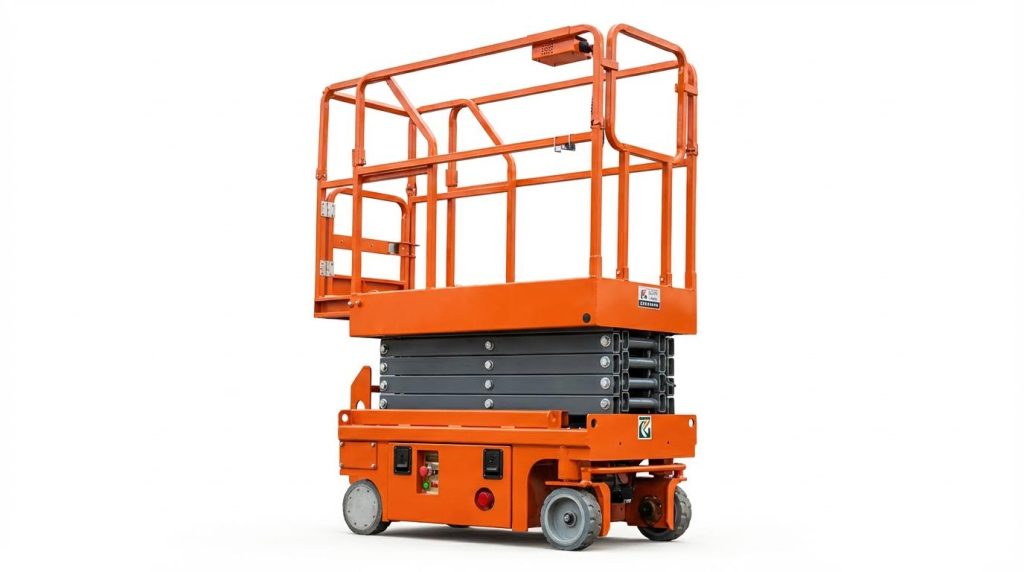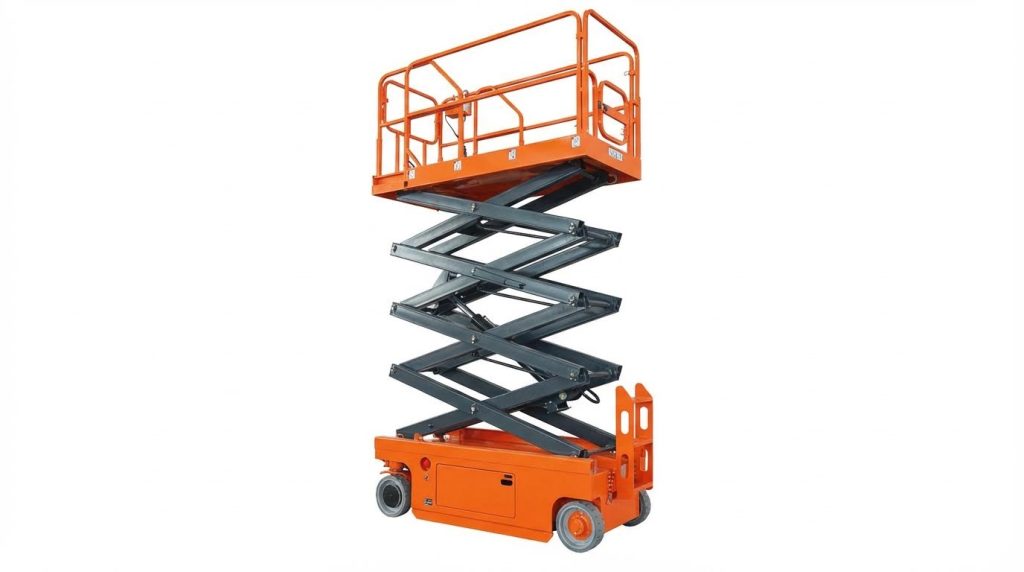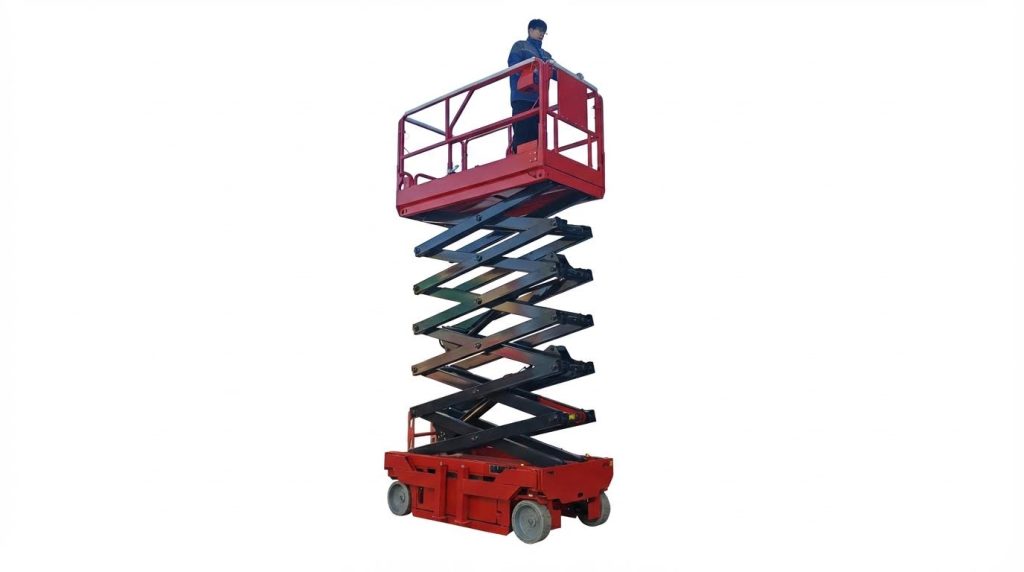
Scissor lifts functioned as powered scaffolds, and regulators treated them as high-risk work-at-height equipment. Modern licensing and training programs aligned with OSHA 29 CFR 1926/1910 and 1926.454, as well as ANSI A92.22 and A92.24, to control these risks. This article examined the regulatory framework, operator eligibility, training content and formats, and renewal cycles that governed compliant operation. It also detailed inspection and maintenance regimes, emerging digital technologies for fleet management, and a consolidated set of safety and best-practice recommendations for employers and operators.
Regulatory Framework For Scissor Lift Certification
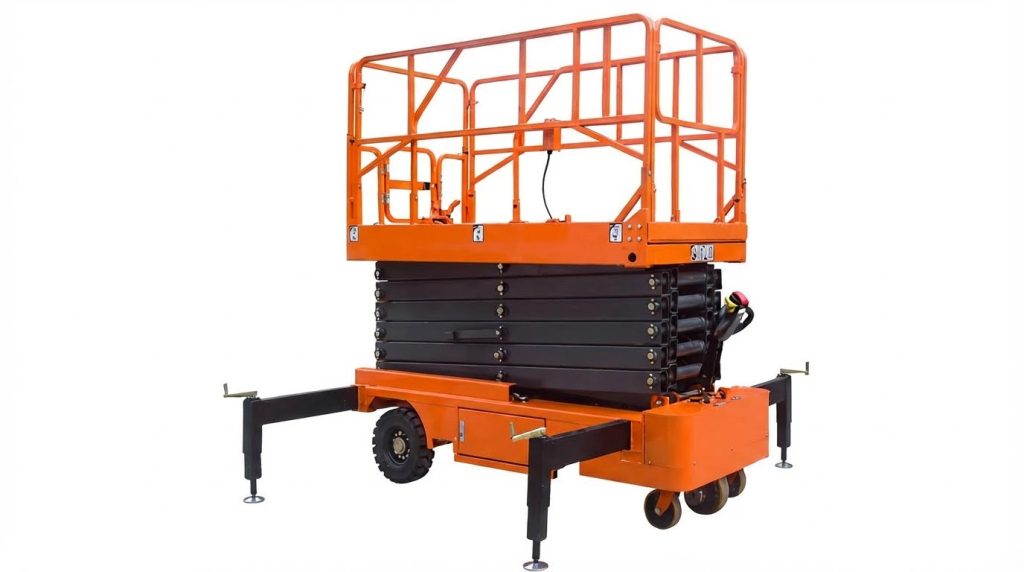
The regulatory framework for scissor lift certification linked equipment design, operator competence, and employer responsibilities. It aligned OSHA requirements with ANSI consensus standards to create a defensible safety baseline across industries. Understanding how these standards interacted helped engineers, safety managers, and fleet owners design compliant training and operational programs.
OSHA 29 CFR 1926/1910 And 1926.454 Overview
OSHA 29 CFR 1926 and 1910 defined federal minimum requirements for construction and general industry, including powered platforms and scaffolds. Under 29 CFR 1926.454, employers had to train workers who erected, used, or worked near scaffolding, which included scissor lifts classified as a type of mobile scaffold. OSHA required that only trained workers operated scissor lifts and that employers verified they could demonstrate safe use. Training content had to cover hazard recognition, fall protection, electrical risks, load limits, and procedures before, during, and after operation. OSHA did not issue operator “licenses” directly; instead, it enforced employer duty to provide compliant training, evaluation, and documentation.
ANSI A92.22 And A92.24 Training Requirements
ANSI A92.22 and A92.24 defined more detailed, performance-oriented requirements for Mobile Elevating Work Platforms (MEWPs), including scissor lifts. These standards, which became mandatory in 2020 through adoption in contracts and state plans, specified responsibilities for owners, users, and operators. A92.22 focused on safe use planning, risk assessment, rescue planning, and site-specific instructions. A92.24 defined minimum content and structure for training, including theory, practical evaluation, and retention of records. OSHA referenced ANSI standards as recognized good practice, so compliance with A92.22 and A92.24 supported an employer’s due diligence and helped demonstrate that training met or exceeded OSHA expectations.
Scissor Lifts Versus Aerial Lifts In Standards
Regulations distinguished scissor lifts from aerial lifts, although both fell under the broader MEWP category. Scissor lifts raised the platform vertically using crossed supports and functioned as powered scaffolds, typically used indoors for maintenance, warehousing, and fit-out work. Aerial lifts, such as boom lifts, provided both vertical and horizontal reach through articulated or telescopic booms. OSHA and ANSI applied overlapping but not identical requirements, especially regarding stability, fall protection, and travel while elevated. Training programs and written procedures needed to reflect these differences, so operators understood unique tip-over dynamics, load charts, and positioning limits for each equipment type.
Employer Versus Third-Party Certification Roles
OSHA placed the primary legal responsibility on employers, not on third-party training vendors. Third-party providers delivered formal instruction that aligned with OSHA 29 CFR 1926.454 and ANSI A92.24, often issuing certificates, wallet cards, or digital IDs valid for defined periods, usually three years. However, those documents alone did not create an OSHA-compliant “authorization to operate.” Employers still had to verify that operators were legally employable, conduct site- and equipment-specific practical evaluations, and maintain training and evaluation records. Third-party courses functioned as a structured input to an employer’s safety management system, while the employer retained accountability for authorizing operators and scheduling refresher or remedial training when conditions, equipment, or performance changed.
Operator Training, Licensing, And Renewal Cycles
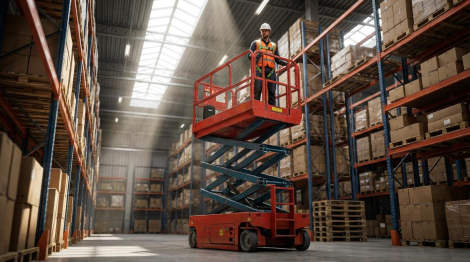
Operator training, licensing, and renewal cycles defined the legal framework for safe scissor lift operation. OSHA required that only trained workers operated or worked near scissor and aerial lifts under 29 CFR 1926.454. ANSI A92.22 and A92.24 further structured training content, responsibilities, and retraining triggers. Effective programs linked classroom theory, hands-on evaluation, and documented authorization by the employer.
Eligibility, Age Limits, And Fitness To Operate
Eligibility criteria focused on legal work status, minimum age, and physical capability. In the United States, federal rules required in-person course participants to be at least 18 years old for aerial and scissor lift operation. Training providers also required that participants were legally allowed to work in their country of employment. Programs such as DNV’s Safe Scissor Lift Operations further required basic knowledge of workplace safety and adequate physical fitness, including vision, balance, and mobility sufficient to work at height.
Employers had to assess whether workers could safely perform tasks without medical conditions that impaired judgment, coordination, or reaction time. Typical restrictions applied to operators with uncontrolled vertigo, severe cardiovascular issues, or conditions that limited use of fall protection equipment. Fitness-to-operate evaluations often formed part of pre-employment or periodic occupational health checks. The employer, not the training provider, held ultimate responsibility for assigning only fit, competent operators.
Core Training Topics And Hazard Competencies
Core scissor lift training addressed hazard recognition, control measures, and correct operating techniques. OSHA required coverage of electrical hazards, fall risks, unsafe conditions, load capacity, and manufacturer instructions. Courses therefore explained lift classifications, operating envelopes, and the difference between scissor lifts and aerial lifts with lateral reach. Operators learned tip-over dynamics, including the influence of slope, wind, platform extension, and load distribution.
Competency modules typically included pre-start inspections, workplace hazard assessments, and safe movement procedures before, during, and after use. Trainees studied fall protection systems, guardrail inspection, and correct platform positioning near structures and power lines to prevent crushing or electrocution. Emergency procedures formed a mandatory component, covering emergency stop use, ground controls, and rescue coordination. By the end of training, operators had to demonstrate both theoretical understanding and practical hazard response skills.
Online, In-Person, And Blended Course Formats
Training delivery formats evolved to include online, in-person, and blended courses while still aligning with OSHA and ANSI requirements. Online courses in English and Spanish typically required about one hour to complete and allowed unlimited exam attempts until a passing score, often at least 70 percent, was achieved. These courses covered regulatory content, hazard theory, and procedural steps but did not by themselves grant full authorization to operate. Employers still needed to perform site-specific practical evaluations.
In-person courses integrated classroom theory with hands-on operation under instructor supervision. Typical durations ranged from one-day, seven-hour sessions to multi-day programs such as DNV’s two-day MEWP course. In-person formats allowed direct observation of control use, maneuvering, and emergency responses. Blended training combined online theory with later on-site practical assessment, improving flexibility while maintaining competency standards. Only in-person or employer-led practical evaluations could satisfy the requirement for observed proficiency on actual equipment.
Certification Validity, Recordkeeping, And Refreshers
Certification validity periods ensured operators remained current with standards and best practices. Many OSHA-compliant programs issued certificates or wallet cards valid for three years, while some schemes, such as DNV’s, used a two-year validity. Employers had to maintain training records, including course completion certificates, evaluation results, and the specific equipment types authorized. Documentation supported regulatory inspections and internal audits.
OSHA required retraining at least every three years or sooner under defined conditions. Trigger events included accidents, near misses, observed unsafe operation, changes in equipment type, or the introduction of new hazards or procedures. Refresher courses reinforced hazard recognition, updated ANSI or OSHA changes, and addressed site-specific issues. Employers used renewal cycles to reassess operator skills, confirm medical fitness, and update authorizations, maintaining a closed loop between training, field performance, and compliance.
Inspection, Maintenance, And Technology Integration
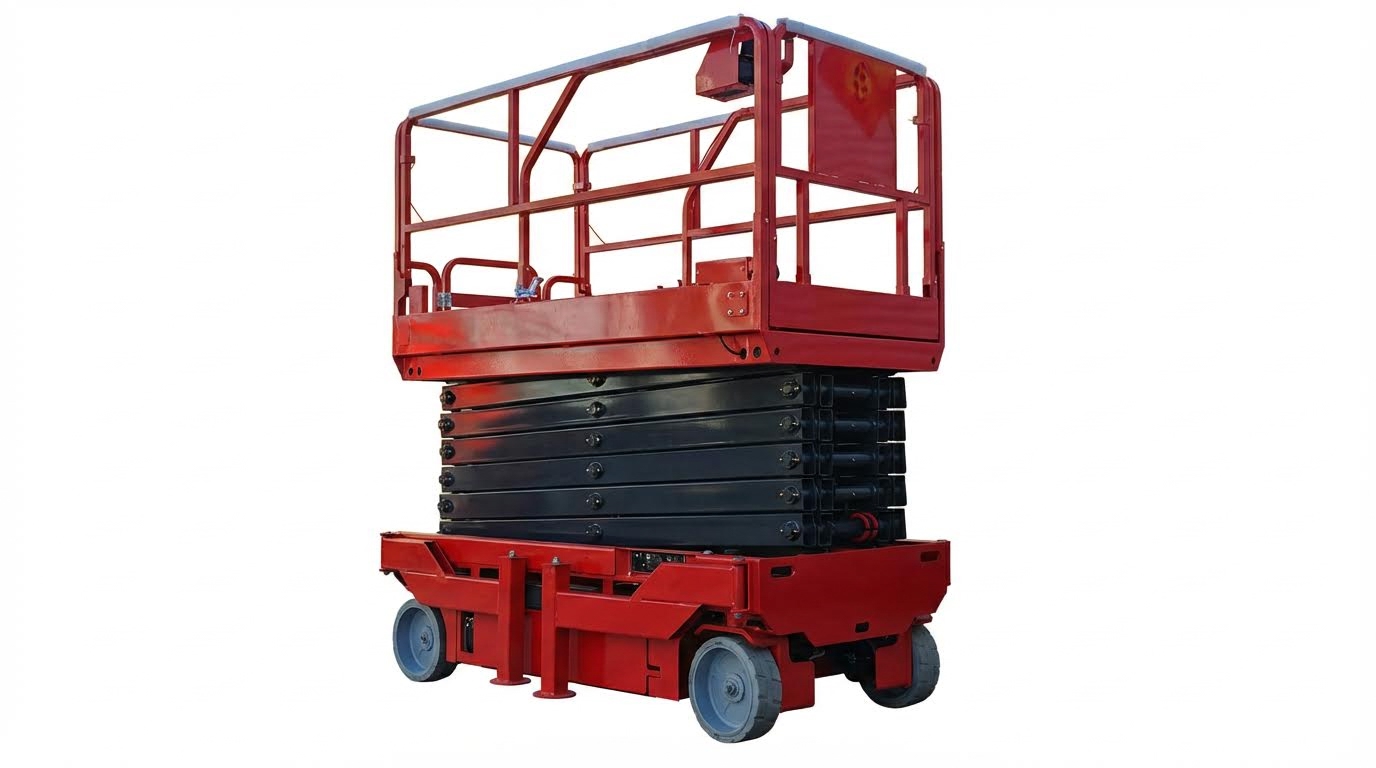
Inspection and maintenance formed the backbone of safe scissor lift operation. Structured inspection regimes, aligned with OSHA requirements and manufacturer guidance, reduced failure risk and supported legal compliance. At the same time, advances in battery technology, monitoring, and digital diagnostics reshaped lifecycle cost models for electric fleets. Integrating these technologies with formal training and site safety programs created a closed loop between operator behavior, equipment condition, and regulatory obligations.
Daily, Monthly, And Annual Inspection Protocols
Operators performed pre-start inspections at the beginning of each workday and shift. These daily checks included walkaround visual inspection, function checks in a clear area, and verification that manuals and placards were present and legible. Typical daily items included hydraulic leak checks, tire and wheel condition, guardrails and gates, scissor arm damage, fluid levels, decals, and operation of emergency stops and controls. If any component was damaged, missing, or malfunctioning, the lift had to be locked out until repair and verification.
Monthly inspections went deeper and focused on structural integrity and critical systems. Technicians inspected welds, fasteners, locking pins, electrical harnesses, and control wiring for wear or corrosion. They also checked battery condition, charger performance, and overall system functionality against OEM specifications. These periodic inspections supported early detection of fatigue or corrosion that daily checks might not reveal.
Annual inspections were typically completed by qualified technicians or service providers. These included detailed structural examinations, verification of guardrail and platform integrity, and often load testing against rated capacity. Inspectors verified compliance with OSHA and applicable ANSI provisions, including labeling, instructions, and safety devices. Documented annual inspection records supported both regulatory audits and fleet reliability tracking.
Battery Systems, Monitoring, And Lifecycle Costs
Electric scissor lifts relied on battery systems that significantly affected lifecycle cost. Poorly maintained flooded lead-acid batteries often required replacement in about one year, while properly maintained units could last near three years. Maintenance tasks included cleaning battery banks, checking electrolyte levels, and performing amp-draw and charge tests. Correct charging practices, including full overnight charges and avoidance of frequent short “opportunity” charges, extended service life.
Advanced battery monitoring systems provided real-time diagnostic data on state of charge, charge history, and abnormal depletion events. These systems indicated when to add water and helped operators avoid deep discharge conditions that accelerated degradation. Integrated monitoring also reduced unplanned downtime by flagging weak batteries before they failed in service. Over a fleet, this data supported optimized replacement schedules and more accurate total cost of ownership modeling.
Newer all-electric designs with reduced hydraulic content lowered maintenance burden further. For example, platforms with zero hydraulics and self-diagnostics reduced leak-related repairs and simplified troubleshooting. Fleet owners could then reallocate maintenance resources toward inspection quality and safety-critical checks rather than recurring fluid-system repairs.
AI Diagnostics, Digital Twins, And Fleet Management
AI-based diagnostics enhanced traditional onboard fault-code systems. Algorithms analyzed sensor data such as motor currents, lift cycles, and battery metrics to detect emerging faults before they became critical. This supported condition-based maintenance rather than purely calendar-based intervals. Maintenance teams could schedule repairs during planned downtime and reduce in-shift failures that disrupted operations.
Digital twins of scissor lifts created virtual representations linked to real operating data. These models simulated structural loads, duty cycles, and component wear under different usage patterns. Fleet managers used this insight to compare sites, adjust work practices, and refine inspection intervals. Integration with maintenance management software allowed automatic work-order generation when model thresholds were exceeded.
Fleet management platforms aggregated data across units and locations. They tracked utilization, fault trends, and inspection completion status, supporting compliance documentation. Analytics identified high-risk behaviors, such as repeated overload attempts or frequent operation on low batteries. Safety managers then targeted additional training or procedural changes at specific crews or tasks.
Integrating Training With Site Safety Programs
Inspection and technology tools were only effective when operators understood and applied them correctly. Formal MEWP training covered pre-use inspections, function checks, and lockout procedures alongside hazard recognition. Updated OSHA- and ANSI-aligned courses emphasized how to interpret warning indicators, battery-level displays, and diagnostic messages. This ensured operators responded appropriately to alarms rather than bypassing or ignoring them.</p
Summary Of Licensing, Safety, And Best Practices
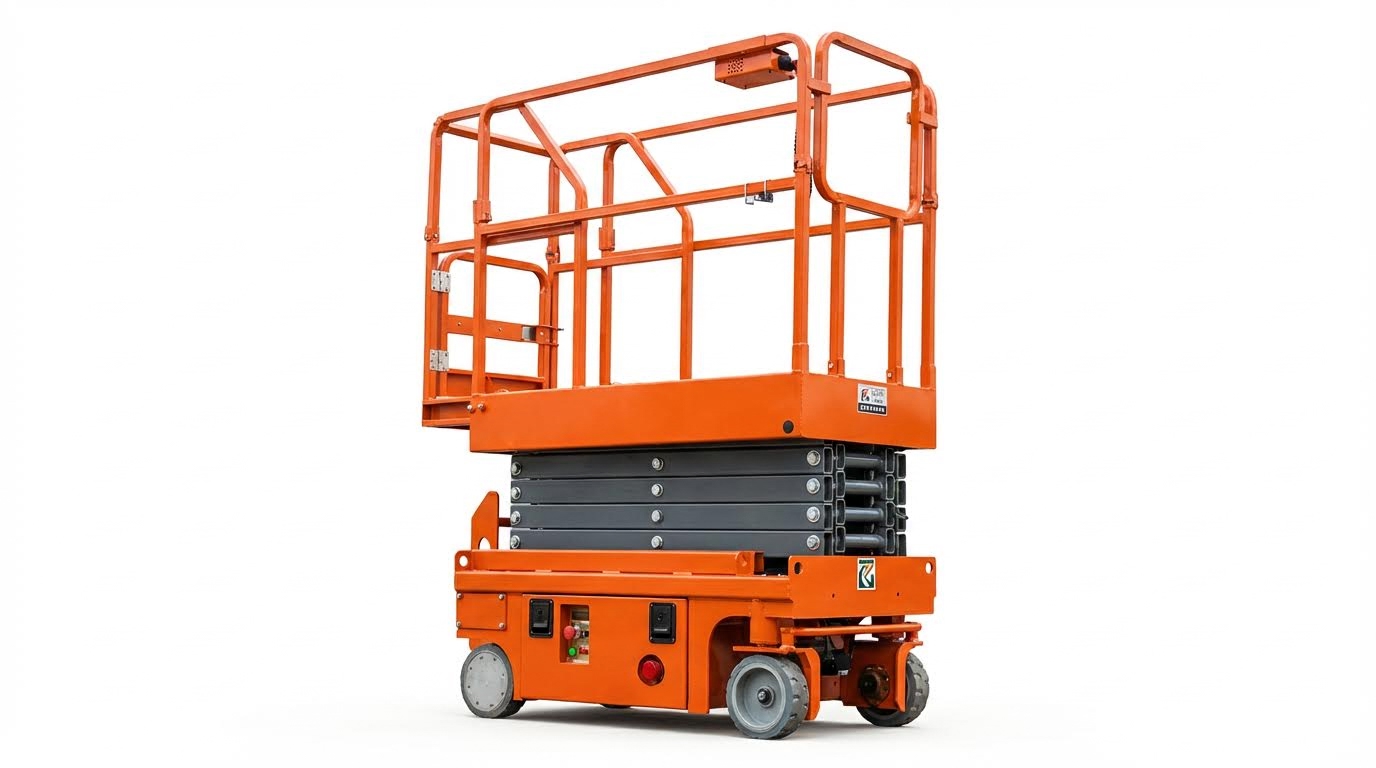
Scissor lift licensing and training frameworks relied on OSHA 29 CFR 1926/1910 and 1926.454, complemented by ANSI A92.22 and A92.24. These standards defined when training was required, which hazards operators needed to master, and how employers documented competency. Third-party courses, whether online or in-person, provided structured paths to “authorized operator” status, but employers retained the legal duty to evaluate hands-on performance and maintain records. Typical certification cycles used three-year validity, with earlier retraining after incidents, equipment changes, or observed misuse.
Safe operation depended on a layered approach: formal instruction, supervised practice, and disciplined inspection routines. Daily pre-start and function checks, supported by monthly and annual inspections, controlled most mechanical and electrical failure risks. Battery maintenance and monitoring strongly influenced lifecycle cost, availability, and failure rates, especially for electric scissor lifts in rental and warehouse fleets. Emerging technologies such as AI diagnostics, connected telematics, and digital twins improved fault detection, scheduling of preventive maintenance, and objective tracking of usage and overload events.
Integrating operator training with site-specific safety programs created the highest safety performance. Effective programs aligned classroom content with actual site hazards, rescue plans, traffic management, and lockout/tagout procedures. Going forward, regulatory expectations were likely to tighten around data-driven proof of training, inspection traceability, and near-miss reporting. Organizations that treated scissor lift licensing as a continuous risk management process, rather than a one-time compliance exercise, achieved lower incident rates, better equipment uptime, and more predictable operating costs.