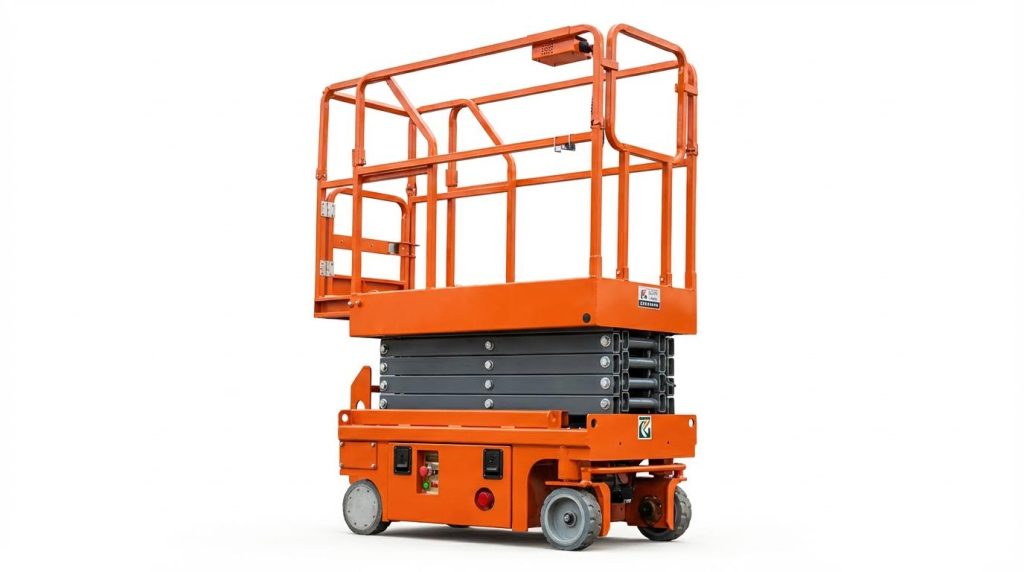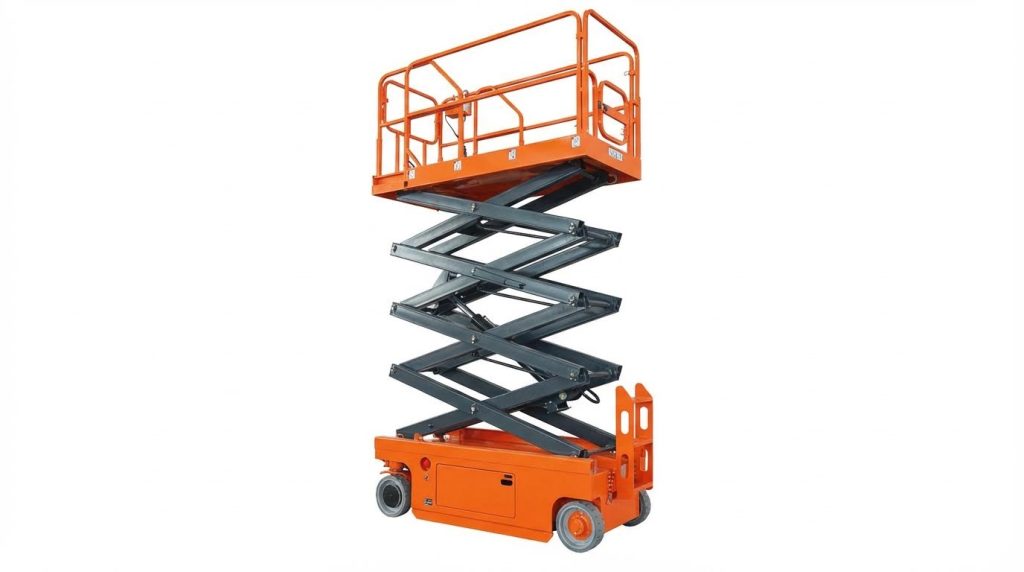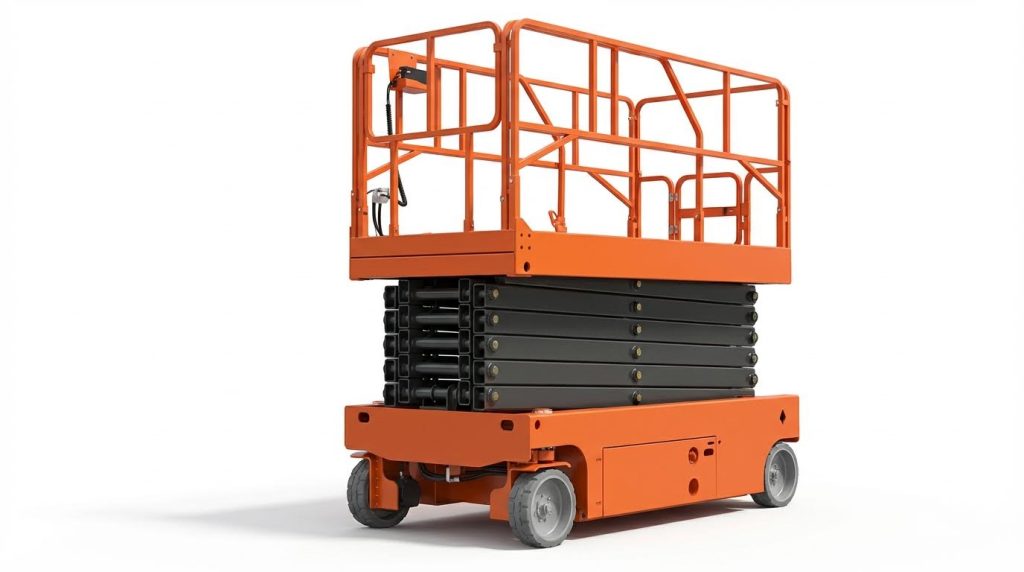
Scissor lifts functioned as mobile supported scaffolds that raised workers vertically in construction, manufacturing, retail, and entertainment. Their safe use depended on correctly integrating engineered safety equipment with OSHA and ANSI compliance requirements across industries. This guide outlined the regulatory framework, fall protection and stabilization controls, and operational programs needed to manage scissor lift risk. It also summarized compliance priorities and best practices to help safety managers, engineers, and supervisors align field practice with current standards.
Regulatory Framework For Scissor Lift Safety
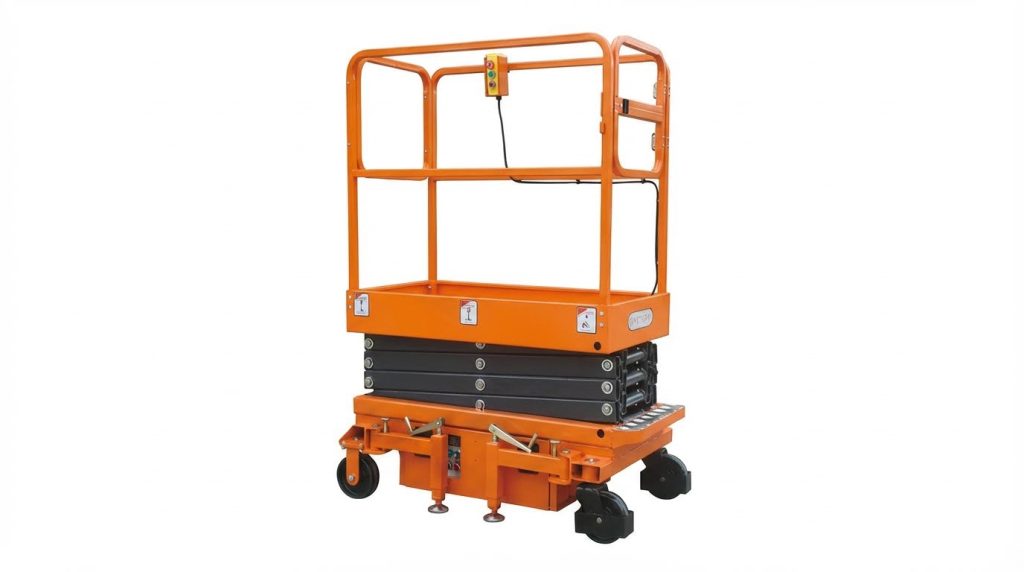
The regulatory framework for scissor lift safety integrated OSHA scaffold rules with ANSI design standards. OSHA classified most scissor lifts as mobile supported scaffolds, not aerial lifts, which determined the applicable 29 CFR sections. ANSI A92 standards defined engineering, control, and test requirements that manufacturers and owners followed. Safety professionals aligned site procedures, training, and inspections with this combined OSHA–ANSI structure.
OSHA Classification: Mobile Scaffold vs. Aerial Lift
OSHA interpretation letters treated typical scissor lifts as mobile scaffolds under 29 CFR 1926.452(w). The platform moved only vertically on a pantograph mechanism and did not boom or telescope, unlike aerial lifts. Therefore, scissor lifts followed scaffold rules for guardrails, movement while elevated, and stability criteria. Aerial lifts, regulated under 29 CFR 1926.453, covered boom lifts and vehicle-mounted elevating platforms that could move horizontally.
This classification affected whether elevated travel with occupants was allowed. For mobile scaffolds, movement with workers on the platform was allowed only under strict conditions, such as a level surface within 3° and a low height-to-base ratio. Aerial lifts could not move with workers in the basket unless the design and manufacturer instructions specifically permitted it. Safety programs needed to distinguish clearly between scissor lifts and aerial lifts in procedures and training modules.
Key OSHA 29 CFR Standards By Industry
OSHA applied different 29 CFR parts depending on the industry sector. In general industry, scissor lift use referenced 1910.27 for scaffolds, 1910.28(b)(12) for duty to provide fall protection, and 1910.29(b) for guardrail system criteria. In shipyards, 1915.71 set scaffold and staging requirements for elevated work.
In construction, several sections governed scissor lift safety. Section 1926.20(b) assigned accident prevention responsibilities, and 1926.21 required safety training and education. Section 1926.451 defined general scaffold requirements, while 1926.452(w) gave additional rules for mobile scaffolds, including movement limits and stability. Section 1926.454 specified training content, including recognition of electrical, fall, and tip-over hazards.
Compliance strategies typically mapped each task and location to the correct OSHA part. For example, a maintenance task in a manufacturing plant followed Part 1910, while façade work on a building followed Part 1926. This mapping ensured that guardrail heights, fall protection triggers, and training obligations matched the correct regulatory context.
ANSI A92 Design And Operation Requirements
ANSI A92 standards complemented OSHA by defining technical and operational requirements. ANSI A92.3-2006 covered manually propelled elevating aerial platforms, while A92.6-2006 addressed self-propelled elevating work platforms, which included most powered scissor lifts. These standards specified design loads, stability tests, control functions, and labeling requirements.
ANSI A92.6-1990 Section 7.11.14 defined conditions for elevated driving. It allowed travel with the platform raised only on firm, level, obstruction-free surfaces and within defined height and slope limits. Section 7.11.1 prohibited the use of external devices such as planks or ladders on platforms, because they raised the center of gravity and reduced stability margins.
Owners and rental fleets used ANSI guidance to structure inspection intervals and recordkeeping. Manufacturers embedded ANSI requirements into interlocks, emergency stops, tilt alarms, and load ratings. While OSHA enforced workplace use, ANSI formed the baseline for safe product design and operating instructions.
Interpreting OSHA Letters And eTools In Practice
OSHA interpretation letters clarified how existing standards applied to scissor lifts in specific scenarios. For mobile scaffolds, letters confirmed that scissor lifts fell under 1926.452(w) and could move with workers aboard only under tightly controlled conditions. They also reinforced that guardrails meeting 1926.451(g) or 1910.29(b) generally satisfied fall protection requirements without personal fall arrest, unless the system was incomplete or removed.
OSHA eTools and scaffold
Engineering Controls: Fall Protection And Stabilization
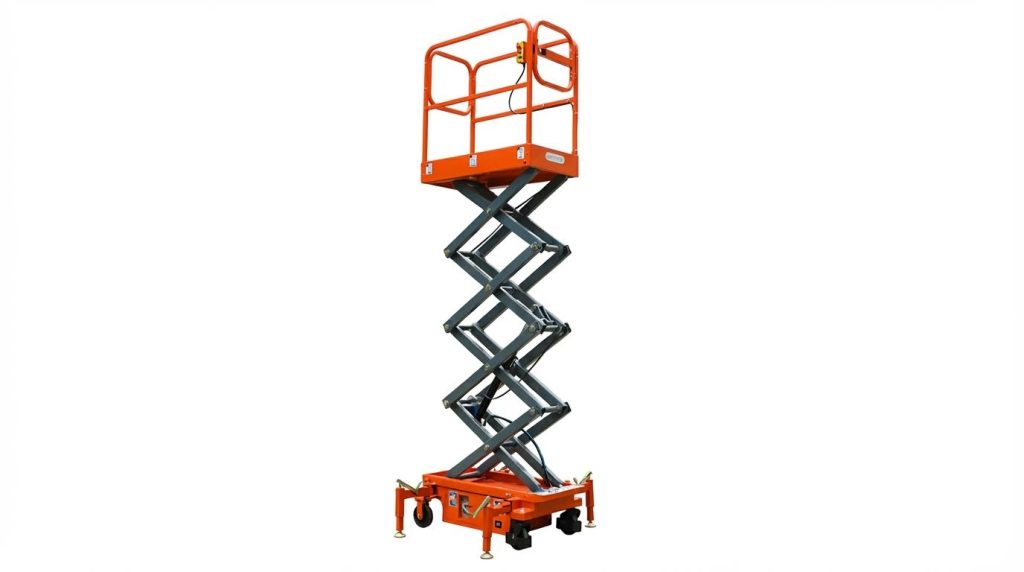
Engineering controls on scissor lifts provided the primary barrier between operators and fall, tip-over, or crush hazards. Designers and employers relied on compliant guardrail systems, structurally adequate platforms, and stable operating envelopes to keep risk within acceptable limits. OSHA and ANSI standards defined minimum design criteria, while site-specific risk assessments refined those baselines for actual field conditions. Effective implementation required strict adherence to rated capacities, documented procedures, and routine verification through inspection and maintenance.
Guardrail Design, Load Rating, And Compliance
Scissor lift guardrails functioned as the default fall protection system, so their geometry and strength had to meet OSHA criteria. OSHA 29 CFR 1926.451(g) and 1910.29(b) specified minimum top-rail heights, mid-rail placement, and toe board requirements, as well as load resistance. Guardrails needed to withstand a concentrated horizontal load of at least 0.89 kN applied at the top rail without failure or excessive deflection. ANSI A92 standards complemented OSHA by defining design, testing, and labeling requirements for elevating work platforms. In practice, engineers avoided field modifications such as cutting, welding, or drilling guardrail members, because these actions invalidated structural assumptions and certifications. Operators were trained to verify that all gates latched, chains closed, and panels locked before elevation, and to remain within the guarded platform footprint during work activities.
Platform Load Limits And Structural Integrity
Platform structural design considered combined loads from personnel, tools, materials, and dynamic effects during movement. Manufacturers established rated load capacities based on testing and applied safety factors consistent with ANSI A92.3 and A92.6. OSHA required that employers communicate these ratings clearly, usually through permanent placards on the platform and in the operating manual. Exceeding the rated capacity increased stresses in the scissor arms, pins, welds, and deck, which raised the risk of local yielding, fatigue cracking, or global collapse. Engineers accounted for load distribution as well as magnitude, since heavy point loads near the edge could overstress localized deck sections or destabilize the center of gravity. Maintenance programs included inspection of welds, pivot pins, bushings, and hydraulic components for deformation, corrosion, or leakage that could degrade structural integrity over time.
Wind Loads, Tip-Over Risk, And Outdoor Operation
Scissor lifts exhibited high slenderness ratios when fully elevated, which made them sensitive to lateral wind loads. Manufacturers specified maximum allowable wind speeds, and outdoor-rated units typically limited operation to below approximately 12.5 m/s, or 28 miles per hour. The Notre Dame fatality in 2010, where a lift tipped in wind gusts above 22 m/s, illustrated the consequences of ignoring these limits. Engineers considered wind pressure on both the platform and any attached signage, enclosures, or materials, since increased projected area amplified overturning moments. OSHA and ANSI guidance discouraged elevated travel outdoors and required level, firm support surfaces with slope limits usually within 3 degrees. Site procedures often included anemometers, weather monitoring, and defined shutdown thresholds to prevent operation during gusting or rapidly changing conditions.
Prohibited Devices: Ladders, Planks, And Extensions
Using ladders, planks, or improvised extensions on a scissor lift platform undermined the original stability calculations. ANSI/SIA A92.6 explicitly prohibited external devices intended to gain extra height, because they shifted the worker’s center of mass above the designed guardrail plane and altered the overturning geometry. Such practices effectively increased the height-to-base ratio without increasing base width, which raised the likelihood of tip-over under lateral loads or sudden movements. OSHA enforcement and interpretation letters treated these add-ons as violations of both scaffold and fall protection provisions. Safe practice kept workers’ feet on the platform floor, within the guardrail envelope, and relied on repositioning the lift or selecting a higher-capacity or greater-reach unit rather than improvising. Employers reinforced this through training, signage on the platform, and disciplinary policies addressing unsafe modifications or accessory use.
Safe Operation, Maintenance, And Training Programs
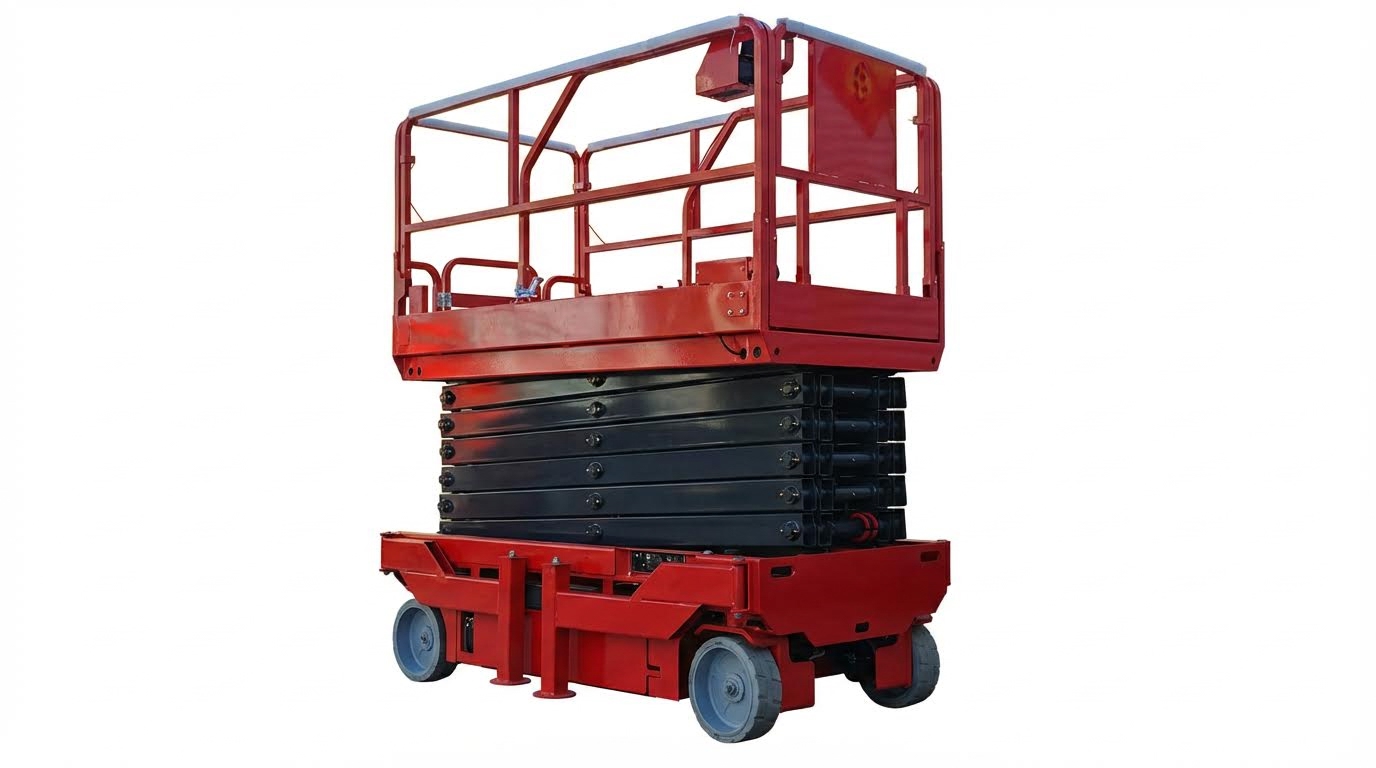
Safe operation of scissor lifts relied on an integrated approach that combined equipment condition, operator behavior, and worksite controls. OSHA treated scissor lifts as mobile scaffolds, so employers had to embed inspection, maintenance, and training into their scaffold safety programs. ANSI A92 standards complemented OSHA rules by defining design, performance, and user responsibilities for elevating work platforms. Effective programs translated these regulatory requirements into practical checklists, procedures, and competency-based training tailored to each site and lift type.
Pre-Use Inspection And Preventive Maintenance
Operators had to perform a documented pre-use inspection before each shift, as required under OSHA 1926.451 and 1926.454. The inspection typically covered control functions, emergency stop devices, guardrails, toe boards, access gates, tires, and brakes to verify that the lift could operate safely. Employers also needed a preventive maintenance schedule aligned with the manufacturer’s manual and ANSI A92 recommendations, including periodic structural, hydraulic, and electrical checks. Lockout/tagout procedures had to isolate the lift during maintenance to prevent inadvertent energization or movement. Consistent recordkeeping of inspections, defects, and repairs supported OSHA compliance and allowed trend analysis for recurring failures.
Positioning To Avoid Crush And Electrical Hazards
Incorrect positioning created high risk for crushing, caught-between, and electrocution incidents. OSHA guidance required employers to assess travel paths and work locations for fixed structures, overhead beams, and moving vehicles that could trap workers on the platform. Operators had to maintain at least 3.0 m clearance from energized power lines and other electrical sources to prevent arcing, arc flash, and thermal burns, consistent with OSHA and industry practice. Traffic control measures such as cones, barricades, and ground guides reduced collision risks when working near vehicle routes or material-handling equipment. Planning the work so that vertical and horizontal movements occurred away from pinch points significantly lowered the probability of platform entrapment events.
Operator Training Under 1926.21 And 1926.454
OSHA 1926.21 and 1926.454 required employers to train workers to recognize and avoid hazards associated with scissor lifts. A compliant training program covered manufacturer operating instructions, rated load capacity, stability limits, fall protection use, and emergency lowering procedures. Operators needed to understand environmental limits, including maximum allowable wind speed for outdoor-rated units and surface slope tolerances for mobile scaffolds under 1926.452(w). Training also addressed reporting of defects, lockout/tagout basics, and the prohibition on using external devices such as ladders or planks on the platform. Employers had to provide refresher training after incidents, near misses, or equipment changes to keep skills and hazard awareness current.
Digital Tools, Telematics, And Predictive Monitoring
Digital tools increasingly supported safe scissor lift operation by integrating telematics, access control, and maintenance analytics. Telematics modules could record utilization hours, operating locations, fault codes, and overload or tilt events, enabling data-driven scheduling of inspections and preventive maintenance. Access control systems restricted lift activation to trained and authorized operators, which supported OSHA’s requirement that only trained workers operate mobile scaffolds. Predictive monitoring algorithms used historical fault and sensor data to flag emerging issues such as hydraulic leakage, battery degradation, or brake performance loss before they caused failures. When combined with electronic inspection checklists and automated record storage, these technologies strengthened compliance evidence and improved fleet reliability without replacing the need for competent human inspections.
Summary Of Compliance Priorities And Best Practices
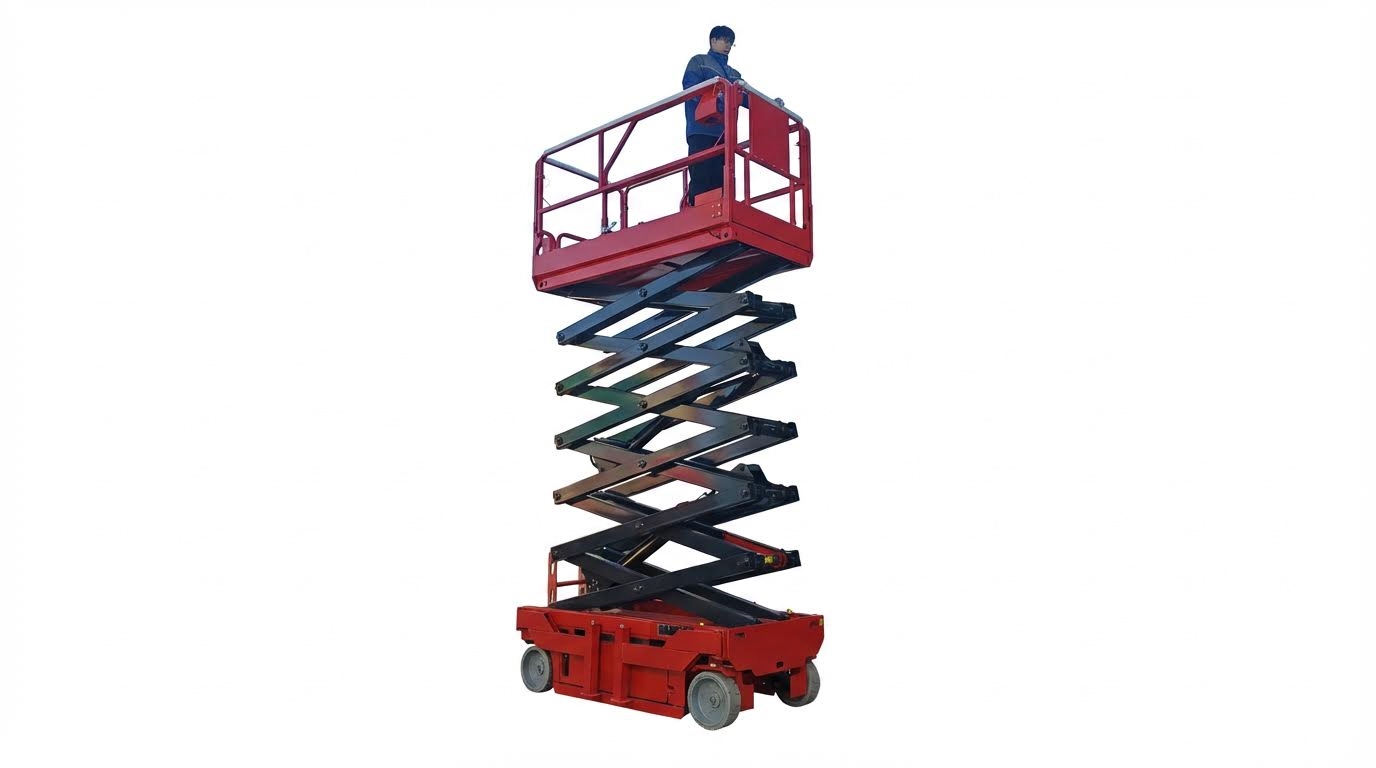
Scissor lift safety depended on integrating regulatory compliance with sound engineering and operational discipline. OSHA classified scissor lifts as mobile scaffolds in most cases, which triggered requirements under 29 CFR 1910, 1915, and 1926, while ANSI A92 standards defined design, stability, and control system expectations. Compliance programs worked best when employers mapped each task and environment to the applicable OSHA sections, then embedded those requirements into procedures, training, and equipment specifications.
Key priorities included engineered fall protection through compliant guardrail systems, strict adherence to platform load ratings, and conservative rules for elevated travel and outdoor use. Employers needed to verify that surfaces were firm and level, wind speeds remained below rated limits, and minimum approach distances to energized conductors stayed at or above 3 m. Incident history, including past tip-overs in high winds, showed that marginal conditions and procedural shortcuts rapidly eroded safety margins.
Practical implementation required structured pre-use inspections, documented maintenance aligned with manufacturer instructions, and operator training that met 1926.21 and 1926.454 content expectations. Digital tools, such as telematics and electronic checklists, increasingly supported real-time monitoring of utilization, fault codes, and overload or wind alarms, enabling predictive interventions instead of reactive repairs. Future trends pointed toward tighter integration of sensor data with site safety management systems, more explicit alignment between revised ANSI A92 series and OSHA enforcement guidance, and broader use of geo-fencing and interlocks to prevent operation in unsafe zones.
A balanced approach recognized that scissor lifts remained efficient access solutions when used within their engineered envelope and regulatory constraints. Organizations that treated OSHA and ANSI requirements as minimum baselines, then layered task-specific risk assessments, conservative operating rules, and continuous training, achieved lower incident rates and more reliable fleet performance. Sustained compliance therefore relied on design, procedure, and culture evolving together as equipment capabilities and standards continued to advance.