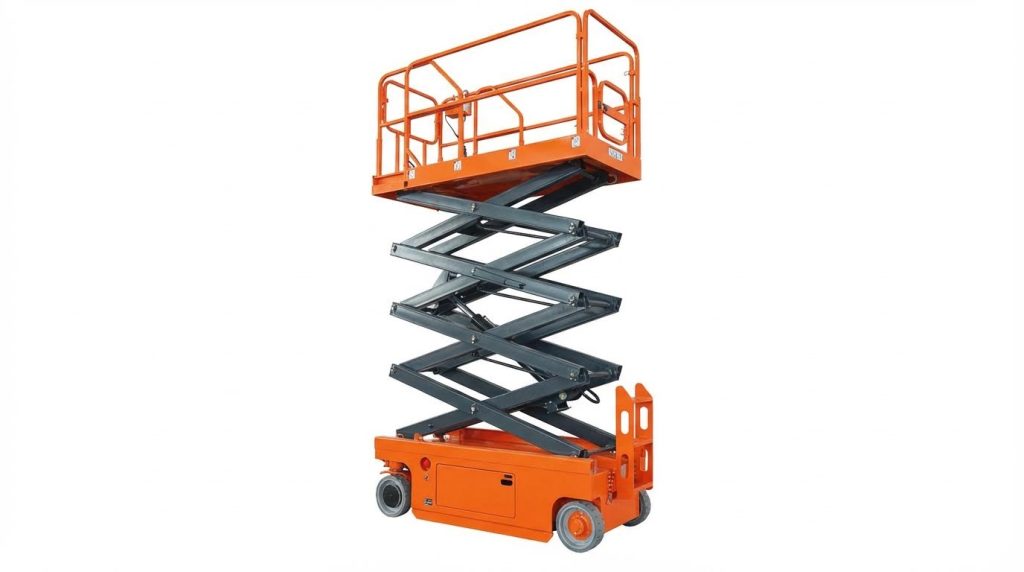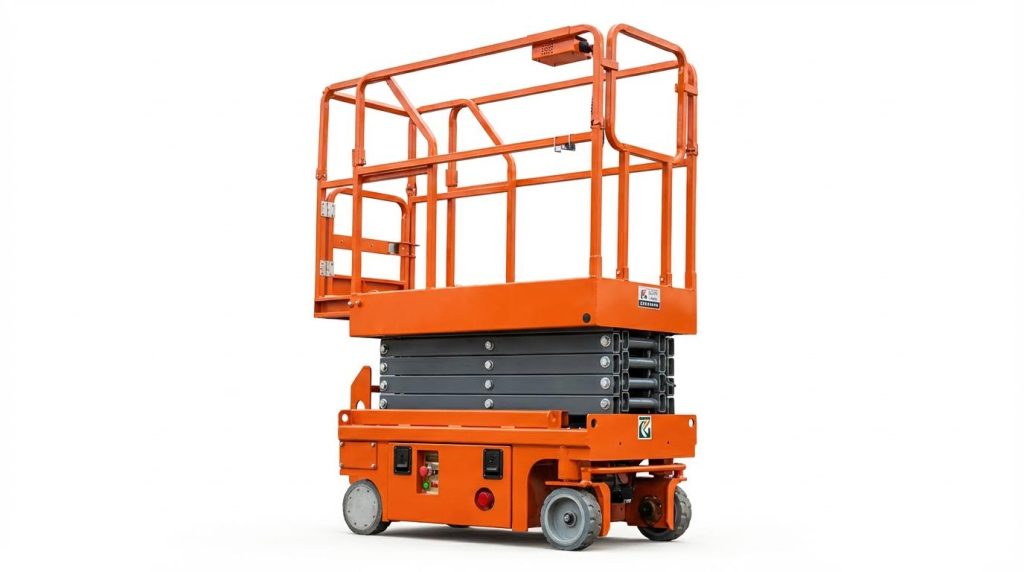
Scissor lifts operated as work platforms sit at the intersection of mobile scaffolds and powered industrial trucks, which drives how OSHA and ANSI standards apply to their use. This article explains how OSHA classified scissor lifts as mobile scaffolds rather than aerial lifts, and how that affects employer duties, fall protection strategies, and operator training. It then examines design and stability limits, including level-surface requirements, wind effects, traffic control, and load ratings when lifts function as mobile access equipment. Finally, it outlines maintenance, inspection, and lifecycle practices, from daily checks to predictive maintenance and digital twins, and closes with a summary of best practices and the compliance implications for owners and operators.
OSHA Classification And Regulatory Framework
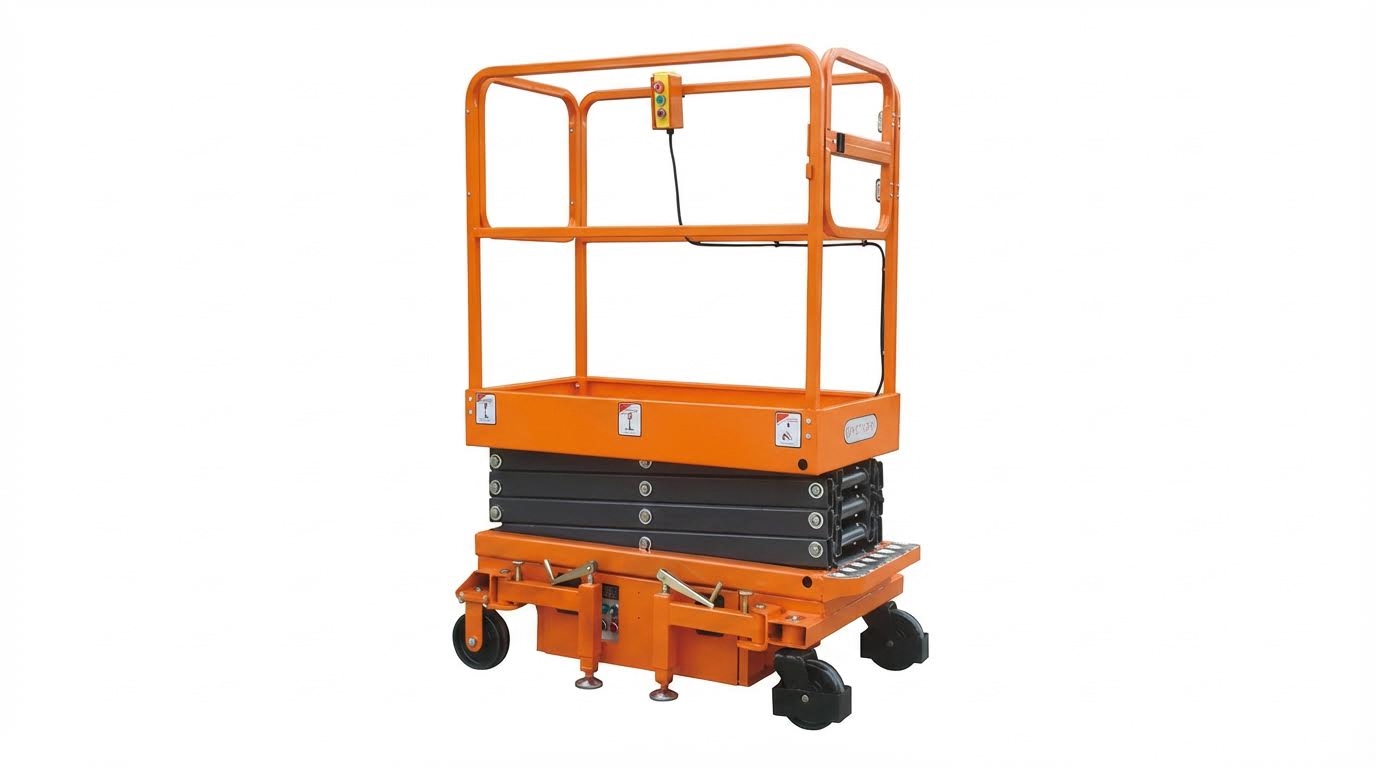
OSHA treated scissor lifts primarily as mobile scaffolds, not aerial lifts, and this classification drove which standards applied. The lifts operated as elevated work platforms and, in some contexts, interacted with powered industrial truck (PIT) rules when used around material-handling traffic. Compliance required employers to understand how scaffold, aerial lift, and PIT standards overlapped at a given site. Clear classification reduced ambiguity in training, fall protection, and movement controls during elevated work.
Mobile Scaffold Versus Aerial Lift Definitions
OSHA classified scissor lifts as mobile scaffolds under 29 CFR 1926.452(w) rather than aerial lifts under 29 CFR 1926.453. The scissor mechanism elevated the platform vertically within the wheelbase, which differed from boom-supported aerial devices. As mobile scaffolds, scissor lifts followed stability criteria such as a maximum 2:1 height-to-base ratio during movement unless tested per Appendix A to subpart L. The supporting surface had to remain within 3° of level and free of pits, holes, or obstructions. OSHA and ANSI did not treat scissor lifts as aerial lifts even when the platform extended beyond the wheelbase, so aerial lift movement rules only applied to true boom-type devices.
Powered Industrial Truck And PIT Interfaces
Scissor lifts functioned as mobile work platforms but often operated in the same environments as PITs such as forklifts. OSHA PIT rules in 29 CFR 1910.178 influenced traffic management, right-of-way, and separation between lifts and industrial trucks. Employers typically integrated scissor lifts into site traffic plans with marked travel paths, speed limits, and restricted zones. When scissor lifts worked near PITs, spotters, visual warnings, and barricades helped prevent contact incidents. Although scissor lifts themselves were not PITs, OSHA expected coordinated controls so that combined operations did not create struck-by or crushing hazards.
Key OSHA And ANSI Standards To Reference
Core OSHA references for scissor lifts included 29 CFR 1926.451 and 1926.452(w) for scaffolds, plus general duty and PPE provisions. Mobile scaffold requirements addressed surface conditions, stability, movement with personnel on the platform, and the prohibition on workers standing on components extending beyond the wheelbase. For aerial lifts, OSHA referenced 29 CFR 1926.453 and ANSI A92.2-1969, but these applied to boom-type devices, not scissor lifts. Stability test references in Appendix A to subpart L pointed to ANSI/SIA A92.5 and A92.6 for design and performance criteria. Employers also relied on manufacturer manuals, which often incorporated ANSI A92-series requirements and could impose stricter rules than the minimum OSHA standards.
Implications For Employer Responsibilities
The mobile scaffold classification shaped employer duties for training, fall protection, and safe use. Employers had to train operators on scaffold hazards, guardrail use, platform movement limits, and recognition of unstable surfaces. OSHA generally accepted guardrails as adequate fall protection for scissor lifts, but employers had to require PFAS when guardrails were missing, altered, or when manufacturers specified harness use. Employers also bore responsibility for pre-use inspections, maintenance, and removing defective lifts from service. Site-specific hazard assessments for overhead power lines, wind, traffic, and uneven ground were mandatory to align operation with OSHA and ANSI requirements. Accurate classification, documented procedures, and verified competency reduced enforcement risk and incident rates.
Design, Stability, And Safe Operating Parameters
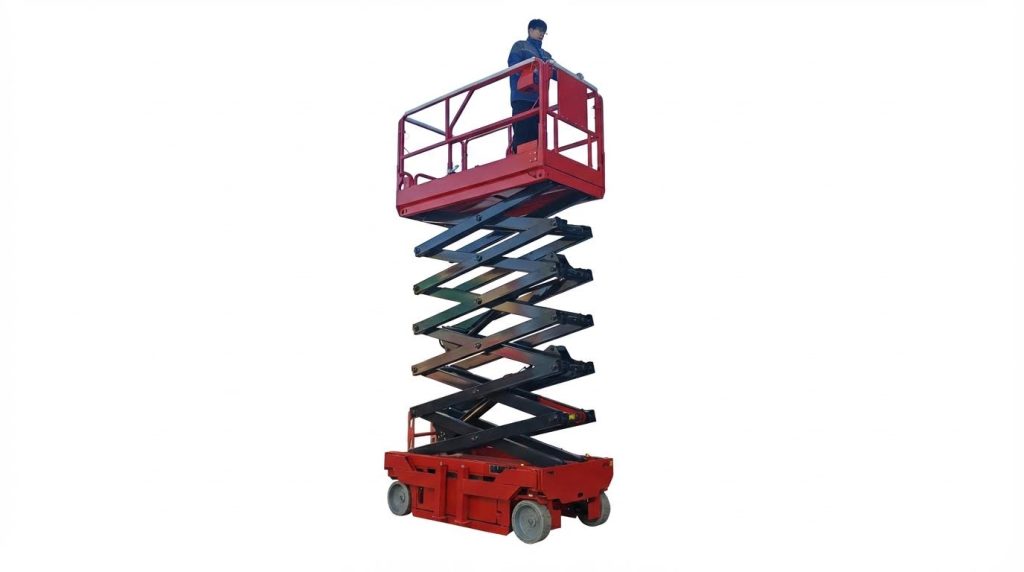
Designers and users of scissor lifts had to treat them as mobile scaffolds with powered drive functions, not as aerial lifts. This classification drove stability, motion, and loading rules that differed from boom-type platforms. Safe operation depended on a controlled interface between structural design limits, surface conditions, environmental loads, and human behavior. The following subsections summarized the key parameters that governed safe and compliant use in industrial environments.
Stability Criteria, Level Surfaces, And Wind Loads
OSHA stability criteria for mobile scaffolds required the supporting surface to be within 3° of level and free of pits, holes, and obstructions. For movement, the height-to-base-width ratio had to be 2:1 or less unless the unit passed specific stability tests in Appendix A to subpart L of 29 CFR 1926, aligned with ANSI/SIA A92.5 and A92.6. Manufacturers specified that the platform only lifted or lowered on firm, flat ground, and that raised platforms did not travel over uneven or unstable terrain. Wind represented a critical lateral load; operation during strong or gusty winds was prohibited, and any increase in exposed surface area, such as sheeting or large materials, reduced stability and could invalidate rated wind limits. When tilt alarms activated, operators had to lower the platform carefully and reposition the machine on level ground rather than treating the alarm as a leveling aid.
Guardrails, PFAS, And Fall Protection Strategies
OSHA treated properly installed guardrails on scissor lifts as the primary fall protection system, so harnesses were not universally mandated. When guardrails were complete, compliant, and used as intended, they generally provided sufficient protection for work above 1.8 m. However, a full-body harness with a fall restraint or arrest system became necessary if guardrails were missing, damaged, removed, or when workers used custom or elevated platforms without approved rails. Where a Personal Fall Arrest System was required, the anchor point had to support at least 22.2 kN per worker, and connecting devices had to limit free fall to 1.8 m or less. In practice, restraint systems that prevented workers from reaching fall edges often offered a safer strategy on scissor lifts than full fall arrest, which introduced additional clearance and swing-fall concerns.
Traffic Control, Pedestrian Safety, And Spotters
Safe operating parameters extended beyond the platform to the surrounding traffic environment. Recommended controls included establishing a 1.8 m minimum exclusion zone around the lift using cones, barricades, or warning tape to separate pedestrians and vehicles. Visual warnings such as high-visibility signage, flashing beacons, and reflective markings helped drivers and pedestrians recognize the hazard envelope, especially in low-light areas. Movement controls defined designated travel paths, one-way patterns, and clear zones where other traffic was prohibited while the lift was in use. Administrative measures, such as assigning trained spotters in congested zones, scheduling lift movement during low-traffic periods, and enforcing radio or hand-signal protocols, reduced collision risk. Operators had to maintain low travel speeds, particularly when the platform was raised, with typical manufacturer limits around 0.8 km/h for elevated travel.
Load Ratings, Duty Cycles, And Use As Mobile Access
Design load ratings defined maximum platform capacity in kilograms and maximum permitted occupants under indoor and outdoor conditions. For example, TCPT series models such as TCPT0808HD through TCPT1412HD carried up to 320 kg when retracted, while the TCPT1612HD was rated at 230 kg, with ANSI and CE allowing two occupants indoors and one outdoors. These ratings assumed evenly distributed loads within the guardrails and prohibited overloading, climbing, or walking behavior that shifted the center of gravity. Duty cycles reflected expected lift, drive, and idle patterns and influenced thermal limits, hydraulic temperatures, and battery discharge profiles; exceeding duty assumptions led to overheating, accelerated wear, or control derating. As mobile access equipment, scissor lifts could travel only within
Maintenance, Inspection, And Lifecycle Management
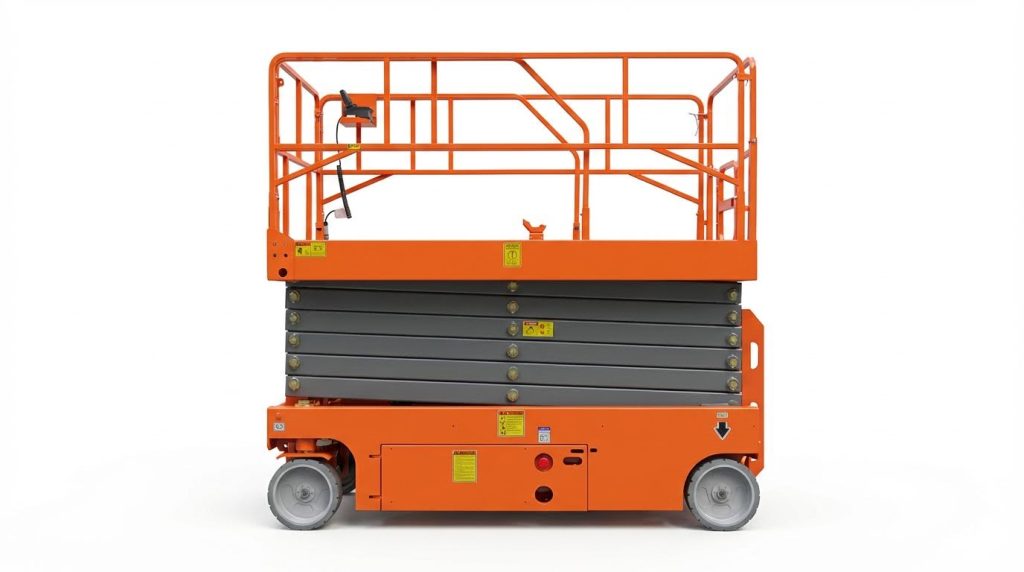
Scissor lifts required structured maintenance to remain safe as mobile scaffolds and industrial trucks. A layered inspection regime reduced sudden failures and supported OSHA compliance. Operators, mechanics, and supervisors each held defined responsibilities. Lifecycle planning linked daily checks to long-term asset reliability and cost control.
Daily, Weekly, And Monthly Inspection Routines
Daily inspections focused on operational readiness and obvious hazards before use. Operators checked fluid levels, tires or wheels, guardrails, controls, tilt alarms, and emergency stop functions while the platform stayed lowered on firm, level ground. They verified that limit switches, interlocks, and safety decals were intact and readable. Weekly routines typically included lubrication of scissor pivots, inspection of hoses and cables for abrasion, and functional tests of drive and lift systems under no-load conditions. Monthly inspections went deeper, reviewing structural welds, chassis fasteners, drive chains or gearboxes, and full up/down cycles under rated load. Documented checklists supported traceability, and employers used findings to schedule repairs before defects created service outages or incidents.
Hydraulic, Structural, And Control System Checks
Hydraulic systems required close monitoring because leaks or pressure anomalies directly affected stability and lift speed. Technicians inspected cylinders, hoses, fittings, and manifolds for seepage, damage, or bulging and confirmed that operating pressures stayed within manufacturer limits. Abnormal noise, rapid oil temperature rise, or sluggish response triggered immediate lockout and diagnosis. Structural checks targeted scissor arms, pins, bushings, and welds for cracks, deformation, or corrosion, especially on units stored outdoors. Control system verification included testing all limit switches, interlocks, emergency lowering devices, and tilt or overload alarms. Inspectors confirmed that no one had bypassed or modified safety circuits and that platform controls matched ground controls in function and labeling. These checks aligned with 29 CFR 1926.452 and 1926.21 requirements for maintaining safe equipment.
Battery Systems, Charging, And Energy Efficiency
Battery condition strongly influenced lift availability and drive performance. Daily, operators verified charge level, inspected cases for swelling or leaks, and checked cables for abrasion or loose lugs. Maintenance personnel cleaned terminals, neutralized corrosion, and confirmed correct electrolyte levels on flooded lead-acid cells. Charging practices followed manufacturer instructions, with full overnight charges preferred to short, partial cycles that reduced service life. Facilities avoided unapproved external boosters or chargers to prevent overheating and electrical hazards. Energy efficiency improved when users respected duty cycles, avoided repeated deep discharges, and stored units in moderate temperatures. Well-maintained batteries reduced voltage sag under load, which supported consistent lift speed and minimized nuisance shutdowns due to low-voltage protections.
Predictive Maintenance, Sensors, And Digital Twins
Recent scissor lift designs incorporated sensors and connectivity to support predictive maintenance. Embedded pressure, tilt, and position sensors captured duty cycles, load profiles, and fault histories. Fleet managers analyzed this data to identify components approaching wear limits, such as pivot pins, bushings, or hydraulic pumps, before they failed. Some organizations implemented digital twin models that mirrored real equipment behavior using live data. These models estimated remaining useful life of structural and mechanical elements under specific usage patterns. Predictive approaches reduced unplanned downtime, optimized spare parts inventory, and supported compliance by proving that safety-critical systems remained within design limits. Integrating sensor data with work orders and inspection records created a closed feedback loop between operations, maintenance, and safety management.
Summary Of Best Practices And Compliance Impacts
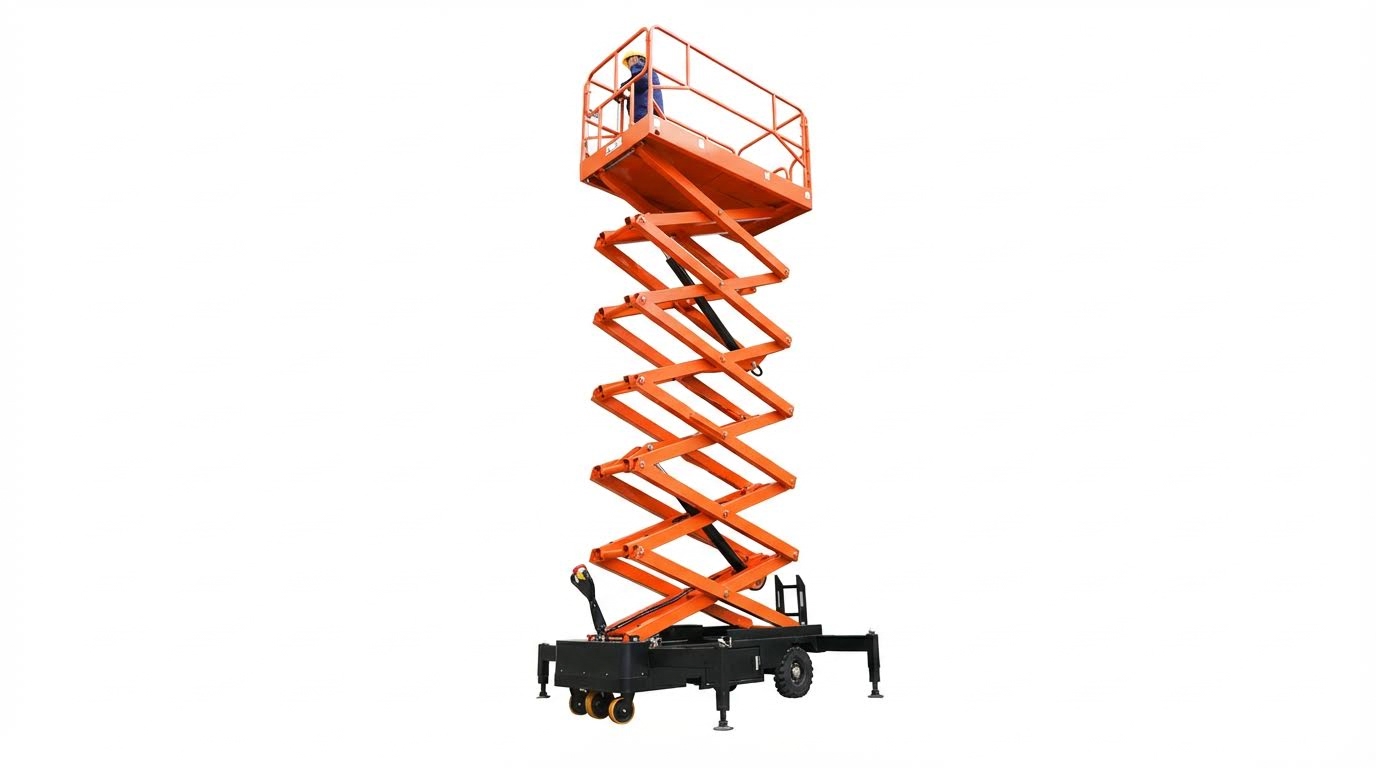
Scissor lifts operated as mobile scaffolds and as powered industrial trucks required an integrated safety and compliance strategy. OSHA classified scissor lifts under mobile scaffold rules, not aerial lifts, which directed employers to 29 CFR 1926.452(w) and related scaffold provisions, plus relevant powered industrial truck and MEWP standards. ANSI A92 series standards, manufacturer instructions, and workplace rules together defined the minimum technical baseline for design use, stability, and fall protection. Employers had to align internal procedures, training, and supervision with this combined framework to avoid regulatory gaps.
Best practice combined three pillars: correct classification and planning, controlled operation, and disciplined maintenance. Planning included surface assessment within 3° of level, wind and weather limits, traffic management, and verification of load ratings and occupant limits. Controlled operation required enforcing guardrail use, task‑based PFAS or restraint when needed, speed limits with raised platforms, and strict prohibition on travel over uneven or hazardous ground when elevated. Maintenance programs used structured daily, weekly, and monthly checks on hydraulic, structural, electrical, and battery systems, supported by periodic professional servicing and, increasingly, sensor‑based monitoring.
Compliance impacts extended beyond avoiding citations. Robust programs reduced tip‑overs, falls, and collision incidents, which lowered downtime, repair costs, and insurance exposure. Digital tools such as telematics, on‑board diagnostics, and early forms of digital twins supported predictive maintenance and better utilization tracking. Future trends pointed toward tighter integration of MEWP standards, more prescriptive electronic stability controls, and data‑driven enforcement informed by incident analytics. Organizations that treated scissor lifts as engineered systems rather than generic platforms were better positioned to adapt to rule changes and technology evolution while maintaining high productivity and safety performance.