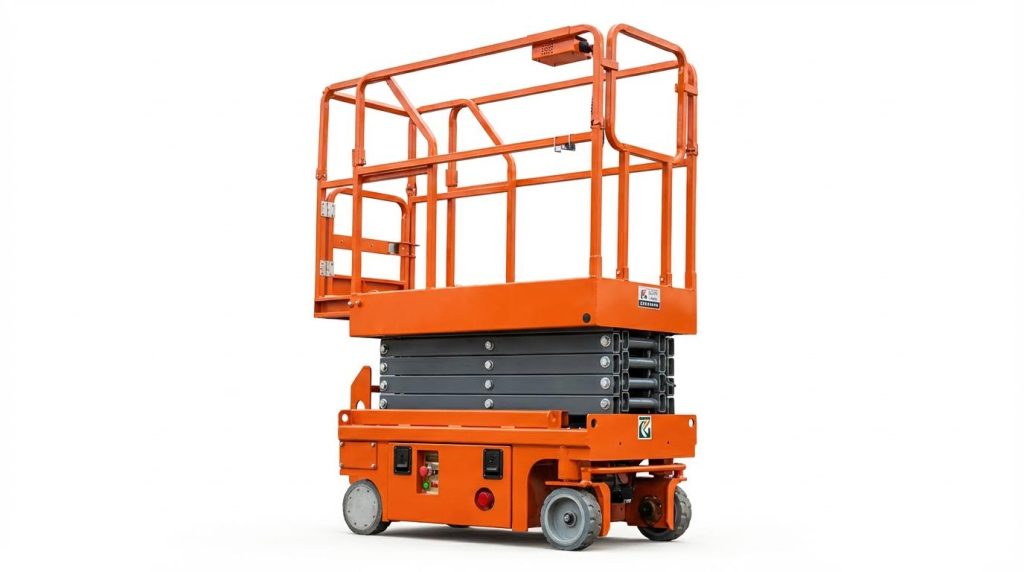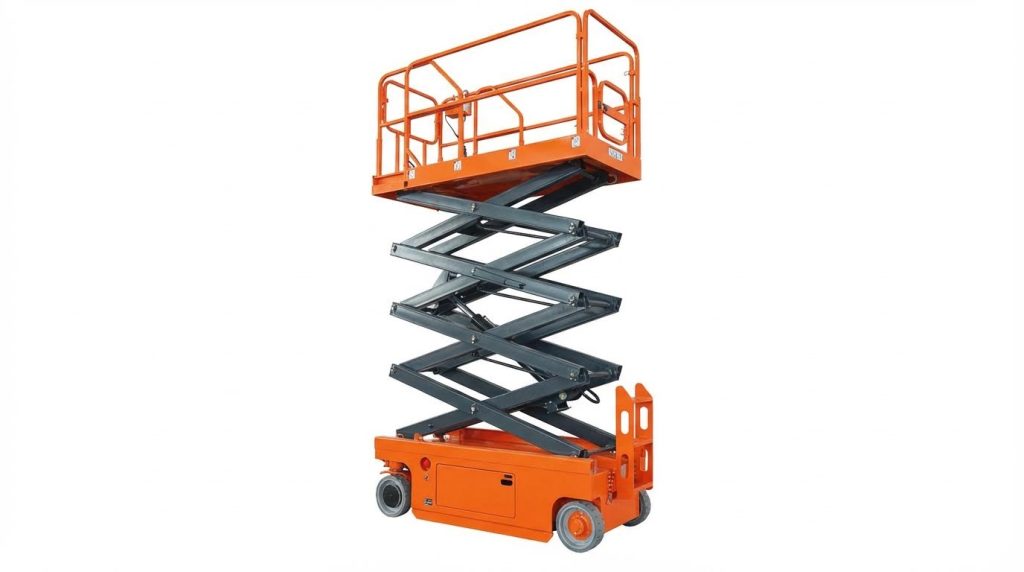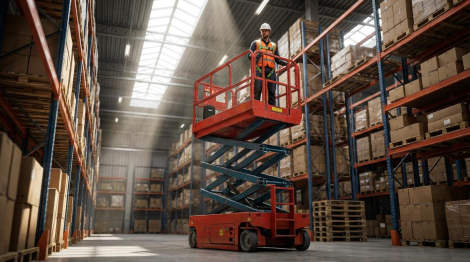
Scissor lift tables are widely used to bring pallet loads up to safe, ergonomic working heights, but many users still ask: can scissor lifts work with standard pallets efficiently and safely? This guide explains how lift tables interface with common pallet sizes, what engineering parameters matter most, and how to integrate them into real-world pallet workflows. You will see how capacity, platform size, stroke, and safety standards interact so you can match the right table to your pallets and handling equipment. By the end, you will have a clear, data-based checklist for specifying pallet-compatible scissor lift tables with minimal trial and error.
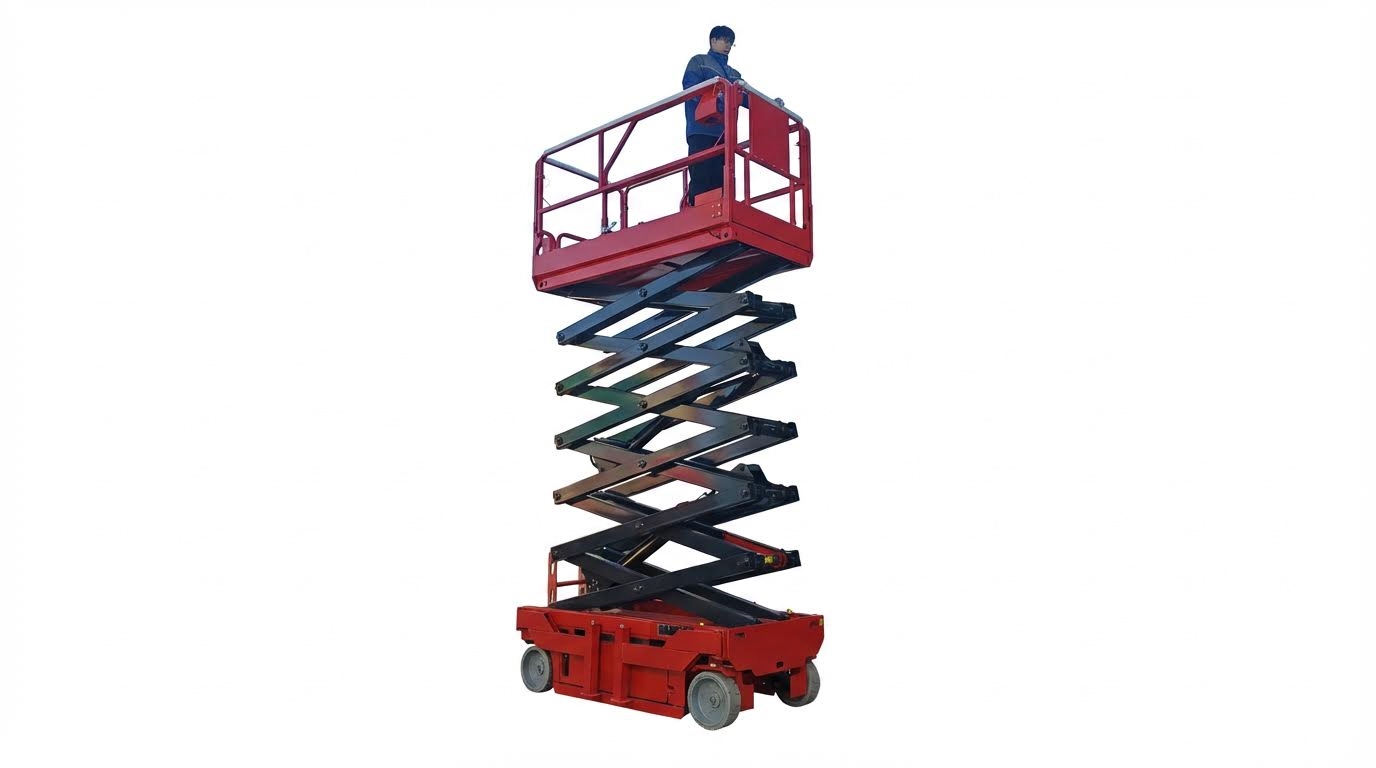
How Scissor Lift Tables Interface With Standard Pallets
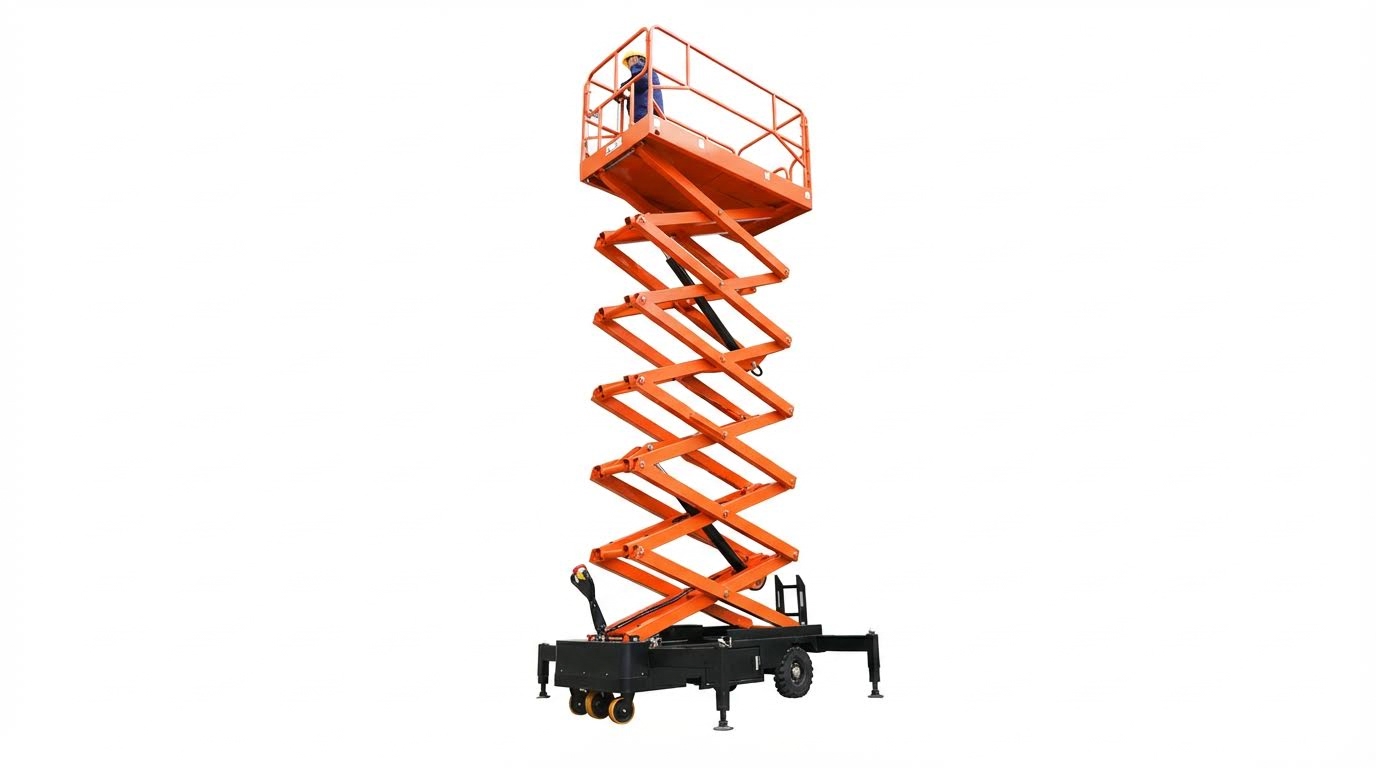
Standard pallet sizes and platform fit
When people ask “can scissor lifts work with standard pallets,” the real engineering question is platform fit and load envelope. The platform must cover the pallet footprint with a safety margin and still stay compact enough for stability. Typical standard pallets include 1200×800 mm (Euro), 1200×1000 mm, and 48″×40″ (GMA). Many industrial scissor platform lift tables are sized specifically around these formats. Common platforms range from about 1450×1200 mm to 1500×1300 mm, which comfortably covers most standard pallets with room to spare for overhang control.
A good engineering rule is to keep the platform at least 50–100 mm (2–4 in) larger than the pallet on all sides. This prevents deck overhang, improves load stability, and reduces the chance of edge damage. Oversizing the platform too much is also a risk, because a very large deck with a small, tall pallet can increase tipping moments at full lift height. Guidelines recommend 2–4 in extra clearance per side for palletized loads.
| Item | Typical value / range | Engineering note |
|---|---|---|
| Common pallet sizes served | 1200×800, 1200×1000 mm; 48″×40″, 48″×48″ | Fit within most standard scissor-lift platforms |
| Typical platform sizes | 1450×1200 to 1500×1300 mm | Designed to cover standard pallets with margin Cited platform data |
| Compact low-profile table sizes | 1200×800 to 1610×1000 mm | Suited to Euro and GMA pallets, lighter loads Cited platform data |
| Recommended clearance beyond pallet | ≈50–100 mm (2–4″) each side | Prevents overhang and improves stability Cited guideline |
| Typical load capacity range | ≈500–2000 kg for static tables | Covers most single-pallet loads in warehouses Cited capacity data |
Low-profile scissor lift tables with platform sizes from about 1200×800 mm up to 1610×1000 mm also handled standard pallets efficiently, especially in tight work cells or lighter-duty stations. These designs typically supported up to around 1000 kg, which suited many single-pallet packaging or kitting tasks.
Quick checklist for pallet–platform compatibility
- Confirm pallet size vs. platform size (aim for 50–100 mm clearance per side).
- Check rated capacity vs. heaviest pallet plus safety margin.
- Verify no pallet overhang at any edge at working position.
- Assess center-of-gravity height at maximum lift to avoid tipping risk.
- Ensure deck surface (smooth, rollers, or top frame) suits pallet material.
Open vs closed pallets and truck access
How scissor lift tables interface with standard pallets also depends on pallet base design and how you plan to load them. Open-bottom (stringer or partial perimeter) pallets allow fork entry and underside support from hydraulic pallet truck and some lift-table top frames. Closed-bottom or full-perimeter pallets sit more like a solid block and rely entirely on deck support from the scissor lift table.
Many high-lift scissor trucks and tables were optimized for open-bottom pallets, because forks or support legs could pass through the pallet openings and stabilize the load. Guidance noted that closed-bottom pallets often needed to sit directly on forks or a solid platform, with no under-clearance for legs.
- Open pallets
- Allow entry by pallet trucks and fork-style scissor tables through the bottom deck.
- Work well with U- or E-shaped low-profile tables designed for floor-level loading.
- Can be supported on multiple stringers; load distribution must still be checked.
- Closed or full-perimeter pallets
- Require a full, solid platform surface for uniform support.
- Cannot be straddled by legs or fork frames that need under-clearance.
- Often better suited to flat-top stationary scissor lift tables.
Low-profile, pit-free scissor lift tables were specifically designed so pallet trucks could roll on and off without ramps or pits. These units used very low closed heights and cut-out shapes to accept hydraulic pallet trucks directly, making them effective answers when teams asked “can scissor lifts work with standard pallets at floor level with pallet trucks.”
Engineering tips: matching pallet type to lift-table style
- For open pallets + pallet trucks: choose low-profile U- or E-shaped tables with floor-level access.
- For closed pallets: use full-deck stationary tables; avoid designs that rely on under-clearance.
- For mixed pallet fleets: specify a solid platform sized for the largest pallet; pair with a separate pallet truck or conveyor interface.
- Always verify that any fork or leg intrusions do not clash with pallet bottom boards or blocks.
Key Engineering Parameters For Safe Pallet Lifting
This section translates the question “can scissor lifts work with standard pallets” into hard engineering numbers. Focus on capacity, height range, and stability so your lift table, pallet, and operator all stay inside a safe envelope.
Load capacity, safety factors, and pallet weight
Correct capacity selection starts from the pallet, not the table. Combine pallet tare weight, load weight, and any fixtures, then apply a safety margin so the scissor platform never runs near its structural limit.
| Parameter | Typical engineering guidance / data | Why it matters for pallet lifting |
|---|---|---|
| Rated capacity range | Approx. 500–2000 kg for many static tables (500–2000 kg data) and up to 10,000 lb for heavy-duty units (1,000–10,000 lb) | Defines the maximum safe pallet weight including pallet, load, and tooling. |
| Recommended safety factor | Select a table rated at least 20% above the heaviest expected pallet load (≥20% margin) | Absorbs dynamic effects from loading, braking, and uneven distribution. |
| Example capacity sizing | If max palletized load is 3000 lb, choose ≥3600 lb rated table (3,000 → 3,600 lb) | Prevents overload and extends service life. |
| Platform size vs pallet | Platform should be 2–4 in (50–100 mm) larger than pallet on all sides (2–4 in clearance) | Minimizes overhang and edge loading that can overstress the table. |
To answer “can scissor lifts work with standard pallets” from a capacity standpoint, you need three checks:
- Calculate worst-case pallet weight (pallet + load + packaging + fixtures).
- Apply at least a 20% capacity margin when selecting the lift table.
- Verify the platform footprint so the pallet sits fully supported with no significant overhang.
Quick sizing checklist for pallet loads
Step 1 – Define load cases: inbound full pallets, outbound, partial, rework pallets.
Step 2 – Use the heaviest case: take the maximum measured or specified pallet weight.
Step 3 – Add margin: multiply by 1.2–1.3 to select rated capacity.
Step 4 – Confirm duty: high cycles per hour justify even higher margins to reduce fatigue.
Platform height, stroke, and ergonomic set‑up
For pallet handling, the critical dimension is the stroke from lowered height to maximum platform height. This must align with floor level, hydraulic pallet truck fork height, conveyors, and ergonomic working height.
| Parameter | Typical values / data | Implication for pallet work |
|---|---|---|
| Max platform height | Approx. 820–885 mm for many low-profile tables (820–885 mm) and around 800 mm for typical work-height tables (~800 mm) | Supports waist-height work for most operators, reducing bending. |
| Stroke length | About 750–970 mm for some low-profile scissor lift tables (750–970 mm stroke) | Determines how far you can raise a pallet from floor pick-up to working height. |
| Lifting time | Approx. 20–40 s depending on model and load (25–40 s) (~21 s) (20–35 s) | Affects cycle time and throughput when raising or lowering pallet loads. |
| Vertical travel range | Commonly 24–60 in, with some models up to 96 in (24–96 in travel) | Higher travel is needed when feeding multi-level racks or tall conveyors. |
To set up an ergonomic pallet workstation using a scissor lift table:
- Match maximum platform height to the 800–1000 mm range where operators can stack or depalletize with minimal bending.
- Ensure the minimum lowered height works with your pallet truck or AGV fork height so the pallet can be loaded safely onto the platform.
- Check that the stroke covers all transfer points: floor, dock, conveyor, or machine infeed.
Ergonomic tuning tips for pallet stations
Operator height: Taller operators may need slightly higher working heights; shorter operators may need lower settings. Use adjustable stops when available.
Task type: Picking from top of pallet vs. building a pallet from empty changes the ideal start height; consider progressive height adjustment during the job.
Cycle frequency: Higher cycles amplify ergonomic benefits; prioritize stroke and control smoothness where operators handle many pallets per shift.
Stability, safety standards, and pallet load distribution
Even when capacity and height are correct, stability and compliance determine whether a scissor lift table is truly safe for pallet use. Poor load distribution or ignoring standards can turn a routine lift into a tipping risk.
| Aspect | Key data / guidance | Impact on pallet handling |
|---|---|---|
| Safety standards | Many tables are designed to comply with EN 1757‑2 and ANSI/ASME standards (EN1757‑2, ANSI/ASME) | Defines minimum requirements for stability, guarding, and overload protection. |
| Safety features | Anti-pinch scissor design, overload protection, and mechanical safety blocks (anti-pinch, overload, blocks) | Reduce risk to operators during operation and maintenance. |
| Automatic stabilizers | High-lift trucks often engage stabilizers above ~400 mm to improve stability (stabilizers above 400 mm) | Important when handling tall or uneven pallet loads at elevated heights. |
| Load placement | Loads must be centered and evenly distributed on the platform (center and distribute load) | Off-center pallets increase tipping and structural stress. |
| Work area conditions | Operate mobile tables only on solid, flat ground (flat ground) | Uneven floors amplify side loads, especially with tall pallets. |
Good pallet load distribution is as important as capacity:
- Keep the pallet fully supported within the platform footprint with no significant overhang.
- Place the pallet so its center of gravity is near the geometric center of the table.
- Avoid stacking pallets or loads so high that the center of gravity rises excessively relative to the base size.
Practical stability and safety checklist
Before lifting: Confirm pallet weight is within rated capacity, and visually check the load is secure and not leaning.
During lifting: Keep personnel clear of the scissor mechanism and under the platform; use emergency stop if abnormal noise or motion appears (noise and speed issues).
Maintenance: Use safety wedge blocks or arms when working under the platform and follow hydraulic maintenance intervals to avoid performance loss (safety blocks) (hydraulic maintenance).
When you combine correct capacity, ergonomic stroke, and disciplined load distribution, the engineering answer to “can scissor lifts work with standard pallets” is yes—provided the table is sized, installed, and operated within these parameters.
Specifying And Integrating Lift Tables In Pallet Workflows
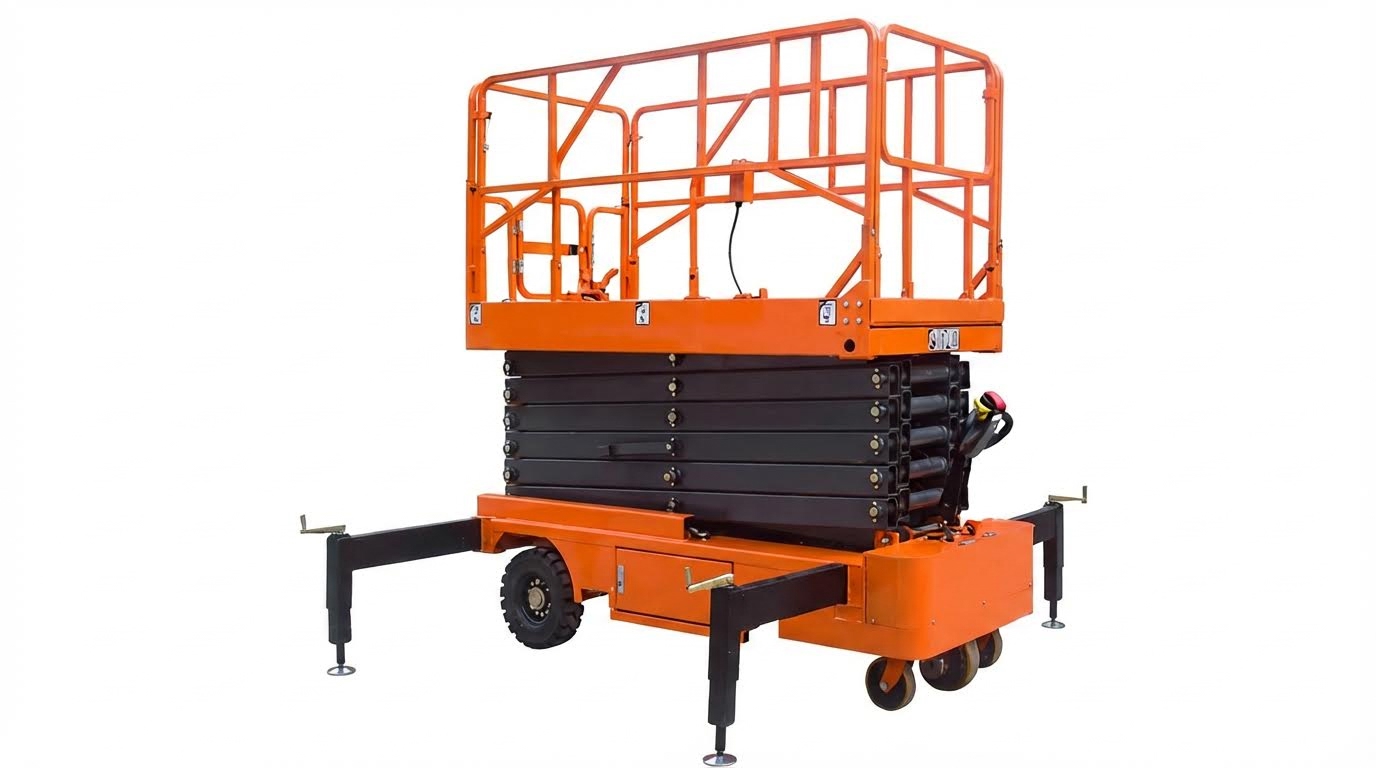
Selecting table types for floor-level pallet access
When people ask “can scissor lifts work with standard pallets”, the real question is which table type fits floor-level loading without slowing the line. The choice depends on how the pallet arrives (pallet truck, forklift, conveyor) and whether you can tolerate a pit. Use the points below to match table types to your pallet workflow.
- Low-profile scissor lift tables
- Best where you want near floor-level loading without a pit.
- Typical max load around 1000 kg with platforms from 1200×800 mm up to 1610×1000 mm, which suits standard pallets. Data on low-profile capacities and sizes
- Good match where only pallet trucks are used and loads are moderate.
- E-type / U-type open-center lift tables
- Open center allows a pallet truck to drop a pallet between the arms so the pallet sits on the floor or support bars.
- Low-profile design removes the need for a pit and stays compatible with hydraulic pallet trucks. Low-profile pallet-truck compatible design
- Ideal when you must load from floor level with standard pallet trucks only.
- Standard stationary scissor lift tables
- Used where pallets arrive by forklift or conveyor, or where a shallow pit is acceptable.
- Load capacities typically 500–2000 kg with platforms about 1450×1200 to 1500×1300 mm, which comfortably covers common pallet sizes. Example capacity and platform range
- Best for fixed stations like dock lifts, packing cells, or line feeding.
- High-capacity / heavy-duty tables
- Used when pallet loads are very heavy or variable, or when you stack pallets high.
- Industrial tables frequently cover 1000–10,000 lb ranges, so you can apply at least 20% capacity margin above the heaviest pallet. Typical scissor table load ranges Capacity selection guideline
- Choose when you have mixed pallet types, uneven loads, or impact loads from conveyors.
Key selection checks for floor-level pallet access
Before final selection, confirm:
- Platform is at least 50–100 mm larger than pallet on all sides to avoid overhang and improve stability. Recommended clearance around pallets
- Lowered height matches your pallet truck or conveyor interface so operators do not drag loads or ramp excessively.
- Lift time (often 20–40 s) matches takt time so the table does not become a bottleneck. Example 25–40 s lift times Example 21 s lift time
Integration with pallet trucks, conveyors, and AGVs
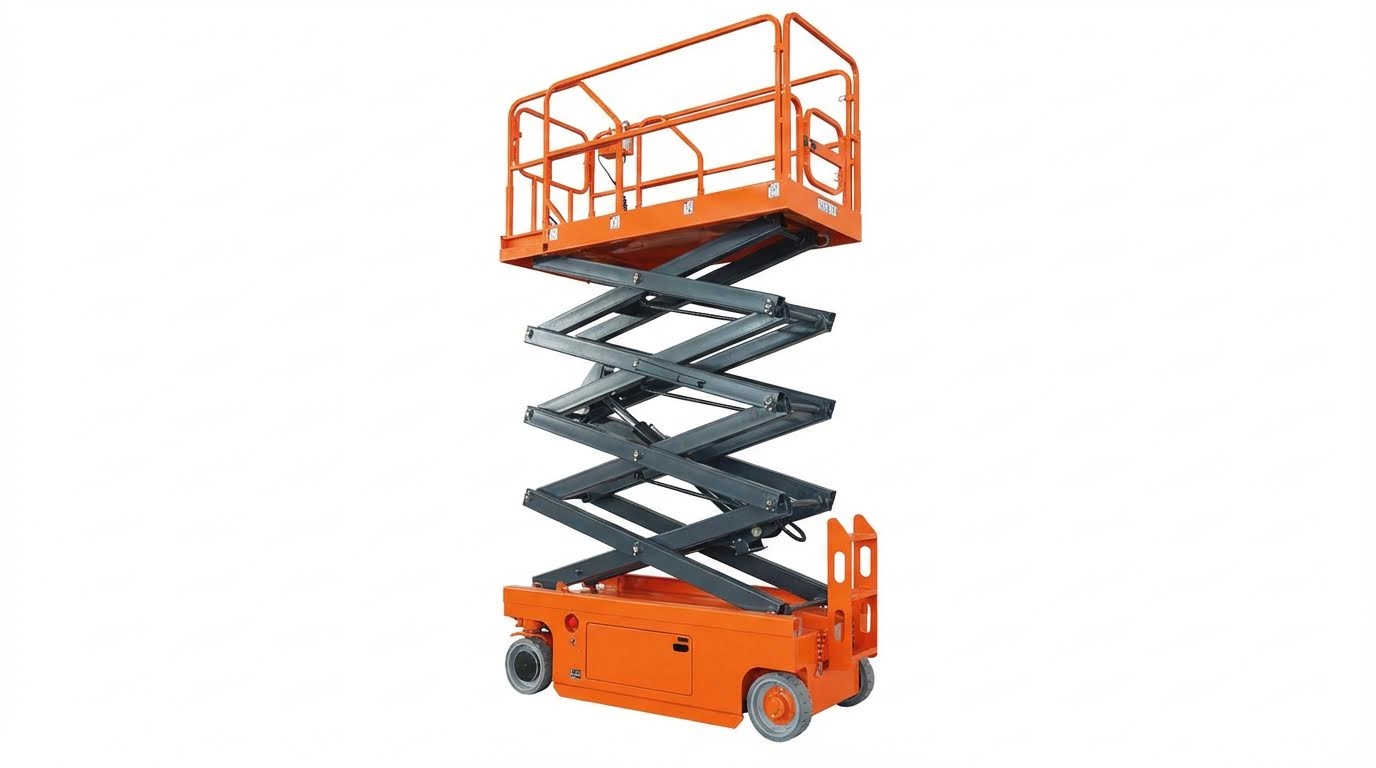
Once you know that scissor lifts can work with standard pallets, the next step is clean integration with your transport equipment. The goal is to keep the pallet stable while minimizing transfer time and manual handling. Use the tables and lists below to engineer the interfaces.
| Interface method | Key design points | Typical technical ranges / notes |
|---|---|---|
| Pallet trucks (manual or powered) |
|
|
| Conveyors (roller or belt) |
|
|
| AGVs / AMRs |
|
|
Beyond geometry, you must align power, controls, and safety between the lift table and the rest of the system. This keeps pallet movements predictable and reduces downtime.
- Power and control integration
- Most stationary tables use AC supplies (for example, 380 V with ~1.1 kW motors) and lift in roughly 20–35 seconds depending on configuration. Example power and lift time data
- Battery-powered units are suitable where AGVs or mobile pallet trucks operate and floor power is limited, with typical run times of 8–12 hours per charge. Battery-powered operation info
- Integrate interlocks with conveyors or AGVs so motion only starts when the lift is in the correct position.
- Safety and maintenance in integrated systems
- Use anti-pinch scissor designs, overload protection, and mechanical maintenance props to protect operators during pallet work. Example safety feature set
- Inspect hydraulic and structural components regularly, especially where high-throughput pallet flows generate frequent cycles. Inspection and safe-use guidance
- Ensure even pallet load placement on the platform to avoid tipping when interfacing with conveyors or AGVs. Guidance on load placement
Quick engineering checklist for pallet workflow integration
- Confirm platform size vs pallet footprint and required clearance.
- Verify lowered and raised heights vs pallet trucks, conveyors, and AGVs.
- Apply ≥20% capacity margin over the heaviest pallet in the route. Capacity selection guideline
- Match lift speed to line takt time and buffer strategy.
- Integrate controls and interlocks with surrounding equipment.
- Define inspection and maintenance intervals tied to pallet cycle counts.
Final Considerations For Pallet-Compatible Scissor Lifts
Scissor lift tables can handle standard pallets safely when geometry, capacity, and workflow all align. Platform size must suit the pallet footprint with controlled clearance, so loads sit fully supported without excess overhang. Correct stroke and height then bring the pallet into the ergonomic window, cutting bending and twist for operators and improving throughput.
Capacity and stability work together. Engineers must size tables from the heaviest pallet case, add at least a 20% margin, and keep the center of gravity low and centered. Compliance with recognized safety standards and use of guards, overload protection, and mechanical locks turn that sizing into robust, repeatable performance.
Integration finally decides real-world success. Matching table type to pallet style, pallet trucks, conveyors, or AGVs removes awkward transfers and impact loads. Controls, power, and interlocks should support a simple, repeatable sequence that operators can follow without shortcuts.
The best practice is clear. Treat pallet-compatible scissor lifts as engineered stations, not generic platforms. Define pallet types, weights, and routes in detail, then select Atomoving lift tables with the right platform envelope, stroke, and safety features. When you do that, pallet lifting becomes predictable, ergonomic, and safe shift after shift.
Frequently Asked Questions
Can scissor lifts work with standard pallets?
Scissor lifts are not typically designed to handle standard pallets like forklifts. However, they can be used for lifting pallets if equipped with the appropriate attachments or platforms that can securely hold the pallets. Always ensure the load is within the lift’s weight capacity and evenly distributed to avoid instability.
What safety measures should be followed when using scissor lifts?
When using scissor lifts, it’s important to follow OSHA guidelines to ensure safety. Workers must be trained and certified before operating a scissor lift. Training should cover recognizing hazards and safe operation practices. Additionally, guardrails should be in place, and if not, a full-body harness or fall restraint system is recommended. Scissor Lift Safety Guide.
What are common issues with scissor lifts and how to address them?
Common issues with scissor lifts include problems related to uneven or unstable ground conditions. Operating on soft, sloped, or uneven surfaces can compromise stability and increase the risk of tipping. To mitigate these risks, always use scissor lifts on stable and level surfaces, and avoid elevating the platform on inclined ground. Scissor Lift Troubleshooting Tips.