
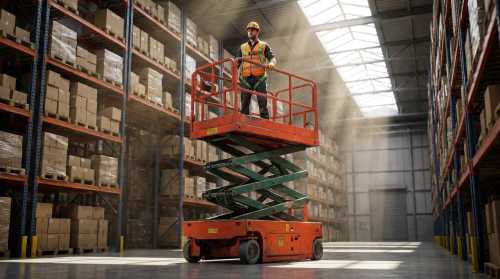
If you are asking “what is aerial work platform” in practical, jobsite terms, this guide walks you through the essentials. You will see how different aerial platform (AWPs) are built, how they move, and where each type makes sense to use. Along the way, we will connect working height, outreach, and platform capacity to real-world applications and safety duties. Use this as a fast, engineering-driven primer before you rent, buy, or put people in the air on your next project.
What Aerial Work Platforms Are And How They Work
Core definition and main AWP categories
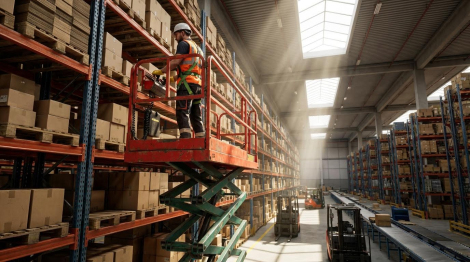
When people ask “what is aerial work platform,” they usually mean any powered device that lifts workers, tools, and materials to elevated positions safely. In standards language, these are mobile elevating work platforms (MEWPs) or aerial devices used for temporary access above ground. They replace ladders and scaffolds where frequent repositioning, higher reach, or better fall protection is needed.
Aerial devices were defined to include several main types. These core categories help you match the right machine to the task and site.
- Extensible (telescopic) boom platforms – Straight booms that extend linearly to reach high or far-out positions. They are common for steel erection, façade work, and maintenance where long horizontal outreach is critical. Typical working heights run from about 10 m up to over 28 m for self-propelled units with compact, drivable designs.
- Articulating boom platforms – Multi-jointed booms that “knuckle” over and around obstacles. They often support about ±180° horizontal rotation and 60°–75° vertical lifting, with horizontal reach around 10 m and vertical working heights roughly 12–45 m to operate around obstacles in complex terrains.
- Aerial ladders – Ladder-style structures mounted to vehicles, typically used where fast deployment and simple up-and-down access are more important than complex outreach.
- Vertical towers / vertical masts – Compact vertical lifts that travel almost straight up and down. They are ideal indoors where floor space is tight and outreach needs are small.
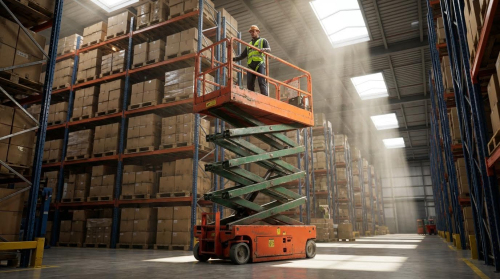
- Scissor lifts – Platforms that move vertically on cross-braced “scissor” mechanisms. They offer high platform capacities and generous deck space, but little or no horizontal outreach.
- Combination devices – Machines that mix features, such as a boom plus an aerial ladder or a boom mounted on a truck chassis for road travel.
Most of these devices can be self-propelled, trailer-mounted, or vehicle-mounted. Self-propelled aerial platform typically offer working heights from about 10 m (33 ft) to more than 28 m (92 ft) and can be driven from the platform in many boom positions, which improves productivity on large sites thanks to compact, maneuverable chassis.
Vehicle-mounted vs. self-propelled vs. trailer lifts (quick overview)
Vehicle-mounted lifts are ideal for road-based service work where you must drive between sites quickly. Self-propelled units suit construction and industrial plants where you reposition frequently within one site. Trailer lifts work well when you need occasional access and want to tow the unit with a light vehicle rather than invest in a dedicated chassis.
Key components and motion systems
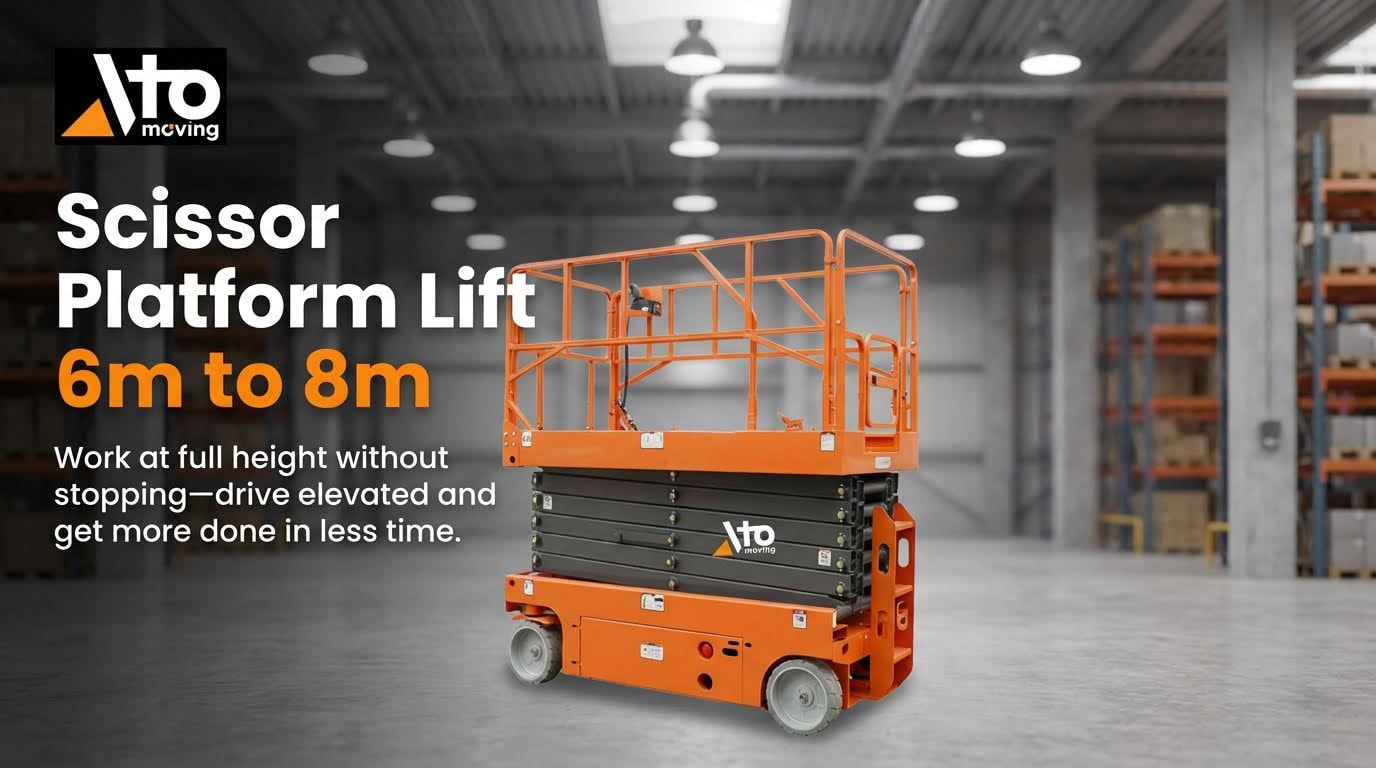
Regardless of type, aerial work platforms share a common set of structural elements and motion systems. Understanding these makes it easier to compare models and assess safety for your application.
| Component / System | Main Function | Typical Engineering / Safety Notes |
|---|---|---|
| Chassis / base | Supports the superstructure and carries all loads into the ground. | May use narrow chassis and 4WD for tight or rough sites to improve maneuverability. |
| Outriggers / stabilizers | Increase base width and stability when deployed. | Must be placed on pads or solid surfaces; wheel chocks are required on inclines for stability according to safety regulations. |
| Boom / scissor / mast structure | Provides vertical lift and horizontal outreach. | May be telescopic, articulating, or scissor-type; some reach 12–45 m vertically with around 10 m horizontal radius for complex work sites. |
| Platform / basket | Holds personnel, tools, and materials at height. | Safe working loads commonly range from about 200 kg to over 400 kg depending on model to match operational needs. |
| Guardrails and entry gates | Provide primary fall protection on the platform. | Guardrail systems are mandatory; workers must stand firmly on the platform floor and not on ladders or planks because external devices compromise stability. |
| Drive system | Moves the machine around the work site. | Self-propelled units may be driven while elevated if the surface is clear of hazards like holes, drop-offs, or debris and the manufacturer allows it. |
| Power source | Supplies energy for lifting and driving. | Common options include battery, mains, petrol, diesel, bi-energy (battery & diesel), and hybrid systems to match environmental and duty-cycle needs. |
| Hydraulic / electric actuators | Convert power into boom or scissor movement. | Hydraulic circuits typically drive lift and slew; electric drives are common in indoor, low-noise applications. |
| Control systems | Allow the operator to command motion and functions. | Proportional controls give fine speed regulation for smooth, precise positioning and safer operation near obstacles. |
| Safety and stability systems | Prevent overturning, collisions, and overload. | Include tilt sensors, load limiters, anti-collision sensors, and interlocks; some models are rated for about 3.5° tilt indoors and outdoors to ensure stability on mild slopes. |
From a motion standpoint, most aerial work platforms use hydraulic cylinders to raise, lower, and articulate the structure. Telescopic booms extend and retract through nested sections, while articulating booms pivot at joints to “fold” around obstacles. Some units add fly-booms and platform rotation to fine-tune position without moving the chassis and maximize reach and working angles.
- Horizontal rotation (slew) – The superstructure can rotate about the vertical axis, often up to ±180° or more on articulating booms, which lets operators service a wide work envelope from one setup point without repositioning the chassis.
- Vertical lift – Cylinders or screw mechanisms raise the boom, mast, or scissor stack to reach the design working height range, typically from around 10 m for compact units up to more than 28 m for larger self-propelled platforms in industrial and construction environments.
- Outreach and articulation – Boom geometry, plus any telescopic sections, sets the maximum horizontal outreach, which can span roughly 3.2 m to over 21 m depending on the model to access distant work faces.
- Platform rotation and leveling – Many platforms rotate relative to the boom and auto-level to keep the floor horizontal, which improves ergonomics and reduces fatigue at height.
Safe motion depends on proper control and training. Controls for extensible and articulating boom platforms must be tested daily before use to confirm they are in safe working condition as part of routine checks, and only trained individuals are allowed to operate aerial lifts under safety regulations to reduce accident risks.
Why load limits and tilt ratings matter
Platform capacity and tilt rating directly affect stability. Manufacturers specify safe working loads, often around 200–400 kg for many models, and these limits must not be exceeded to maintain structural integrity and prevent tipping. Likewise, if a unit is rated for a maximum tilt of about 3.5° indoors and outdoors, operating beyond that angle can move the combined center of gravity outside the support polygon, sharply increasing overturn risk.
Comparing AWP Types, Performance, And Powertrains
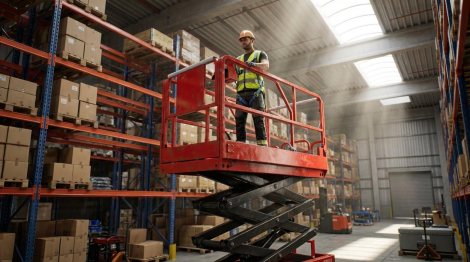
This section compares the main aerial work platform types and how they differ in reach, capacity, and powertrains. Understanding these differences helps you answer “what is aerial platform best suited to my job?” and avoid under‑ or over‑specifying equipment.
Scissor lifts vs boom lifts vs vertical masts
These three families cover most day‑to‑day elevated access needs. They differ mainly in how they move, how far they reach, and how much weight they carry.
| AWP type | Typical motion pattern | Best use cases | Strengths | Limitations |
|---|---|---|---|---|
| Scissor lift | Vertical up/down only | Slab work, stock picking, MEP install, façade work with straight access | High platform capacity; simple, robust design; good for wide platforms | No horizontal outreach; needs to be directly under work area |
| Articulating / telescopic boom lift | Vertical + horizontal outreach; up‑and‑over capability | Work over obstacles, around structures, in congested plants and yards | Long outreach (up to ~21 m on many models) and flexible positioning; can operate in complex terrains | Higher purchase price and maintenance; higher ground bearing demands |
| Vertical mast lift | Compact vertical mast, small outreach (if any) | Indoor maintenance, tight aisles, light‑duty service work | Very compact; low weight; good in narrow spaces | Lower capacity and working height; limited outreach |
Articulating booms often offer ±180° horizontal rotation and 60–75° vertical lifting, with horizontal reach around 10 m and working heights from roughly 12 to 45 m. These kinematics let you work around obstacles and over machinery.
When to choose each type
Choose a scissor lift if:
- You work mainly straight up from a flat slab.
- You need high platform capacity for people + materials.
- You want simple operation and lower maintenance.
Choose a boom lift if:
- You must reach over obstacles (pipes, conveyors, roofs).
- The workface is offset horizontally from safe machine position.
- You need to reposition at height on complex sites.
Choose a vertical mast if:
- Space is very tight (warehouses, plant rooms).
- Loads are light and heights are moderate.
- Floor loading limits rule out heavier machines.
Working height, outreach, and platform capacity
Working height, outreach, and capacity define how safely and efficiently an AWP can perform a task. They also influence machine weight and ground loading.
| Key parameter | Typical range / data | Engineering impact | Selection tip |
|---|---|---|---|
| Working height | Self‑propelled platforms cover roughly 10 m to over 28 m working height in compact, drivable units. | Higher working height increases boom length, weight, and overturning moment. | Specify working height as “platform height + person reach” and add safety margin. |
| Horizontal outreach | Many boom models offer about 3.2 m to 21.45 m maximum outreach. This allows access to distant work areas. | Outreach drives tipping risk and dictates outrigger or counterweight sizing. | Map your job geometry: horizontal offset from machine to workface is often the limiting factor. |
| Platform capacity (SWL) | Typical safe working load is about 200–408 kg on many units. This covers 1–3 people plus tools. | Higher SWL increases structural section sizes, hydraulic cylinder forces, and total machine mass. | Calculate worst‑case load (people + tools + materials) and apply at least 25–30% engineering margin. |
| Machine weight | Minimum weight on self‑propelled models can vary from about 2,540 kg to 14,460 kg. This strongly affects transport and setup. | Higher weight raises ground pressure and may exceed floor bearing limits. | Check slab and soil bearing capacity; use spreader plates where needed. |
- Never exceed the published basket or boom load limits. These limits are part of the structural safety case and must not be overridden. Regulations require strict compliance.
- Guardrails and firm footing on the platform are mandatory; external devices like ladders on the platform are prohibited because they compromise stability. This is a common cause of falls.
Quick sizing checklist for height & capacity
To match an aerial work platform to your task, work through these steps:
- Measure floor level to work point (in metres or feet).
- Add operator reach (typically 1.5–2.0 m / 5–6.5 ft).
- Check horizontal offset from safe machine position to work point.
- List all people, tools, and materials on the platform and sum the mass.
- Compare against working height, outreach, and SWL charts for candidate machines.
Power options, controls, and stability systems
Powertrain choice affects emissions, noise, runtime, and operating cost. Controls and stability systems determine how safely operators can use that performance.
| Power option | Typical use environment | Key advantages | Main trade‑offs |
|---|---|---|---|
| Battery electric | Indoor work, low‑emission sites, noise‑sensitive areas | Zero on‑site emissions and low noise. Electric models have low daily energy costs compared with diesel equipment. This reduces total operating cost. | Limited runtime per charge; requires charging infrastructure and battery management. |
| Mains electric (corded) | Fixed work zones with power supply | Unlimited runtime while connected; very low operating noise and emissions. | Tethered by cable; limited range; trip hazards if routing is poor. |
| Diesel / petrol | Outdoor construction and rough terrain | High power density and long runtime; good for remote sites. | Exhaust emissions, higher noise, and higher fuel cost per hour. |
| Bi‑energy / hybrid | Mixed indoor–outdoor duty cycles | Can run on battery indoors and engine outdoors. Self‑propelled platforms are available with battery, mains, petrol, diesel, bi‑energy, and hybrid systems for flexibility. This suits varying site conditions. | More complex system; higher initial cost and more components to maintain. |
Modern self‑propelled units often include telescopic booms, fly‑booms, and platform rotation to maximize reach and positioning. Narrow chassis choices and 4WD improve maneuverability in industrial plants and on construction sites. These features directly impact job productivity.
- Proportional controls allow fine, smooth motion so operators can position the basket precisely. This is critical near sensitive equipment.
- Anti‑collision sensors, tilt sensors, and interlocks help prevent contact with obstacles and unsafe angles. These systems significantly reduce incident risk.
- Indoor and outdoor tilt ratings are often around 3.5° on some models, and must not be exceeded to maintain stability. Always respect the published limits.
Stability and operating safety essentials
To operate any aerial work platform safely, apply these rules:
- Set brakes and deploy outriggers on solid pads or suitable ground before elevating. Use wheel chocks on inclines. This is a regulatory requirement.
- Test all controls daily before use to confirm safe working condition. Only trained personnel may operate AWPs.
- Do not move the machine with the boom elevated unless it is specifically designed and rated for elevated travel and the surface is free of hazards. This prevents tip‑overs and collisions.
These engineering and regulatory controls are central to understanding what is aerial work platform in a practical, jobsite context: a system that combines reach, power, and built‑in safety to position people where they need to work.
Final Thoughts On Selecting Safe, Efficient AWPs
Choosing an aerial work platform is not just a question of reach or price. You must match machine geometry, structure, and powertrain to the real job envelope, ground conditions, and load case. Working height and horizontal outreach set overturning moments, so they drive chassis width, outrigger design, and total weight. Platform capacity fixes structural sizing and hydraulic forces, which affects ground bearing pressure and floor loading checks.
Stability systems, tilt limits, and load sensors only work if you respect their ratings. Operators must stay within the support polygon, keep within tilt limits, and never exceed safe working load. Guardrails, firm footing, and correct use of controls turn that engineered stability into real safety at height.
For engineering and operations teams, the best practice is simple. Start with task geometry and worst‑case load. Check soil or slab capacity. Then select the AWP type, power source, and safety options that satisfy those numbers with clear margin. Finally, back the equipment choice with formal training, daily inspections, and strict rule enforcement. When you follow this process, modern platforms from suppliers like Atomoving deliver safe, efficient access and predictable lifecycle cost on every project.
Frequently Asked Questions
What is an Aerial Work Platform?
An aerial work platform (AWP), also known as a mobile elevating work platform (MEWP) or scissor lift, is a mechanical device used to provide temporary access for people or equipment to elevated areas. Aerial Lift Guide.
What are the main uses of an Aerial Work Platform?
Aerial work platforms are mainly used to safely move workers vertically and to different locations in industries like construction, retail, entertainment, and manufacturing. They help reach high work areas efficiently. OSHA Scaffolding Guide.
Are harnesses required when using an Aerial Work Platform?
While OSHA doesn’t require safety harnesses for scissor lifts if guardrails are in place, some job sites may mandate their use. Always check specific site rules before operating. Scissor Lift Safety Guide.
What are the most common accidents involving Aerial Work Platforms?
Common accidents include tip-overs, falling objects, and overhead hazards. Proper training and adherence to safety protocols can help prevent these incidents. Safety Training Tips.