
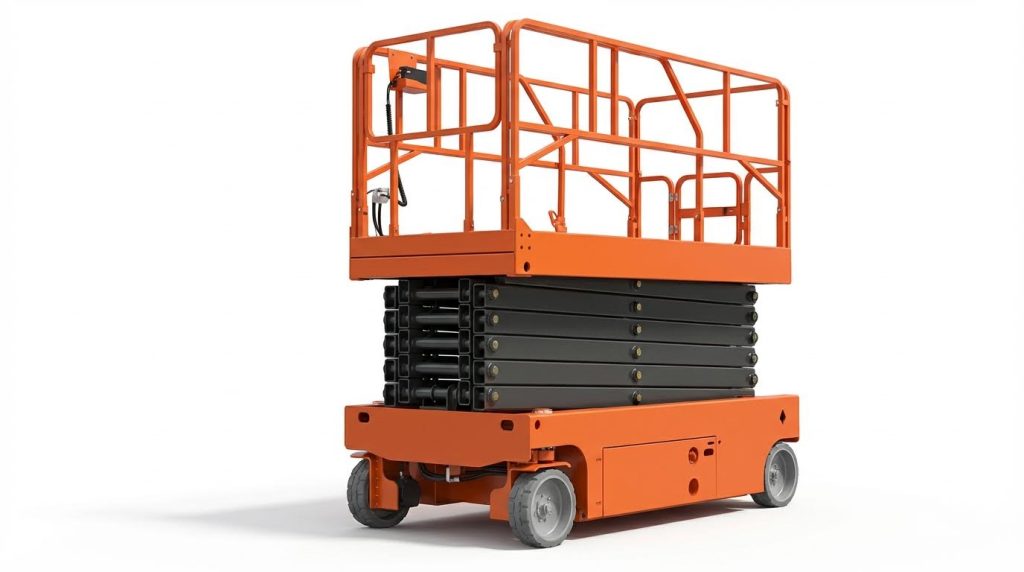
If you are asking “do you need a license for a scissor lift,” the answer depends on OSHA rules, ANSI standards, and your local jurisdiction. This guide explains what “license” really means for scissor platform lift, when formal certification is mandatory, and how training and evaluation must be structured for safe operation. You will see how technical topics like stability, fall protection, and inspections translate into day‑to‑day employer duties and site procedures. Use it as a practical framework to keep your people compliant, your equipment correctly specified, and your projects moving without avoidable safety stops.
What “License” Means For Scissor Lift Operation
OSHA, ANSI, And What The Law Actually Requires
When people ask “do you need a license for a scissor lift,” they are usually mixing three ideas: OSHA-required training, employer-issued authorization, and any state or local operator license. Federal OSHA rules do not issue a wallet “license,” but they do require that employers train, evaluate, and certify every operator before they use a scissor platform in the workplace.
Under OSHA’s powered platform and aerial device rules, training must cover hazard recognition, safe use of fall protection, and written procedures based on the manufacturer’s manuals, and the employer must certify the training with the operator’s identity, trainer’s signature, and completion date. Employers must keep these records for the duration of employment. ANSI A92 standards add best-practice expectations for safe use (A92.22) and training (A92.24) for all mobile elevated work platforms, including scissor lifts, and are widely treated as the engineering benchmark for what “proper” training and supervision look like. ANSI A92 updates in 2018 made structured safe-use and training programs an industry norm. State and local authorities can go further and require formal operator cards or proof of training on site, so a complete compliance strategy must look at OSHA, ANSI, and any local rules together.
When Certification Is Legally Mandatory
From a legal standpoint, the answer to “do you need a license for a scissor lift” is that you must not operate one at work until you are trained, evaluated, and documented as competent. OSHA requires operators of aerial platforms and scissor-type platforms to receive task-specific training from a competent person, including hazard recognition and the safe use of personal fall arrest systems, and the employer is required to certify that training in writing. Records must identify the operator, bear the trainer’s or evaluator’s signature, and show the completion date. In practice, this employer-issued certificate or card functions as your “license” on that equipment and site. Some jurisdictions also mandate formal scissor lift credentials: for example, certain US states require approved courses and proof of current certification on construction sites, and UK regulations expect operators to hold an accepted MEWP qualification such as a 3a category card valid for five years. UK employers must ensure only trained and competent people operate scissor lifts and hiring companies often ask to see proof. Whenever a standard, regulation, project specification, or rental contract says “trained and certified operator required,” formal certification becomes legally and commercially mandatory, and allowing untrained personnel to operate the lift can trigger fines, stop-work orders, and serious liability after an incident.
Technical Training, Evaluation, and Safety Standards
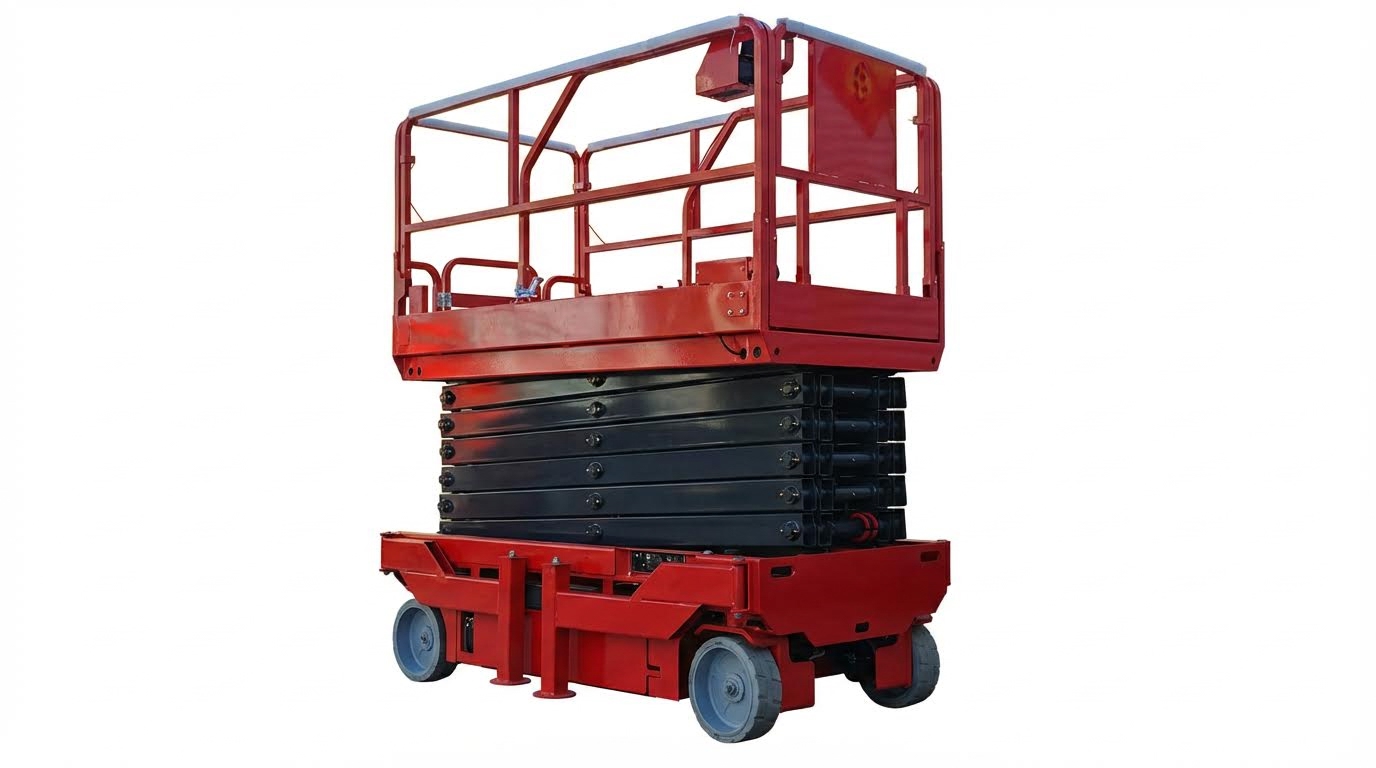
Core training content and skills assessment
When companies ask do you need a license for a scissor lift, they are usually referring to OSHA- and ANSI-compliant operator training and evaluation. Core training must cover equipment functions, load limits, fall protection, hazard recognition, and emergency procedures, delivered through both classroom and hands-on instruction OSHA scissor lift certification requirements. Operators must demonstrate they can read and follow the manual, perform pre-use checks, maneuver safely, and apply shutdown and emergency lowering procedures under observation Practical assessment requirements. Typical programs include a written test (often ≥70% to pass) and a practical evaluation in a real or simulated work area, usually completed within 1–2 days Training components and certification process. Refresher or remedial training is required if unsafe operation is observed, after an incident, or when conditions, equipment, or procedures change Refresher training necessity.
Inspection, stability, and fall protection engineering
Technical training must ensure operators can complete a methodical pre-operation inspection, including tires, hydraulic components, structure, platform, controls, and verifying that data plates and decals are legible and accurate Pre-operation inspection items. Stability content should cover working only on firm, level surfaces, observing manufacturer load ratings, and using traffic control to prevent vehicle impact; operators must not use the lift in high winds, with common guidance to stop exterior work above roughly 25–28 mph Stabilization guidelines Wind speed restrictions.
Fall protection engineering focuses on correct use of guardrails, standing only on the platform, and, where required, personal fall arrest systems that meet OSHA criteria, including training on inspection, care, and use before first use or after modification Guardrail and fall protection measures Personal fall arrest systems. Positioning training also covers clearance from fixed objects, moving vehicles, and electrical sources to avoid crushing and electrocution hazards Positioning safety protocols.
Recordkeeping, recertification, and trainer competence
From a compliance standpoint, the “license” behind do you need a license for a scissor lift is the employer’s documented certification that training and evaluation occurred. OSHA requires records identifying the operator, the trainer/evaluator’s signature, and the date of completion, retained and available for review Evaluation and certification records.
Many standards and training schemes use a 3–5 year validity period, with mandatory refresher training at least every three years or sooner after accidents, near misses, or observed unsafe operation Refresher training frequency OSHA certification validity period. Trainers themselves must be qualified through a combination of knowledge, formal training, and experience in powered industrial equipment and in evaluating operators’ performance Trainer qualifications. Robust documentation and competent trainers are critical not only for safety performance but also for defending against regulatory penalties and liability claims if an incident occurs.
Employer Duties, Site Conditions, And Equipment Selection
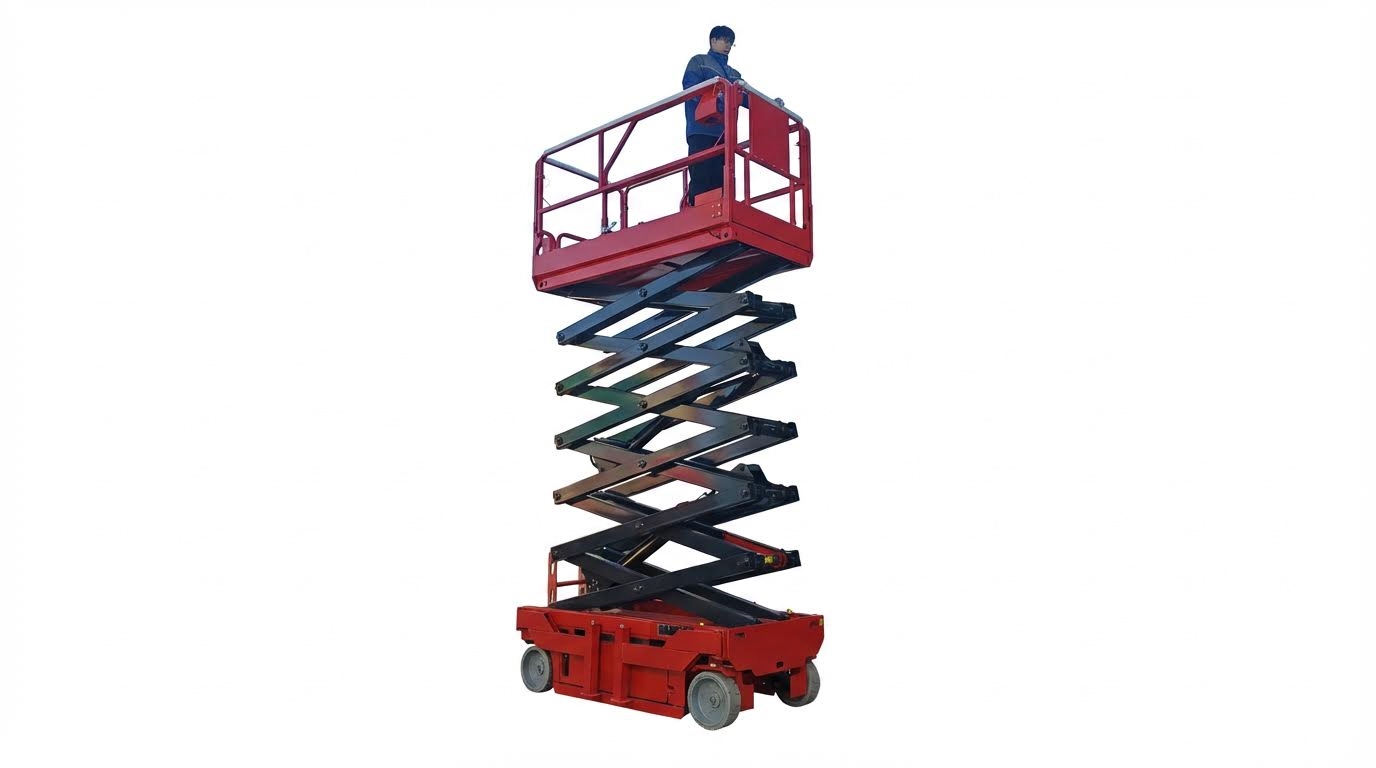
Matching lift type and height to application risk
When employers ask “do you need a license for a scissor lift,” the practical answer is that they must match operator training and equipment selection to the actual task and risk profile. Start by classifying the work: interior maintenance, racking work, façade repairs, or construction each drive different height, reach, and mobility needs. Self‑propelled scissor lifts that can travel while elevated and reach roughly 20–60 ft demand more comprehensive training and formal certification than small push-around units that stay below about 20 ft and cannot move when raised because of their higher exposure to tip‑over and collision risk. Employers should also:
- Map typical working heights against platform height plus worker reach, adding a safety margin.
- Check surface conditions and slope; rough or sloped ground may require rough‑terrain units or an alternate access method.
- Assess lateral reach and obstructions; where vertical access is not enough, a boom‑type MEWP and higher‑level training may be more appropriate.
- Factor in wind exposure, especially outdoors, and respect wind limits typically around 25 mph for safe operation to reduce tip‑over risk.
Integrating MEWPs into site safety and WMS workflows
To stay compliant while answering “do you need a license for a scissor lift” from auditors or inspectors, employers must integrate MEWPs into their broader safety management and warehouse management system (WMS) workflows. At a minimum, this includes documented operator training and evaluation records tied to each employee profile, covering safe use, hazard recognition, and emergency procedures with both classroom and hands‑on components. Pre‑use inspections should be embedded as mandatory steps in digital work orders, capturing checks of tires, hydraulics, platform structure, labels, and guardrails before the lift is released for use to catch defects early. In a WMS or site‑planning context, employers should:
- Define MEWP traffic routes and exclusion zones to separate lifts from pedestrians and material flow.
- Include MEWP status (available, under maintenance, out of service) within asset management screens.
- Trigger refresher training tasks after incidents, near misses, or significant process changes to keep operator competence current as required by modern training practice.
- Integrate fall‑protection equipment checks and assignments into job planning so harnesses and anchorage devices are verified before elevation in line with OSHA expectations.
Key Takeaways For Safe And Compliant Scissor Lift Use
Safe scissor lift use does not start with a plastic license card. It starts with engineered training, clear employer duties, and disciplined site control. OSHA and ANSI set the floor by demanding task‑specific instruction, observed evaluation, and written certification before anyone touches the controls. That process turns design limits on load, wind, and stability into simple operating rules that real people can follow on real jobs.
Inspection routines link engineering assumptions to daily reality. Operators who know how to read data plates, check structure and hydraulics, and judge ground and wind conditions act as the last safety barrier before a tip‑over or fall. Fall protection, traffic control, and positioning rules then keep the platform stable and workers inside the guardrails.
For operations and engineering teams, the best practice is clear. Build a formal MEWP program that aligns with OSHA and ANSI, ties training records to each operator, and embeds pre‑use checks and wind/load limits into work orders and WMS workflows. Select the right lift type and height for each task, and do not let untrained or uncertified staff operate it. When in doubt, raise the training level, not the risk. This approach keeps people safe, projects on schedule, and Atomoving equipment working within its design envelope.
Frequently Asked Questions
Do you need a license to operate a scissor lift?
No, you do not need a government-issued license to operate a scissor lift. However, proper training and certification are mandatory. OSHA requires workers to be trained on safe operation, hazard recognition, and compliance with safety standards before using scissor lifts. Employers are responsible for providing this training. OSHA Scissor Lift Guide.
What qualifications are needed to use a scissor lift?
To operate a scissor lift, you must complete a training program that covers equipment operation, safety protocols, and emergency procedures. While not legally required in all regions, an IPAF license or similar certification is often preferred by employers to ensure operator competence and safety. IPAF Training Info.
Can anyone operate a scissor lift without training?
No, only trained and certified individuals can operate a scissor lift. Operating without proper training violates OSHA regulations and poses significant safety risks. Employers who allow untrained operators may face fines or penalties. Always ensure your team is fully trained before operating any aerial work platform. Certification Requirements.