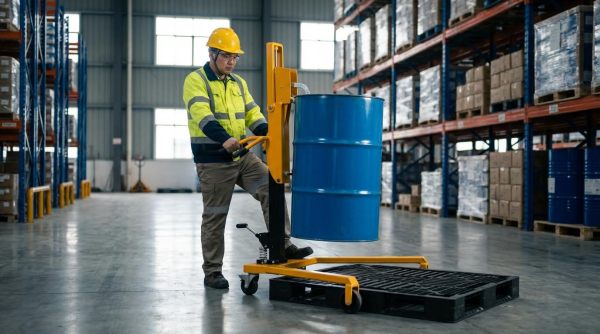
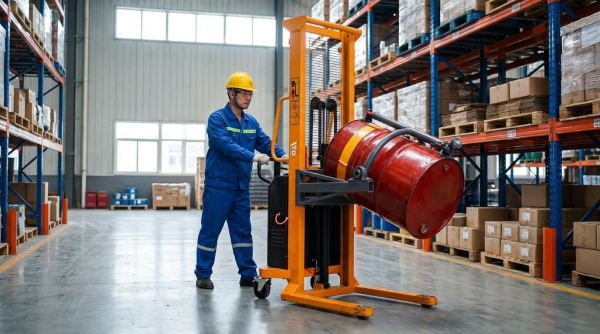
Industrial teams that search for how to use a drum dolly usually want a clear, safe method from first inspection to final parking. This article explains how to plan and control every stage of drum movement using OSHA-based rules and sound mechanical principles.
You will see how core safety standards define operating limits for drum dollies and related hoists, including floor conditions, load ratings, and single-operator rules. The next sections walk through safe loading and unloading, from pre-use checks to center-of-gravity control and secure restraints. The article then covers how to move drums safely, plan routes, and set up maintenance and monitoring routines. The final summary links these elements into a practical safety and compliance framework that supervisors and engineers can apply on any site.
Core Safety Standards And Operating Limits

This section explains how to use a drum dolly within safe limits set by regulations and engineering practice. It links OSHA and ISO rules to real operating conditions on the shop floor. You will see how floor quality, drum type, and load rating define the safe envelope for one operator. The goal is a clear framework that supervisors can use to write site procedures and training.
Applicable OSHA And ISO Safety Requirements
OSHA standards for hoists and material handling set the baseline for drum dolly use. They required guarding of exposed moving parts, reliable controls, and safe stopping systems. When users plan how to use a drum dolly with hoists or lifters, they must match hoist design and inspection rules to the dolly operation. ISO material handling standards added guidance on stability, labeling of rated capacity, and safe ergonomics.
In practice, site procedures should:
- Reference OSHA general material handling rules for carts and dollies.
- Apply hoist standards when loading or unloading drums to and from the dolly.
- Require readable capacity tags and warning labels on every dolly.
- Define inspection intervals that meet or exceed manufacturer guidance.
This structure helps safety managers turn broad regulations into clear local work instructions.
Operating Environment And Floor Conditions
Most manuals stated that a drum dolly was designed for level, firm ground. Uneven, sloped, or soft floors increased rolling resistance and tipping risk. When planning how to use a drum dolly in a plant, engineers should map floor zones by risk level and restrict use where surfaces are unsafe. Wet, oily, or dusty floors also raised the push force and stopping distance.
A simple floor checklist often worked well:
| Factor | Requirement for safe dolly use |
|---|---|
| Level | Local slope as low as reasonably possible; avoid ramps without controls |
| Surface | Concrete or similar; no loose gravel, large gaps, or broken joints |
| Contamination | Clean spills quickly; keep wheel tracks free of debris |
| Obstructions | Remove hoses, pallets, and offcuts from routes |
Supervisors should also define safe parking areas. Brakes on castors, if fitted, must be applied whenever the dolly is not in motion.
Load Ratings, Drum Types, And Fit-Up Checks
Safe use starts with matching the drum and load to the dolly rating. The rated capacity on the nameplate must exceed the gross drum mass, including contents and any pump or mixer still attached. Typical steel or plastic drums had different chime geometry, so fit-up on the baseplate and retention features must be checked before use.
Key fit-up checks before loading include:
- Drum diameter fits fully within the support ring or baseplate.
- Drum lip and shell are not dented, corroded, or distorted.
- Retention straps, clamps, or cradles contact the drum as intended.
- Centerline of the drum sits within the wheelbase footprint.
Damaged drums or those with a compromised lip should not be handled on a standard dolly. They require a controlled recovery method defined in the site spill or incident plan.
Single-Operator Use And Ergonomic Constraints
Most drum dollies were designed for single-operator use. The manual push or pull force must stay within ergonomic limits for that operator population. Standards and guidance documents often targeted initial push forces near 200 newtons and lower sustained forces, but exact limits depended on local regulations and risk assessment. When users search how to use a drum dolly safely, they should focus on posture, handle height, and route quality as much as on the equipment itself.
Good ergonomic practice includes straight-line routes, minimal tight turns, and handles at roughly waist height. Operators should push rather than pull where possible to reduce back loading and improve visibility. If measured forces exceed ergonomic guidance, engineers should consider larger wheels, better bearings, or powered alternatives. Training must stress that one person should control one dolly at a time and should not ride on the equipment or use it to tow other loads.
Safe Drum Loading And Unloading Procedures
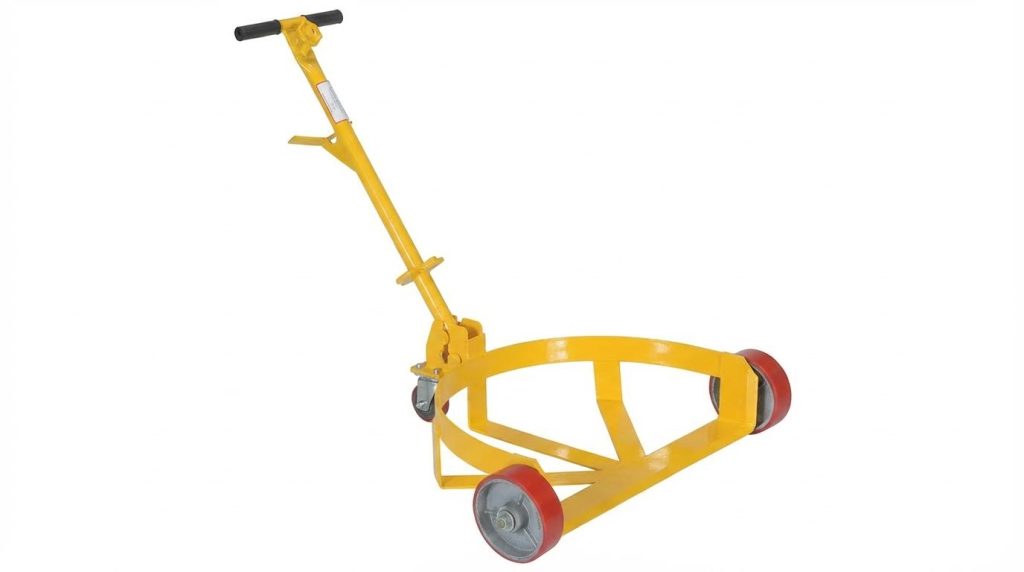
This section explains how to use a drum dolly safely during loading and unloading. The focus is on step-by-step checks, correct lifting methods, and control of the drum centre of gravity. The aim is to reduce crush injuries, tip-over events, and leaks. These procedures apply to steel and plastic drums in typical plant and warehouse environments.
Pre-Use Inspection And Readiness Checks
Always start with a short pre-use inspection before you load a drum. Check that the drum dolly frame is straight, with no cracks, bent sections, or loose welds. Spin each wheel or caster and confirm smooth rotation, no flat spots, and no trapped debris. Test any brakes or locks and make sure they hold the dolly still on level ground.
Check straps, clamps, or rings for wear, corrosion, or missing pins. Confirm the rated capacity on the dolly label is higher than the drum gross mass. Verify that the drum itself is in good condition, with no severe dents, bulges, or a damaged chime or lip. If you see leaks or suspect internal pressure, remove the drum from service and follow your site procedure.
The short checklist below helps operators remember the core steps for how to use a drum dolly safely before loading:
- Confirm level floor and clear route
- Verify capacity label and drum mass
- Inspect frame, wheels, brakes, and restraints
- Check drum integrity and closures
Using Hoists And Lifters To Place Drums On Dollies
Use a hoist, forklift attachment, or dedicated drum lifter to place drums on the dolly. Avoid manual tilting of full drums because typical drum masses exceed safe handling limits for one person. The lifting device must match drum type and diameter and must grip only approved areas such as the chime. Never lift a drum by fittings or bungs.
Position the dolly on level ground directly under the hoist hook path. Apply the dolly brakes before you lower the drum. Keep the vertical line of the hook centred over the dolly baseplate to avoid side loading. Lower the drum slowly until it sits fully on the base, with the bottom rim inside any locating ring or pocket.
OSHA rules for hoists require guarded moving parts and safe control placement. Make sure emergency stop functions work and that power cannot restart automatically after a power loss. Follow the hoist manufacturer instructions for inspection, test lifts, and periodic maintenance.
Positioning, Center Of Gravity, And Drum Restraints
Correct drum position on the dolly controls stability during movement. Keep the drum vertical and centred so the centre of gravity sits inside the wheel footprint. For round baseplates, align the drum axis with the geometric centre. For rectangular platforms, align the drum on the marked centre lines.
Use any built-in restraints every time. These may include:
- Perimeter rings or pockets that block sliding
- Straps or chains that prevent tipping
- Clamps that grip the drum body or chime
Apply restraints with firm tension but avoid crushing thin-wall plastic drums. Re-check that closures are tight, especially for liquids, before you move. If you handle mixed drum sizes, verify that each size fits the dolly ring without excessive clearance. Too much gap allows rocking and increases tip risk when you cross joints or small obstacles.
When planning how to use a drum dolly in narrow aisles, consider combined height and width. Tall drums raise the centre of gravity and reduce margin against tipping during sharp turns. Train operators to use slow, smooth direction changes and to avoid sudden stops.
Controlled Unloading And Post-Handling Steps
Unloading should mirror loading, with the same focus on control and line of action. Park the dolly on level ground at the drop-off point and apply brakes. Attach the hoist, forklift attachment, or lifter according to its instructions. Take up slack and perform a short test lift of a few centimetres to verify secure grip.
Once the drum is stable on the lifting device, release any straps or clamps on the dolly. Raise the drum slowly, staying clear of the swing radius. Move the drum to the target position using controlled travel speeds and clear communication with nearby workers. Lower the drum onto the floor, pallet, or containment deck, and confirm full support before you detach the lifter.
After unloading, return the empty dolly to a safe parking area. Apply brakes and park away from slopes, doorways, and emergency exits. Perform a quick post-use check for new damage, leaks, or loose fasteners. Clean off any spilled product from wheels and frame to maintain traction and prevent corrosion. These closing steps complete a full safe-use cycle and support long-term reliability of your drum handling system.
Moving Drums: Transport, Routing, And Maintenance
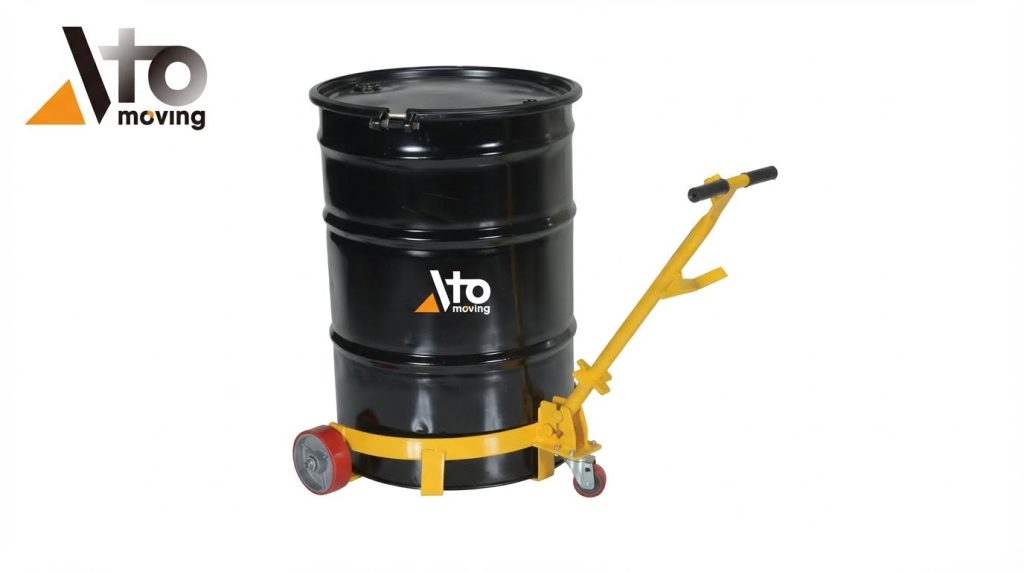
Safe drum movement on dollies depends on controlled manual forces, planned routes, and disciplined maintenance. Facilities that search for how to use a drum dolly need practical rules that limit push forces, protect operators, and keep equipment reliable. This section links handling technique, traffic planning, and maintenance into one consistent operating method.
Manual Handling Techniques And Push–Pull Forces
Operators should always push a loaded drum dolly, not pull it, except for short alignment moves. Pushing keeps the body behind the load and reduces the risk of foot strikes and loss of balance. Hands should stay on the handle at about elbow height with arms slightly bent. This position lets the operator apply force using body weight, not just arm strength.
When deciding how to use a drum dolly safely, control of starting and stopping forces is critical. Industry ergonomics guidance usually targets initial push forces below roughly 25 kilogram-force for most workers, with lower limits on slopes. Operators should start slowly, check wheel tracking, and avoid sudden turns that could shift the drum’s center of gravity. A single operator should only move one dolly at a time and only on level, clean floors.
Operators must never kick wheels or use jerking motions to free a stuck dolly. Instead they should stop, remove floor debris, or get help if the route grade or surface exceeds safe limits. Training should cover body posture, using leg drive, and recognizing when a load feels unstable or too heavy to move without assistance.
Route Planning, Visibility, And Traffic Management
Effective route planning reduces handling risk more than any single technique. Routes for drum dollies should use level floors, minimal slopes, and firm surfaces with high friction. Operators should avoid gaps, drains, and transitions that can stop small castors or shift the drum. Any unavoidable ramps should have posted gradient limits and clear procedures.
Good visibility is central to how to use a drum dolly in busy plants. Operators must see at least several metres ahead of the dolly and maintain eye contact at crossings. Convex mirrors, floor markings, and one-way systems help manage blind corners and shared aisles. Where drums contain flammable or toxic liquids, routes should bypass ignition sources and occupied workstations when possible.
Basic traffic rules should cover priority at intersections, speed limits, and separation from powered trucks. Facilities can define dedicated “drum lanes” with painted lines and keep them clear of pallets or waste. Supervisors should routinely walk routes and log defects like broken floor tiles or worn ramps. Any route change, such as new equipment or racking, should trigger a review of drum dolly paths and risk controls.
Inspection, Cleaning, And Lubrication Schedules
Routine checks keep dollies safe and easy to push. A short pre-use inspection should confirm that wheels roll smoothly, castors swivel freely, and brakes hold the load. Operators should also check the frame for cracks or bends and verify that straps, cradles, or clamps hold the drum securely. Any defect that affects stability or stopping must remove the dolly from service until repair.
Planned maintenance usually follows a daily, weekly, and monthly pattern.
- Daily: Remove debris from wheels, look for leaks, and confirm brake function.
- Weekly: Check welds and joints for fatigue and test all locks and latches.
- Monthly: Tighten bolts, inspect wheel wear, and confirm the dolly still supports its rated load.
Cleaning supports both safety and ergonomics. Mild detergent and water usually clean frames and wheels, followed by full drying to limit corrosion. Lubrication of wheel bearings, swivel joints, and brake linkages should follow the manufacturer’s schedule and use compatible greases or oils. Records of inspections and maintenance help demonstrate compliance during audits and support long service life.
Predictive Maintenance And Digital Monitoring
Predictive methods extend traditional maintenance by using condition data instead of only fixed intervals. Simple approaches include logging push complaints, near-miss reports, and repeated brake adjustments. These patterns highlight dollies that need deeper inspection before failure. Plants can also tag each dolly with an ID to link issues to specific units.
More advanced systems can add sensors or digital checklists. For example, facilities may use mobile apps to record inspection results with photos and timestamps. Analysis of this data shows which wheel types, brake designs, or floor areas drive most defects. Some operations also track route usage to see which paths create higher caster wear or frame damage.
Digital monitoring does not replace basic daily checks or operator feedback. Instead, it helps maintenance teams prioritize the highest-risk equipment and plan part replacements before breakdowns. When combined with clear training on how to use a drum dolly correctly, predictive maintenance reduces downtime, keeps push forces low, and supports long-term safety performance.
Summary Of Drum Dolly Safety And Compliance
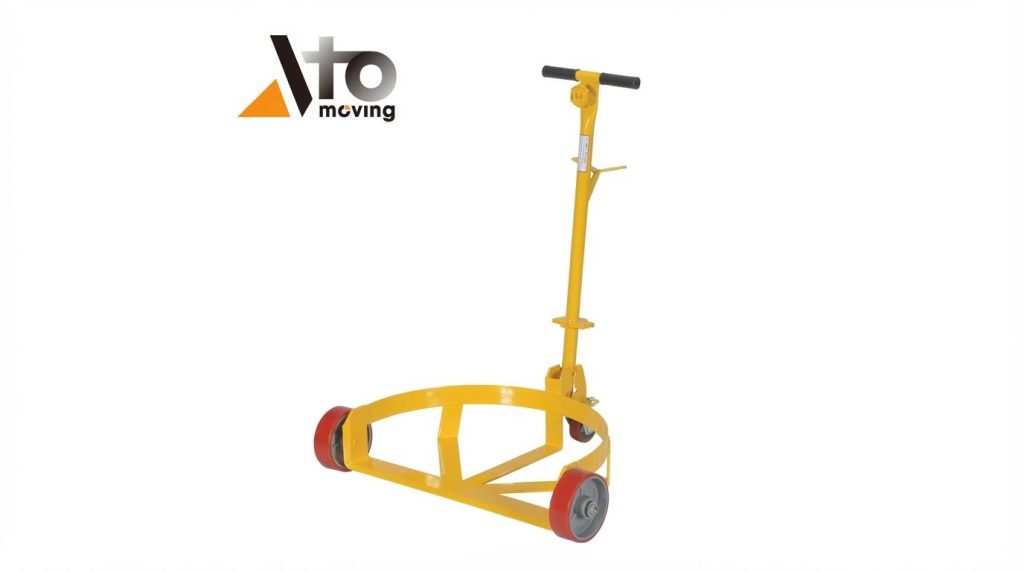
This section brings together practical rules on how to use a drum dolly safely and in line with regulations. It links core standards, loading methods, movement controls, and maintenance into one clear framework for supervisors and operators.
From a compliance view, safe drum dolly use rests on four pillars. Operators must work on level floors, handle only sound drums, and keep within rated load and fit limits. They must use suitable hoists or lifters for every lift on and off the dolly. They must route moves through clear, well lit paths with managed traffic. They must also follow a structured inspection and maintenance plan that matches OSHA expectations for guarding, control reliability, and safe condition of handling gear.
For daily work, this means simple but strict habits: read the manual, check the dolly before use, and confirm drum size and weight. Keep the center of gravity over the base, set brakes or braked castors before loading or unloading, and avoid side pulls or sudden turns. Train each operator to push, not pull, where layout allows, and to stop operation when defects appear.
Looking ahead, digital checklists, QR based asset IDs, and basic telematics will support better tracking of inspections and incidents. However, the core answer to how to use a drum dolly safely will still rely on conservative loading, disciplined routes, and competent operators who respect both mechanical limits and regulatory duties.
,
Frequently Asked Questions
How do you use a drum dolly?
To use a drum dolly, push the dolly up to the drum and position its feet at the base of the drum. Tip the dolly forward slightly to engage the dolly-drum lock mechanism. Pull the dolly back until it rests securely on its wheels, allowing you to move the drum safely. For more details, refer to Drum Dolly Safety Guide.
What is a drum dolly?
A drum dolly is a specialized piece of material handling equipment designed to transport heavy drums, barrels, or similar cylindrical containers. It provides an ergonomic solution for moving steel, plastic, fiber, or cardboard drums with minimal effort. Drum dollies come in manual or electronic configurations, depending on the application. Learn more about types of drum dollies in this Drum Dolly Collection.