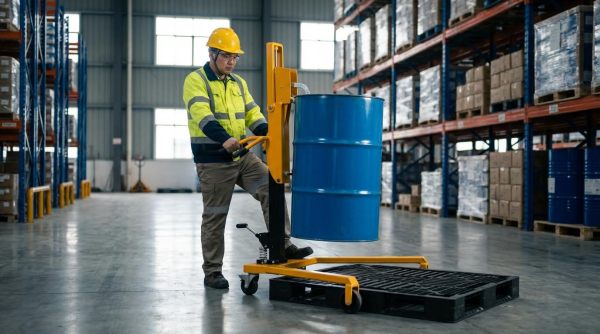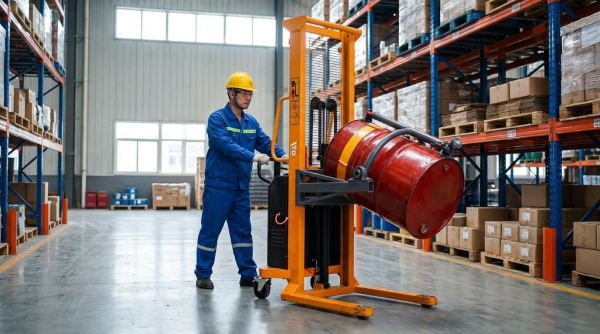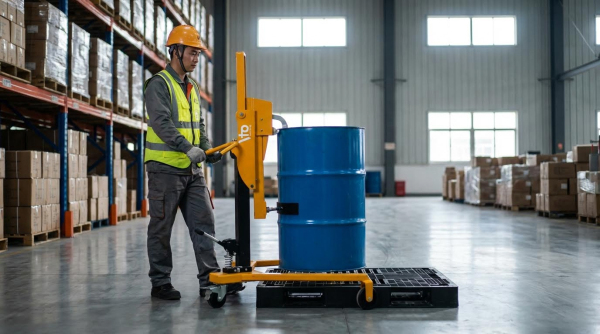
Facilities that ask how many 55 gallon drums fit on a pallet must balance pallet ratings, drum geometry, and stacking rules. This article covers pallet and drum standards, core pallet layouts, and container loading patterns from 20 litre pails up to 64-gallon drums.
You will see how pallet size, static and dynamic load limits, and OSHA stacking guidance define safe drum counts per pallet layer. The middle sections compare 55-gallon drum patterns with 5-gallon pails and 20–25 litre drums on 1000 × 1200 millimetre pallets, then extend these layouts into 20-foot and 40-foot container scenarios.
The engineering section explains how drum design, stack strength, overhang, and load distribution affect both safety and cost per shipped litre. It also shows how racks, containment, and Atomoving systems help control risk while improving pallet and container utilization.
Key Drum And Pallet Standards For Layout Design
Layout design standards answer a basic planning question: how many 55 gallon drums fit on a pallet while staying safe and compliant. Engineers use pallet sizes, drum dimensions, and stacking rules to define repeatable patterns. These standards support warehouse layouts, container loading plans, and cost models. They also give a consistent framework for comparing different drum and pail formats.
Common Pallet Sizes And Load Ratings
Pallet selection sets the upper bound on how many 55 gallon drums fit on a pallet. Standard wooden or plastic pallets in industrial sites typically used sizes around 1,000 × 1,200 millimetres or 1,016 × 1,219 millimetres. A standard pallet usually carried three 55 gallon drums without overhang, while a larger 45 × 50 inch pallet carried four drums in a square pattern. The larger footprint reduced edge stresses and improved stability.
Engineers checked three pallet ratings before finalising layouts:
- Static load: pallet on the floor without handling.
- Dynamic load: pallet handled by forklift or pallet truck.
- Racking load: pallet stored in beam racks.
Typical warehouse pallets for heavy drums were rated for dynamic loads well above one tonne. Even so, best practice limited drum layers to one per pallet. This control kept the centre of gravity low and reduced pallet bending and deck deflection under concentrated chime loads.
Typical Drum, Pail, And Tight-Head Dimensions
Standardised container sizes made pallet pattern design predictable. A typical 55 gallon steel drum had a diameter around 580 millimetres and a height around 880 to 900 millimetres. This diameter allowed three drums on a standard pallet or four drums on a larger pallet with minimal gaps. The curved shell and reinforced chimes carried vertical loads when drums were stacked in transport or short term storage.
Five gallon steel pails used in coatings and chemicals were far smaller. A common layout placed twelve pails on a pallet without cartons, often in three rows of four. When pails were boxed, the same count caused overhang on a standard pallet. Tight-head plastic drums in the 20 to 25 litre range often used square or rectangular footprints. Some designs allowed 18 units per layer on a 1,000 × 1,200 millimetre pallet. Interlocking head and base features improved vertical load transfer and reduced bulging during stacking.
Regulatory And Industry Limits On Stacking
Regulations and industry codes set limits that overruled theoretical pallet strength. OSHA rules required stored materials to be stacked, blocked, or interlocked so they did not slide or collapse. For drums, this meant secure pallets, level bearing surfaces, and tight patterns. Height limits for drums were usually set by company standards, fire codes, and container ratings rather than by pallet capacity alone.
For 55 gallon drums, a common industry practice allowed only one drum layer per pallet. Stacking occurred by placing pallets on top of pallets, not drums directly on drums, unless drums were designed and rated for vertical stacking. For 5 gallon pails, typical practice limited stacks on a pallet to three layers. In export containers, operators also checked maximum gross mass and floor ratings. Even when geometry allowed a second pallet layer, weight limits sometimes forced reduced drum counts in the upper tier.
Static, Dynamic, And Racking Load Considerations
Static, dynamic, and racking loads controlled safe drum layouts more than simple area coverage. Static loads acted when pallets rested on a firm floor. In this case, the question how many 55 gallon drums fit on a pallet was constrained by floor bearing, pallet deck strength, and drum chime contact areas. Three drums on a standard pallet created high but manageable point loads. Four drums on a larger pallet spread loads more evenly.
Dynamic loads during forklift handling increased risk. Acceleration, braking, and uneven floors amplified effective forces on pallet boards and drum walls. Engineers therefore used conservative drum counts and limited stack heights. In racking, beams supported pallets along two edges only. This condition reduced allowable load compared with floor storage. Pallet deflection limits, often span divided by 200 or tighter, guided safe drum counts per pallet level. When in doubt, facilities preferred fewer drums per pallet and more pallets per bay to keep both structural and safety margins robust.
How Many Drums Fit On A Pallet? Core Layouts
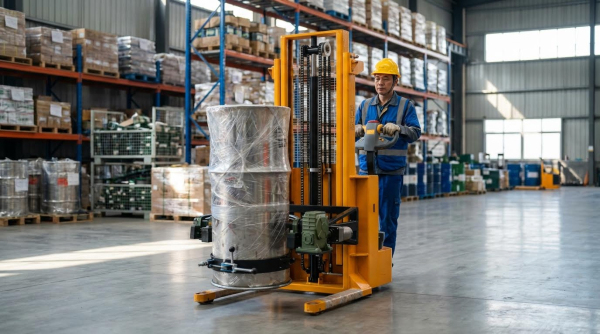
Engineers often ask how many 55 gallon drums fit on a pallet without losing safety or capacity. The answer depends on pallet size, drum geometry, and stacking limits. Layout choices also affect container payloads, floor loads, and handling methods. This section compares core pallet patterns for 55 gallon drums, 5 gallon pails, and 20–25 litre drums, then links them to 20‑foot and 40‑foot container plans.
55-Gallon Drum Pallet Patterns And Limits
The key design question is how many 55 gallon drums fit on a pallet while staying within safe limits. Standard warehouse pallets often hold three 55 gallon drums with no overhang. Larger pallets around 1 140 millimetres by 1 270 millimetres typically hold four drums in a square pattern.
Engineers usually limit 55 gallon drums to one drum layer per pallet. They then stack the pallets, not bare drums. This practice protects chimes, reduces point loads, and improves stability during forklift handling.
Typical engineering checks for 55 gallon drum pallet layouts include:
- Confirm pallet rated load exceeds total drum mass plus pallet mass.
- Verify no drum overhang that could catch on racking or container walls.
- Check pallet deck stiffness to control deflection under dynamic loads.
- Confirm floor or rack load ratings for stacked pallets.
In container loading, four‑drum pallets allow clearer patterns. However, three‑drum pallets may be used in upper layers when product density would exceed container weight limits. This trade off balances volumetric use against gross mass limits.
5-Gallon Pail Pallet Patterns And Layer Counts
Five gallon steel pails allow more vertical use of the pallet footprint. A common layout uses twelve loose pails per pallet with no overhang. Pails stack up to three layers high per pallet under typical guidance.
When pails sit in cartons, twelve cartons on a standard pallet create about 64 millimetres overhang. Engineers often reduce the count or change the pattern to avoid impact damage and to keep loads within racking beam width.
Designers compare two main patterns:
| Pattern | Pails per layer | Layers per pallet |
|---|---|---|
| Dense layout | 12 | Up to 3 |
| Reduced overhang layout | 9 | Up to 3 |
Lower counts with no overhang suit automated palletizers and tight rack clearances. Higher counts suit floor storage and export loads where minor overhang is acceptable and well wrapped.
20–25L Drum Layouts On 1000 × 1200mm Pallets
For 20 to 25 litre plastic drums, the 1 000 by 1 200 millimetre pallet is standard in many regions. A common high‑efficiency layout uses eighteen drums per layer. This layout typically uses three drums across the 1 000 millimetre side and six along the 1 200 millimetre side, or the reverse, depending on drum footprint.
Efficient 20–25 litre drum systems often use interlocking head and base features. These guide stacking and share load through several contact points. That design reduces local wall stress and keeps the pallet load more rigid during transport.
Typical engineering checks for these layouts include:
- Confirm drum stacking rating supports the total height, for example three layers per pallet.
- Check that the drum shape avoids rocking and maintains full base contact.
- Verify stretch wrap pattern provides enough unit rigidity for container handling.
Well‑engineered 20–25 litre layouts can cut transport cost per litre by allowing more units per pallet and more pallets per vehicle while staying within legal axle loads.
Container Stuffing: 20-Foot And 40-Foot Scenarios
Pallet drum capacity in containers links pallet patterns with container floor area and weight limits. For 55 gallon drums on pallets, a 20 foot container typically holds eight pallets on the floor. With four drums per pallet, this gives 32 drums per layer.
Two pallet layers fit in a 20 foot container when height and weight allow. That creates 48 to 64 drums. The lower value applies when upper pallets carry only three drums to control gross mass.
A 40 foot container usually holds more pallet positions and longer runs. Typical figures are:
| Container | Drums per layer | Two layer range |
|---|---|---|
| 20 foot | 32 | 48–64 |
| 40 foot | 44 | 64–88 |
For 5 gallon pails, engineers select between nine or twelve pails per layer, then two or three layers per pallet. A 20 foot container with eight pallets can hold 216 to 288 pails when fully stacked, or higher counts when height limits force partial stacking but more pallets fit. In 40 foot containers, layouts with 36 pallets and two layers per pallet can reach 648 to 864 pails. Final choices must respect container payload, centre of gravity, and securing rules, not just count targets.
Engineering Drum Stacking For Safety And Cost
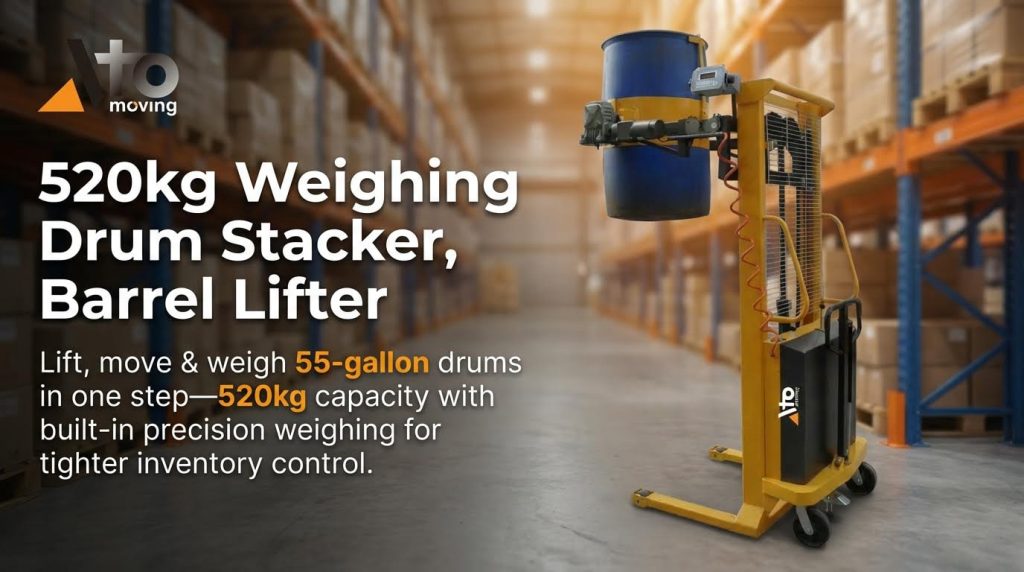
Engineering safe drum stacks links the question how many 55 gallon drums fit on a pallet with structure, floor loads, and regulations. Capacity decisions must consider drum design, pallet strength, and container limits, not drum count alone. Well engineered layouts cut handling cost while keeping OSHA and insurance auditors satisfied. The following sections build a practical framework for safe, high‑utilization drum storage.
Evaluating Drum Design, Strength, And Stackability
Drum geometry and construction define safe stack height and pallet patterns. Steel 55 gallon drums usually have reinforced chimes and thicker walls, so they accept higher vertical loads than light plastic drums. Tight head designs resist ovalization better than open head designs and usually stack more reliably. For smaller 20–25 litre drums, interlocking head and foot features improve alignment and reduce point loads.
Engineers should review:
- Manufacturer stacking rating per drum
- Maximum allowable top load for filled and empty drums
- Chime width and stiffness, which control contact stress
Use conservative limits when drum ratings are missing. Treat mixed drum types as governed by the weakest design. For export loads, verify that long duration vibration and temperature cycles will not relax closures or deform sidewalls.
Safe Stacking Methods And OSHA Considerations
OSHA required that stored materials be stacked, blocked, or interlocked to prevent sliding or collapse. For 55 gallon drums on pallets, best practice kept stacks to one drum layer per pallet. Pallets were then stacked if floor loads, pallet ratings, and drum strength allowed. This approach answered the search question how many 55 gallon drums fit on a pallet with a safety qualifier, not just a number.
Key practices included:
- Keep aisles wide enough for trucks and emergency access
- Post floor load limits clearly in storage areas
- Secure stacks with banding or stretch wrap where needed
Empty drums required different rules. They were light but unstable and prone to tipping. Workers needed training on manual handling, rigging, and use of lifting accessories to stay within OSHA rigging rules and sling temperature limits.
Load Distribution, Overhang, And Stability Checks
Stable drum stacks kept the load inside pallet edges with no significant overhang. For 55 gallon drums, a standard pallet often held three drums without overhang, while a larger pallet held four. Engineers checked that drum center lines stayed within the pallet support area so loads transferred directly into deck boards and stringers.
Before approving a layout, verify:
- Static pallet rating vs total drum mass
- Dynamic rating for forklift handling
- Racking rating if pallets sit in beams
Uneven floors, damaged deck boards, or missing blocks reduced real capacity. Regular inspections looked for crushed chimes, bowed pallets, or shifting loads. Any visible deformation signaled that stack height or pallet pattern needed reduction.
Using Racks, Containment, And Atomoving Systems
Racking systems allowed vertical storage without overloading drums. Pallets sat on beams so drums carried mainly vertical compression, not bending. Beam deflection limits, usually span divided by 200 or tighter, controlled drum tilt and leak risk. Spill containment under lower levels captured leaks without blocking aisles.
Engineers combined racks with secondary containment and drum handling systems to control risk and cost. Typical steps included:
- Place high hazard liquids in bunded rack bays
- Keep heavy 55 gallon drums in lower levels for stability
- Reserve higher levels for smaller 20–25 litre containers
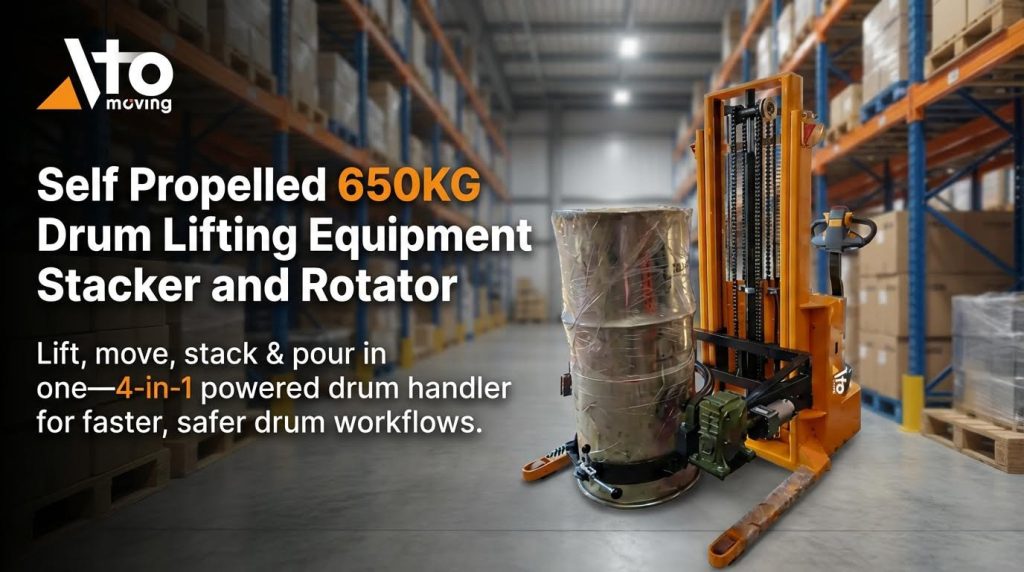
Atomoving systems integrated handling with storage. They reduced manual movement, improved placement accuracy, and helped keep stacks within designed drum counts per pallet. This alignment between equipment, racking, and pallet patterns delivered safe density and predictable logistics cost.
Summary: Optimizing Drum And Pallet Utilization

Operations that ask how many 55 gallon drums fit on a pallet must balance capacity with safety and compliance. Standard practice kept 55-gallon steel drums to one layer per pallet, with three drums on a typical pallet and four on a larger 45 × 50 inch pallet. Container layouts scaled from those pallet patterns, with 20-foot units holding 32 to 64 drums and 40-foot units holding 44 to 88 drums, depending on density and whether a second pallet layer was allowed. These limits came from drum strength, pallet ratings, and floor or container load ratings, not from space alone.
Smaller containers such as 5-gallon pails and 20–25 litre drums allowed higher layer counts per pallet, but still relied on controlled stacking methods and verified load paths. Engineering reviews checked static, dynamic, and racking loads, while OSHA rules required stacks to be blocked, interlocked, or otherwise secured. Modern layouts used racks, containment, and systems such as Atomoving to separate handling from storage, improve access, and reduce impact loads on drums and pallets.
Future improvements will likely focus on denser but safer patterns, better interlocking drum designs, and digital tools that track stack heights and floor loads in real time. Facilities that document their pallet drum capacity rules, train operators, and align layouts with both standards and equipment limits will gain lower damage rates, fewer incidents, and more predictable transport costs.