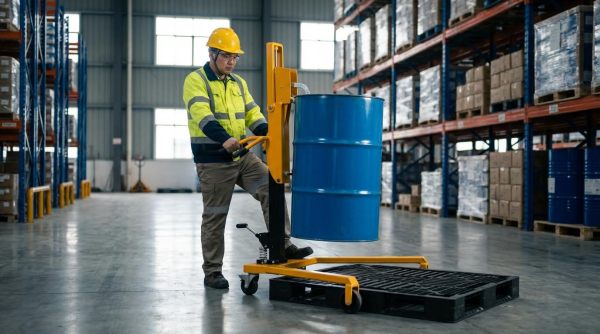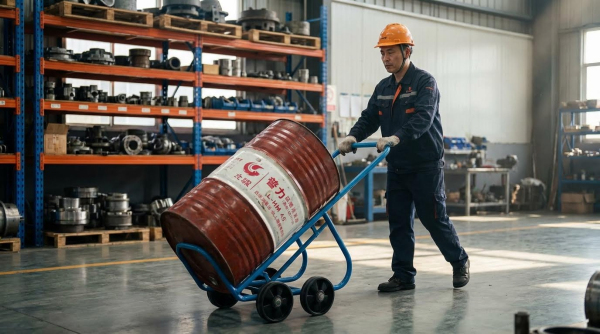
Safe drum and barrel stacking required a combination of sound engineering, correct handling methods, and strict regulatory compliance. This guide addressed structural load limits, stack geometries, and material handling practices for steel drums used across industrial supply chains. It linked engineering checks with OSHA, DOT, and fire-safety rules to control mechanical, chemical, and ignition hazards in storage areas. The following sections walked through load calculations, safe configurations, risk controls, and system-level design for compliant drum storage installations.
Engineering Limits For Drum Stacking Loads
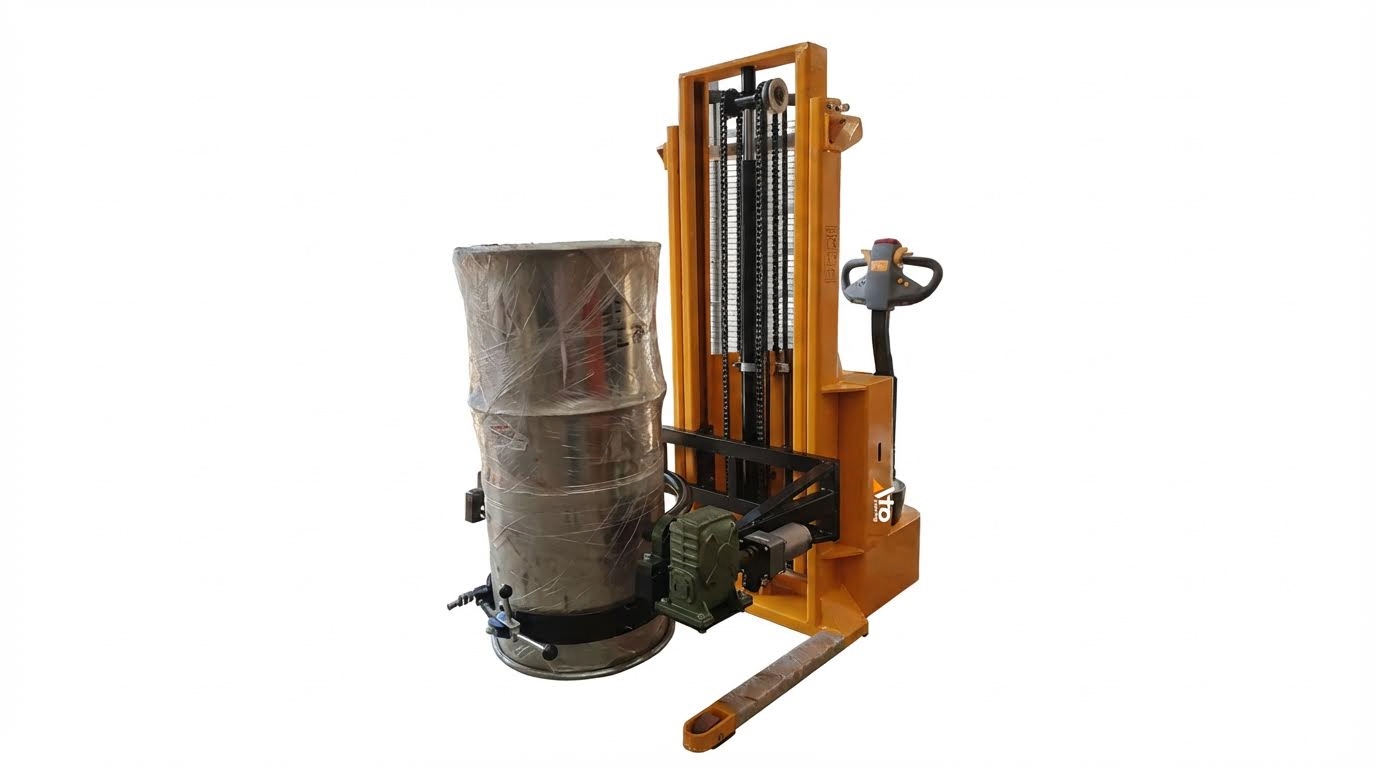
Engineering limits for drum stacking loads depended on container design, fill properties, and supporting structures. Steel drums offered high compressive strength and dimensional consistency, but real capacity limits were set by regulations and test data. Engineers had to translate laboratory stacking tests into conservative in-plant stacking rules that also reflected OSHA tiered storage requirements. Robust designs combined verified drum performance, controlled stack geometry, and safe floor or rack load utilization.
Steel Drum Design, Strength, And Test Standards
Steel drums used for industrial service typically featured rolled steel bodies with reinforced chimes and mechanically seamed heads. Their cylindrical geometry carried vertical loads primarily through shell compression and localized bearing at chimes. UN/DOT performance standards required drums to pass drop, leakproofness, hydrostatic, and stacking tests before approval for hazardous materials. Industry data showed that standard steel drums with hazardous contents of specific gravity up to 1.5 could support four-high stacks under controlled conditions. Design margins, however, reduced allowable field stacking heights to account for pallet imperfections, load eccentricity, and impact from handling equipment. Engineers had to consider drum age, corrosion, and prior mechanical damage, because dented chimes and distorted heads significantly reduced stack stability and compressive capacity.
Interpreting 49 CFR 178.606 And ISDI Guidance
49 CFR 178.606 defined the regulatory stacking test for UN performance packaging, including steel drums. The test applied a top load equivalent to a 3 m high stack of identical filled packages for 24 hours at ambient temperature. Passing this test demonstrated that the drum design could withstand that static compressive load without leakage or permanent deformation that compromised performance. However, the regulation did not directly prescribe operational stacking heights in warehouses or yards. The Industrial Steel Drum Institute (ISDI) bridged this gap with practical guidance, such as Alert 15-03, which translated test performance into recommended stacking practices. ISDI guidance emphasized upright bung-up storage, chocking or blocking of bottom tiers when stacking multiple layers, and use of pallets or racks rather than floor contact. Engineers used both 49 CFR 178.606 results and ISDI recommendations to set site-specific stacking rules, signage, and handling procedures.
Specific Gravity, Fill Weight, And Stack Height Limits
Specific gravity of the lading directly influenced the allowable stack height for steel drums. Higher specific gravity increased drum gross mass, which increased compressive load on lower tiers and on supporting floors or racks. Industry practice and test data indicated that drums with hazardous contents up to specific gravity 1.5 could generally be stacked four-high when the drums were structurally sound and stacked on suitable pallets. For heavier fills, engineers had to reduce stack height or introduce racking that transferred loads safely. Calculations started from drum tare mass, lading density, and fill volume to determine gross mass per drum in kilograms. That value, multiplied by the number of tiers, gave the vertical line load on the lowest tier and the distributed load on floors or beams. Safety factors then reduced theoretical limits to operational limits that tolerated impact, minor misalignment, and handling variability.
Floor Load Ratings And Racking Design Checks
Floor load capacity constrained drum stacking even when drum strength remained adequate. Structural engineers compared drum stack loads to slab-on-grade or elevated floor ratings, typically expressed in kilonewtons per square metre. A palletized drum stack produced a relatively concentrated load footprint, especially with four 200 L drums on a single pallet. Engineers converted gross stack mass to a uniformly distributed load over pallet contact area, then checked against design live load plus impact allowances. For elevated structures or racks, engineers verified beam bending, column compression, and connection shear under worst-case stacking scenarios. Racking systems had to support drum stacks without excessive deflection that could destabilize tiers. Design checks also confirmed that aisle widths, clearances, and bracing met OSHA requirements for safe access and collision resistance. Posting maximum pallet positions per bay and maximum mass per level helped keep actual storage within engineered limits.
Safe Stacking Configurations And Handling Methods
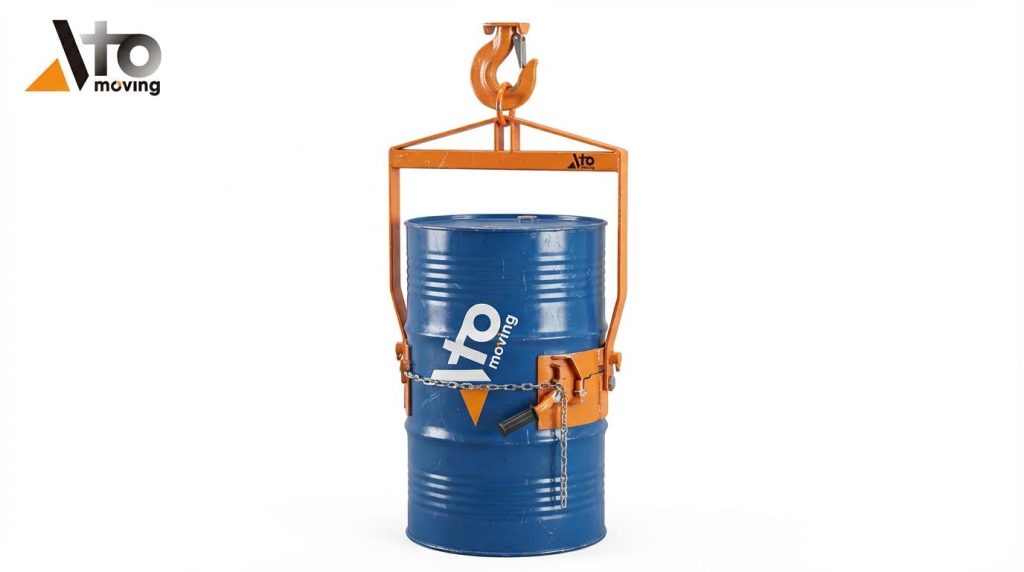
Safe stacking configurations translated regulatory rules into repeatable handling practices. Engineers and EHS specialists coordinated layout, equipment selection, and procedures to keep stacked drums stable under normal and upset conditions.
Bung-Up Storage, Chocking, And Blocking Practices
Closed-head steel drums stored hazardous and non-hazardous liquids most safely in the bung-up position. Upright storage minimized leakage risk from internal pressure, corrosion at seams, or lid distortion during handling. When operators stacked two or more tiers, they chocked the bottom tier on both sides to prevent shifting in either direction. If facilities stored drums on their sides, they blocked the bottom tier to prevent rolling and complied with OSHA tiered storage rules. Symmetrical stacking patterns reduced eccentric loading on lower drums and limited progressive stack collapse during minor impacts.
Engineers specified chock geometry and materials so contact forces remained within drum shell capacity. They avoided improvised wedges that could crush the chime or locally dent the body. Standard operating procedures defined when to re-chock stacks after forklift contact or seismic events. In high-risk areas, facilities combined chocking with mechanical restraints such as rack end-stops or guard rails. This approach aligned with OSHA 1910.176(b) and 1926.250(a)(1) requirements that materials in tiers be stacked, blocked, interlocked, or otherwise secured.
Pallets, Racks, And Dunnage Between Drum Tiers
Facilities used wooden or plastic pallets, or engineered steel racks, instead of placing drums directly on concrete floors. This practice prevented moisture wicking and temperature gradients that accelerated corrosion and reduced shell strength. Pallets or rack beams also provided consistent support points, limiting local deformation at the chimes. Adequate airflow beneath each drum reduced condensation and corrosion at contact surfaces. For stacked tiers, operators placed planks, plywood dunnage, or pallets between drum layers to create a flat, load-spreading interface.
Engineers verified that pallet and rack capacities exceeded the combined drum weight with a conservative safety factor. They checked beam deflection limits so upper tiers remained level and did not induce tilt. Dunnage thickness and stiffness were selected to bridge minor drum height variations and maintain line contact at both chimes. Symmetrical stacking patterns on pallets improved center-of-gravity alignment with pallet stringers and rack beams. Signage at storage zones indicated maximum tier counts and pallet load limits to enforce design assumptions.
Forklift And AGV Handling For Tiered Drum Stacks
Powered industrial trucks moved stacked drums under strict load handling rules. Operators centered the palletized drum load on the forks, kept it close to the mast, and avoided overloading the rated capacity. They traveled with the load at the lowest practical height to reduce tip-over risk and dynamic stack instability. OSHA guidance required that stacked loads be stable and secured against sliding or collapse before lifting. For AGVs, engineers programmed conservative acceleration, deceleration, and cornering limits to control inertial forces on tall stacks.
Facilities prohibited pressurizing drums to discharge contents, avoiding structural overstress and ejection hazards. Forklift attachments, such as drum clamps, were selected and rated for the drum diameter, mass, and surface finish. Pre-use inspections checked forks, hydraulic systems, and load backrests for damage that could compromise load security. Traffic routes maintained clear aisles as required by OSHA 1910.176(a), with no storage encroachment that could force tight maneuvers near tall stacks. Where AGVs interfaced with racks, designers verified rack impact resistance and incorporated guide rails or bumpers.
Indoor vs. Outdoor Storage And Weather Protection
Indoor storage offered the most controlled environment for steel drum stacks. Engineers evaluated floor load ratings to ensure stacked drum weights did not exceed slab or mezzanine capacities. They maintained clearances from walls, sprinklers, and electrical equipment, and ensured that stacks did not block emergency exits or fire protection devices. Ventilation design limited accumulation of vapors from hazardous contents, while housekeeping standards kept aisles and access ways free of obstructions. Signage indicated maximum stacking heights and required clearances to support operator compliance.
Outdoor storage required additional corrosion and weather controls. Facilities elevated drums on pallets or racks and covered them with tarps, canopies, or shelters to limit rain and UV exposure. This protection preserved drum markings, UN codes, and coatings that could otherwise fade or degrade. Drain
Regulatory Compliance And Risk Management
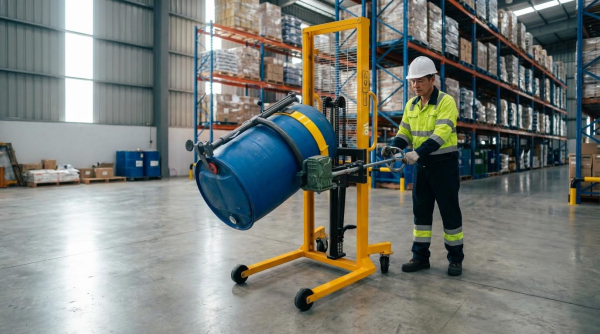
Regulatory compliance for drum stacking required alignment with OSHA, DOT, EPA, and fire code provisions. Engineers needed to translate these rules into concrete design limits, operating procedures, and inspection regimes. Effective risk management combined structural stability, chemical compatibility, spill control, and ignition source control into one integrated storage strategy. Digital tools increasingly supported documentation, monitoring, and traceability for audits and incident investigations.
OSHA 1910.176 And 1926.250 Tiered Storage Rules
OSHA General Industry Standard 1910.176 and Construction Standard 1926.250 defined baseline requirements for stacked materials, including drums. Both standards required that materials stored in tiers be stacked, blocked, interlocked, or otherwise secured to prevent sliding, falling, or collapse. For drums, this translated into symmetric stacking, chocking of the bottom tier, and use of pallets or dunnage to create flat bearing surfaces. The rules also required clear aisles, unobstructed access to exits and firefighting equipment, and posted limits for stacking height and floor loading. Designers needed to verify that proposed stack geometries and floor loads complied with these provisions before approving layouts.
Segregation Of Incompatibles And Spill Containment
Segregation requirements drove how engineers zoned drum storage areas by chemical class. Flammables had to remain separated from oxidizers, and acids from bases, following OSHA and EPA guidance and the facility’s hazard communication program. Secondary containment, such as spill pallets, berms, or dikes, had to capture at least the design spill volume, often 110% of the largest container or 35% of total volume for large groupings, depending on the governing code. For drums of hazardous liquids, layouts had to keep UN markings and labels visible while still providing containment and access for inspection. Proper segregation and containment reduced the probability that a leak or fire in one group of drums escalated into a multi-chemical incident.
Fire, Explosion, And Electrical Hazard Controls
Fire and explosion controls around drum storage focused on limiting ignition sources and vapor accumulation. Regulations prohibited hot work and smoking in areas where flammable or combustible liquids were stored, mixed, or transferred, and required adequate ventilation to keep vapor concentrations below 10% of the lower explosive limit. Electrical equipment within classified areas had to be explosion-proof or intrinsically safe, with grounded temporary lighting and Ground Fault Circuit Interrupters for portable tools. Drums containing flammable or toxic liquids could not be stored near open flames, hot metal, or other heat sources, and large containers required physical protection and, where specified, diking to contain leaks. Fire extinguishers with suitable ratings had to be located strategically near drum storage and handling zones.
Inspection, FIFO Rotation, And Digital Monitoring
Risk management for stacked drums depended heavily on systematic inspection and inventory control. Facilities used FIFO rotation to ensure older drums were used or removed first, reducing the chance of aging-related failures of linings, seams, or markings. Routine inspections checked for rust, dents, bulging from internal pressure, damaged bungs or lids, and faded UN or DOT markings, and triggered reconditioning or removal of compromised containers. Increasingly, operators deployed digital monitoring tools to log inspection results, track storage dates, and flag drums approaching regulatory or internal shelf-life limits. Integrating these records with safety data sheet databases and incident reporting systems improved traceability and provided defensible documentation during audits or after an event.
Summary: Designing Safe, Compliant Drum Storage Systems
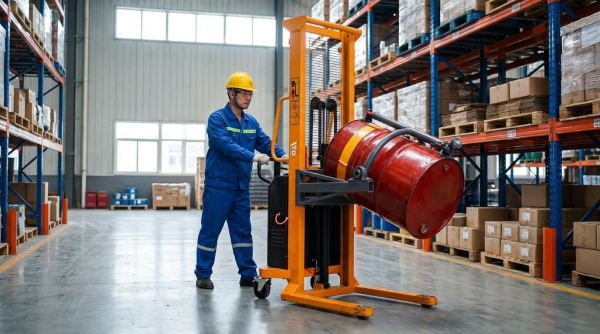
Safe drum and barrel stacking relied on a clear understanding of engineering limits, regulatory requirements, and operational constraints. Steel drums offered high strength and durability, but safe stack height depended on specific gravity, fill mass, and compliance with 49 CFR 178.606 load tests. Floor load ratings and racking designs had to support stacked weights with suitable safety factors, while still allowing access for forklifts or automated guided vehicles.
Effective storage layouts combined bung-up orientation, chocking, blocking, and the use of pallets, racks, and dunnage between tiers to create flat, stable interfaces. OSHA 1910.176 and 1926.250 required tiered stacks to be blocked, interlocked, and limited in height to prevent sliding or collapse, with clear aisles and unblocked emergency access. For hazardous contents, facilities added segregation of incompatibles, secondary containment, and clear labeling to align with OSHA, DOT, and EPA expectations.
Fire, explosion, and electrical hazard controls shaped where and how drums could be stored, especially for flammable or toxic liquids. This included separation from ignition sources, use of explosion-proof equipment where required, grounding to control static, and adequate ventilation verified against lower explosive limits. Routine inspection, FIFO rotation, and, increasingly, digital monitoring systems helped detect corrosion, deformation, or marking loss before failures occurred.
Future drum storage designs will continue to integrate structural analysis tools, sensor-based condition monitoring, and automated handling equipment to reduce manual exposure. However, the fundamentals remain unchanged: verify engineering capacity, respect regulatory stacking limits, and design storage systems that fail safely rather than catastrophically. Aligning structural design, equipment selection, and procedural controls provided a robust, compliant framework for long-term drum storage operations.