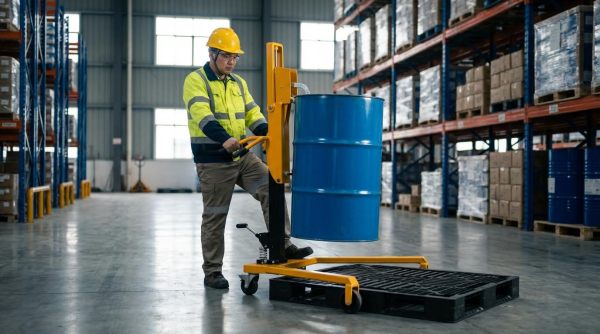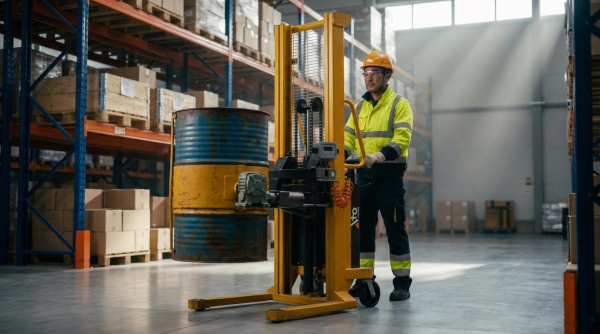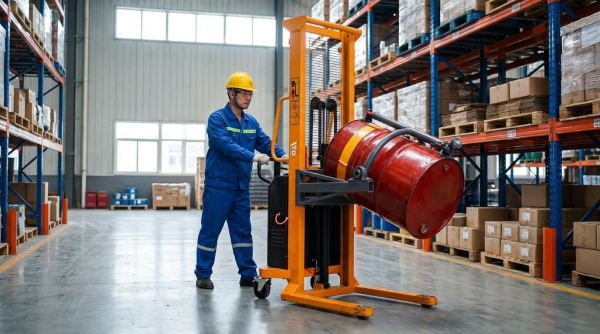
Safe warehouse operations depended heavily on how facilities managed stacked drums, barrels, and kegs. When stacking drums or barrels, engineers had to balance stability, regulatory limits, and containment of hazardous contents. This article outlined engineering fundamentals, the regulatory framework, and design and operational controls that governed stacked storage. It concluded with a structured summary of best practices and stepwise implementation for modern warehouse environments.
Throughout the sections, the discussion linked real-world failure modes with OSHA and 49 CFR requirements, then translated them into practical stacking layouts, pallet interfaces, and inspection regimes. The goal was to give engineers, EHS managers, and warehouse planners a technically sound basis for specifying, auditing, and improving stacked storage systems for industrial containers.
Engineering Fundamentals Of Drum Stacking Safety
Engineering fundamentals governed how warehouses managed risk when stacking drums or barrels. Safe configurations depended on container geometry, fill level, material properties, and the load path into pallets and floors. Environmental factors such as temperature, moisture, and UV exposure also affected long‑term stability. Understanding these mechanisms allowed engineers to define stack heights, pallet layouts, and inspection regimes that met regulatory and structural limits.
Drum Types, Fill Conditions, And Failure Modes
When stacking drums or barrels, engineers first classified container type and construction. Steel drums with rolling hoops carried axial and circumferential loads better than thin plastic drums or fiber drums. Closed‑head drums in bung‑up orientation resisted leakage more effectively than open‑head designs because closures stayed above liquid level. Fill condition controlled stiffness: full drums with liquids of specific gravity up to about 1.5 behaved as near‑rigid columns, while partially filled drums allowed sloshing and local denting. Typical failure modes included chime buckling at the top or bottom rim, sidewall ovalization, local denting at contact lines, and seam corrosion from moisture wicking at pallet interfaces. Engineers therefore limited stack height, specified relieving‑style plugs for hazardous contents, and prohibited stacking damaged or out‑of‑round drums.
Vertical Vs. Horizontal Storage: Stability Tradeoffs
When stacking drums or barrels vertically on end, the load path aligned with the drum axis, which improved compressive capacity. This configuration simplified palletization and allowed stacking up to three or four tiers for qualified steel drums under controlled temperature and specific gravity limits. However, vertical stacks required dunnage or pallets between tiers and chocking of the bottom row to prevent sliding. Horizontal storage, with drums on their sides, offered better access to bungs and was common for aging beverages or for gravity dispensing. In that case, stability depended on blocking or racking systems that prevented rolling and limited tier height to one or two layers unless purpose‑designed racks existed. Vertical storage maximized density and was preferred for hazardous chemicals, while horizontal storage prioritized process access but demanded more robust blocking and rack design.
Load Paths, Contact Stresses, And Pallet Interface
When stacking drums or barrels in multiple tiers, engineers traced the load path from upper chimes through lower shells into the pallet and floor. Ideal practice kept drum chimes vertically aligned so axial loads transferred through reinforced rings rather than thin sidewalls. Contact stresses concentrated along narrow chime lines; without dunnage, these stresses could exceed local yield strength and cause permanent deformation. Sheets of plywood, full‑coverage pallets, or steel decks spread loads and reduced peak pressure. Recommended pallet sizes of about 1.2 m by 1.2 m allowed four 208‑liter drums with minimal overhang, which maintained full bottom support. Pallets with broken deck boards, wide gaps, or protruding fasteners introduced point loads and puncture risks, so inspection and rejection criteria for pallets formed part of the stacking design. Floor load checks verified that combined drum, pallet, and contents mass stayed below slab design limits, especially for mezzanines or elevated platforms.
Environmental Effects: Temperature, UV, And Moisture
When stacking drums or barrels, environmental conditions significantly influenced long‑term safety. Elevated temperatures increased internal pressure, especially in closed‑head drums containing volatile liquids, which promoted bulging and stressed closures. Guidance typically limited stack height when contents had specific gravity above 1.5 or when ambient temperatures exceeded about 30 °C for extended periods. UV exposure degraded plastic drums and faded labels, while moisture promoted corrosion at chimes, welds, and pallet contact zones. Storing drums off concrete floors on pallets improved airflow and reduced wicking of moisture into steel surfaces. Outdoor stacks required covers or shelters to limit rain, snow, and direct sun, and engineers specified inspection intervals to detect rust, liner degradation, or distorted bungs. By integrating these environmental factors into stacking rules, facilities maintained structural integrity and preserved legible markings and Safety Data Sheet references over the storage life.
Regulatory And Standards Framework For Stacked Storage
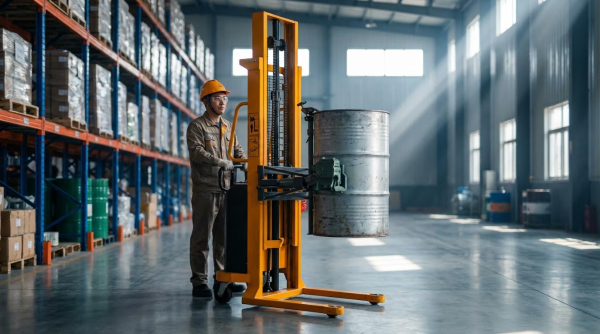
When stacking drums or barrels in warehouses, regulatory compliance defined by OSHA, DOT, fire codes, and chemical safety standards governed the baseline for safe practice. These rules addressed how to stack, block, segregate, label, and protect containers so that loads stayed stable and emergency systems remained effective. Engineers and safety managers needed to interpret these frameworks and translate them into concrete stacking layouts, aisle plans, and inspection routines. The following subsections summarized the key regulatory elements that directly influenced stacked storage design and operation.
Key OSHA Material Storage And Aisleway Rules
OSHA standards for material storage established how to keep stacked drums, barrels, and kegs stable and accessible. OSHA 1910.176(b) and 1926.250(a)(1) required materials stored in tiers to be stacked, blocked, interlocked, or otherwise secured to prevent sliding, falling, or collapse. When stacking drums or barrels, this meant using symmetric patterns, chocks on the bottom tier, and dunnage between layers until stacks were self-supporting. OSHA 1910.176(a) and 1926.250(a)(3) also required aisles and passageways to remain clear, in good repair, and free from obstructions that could impede material-handling equipment or emergency egress. Facilities therefore had to define minimum aisle widths, prohibit encroachment by manual pallet jack, and mark traffic lanes. OSHA 1910.176(c) and 1926.250(c) further mandated that storage areas stay free of tripping, fire, explosion, or pest-harboring accumulations, which influenced housekeeping programs around stacked drum blocks.
DOT And 49 CFR Performance Tests For Steel Drums
DOT regulations in 49 CFR defined performance-based tests that steel drums had to pass before use in regulated service. Section 178.606 specified a top-load stacking test equivalent to a 3 m high stack applied for 24 hours at ambient temperature. This test verified that when stacking drums or barrels within rated limits, the container body, seams, and closures could withstand compressive loads without leakage. Title 49 CFR 178.2(c) also required closures to be fully installed and tightened to the prescribed torque values, ensuring that bung and cover assemblies remained secure under stacking loads and thermal cycling. Engineers used these DOT ratings together with fill specific gravity to establish maximum safe stack heights, often limiting hazardous-material drums with specific gravity up to 1.5 to four-high, and reducing to three-high for heavier fills or higher ambient temperatures. These regulatory tests formed the engineering basis for warehouse stacking policies and palletized load designs.
Chemical Segregation, SDS Access, And Labeling
When stacking drums or barrels that contained hazardous chemicals, segregation and documentation requirements became as important as mechanical stability. OSHA’s Hazard Communication Standard and EPA guidance required incompatible classes, such as flammables and oxidizers or acids and bases, to be stored separately to avoid violent reactions if leaks occurred. This drove zoning of rack bays, separate containment areas, and clear physical barriers between certain drum groups. Labels, UN markings, and hazard symbols had to remain visible and legible on stacked containers, which influenced orientation on pallets and maximum stack heights that still allowed label inspection. Safety Data Sheets needed to be readily accessible near storage zones so operators could quickly identify contents and emergency measures. Facilities often designated controlled receiving areas where new chemicals and their SDS were reviewed before integrating them into existing stacked storage, reducing the risk of incompatible placements.
Fire Protection, Sprinkler Clearances, And Egress
Fire codes and OSHA egress requirements set additional constraints on how high and where operators could stack drums or barrels. Stacked storage could not encroach on required egress routes or block access to fire extinguishers, alarms, or emergency equipment. Ceiling heights, typically limited to about 10 m for certain drum-storage schemes, interacted with maximum palletized stack heights to preserve sprinkler effectiveness. Codes and industry guidance required minimum vertical clearance between the top of drum stacks and sprinkler deflectors so spray patterns could develop correctly. For palletized drums containing flammable or combustible liquids, foam-water sprinkler systems with specified discharge densities, such as 0.45 L·min⁻¹·m⁻² for three-high and 0.60 L·min⁻¹·m⁻² for four-high stacks, provided the design basis for fire protection. Engineers also had to maintain horizontal clearances from lighting, electrical lines, and heat sources, ensuring that emergency response and evacuation remained viable even at full storage capacity.
Design And Operation Of Safe Drum Stacking Systems
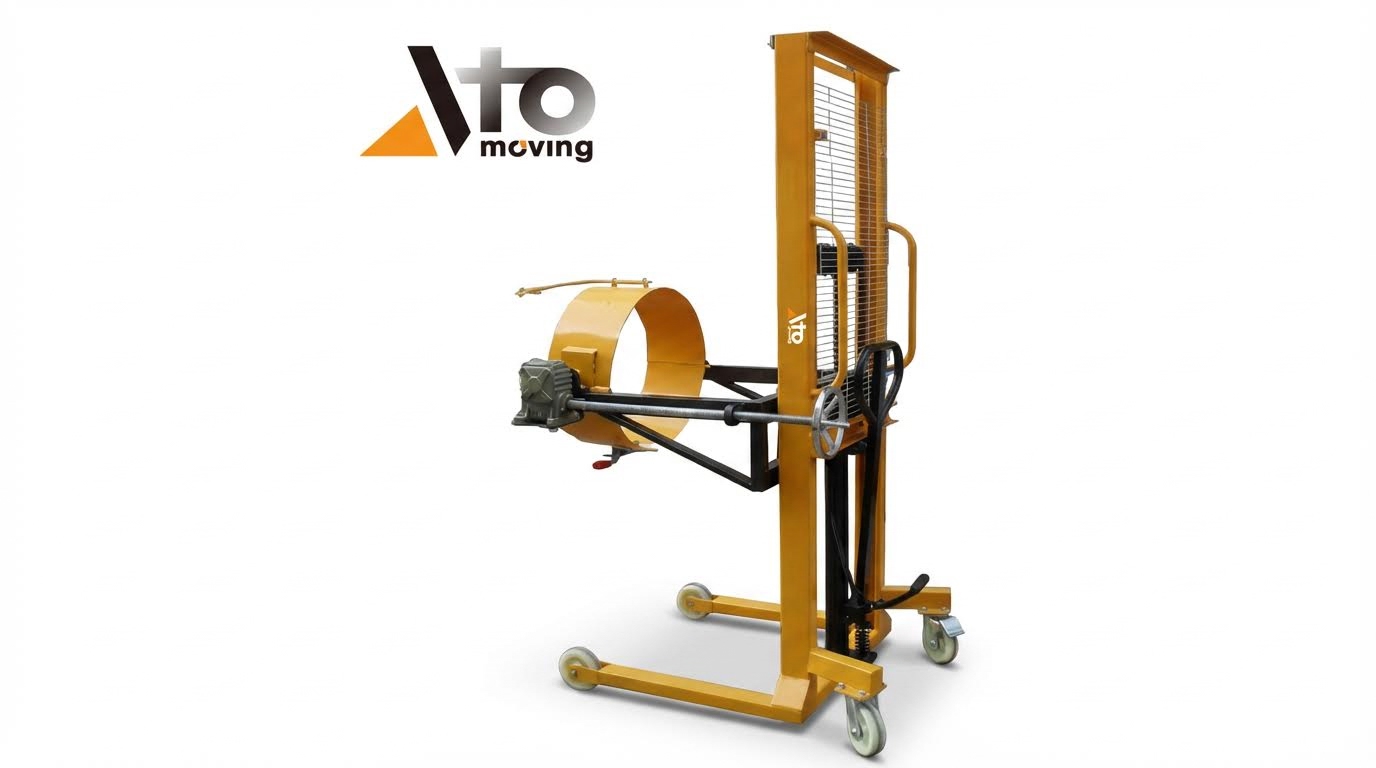
When stacking drums or barrels in warehouses, engineers must integrate structural limits, regulatory rules, and operational controls. A safe system treats each stack as a load path from closure ring to floor slab, not just a pile of containers. Design choices for pallet type, rack geometry, containment, and inspection frequency directly influence collapse risk, leak probability, and fire performance. The following subsections translate those requirements into practical engineering criteria for day‑to‑day warehouse operations.
Stack Height, Specific Gravity, And Floor Load Limits
When stacking drums or barrels, stack height must match the liquid specific gravity and test certification. Industry practice allowed steel drums with contents up to specific gravity 1.5 to stack four‑high under 49 CFR top‑load tests equivalent to a 3 m column for 24 hours. For contents above 1.5 or where ambient temperatures exceeded 30 °C for long periods, engineers typically limited stacks to three‑high to control shell and chime stresses. Palletized drum stacks also required overall height limits, such as about 3.0 m for three‑high and about 4.2 m for four‑high, to maintain stability and sprinkler effectiveness.
Floor load checks were essential when stacking drums or barrels in multi‑story buildings. Engineers converted drum mass, pallet mass, and dunnage mass into a distributed load in kN/m² and compared this to the slab’s rated capacity with a safety factor. Concentrated loads from rack posts or narrow pallets required bearing checks and, if necessary, load‑spread plates. Clear signage with maximum tiers and floor load limits at each storage zone helped operators avoid over‑stacking during busy shifts.
Pallet, Rack, And Secondary Containment Selection
When stacking drums or barrels, pallet selection controlled contact stress and tipping risk. A 1 220 mm × 1 220 mm pallet, or minimum 1 170 mm × 1 170 mm, offered full support for four 208 L drums without overhang, which reduced local shell denting at chimes. Engineers specified pallets with tight deck‑board spacing, intact stringers, and no protruding fasteners to avoid point loads and corrosion sites. Damaged pallets with broken boards, loose nails, or excessive gaps were removed from service because they undermined stack stability.
Racks for drums or barrels had to support static plus dynamic loads from handling, with adequate bracing against impact. Designs considered drum handler for forklift aisle widths, beam deflection limits, and anchorage to the slab. For hazardous liquids, secondary containment such as spill pallets, bunded racks, or berms captured leaks from the entire stack volume plus rainfall where outdoors. When stacking drums or barrels outside, pallets or racks lifted containers off concrete to limit moisture contact, while covers or shelters reduced UV exposure and label fading.
Symmetric Stacking, Chocking, And Dunnage Design
When stacking drums or barrels vertically, symmetry around the pallet centerline minimized eccentric loading and overturning moments. Operators placed four drums per pallet in a tight square pattern with uniform gaps, avoiding overhang. Between tiers, they used planks, plywood sheets, or full pallets as dunnage to create a flat bearing surface and distribute load evenly to the lower drum chimes. Dunnage thickness and stiffness had to prevent noticeable bowing under full stack weight, especially for four‑high configurations.
Chocking and blocking were mandatory when stacking drums or barrels more than one tier high. The bottom tier on end was chocked on both sides to resist lateral movement from impacts or vibration. When storing drums on their sides, workers nested chimes and blocked the bottom tier to prevent rolling, in line with OSHA requirements for stacked materials to be blocked and secured. Dunnage design also considered drainage and cleanability so that leaked product or rainwater did not pool under drums and accelerate corrosion.
Inspection, FIFO Rotation, And Predictive Monitoring
When stacking drums or barrels for long periods, inspection and rotation programs controlled degradation risk. Routine checks looked for rust, dents, bulging from internal pressure, distorted bungs or lids, and faded UN or DOT markings. Any container with compromised closures or unreadable labels left stacked service and moved to a controlled rework or disposal area. FIFO rotation used clearly marked receipt dates and location codes so that older drums left the stack first, reducing the chance of weakened containers remaining buried in tall tiers.
Predictive monitoring enhanced safety when stacking drums or barrels containing hazardous materials. Facilities tracked incident data, near‑miss reports, and inspection findings to identify patterns such as recurring pallet damage in specific aisles or higher corrosion rates in exterior bays. Temperature and humidity monitoring in storage zones helped justify more conservative stack heights during heat waves. Combined with periodic review of OSHA guidance and 49 CFR test criteria, these feedback loops allowed engineers to refine stack limits, inspection intervals, and training content before a structural or leakage failure occurred.
Summary Of Best Practices And Implementation Steps
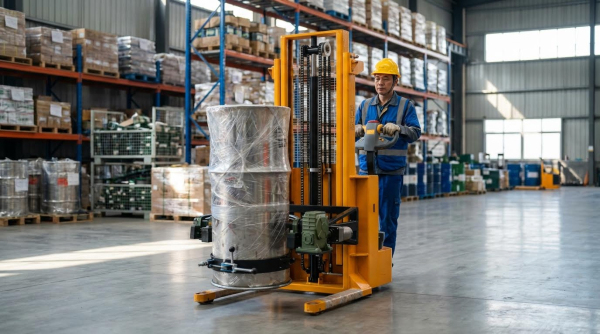
When stacking drums or barrels in warehouses, operations teams should integrate engineering limits, regulatory requirements, and day‑to‑day handling practices into one coherent system. Safe systems relied on stable geometry, verified load paths, correct pallet selection, and controlled environments. Compliance with OSHA, DOT, and fire‑protection guidance reduced the probability of collapse, leakage, and escalation during incidents. The following summary synthesized these elements into practical implementation steps for industrial facilities.
From a technical perspective, facilities should first define stacking envelopes for each package type and fill condition. When stacking drums or barrels containing liquids with specific gravity up to 1.5, engineering practice and 49 CFR test data supported vertical palletized stacks up to four tiers, with typical overall heights not exceeding about 4.2 m, provided ambient temperatures stayed within the tested range. Where specific gravity exceeded 1.5 or sustained temperatures rose above 30 °C, plants limited stacks to three tiers and reduced total height. Floors or rack beams had to carry the resulting point and line loads with appropriate safety factors, verified against structural drawings and local building codes.
When stacking drums or barrels, the base interface governed stability. Good‑quality pallets of at least 1 170 mm × 1 170 mm plan size, with intact deck boards and no protruding fasteners, supported four 208 L drums without overhang. Operations avoided damaged pallets and excessive gaps that concentrated contact stresses in the chimes. Between tiers, facilities used planks, plywood sheets, or additional pallets to create flat bearing surfaces and distribute loads. Bottom tiers of vertical stacks were chocked on both sides, and any drums stored horizontally had their bottom courses blocked to prevent rolling. This geometry ensured stacks remained self‑supporting and met OSHA requirements for blocking and interlocking.
Regulatory compliance when stacking drums or barrels required more than mechanical stability. OSHA standards mandated clear aisles, unobstructed access to exits and firefighting equipment, and housekeeping that eliminated tripping, fire, and pest hazards. For hazardous contents, operators maintained secondary containment, preserved visibility of UN and DOT markings, and kept current Safety Data Sheets nearby. Fire‑protection design respected sprinkler clearance limits and ceiling heights, and, where required, used foam‑water systems with discharge densities sized to stack height and commodity classification. Facilities documented these design bases in their process safety and emergency response plans.
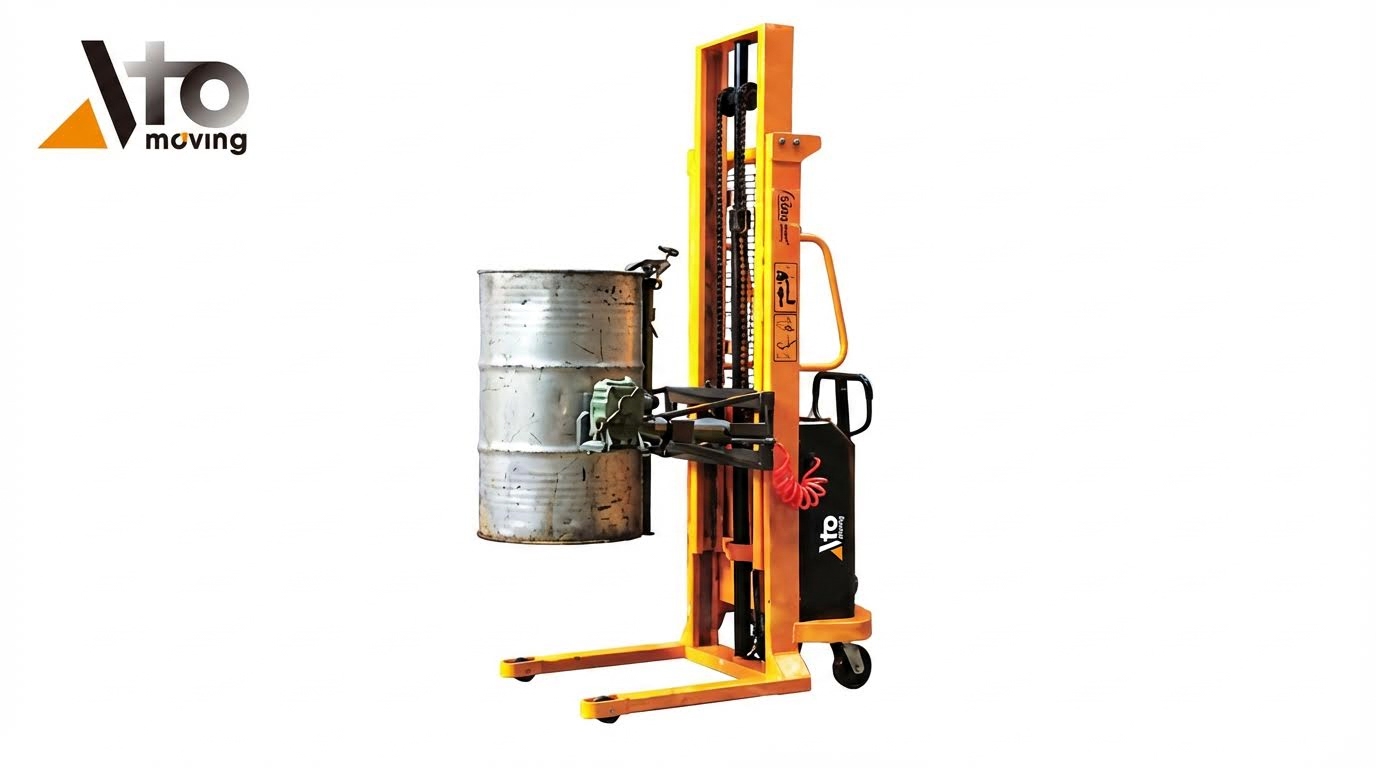
Operationally, when stacking drums or barrels, sites implemented standardized work procedures. These covered inspection of incoming containers for corrosion, dents, distorted bungs, or illegible markings before stacking; enforcement of FIFO rotation using date coding; and temperature management, including cooling hot‑filled product to ambient before final torqueing of closures and building full‑height stacks. Only trained operators used walkie pallet truck or manual pallet jack to build or break down stacks, centering loads on forks and travelling with forks low. Supervisors posted visible stack‑height and clearance limits on walls or posts and audited compliance. Periodic reviews of incident data, near misses, and evolving standards allowed facilities to refine stack geometries, pallet policies, and monitoring practices over time, keeping risk at an acceptable level while supporting warehouse throughput. Additionally, specialized equipment like a forklift drum grabber ensured safe handling of drums during stacking operations.