
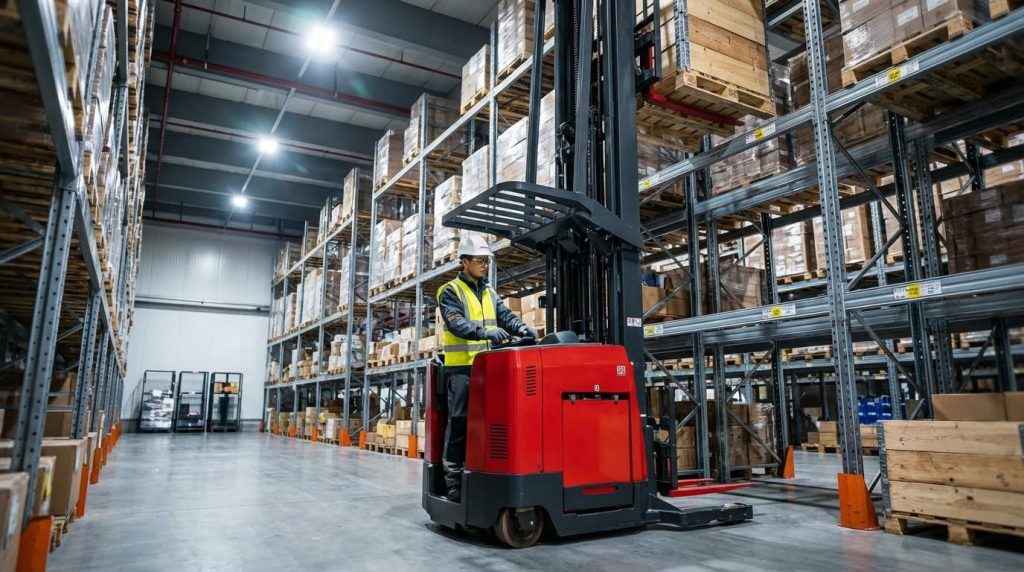
Loading pallets safely and efficiently without a raised dock demands the right mix of equipment, layout, and procedures. This guide explains how to lift pallets into a truck in open yards, tight sites, and small warehouses using forklifts, ramps, tailgates, scissor lifts, cranes, and dockless conveyors. You will see how to balance cost, throughput, and safety, and how to choose the best method for your volume and load types. Use it as a practical reference when planning or upgrading any dockless pallet loading operation.
Core Methods For Dockless Pallet Loading
Key constraints without a loading dock
When you do not have a dock, the main constraint is the vertical gap between ground level and the truck bed. You must bridge this height safely before you even think about how to lift pallets into a truck. Common trailer bed heights range roughly from 1.1 m to 1.4 m, which is too high for safe manual lifting and too steep for improvised ramps. That is why most dockless solutions either lift the pallet up (scissor platform, tailgates, forklifts) or bring the loading surface down toward ground level (mobile ramps, dockless conveyors).
Safety also becomes harder to control in open yards or parking lots. The vehicle must be completely stationary, with brakes applied and wheel chocks in place to prevent movement during loading operations to reduce the risk of forklift-related injuries. Uneven surfaces, potholes, and debris increase tip‑over risk for pallet jacks, forklifts, and mobile yard ramps, so regular inspection and hazard removal in loading areas is essential to keep approaches clear and stable.
Without a dock, you also lose the natural barrier that prevents falls and defines traffic flow. Gaps between any temporary platform and the vehicle create trip and fall hazards and must be covered or guarded where people walk or handle loads to avoid falls from height. Load security is another constraint: pallets must be stable on ramps, lift tables, or conveyors and then properly secured inside the vehicle to prevent shifting during transit, which can cause injuries when doors open and can damage product if cargo is not restrained.
Practical implications for planning
In practice, these constraints mean you must plan: a level, reinforced standing area for the truck; controlled pedestrian and equipment routes; and enough clear space for turning forklifts or positioning a mobile yard ramp. You should also define when manual loading is acceptable (typically for lighter, non‑palletized items) and when mechanical aids are mandatory to keep within ergonomic limits based on cargo type and weight.
Overview of main equipment options
There are several proven equipment paths for operations that need to know how to lift pallets into a truck without a dock. The right choice depends on whether you want to raise the load, lower the truck interface, or automate the in‑truck movement. Key categories include forklifts and pallet jacks, mobile yard ramps, liftgate services, pit‑mounted scissor lifts, manual loading for light items, and dockless conveyor systems.
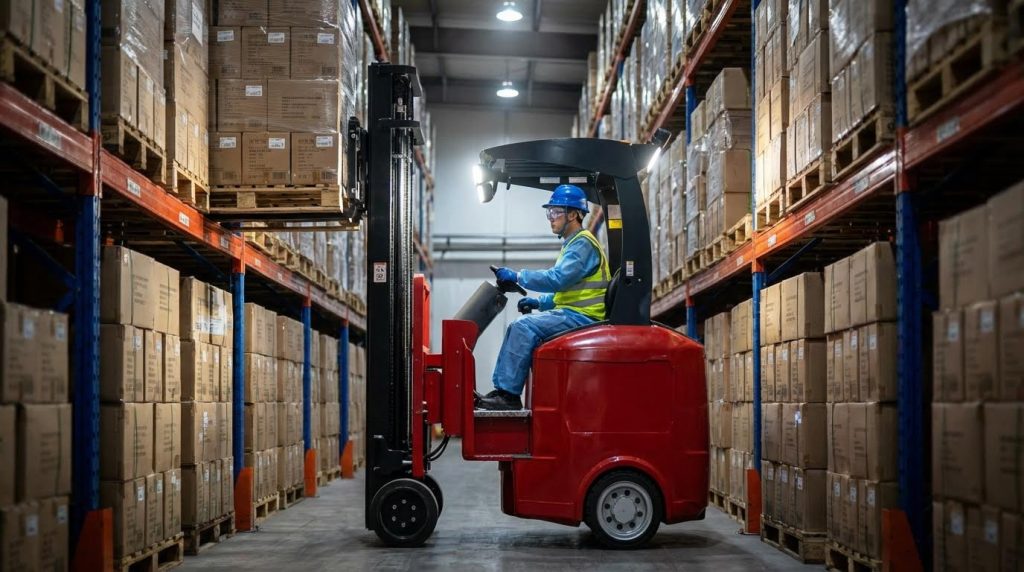
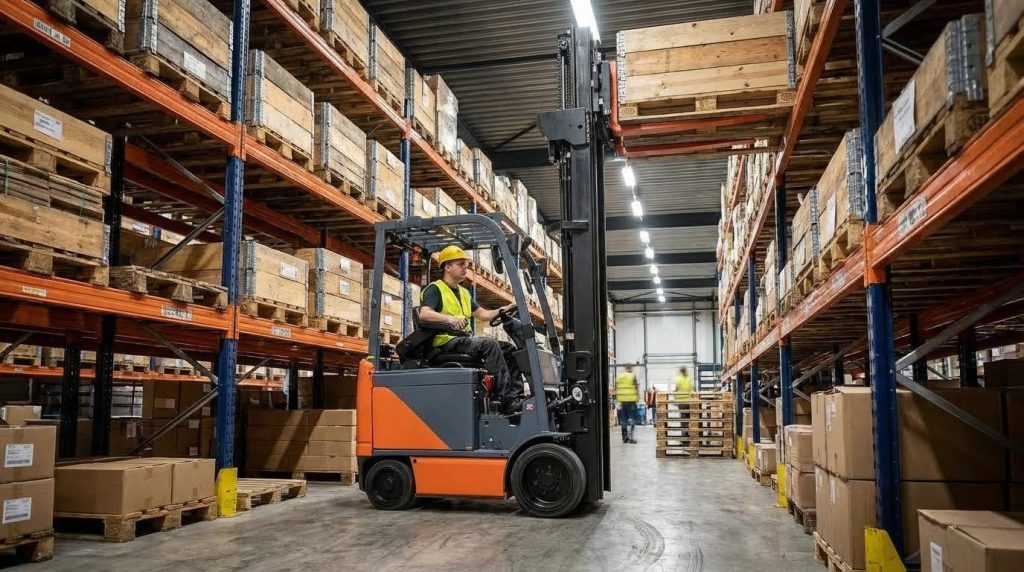
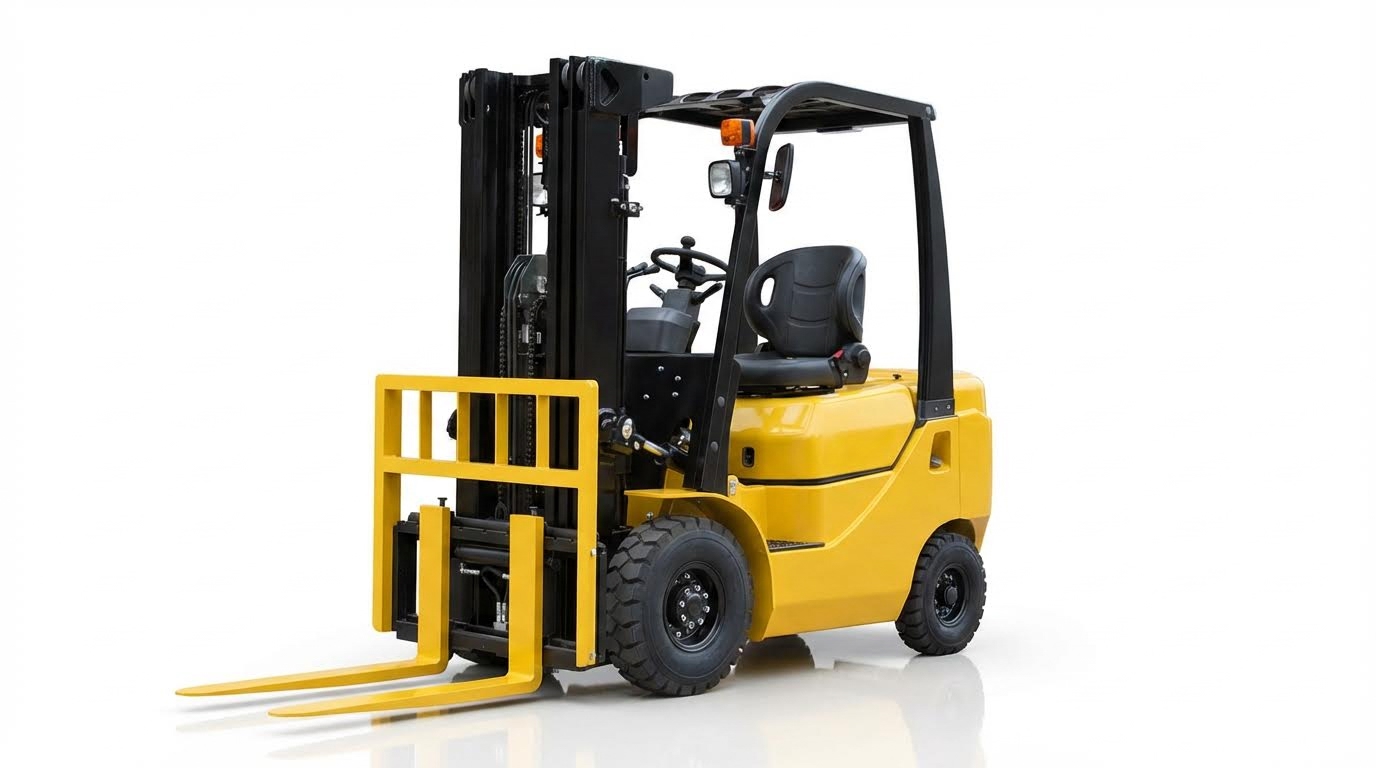
- Forklifts and pallet jacks: A forklift can slide its forks under heavy pallets and raise them for moving and stacking when a loading dock is unavailable making it a primary alternative to dock loading. A pallet jack can be used in combination with a mobile ramp or tailgate when loads are lighter and travel distances are short.
- Mobile yard ramps and loading ramps: A mobile yard ramp or portable loading ramp creates an inclined plane so pallet trucks or forklifts can access the back of a truck without a dock and can be moved out of the way when not in use. Mobile yard ramps are portable, require no civil work, and are relatively budget‑friendly, but they are less stable and not ideal for the heaviest duty cycles or very tight yards because of their long structure and lower stiffness.
- Tailgate (liftgate) service: A tailgate is a small hydraulic platform at the back of the truck that lowers shipments to ground level. It is useful where there is no dock or forklift, and typical liftgates handle about 1300–1500 lb and around 72 × 48 × 82 in of freight per cycle with an added accessorial charge from the carrier.
- Pit‑mounted scissor lift tables: Where you have a fixed loading area but no dock, a pit‑mounted scissor platform lift can raise pallets smoothly to truck bed height while staying flush with the floor when lowered. These lifts are customizable for size and capacity but require a structural pit and higher initial cost, which suits permanent, higher‑volume sites rather than temporary yards where civil work is justified.
- Dockless conveyors: For high‑throughput carton or mixed‑case loading, dockless gravity or powered conveyors can extend into trailers and move product automatically. Typical systems handle about 40–60 kg per metre of conveyor length and run at around 0.30 m/s with adjustable speed control to match product and workflow needs. Flexible or telescopic designs can penetrate 7.5–11 m into semi‑trailers, are height‑adjustable, and can be relocated inside the facility on heavy‑duty castors for multi‑door use.
- Manual loading (handbombing): For lighter, non‑palletized shipments, typically up to about 120 lb per item, manual loading without a dock can still be viable. Carriers usually allow 15–30 minutes of free time for this work before waiting charges apply, so it is best reserved for small consignments or where labour is readily available and mechanical aids are not justified.
Where cranes and terminal services fit in
Very large or oversized palletized loads on flatbeds may require a crane, which is normally treated as a special service due to its cost and setup time when forklifts cannot safely reach or handle the geometry. If you cannot provide any suitable equipment on site, arranging terminal drop‑off or pickup at a carrier facility that has a dock and handling gear can be the most economical workaround, allowing you to unload at your own pace later while still leveraging dock infrastructure.
Comparing Dockless Loading Solutions In Detail
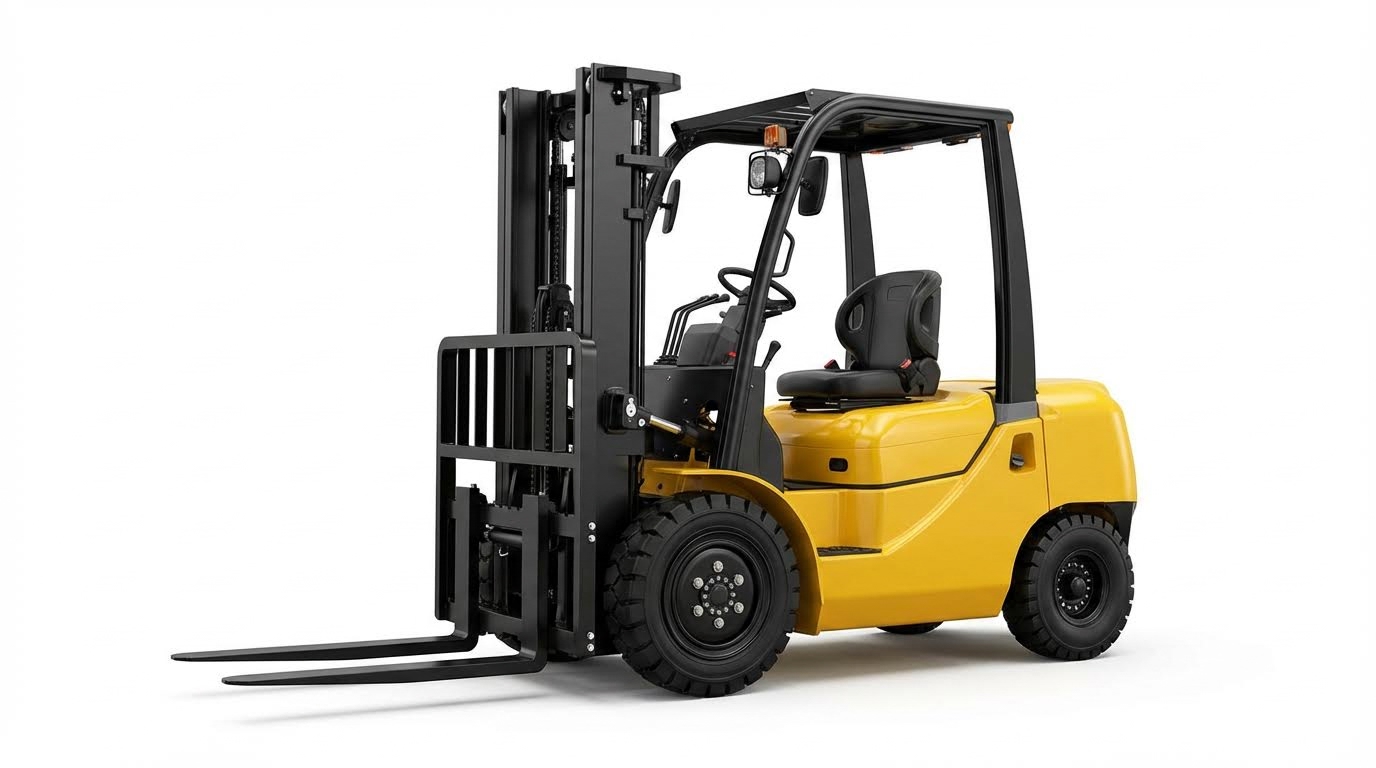
Forklifts, pallet jacks and mobile yard ramps
Forklifts are often the fastest answer when you are deciding how to lift pallets into a truck without a dock. They can enter the trailer via a mobile yard ramp or ground-level access and handle heavy palletized loads that would exceed tailgate capacity. Forklifts slide under pallets and raise them for stacking and transport, and short-term rental is a practical option for occasional large or heavy shipments when no in‑house truck is available. Pallet jacks then take over for final positioning inside the trailer or staging in the yard.
- Forklifts: Best for high volume, heavy pallets, and tight time windows; require trained operators and good ground conditions.
- Manual or electric pallet jacks: Suitable for short moves on flat, smooth surfaces; limited by operator effort and floor gradients.
- Mobile yard ramps: Create a temporary “dock” so forklifts or pallet jacks can enter the truck; they are portable, require no civil works, and suit changing loading spots, but they are less stable and not ideal for continuous heavy-duty use in open yards or seasonal operations.
For most palletized freight, a forklift plus a mobile yard ramp is the most efficient dockless solution, while pallet jacks alone are better kept for light, low-volume work or short internal transfers.
Tailgates, scissor lifts and dockless conveyors
Tailgate (liftgate) trucks are a simple way to solve how to lift pallets into a truck at sites with no equipment. The hydraulic platform at the rear of the vehicle lowers or raises freight between ground and bed level and typically handles about 1300–1500 lb with footprints around 72 × 48 × 82 in per lift cycle depending on the carrier. This is ideal for occasional pallets but can become a bottleneck for high throughput.
Where you have a fixed loading point but no dock, a pit-mounted scissor lift table can raise entire pallets or small stacks to truck-bed height. It sits flush with the ground when lowered, saving space, and can be customized for platform size and capacity, though it needs a concrete pit and higher upfront investment compared with mobile solutions.
Dockless conveyors are best when you move many small or mixed cartons rather than full pallets. Systems range from gravity and flexible roller units to powered belt and telescopic conveyors that can extend 7.5–11 m into a trailer, with typical design loads around 40–60 kg per meter and speeds near 0.30 m/s for standard mobile vehicle loaders. They reduce manual carrying distance and are highly effective in e‑commerce or parcel operations.
Comparison snapshot
| Solution | Best for | Key limits |
|---|---|---|
| Tailgate | Low-volume pallet moves at sites with no gear | Per-lift weight and size limits; added carrier fee |
| Scissor lift | Fixed bay, repeat flows, mixed pallet sizes | Requires pit and capital project |
| Dockless conveyors | High carton volume, manual picking | Not suited to full, heavy pallets |
Cranes, manual loading and safety compliance
Cranes come into play when freight is too large, tall, or awkward for forklifts or tailgates, especially on flatbeds. They lift loads vertically from the ground or another vehicle and place them on the truck deck, but are treated as special services with higher cost and require rigging expertise for oversize shipments. Cranes are rarely the first choice for standard pallets but are essential for oversized machinery or construction components.
Manual loading (handbombing) is acceptable only for light items, typically up to roughly 120 lb per piece, and small cartons. It avoids equipment costs but increases labor time and musculoskeletal risk, so it should be limited to short-duration work and supported with good ergonomics and time limits to avoid excessive manual handling.
Regardless of method, safety compliance is non‑negotiable when planning how to lift pallets into a truck. Vehicles must be fully stationary with brakes applied and wheel chocks in place, loading areas should be clear of debris and potholes, and trailers must stand on firm, level ground to prevent instability. Operators should use mechanical aids wherever possible, wear protective gear, and inspect pallets for damage before lifting to minimize collapse or fall risks as part of daily safety routines.
Selecting The Right Method For Your Operation
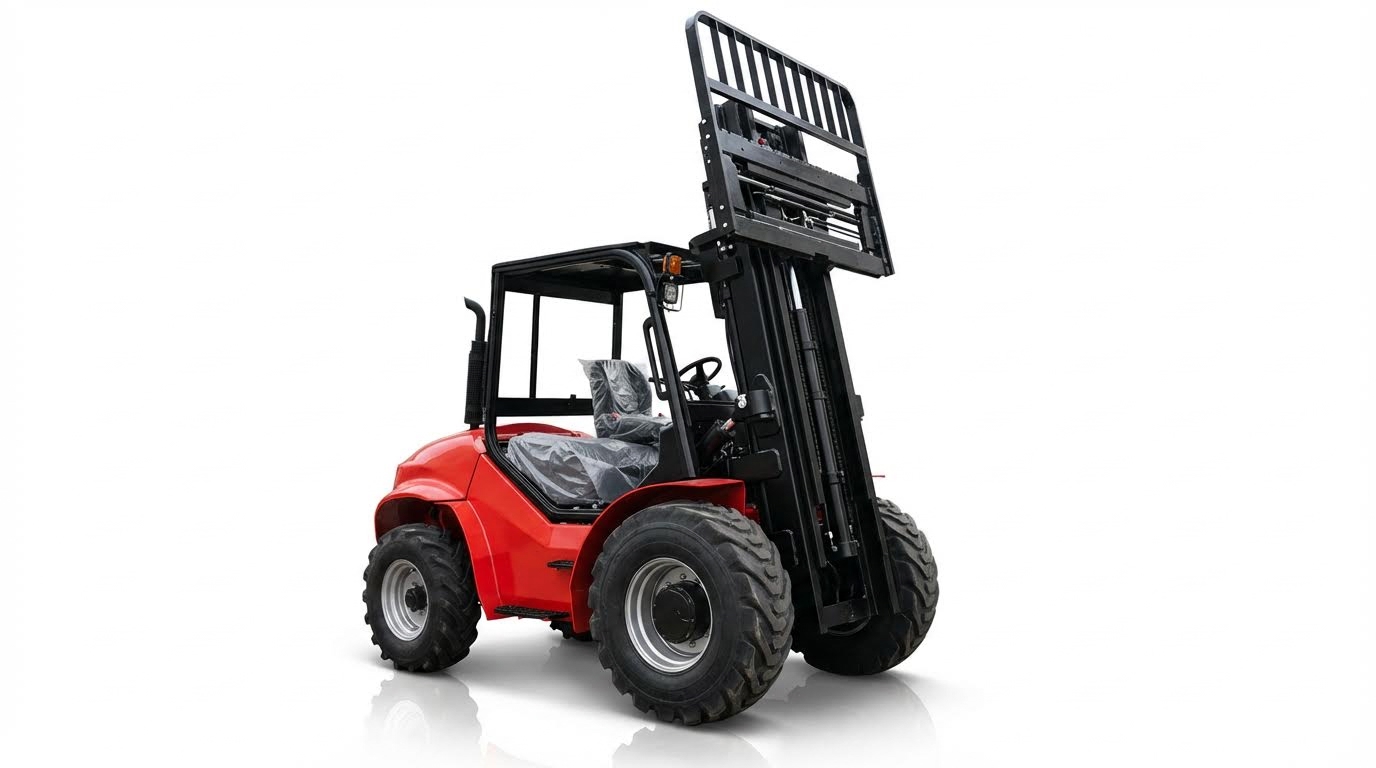
Matching methods to volume, load and site layout
Start by defining how often you load, typical pallet weights, and whether you handle full truckloads or occasional shipments. High-volume operations that constantly load trucks benefit from fixed infrastructure such as pit-mounted scissor lift tables, which give smooth vertical travel to match truck bed height and can be customized for capacity and platform size while remaining flush with the floor when lowered. In contrast, if your loading point moves around an open yard or is seasonal, mobile yard ramps or loading ramps are more suitable because they require no civil work and can be repositioned as truck access changes but they need clear space due to their length. For teams searching how to lift pallets into a truck safely, match the handling method to pallet weight: use forklifts or powered pallet jacks for heavy or stacked loads, and reserve manual loading for lighter boxes up to roughly 120 lb per item where handbombing is acceptable.
Site geometry also drives your choice. Narrow yards with limited turning radius favor tailgate service or dockless conveyors that can extend directly into the trailer, instead of long ramps that need drive-up space. Flexible or telescopic dockless conveyors are effective when you have a fixed truck parking line but no dock, because they can reach 7.5–11 m into trailers and adjust in height to match different vehicle beds while remaining mobile on castors. Where you handle oversize machinery or long steel fabrications, side-loading with forklifts may be impossible, so you plan for crane access around the truck parking area and ensure firm, level ground for outrigger loads because such lifts are treated as special-service operations. Always overlay safety on top of layout: trucks must park on level surfaces with brakes set and wheel chocks in place, and approach routes for forklifts or pallet jacks must be free of potholes, cracks, and debris to avoid tip-over or load loss during travel as recommended for safe loading zones.
Cost, TCO and automation-readiness criteria
When comparing dockless methods, look beyond purchase price and consider total cost of ownership (TCO). Fixed solutions such as pit-mounted scissor lifts require construction work and higher upfront investment, but they reduce loading cycle time and improve safety for every truck, which lowers labor cost per pallet over years of operation and can be specified for the exact load range you handle. Mobile yard ramps, manual loading, and tailgate services have lower entry cost and are attractive for low-volume or start-up operations, but they depend more on manual labor and can become expensive if shipment frequency grows, especially when you pay per-use fees for liftgate or driver-assist services or incur waiting charges when loading takes too long. Include maintenance in your TCO model: powered conveyors and hydraulic lifts need periodic cleaning, lubrication, and replacement of wear parts like rollers, bearings, and belts to maintain reliability and avoid unplanned downtime during peak shipping windows as recommended for dockless conveyors.
Automation-readiness matters if you plan to scale or integrate with warehouse systems. Dockless belt or roller conveyors with adjustable speed and height are easier to connect to automated sortation, barcode scanning, and inventory control, which improves tracking of each pallet as it moves into the truck and reduces misloads because they already support automated material flow. If you are still at a manual stage, prioritize equipment that enforces safe practices for how to lift pallets into a truck, such as forklifts with trained operators, pallet trucks on sound surfaces, and platforms that eliminate large step height differences between ground and trailer. Over time, you can migrate from manual ramps and tailgates to semi-automated dockless conveyors or mobile vehicle loaders that penetrate deep into trailers, cutting walking distance for workers and lowering ergonomic risk per pallet handled while using standard power supplies and reversible belt drives. Align your method choice with your three-to-five-year volume forecast, desired labor profile, and safety targets so the system you buy today can evolve with your operation instead of becoming a bottleneck.
Final Thoughts On Dockless Pallet Loading Strategies
Dockless pallet loading only works well when you treat it as an engineered system, not an improvised workaround. You must control the vertical gap to the truck, keep ground conditions stable, and guide traffic clearly. Forklifts, pallet jacks, ramps, tailgates, scissor lifts, cranes, and dockless conveyors each solve a different part of that problem and carry clear limits on weight, geometry, and throughput.
Operations teams should first define volume, pallet weight, and site layout, then select the simplest method that meets those needs with a safety margin. High and steady volumes justify fixed lifts or integrated conveyors. Lower or changing volumes favor mobile ramps, tailgates, or rental forklifts. Manual loading should stay a last resort for light items only.
Engineering teams must check structural capacity, stability on slopes, and clearances inside trailers before signing off any layout. They should also build maintenance and inspection into the plan so ramps, hydraulics, and conveyors stay reliable. Across all options, the best strategy is to standardize one or two methods, train operators well, and phase in more automation-ready tools, such as dockless conveyors and Atomoving lift platforms, as volumes grow and safety targets tighten.
Frequently Asked Questions
What device is used to move pallets into a truck?
A pallet jack, also known as a pallet truck, is commonly used to lift and move pallets. It’s ideal for moving palletized loads within warehouses and loading docks. For heavier or bulkier loads, alternatives like electric pallet jacks or pedestrian stackers can be more efficient. Pallet Jack Guide.
How to lift a pallet without a forklift?
If you don’t have access to a forklift, manual or electric pallet jacks are safe and effective tools for lifting pallets. Additionally, ramps and moving dollies with wheels can help load pallets into a truck. Using straps or ropes can secure the load during transit. Forklift Alternatives.
What are some tips for loading pallets into a truck safely?
To load pallets safely, ensure the heaviest items are at the bottom and lighter ones on top to maintain stability. Use ramps to reduce lifting effort and ensure the pallets are securely strapped down to prevent movement during transit. Always check weight distribution before transport. Loading Tips.