
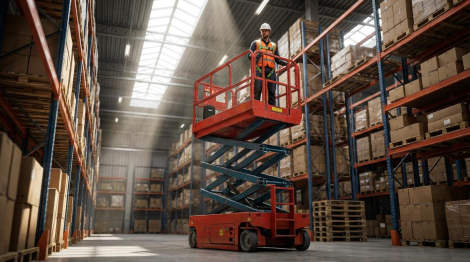
Aerial platform operators are expected to prove, at any time, that their machine, worksite, and personal qualifications all meet current safety rules. This article explains which publications must be kept on the aerial platform, which records can stay at the jobsite office, and how to organize them for quick inspection. You will see how operator manuals, standards, inspection reports, and training proof work together to support safe, compliant operation. Use this as a practical checklist to build a complete, defensible document set for every machine you put in the air.
Core Publications Required On Every Aerial Platform
Operator’s manual and safety instructions
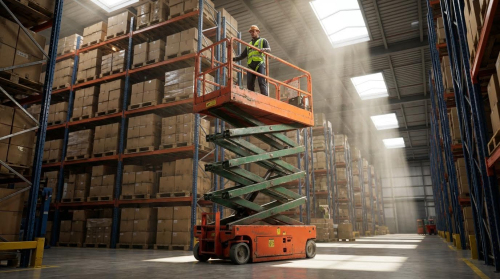
For anyone asking which publications must be kept on the aerial platform, the operator’s manual is the first non‑negotiable document. It must be the exact manual for that specific model and configuration, and it should be stored on the machine or in a clearly marked compartment so operators can consult it during setup, operation, and troubleshooting. Guidance on safe operation, emergency procedures, pre-use checks, and maintenance intervals is normally structured around the machine’s safety systems, such as emergency stop circuits, overload indicators, and hydraulic or battery maintenance instructions. Keeping the correct, current manual onboard also supports compliance with design and safe-use standards that require operation, inspection, and maintenance to follow the instructions in the operating manual. Relevant safety rules specify that aerial work platforms must be operated, inspected, and maintained in accordance with the equipment’s operating manual. To make the manual usable in the field, operators should bookmark or tab critical sections: emergency lowering, load charts, platform capacity limits, wind restrictions, and fault or alarm codes. This ensures that, when alarms trigger or conditions change, the operator can quickly confirm the correct response instead of relying on memory alone.
Key contents that must be in the onboard manual
- Model-specific operating instructions and control layouts.
- Pre-use and periodic inspection checklists.
- Load ratings, reach diagrams, and stability limits.
- Emergency procedures and rescue/ground control instructions.
- Routine maintenance intervals and service points.
Alongside the core manual, concise safety instructions or quick-reference cards should remain with the platform. These can be laminated sheets or placards summarizing critical rules such as not overloading the platform, not using ladders or scaffolds on the deck, and keeping materials within the guardrail footprint. These instructions are especially useful for reminding occasional users of basic rules before elevation. Quick references should not replace the full manual but should align with it and with applicable standards so there is no conflict between instructions.
Regulatory, inspection, and conformity documents
In addition to the operator’s manual, a compliant set of documents on the machine must show that the platform is legal to use and has been kept under control throughout its life. Depending on jurisdiction, this typically includes a declaration or certificate of conformity, a current inspection or test record, and a control or inspection register that tracks periodic examinations. For example, periodic inspection schemes for aerial platforms require an inspection booklet, a conformity declaration, a control register, and the instruction manual to be maintained for the entire life cycle of the equipment, from commissioning through decommissioning. Guidance on lifting equipment inspections specifies that documentation such as the periodic inspection booklet, EC Declaration of Conformity, control register, and instruction manual must be available. Keeping copies of these documents on or with the machine (for example in a weatherproof document box) allows site supervisors, safety officers, and inspectors to verify at any time that the platform is within its inspection interval and that any defects have been closed out.
Where platforms do not carry a particular conformity mark, additional records are often required, such as a test booklet, an inspection logbook, and detailed technical data including rated load, dimensions, and operating limits. These documents help prove that the machine has been assessed and that its technical characteristics match how it is being used on site. For worksites following aerial work platform standards, inspection records must be kept on-site and made available for review, which is easier to achieve when a copy of the latest inspection report or sticker is kept directly on the machine. Requirements for aerial work platforms include keeping inspection records available at the work location. When defining which publications must be kept on the scissor platform, safety managers should therefore list, at minimum, the operator’s manual, proof of conformity, and the most recent inspection or test documentation as mandatory items.
Standards, Bulletins, And Technical References
ANSI/CSA/EM standards that must be referenced
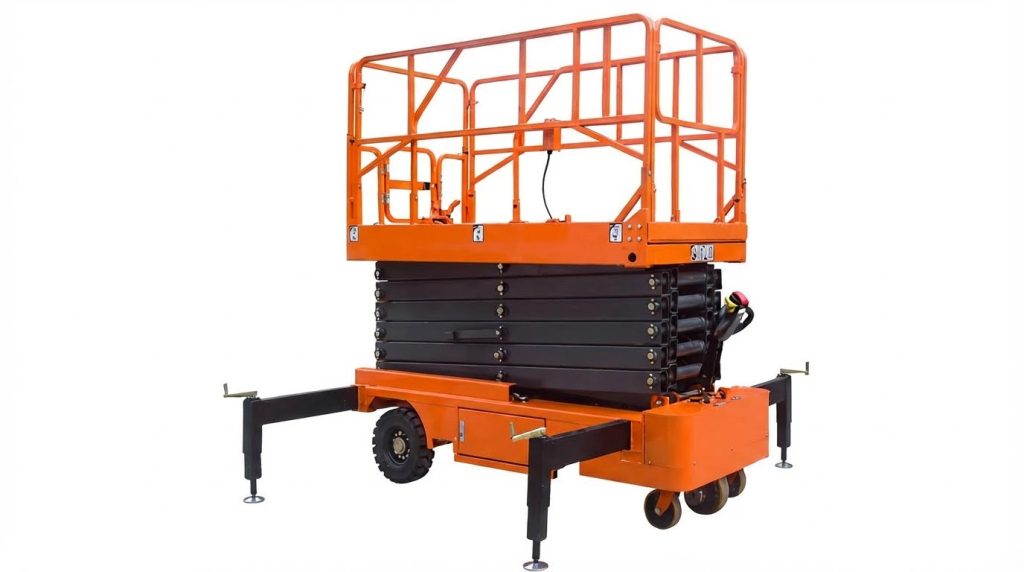
To decide which publications must be kept on the aerial platform, operators should always reference the core design and safe-use standards that apply to their machine type. For most modern MEWPs, this includes the design and construction standard (such as ANSI A92.20 and the matching CSA B354 series) that the operator’s manual states the unit complies with. These standards define critical safety features like overload alarms, tilt sensors, platform rail height, and tire requirements for rough terrain MEWPs. Updated A92.20 provisions introduced higher guardrails, mandatory gates, and stability enhancements, so the relevant standard or summary should be cited in the worksite documentation set.
- Design & construction: ANSI A92.20 / CSA B354.6 for many new MEWPs, as referenced in current operator manuals. Typical manuals state compliance with A92.20-2020 and B354.6-2019.
- Safe use: ANSI A92.22, which requires written Safe Use Plans and Rescue Plans integrated into daily operations. These plans must address selection, setup, and emergency response.
- Training: ANSI A92.24, which defines training content and the split between theory and hands‑on evaluation for operators, supervisors, and maintenance staff. Industry practice often used 3‑year refresh cycles even though ANSI did not set a fixed expiry.
- Owner / employer standards: Many sites also reference EM‑type safety manuals or government standards that require AWPs to be designed to ANSI/SIA A92.3, A92.5, or A92.6 and to be operated, inspected, and maintained strictly according to the operating manual. These rules also address inspection records, movement limits, access gates, and fall protection.
Onboard or in the job box, the operator should have at least a reference to the exact standard editions that apply to the machine, along with any site or client standards that modify those rules. This makes it clear which publications must be kept on the aerial platform or immediately accessible when questions about setup, stability, or safe approach distances arise.
Safety bulletins, field notices, and updates
A complete document set for any aerial platform should include the latest safety bulletins and field notices that affect that specific model. Manufacturers issued these bulletins to correct hazards, update procedures, or add inspection points over the life of the machine. Keeping them with the operator’s manual ensures that pre‑use checks and maintenance routines reflect the current risk profile, not just the original delivery condition. Industry bodies recommended that equipment be registered so that owners receive product updates and safety notices directly. Registration helped ensure all safety and technical bulletins reached the responsible owner.
- Safety bulletins: Used to communicate new hazards, structural concerns, or misuse trends and to specify mandatory inspections or retrofits.
- Technical notices: Often covered software updates, sensor calibration, hydraulic changes, or revised load charts that affect operating limits.
- Field instructions: Clarified inspection steps for overload indicators, tilt alarms, emergency stops, and other critical devices that protect against overturn or overload. Typical manuals already required verification of emergency stop and overload indicator function during pre‑operation checks.
For day‑to‑day operations, the practical answer to which publications must be kept on the scissor platform is: the base operator’s manual plus all safety bulletins and technical notices that change how the unit is inspected, limited, or used. These documents should be physically on the machine where possible, or in a clearly marked digital or hard‑copy file that the operator can access before and during work.
Site-specific safe use and rescue plans
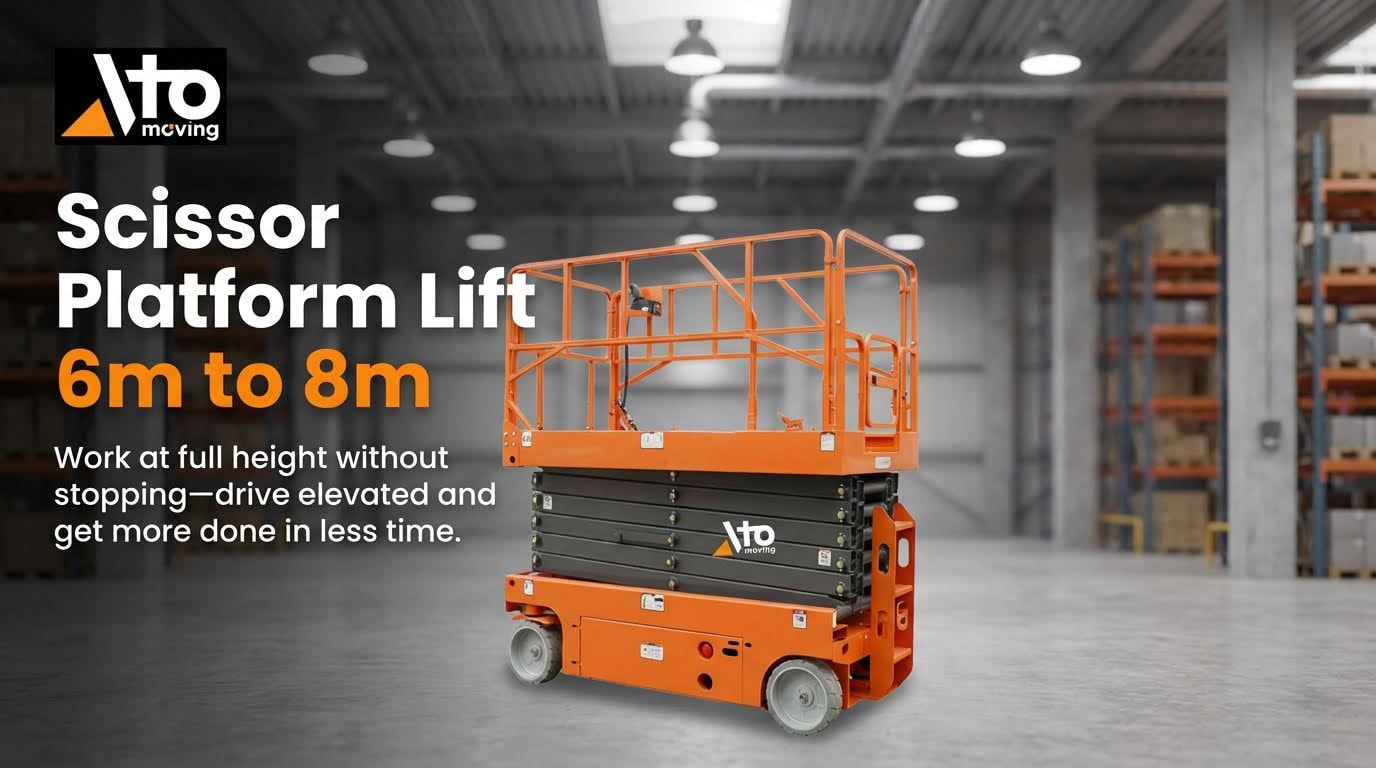
Beyond generic standards, each jobsite should maintain site‑specific safe use and rescue plans that tie the aerial platform’s capabilities to the actual work environment. Modern safe‑use standards required written plans that address machine selection, ground conditions, traffic separation, electrical hazards, and fall protection strategy for each task. ANSI A92.22 explicitly called for Safe Use Plans and written Rescue Plans to be part of daily operations. Complementing this, some regulations required documented emergency response procedures that enabled teams to respond within a few minutes in case of entrapment, fall, or platform failure. Rescue planning guidance targeted response times of about six minutes or less for MEWP incidents.
- Safe use plan content typically covers:
- Machine type and configuration allowed for the task.
- Permitted travel paths, slope limits, and exclusion zones.
- Controls for weather, visibility, and overhead obstructions.
- Ground bearing checks and outrigger/pad requirements.
- Rescue plan content typically covers:
- Who initiates rescue and who has authority to operate ground controls.
- Fallback methods if power is lost or access is blocked.
- Communication steps and medical response triggers.
Copies or summaries of these site‑specific plans should be kept with the work permit pack or in the platform’s document box so operators know exactly which publications must be kept on the scissor platform lift for that job. When combined with standards references and current safety bulletins, these plans create a complete, compliant technical reference set for safe aerial work.
Worksite Records, Checklists, And Training Proof
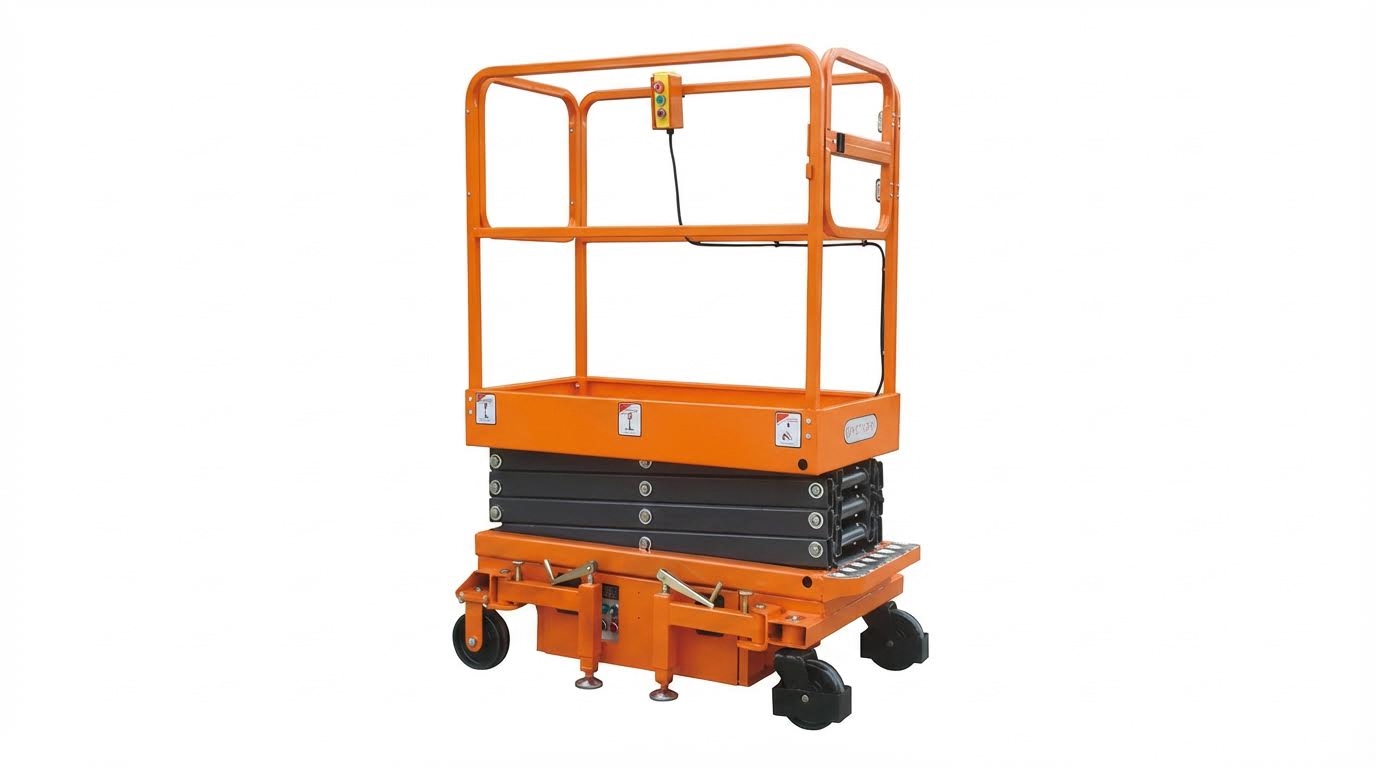
Pre-use inspection and maintenance logs
For compliance and traceability, every site should keep structured pre-use inspection checklists with the aerial platform or in an immediately accessible worksite file. Daily checks normally cover emergency stop function, overload indicators, tilt alarms, brakes, and fall protection systems, as required by safe-use standards and operating manuals. For example, operators should verify that the emergency stop switch halts all machine functions and that the overload indicator reacts correctly before starting work. Pre-operation checks on emergency stop and overload systems are standard requirements in many operator manuals.
- Pre-use inspection records should document the date, time, machine ID, work area, items inspected, defects found, and corrective actions. These records support the question of which publications must be kept on the aerial platform by proving that the operator followed the instructions in the on-board manual and site procedures.
- Periodic inspection and test reports must also be retained for the full life of the machine. Typical document sets include a periodic inspection booklet, a control register or inspection logbook, EC or conformity declarations, and licenses authorizing use. Guidance on lifting equipment inspections lists periodic inspection booklets, conformity declarations, control registers, and licenses as required documents.
- Maintenance logs should record scheduled and unscheduled work, including hydraulic fluid checks, filter changes, battery maintenance, and repairs to safety systems. For example, many manuals specify that hydraulic filters be replaced at defined hour intervals and that fluid levels be checked at specific positions of the platform. Typical instructions include maintaining hydraulic reservoir levels within marked ranges and replacing filters after a set number of hours.
On-site, inspectors often expect to see these logs together with the operator’s manual and inspection records, either stored on the machine or in a central safety file. Keeping this paperwork current shows that the employer is actively managing risk, not just relying on annual inspections. It also supports incident investigations, warranty claims, and planning for component replacement based on actual usage hours.
Examples of records to file at the worksite
- Daily or shift pre-use inspection checklist for each scissor platform.
- Periodic inspection certificates and reports (annual, quarterly, or as required by local law).
- Maintenance work orders and service reports, including safety system tests.
- Copies of conformity/approval documents and any modification approvals.
Training, authorization, and PPE certifications
Worksites must also keep proof that anyone using an aerial platform is trained, authorized, and equipped with the correct personal protective equipment. Modern standards require formal, documented training that covers theory and hands-on evaluation for operators, supervisors, and maintenance personnel. Current MEWP training requirements call for a two-part program with classroom/theory and practical evaluation. These records complement the technical publications kept on the scissor platform lift by proving that workers can correctly interpret and apply those documents.
- Operator training certificates should identify the person, date of training, type/class of MEWP, and the instructor or training provider. Many organizations adopt a three-year refresher cycle, even when the base standard does not prescribe a fixed expiry, to keep skills aligned with changing designs and safety features. Industry practice often uses three-year intervals for refresher training.
- Authorization-to-operate records link trained individuals to specific equipment on a given site. These can be simple lists, permits, or digital records signed by the employer or site manager. They confirm that only competent people operate the platform and that the employer has verified their training status.
- PPE training and certification must cover harnesses, lanyards, and other Category III PPE used for fall protection. Some jurisdictions explicitly require proof of training for PPE and rescue procedures to be available with other lifting-equipment documents. Guidance on aerial platform documentation lists proof of PPE Category III training as part of the required records.
- Rescue and emergency-response training records show that crews can respond within the time targets defined in the site’s rescue plan. Some guidance recommends response within a few minutes to prevent suspension trauma and other complications after a fall. Rescue planning guidance stresses rapid response times and documented procedures for MEWP incidents.
| Record type | Key contents | Where kept |
|---|---|---|
| Operator training certificate | Name, date, MEWP type, trainer, validity/refresher date | Site safety file; copy with operator or ID card |
| Authorization-to-operate list/permit | Names, machine IDs, permitted tasks, supervisor approval | Worksite office; near equipment dispatch point |
| PPE and rescue training records | PPE type, training date, rescue drills, attendees | Site safety file; available to inspectors |
Together with inspection and maintenance logs, these training and authorization documents form a complete proof set that the employer has competent people using the machine, following the manuals and standards that define which publications must be kept on the aerial platform and at the worksite.
“”
Final Summary: Building A Compliant Document Set
Effective aerial platform safety depends on clear evidence that the machine, the site, and the people are all under control. The onboard manual, conformity documents, and inspection records prove that the platform is built and maintained to a known technical standard. Standards, bulletins, and field notices then update those rules as designs and risks change over the life of the unit.
Site-specific safe use and rescue plans connect these technical limits to real ground conditions, access routes, and emergency response. Pre-use checklists and maintenance logs show that operators and technicians apply those rules every day, not just at annual inspection. Training, authorization, and PPE records close the loop by proving that only competent, equipped people interpret and use the documents.
Operations teams should treat this entire package as one integrated safety system. Build a standard document set for every Atomoving aerial platform model. Keep critical items on the machine in a protected box and store backups in the site safety file or digital system. Review and update the set whenever standards, bulletins, or site conditions change. When documents, inspections, and training stay aligned, the platform works inside its design envelope and the employer can defend both safety and compliance during any audit or incident review.
Frequently Asked Questions
What publications must be kept on an aerial platform?
For safety and compliance, the following key documents should always be kept on an aerial platform:
- Operator’s Manual: This provides detailed instructions on safe operation, maintenance, and troubleshooting of the equipment. Refer to the manufacturer’s guidelines for specifics.
- Safety Guidelines: Documentation outlining OSHA or other regulatory standards relevant to aerial lifts. These ensure operators are aware of safety protocols. OSHA Safety Standards.
- Maintenance Records: Logs of inspections, repairs, and servicing help verify the equipment is in safe working condition.
- Emergency Procedures: Instructions on what to do during malfunctions or accidents, including contact information for emergency services.
What is an aerial platform?
An aerial platform, also known as an aerial lift, boom lift, or scissor lift, is a mechanical device used to provide temporary access to elevated areas. It typically consists of a wheeled base, an extendable arm or lifting mechanism, and a work platform where operators can stand. These platforms are widely used in construction, maintenance, and warehouse operations due to their mobility and versatility. For more details, see Aerial Work Platform Overview.