Used forklifts and components offered a cost-effective way to build or right-size fleets when specified and inspected correctly. This article covered how to define performance and safety requirements, then translate them into technical criteria for used trucks, attachments, and components. It examined engineering evaluation of forks, masts, hydraulics, and tires, and detailed best practices for assessing batteries and high-wear parts using modern diagnostic tools. Finally, it linked these elements into a structured approach that reduced risk, controlled lifecycle cost, and improved reliability in used forklift procurement and resale.
Defining Requirements For Used Forklifts And Fleets
Clear technical requirements formed the foundation of successful used forklift and fleet strategies. Buyers who quantified load, duty cycle, environment, and safety expectations reduced lifecycle risk and unplanned downtime. Engineering-based assessment allowed realistic comparison of used units, parts, forks, and batteries against target performance and cost. This section outlined how to translate operational needs into measurable specifications before purchasing.
Assessing Load, Duty Cycle, And Environment
Start by defining maximum load mass in kilograms, load center distance, and lift height in meters. These three parameters determined the minimum rated capacity and mast class required. Duty cycle analysis should include operating hours per shift, shifts per day, and peak versus average utilization. High-duty applications above 2,000 hours per year required tighter screening of hour meters, hydraulic condition, and battery cycles.
Environmental factors strongly influenced component selection and wear. Cold storage operations below 0°C demanded suitable hydraulic fluids, battery chemistries, and corrosion protection. Dusty or corrosive atmospheres accelerated chain, mast roller, and electrical degradation, so buyers needed to specify sealing levels and filtration requirements. Narrow-aisle, dock, or mixed indoor–outdoor use also affected turning radius, tire type, and required ground clearance.
Matching Powertrain Type To Application
Powertrain selection depended on indoor air quality rules, duty cycle, and energy infrastructure. Electric forklifts with lead-acid or lithium batteries suited indoor and mixed environments where zero local emissions and low noise were priorities. Lead-acid options worked best in predictable multi-shift operations with established charging rooms and maintenance programs. Lithium solutions fit high-throughput, opportunity-charging operations that needed fast turnarounds and lower maintenance hours.
Internal combustion trucks using diesel, LPG, or CNG historically handled outdoor, heavy-duty, or uneven-surface work. They offered fast refueling and high continuous power but required stricter exhaust ventilation indoors and more frequent engine maintenance. When buying used, engineers should compare fuel system condition, emission control hardware, and cooling performance against expected load and ambient temperatures. Hybrid or advanced electric platforms warranted closer review of control electronics and diagnostic history.
Evaluating Residual Life And Total Cost
Residual life evaluation combined technical inspection with realistic utilization forecasts. Key indicators included operating hours, maintenance records, structural inspection results, and battery cycle count or state of health. For electric units, remaining battery capacity and charger condition often dominated residual value. For internal combustion units, engine compression, transmission performance, and hydraulic integrity drove expected remaining service hours.
Total cost analysis needed to extend beyond purchase price. Buyers should model fuel or energy cost per operating hour, planned maintenance intervals, and expected major component replacements such as batteries, masts, or transmissions. Data from industry reports showed that structured maintenance programs reduced repair costs by up to 40% and extended equipment life by several years. Incorporating these savings into cost-per-hour models allowed fair comparison between newer and older used units. Residual resale value at the end of planned use should also enter the calculation.
Compliance, Documentation, And Safety History
Regulatory compliance checks were mandatory before integrating used forklifts into a fleet. OSHA 1910.178 required daily inspections and proper maintenance, so buyers should confirm that the truck’s design, capacity plates, and safety devices matched current standards. Documentation review should include prior inspection reports, maintenance logs, repair invoices, and any structural modification records. Missing or incomplete documents increased uncertainty and should influence price or acceptance criteria.
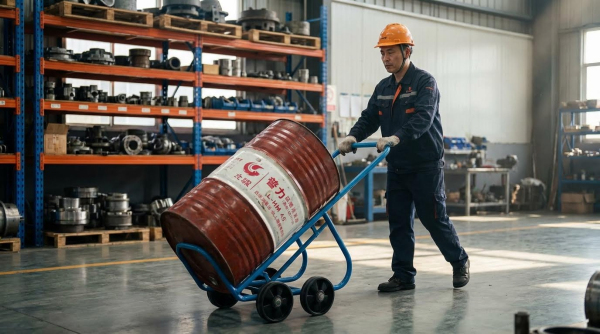
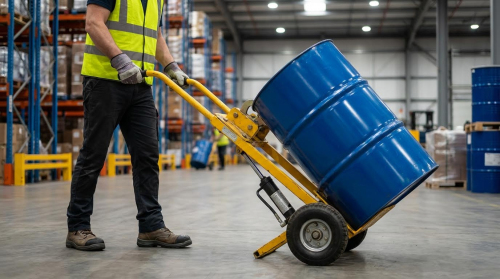
Safety history offered critical insight into hidden risks. Evidence of previous tip-overs, major collisions, or frame repairs warranted detailed structural and non-destructive testing. Forks, masts, overhead guards, and forklift drum attachments should show no unauthorized weld repairs or altered capacity markings. Battery rooms and charging equipment had to comply with ventilation, spill control, and PPE requirements. A used unit that aligned with regulatory expectations, carried traceable records, and demonstrated a clean safety history delivered lower operational and liability risk for the fleet owner.
Engineering Evaluation Of Used Forks, Masts, And Tires
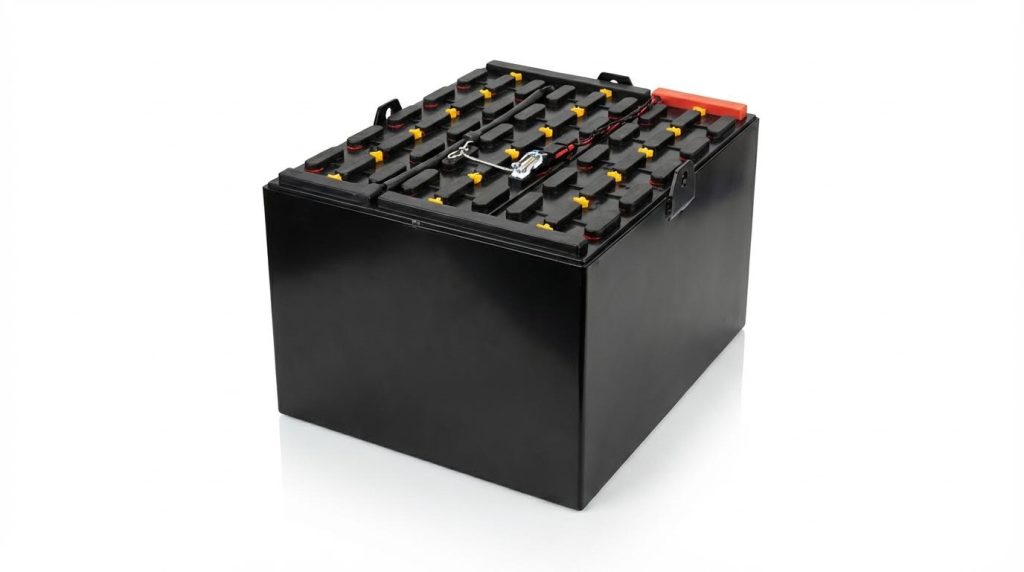
Engineering evaluation of load handling structures determined whether a used forklift could safely re-enter service. Forks, masts, chains, hydraulics, and tires all influenced stability, capacity, and downtime risk. A structured inspection process, aligned with standards and regulations, reduced accident probability and unplanned failures. Buyers who applied quantified wear limits and test procedures achieved more predictable performance from used equipment.
Fork Wear, Alignment, And Rating Verification
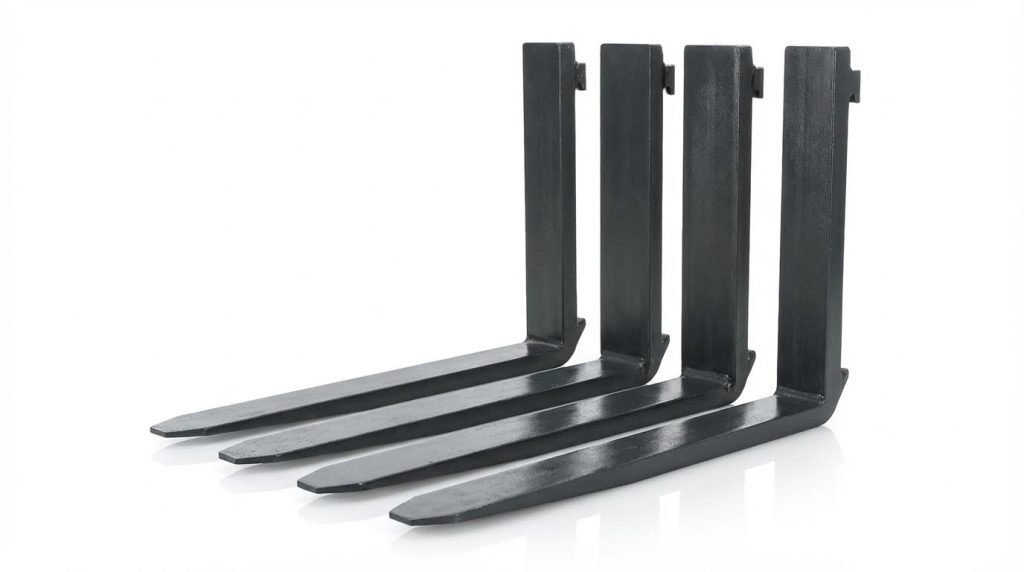
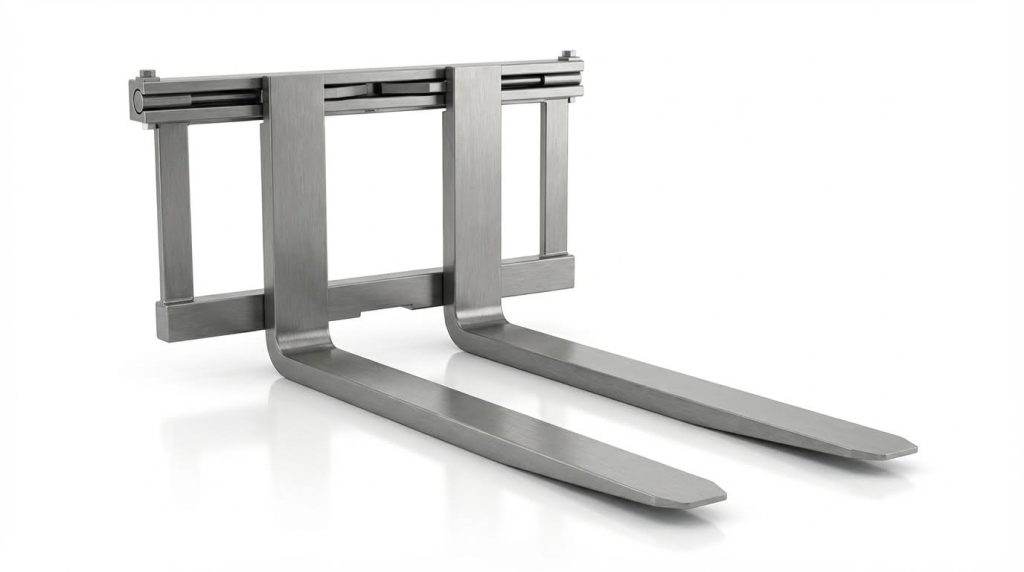
Used forks required systematic dimensional checks before reuse. Inspectors measured heel thickness with calibrated digital calipers and compared it to original thickness; loss above 10% meant mandatory removal from service under industry guidance. They examined the full blade and shank for cracks, unauthorized weld repairs, and permanent bending, since these defects reduced real capacity below the nameplate rating. Alignment checks verified length differences did not exceed 3 mm and that fork tips sat level to avoid asymmetric loading and pallet damage. Engineers also confirmed that fork markings and the truck data plate matched, updating the plate if forks with different capacity or length were installed.
Mast, Chains, Hydraulics, And Structural Checks
Mast evaluation focused on straightness, wear surfaces, and weld integrity. Inspectors checked inner and outer channels for scoring, pitting, or twist and used dye penetrant or magnetic particle methods where crack risk was high. Chain inspection used a calibrated gauge to detect elongation and measured slack, targeting roughly 2–4 mm depression under specified hand force; stretched or corroded chains required replacement in matched sets. Hydraulic assessment covered fluid level between MIN and MAX with the mast fully lowered, hose jackets free from bulges or cracks, and cylinders that extended and retracted smoothly without stick-slip or visible leaks. Any leak rate above one drop per minute or evidence of pressure spikes, such as hose blistering, justified immediate repair before operation.
Tire Type Selection, Wear Limits, And Field Service
Used tire evaluation combined compound selection with quantitative wear criteria. Engineers first confirmed that tire type matched the duty environment: cushion tires for smooth indoor surfaces and tight turns, and pneumatic or solid pneumatic tires for outdoor yards, uneven ground, and debris exposure. Cushion tires required removal when tread reached 50% wear, chunking exposed steel reinforcement, or flat spots affected ride and braking. Pneumatic tires needed pressure between roughly 200–350 kPa depending on size, with replacement triggered by sidewall cracking, cord exposure, or irregular wear like feathering that indicated alignment issues. For field serviceability, fleets benefited from mobile tire press capability on cushion and solid pneumatics and standardized sizes across trucks to simplify roadside replacements and reduce downtime.
Selection And Testing Of Used Batteries And Parts
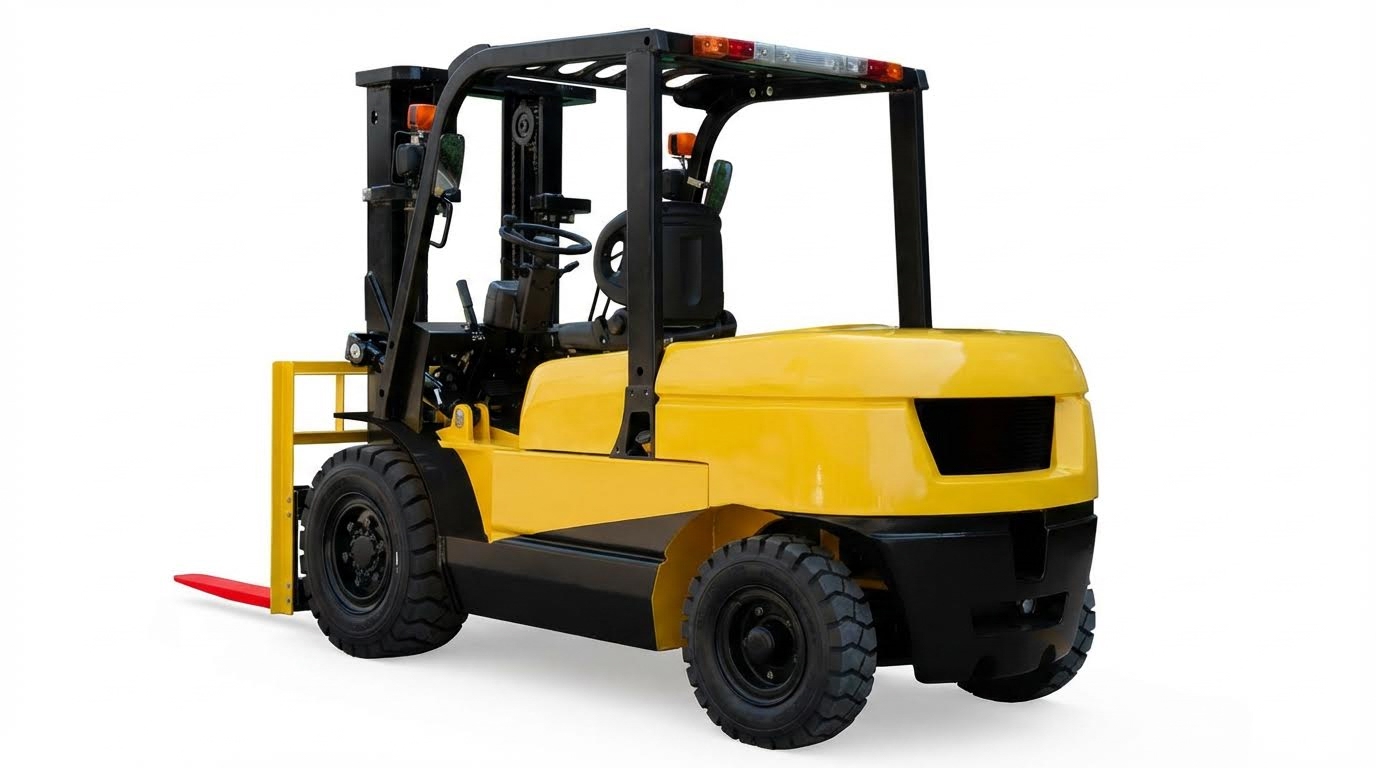
Used batteries and wear parts determined the true operating cost of a second-hand forklift. Poor choices in this area often erased any purchase price savings through downtime, safety incidents, and shortened component life. A structured engineering approach to chemistry selection, inspection, testing, and data-driven maintenance planning allowed buyers to quantify risk and negotiate accordingly.
Lead-Acid Vs. Lithium: Lifecycle And TCO
Lead-acid traction batteries historically delivered 1,500–2,000 cycles when operators followed correct charging and watering practices. They required equalization charging, regular electrolyte checks, and controlled ventilation, which increased maintenance hours and safety controls. Lithium iron phosphate packs operated with higher usable depth of discharge, tolerated opportunity charging, and eliminated watering, cutting maintenance labor by roughly 80%. Their 10-year design life and stable voltage profile reduced energy cost per pallet moved, despite higher upfront price. Over a full lifecycle, lithium systems typically reduced total cost of ownership by about 60% compared to lead-acid in high-duty multi-shift fleets, while low-hour single-shift operations still justified lead-acid on a capital cost basis.
Battery Inspection, Testing, And BMS Data
Used battery evaluation started with a visual inspection of trays, cells, and cabling for cracks, leaks, swelling, and heat damage. Lead-acid units required clean, dry tops, intact vent caps, and undamaged filling systems to avoid voltage tracking and acid contamination risks. Technicians then verified electrolyte levels and specific gravity, targeting 1.265–1.285 for fully charged cells and flagging weak cells for reconditioning or rejection. Open-circuit voltage, load tests, and discharge tests confirmed remaining capacity, while internal resistance trends indicated aging. For lithium packs, BMS logs of maximum temperature, cell imbalance, and cycle count provided a quantitative history; any record of repeated over-temperature events, deep discharges below 20% state of charge, or frequent BMS faults signaled accelerated degradation and higher failure risk.
Critical Wear Parts: Brakes, Hoses, Seals, Filters
Brake systems on used forklifts required close inspection of linings, drums or discs, and hydraulic components for wear, glazing, or fluid leaks. In high-usage applications, brake linings typically needed checks every 200 operating hours to maintain stopping distances within manufacturer specifications. Hydraulic hoses and seals had to show no cracks, bulges, or sweating; any leak rate above one drop per minute justified immediate repair before sale. Filters for engine oil, fuel, hydraulics, and transmissions indicated maintenance culture; clogged or low-grade elements suggested extended intervals and potential internal wear. Buyers benefited from reviewing maintenance records that documented filter and fluid change hours, as well as any cylinder rebuilds or major brake overhauls, since these events strongly influenced residual life and future repair budgets.
Using Data, AI, And Digital Tools For Maintenance
Digital maintenance systems transformed used fleet risk from guesswork into data-driven forecasting. Modern telematics captured hours, duty cycles, impact events, and error codes, which buyers could analyze to identify stressed units before purchase. AI models trained on historical failure data correlated patterns in temperature, voltage sag, and hydraulic pressure anomalies with upcoming component failures. For batteries, connected chargers and BMS platforms logged charge profiles, equalization history, and depth-of-discharge statistics, enabling accurate remaining-life estimates. Parts catalogs, lookup tools, and digital twins simplified compatibility checks and pricing for hoses, filters, and brake components, while predictive maintenance dashboards prioritized replacements by risk and cost impact. Buyers who integrated these digital insights into procurement decisions consistently reduced unplanned downtime and optimized stocking strategies for critical wear parts.
Summary: Lowering Risk In Used Forklift Procurement
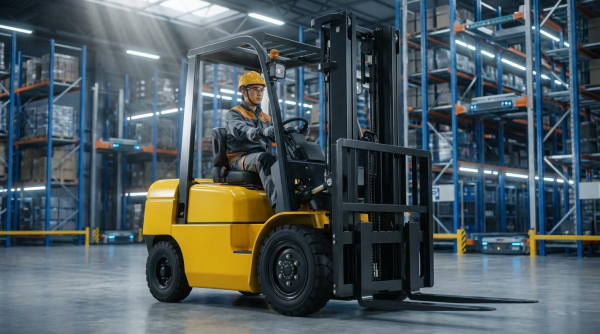
Lowering risk in used forklift procurement depended on disciplined engineering evaluation, structured maintenance planning, and robust documentation control. Buyers who defined load, duty cycle, and environment precisely could match powertrain, tires, forks, and batteries to real operating conditions instead of catalog assumptions. Quantifying residual life through inspection data, battery test results, and maintenance records allowed realistic total cost of ownership models, including downtime and safety exposure.
Industry data showed that rigorous maintenance programs reduced repair costs by up to 40% and extended equipment life by several years, which directly affected the economics of used assets. Applying standards such as OSHA 1910.178 for inspections, battery rooms, and daily checks helped filter out high-risk units and ensured that acquired trucks could be integrated into compliant site procedures. Testing of forks, masts, chains, hydraulics, and batteries, combined with clear pass or fail criteria for wear, leakage, and structural integrity, minimized hidden defect risk.
Digital tools and emerging AI-based analytics supported predictive maintenance, parts planning, and battery health tracking, but they still required accurate field data, consistent logging, and trained technicians. Practical implementation involved setting acceptance checklists, specifying minimum inspection and test results, and negotiating pricing based on measurable wear and remaining life rather than age alone. Over the next decade, increasing connectivity of forklifts and batteries, along with smarter maintenance platforms, would shift used procurement from reactive buying to data-driven lifecycle management, balancing cost savings with safety, uptime, and regulatory compliance.