Diesel forklift reliability and lifecycle cost depended heavily on correct fluid selection, specification control, and service intervals. This article examined engine oils, hydraulic and transmission fluids, coolants, DEF, fuel conditioners, and greases across typical diesel forklift powertrains. It compared API classes, viscosity grades, and drain strategies, then linked these choices to maintenance schedules from 100 to 3,000 operating hours. The final sections connected fluid engineering decisions with total cost of ownership, uptime, and compliance trends that increasingly favored advanced lubricants and, in many cases, electric alternatives to diesel machines.
Core Fluid Types In Diesel Forklift Powertrains
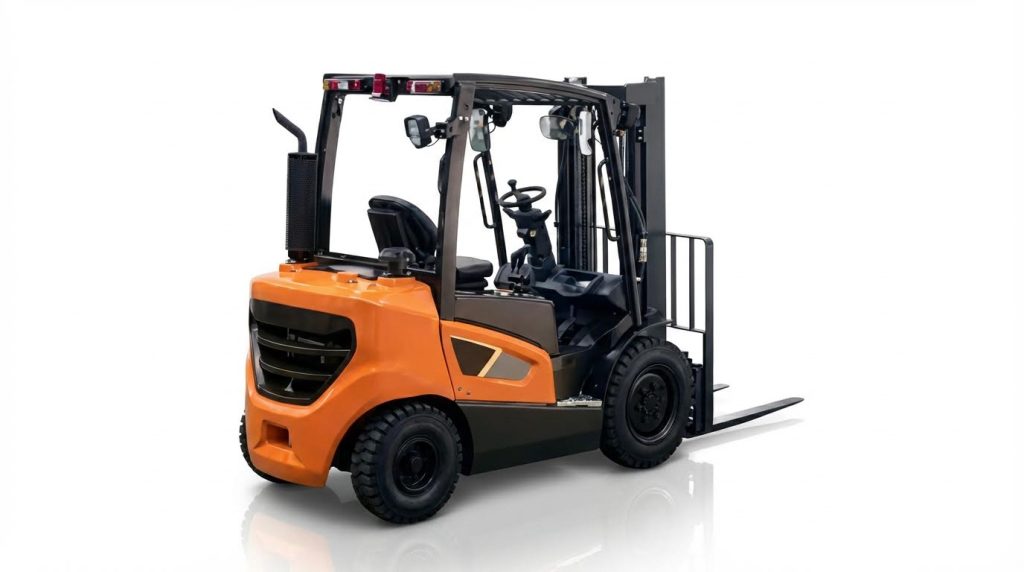
Diesel forklift powertrains relied on a coordinated set of fluids to manage combustion, power transmission, heat rejection, and component protection. Each fluid family had specific performance envelopes, viscosity windows, and service lives defined by duty cycle and environment. Correct fluid pairing with the engine, hydraulics, and driveline directly affected reliability, emissions compliance, and lifecycle cost. Misapplication typically increased wear, sludge formation, and unplanned downtime.
Engine Oils: Mineral, Semi-Synthetic, Synthetic
Engine oils for diesel forklifts fell into three main base-oil families: mineral, semi-synthetic, and full synthetic. Mineral 15W-40 or 10W-30 oils with API CI-4 or CJ-4 ratings offered cost-effective protection for moderate duty cycles and shorter drains. Semi-synthetic 10W-30 blends improved oxidation stability and thermal resistance, which suited mixed ambient conditions and medium-to-high hour fleets. Full-synthetic CK-4 5W-40 or 0W-40 oils delivered superior low-temperature pumpability, high-temperature film strength, and soot control, which supported extended drain intervals up to about 500 hours when paired with compatible filters and ultra-low sulfur diesel. Selection always needed to align with aftertreatment requirements, sulfur level of the fuel, and OEM viscosity recommendations.
Hydraulic And Transmission Fluids Overview
Hydraulic fluids in diesel forklifts powered lift, tilt, and steering circuits and often shared functions with transmissions, axles, wet brakes, and clutches. Typical hydraulic oils used ISO 46 to ISO 68 viscosity grades at 40°C, balancing film thickness with acceptable cold-start flow. Low-viscosity ISO 32 fluids supported cold-climate operation and replaced all-weather hydrostatic oils where specified. Transmission oils depended on system design: powershift units commonly used dedicated transmission or ATF-type fluids, while manual gearboxes relied on GL-3 or GL-5 gear oils around SAE 80W-90. Multi-functional tractor-type fluids simplified inventory in fleets where a single product could cover hydraulics, transmissions, and wet brake systems, provided the fluid met all relevant OEM specifications.
Coolants, DEF, Fuel Conditioners, And Greases
Coolants for diesel forklifts were heavy-duty formulations with service lives up to about six years or 6,000 hours, protecting against corrosion, cavitation, and freezing down to roughly -48°C. They were available as concentrates for on-site mixing or as pre-mixed solutions using demineralized water, with propylene glycol options for reduced toxicity. Diesel Exhaust Fluid supported selective catalytic reduction systems, with a 32.5% urea solution that froze at about -11°C and required careful storage and contamination control. Fuel conditioners maintained diesel performance across seasons by increasing cetane number, dispersing water, cleaning injectors, and protecting pumps, including compatibility with biodiesel blends up to B20. Greases, typically NLGI 0 to 2, covered mast rollers, chains, steering linkages, and wheel bearings; EP formulations with additives such as molybdenum disulfide operated between roughly -45°C and 232°C, resisting washout, rust, and boundary wear under shock loading.
Engine Oil Selection, Viscosity, And Drain Intervals

Engine oil choice directly affected diesel forklift durability, emissions compliance, and service cost. Operators balanced API category, viscosity grade, and base oil type against duty cycle and ambient temperature. Correct pairing of oil and service interval reduced sludge, soot-related wear, and aftertreatment failures. A structured approach to oil selection therefore underpinned reliable 2,000–3,000 hour annual operation.
API Classes CK-4, CJ-4, And Legacy Categories
API CK-4 and CJ-4 represented the benchmark for modern four-stroke diesel forklift engines. CK-4 low-ash formulations supported engines with EGR, DPF, DOC, and SCR systems while remaining backward compatible with older API “C” categories. These oils controlled soot thickening, oxidation, and bearing corrosion under high load and extended drain conditions. Legacy categories such as CI-4 PLUS, CI-4, CF, or CH-4 still appeared in older fleets but offered lower protection for contemporary emission hardware.
CK-4 products with low-SAPS additive systems helped protect DPFs from ash accumulation and maintained catalyst efficiency. CJ-4 oils remained valid where engines used ultra-low sulfur diesel and earlier aftertreatment designs. For pre-emission or mixed gasoline–diesel fleets, CF or CI-4 PLUS oils still operated effectively, especially in straight-grade or lower-spec multigrades. Fleet managers needed to align API category with engine manufacturer approvals and local emission regulations to avoid warranty and compliance issues.
Viscosity Grades From 0W-40 To SAE 30
Viscosity selection depended on climate, start-up temperature, and loading profile. Multigrade diesel oils such as 15W-40, 10W-30, 5W-40, and 0W-40 covered most forklift environments. 15W-40 remained the traditional choice for temperate and hot climates, offering robust film strength at elevated sump temperatures. 10W-30 and 5W-40 improved cold cranking, reduced hydrodynamic friction, and potentially improved fuel economy.
Full-synthetic 5W-40 and 0W-40 grades provided excellent pumpability at sub-zero temperatures and maintained viscosity at high shear rates. Their high viscosity index and low pour points supported frequent cold starts and intermittent duty cycles. Straight SAE 30 appeared in older naturally aspirated engines or warm climates but gave poor cold-start protection. Selection tables from engine OEMs typically mapped ambient temperature ranges to recommended viscosity grades to prevent boundary lubrication and startup wear.
Break-In Oils Versus In-Service Engine Oils
Break-in oils for new, rebuilt, or remanufactured forklift engines used tailored additive packages to establish controlled wear patterns. These formulations balanced anti-wear protection with sufficient friction to allow proper ring–liner seating. They usually ran for a limited initial interval, often aligned with the first 100–250 operating hours. After this phase, operators switched to standard in-service oils meeting CK-4, CJ-4, or equivalent specifications.
Using a high-detergency, low-friction synthetic oil too early could slow ring seating and extend oil consumption stabilization. Break-in oils typically matched the viscosity grade planned for long-term operation to maintain similar hydrodynamic conditions. Their service interval seldom exceeded the standard interval for a 500-hour-capable oil. Maintenance plans therefore scheduled an early oil and filter change, followed by migration to the regular drain regime specified by the OEM.
Extending Drain Intervals To 500 Hours Safely
Extended drain intervals up to 500 hours required a systems approach rather than relying solely on premium oil. Engines needed compatible extended-drain sumps, high-efficiency oil filters, and operation on ultra-low sulfur diesel. CK-4 or advanced CJ-4 formulations with strong oxidation resistance and high TBN reserves supported these longer intervals. Service history and duty cycle severity (idling, high dust, or high load) influenced whether a forklift could safely reach 500 hours.
Oil analysis programs measured viscosity, TBN, oxidation, soot loading, and wear metals to validate extension beyond base recommendations. Where analysis showed stable viscosity and acceptable contamination, fleets reduced downtime and oil consumption without compromising reliability. In harsh environments or with frequent cold starts, operators often kept intervals closer to 250–300 hours despite 500-hour-capable oils. Aligning drain strategy with OEM limits, fuel quality, and real engine condition ensured extended intervals did not accelerate wear or jeopardize aftertreatment performance.
Hydraulic, Transmission, Brake, And Ancillary Fluids
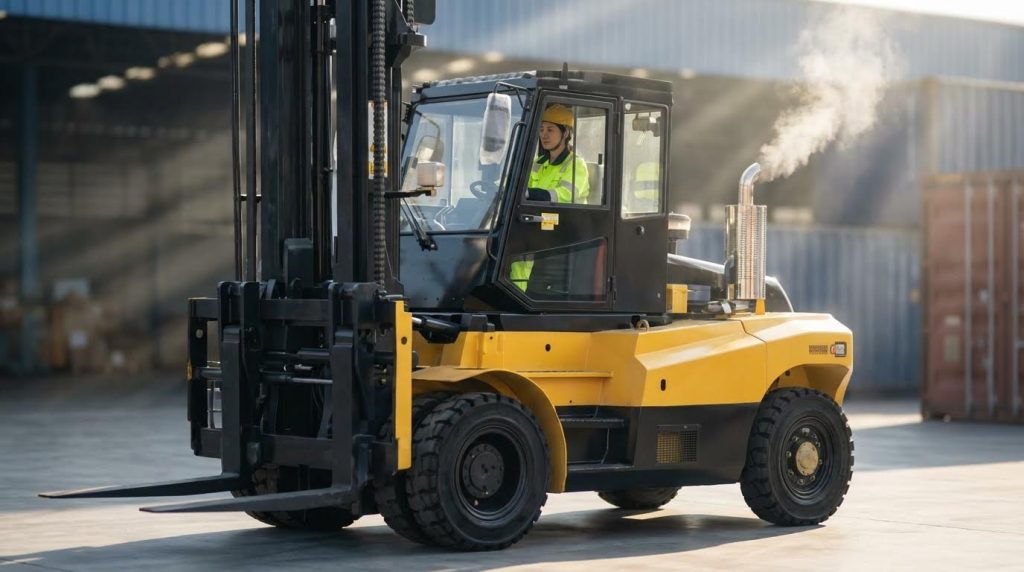
Hydraulic, transmission, brake, and ancillary fluids determined how reliably diesel forklifts operated under load. Each fluid family followed its own viscosity, compatibility, and service-life constraints, yet interacted with common components such as seals and friction materials. Correct specification and interval planning reduced unplanned downtime and kept total lifecycle cost predictable. The following sections detailed key selection criteria and service considerations for these critical fluids.
Hydraulic Oil Viscosity, ISO Grades, And Temperature
Hydraulic oils in diesel forklifts typically used ISO viscosity grades between 32 and 68 at 40°C. ISO 46 and ISO 68 grades supported multi-functional systems that fed hydraulics, axles, wet brakes, and wet clutches. ISO 32 low-viscosity grades suited cold climates and replaced all-weather hydrostatic oils where ambient temperatures dropped below 0°C. All-season hydraulic oils operated reliably from approximately -40°C to 50°C when formulated with appropriate viscosity index improvers.
Correct viscosity selection depended on the narrowest clearances and maximum operating temperature in the hydraulic circuit. Excessively high viscosity increased pump inlet vacuum, promoted cavitation, and raised energy losses at cold start. Too low viscosity reduced film thickness on pump gears, cylinder rods, and control valves, accelerating wear and internal leakage. Operators matched OEM recommendations with ISO grade, then verified that real ambient conditions stayed inside the oil’s published temperature window.
Powershift, Manual Transmission, And Gear Oils
Transmission oil requirements depended on whether the forklift used a powershift or manual gearbox. Powershift transmissions often ran on specific transmission fluids such as 10W powershift oils or automatic transmission fluids equivalent to Dexron II-D. These oils provided controlled friction characteristics for clutches and torque converters while sharing compatibility with hydraulic and wet brake components where systems were common-sump. Their viscosity at 40°C and friction modifier package had to match OEM friction plate materials to avoid clutch chatter or slip.
Manual transmissions and drive axles typically used gear oils meeting GL-3 to GL-5 categories in viscosities such as SAE 80W-90. GL-5 oils contained higher extreme-pressure (EP) additive levels and suited hypoid gears under high load, while GL-3 and GL-4 matched synchronized gearboxes that were sensitive to aggressive EP chemistries. Service intervals for gear and transmission oils often aligned with 1,000–2,400 working-hour milestones in maintenance schedules. Technicians confirmed fill quantities, for example around 10 L of gear oil in some axle and transmission combinations, to ensure correct thermal capacity and lubrication.
Brake Fluids, Coolants, And DEF Management
Hydraulic brake systems in diesel forklifts used dedicated brake fluids, typically DOT 3 or similar glycol-based formulations. These fluids offered defined boiling points and compressibility characteristics that ensured consistent pedal feel and braking force. Operators avoided mixing different DOT grades unless the manufacturer explicitly allowed it, because miscibility affected boiling point and seal compatibility. Routine inspections checked moisture absorption and contamination, as water uptake reduced boiling point and increased corrosion risk in master cylinders and wheel cylinders.
Engine cooling systems relied on heavy-duty coolants with service lives up to six years or 6,000 hours. These coolants, available as concentrates or premixes, protected against corrosion, cavitation, and freezing down to approximately -48°C. Typical system capacities for mid-capacity forklifts were around 10–11 L, which technicians replenished with demineralized water blends where concentrates were used. For engines with selective catalytic reduction, Diesel Exhaust Fluid supported NOx reduction but froze at about -11°C, so storage and tank routing had to prevent blockage while remaining compatible with stainless steel and approved plastics.
Grease Grades, Temperature Limits, And EP Additives
Greases lubricated mast rollers, chains, tilt cylinder pins, steering axles, and wheel bearings in diesel forklifts. Multi-purpose lithium or lithium-complex greases with NLGI grades between 0 and 2 covered most chassis and mast applications. Typical operating temperature ranges extended from approximately -45°C to 232°C, allowing use in both cold storage yards and high-temperature industrial sites. Regular greasing at defined intervals, such as 100, 700, 1,700, and 3,000 working hours, reduced pivot wear and controlled fretting corrosion.
For heavily loaded joints and bearings, EP greases with additives such as molybdenum disulfide (MoS₂) improved load-carrying capacity. These additives formed sacrificial boundary films that protected metal surfaces under shock loads and slow oscillatory movements. Greases also incorporated anti-rust and anti-oxidation packages, which maintained consistency and adhesion in wet or dirty environments. Maintenance plans specified cleaning and re-packing of front and rear wheel bearings at major intervals to remove contaminated grease and restore correct preload and lubrication margins.
Summary: Lifecycle Cost, Reliability, And Compliance
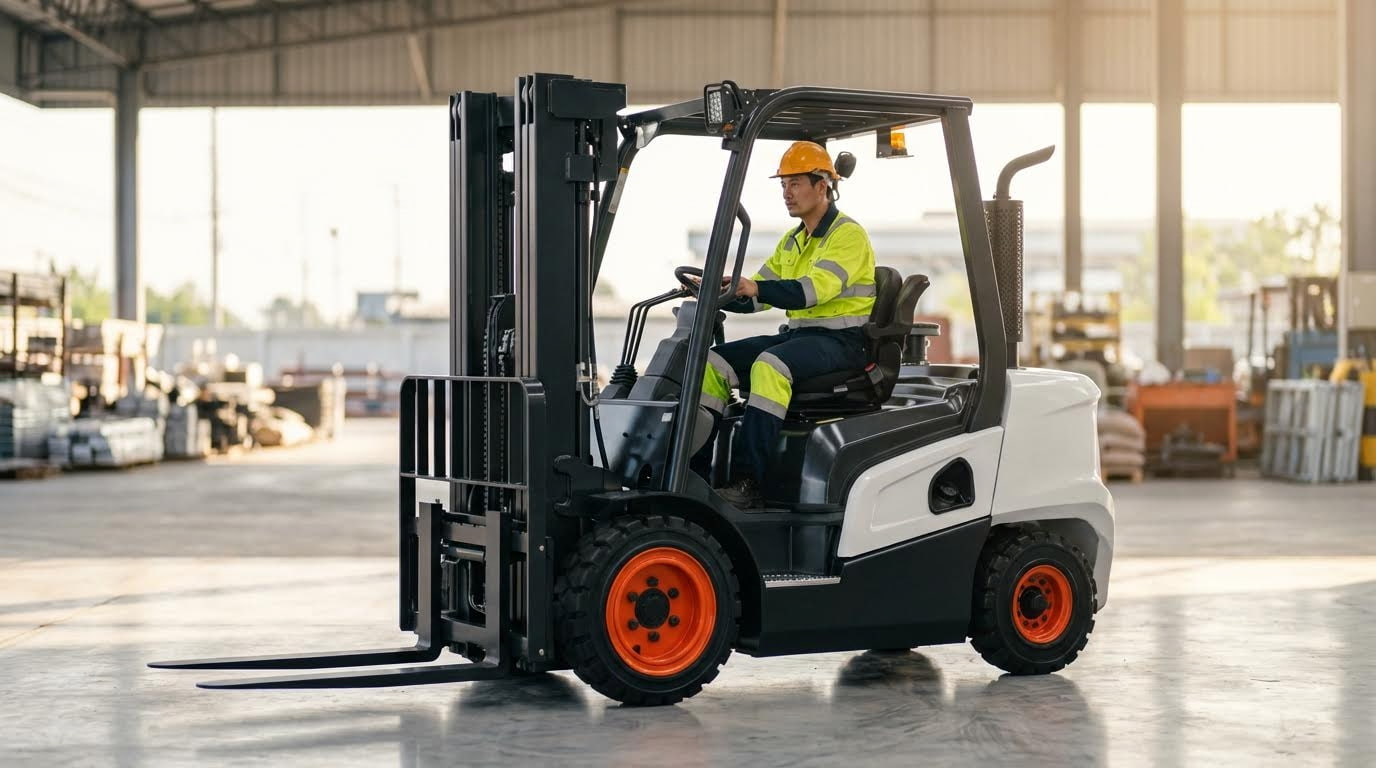
Diesel forklift fluid strategies directly influenced lifecycle cost, reliability, and regulatory compliance. Engine oils meeting API CK-4 or CJ-4 with appropriate viscosity grades reduced wear, stabilized viscosity, and supported aftertreatment systems such as DPF and SCR. Hydraulic, transmission, brake, and coolant selections with correct ISO or SAE grades and temperature capability minimized failure risk and unplanned downtime. DEF quality and fuel conditioners preserved emissions performance and injector life, while correct grease grades protected high-load pivots and mast components.
Well-structured maintenance schedules, typically at 250–500 hour intervals, balanced fluid performance limits with practical service planning. Documented field data showed that extended-drain-capable engine oils, matched with compatible filters and ultra-low sulfur diesel, operated up to 500 hours without abnormal wear. However, hydraulic and transmission oils still required periodic renewal based on hours and contamination control rather than calendar time. Electric forklifts required fewer fluid changes, which reduced annual maintenance costs compared with diesel units operating 2,000 hours per year.
Tightening emissions regulations had already shifted demand toward electric and low-emission diesel solutions, increasing the importance of low-ash oils, long-life coolants, and DEF handling discipline. Operators needed to track fluid specifications against engine and emissions certifications to avoid warranty and compliance issues. In practice, the optimal approach combined premium fluids where they extended service intervals or protected high-value components, with rigorous hour-based maintenance records. This delivered lower total cost of ownership, higher availability, and assured conformity with current and emerging environmental standards.