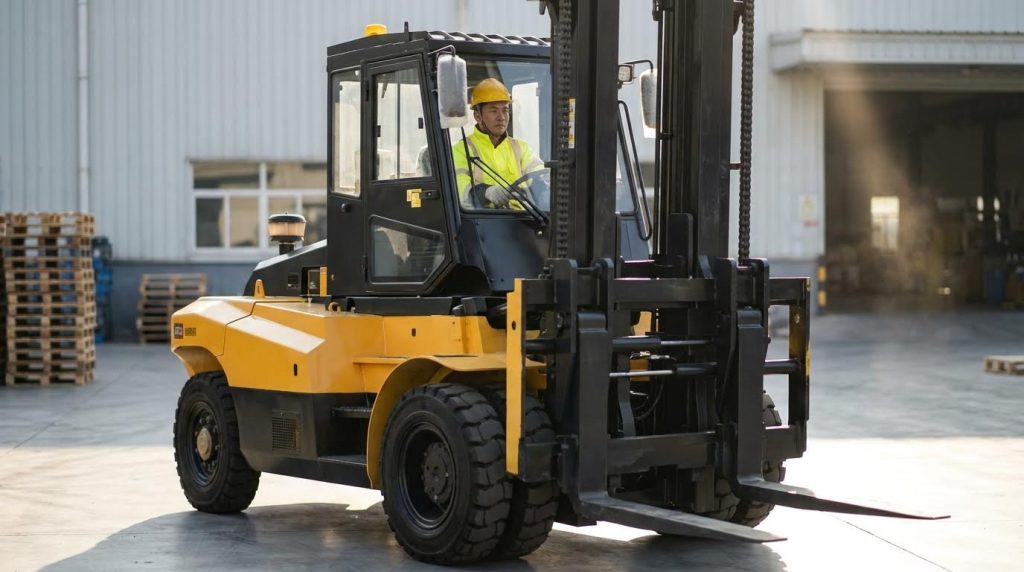
Diesel forklift start-up and shutdown procedures influenced safety, equipment life, and regulatory compliance across the entire operating cycle. This article covered pre-start inspections, fluid checks, structural and mast evaluations, and verification of safety devices and operator PPE. It then examined engine start-up, glow plug use, priming, cranking limits, and controlled warm-up, including cold-weather adaptations. Finally, it detailed safe shutdown, aftertreatment management, leak detection, water draining, housekeeping, long-term storage routines, and summarized their engineering impacts on reliability, emissions, and lifecycle cost.
Pre-Start Inspection And Safety Controls
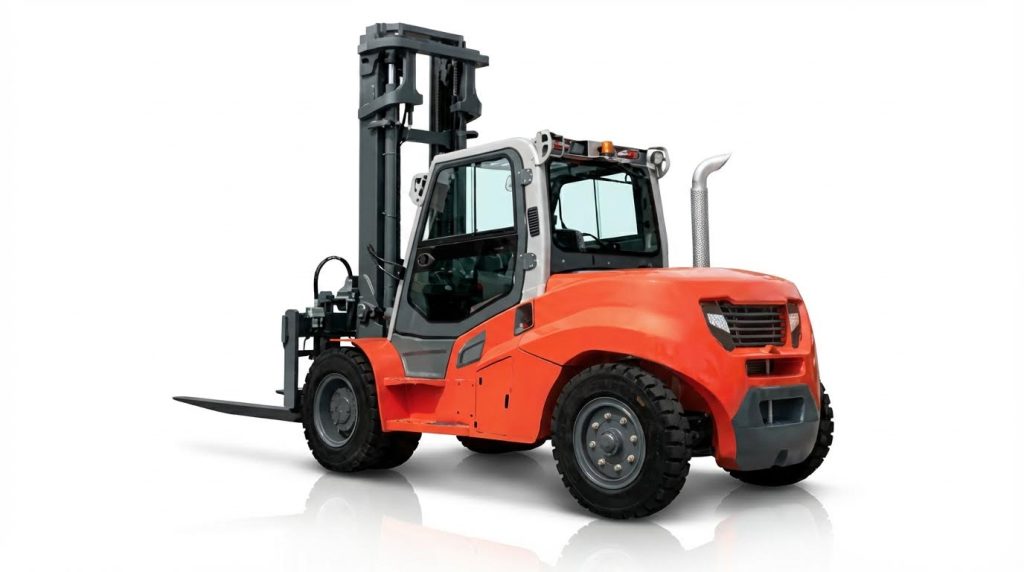
Pre-start inspection and safety controls formed the foundation of reliable diesel forklift operation. Structured checks reduced unplanned downtime and incident rates. Operators integrated these routines into every shift before engine start. This section described the critical elements of that pre-start phase.
Daily Walk-Around And Fluid-Level Checks
Operators performed a systematic walk-around at the beginning of each shift. They inspected tyres for cuts, embedded objects, correct inflation, and sidewall damage. They checked engine oil, coolant, fuel, hydraulic oil, and brake fluid against dipsticks or sight gauges. Any low level indicated potential leaks or consumption issues and required investigation before use. Operators confirmed hydraulic hoses, mast chains, and fittings showed no visible leaks, bulging, or abrasion. They verified lights, indicators, horn, and alarms functioned during this pre-start phase. A consistent checklist minimized missed items and supported traceable maintenance records.
Structural, Mast, And Tyre Condition Inspection
Structural inspection focused on the chassis, overhead guard, and load backrest. Operators looked for cracks, corrosion, deformation, or unauthorized welds that could weaken load-bearing components. On the mast, they examined rails, welds, and stops for distortion or impact damage. They checked chain tension, equalization between sides, and confirmed no twisted or broken links. Carriage plate and fork heels required close attention for wear, cracks, or bent sections, especially near the locking pins. Tyre checks included tread depth, chunking, flat spots, and correct fit on the rim. Poor mast or tyre condition directly affected stability, braking distance, and rated capacity.
Safety Devices, Seat Belts, And Operator PPE
Before starting the engine, operators confirmed all safety devices operated correctly. This included seat switches, parking brake interlocks, overload indicators, and reversing alarms. They verified mirrors and any installed cameras or proximity sensors provided clear visibility. Seat belts had to latch positively, retract smoothly, and show no fraying or damaged stitching. Operators wore appropriate PPE: safety shoes with toe protection, high-visibility clothing, and hard hats where overhead hazards existed. In noisy or dusty environments, they added hearing and eye protection. Correct use of restraint systems and PPE improved survivability in tip-overs and reduced minor injury rates.
Documentation And Compliance With Training Rules
Pre-start checks were documented on daily inspection forms or digital systems. Operators recorded date, shift, hour-meter reading, and their identification. They marked each inspection item as acceptable, defective, or not applicable, and described any anomalies. Unsafe conditions triggered lockout procedures and maintenance notifications rather than informal workarounds. Only trained and certified operators were allowed to sign off and operate diesel forklifts, in line with regulatory requirements such as OSHA re-certification cycles. Supervisors reviewed records to identify recurring defects and schedule preventive maintenance. Consistent documentation supported audits, incident investigations, and continuous improvement of fleet reliability and safety performance.
Engine Start-Up And Warm-Up Procedures

Engine start-up procedures for diesel forklifts protected components from shock loads and misuse. Correct sequencing reduced starter wear, minimized cold-start damage, and improved emissions control. Warm-up practices influenced hydraulic response, brake performance, and fuel efficiency. The following subsections described the critical steps operators followed before placing the truck under load.
Control Neutralization And Area Clearance
Operators first ensured the parking brake engaged and all travel and hydraulic controls returned to neutral. This prevented unintended movement at the moment of engine start. They visually checked that forks were lowered, tilt neutralized, and attachments secured. Before turning the key, they scanned the surrounding area for personnel, obstacles, and overhead hazards. The operator confirmed a clear travel path and an unobstructed line of sight. Only then did they sit correctly, adjust the seat, fasten the seat belt, and verify that warning labels and control markings were legible. These steps aligned with formal training requirements and reduced start-up incidents.
Glow Plugs, Priming, And Cranking Limits
Diesel forklifts often used glow plugs or intake heaters to aid cold starting. Operators waited for the glow plug indicator to extinguish before cranking to avoid incomplete combustion and white smoke. If the fuel system had been opened or the truck stood idle for weeks, a manual or electric priming pump purged air from the fuel lines. Cranking attempts were limited to about 10 seconds to protect the starter motor and battery. Operators waited at least 60 seconds between attempts and stopped after three failed starts to diagnose fuel, air, or electrical faults. This discipline prevented overheating of the starter and reduced battery sulphation.
Initial Idle, Warm-Up, And Cold-Weather Operation
After the engine started, operators allowed it to idle without load for at least 3 minutes. This period stabilized oil pressure, ensured full lubrication of bearings, and allowed coolant temperature to rise gradually. They monitored instrument panel indicators for oil pressure, coolant temperature, charging status, and any fault lamps. In cold weather, operators extended idle time and avoided immediate high-speed driving or heavy lifting. Hydraulic functions were tested gently to circulate warm oil through valves, hoses, and mast cylinders. Only after temperatures approached the normal operating range did operators accelerate, lift rated loads, or travel at higher speeds. These warm-up practices reduced mechanical wear, improved fuel combustion, and supported longer engine and hydraulic component life.
Safe Shutdown, Parking, And Post-Use Checks
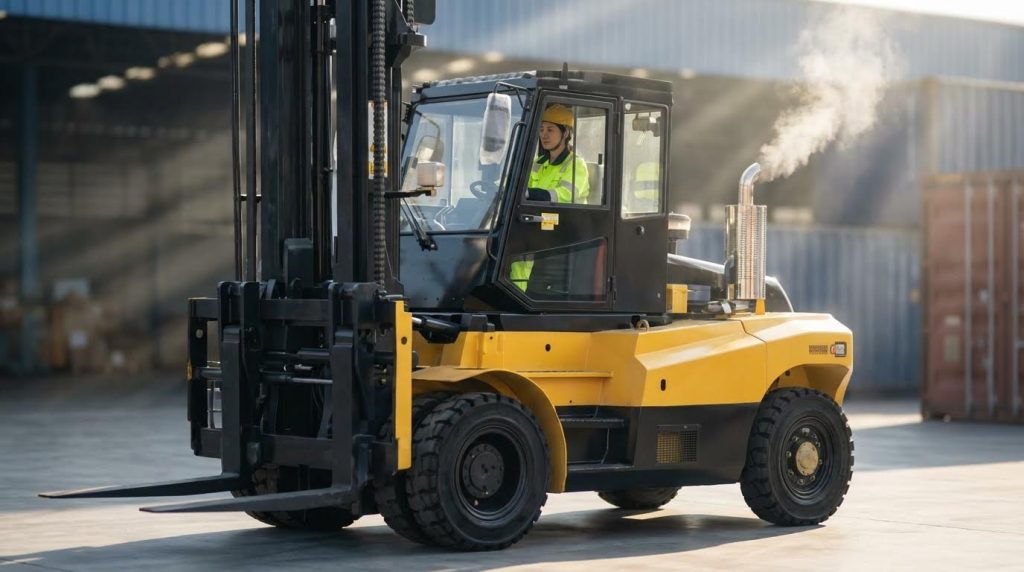
Safe shutdown procedures protected diesel forklifts from premature wear and reduced incident rates. Operators followed a defined sequence that stabilized thermal loads, depressurized systems, and removed stored mechanical energy. Consistent parking practices also improved site logistics and reduced unauthorized use. Post-use checks fed into preventive maintenance programs and supported regulatory compliance.
Parking, Fork Lowering, And Engine Cool-Down
Operators parked diesel forklifts on level, structurally sound ground to prevent unintended movement. They engaged the parking brake fully and centered the mast in the vertical position. Forks were lowered completely to the ground, with tips flat and slightly spread to eliminate suspended loads and stored potential energy. The engine then idled at low speed for several minutes to equalize temperatures and ensure stable lubrication before shutdown. This cool-down period reduced thermal shock in the cylinder head, turbocharger, and exhaust components, extending component life. Operators turned the key off only after confirming neutral gear selection and a clear surrounding area.
DEF, DPF, And Exhaust Aftertreatment Shutdown Steps
Modern diesel forklifts used exhaust aftertreatment systems, including diesel particulate filters and selective catalytic reduction with DEF. After the ignition switched off, control logic usually kept aftertreatment circuits active for a short period. A two-step shutdown strategy prevented DEF crystallization and thermal damage. First, operators turned off the engine ignition and allowed the system to run its internal purge, typically a few minutes for DEF pump depressurization and reverse flow. Only then did they isolate the main power, if fitted, to avoid freezing, line blockage, or incomplete regeneration. Respecting this sequence maintained emission performance and reduced unplanned service interventions.
Leak Detection, Water Draining, And Housekeeping
Post-use checks included a brief walk-around focusing on leaks and contamination. Operators inspected under the engine, transmission, and mast area for fuel, oil, coolant, and hydraulic fluid drips. They also drained water from designated points, such as fuel tank bottoms and air or brake reservoirs, to prevent corrosion and freezing. In cold environments, regular water draining reduced ice formation and ensured reliable braking and fuel delivery. Housekeeping tasks, including removing debris from the mast channels, forks, and operator platform, minimized slip hazards and prevented foreign objects from entering moving parts. Clean machines were easier to inspect, which improved fault detection accuracy.
Long-Term Storage And Monthly Start Routines
For long-term storage, operators parked forklifts in covered, well-ventilated areas with forks lowered and parking brakes applied. Fuel tanks were kept adequately filled to limit condensation, and batteries were either disconnected or maintained with appropriate chargers. Monthly start routines typically involved running the engine at idle for several minutes to circulate oil and maintain seal integrity. During these runs, operators verified instrument indications, listened for abnormal noise, and repeated leak and fluid-level checks. They updated maintenance logs with date, run time, and findings to support predictive maintenance and warranty evidence. Proper storage practices preserved engine health, protected aftertreatment components, and ensured readiness for reactivation.
Summary Of Key Procedures And Engineering Impacts
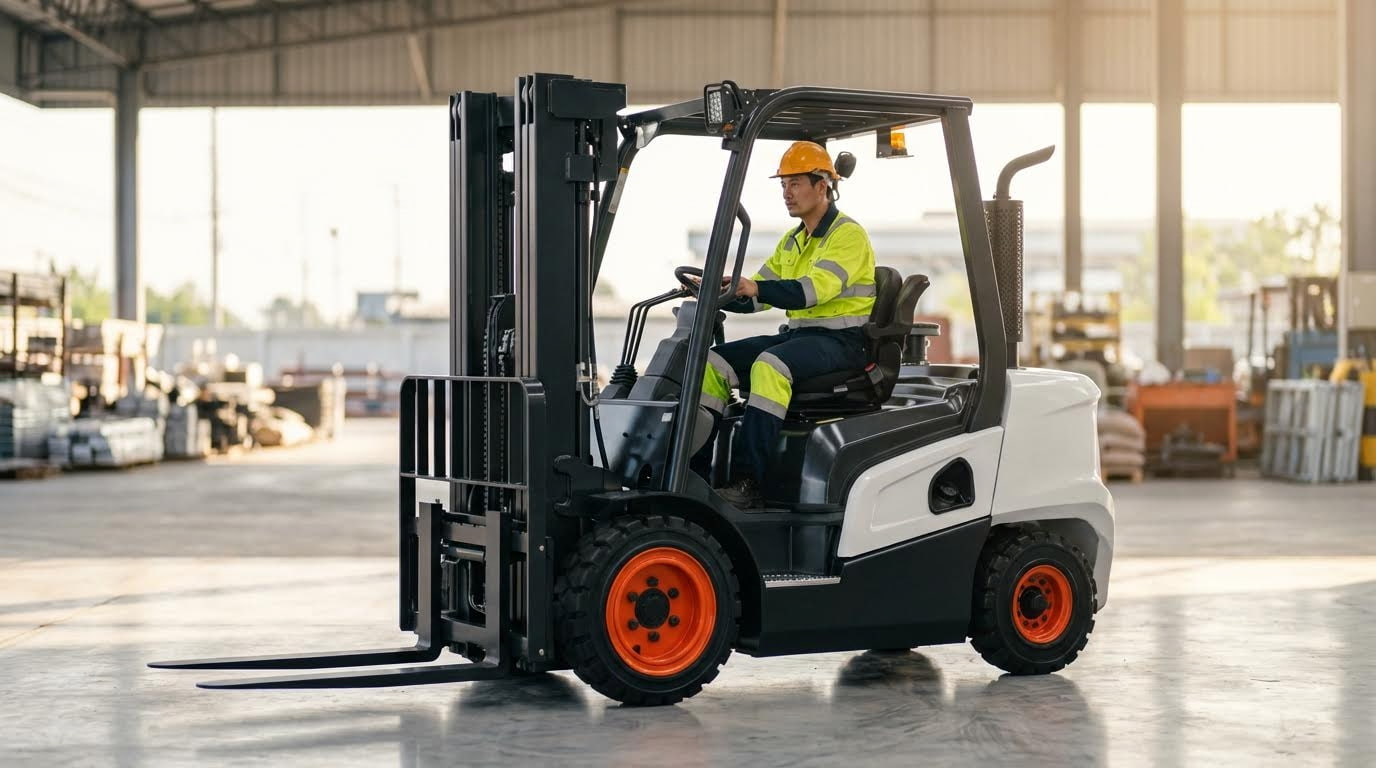
Diesel forklift start-up and shutdown best practices relied on disciplined inspection, controlled engine operation, and structured documentation. Operators performed daily walk-arounds, verified fluid levels, and checked mast, structure, and tyres to detect faults before loading cycles. Start-up sequences used strict control neutralization, limited cranking durations, and defined warm-up times to protect engines, starters, and hydraulic components. Shutdown procedures emphasized level parking, fork lowering, controlled cool-down, and aftertreatment management to stabilize temperatures and emissions systems.
These procedures had clear engineering implications. Limiting cranking time and enforcing idle warm-up reduced starter wear, ring and liner scuffing, and oil starvation events. Correct shutdown and DEF / DPF handling minimized soot loading, crystallization, and thermal shock, extending aftertreatment life and maintaining emissions compliance. Regular leak checks, water draining, and housekeeping reduced corrosion, fuel contamination, and unplanned downtime, while accurate logs supported trend analysis and predictive maintenance planning.
From an implementation perspective, sites needed standardized checklists, operator training, and periodic competency refreshers. Integrating digital inspection records with maintenance systems improved traceability and regulatory compliance. In the future, increased sensorization, telematics, and condition monitoring will automate parts of these routines, but human verification and adherence to procedures will remain critical. The overall approach balanced productivity with asset longevity, safety, and environmental performance, ensuring diesel forklifts operated within their engineered design limits throughout their service life.