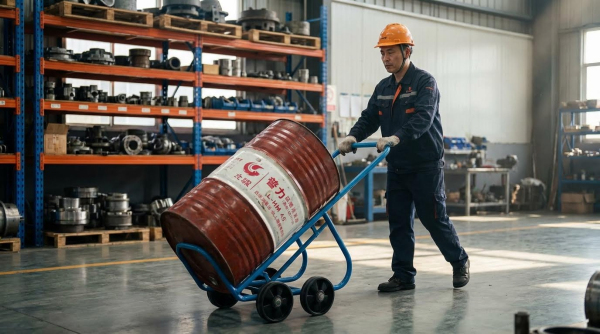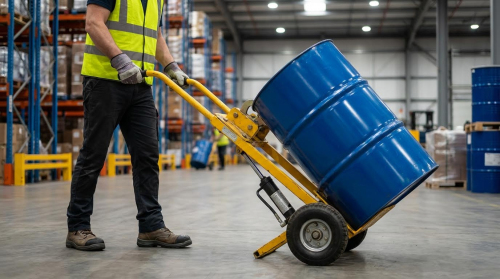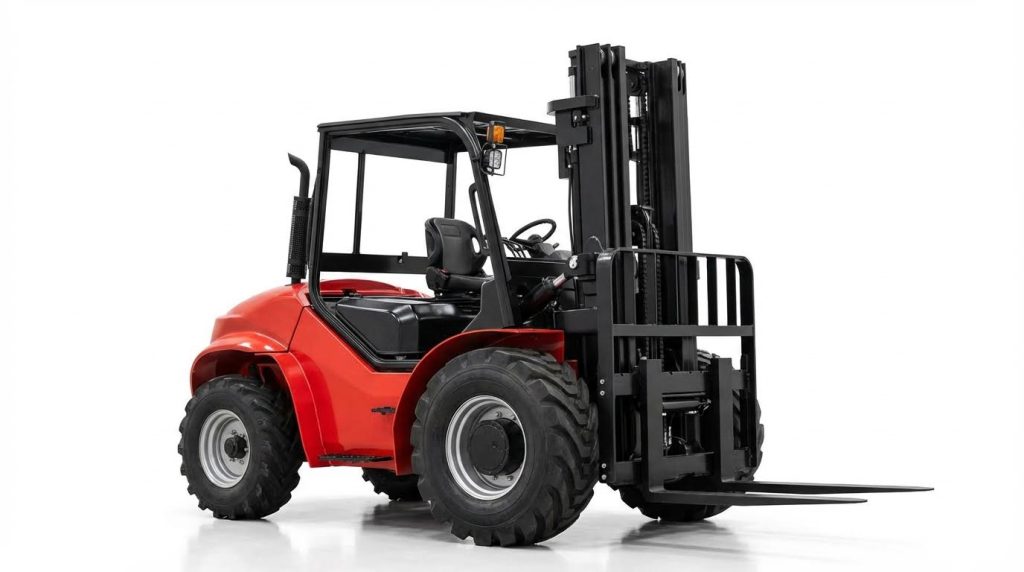
Forklift pallet handling safety depended on a combination of sound engineering, disciplined operations, and regulatory compliance. This article examined how load ratings, pallet strength, floor capacity, and human factors governed safe lifting and transport. It then detailed best-practice procedures for lifting, traveling, stacking, and interacting with docks, trailers, and ramps. Finally, it addressed inspection regimes, infrastructure maintenance, and emerging digital tools before translating these into concise, compliance-focused recommendations.
Engineering Basics Of Safe Forklift Pallet Lifting
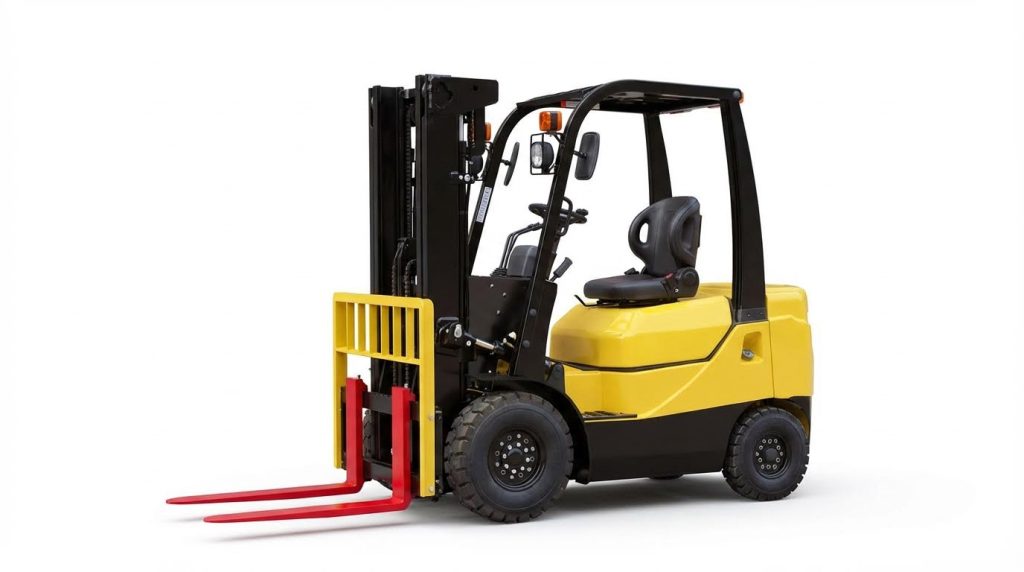
Engineering fundamentals governed safe forklift pallet lifting and prevented structural or stability failures. Designers, safety engineers, and supervisors needed a shared understanding of load paths, contact interfaces, human limits, and regulatory constraints. The following subsections broke down the core parameters that controlled safe operation at the truck, pallet, floor, and operator levels.
Load Ratings, Center Of Gravity, And Stability
Forklift load ratings defined the maximum allowable mass at a specified load center distance. Exceeding this rating shifted the combined truck–load center of gravity outside the stability triangle and increased tip‑over risk. Operators needed to know both the base truck capacity and any de‑rating associated with attachments or mast extension. Engineering practice required placing the heaviest part of the load against the carriage and using rearward mast tilt to keep the center of gravity low and close to the front axle. During travel, operators carried loads at approximately 100–150 mm above the floor with forks low and slightly tilted back to maximize static and dynamic stability.
Pallet Strength, Damage Criteria, And Deformation
Pallets functioned as structural elements, distributing load from the forks into the goods and rack beams or deck. Engineers specified pallets with adequate bending strength and stiffness for the design load and fork spacing, using safety factors aligned with local standards. Operators needed to reject pallets showing cracked or split stringers, broken or missing deck boards, excessive decay, or visible warping, since these defects reduced capacity and could trigger sudden collapse. Loads had to be evenly distributed across the pallet footprint and both forks, avoiding point loading or overhang that increased bending stresses and local crushing. Wire decks or mesh supports did not replace the need for pallets to sit properly on rack beams; placing loads only on wire decks reduced effective rack capacity and contradicted rack design assumptions.
Floor Capacity, Dockboards, And Trailer Floors
Safe pallet handling depended on the supporting structure carrying the combined weight of forklift and load without overstress. Engineers verified slab‑on‑grade floor capacities against concentrated wheel loads and posted maximum floor load signage where required. Portable and powered dockboards needed rated capacities exceeding the imposed wheel and axle loads and had to be secured to prevent slipping or uplift. Before entering a trailer, operators checked that the trailer floor, dock plates, and bridge plates could support the forklift and load, and then drove straight across to avoid torsional loading. Good practice required working only on flat, firm surfaces, avoiding loading or unloading on ramps or uneven ground, and confirming entrance clearances exceeded truck height by at least 50 mm.
Human Factors, PPE, And Operator Certification
Engineering controls alone did not eliminate risk; human factors and training strongly influenced incident rates. Regulations such as OSHA required formal operator training, evaluation, and licensing, with recertification intervals around three years and refresher training after incidents or near‑misses. Operators wore safety shoes with steel toes, high‑visibility clothing, and suitable gloves to improve grip and reduce impact and cut injuries, while avoiding loose garments or jewelry that could snag on controls or loads. Safe procedures emphasized situational awareness, clear visibility, controlled speed, and consistent communication using horns, mirrors, and signaling in congested areas. Organizations that combined structured training, PPE policies, and behavioral reinforcement achieved lower accident rates and better compliance with inspection and documentation requirements.
Best Practices For Lifting, Transporting, And Stacking
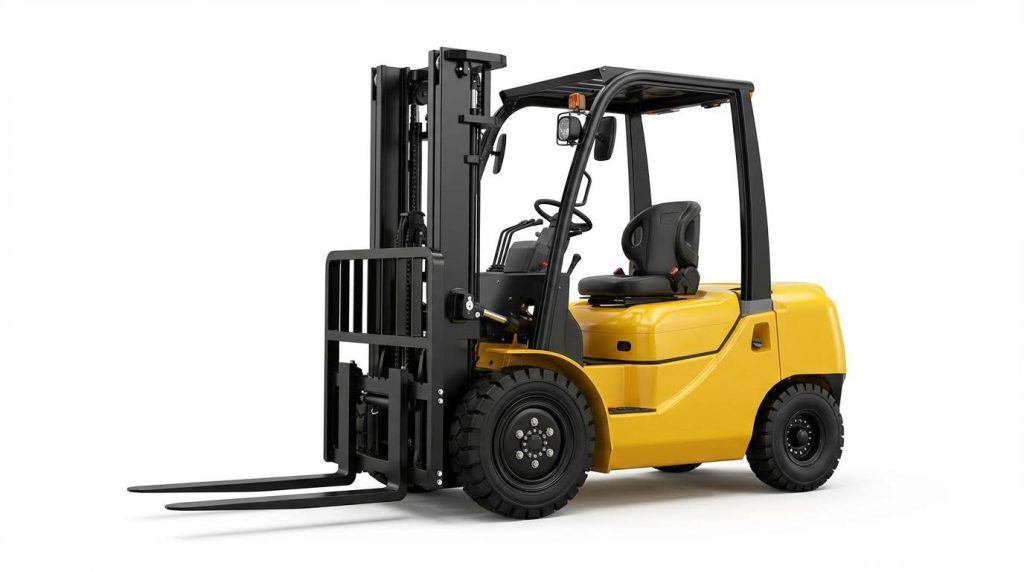
Best practices for lifting, transporting, and stacking pallets with forklifts relied on disciplined load assessment, controlled truck dynamics, and well-engineered interfaces between trucks, pallets, racks, and docks. Engineering controls, operator procedures, and infrastructure design worked together to keep the combined centre of gravity within the stability envelope of the truck and supporting structure. The following subsections structured these practices from initial load evaluation through to complex interactions with racking and loading bays.
Pre-Lift Load Assessment And Positioning On Pallets
Operators had to verify that each load was structurally sound, stable, and within the rated capacity of both forklift and pallet. They inspected packaging, strapping, and wrapping, checking for leaning stacks, broken bands, crushed cartons, or shifted contents that could change the centre of gravity. Loads had to sit fully on pallets or skids, with even distribution across deck boards and stringers, not cantilevered beyond edges. Engineers specified minimum pallet conditions: no cracked stringers, missing boards, severe decay, or deformation that reduced load path continuity. Before lifting, operators ensured the heaviest part of the load sat against the mast side and that layers were interlocked or unitized to resist collapse under acceleration or braking.
Fork Positioning, Mast Tilt, And Load Travel Height
Correct fork positioning started with spacing forks as wide as practical to maximize support, while keeping both forks fully under the load. Operators centred the load laterally on the carriage and avoided lifting with a single fork, which introduced torsional stresses into both pallet and mast. During pickup, forks entered the pallet slowly at approximately right angles, at the correct height, while operators listened and watched for scraping that indicated contact with deck boards or obstructions. Once clear of the ground, they carried the load low, typically 100–150 mm above the floor, with a slight rearward mast tilt to keep the combined centre of gravity close to the front axle. Excessive mast tilt or raised travel height reduced stability margins, especially during turning, braking, or on imperfect floors.
High Tiering, Racking Interfaces, And Reach Trucks
High tiering increased overturning risk and imposed higher moments on masts, pallets, and racks, so load reduction with height was a standard engineering control. Heavier loads belonged on lower tiers, with lighter, more rigid loads on upper levels to keep the rack’s global centre of gravity low. Reach trucks and counterbalance trucks had different derated capacities at extended mast heights, and operators had to respect the capacity plate values rather than the base nominal rating. Pallets needed uniform bearing on both front and rear rack beams; placing loads solely on wire mesh or deck panels reduced system capacity and introduced local overstress. Facilities often installed guardrails, post protectors, and back-of-rack netting to contain accidental dislodgement, while training emphasized placing pallets squarely with consistent beam overlap and avoiding impact loads into uprights.
Trailer, Dock, And Ramp Interaction Procedures
Interactions with trailers, docks, and ramps combined structural and dynamic hazards, so procedures focused on surface integrity, restraint, and approach geometry. Before entering a trailer, operators or dock staff confirmed that the floor, dockboards, and bridge plates could support the combined mass of truck and load, using rated capacities with adequate safety factors. Trailers had to be immobilized with brakes and chocks, and dockboards secured to prevent slipping; trucks then crossed bridge plates straight on, not at angles that could induce edge loading. Inside trailers, operators used headlights and dock lights, sounded the horn at entry and exit, and checked for shifted loads before removing restraints. On ramps or inclines, they travelled with the load upgrade where feasible, reduced speed, and avoided loading or unloading operations on uneven or sloped surfaces, which moved the centre of gravity toward the stability boundary.
Inspection, Maintenance, And Digital Safety Tools
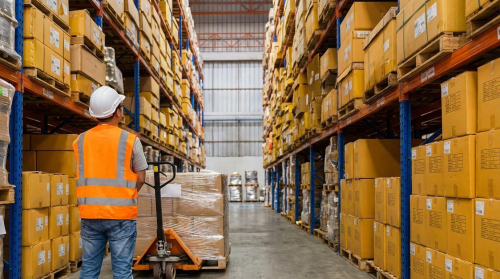
Inspection, maintenance, and digital oversight formed the backbone of engineered forklift pallet safety. Structured routines reduced accident probability, preserved equipment life, and supported regulatory compliance. Integrating digital tools with mechanical checks created traceable assurance that trucks, pallets, racks, and docks operated within design limits.
Daily OSHA-Compliant Pre-Use Inspection Routines
OSHA required powered industrial trucks to undergo inspections at least once per shift. Operators performed a walk‑around check before starting, then a functional check with the truck running. Pre-start checks included leaks of fuel, hydraulic oil, coolant, and brake fluid, plus tire condition, fork wear or cracking, mast chains, and safety labels. Operators also verified that pallets or attachments used during the shift matched the truck’s rated capacity plate.
After engine or power‑up, operators tested accelerator response, service brake, parking brake, steering, horn, lights, and tilt/lift controls. For electric trucks, they inspected battery restraints, connectors, cables, and electrolyte levels where applicable. For LPG units, they checked tank mounts, hose condition, and shutoff valves. Any defect that affected safe operation required immediate lockout and repair by qualified maintenance staff, not the operator.
Documented checklists provided evidence for OSHA audits and insurance reviews. Digital or paper forms listed specific components, acceptance criteria, and “no-go” items. Supervisors periodically reviewed records to identify recurring defects, such as chronic tire damage near dock edges or frequent hydraulic leaks, and then addressed root causes. This systematic approach reduced unplanned downtime and supported predictive maintenance planning.
Hydraulic, Brake, And Structural Integrity Checks
Hydraulic systems directly affected lifting reliability and load stability. Maintenance teams inspected cylinders, hoses, fittings, and mast chains for leaks, abrasion, kinks, or corrosion. They verified that lift and tilt functions held loads without drift under rated capacity, and that relief valves limited pressure to manufacturer specifications. Any unexplained oil film near the carriage, tilt cylinders, or under the truck indicated a potential failure risk during pallet handling.
Brake systems required equal attention. Technicians confirmed service brakes stopped the truck within specified distances on dry, level floors, and that parking brakes held on rated gradients. They inspected drums, discs, pads, and hydraulic brake lines for wear or damage. Steering systems, including linkages and hydraulic steering circuits, had to provide smooth, predictable response, especially near docks and trailer edges where lateral control was critical.
Structural integrity checks focused on forks, carriages, and mast assemblies. Forks were removed and gauged for heel wear, tip height mismatch, and bending beyond allowable limits. Cracks at the heel radius or lock pin holes triggered immediate removal from service. Masts and overhead guards were examined for deformation, cracked welds, and loose fasteners. Maintaining structural components within design geometry ensured that rated capacities and stability charts remained valid in real operation.
Rack, Dock, And Pallet Infrastructure Maintenance
Safe pallet handling depended on the integrity of the supporting infrastructure. Rack inspections looked for bent uprights, damaged bracing, missing beam safety clips, and misaligned frames. Inspectors checked that beams sat fully engaged in connectors and that posted rack capacities matched the heaviest palletized loads in the area. In high‑traffic zones, facilities installed and maintained steel guardrails and column protectors 0.3–1.0 m in front of rack faces.
Dock maintenance addressed dockboards, dock levelers, and approach surfaces. Portable and powered dockboards had to carry the combined weight of truck and maximum load, with locking devices that prevented slipping or “kicking out.” Floors at docks and inside trailers were inspected for rot, corrosion, or broken boards before entry. Bridge plates required clean, undamaged surfaces and secure positioning so that forklifts could travel straight across without bounce or deflection beyond manufacturer limits.
Pallet maintenance programs minimized collapse and rack damage. Teams removed pallets with broken deck boards, split stringers, exposed nails, or visible decay. Only pallets rated for the specific load mass and footprint were allowed into racking or high tiering. Training reinforced correct placement: pallets square on beams with uniform overhang, full fork engagement, and even load distribution. Regular audits of pallets, racks, and docks reduced cascading failures during forklift operations.
Telematics, AI Monitoring, And Digital Checklists
Digital tools enhanced traditional inspection and maintenance regimes. Telematics modules recorded impacts, overload events, travel speeds, and lift heights, linking them
Summary And Compliance-Focused Recommendations
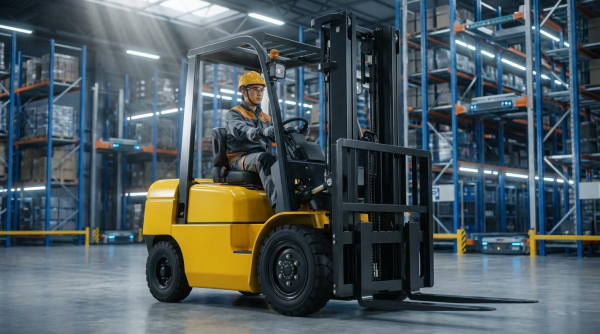
Safe forklift pallet handling relied on engineering controls, disciplined operating practices, and structured inspections. Operators needed to respect load charts, maintain a low combined center of gravity, and keep loads within rated capacities for both truck and attachments. Pallets, racks, dockboards, and trailer floors had to sustain the imposed loads with adequate safety margins, verified through inspection and reference to manufacturer data or structural calculations. Human factors, including visibility, speed control, and adherence to standard operating procedures, remained decisive in preventing tip-overs, falling loads, and rack strikes.
Regulatory frameworks such as OSHA required formal operator training, written programs, and daily pre-use inspections. Compliance-focused facilities integrated checklists that covered forks, mast chains, hydraulics, brakes, steering, tires, alarms, and safety devices before every shift. They also validated floor and rack capacities, documented rack modifications, and followed local seismic and building codes. Digital tools, including telematics, access control, and electronic inspection apps, improved traceability, supported audits, and helped correlate unsafe behaviors with near-miss or impact data.
Implementation in modern warehouses worked best through layered controls. Engineering teams defined capacities, layouts, and protective devices such as guardrails and post protectors. Supervisors enforced speed limits, pedestrian segregation, and correct pallet placement on beams and dockboards. Safety managers maintained training records, refresher schedules, and incident investigations, then adapted procedures as equipment or layouts changed. Future developments would likely increase the role of AI-based monitoring, automated alerts for overloads or unsafe travel heights, and integration of forklift data into wider EHS and asset-management systems. Organizations that treated pallet handling safety as an engineered system, not just operator behavior, achieved lower incident rates and higher operational reliability.