LPG-powered forklifts relied on tightly controlled fuel systems, disciplined operating practices, and strict regulatory compliance. This article outlined how OSHA 1910.178, NFPA 58, and 1910.110 governed LPG truck design, fuel components, and operator training. It also examined LPG cylinder storage, handling, and transport requirements, including separation distances, inspection intervals, and DOT transport rules. Finally, it detailed fuel system inspection and maintenance programs, advanced diagnostics, and digital checklist integration, before summarizing practical strategies to maintain LPG forklift safety and compliance.
Core OSHA And NFPA Rules For LPG Forklifts
LPG forklift fuel systems operated under a dense framework of OSHA, NFPA, DOT, and ANSI standards. Compliance reduced fire, explosion, and toxic exposure risks while supporting reliable fleet availability. This section explained how core OSHA 1910.178 rules interacted with NFPA 58 and 1910.110 design provisions, and how training, documentation, and audits tied the system together. Maintenance leaders could use these requirements to build auditable, repeatable safety programs rather than ad‑hoc practices.
Key OSHA 1910.178 Requirements For LPG Trucks
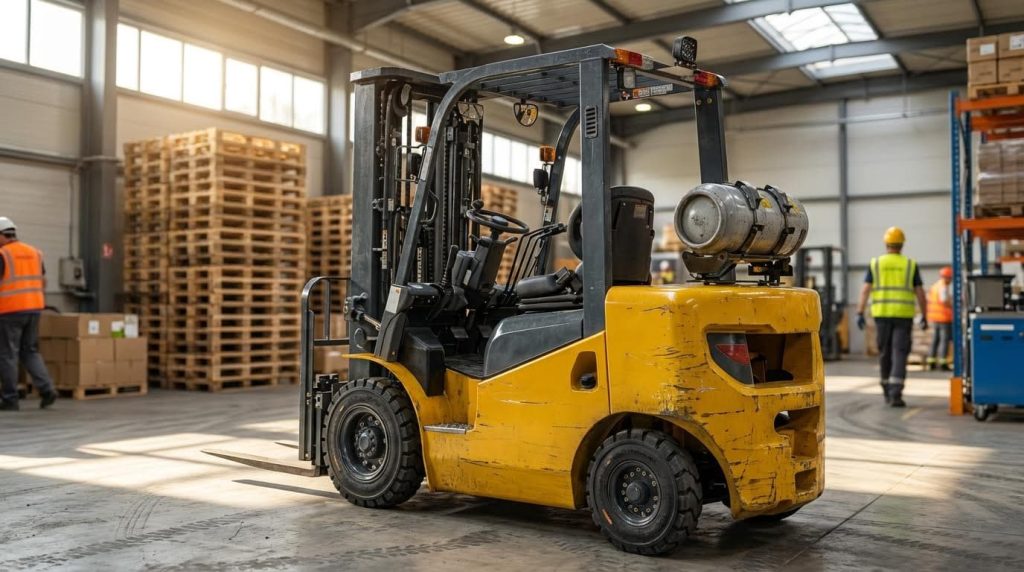
OSHA 29 CFR 1910.178 governed powered industrial trucks, including LPG forklifts, in general industry. It required pre‑use inspections at the start of each shift, with checks for fuel leaks, damaged hoses, loose cylinder mounts, and missing safety devices. The rule mandated that forklifts with fuel leaks, defective brakes, or unsafe conditions be removed from service until repaired. Operators had to shut service valves when parking for extended periods and avoid refueling or tank changes in confined spaces where vapors could accumulate. Smoking and ignition sources were prohibited in refueling and cylinder storage areas, and facilities had to provide adequate ventilation to control carbon monoxide concentrations.
NFPA 58 And 1910.110: Design And System Components
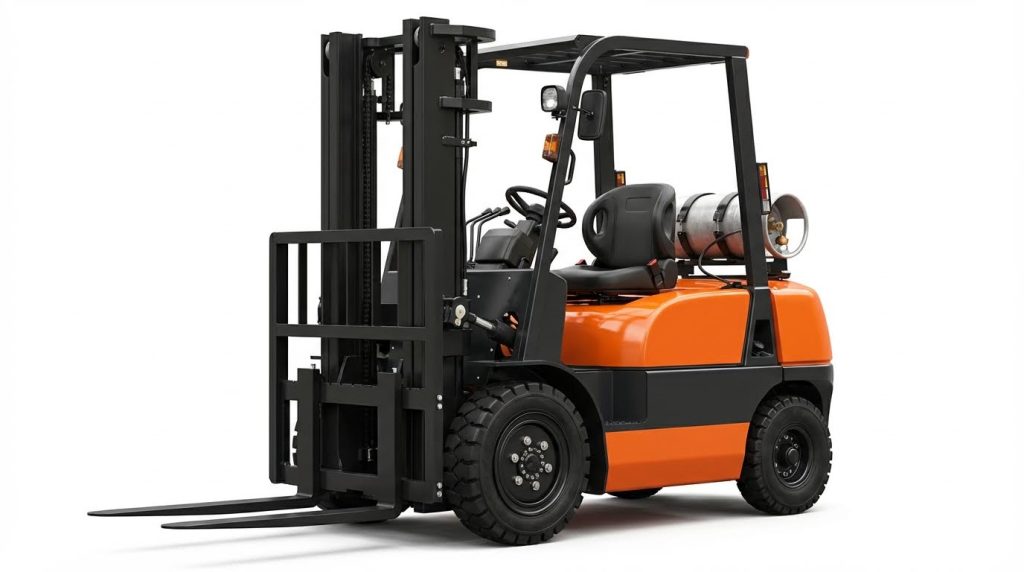
NFPA 58 and OSHA 1910.110 addressed LP‑Gas storage, piping, and equipment design. They required approved safety relief valves on every container and vaporizer, with discharge directed at least 1.5 meters horizontally away from building openings. Systems using containers above 2.5 pounds water capacity needed excess flow valves to limit gas release during line failures. Regulators had to be suitable for LP‑Gas service and rated for at least 1.7 megapascals service pressure. Containers used indoors needed firm, substantially level support, upright securing, and a maximum 245 pound water capacity per individual container. These codes also prohibited field welding on container shells except on manufacturer‑applied saddle plates or brackets, and required clear content markings per ANSI Z48.1‑1954.
Operator Training And Certification Obligations
OSHA 1910.178 required that only trained and authorized personnel operate or refuel LPG forklifts and change cylinders. Training had to cover fuel characteristics, frostbite hazards, leak recognition, emergency shutdown, and correct mounting and dismounting of cylinders. Operators also needed instruction on pre‑use inspections, including checks of fuel tanks, valves, regulators, hoses, and mounting hardware. Refresher training was required when unsafe operation occurred, near‑misses or incidents happened, or workplace conditions changed. Employers had to evaluate operator performance at least every three years and document that each operator was competent in LPG‑specific tasks such as cylinder changeout and safe parking procedures.
Documentation, Audits, And Enforcement Risks
OSHA expected employers to maintain records that demonstrated ongoing compliance rather than one‑time training events. Typical documentation included operator training and evaluation records, pre‑shift inspection logs, cylinder inventory and requalification dates, and maintenance histories for fuel system components. Digital or paper checklists supported structured inspections of tanks, hoses, regulators, and safety devices, and allowed traceable corrective actions. Regulatory audits and incident investigations frequently focused on gaps between written procedures and actual practice. Violations of 1910.178, 1910.110, or referenced NFPA provisions could lead to citations, fines, and, after serious events, potential willful or repeat classifications. Robust internal audits, periodic third‑party reviews, and clear corrective action tracking significantly reduced enforcement risk and improved safety performance.
LPG Cylinder Storage, Handling, And Transport
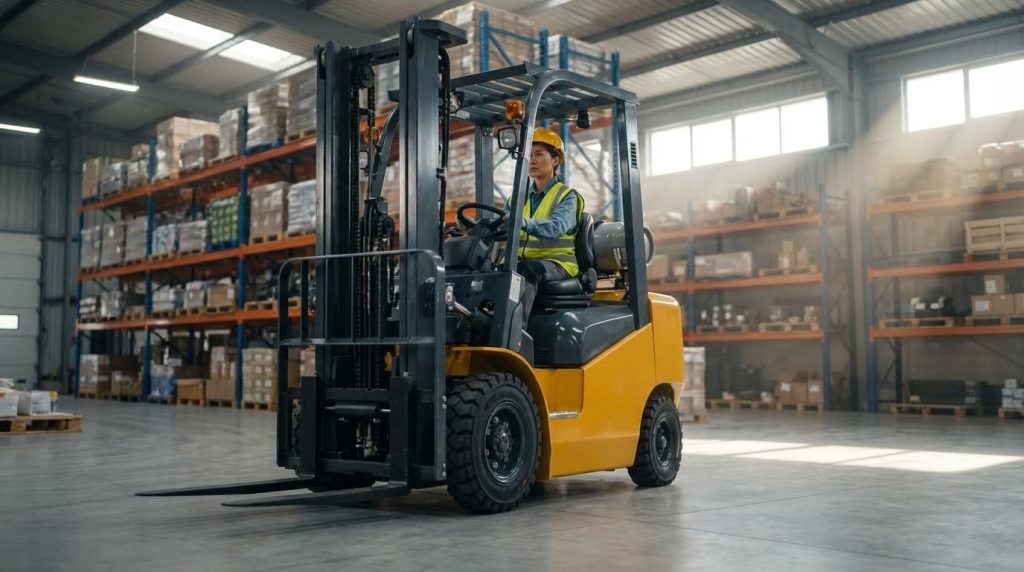
LPG cylinders for forklifts required strict controls on location, condition, and movement. OSHA 29 CFR 1910.110 and NFPA 58 specified distance, construction, and fire protection criteria for storage and use. Facilities that standardized procedures for storage, inspection, handling, and transport reduced leak incidents and compliance findings. This section described how to structure those controls so LPG remained contained and available without increasing explosion or CO risks.
Indoor And Outdoor Cylinder Storage Distances
Regulations distinguished sharply between indoor and outdoor LPG storage. Indoors, OSHA 1910.110 limited most industrial locations to 300 pounds of LP-Gas in one area unless a dedicated compliant storage room existed. Cylinders indoors had to sit upright on firm, level surfaces at least 10 feet from exits, stairways, walkways, and entryways to protect egress. Outdoor storage worked best in open-air cages with a roof, at least 20 feet from buildings and ignition sources. NFPA distance tables required increasing separation as total stored mass increased, with typical thresholds around 500, 6,000, 10,000, and above 10,000 pounds. Facilities also had to maintain clear aisles and access for fire services and keep cylinders away from high-traffic impact zones.
Cylinder Inspection, Requalification, And FIFO Control
Every LPG cylinder needed a pre-use inspection before installation on a forklift. Operators or technicians checked for dents, bulges, deep rust, damaged collars, and valve or relief device defects. They inspected threads, O-rings, and connections for contamination or mechanical damage and rejected any cylinder with suspected structural compromise. Regulations required periodic cylinder requalification, typically on a 10‑year interval, with markings stamped or labeled on the collar. A FIFO inventory system helped ensure older cylinders were used first and did not exceed their requalification date. Storage areas benefited from visible tagging systems that flagged cylinders as in-service, full, empty, or out-of-service pending inspection or destruction.
Safe Cylinder Handling, Mounting, And Changeout
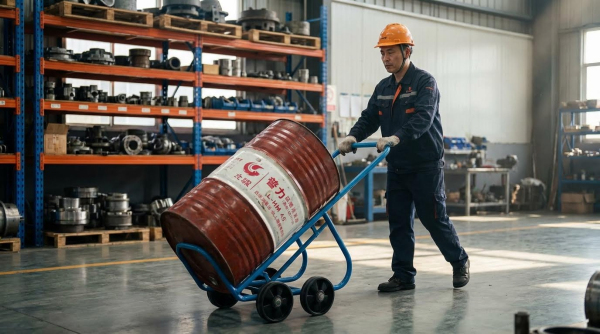
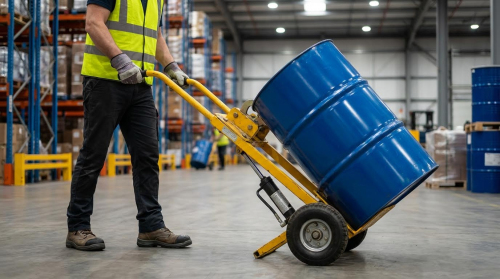
Safe handling practices minimized both strain injuries and gas releases. Personnel needed training and authorization before lifting or changing LPG cylinders, including instruction on PPE such as gloves and eye protection. Workers avoided dragging, rolling, or dropping cylinders and instead used mechanical aids or semi electric order picker for full containers. During changeout, operators shut the service valve, ran the engine to depressurize the line if procedures allowed, and then disconnected fittings slowly while monitoring for frost or odor. The replacement cylinder had to mount securely in the truck bracket with proper orientation, usually with the locating pin engaged and the relief valve in the designed position. After connection, a leak detection solution around fittings verified tightness before the truck returned to service, and the old cylinder moved promptly to a designated storage rack.
DOT Transport, Fire Protection, And Impact Protection
Transporting LPG cylinders between sites triggered DOT and NFPA obligations. Vehicles carrying cylinders needed at least one 10‑pound ABC or 20‑B:C rated extinguisher and appropriate placards with the UN 1075 identification number when thresholds were met. Cylinders had to be upright or properly cradled, valves closed, protective caps or collars in place, and secured against movement using straps or racks. Impact-resistant valve caps and thermal relief devices became standard for larger containers to prevent rupture during fires or collisions. Storage and loading areas required at least one approved portable extinguisher sized to the potential fire load and located for quick access. Facilities also implemented barriers, bollards, or guardrails where vehicle traffic might strike cylinder banks or piping, reducing the probability of catastrophic mechanical damage during routine operations.
Fuel System Inspection, Maintenance, And Technology
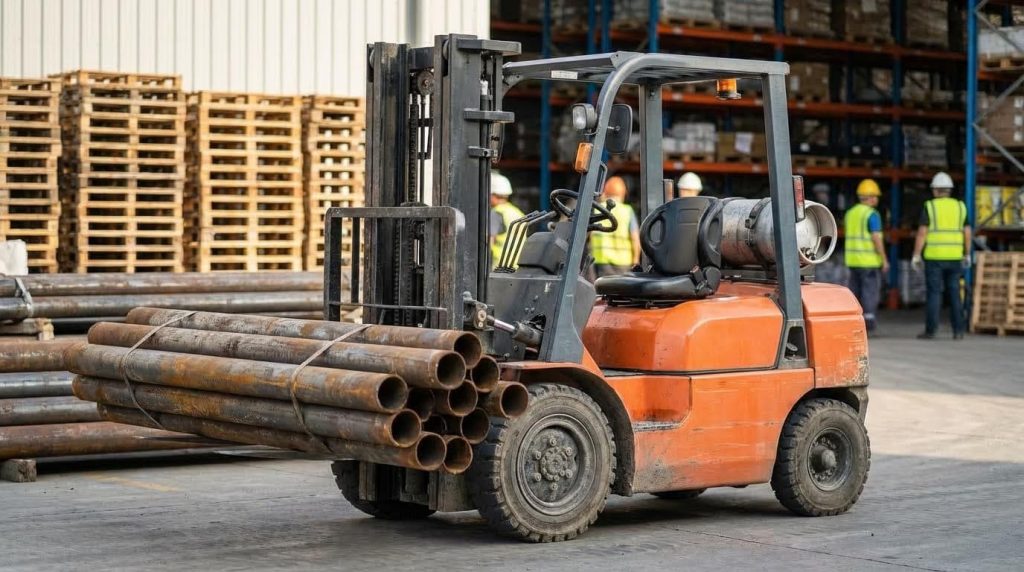
LPG forklift fuel systems required structured inspection regimes to control fire, explosion, and exposure risks. Daily, monthly, and annual checks aligned with OSHA 1910.178, NFPA 58, and 1910.110 requirements. Facilities increasingly used advanced diagnostics and digital tools to close compliance gaps. The following sections detailed practical inspection practices and supporting technologies for LPG fleets.
Daily, Monthly, And Annual LPG System Inspections
Daily inspections focused on immediate operational safety before each shift. Technicians visually checked cylinders, valves, and regulators for dents, corrosion, frost, and obvious leaks. They inspected hoses for cracks, abrasion, kinking, and loose fittings, then verified secure cylinder mounting and locking pins. Operators also confirmed proper operation of service valves, pressure relief devices, and fuel shutoff controls during functional tests.
Monthly inspections went deeper into component integrity. Maintenance staff replaced O-rings, examined cylinder mounting brackets for deformation, and checked clamp torque against manufacturer data. They verified regulator performance under load, inspected vaporizer heat exchange surfaces, and confirmed hose assemblies retained correct routing and support. Records captured part numbers, inspection dates, and any corrective work to support audits.
Annual inspections required a licensed or qualified LPG technician under NFPA 58. These inspections included pressure relief valve testing, regulator calibration, and verification of excess-flow and back-check valves where installed. Technicians confirmed cylinders remained within their requalification dates and complied with marking requirements. Comprehensive reports documented test methods, measured pressures, and pass or fail criteria to demonstrate regulatory compliance.
Leak Detection, Ventilation, And CO Exposure Limits
Leak detection combined routine visual checks with targeted testing. Operators used approved leak detection solutions on valves, fittings, and hose connections after cylinder changeout or maintenance. Facilities with higher risk profiles installed fixed gas detectors near floor level because LPG vapor was heavier than air. These detectors alarmed at preset thresholds to prompt evacuation and isolation of the fuel supply.
Ventilation design was critical in enclosed warehouses and maintenance bays. OSHA guidance required minimum air exchange rates around 1 cubic foot per minute per square foot for LPG forklift operations. Engineers sized mechanical ventilation to prevent accumulation of both unburned propane and carbon monoxide from combustion. Airflow patterns avoided dead zones near loading docks, pits, and other low-lying areas where vapor could pool.
CO exposure control followed OSHA limits of 50 parts per million as an 8-hour time-weighted average. Facilities used portable CO meters and fixed monitors to trend concentrations during peak traffic. When readings approached action levels, supervisors reduced indoor truck density, increased ventilation, or shifted loading to outdoor areas. Incident logs recorded exceedances, root-cause analyses, and corrective actions for regulatory review.
Advanced Diagnostic Tools And Predictive Maintenance
Advanced diagnostics improved detection of emerging fuel system faults before they caused incidents. Ultrasonic testing identified micro-leaks in fuel lines and fittings that were not visible or audible during routine checks. Technicians scanned along hose runs, regulators, and connection clusters, then tagged suspect locations for repair. This approach reduced unplanned downtime and minimized fugitive LPG emissions.
Infrared thermography supported early identification of thermal anomalies. Maintenance teams imaged vaporizers, regulators, and high-pressure lines under operating load. Hot spots indicated restriction, improper regulation, or failing components, while abnormal cold zones suggested flashing or expansion issues. Trend analysis of thermal images enabled planned component replacement rather than reactive repairs.
Predictive maintenance programs integrated sensor data from pressure, temperature, and flow monitoring points. Algorithms flagged deviations from baseline performance, such as gradual pressure drops across filters or regulators. Planners then scheduled interventions during low-demand periods, optimizing parts usage and labor. Documented failure modes fed back into training and inspection checklists.
Integrating Digital Checklists And EHS Systems
Digital checklists standardized LPG fuel system inspections across shifts and sites. Mobile applications guided operators through OSHA 1910.178 and NFPA 58 inspection points with mandatory fields and conditional logic. Required photo documentation reduced subjectivity and provided visual evidence of defects or corrected conditions. Time stamps and user authentication strengthened traceability for regulators and insurers.
Integration with environmental, health, and safety (EHS) platforms centralized compliance data. Inspection results automatically generated work orders for leaks, damaged cylinders, or mounting issues. Dashboards displayed open corrective actions, overdue inspections, and recurring defect patterns by truck or area. Safety managers used these analytics to prioritize engineering controls and targeted training.
Digital systems also supported incident and near-miss reporting related to LPG operations. Workers submitted reports from the same interface used for inspections, attaching gas detector logs or CO readings. EHS teams correlated these events with maintenance records to identify systemic weaknesses. Periodic exports of aggregated data simplified preparation for OSHA audits and internal governance reviews.
Summary Of LPG Forklift Safety And Compliance
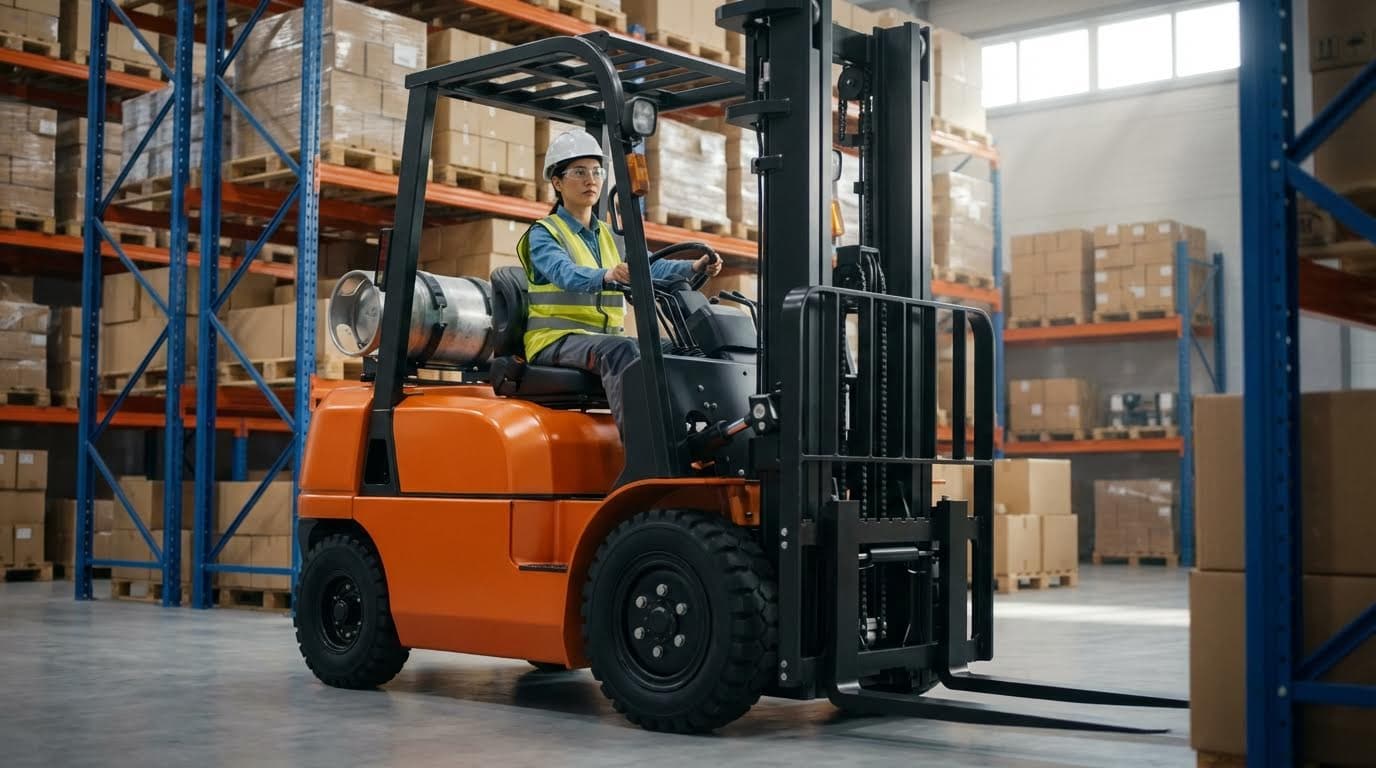
LPG forklift safety and compliance relied on a tightly linked framework of OSHA, NFPA, ANSI, DOT, and EPA requirements. Core elements included compliant truck design, correctly specified regulators, relief and excess-flow valves, disciplined cylinder storage, and structured inspection programs. Facilities that aligned pre-use checks, preventive maintenance, and operator training with 29 CFR 1910.178, NFPA 58, and 1910.110 significantly reduced fuel-system incidents and CO exposures. Digital checklists and electronic audit trails increasingly supported continuous compliance and faster closure of identified defects.
These standards had clear industry implications. Operations shifted toward engineered storage layouts with defined separation distances, rated fire extinguishers, and controlled ventilation rates of at least 1 CFM per square foot indoors. Inspection regimes moved from visual-only checks to ultrasonic leak testing and infrared thermography on high-risk components, combined with periodic requalification of cylinders and systematic FIFO inventory control. At the same time, environmental pressure and greenhouse-gas accounting drove interest in renewable propane and higher-efficiency engines to cut lifecycle emissions.
Practical implementation required accurate system documentation, clear role definitions, and recurrent, task-specific operator training for refueling, cylinder changeout, and emergency response. Sites needed written procedures for leak response, lockout/tagout during repair, and criteria for immediately removing trucks from service. Looking ahead, integration of telematics, gas detection, and EHS platforms pointed toward more predictive maintenance, automated compliance reporting, and tighter control of CO and hydrocarbon emissions. LPG remained a viable motive fuel, but long-term competitiveness depended on rigorous safety culture, technology upgrades, and alignment with evolving health, safety, and environmental expectations.