Pre-operation forklift inspections protected operators, reduced downtime, and ensured compliance with OSHA 29 CFR 1910.178. This article outlined OSHA rules and inspection frequency, including mandatory daily and per-shift checks and documentation practices that supported audit readiness. It then detailed a structured, step-by-step pre-start visual inspection and engine-on functional test covering structure, hydraulics, powertrain, and safety systems. Finally, it connected robust inspection and maintenance programs to safer, more cost-effective fleet operation over the full equipment life cycle.
Using this framework, safety managers and technicians could standardize checklists, align procedures with regulation, and justify preventive maintenance investments with quantified risk and cost data. The result was a repeatable process that kept forklifts in safe operating condition and reduced the likelihood of incidents, unplanned failures, and regulatory penalties.
OSHA Rules And Inspection Frequency
OSHA regulations defined the minimum legal standard for powered industrial truck inspection and maintenance. These rules focused on preventing mechanical failure, uncontrolled leaks, and loss of control that could create workplace hazards. Understanding the structure of OSHA 1910.178 and its inspection clauses allowed safety managers to design compliant checklists and maintenance programs. This section explained what OSHA required, how often inspections had to occur, and how to document them in an audit-ready format.
Key Requirements In OSHA 1910.178
OSHA 29 CFR 1910.178 governed design, maintenance, and operation of powered industrial trucks. Paragraph 1910.178(q) required that trucks in unsafe condition be removed from service until repaired by authorized personnel. The standard mandated that defects discovered during inspection be reported and corrected, with specific clauses for fuel leaks, exhaust sparks, and overheating components. OSHA 1910.178(q)(10) required that trucks be kept clean and free of excess oil and grease, and that non-combustible or high flash point cleaning agents be used. These provisions formed the legal basis for mandatory daily inspections and structured preventive maintenance programs.
Daily And Per-Shift Inspection Expectations
Under 1910.178(q)(7), OSHA required that every forklift be examined at least once daily before use. Trucks operating on multiple shifts had to be examined after each shift, effectively making inspection a per-shift requirement. The inspection sequence included a key-off visual check followed by an engine-on operational check. Operators had to verify fluid levels, leaks, visible structural damage, tire condition, forks and mast integrity, and the presence of the operator manual and nameplate. After start-up, they had to test steering, brakes, drive controls, hydraulic functions, and warning devices, removing the truck from service immediately if unsafe conditions appeared.
Documentation, Logs, And Audit Readiness
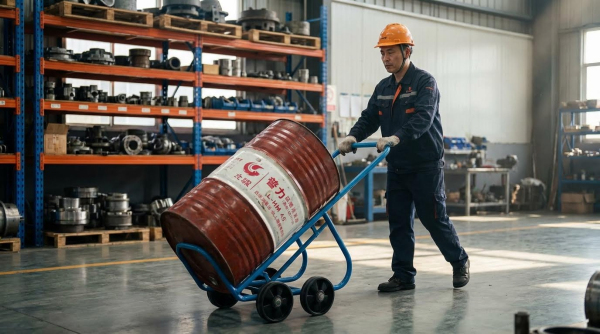
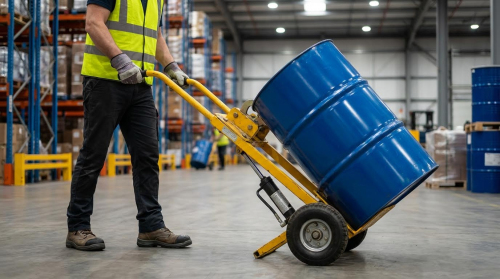
OSHA did not prescribe a specific checklist form, but it expected employers to demonstrate that required inspections occurred and that defects were corrected. An audit-ready checklist typically captured date, shift, truck number, model and serial number, department, operator name, and hour meter reading. It also listed critical components such as forks, mast chains, hydraulics, tires, brakes, steering, safety devices, and power source items, with clear pass or fail fields. Defects had to be logged, tagged out, and linked to repair records showing work by authorized personnel. Retaining inspection and structural integrity reports for the equipment service life plus several years supported OSHA compliance reviews and internal safety audits. Forklift attachments, such as a forklift drum grabber, also required regular inspections to ensure safe operation. Additionally, tools like a hydraulic drum stacker or a drum handler needed to comply with these standards to maintain workplace safety.
Step-By-Step Pre-Start Visual Inspection
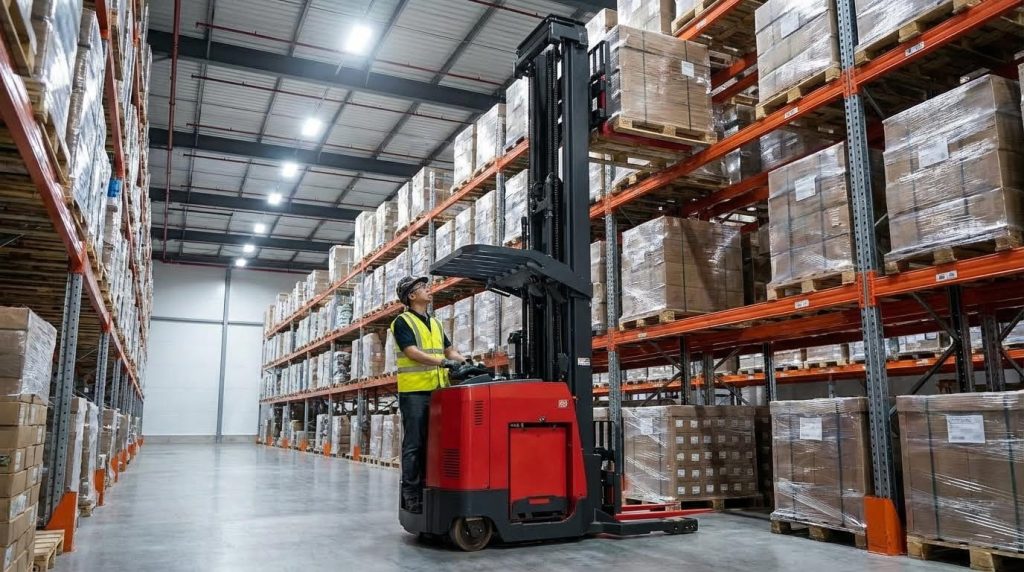
A structured pre-start visual inspection reduced accident risk and unplanned downtime. OSHA required this check before each shift and mandated removal from service if defects appeared. A consistent sequence helped operators avoid omissions and supported reliable documentation for audits and maintenance planning.
Identification, Capacity Plates, And Labels
The inspection started with verifying the truck’s identity and rating. Operators checked that the nameplate and capacity plate were securely attached, legible, and matched the truck model, serial number, and installed attachments. Rated capacity, load center, and any derated capacities for attachments needed to be visible because OSHA 1910.178 required operation within those limits. Safety decals and control labels had to be present, readable, and located near the relevant controls to support correct use and emergency response. The operator’s manual had to be on board, intact, and legible, since OSHA treated it as a primary reference for safe operation and maintenance intervals.
Mast, Chains, Forks, And Load Backrest Checks
Technicians visually examined the mast rails, cross members, and welds for cracks, distortion, or impact damage. Mast chains were inspected using a gauge where possible, checking for stretched links, corrosion, kinks, and ensuring tension slack stayed within 2–4 mm when depressed; anchor pins could not be bent, loose, or worn. Hydraulic hoses along the mast and tilt cylinders were checked for damp spots, bulges, abrasions, or leaks; any leak greater than one drop per minute required immediate removal from service. Forks were inspected at the heel and blade for cracks, bends, or unauthorized weld repairs, and heel thickness had to remain within 10% of original thickness with fork tip height difference usually not exceeding 3 mm. The load backrest and finger guards had to be securely attached, undamaged, and correctly aligned to prevent load shift toward the operator.
Tires, Frame, Guards, And Operator Compartment
Inspectors assessed tire condition and, for pneumatic tires, inflation pressure against manufacturer specifications. They looked for chunking, deep cuts, exposed cord, flat spots, or uneven wear patterns that indicated alignment or suspension issues. The truck frame, overhead guard, and mounting points were checked for deformation, cracked welds, or corrosion that could compromise structural integrity. Operators confirmed the overhead guard and load backrest provided full coverage over the operating envelope of the forks and attachments. Inside the compartment, floors, pedals, and steps had to be free of grease, debris, and loose objects that could interfere with pedal travel or become projectiles. The seat, seat belt, and any operator restraint system were checked for smooth latching, retraction, and intact webbing, because OSHA required functional restraints on trucks so equipped. Mirrors, if installed, and any cab components such as wipers, heater, or defroster were verified for correct operation in relevant environments.
Power Source Checks: Electric, LPG, And I.C. Trucks
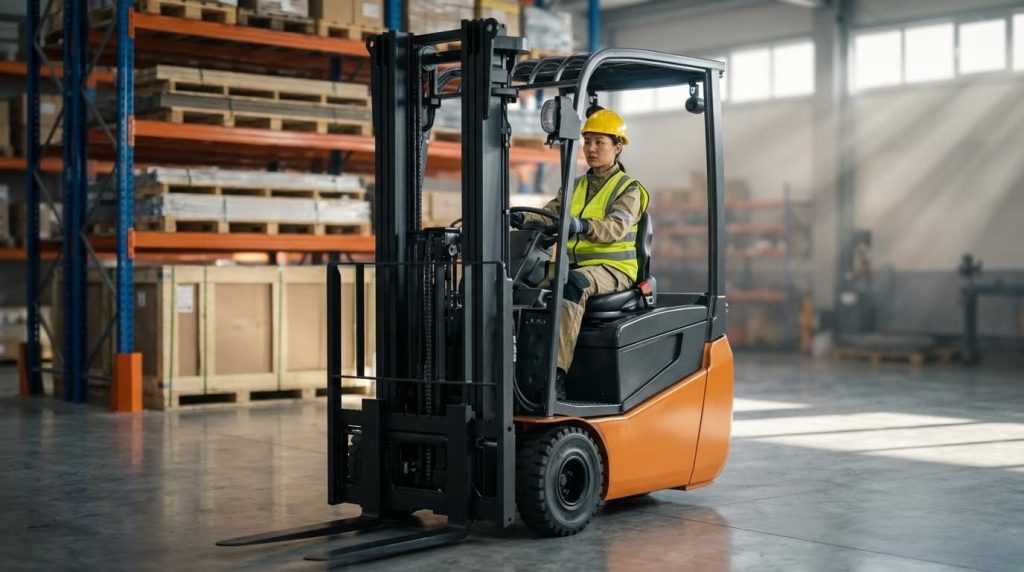
For electric trucks, operators confirmed the battery was fully charged, properly restrained, and free from cracked cases or leaking electrolyte. Cables and connectors had to show no frayed insulation, exposed conductors, or loose lugs, and vent caps could not be clogged; personnel used appropriate PPE such as face shields and rubber gloves when checking electrolyte levels. For internal combustion units, checks covered engine oil, coolant, brake fluid, transmission fluid, and hydraulic oil levels against dipstick or reservoir marks, plus visual inspection of belts, hoses, and the radiator for cracks, glazing, or leaks. LPG trucks required verification that the cylinder was correctly mounted within the truck profile, with the pressure relief valve oriented upward and restraint brackets secured. Operators inspected LPG hoses and fittings for damage or frost marks that indicated leaks and looked for dents or corrosion on the tank, using PPE such as face shields and long sleeves during handling. Any fuel or hydraulic leak, damaged connector, or missing restraint triggered immediate removal from service and documentation in the maintenance log, in line with OSHA 1910.178(p) and (q) requirements.
Engine-On Operational And Functional Tests
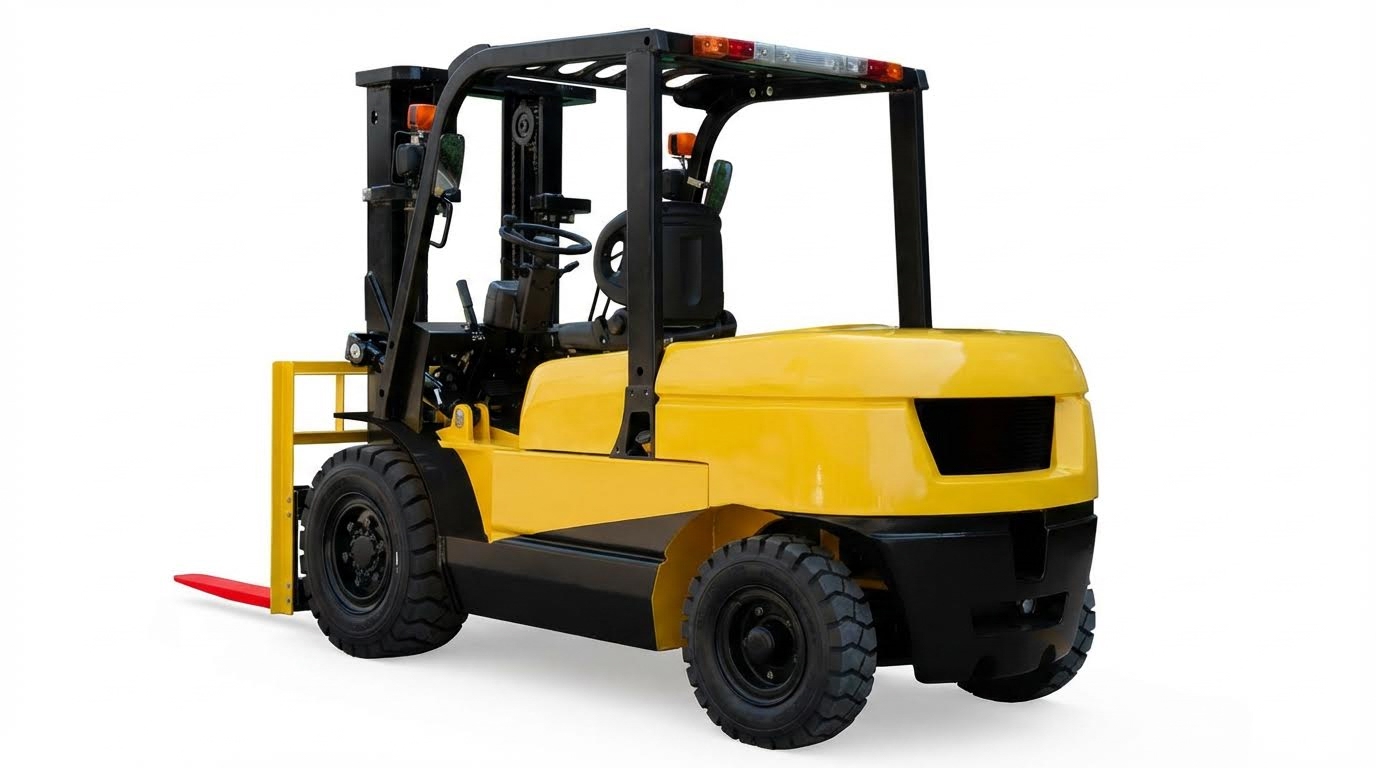
Engine-on tests verified that the truck operated safely under real load conditions. These checks complemented the key-off visual inspection and confirmed that critical systems performed within design limits. Operators typically performed these tests in a clear area, with the parking brake applied initially and the mast lowered. Any abnormal response, noise, or warning indicator triggered immediate removal from service and documentation in the maintenance log.
Steering, Braking, And Drive Controls
Operators started the truck and checked steering response through the full range of motion at low speed. Free play at the steering wheel typically stayed below one quarter turn before the wheels reacted, unless the manufacturer specified otherwise. They tested service brakes by driving slowly, then applying the pedal to verify straight, predictable stopping without pulling or pedal fade. The parking brake had to hold the truck on the rated grade without movement. Drive controls in forward and reverse engaged smoothly, without delay, surging, or unexpected acceleration, and direction selectors or inching controls operated within OEM specifications.
Mast Lift, Tilt, Attachments, And Hydraulics
With the engine running and area clear, operators cycled the mast through full lift and lower ranges without a load first, then with a light test load if allowed. The mast raised and lowered smoothly, without jerking, chatter, or hesitation, and stopped without drift when the control returned to neutral. Tilt functions forward and backward held position under load, with no creeping that indicated internal hydraulic leakage. Attachment controls, including sideshifters, clamps, or rotators, operated at uniform speed and responded proportionally to lever movement. Operators visually checked cylinders, hoses, and fittings during operation for leaks, misting, or hose ballooning; any leak above one drop per minute required immediate removal from service under OSHA 1910.178(q).
Horns, Lights, Alarms, And Safety Devices
Operators tested the horn first and confirmed it was loud enough to be heard across the normal operating area. They switched on headlights, work lights, and warning beacons, verifying correct orientation and intensity without flicker. Backup alarms, if installed, activated automatically when selecting reverse and produced a distinct, continuous tone. Seat belts and operator restraint systems latched and released smoothly, with no frayed webbing or damaged buckles. Any malfunctioning warning device, interlock, or safety system rendered the truck out of service until repair by authorized personnel, supporting OSHA requirements for safe operating condition.
Summary: Safe, Compliant, And Cost-Effective Use
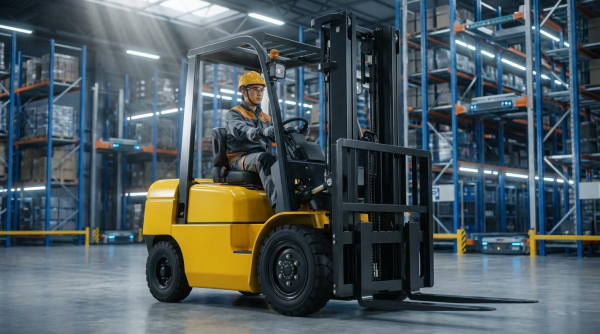
A disciplined pre-operation inspection program kept forklifts safe, compliant, and productive under OSHA 1910.178. Daily and per-shift checks identified hydraulic leaks, tire damage, fork wear, and control faults before incidents occurred. OSHA-required removal from service for unsafe trucks, combined with documented 15-point inspections, supported audit readiness and reduced regulatory risk. Structured maintenance plans that followed manufacturer intervals and MHEDA guidance reduced unplanned downtime and extended equipment life by several years.
Industry data showed that preventive maintenance programs lowered repair costs by 25–40% and extended service life by 3–5 years. With average accident costs around USD 135,000, systematic inspections and timely repairs delivered clear financial benefits. Fleets that used master maintenance calendars, digital records, and certified technicians achieved predictable availability and improved utilization. Adjusted schedules for high-usage or harsh environments further optimized reliability.
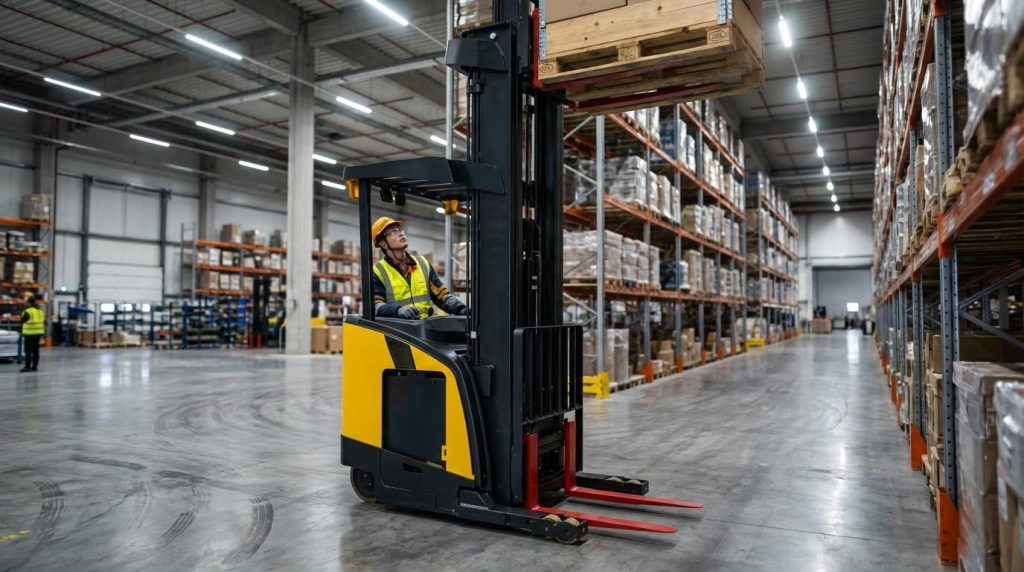
Practical implementation required standard checklists, operator training, and clear criteria for removing trucks from service. Organizations needed to track hours, environment, and failure modes, then tune inspection depth and maintenance frequency accordingly. A balanced approach combined strict OSHA compliance, OEM recommendations, and data-driven adjustments rather than over- or under-maintaining equipment. This framework supported safer operations, consistent performance, and long-term cost control across the walkie pallet truck fleet. Additionally, integrating tools like a semi electric order picker and scissor platform lift ensured versatility and efficiency in material handling workflows.