
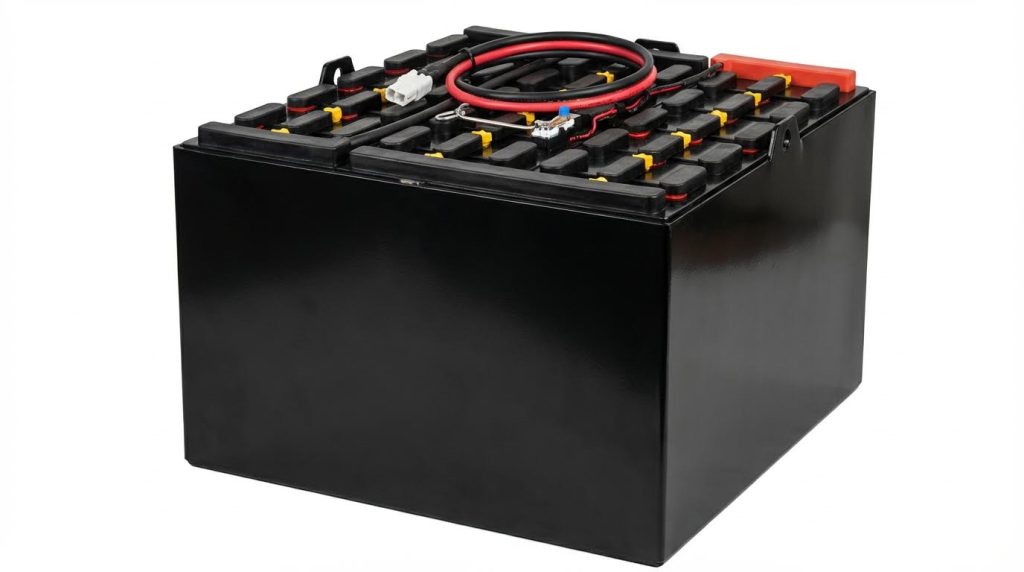
If you run electric material handling gear, knowing how to tell if a walkie stacker battery is bad is critical for uptime and safety. This guide walks through operator symptoms, engineering tests, and decision rules for repair versus replacement. You will see how simple checks (smell, appearance, runtime) connect to hard data (voltage, specific gravity, internal resistance). Use it as a practical field reference to keep your walkie stacker reliable, efficient, and safe to operate.

Key Symptoms Of A Bad Walkie Stacker Battery
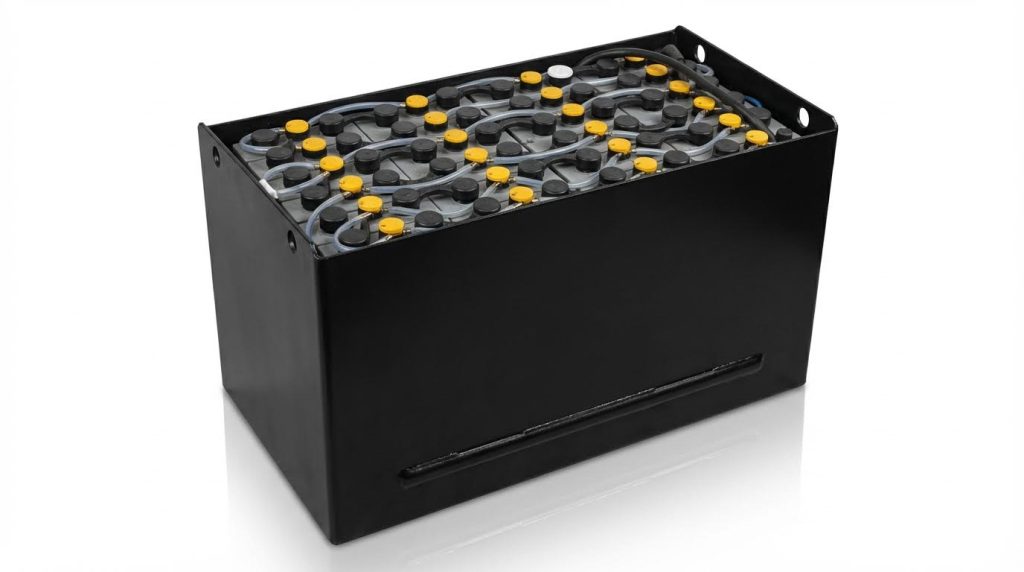
Performance changes operators will notice
Operators are usually the first to spot performance changes, and those changes are your best early clues when you’re working out how to tell if a walkie stacker battery is bad. Watch for patterns over several shifts, not just one “off” day.
Common runtime and charging symptoms include:
- Rapid discharge even after a full charge (needing a top‑up every few hours instead of lasting most of a shift) Signs of Battery Failure
- Noticeably reduced operating time compared with similar trucks in the fleet
- Stacker runs “strong” right after charging, then drops off sharply instead of tapering slowly
- Truck refuses to start or resets after short idle periods
Handling and power delivery symptoms operators will notice:
- Sluggish lift speed even with light loads
- Travel speed dropping on small ramps or rough spots that it used to handle easily
- Hydraulic functions stalling at mid‑lift when the battery indicator is not yet in the red
- Display or battery gauge jumping suddenly from “OK” to “low”
Charging‑related warning signs include:
- Battery or charger fan running unusually long to reach “full”
- Battery getting hotter than normal during a standard charge cycle Overheating during charging
- Frequent interruptions of the charge cycle or charger error codes
Why these performance symptoms matter
These symptoms usually point to reduced capacity, high internal resistance, or one or more weak cells. Left unchecked, they drive deeper sulfation or cell imbalance, which shortens battery and truck life.
Visual and odor indicators of battery damage

Once performance changes suggest trouble, a quick visual and smell check helps confirm how to tell if a walkie stacker battery is bad without instruments.
Use this checklist during a parked, powered‑off inspection:
- Corrosion on terminals, connectors, or inter‑cell links (white/green/blue deposits) Corrosion can cause defective connections
- Wet spots, staining, or crystallized residue on the case or around vent caps (signs of electrolyte leakage) Cracks or leaks are common signs of electrolyte leakage
- Cracks, bulges, or deformation of the plastic case or steel tray
- Loose, damaged, or heat‑discolored cables and lugs
Smell and sound indicators are just as important:
- Strong sulfur or “rotten egg” odor during or after charging, indicating excessive gassing or a failing cell Unpleasant odors as failure indicators
- Loud bubbling or hissing from multiple cells, not just a gentle fizz, during charge Bubbling and zizzling as warning signs
- Burnt‑plastic or burnt‑insulation smell near the cable exits or connectors
Key visual and odor clues at a glance:
| Indicator type | What you see / smell | Likely issue | Action priority |
|---|---|---|---|
| Corroded terminals | White/green powder on posts and lugs | High resistance connection, heat build‑up | Clean and re‑torque soon |
| Cracks or leaks | Visible case crack, wet acid streaks | Electrolyte loss, plate exposure | Remove from service; evaluate for replacement |
| Bulged case | Sides pushed out or distorted | Overcharge, internal gas pressure, plate damage | High; safety risk |
| Sulfur / rotten‑egg odor | Strong smell near battery, especially on charge | Excessive gassing, failing cell | Stop charge; inspect and test |
| Heavy bubbling and hissing | Loud fizzing from several cells | Overcharging or severe imbalance | Check charger and battery immediately |
Safety note for visual and odor checks
Always wear eye and hand protection when inspecting industrial batteries. Acid mist and hydrogen gas from over‑gassing batteries can irritate skin and eyes and create an explosion risk in unventilated areas.
Engineering Tests To Confirm Battery Health
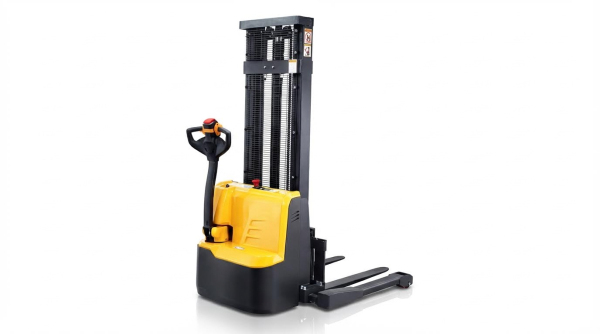
Engineering tests turn vague symptoms into hard data so you can decide if a walkie stacker battery is truly failing. If you want to know how to tell if a walkie stacker battery is bad with confidence, you need voltage, load, and chemistry checks, not just operator feedback. The tests below apply to both lead‑acid and lithium packs, with extra steps where chemistry matters.
Open‑circuit voltage and resting voltage checks
Open‑circuit and resting voltage tests are your first quantitative check of battery health. They are quick, low‑risk, and require only a decent digital voltmeter.
Use this basic procedure to start:
- Fully charge the battery with the correct charger.
- Let it rest disconnected 4–6 hours so surface charge dissipates. Open‑circuit readings are only meaningful after rest.
- Measure total pack voltage at the main terminals.
- Compare the reading with typical values for your system voltage.
| System nominal voltage | Typical fully‑charged open‑circuit voltage (lead‑acid) | What it suggests |
|---|---|---|
| 12 V | ≈ 12.6–12.8 V | Healthy state of charge if stable after rest (SOC reference) |
| 24 V | ≈ 25.2–25.6 V | Near 100% SOC on a good pack |
| 36 V | ≈ 37.8–38.4 V | Normal full‑charge window |
| 48 V | ≈ 50.4–51.2 V | Normal full‑charge window |
Resting voltage expectations for lithium walkie stacker packs
For a 48 V lithium pack, a healthy unit typically stayed in roughly the 45–52 V range after 24 hours of rest. If voltage dropped below about 40 V at rest, internal resistance was usually too high and cell decay likely, which is a strong indicator when you are deciding how to tell if a walkie stacker battery is bad. Resting voltage assessment reference
Use open‑circuit and resting voltage to flag problems:
- Pack voltage well below the “full” window right after charging suggests loss of capacity or a bad cell string.
- Voltage that falls quickly over 12–24 hours at rest suggests high internal leakage or internal resistance growth.
- Big differences between sections or modules (on multi‑connector packs) indicate unbalanced or failing groups.
Load, discharge, and internal resistance testing
Voltage at rest only tells part of the story. To truly verify how to tell if a walkie stacker battery is bad, you must see how it behaves under load and over time.
Key engineering tests in this group are:
- Short, controlled load test.
- Full discharge (capacity) test.
- Internal resistance measurement.
| Test type | How it is done | What you look for |
|---|---|---|
| Load test (lead‑acid focus) | Apply a load ≈ 50% of nominal capacity with a tester or controlled truck load. Standard practice used 50% load | Voltage should not drop more than about 20% from nominal during the test. Larger drops point to weak cells and looming failure. |
| Battery discharge (capacity) test | Run a controlled discharge cycle while logging voltage and time. Discharge tests simulate real cycles | If the pack empties much faster than the rated run time, usable capacity is reduced and replacement is near. |
| Internal resistance test | Use a battery analyzer to measure internal resistance (IR) of the pack or cells. IR rises as batteries age | Significant IR increase over specification means more voltage sag, more heat, and poorer performance under load. |
In practice, you combine test results and symptoms:
- Rapid discharge in service (for example, needing a charge every 4 hours instead of 8) plus large voltage sag under load strongly indicates end‑of‑life. Reduced operating time is a key failure sign
- High internal resistance but normal open‑circuit voltage usually shows aged plates or cells that can no longer support current.
- Overheating or hot spots during load tests can be confirmed later with thermal imaging to find local defects. Thermal imaging highlights micro‑shorts
Why internal resistance matters for walkie stackers
Walkie stackers draw high current in short bursts for lifting and travel. As internal resistance increases, each burst causes a larger voltage drop and more I²R heating. That means slower lifts, controller faults, and shorter run time even if the open‑circuit voltage still looks acceptable. When IR rises far above the original specification, the battery is effectively undersized for the truck, which is a strong technical sign when you assess how to tell if a walkie stacker battery is bad.
Lead‑acid specific tests: hydrometer and equalization
Lead‑acid walkie stacker batteries allow direct measurement of electrolyte condition. This gives a more precise picture of cell‑by‑cell health than pack voltage alone.
Two core tools are the hydrometer and the equalization charge:
- Hydrometer: measures specific gravity (SG) of electrolyte in each cell.
- Equalization charge: controlled overcharge to rebalance cells and reduce stratification.
| Lead‑acid test | Typical values / practice | Diagnostic meaning |
|---|---|---|
| Hydrometer (fully charged) | Healthy cells read about 1.265–1.285 SG. Typical SG range | One or more cells much lower than the rest indicate weak or defective cells. |
| Cell‑to‑cell SG variation | Variation greater than about 0.050 SG shows serious imbalance or stratification. SG variance threshold reference | Large variation is often not fully correctable and may mean the battery is near end‑of‑life. |
| Equalization charge | Controlled overcharge used to rebalance cells after normal charging. Equalization improves balance | After equalization, repeat voltage and SG tests. If weak cells stay low, the battery has permanent damage. |
Use these lead‑acid tests in a structured way:
- Visually inspect for leaks, cracks, and corrosion before any test. Damage or electrolyte loss is already a strong sign the battery is bad. Cracks and leaks are failure indicators
- Charge fully, let the battery rest, then measure pack voltage and SG of every accessible cell.
- Mark any cells with low SG or big deviation from the average.
- Run an equalization charge according to manufacturer instructions.
- Repeat SG and voltage checks. If the same cells remain low or variation stays high, treat those cells as permanently degraded.
How these tests answer “is my walkie stacker battery bad?”
For lead‑acid units, a combination of low SG in one or more cells, SG variation above about 0.050 between cells, repeated rapid discharge in service, and poor results on load tests provides strong engineering evidence that the battery has lost usable capacity and should be replaced rather than repaired. When these objective measurements line up with operator complaints, you can confidently conclude how to tell if a walkie stacker battery is bad instead of guessing based only on run time or age.
Final Thoughts On Preventing Battery Failures
Walkie stacker batteries fail in predictable ways, and you can manage most risks with discipline and data. Operator‑reported symptoms, visual checks, and smell cues give early warning before a cell fails in service. Voltage, load, internal resistance, and (for lead‑acid) hydrometer tests then turn those clues into clear “go / no‑go” decisions.
The key is to treat batteries as engineered assets, not consumables. Set up a simple routine: log runtime complaints, inspect cases and terminals weekly, and schedule periodic voltage and discharge tests. For lead‑acid packs, track specific gravity trends and use equalization to slow imbalance, not to rescue already dead cells.
When evidence points to end‑of‑life, replace the pack on your terms, not after a breakdown. At that point, review duty cycle, charging habits, and charger settings to avoid repeating the same failure pattern. For new trucks or heavy multi‑shift fleets, consider lithium packs from Atomoving where higher upfront cost can pay back in uptime, shorter charge windows, and lower maintenance.
In short, combine operator awareness, structured testing, and planned replacement. This approach cuts unplanned stops, protects trucks and chargers, and keeps your walkie stacker fleet safe and productive.
Frequently Asked Questions
How do you know if a walkie stacker battery is faulty?
A faulty walkie stacker battery often shows specific warning signs. These include slow cranking when starting the equipment, a clicking sound instead of smooth operation, or visible swelling of the battery case. You may also notice reduced performance, such as weaker lifting power or shorter runtimes. Battery Failure Signs.
What are common tests to diagnose a bad battery?
To determine if your walkie stacker battery is failing, you can perform three basic tests: specific gravity testing, load testing, and capacitance testing. Specific gravity testing checks the electrolyte’s condition in lead-acid batteries. Load testing evaluates how the battery performs under simulated operational stress. Capacitance testing measures the battery’s ability to hold a charge. Battery Testing Methods.