Whether a pallet truck is classed as lifting equipment depends mainly on its lift height and function, which then determines if LOLER or only PUWER-style duties apply. This matters because your legal inspections, operator training, and maintenance regimes all change once a manual pallet jack is treated as lifting equipment rather than just work equipment. In this guide, we explain exactly when a walkie pallet truck crosses that legal line, how different truck types are regulated, and what inspection structures you must run to stay compliant. You will also see how modern inspection technology and smarter procurement choices reduce risk, downtime, and total cost of ownership while answering the core question: “is a pallet truck classed as lifting equipment” in your specific operation.
When Is A Pallet Truck Classed As Lifting Equipment?
A pallet truck is classed as lifting equipment when it can raise a load high enough that a fall could cause injury, typically above about 300 mm, bringing it under LOLER rather than only PUWER. This section explains exactly when “is a pallet truck classed as lifting equipment” becomes a legal YES, how lift height changes your duties, and what that means for inspection regimes and documentation.
Definitions: Low-Lift Vs High-Lift Pallet Trucks
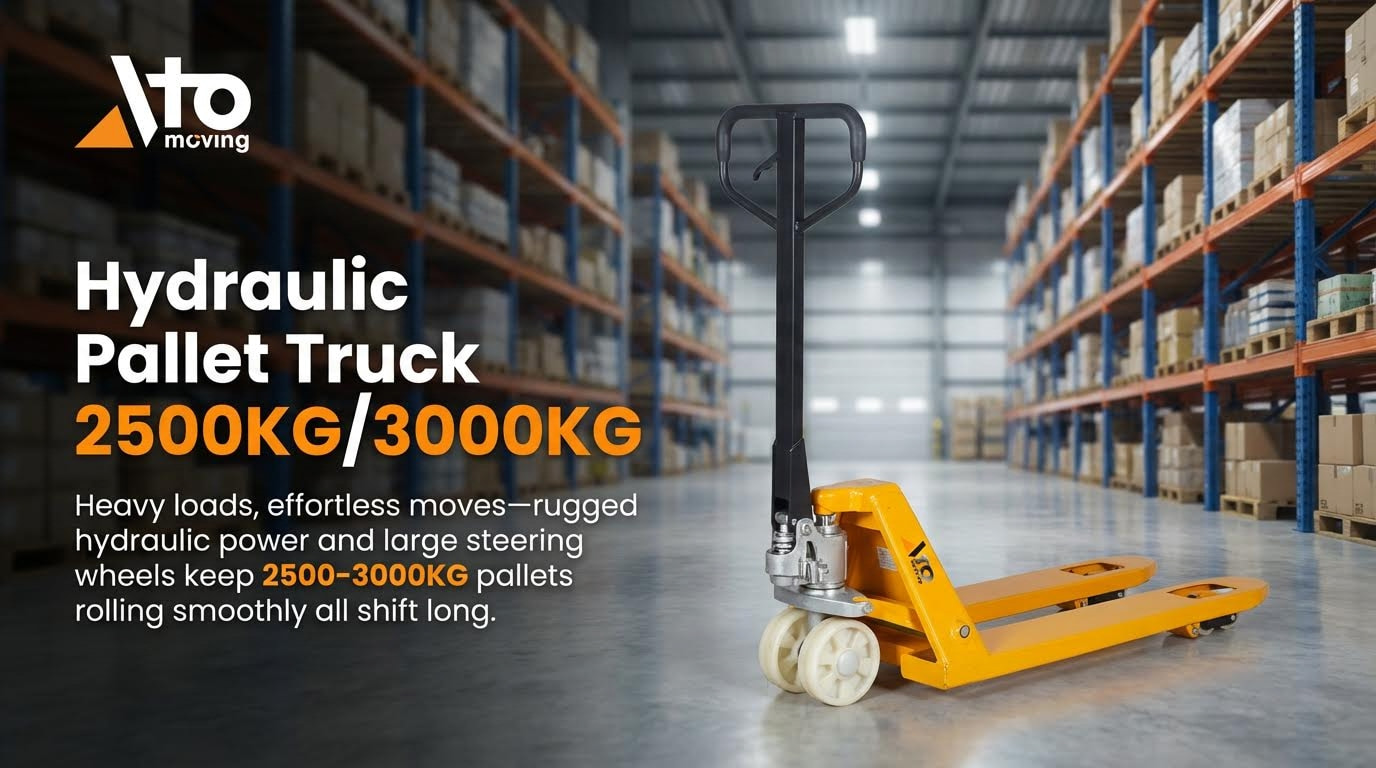
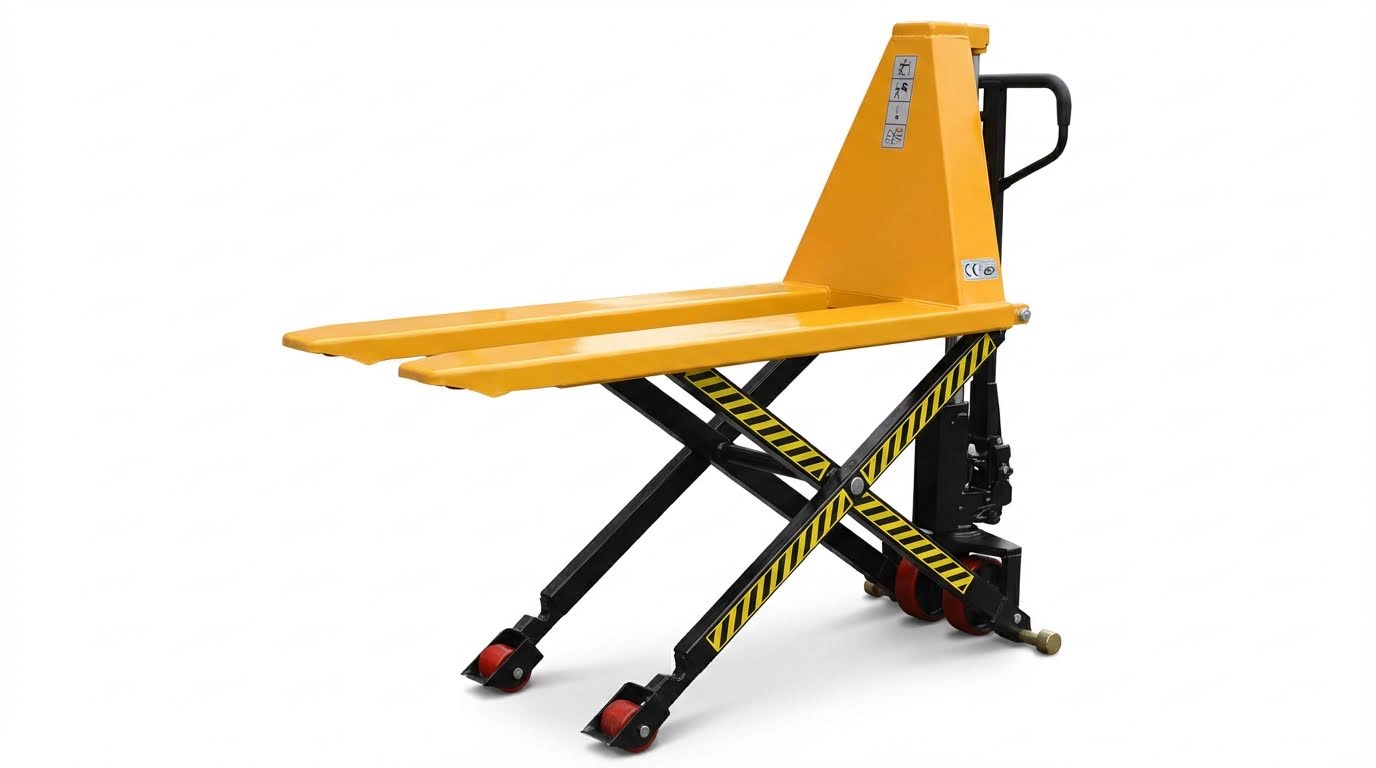
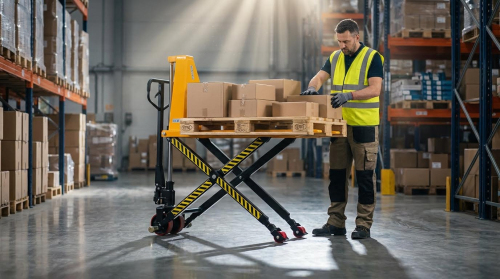
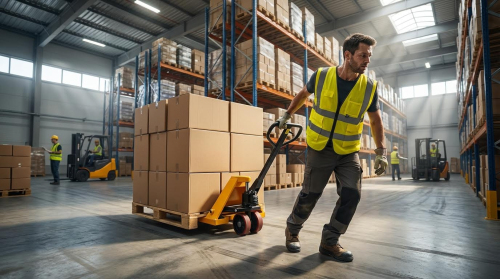
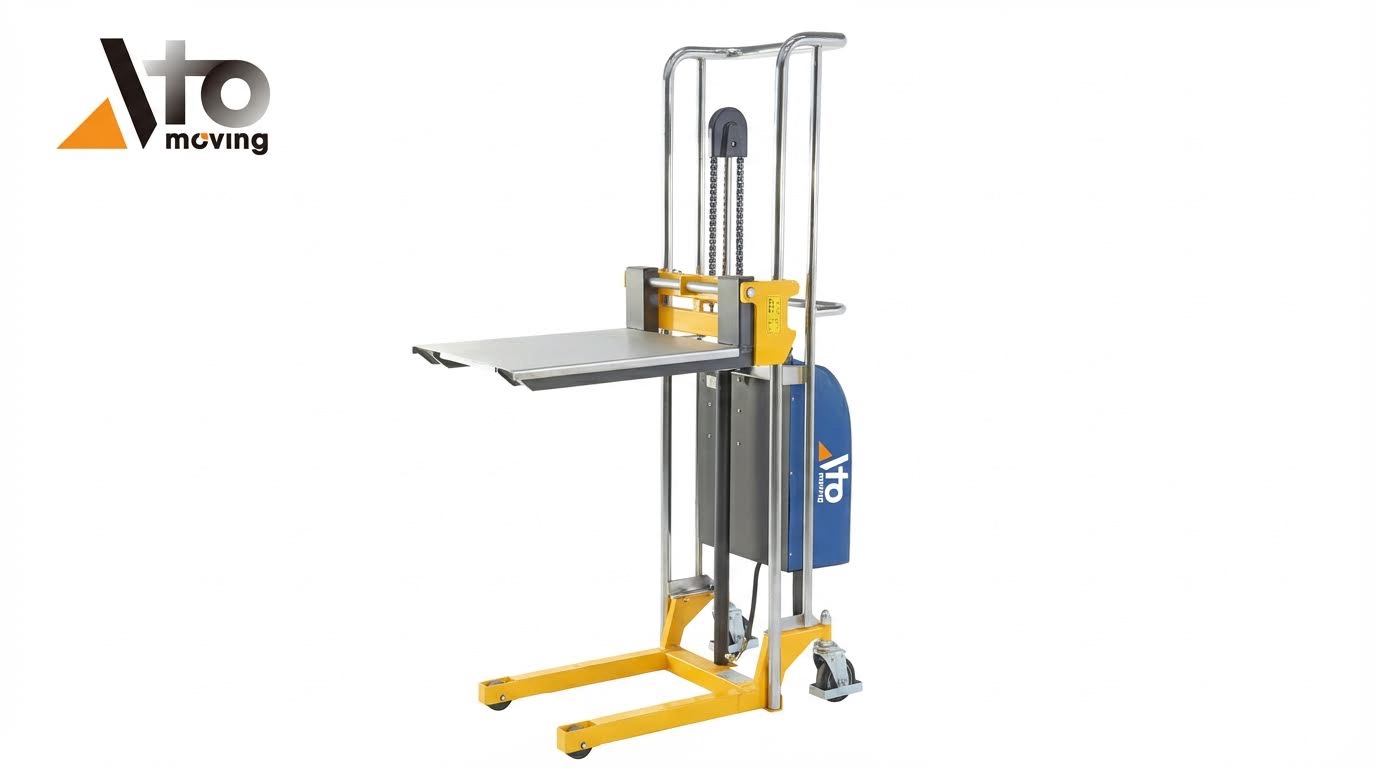
Low-lift pallet trucks generally fall under PUWER only, while high-lift pallet trucks and stackers that raise loads above roughly 300 mm are treated as lifting equipment under LOLER, triggering stricter examination duties.
Type
Typical Lift Height
Regulatory Category
Key Duties
Field Impact
Manual low-lift pallet truck
Up to ≈ 200–250 mm
Usually PUWER only
Suitable selection, safe use, maintenance and inspections under PUWER 1998 requirements
Focus on basic pre-use checks and safe pushing technique; no formal LOLER thorough examination regime.
Full lifting equipment regime under LOLER, including risk assessment and competent person examinations plus PUWER
Operationally similar to a small forklift: higher risk of injury from dropped loads or mast failure, so higher inspection and training burden.
In practice, the dividing line is whether the truck only lifts just enough to free the pallet for transport, or whether it elevates the load high enough that a fall would create a significant drop hazard. Guidance indicates that pallet trucks that raise loads less than about 300 mm are generally managed under PUWER, while those lifting above this level are treated as lifting equipment under LOLER. Regulatory commentary and industry sources confirm that high-lift pallet trucks and stackers come under LOLER when the elevation is sufficient for a dropped load to cause injury. This distinction is the core answer to “is a pallet truck classed as lifting equipment”.
How lift height changes your risk profile
As lift height increases, the potential energy in the load increases, so any structural or hydraulic failure translates into a more severe impact if the load drops. Even moving from 200 mm to 800 mm meaningfully raises the injury potential for feet, legs, and nearby pedestrians, which is why high-lift pallet trucks attract LOLER-level scrutiny.
💡 Field Engineer’s Note: Many sites unknowingly treat high-lift pallet trucks like simple hand jacks, skipping LOLER-style examinations; the risk shows up the first time a worn hydraulic seal lets a raised pallet “sink” unexpectedly over a worker’s feet.
### LOLER Vs PUWER: Where The Legal Line Is Drawn
The legal line between LOLER and PUWER for pallet trucks is mainly set by lift height and risk: low-lift trucks sit under PUWER, while high-lift units that elevate loads above ≈300 mm fall under LOLER as lifting equipment.
Regulation
Applies To Pallet Trucks When…
Key Requirements
Inspection Interval Guidance
Field Impact
PUWER (UK)
All pallet trucks as “work equipment”
Equipment must be suitable, maintained, and inspected at appropriate intervals to ensure safety under PUWER 1998
Daily/weekly visual checks plus periodic documented inspections based on risk and use intensity
Every pallet truck on site needs a basic inspection regime and maintenance plan, even if not under LOLER.
LOLER (UK)
High-lift pallet trucks and stackers that lift loads above ≈300 mm where a drop could injure people
Classed as lifting equipment; requires thorough examinations by a competent person and risk assessment of lifting operations under LOLER
Thorough examinations at intervals not exceeding 12 months, or 6 months if lifting people are typical
Requires formal written reports of thorough examination, defect tracking, and clear “not to be used” controls for failed trucks.
OSHA 29 CFR 1910.178 (US)
Powered pallet trucks (Class III powered industrial trucks)
Operator training and evaluation, pre‑shift inspections, and maintenance for powered industrial trucks including electric pallet jacks
Pre‑shift checks every use; periodic maintenance based on hours/calendar time
Facilities must treat electric pallet trucks like any other powered industrial truck, with documented training and inspection records.
ISO / FEM guidance
Industrial trucks in general, including pallet trucks
Harmonised safety requirements and annual documented safety inspections for industrial trucks in Europe
Annual safety inspection (FEM 4.004) plus local legal overlays
Provides a structured framework for inspections even where local law is less prescriptive.
Industry guidance is clear that hand pallet trucks which raise loads less than about 300 mm are typically managed under PUWER alone, not LOLER, because the lift is only to clear the floor for transport rather than to store or work under the load. Regulatory summaries and specialist commentary state that high-lift pallet trucks and stackers are treated as lifting equipment under LOLER once the lift height and risk of injury from a dropped load become significant. This is the point at which the answer to “is a pallet truck classed as lifting equipment” becomes “yes” in a legal sense.
Low-lift under PUWER: Treat all low-lift pallet trucks as work equipment needing risk assessment, safe systems of work, and proportionate inspection/maintenance schedules.
High-lift under LOLER: Add LOLER thorough examinations, competent person involvement, and written reports for high-lift pallet trucks and stackers.
Powered trucks under OSHA/PUWER: For powered pallet trucks, layer OSHA Class III obligations (training, pre‑shift checks) on top of your PUWER-style maintenance and inspection.
Documentation burden: As soon as a pallet truck is classed as lifting equipment, missing examination reports or overdue defects become enforceable compliance gaps.
💡 Field Engineer’s Note: When in doubt, classify borderline pallet trucks as lifting equipment and adopt LOLER‑style examinations; the extra paperwork costs less than a single claim from a dropped pallet incident.
Inspection Regimes, Maintenance, And Technology Trends
Pallet truck inspection regimes structure daily, weekly, and annual checks so you can prove when is a pallet truck classed as lifting equipment and match PUWER/LOLER or OSHA duties with minimum downtime.
This section links practical inspection intervals, component-focused checks, and modern telematics so HSE and operations teams can control risk, cost, and legal exposure across manual and powered fleets.
💡 Field Engineer’s Note: Most pallet truck failures I see in investigations start as “tiny” issues—slow hydraulic drift, chipped wheels, or weak horns—that were visible on daily checks but never reported or logged.
Daily, Weekly, And Annual Inspection Structures
Inspection structures define what you check daily, weekly, and annually so low‑lift trucks meet PUWER, high‑lift units meet LOLER, and powered trucks satisfy OSHA pre‑shift inspection rules.
Regulatory frameworks require layered inspection: daily visual checks by operators, periodic maintenance checks, and annual (or LOLER “thorough”) examinations by a competent person. This structure applies whether or not is a pallet truck classed as lifting equipment under LOLER, because PUWER and OSHA still demand safe condition and documented inspections. Daily checks focus on obvious defects such as wheels, forks, hydraulics, and controls for powered units (operator-level inspection). Weekly and monthly tasks go deeper into lubrication, fasteners, and basic load tests (preventive maintenance). Annual inspections verify structural integrity, lifting performance, brakes, and safety devices, with high‑lift pallet trucks often needing more frequent checks where LOLER applies (competent person examinations).
Daily operator checks: Catch obvious defects before use so unsafe units never enter service, satisfying OSHA pre‑shift and PUWER “suitable and maintained” duties.
Weekly / monthly maintenance checks: Add lubrication, torque checks, and functional tests to slow wear and reduce unplanned stoppages.
Annual (or LOLER) examinations: Provide a documented “snapshot” of structural and lifting safety, critical when a pallet truck is classed as lifting equipment.
Risk‑based frequency: Increase inspection frequency for high‑lift, high‑throughput, cold‑store, or dock‑ramp applications where loads and stresses are higher.
Documentation and traceability: Inspection sheets, digital logs, and defect close‑out records create the legal audit trail regulators expect after an incident.
How inspection regimes differ for low‑lift vs high‑lift pallet trucks
Hand pallet trucks lifting below about 300 mm are generally managed under PUWER, with strong emphasis on daily checks and periodic maintenance, but no LOLER “thorough examination” requirement. High‑lift pallet trucks and stackers that elevate loads high enough to cause injury if dropped are treated as lifting equipment under LOLER and therefore need formal thorough examinations, typically every 12 months or 6 months if people are lifted (LOLER application guidance).
Hydraulic, Structural, And Battery-Focused Checks
Component-focused checks target hydraulics, structure, and batteries because most pallet truck failures trace back to leaks, cracks, or weak power long before total collapse or accident.
Hydraulic inspections start with pre‑use checks of the pump unit, cylinder, and hoses for leaks and smooth operation; forks should raise to full stroke and hold for at least 30 seconds without drift, otherwise internal leakage or valve wear is likely (hydraulic drift test). Weekly, maintenance teams verify oil levels and top up if needed, bleeding air if the lift feels spongy. Structural checks look for bent forks, cracked welds, damaged tillers, and worn wheels; sinking forks under static load, or visible deformation, are red flags for overload history and potential failure (load and stability considerations). For powered pallet trucks, battery health is as critical as hydraulics: operators must fully charge before intensive shifts, avoid deep discharges, and store trucks in cool, dry areas, while maintenance staff clean terminals, inspect insulation, and ensure vent caps are intact (battery maintenance routines).
Hydraulic leak and drift checks: Prevent sudden loss of lifting capacity, which is critical when a pallet truck is classed as lifting equipment and supporting elevated loads.
Fork and chassis inspection: Identifies bending, cracking, or spread forks that change load centre and ground pressure, increasing tip‑over or pallet collapse risk.
Wheel and bearing condition: Smooth, debris‑free wheels reduce push/pull forces, noise (dB), and shock loads into the chassis and operator’s body.
Battery charge and cables: Stable voltage avoids sluggish lifts, nuisance cut‑outs, and mid‑shift failures that disrupt pick rates and throughput.
Environment-specific checks: Cold stores need low‑temperature hydraulic fluids and insulated battery compartments; docks and ramps require extra focus on brakes and traction surfaces (environmental constraints).
💡 Field Engineer’s Note: If a pallet truck passes a no‑load lift but slowly sinks under a full pallet, treat it like a failed LOLER item—the hydraulic drift shows the load path can’t be trusted at height.
Simple in-house functional test you can standardise
Raise a rated test load to the normal working height and mark the fork position on the mast or a fixed reference. Time 60 seconds. Any visible drop indicates internal leakage; repeat after topping up oil and bleeding air. If drift persists, tag out the truck and escalate to maintenance or a competent person for deeper inspection (hydraulic test guidance).
Telematics, Predictive Maintenance, And TCO Control
Telematics and predictive maintenance reduce total cost of ownership (TCO) by using real utilisation data—travel hours, lift cycles, and fault codes—to schedule work only when components actually need attention.
Modern electric pallet trucks can host telematics modules that log travel hours, lift cycles, and error codes, highlighting high‑utilisation units and recurring damage patterns such as overloads or impacts (telematics parameters). These data streams feed digital‑twin or rules‑based models that estimate remaining useful life for hydraulic components, wheels, and batteries, allowing maintenance teams to move from fixed‑interval to condition‑based plans. For fleets that include both low‑lift PUWER trucks and high‑lift LOLER‑classified equipment, telematics helps prove that each unit’s inspection and maintenance history matches its risk profile and legal duties. Battery analytics track charge cycles and runtime so replacements are planned before failure, while easy‑swap lithium packs minimise downtime during shifts (runtime and cycle tracking).
Telematics / Predictive Feature
What It Monitors
Maintenance Impact
Field Impact
Travel hours and lift cycles
Actual utilisation per truck
Schedules service based on real wear, not guesswork
High‑use trucks get more attention, reducing in‑aisle failures and improving pick rates.
Fault code logging
Recurrent hydraulic, control, or drive errors
Helps technicians pinpoint root causes and recurring issues
Faster repairs and fewer repeat breakdowns in peak shifts.
Impact or overload events
Shocks, collisions, and overload signatures
Triggers targeted inspections of forks, chassis, and mast
Improves structural safety, especially where the pallet truck is classed as lifting equipment.
Battery charge cycles and depth of discharge
Energy usage and charging habits
Optimises battery replacement timing and charging policies
More consistent performance across shifts and fewer mid‑run power losses.
Digital service history
All inspections, repairs, and parts changes
Supports compliance audits and warranty claims
Clear evidence that PUWER/LOLER and OSHA inspection duties are met.
💡 Field Engineer’s Note: If you can’t say how many hours each pallet truck actually runs per week, you’re probably over‑servicing some units and under‑servicing the ones your operators abuse the most.
Practical first steps to introduce telematics on a small fleet
Start with the 5–10 highest‑use powered pallet trucks and install basic modules that track hours, lift counts, and faults. Use a simple dashboard or spreadsheet to align service intervals with actual hours, then expand once you see reduced breakdowns and clearer inspection evidence for your most critical units.
Final Compliance Considerations For Procurement And HSE Teams
Pallet truck safety and compliance start with a clear decision on classification. If a truck lifts only enough to move a pallet, PUWER or OSHA work‑equipment rules apply. Once it raises loads high enough for a harmful drop, you must treat it as lifting equipment and apply LOLER‑style thorough examinations. That single choice drives your inspection depth, documentation load, and training plan.
Engineering factors like lift height, load path integrity, fork geometry, and hydraulic condition all link directly to legal duties. Weak hydraulics or bent forks are not just maintenance issues. They are early warnings that the load path may fail at height. Structured daily checks, risk‑based periodic maintenance, and annual or LOLER examinations turn those technical checks into a defensible safety system.
For procurement and HSE teams, the best practice is simple. Specify pallet trucks by lift height, duty cycle, and environment, not just price. Class borderline units as lifting equipment. Build inspection regimes that match that risk. Then use digital records and, where practical, telematics to prove that every Atomoving pallet truck on site is inspected, maintained, and fit for service before a load ever leaves the floor.
Frequently Asked Questions
Is a pallet truck considered lifting equipment?
Yes, a pallet truck is classified as lifting equipment. It is designed to lift pallets slightly off the ground to move them from one location to another. This type of equipment falls under regulations like LOLER in the UK, which governs lifting operations and equipment. Manutan UK Blog.
What qualifies as lifting equipment?
Lifting equipment refers to any machine or device used to lift, lower, or move heavy objects. Examples include hydraulic jacks, cranes, hoists, winches, and pallet trucks. These tools are essential in construction, warehousing, and industrial projects. Lifting Equipment Guide.
Why is PUWER inspection important for pallet trucks?
PUWER inspection ensures that pallet trucks, which are commonly used across various workplaces, remain safe and compliant with health and safety regulations. Regular inspections help prevent accidents and maintain operational efficiency. PUWER Inspection Info.