
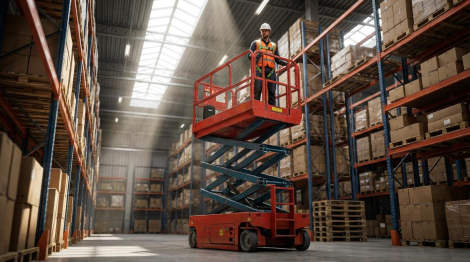
Mobile elevating work platform (MEWP) types are defined by how the machine can move and where the operator controls are located. Understanding what characteristic defines a Type 1 mobile elevating work platform is critical for safe task planning, floor loading checks, and compliance with ANSI/CSA and OSHA rules. This guide explains core MEWP groups and types, then breaks down the technical differences in travel, control location, and stability systems so you can match the right type to each job site. You will also see how training, rescue planning, and surface ratings tie directly into MEWP type selection and day‑to‑day operation.
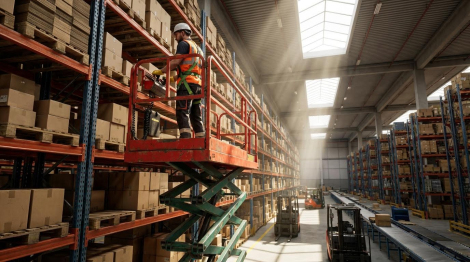
Core Mewp Classification: Groups And Types
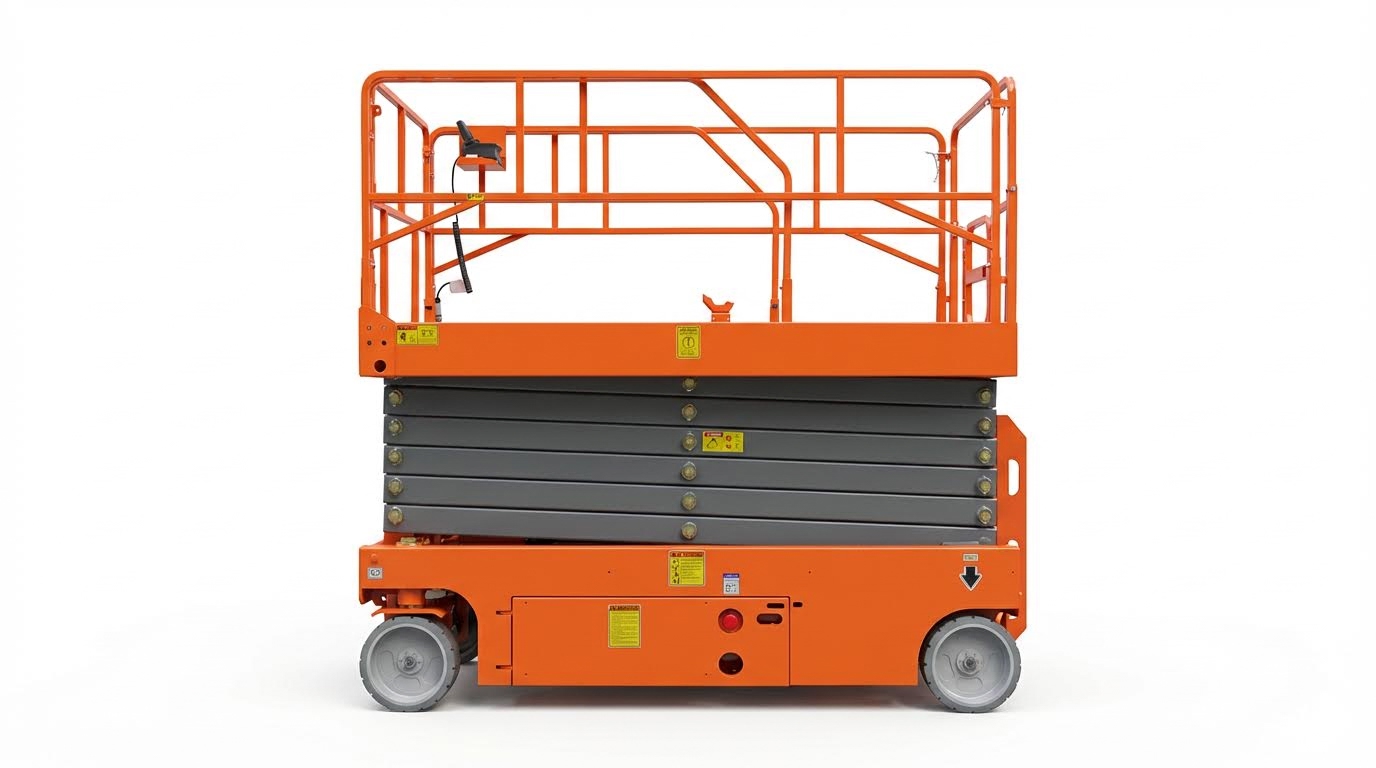
MEWP core classification separates machines first by Group (A or B, based on tipping line geometry) and then by Type (1, 2, or 3, based on how and where the machine can travel and be controlled).
💡 Field Engineer’s Note: Before worrying about platform height or outreach, always lock in Group and Type. If you get Group/Type wrong, the machine may be physically incapable of doing the job safely, regardless of lift height.
Group A Vs. Group B: Tipping Line Geometry
Group A vs. Group B is defined by whether the platform stays inside the machine’s tipping lines (Group A) or can move beyond them (Group B), which directly drives overturn risk and stability controls.
| Classification | Core Definition | Typical Examples | Stability & Risk Profile | Field Impact |
|---|---|---|---|---|
| Group A | Platform always remains within the tipping line / chassis footprint. Defined as platforms that do not extend beyond tipping lines | Vertical lifts, scissor lifts, some mast lifts | Lower overturning moment because the load center stays over the base; more predictable behavior on flat floors. | Better suited to tight aisles and slab floors in warehouses; easier to justify on mezzanines and suspended slabs (subject to floor loading checks). |
| Group B | Platform can extend beyond the tipping line / chassis footprint. Recognized as platforms that can move outside chassis lines | Boom lifts, articulating and telescopic booms | Higher overturning moment when extended; relies heavily on load, tilt, and wind limits for safe operation. | Essential for reaching over obstacles or up-and-over structures, but demands stricter ground conditions, wind monitoring, and operator competence. |
Why the “tipping line” matters in real operations
The tipping line is the geometric boundary where the machine’s center of gravity must stay to avoid overturning. Group B booms push the mass farther from the base, so they need more conservative load limits, tighter slope limits, and better ground assessment. Group A machines keep the load over the base, so they behave more like a vertical stack and are generally more forgiving on smooth, level concrete.
What Functionally Defines Type 1, Type 2, And Type 3
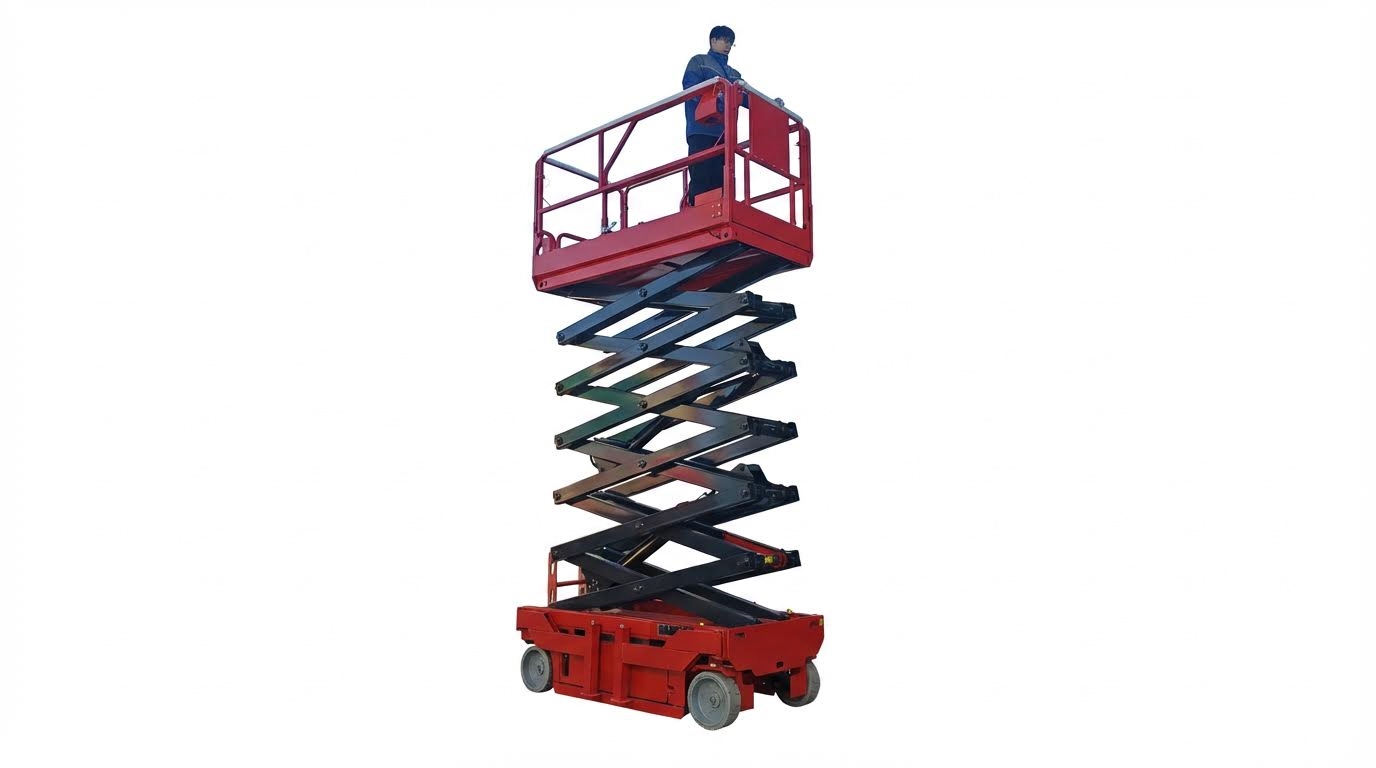
MEWP Types 1, 2, and 3 are functionally defined by when the machine may travel (stowed vs. elevated) and from where it is controlled (chassis vs. platform), which directly governs job suitability and training needs.
| Type | Functional Definition | Mobility Condition | Control Location | Field Impact |
|---|---|---|---|---|
| Type 1 | Platform can only travel when fully stowed. Defined as travel-only-when-stowed | No travel allowed with platform elevated; repositioning requires lowering to transport position. | Typically from the chassis or base controls. | Best for fixed work zones where you go straight up and down; slower for long runs along a line because you must lower, move, then raise again. |
| Type 2 | Can travel with the platform elevated, but travel is controlled from the chassis. Defined as elevated travel from chassis controls | Permits elevated travel under controlled conditions. | Ground-level (chassis) controls used for driving while elevated. | Useful where a spotter or ground operator walks the machine along a façade; requires tight communication and clear line of sight. |
| Type 3 | Can travel with the platform elevated and is controlled from the platform. Defined as elevated travel from platform controls | Full mobility while elevated within rated limits. | Primary drive and steer controls located at the platform. | Fastest for production work along racking, façades, or process lines; also highest risk if operators ignore slope, load, or wind limits. |
Answering the key question “what characteristic defines a Type 1 mobile elevating work platform”: Type 1 MEWPs are defined by the restriction that they may only travel when the platform is in the stowed position, with no elevated travel permitted. This travel-only-when-stowed rule is the defining characteristic.
How Group and Type combine in real equipment labels
Every MEWP is labeled by Group and Type together, such as “Group A, Type 3” for a self-propelled scissor lift or “Group B, Type 3” for a boom lift. Standards describe these combined designations. In practice, you first choose Group based on whether you need outreach (A vs. B), then choose Type based on how much elevated mobility and where you want your drive controls (1, 2, or 3).
💡 Field Engineer’s Note: When planning routes on slabs or mezzanines, remember that Type 3 machines can “walk” elevated across weaker areas. If floor loading is marginal, a Type 1 that forces you to travel stowed can actually be safer and easier to justify with engineering calcs.
Technical Differences Between Type 1, Type 2, And Type 3
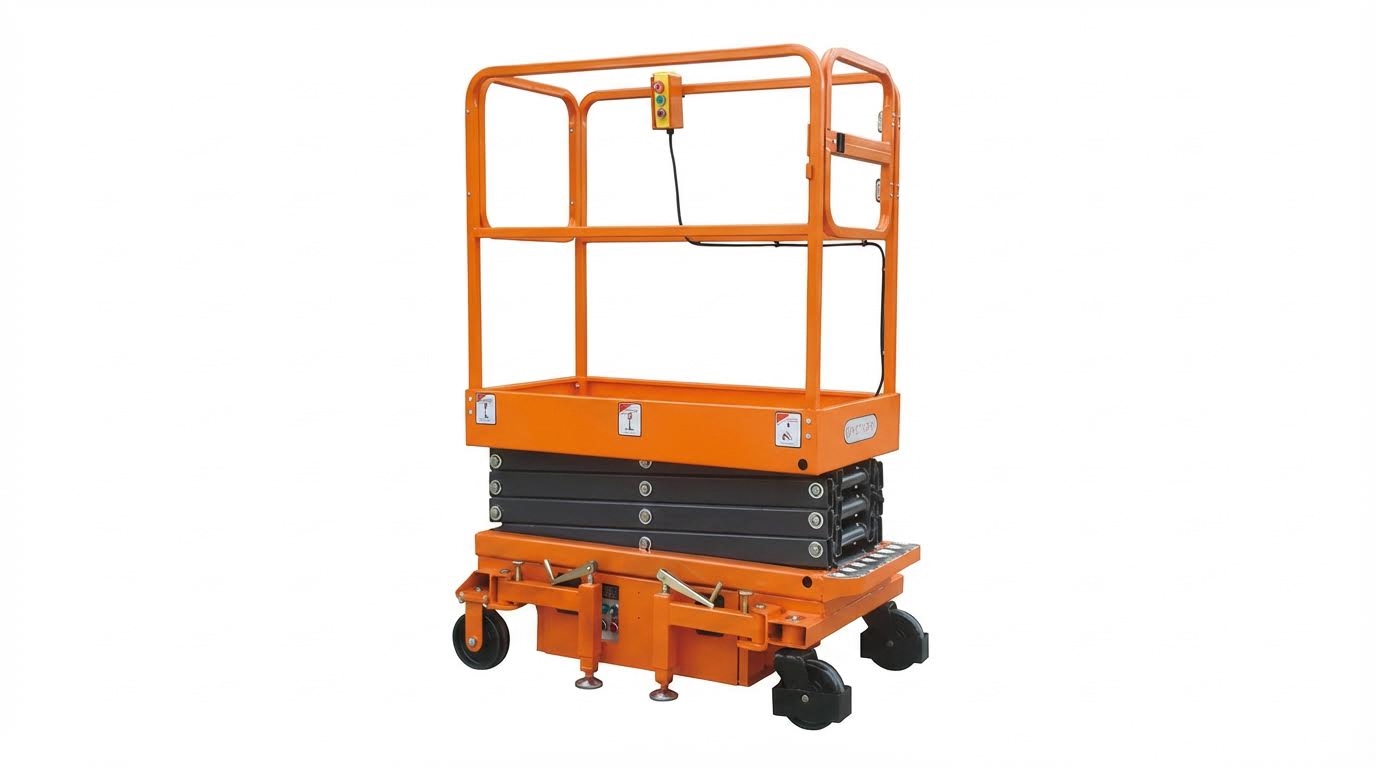
Type classification for MEWPs is driven by how the machine can travel (stowed vs. elevated) and where the primary travel controls are located, which directly affects risk, training, and site planning.
Across all groups and models, the core technical split is mobility while elevated and control position. These two characteristics dictate how close you can work to hazards, how you plan traffic routes, and what operator skill level and supervision are required. Understanding this is also how you correctly answer what characteristic defines a type 1 mobile elevating work platform in any exam or site induction.
💡 Field Engineer’s Note: When you move a MEWP while elevated, every tiny floor defect (holes, joints, gradients) is magnified at height—Type 2 and Type 3 machines demand much stricter floor and traffic control than Type 1.
Travel Capability Stowed Vs. Elevated
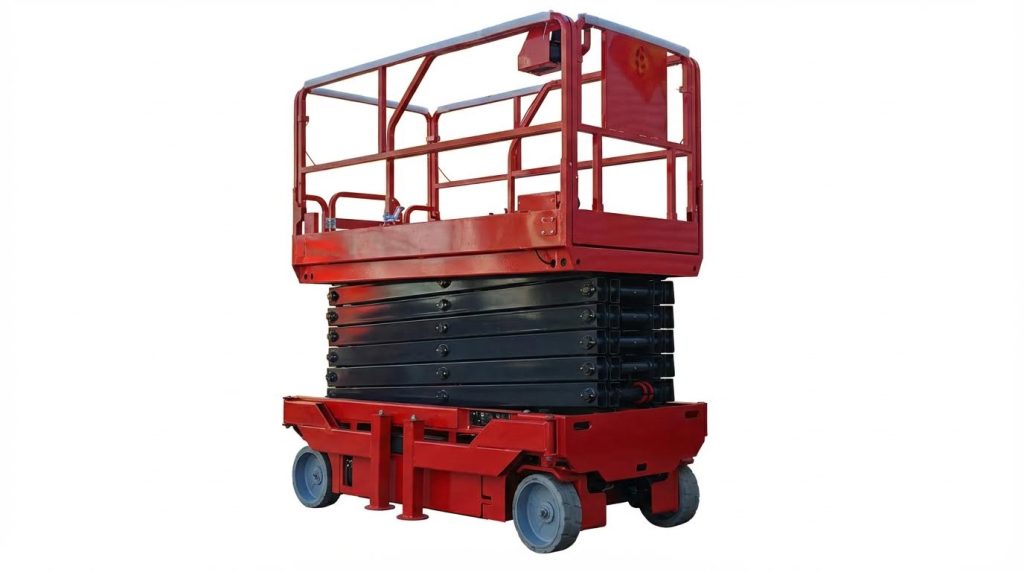
Travel capability describes whether a MEWP can move only with the platform stowed (Type 1) or also while elevated (Type 2 and Type 3), which is the critical safety and classification difference between the three types.
All three MEWP types share the same basic lifting function, but they are separated by how and when they are allowed to travel. The defining characteristic that answers what characteristic defines a type 1 mobile elevating work platform is simple: it may only travel with the platform in the transport (stowed) position. Type 2 and Type 3, by contrast, are engineered and rated to travel with the platform elevated under controlled conditions. This stowed‑only travel rule for Type 1 is consistently defined across guidance material on MEWP classifications and type descriptions.
| MEWP Type | Travel Condition | Typical Use Pattern | Field Impact |
|---|---|---|---|
| Type 1 | Travel only with platform fully stowed | Drive to position, set brakes, then elevate and work static | Lowest dynamic risk at height; more repositioning cycles and time lost, but simpler traffic and hazard control. |
| Type 2 | May travel with platform elevated; travel controlled from chassis | Ground operator repositions machine while worker remains elevated | Requires clear communication and line of sight; higher crush and collision risk if ground controls are misused. |
| Type 3 | May travel with platform elevated; travel controlled from platform | Operator drives and positions from the basket while elevated | Highest productivity; also highest exposure to tip, entrapment, and collision if floor or surroundings are not tightly controlled. |
Why stowed‑only travel changes risk and planning
With Type 1, the platform is static whenever anyone is elevated. That eliminates many “drive‑into” and “entrapment while driving” scenarios but increases time spent raising, lowering, and relocating. On Type 2 and 3, you cut reposition time but introduce moving‑at‑height risks, so you must tighten floor inspections, exclusion zones, and supervision per ANSI A92.22 risk assessment expectations on safe use planning.
Control Location: Chassis Controls Vs. Platform Controls
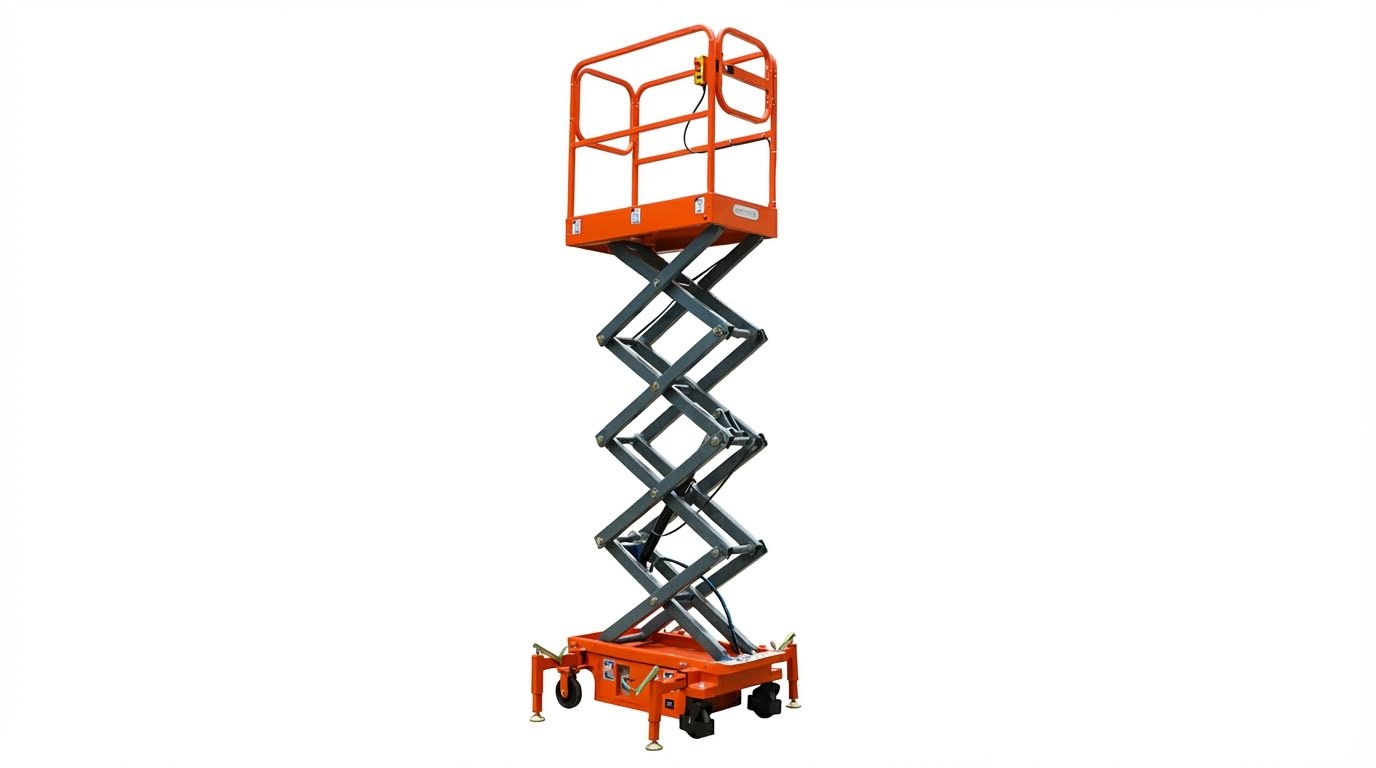
Control location distinguishes Type 2 (elevated travel from chassis controls) from Type 3 (elevated travel from platform controls), directly affecting communication, visibility, and required operator training.
Once you know whether a MEWP can travel while elevated, the next classification lever is where those travel controls sit. Both industry FAQs and training updates define Type 2 as elevated travel controlled from the chassis, and Type 3 as elevated travel controlled from the platform. This difference drives how you brief spotters, manage line of sight, and train occupants to use emergency controls.
| MEWP Type | Primary Travel Control Location | Operator Position During Elevated Travel | Field Impact |
|---|---|---|---|
| Type 1 | Chassis and/or platform, but travel only used stowed | No travel permitted while elevated | Simple operator task: lift, work, lower. Less complex communication but more floor walking for repositioning. |
| Type 2 | Chassis controls for elevated travel | Worker elevated; separate person at ground controls moves the machine | Demands strong communication protocol and hand signals; miscommunication can cause swing‑into‑hazard and crush incidents. |
| Type 3 | Platform controls for elevated travel | Operator stands in basket and drives while elevated | Best visibility from the work position but higher temptation to “drive close” to structures; requires disciplined speed limits and obstacle scanning. |
- Training complexity: Standards require documented training for operators, occupants, and supervisors, with emphasis on understanding control functions and limitations for each type under ANSI A92.24.
- Emergency operation: At least one occupant must be trained to operate controls in an emergency, which is especially critical on Type 2 and 3 where motion at height can worsen incidents per emergency operation guidance.
- Rescue planning: Rescue plans must consider who can reach which controls (chassis vs. platform) for self‑rescue, assisted rescue, or technical rescue as outlined in MEWP rescue requirements.
💡 Field Engineer’s Note: On busy sites, I often see ground personnel “helpfully” nudging a Type 2 machine while someone is up. Lock in a rule: no one touches chassis controls without direct communication and a clear go‑ahead from the person aloft.
Stability, Sensing, And Compliance Implications
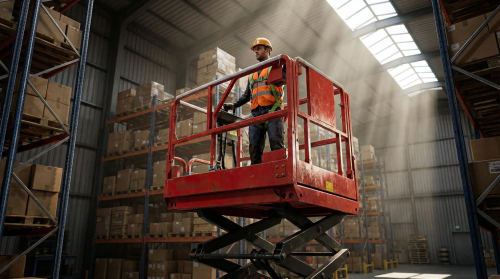
Stability and sensing requirements become more demanding as you move from Type 1 to Type 2 and Type 3, because traveling while elevated increases overturn, collision, and entrapment risks that standards address with load, tilt, and wind controls.
Modern MEWP standards add engineered safety layers—load sensing, tilt sensing, wind speed control, and higher guardrails—that are especially critical on machines that can move at height. Newer equipment must include load and tilt sensors that alarm or limit movement when safe limits are exceeded per updated MEWP standards. Although these features apply across types, their practical impact is greatest on Type 2 and 3, where elevated travel multiplies dynamic loads as you cross slopes, joints, and soft spots.
| Feature / Requirement | Typical Application Across Types | Why It Matters More on Type 2 & 3 | Field Impact |
|---|---|---|---|
| Load sensing | Required on new MEWPs to alarm or inhibit unsafe overload conditions with integrated sensors | Dynamic forces increase when driving elevated; a borderline overload can tip a machine sooner when moving. | Operators must respect platform capacity; supervisors should factor tools and materials weight during planning. |
| Tilt sensing / slope limits | Prevents lift or travel when slope exceeds safe angle via tilt sensors | Driving across or up/down slopes while elevated can rapidly shift the center of gravity beyond the tipping line. | Site prep must include checking gradients and avoiding ramps or depressions along planned travel routes. |
| Wind speed sensors (outdoor) | Required on new outdoor‑rated MEWPs to manage high‑wind risks using wind sensors | Side loads from wind are more dangerous when the machine is both elevated and moving. | Supervisors must set wind cut‑off limits and enforce shutdowns when alarms trigger. |
| Railing height and gates | New MEWPs require approx. 1,105 mm (43.5 in) railings and non‑flexible gates under updated railing rules | Movement at height increases bounce and sway; higher, rigid rails reduce fall‑out risk. | Check older fleets for mixed railing heights and adjust fall‑protection expectations accordingly. |
- Safe‑use planning (ANSI A92.22): Employers must complete a formal risk assessment and site safety plan before operating any type, but the plan should be more detailed where Type 2 and 3 are used per ANSI A92.22 guidance.
- Training (ANSI A92.24): Training must cover the specific type’s movement and sensing behavior so operators understand what alarms mean and why the machine may lock out as required by ANSI A92.24.
- Regulatory alignment: Operations must still comply with OSHA rules for elevating platforms and fall protection, such as 29 CFR 1910.67 and related sections on regulatory compliance.
💡 Field Engineer’s Note: Load and tilt sensors are not “annoying electronics”—they are your early‑warning system that the floor, slope, or loading is outside the safety envelope. When a sensor stops your movement, treat it as a floor/plan problem, not a machine problem.
Selecting The Right Type For Tasks And Sites
Selecting the right MEWP type means matching its travel capability, control location, and stability limits to your task, terrain, aisle width, and rescue plan so you stay productive while staying compliant with ANSI/CSA/OSHA requirements.
💡 Field Engineer’s Note: I always start MEWP selection with “where will it move while elevated?” because that single answer quietly decides whether Type 1, 2, or 3 is even legal or practical for the job.
Matching Type To Application, Terrain, And Aisle Width
Matching MEWP type to application requires aligning platform travel rules (Type 1/2/3), group (A/B), floor capacity, and aisle width with how and where the work actually happens across the shift.
| Selection Factor | Practical Guidance | Relevant Type/Group Impact | Field Impact |
|---|---|---|---|
| Primary question: what characteristic defines a Type 1 mobile elevating work platform? | Type 1 MEWPs can only travel with the platform fully stowed, no elevated travel allowed. Classification detail | Type 1, any Group | Ideal for static work zones where you elevate, work, then fully lower before repositioning; poor fit for long aisles or “work-while-rolling” tasks. |
| Application pattern (static vs. moving work) | Static work (e.g., fixed install points) favors Type 1; moving along a façade or aisle favors Type 3 or, in limited cases, Type 2. Type definitions | Type 1 vs. Type 2/3 | Reduces reposition time and operator fatigue; improves pick/installation rates by minimizing unnecessary stow/lower cycles. |
| Terrain (indoors slab vs. rough outdoor) | Smooth concrete supports small, solid tires and lower ground clearance; rough or sloped ground demands larger tires, better suspension, and strict tilt/load sensing. CSA B354 features | Group A/B, all Types | Prevents bogging, excessive chassis twist, and tilt alarms that constantly lock you out on uneven ground. |
| Aisle width and turning radius | Narrow aisles and dense racking favor compact Group A machines; wide outdoor areas can accommodate larger Group B booms. Group definitions | Group A vs. Group B | Ensures you can rotate and position without striking racking, sprinklers, or façade elements; reduces damage and near-misses. |
| Platform vs. working height | Platform height is the deck height; working height is typically platform height + about 1,8 m. Height definitions | All Types/Groups | Prevents underspecifying height and forcing unsafe overreaching from the guardrails. |
| Floor load ratings (LCP and OUP) | Check Locally Concentrated Pressure (tire tread pressure) and Overall Uniform Pressure against slab or mezzanine ratings. Load rating explanation | Heavier Group B and larger Type 3 units | Avoids slab cracking or mezzanine failure when concentrated loads exceed design, especially under fully loaded platforms. |
| Indoor vs. outdoor and wind exposure | Outdoor work must account for wind speed and may require MEWPs with wind sensors and specific outdoor ratings. Wind sensor requirement | All outdoor-rated Types | Prevents platform oscillation and tip risk in gusts; critical for façade, signage, and utility work. |
| Control location preference and visibility | Type 2 uses chassis controls when elevated; Type 3 uses platform controls when elevated. Control location detail | Type 2 vs. Type 3 | Type 3 gives the operator best line-of-sight to the work; Type 2 can be useful where ground spotters must control movement. |
| Regulatory and standard alignment | Selection must align with ANSI A92 series, CSA B354, and OSHA 29 CFR 1910.67/1910.333/1910.502 for elevated work and fall protection. Regulation summary | All Types/Groups | Reduces citation risk and ensures your written MEWP program stands up to audits or incident investigations. |
How to quickly screen Type 1 vs. Type 2 vs. Type 3 on site
Ask three questions in order: 1) “Do we ever need to move while elevated?” If no, Type 1 is acceptable. 2) “If yes, who must see the work better—ground or platform?” If platform, lean Type 3. 3) “Is the travel path flat, clear, and controlled?” If not, reconsider any elevated travel and possibly redesign the work method.
💡 Field Engineer’s Note: In tight warehouses, I often see Type 3 machines misapplied where Type 1 scissor lifts would be safer and cheaper; operators then “creep” elevated through clutter, which was never in the original risk assessment.
Safety Planning, Training, And Rescue Requirements
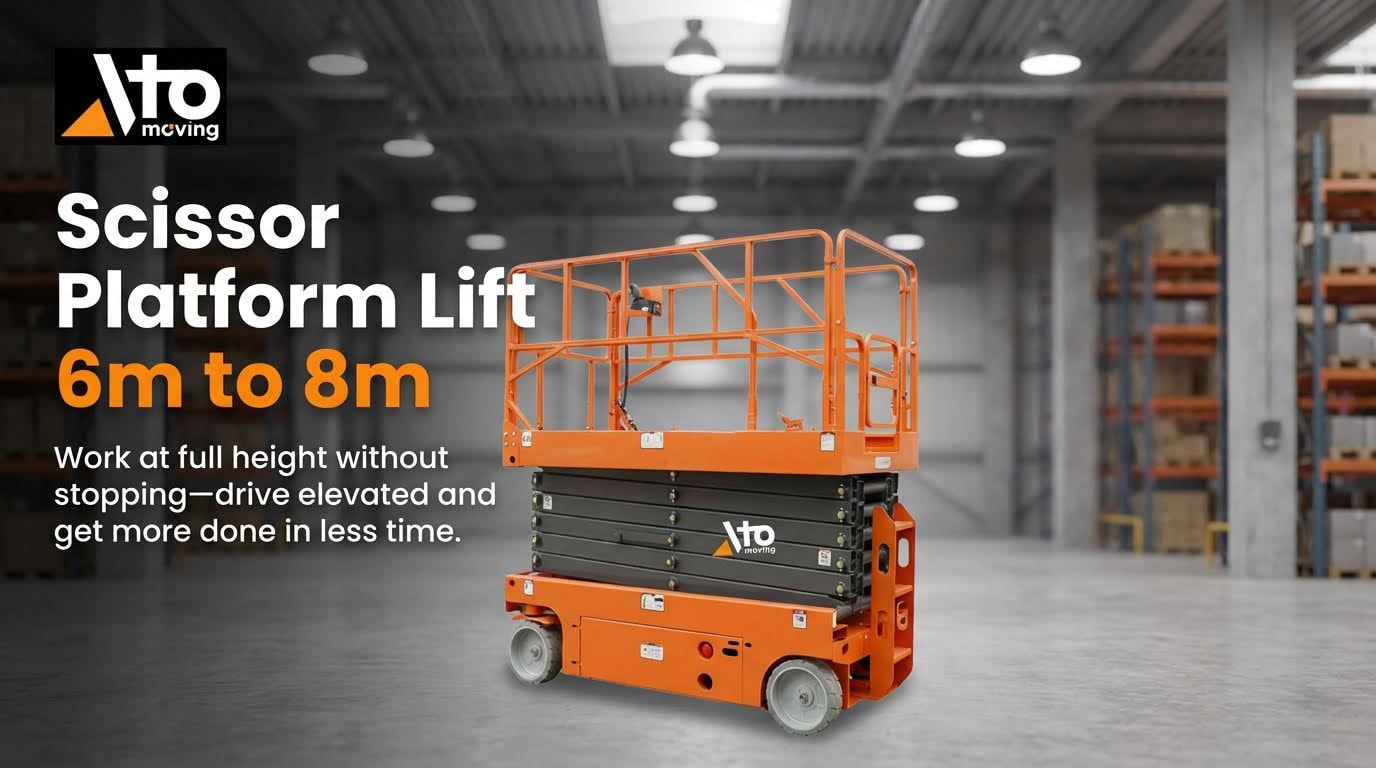
Safety planning for MEWP type selection means your risk assessment, training, and rescue plan must explicitly match how each MEWP type is allowed to move, where it operates, and who can control it in an emergency.
- Formal risk assessment and site safety plan: ANSI A92.22 requires a written risk assessment and site plan covering task description, hazards, authorized users, and controls before MEWPs are used. Safe use standard
- Type-specific hazard analysis: The plan must consider whether the machine can travel elevated (Type 2/3) or only stowed (Type 1) and identify added collision, entrapment, and tip-over risks accordingly. Type-related hazards
- Training for operators, occupants, and supervisors: ANSI A92.24 mandates documented training on manuals, inspections, controls, safety devices, and platform-specific limitations for operators, occupants, and supervisors. Training standard
- Supervisor competency in selection and rules: Supervisors must be trained to choose the correct MEWP type, understand standards, identify hazards, and ensure manuals stay with the machine. Supervisor training
- Occupant emergency operation capability: At least one occupant must be trained to operate controls in case the primary operator is incapacitated, including basic fall protection and stability awareness. Occupant training
- Written rescue plan with clear methods: A site-specific rescue plan must define self-rescue, assisted rescue, and technical rescue options and limit how long a suspended worker may hang. Emergency response Rescue plan
- Integration of new safety features: Modern MEWPs include load and tilt sensors, wind speed sensors, higher railings, and improved gates per CSA B354 and updated ANSI standards, which must be understood and tested in drills. CSA B354 Updated ANSI features
- Inspection regime aligned with usage: Frequent and annual inspections by qualified persons are mandatory, especially for heavily used Type 3 units with more complex control and sensing systems. Inspection protocols
- Operator responsibilities on site: Operators must apply fall protection instructions, assess stability, follow site procedures, and ensure at least one occupant can use emergency controls. Operator duties
- Regulatory alignment with OSHA and electrical work rules: Operations must comply with OSHA 29 CFR 1910.67 for vehicle-mounted platforms, 1910.333 for work practices near electricity, and 1910.502 for fall protection. OSHA overview
💡 Field Engineer’s Note: When you change from a Type 1 to a Type 3 on the same job, your original rescue plan is usually wrong—travel paths, pinch points, and who can reach ground controls all change and must be re-documented.
Final Thoughts On Choosing Mewp Types
Choosing the right MEWP type is not just a purchasing decision. It is a core risk control. Group A/B defines how far the load can move relative to the tipping line. Type 1/2/3 defines when and how the machine can move while people are in the air. Together, these choices set your basic safety envelope.
Type 1 limits you to stowed travel. That slows production but removes many drive-while-elevated hazards. Type 2 and Type 3 raise productivity by allowing elevated travel, but they demand tighter floor control, better communication, and strict respect for sensors and alarms.
Engineering, safety, and operations teams should lock in one rule. First, decide if elevated travel is truly required. Then choose Group and Type, and only after that look at height, outreach, and options. Build training, rescue plans, and inspections around those choices.
When in doubt, favor the simplest type that can still do the work. Use Type 1 in static zones, reserve Type 3 for controlled, well-planned routes, and back every decision with documented risk assessment. That approach keeps MEWP fleets productive, compliant, and aligned with the safe-use intent behind Atomoving designs.
Frequently Asked Questions
What characteristic defines a Type 1 Mobile Elevating Work Platform (MEWP)?
A Type 1 Mobile Elevating Work Platform (MEWP) is defined by its ability to be self-propelled and controlled directly from the operator’s station on the work platform. This means it can move independently while lifting workers to overhead work locations. Elevating Work Platforms Guide.
Is a scissor lift considered a mobile elevated work platform?
Yes, a scissor lift is considered a type of Mobile Elevating Work Platform (MEWP). MEWPs include various devices like scissor lifts, boom lifts, and vertical mast lifts that are designed to elevate workers. Types of MEWPs Guide.