
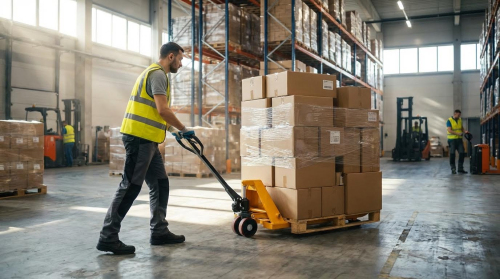
This guide explains how to operate a hand pallet truck safely and efficiently, from basic mechanics to maintenance planning. You will see how component design, safe working load, and inspection routines translate into day‑to‑day operating decisions. Each section focuses on practical engineering controls you can apply immediately on the shop floor. If you want to standardise procedures or train operators on how to operate a hand pallet truck, this guide gives you a clear, technical framework.
Fundamentals Of Hand Pallet Truck Operation
Key components and working principle
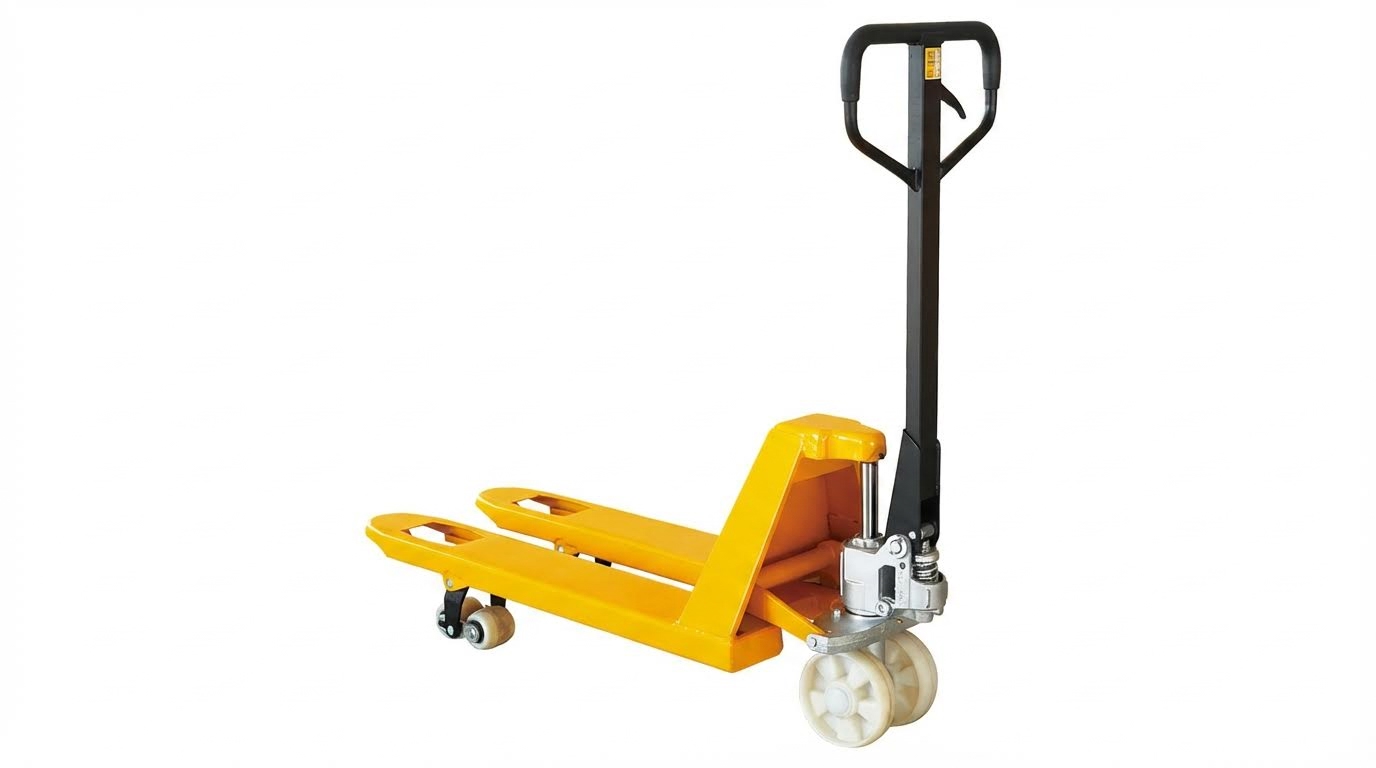
Understanding the main parts and how they interact is essential if you want to teach others how to operate a manual pallet jack safely and efficiently. A typical manual truck consists of forks, a hydraulic pump unit, a drawbar/handle with control lever, steering wheels, and load rollers under the fork tips. The forks support the pallet, the load rollers enter the pallet openings, and the steering wheels carry most of the weight during travel. The handle gives the operator leverage to steer and to actuate the hydraulic system.
The working principle is simple: the operator pumps the handle to drive a small hydraulic pump that raises the forks. A one‑way valve holds pressure so the load stays lifted until the lowering control opens the return path to the reservoir. When the operator pulls the lever to the “lower” position, hydraulic fluid flows back, pressure drops, and gravity lowers the forks in a controlled way. Because the system is compact and purely mechanical‑hydraulic, it is reliable but very sensitive to overloading, contamination, and poor maintenance.
Key functional elements at a glance
- Forks and load rollers – carry and distribute pallet load.
- Hydraulic pump, cylinder, and reservoir – lift and hold the load.
- Handle, linkage, and control lever – steer, pump, and lower.
- Steering wheels and axles – provide rolling support and manoeuvrability.
To keep this system working correctly, operators and maintenance staff should understand basic hydraulic behaviour. Air in the hydraulic circuit causes spongy lifting or incomplete stroke; this is why some procedures recommend pumping the handle several times with the valve open to purge air if the truck has stood idle. Clean hydraulic oil of the correct grade (commonly ISO 32 or ISO 46) supports smooth valve operation and protects the pump and seals over time. Good component knowledge directly improves day‑to‑day control and long‑term safety.
Standards, ratings, and safety limits
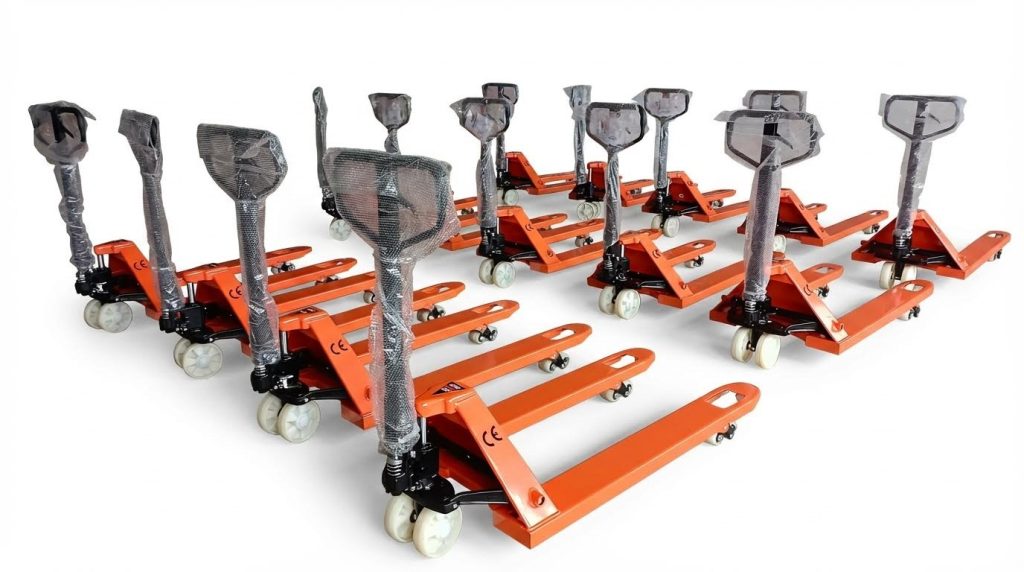
Safe use starts with respecting the truck’s rated capacity, often called the Safe Working Load (SWL). Most hand pallet trucks in general industry support loads in the range of 2000–2500 kg, but the exact SWL is always printed on the data label on the truck frame. This rating assumes the load is centred on the forks and the floor is level, firm, and in good condition. When you explain how to operate a low profile pallet jack to new staff, emphasise that any off‑centre or top‑heavy load effectively reduces the safe capacity.
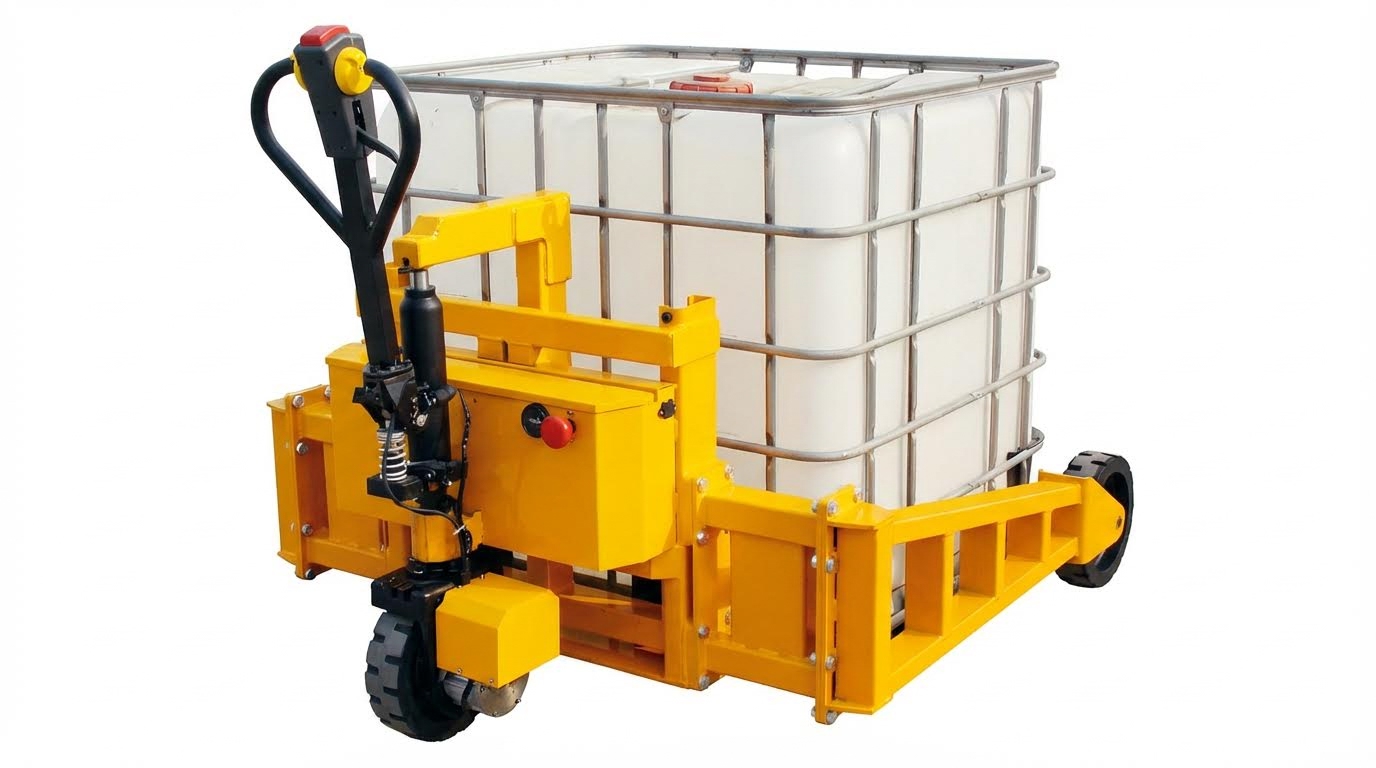
SWL also depends on the load type and pallet configuration. For example, heavy scrap bins, large motor casings, or assembled gearboxes each create different centre‑of‑gravity positions and dynamic effects when the truck moves. Operators should check that pallet overhang does not exceed fork width and that the load footprint is as wide and low as practical. If the truck is used on slopes, dock plates, or uneven external yards, supervisors should apply additional derating and local rules, because the original SWL is based on flat, indoor test conditions.
| Parameter | Typical value or rule | Practical implication |
|---|---|---|
| Rated SWL (manual trucks) | About 2000–2500 kg | Never plan loads close to the limit; allow a safety margin. |
| Load position | Centred, no excessive overhang | Reduces tipping and fork bending risk. |
| Fork height during travel | Low, just clear of floor | Improves stability and reduces impact forces. |
Regulatory bodies and workplace safety authorities typically require that operators receive task‑specific training, even if formal licensing is not mandated for purely manual equipment. Good training covers reading the capacity plate, understanding SWL, recognising damaged components, and applying site‑specific traffic and speed rules. Site procedures should also align pallet stacking methods and floor markings with the truck ratings, so operators can judge quickly if a load is suitable for a given truck and route. When these standards, ratings, and limits are understood and respected, manual pallet trucks remain one of the safest and most cost‑effective material handling tools in a facility.
Safe Operating Procedures And Technical Best Practices

Pre-use inspection and functional checks
Safe, efficient work starts before you move the first manual pallet jack. A structured pre-use inspection is the foundation of how to operate a hand pallet truck without unexpected failures or injuries. Operators should complete quick visual and functional checks at the start of every shift and after any abnormal event, such as impact or overload.
- Daily visual checks
- Inspect forks for bends, cracks, or distortion, especially at fork tips and welds. Any visible damage is a stop condition. Daily visual inspection guidance
- Check wheels and rollers for debris, flat spots, or cracks, and ensure they rotate freely. Wheel inspection recommendations
- Look for hydraulic oil leaks around the pump unit, ram, and lowering valve. Any puddling or wetness indicates the need for maintenance. Hydraulic system checks
- Functional checks
- Test the lift: pump the handle and confirm the forks raise smoothly through the full stroke without jerks or drift down.
- Test the lower function: operate the release control and ensure forks lower at a controlled rate and stop fully at floor level.
- If the truck has been idle for a long period and the lift feels “spongy”, bleed air from the hydraulic pallet truck system by lowering the handle and pumping it 4–6 times, repeating until normal response returns. Hydraulic air removal procedure
- Safety and housekeeping
- Verify the handle returns to its neutral position and does not stick; jerky controls are a sign of wear. Daily handle checks
- Check that the identification plate and Safe Working Load (SWL) markings are legible for reference during operation.
- Confirm the truck is free from oil, grease, or debris on handle and tread areas to avoid slip hazards.
When to remove a truck from service
Remove the pallet truck from service and tag it out if you see bent forks, persistent hydraulic leaks after topping up oil, or wheels that wobble despite axle tightening. These are common replacement indicators that show the structure or hydraulic system may no longer be reliable. Replacement criteria
Load positioning, stability, and SWL control
Understanding load behavior is central to how to operate a hand pallet truck safely. The truck is designed for loads within its SWL, with the center of gravity located between the forks and close to the pump end. Poor positioning or overloading shifts this center, increasing tipping and structural failure risk.
- Respecting Safe Working Load (SWL)
- Typical manual pallet trucks are rated around 2000–2500 kg, but operators must always check the actual SWL label on the truck. Typical SWL ranges
- Match the SWL to the expected load type; for example, heavy metal scrap bins or large motor casings can approach the upper end of capacity. Example SWL values by load
- Never use “it moved last time” as a load verification method; use known weights, documentation, or scales.
- Correct fork engagement
- Insert forks fully under the pallet until the heel of the forks is close to the pallet deck. Partial entry concentrates load on a small fork area and can crack boards.
- Ensure the pallet overhang does not exceed fork width by a large margin, which can cause lateral instability. Pallet stacking and overhang guidance
- Load centering and securing
- Center the load evenly across both forks to keep the combined center of gravity on the longitudinal centerline of the truck. Load centering recommendations
- Avoid uneven stacking that creates a top-heavy condition; keep the heaviest items low and inside the pallet footprint.
- Secure unstable or mixed loads with straps, corner guards, and stretch-wrap in a crisscross pattern to prevent shifting. Pallet securing practices
- Prohibited practices
- Never transport people on the forks or allow riders; the equipment is not designed for personnel lifting. Common misuse warnings
- Do not use the pallet truck as a lever or jack to pry loads; this overloads the hydraulics and forks.
Simple SWL control checklist
Before moving: 1) Read the SWL on the nameplate. 2) Confirm approximate load weight from documents or labels. 3) Check that the pallet and packaging are intact. 4) Verify the load is centered and stable. If any item fails, stop and reconfigure the load or choose different equipment.
Manoeuvring, ramps, and ergonomic technique

Good manoeuvring technique reduces collision risk and musculoskeletal strain. The way you steer, push, and manage slopes is a practical part of how to operate a hand pallet truck in line with safety and ergonomic best practice. Operators should combine low travel speed, good visibility, and body-friendly posture at all times.
- General travel and steering
- Where conditions allow, push the truck rather than pull it; pushing keeps the load ahead, improves visibility, and reduces back strain. Push vs pull guidance
- Maintain forks 2–5 cm (about 1–2 inches) above the floor during travel to clear minor surface defects while keeping a low center of gravity. Recommended fork height
- Keep routes clear of debris, cables, and wet patches that can cause sudden jolts or slips. Pathway housekeeping practices
- Ramps, slopes, and uneven floors
- On ramps, keep the truck and load aligned straight up or down; do not turn on the slope, as this shifts the center of gravity sideways. Ramp travel rules
- With manual trucks, descend slopes walking backward, keeping the load uphill from you to maintain control and avoid being run over. Backward descent recommendation
- For outdoor or rough surfaces, ensure the truck has suitable wheel material and diameter to avoid sudden stops and high push forces. Guidance on uneven surfaces
- Ergonomic posture and pace
- Walk at a controlled pace that allows you to stop safely; avoid running or sudden direction changes with a loaded truck.
- Keep an upright posture, elbows close to the body, and use leg muscles rather than bending at the waist when starting or stopping movement. Ergonomic posture guidance
- Avoid twisting your torso while pulling or pushing; instead, move your feet and whole body in the new direction to protect the spine. Anti-twist recommendations
- Parking and visibility
- After use, lower forks fully to the floor to remove trip hazards and park only in designated areas away from doors and emergency exits. Parking and storage rules
- Use horns or verbal warnings at blind corners, and request a spotter for large loads that block forward vision. Operator awareness and signaling
Quick ergonomic self-check
Before each move, confirm: 1) You can see over or around the load. 2) Feet are clear of the wheels and path. 3) Hands have a relaxed but firm grip. 4) You can push in line with your body, not at a twisted angle. If any point fails, stop and adjust your stance, route, or load.
Specification, Selection, And Maintenance Planning
Matching truck design to application and environment
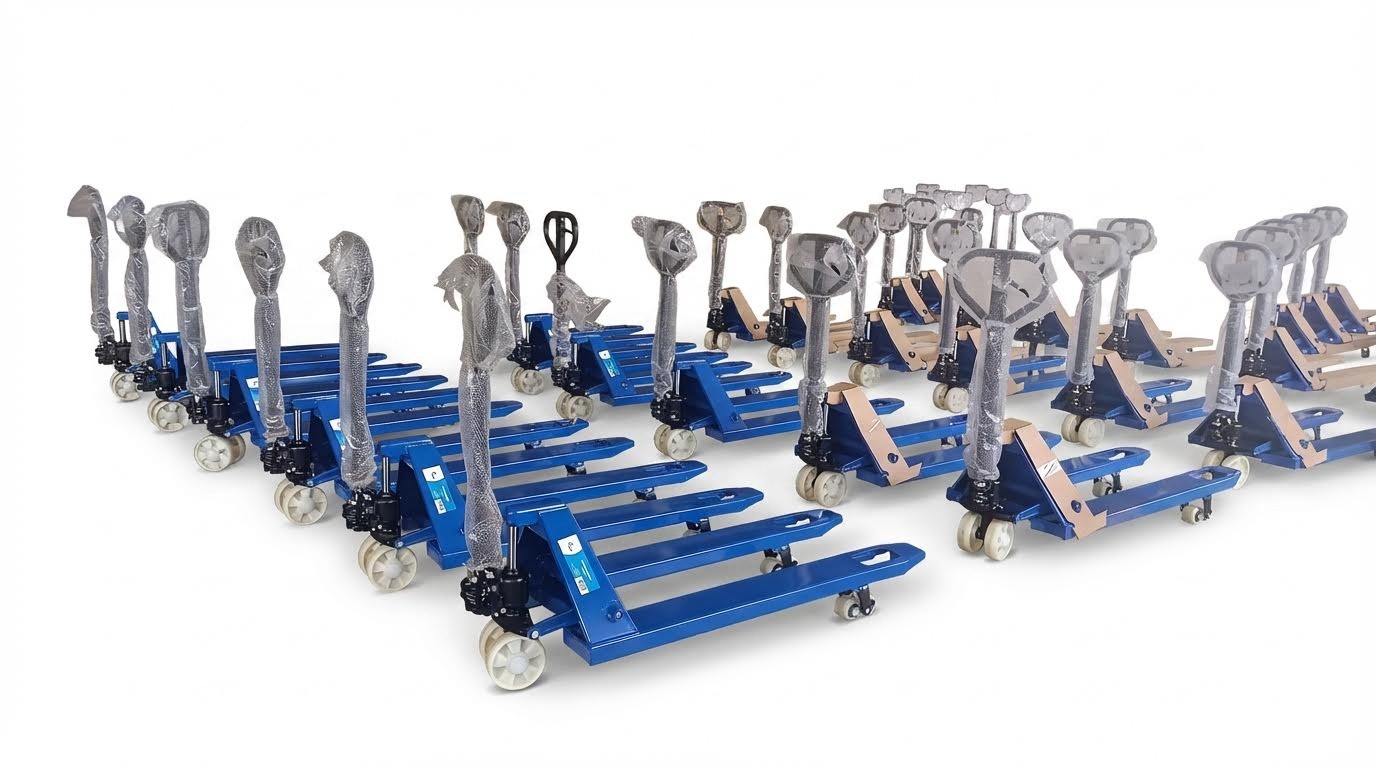
When you plan how to operate a manual pallet jack safely and efficiently, start by matching the truck’s specification to the load and route. Define typical pallet size, maximum load, and peak weights, then select a Safe Working Load (SWL) with a clear safety margin; many manual units are rated around 2000–2500 kg, but the real limit must always be taken from the truck’s data plate and site risk assessment. Floor conditions drive wheel choice: hard, smooth floors suit smaller hard wheels, while rough or outdoor areas benefit from larger or even pneumatic-style wheels for better shock absorption and reduced rolling resistance. For environments with slopes or dock levellers, specify trucks with adequate ground clearance and ensure procedures prevent turning on ramps and require straight-line movements on gradients during ascent or descent.
Corrosive, wet, or hygiene-critical areas (food, pharma, wash-down) require finishes and components that resist rust, so stainless or coated structures and sealed bearings reduce long-term failures and contamination. Where operators cover long distances or work in tight aisles, pay attention to steering geometry, handle height, and turning radius to reduce strain and collision risk; this links directly to ergonomic guidance such as pushing, not pulling, and keeping forks 2–5 cm off the floor during travel for stability. Integration with warehouse layout is also critical: confirm that fork length matches pallet depth and racking clearances, and that turning space exists at ends of aisles and near ramps. Finally, build selection around your maintenance strategy; choose designs with accessible grease points, simple hydraulic circuits, and readily available spare wheels and seals so that preventive tasks can be done quickly and cheaply.
Key selection checkpoints
- Confirm SWL vs. heaviest real-world pallet, not just typical loads.
- Match fork length and width to pallet types and stacking patterns.
- Select wheel material and size for floor, distance, and ramps.
- Check corrosion resistance and cleanability for wet or hygiene areas.
- Verify turning radius, handle height, and clearance in aisles and docks.
Preventive maintenance, hydraulics, and wheels
A structured preventive maintenance plan is essential if you want consistent performance and predictable behaviour when deciding how to operate a manual pallet jack in busy shifts. Daily visual checks should confirm straight forks, smooth handle action, and clean, damage-free wheels, with operators lowering forks to the floor and parking in marked areas after use to avoid trip hazards and impact damage in aisles and exits. Weekly and monthly routines should tighten fasteners, check for rattles, inspect the pump unit for leaks or rust, and verify that the lowering control gives predictable, smooth descent of the load as part of a structured checklist. A simple planning rule is “quick checks monthly, deeper inspections quarterly,” with shorter intervals in dusty, wet, or corrosive environments to catch wear early.
Hydraulic systems need clean oil and correct bleeding to avoid spongy lifting or sinking forks. A typical approach is to check reservoir level about every six months and top up or change oil annually using an appropriate hydraulic grade such as ISO 32 or ISO 46, with the truck on level ground and forks fully lowered before removing the fill plug and refilling. After refilling, pumping the handle 10–15 times helps remove trapped air and restore normal lift behaviour; persistent problems may require fine adjustment of the lowering valve or replacement of seals to stop leaks. Wheels and rollers demand regular cleaning to remove debris that increases rolling resistance and accelerates wear, with cracked or flat-spotted wheels replaced promptly to prevent shock loading of the frame and pump unit during operation.
Lubrication is the low-cost, high-impact task that keeps steering and lifting forces within ergonomic limits. A monthly routine might include silicone spray on wheel axles, light oil on handle pivots, and grease on the center steering pivot to maintain smooth articulation under load and reduce wear. In damp or corrosive areas, apply a corrosion inhibitor to clean, dry steel surfaces to slow rust formation and protect structural integrity over time as part of monthly care. Planned replacement triggers should be defined in your maintenance plan—for example, retiring units with repeatedly bending forks, chronic hydraulic leaks despite seal changes, or wheels that remain loose after axle replacement—to avoid hidden structural failures and unplanned downtime in critical areas.
| Maintenance Task | Typical Frequency | Main Purpose |
|---|---|---|
| Visual inspection (forks, wheels, handle) | Daily | Detect damage before loading |
| Tighten fasteners, check rattles | Weekly | Prevent loosening and play |
| Lubricate axles, pivots, steering | Monthly | Reduce effort and wear |
| Hydraulic oil level check | ~6-monthly | Maintain lift performance |
| Oil change / top-up | Annually | Limit contamination and corrosion |
| Deep structural and corrosion check | Quarterly or by environment | Confirm long-term integrity |
Final Thoughts On Safe, Efficient Pallet Truck Use
Safe pallet truck operation depends on how well you connect engineering limits to daily behaviour. Geometry, hydraulics, and wheel selection define what the truck can do. Load position, center of gravity, and floor condition decide whether that work stays within a safe envelope. When operators understand SWL, fork engagement, and ramp rules, they prevent overload, tipping, and structural fatigue before it starts.
Pre-use checks and planned maintenance turn this understanding into control. Daily inspections catch bent forks, leaking hydraulics, and damaged wheels before they fail under load. Periodic oil changes, lubrication, and defined retirement criteria keep lift performance predictable and push forces within ergonomic limits. Good specification work then closes the loop: you choose the right Atomoving hand pallet truck for pallet type, environment, and route, instead of forcing a marginal truck into a hard job.
For operations and engineering teams, the best practice is clear. Treat each truck as a load-bearing structure with strict design limits. Build simple, visual procedures around SWL, load stability, and route risk. Back these with training, checklists, and a preventive maintenance plan. If you do this consistently, hand pallet trucks will move high volumes of goods with low incident rates, low fatigue, and long, reliable service life.
,
Frequently Asked Questions
How to Operate a Hand Pallet Truck?
To operate a hand pallet truck, slide the forks underneath the pallet and pump the handle to lift it using the hydraulic system. Once elevated, push or pull the load to its destination. Hand Pallet Guide.
- Ensure the forks are fully inserted under the pallet before lifting.
- Pump the handle several times to raise the pallet to the desired height.
- Push or pull the pallet truck carefully to transport the load.
What Are the Key Functions of a Hand Pallet Truck?
A hand pallet truck is designed to lift and move pallets using hydraulic devices. It consists of forks, wheels, and a hydraulic pump for efficient material handling. Pallet Truck Functions.
- Lifts and transports pallets over short distances.
- Equipped with hydraulic pumps for easy lifting.
- Ideal for warehouses, factories, and retail environments.
Do Hand Pallet Trucks Have Brakes?
Some hand pallet trucks have brakes activated by a hand lever or foot pedal, while others apply brakes automatically when the handle is released. Braked Pallet Trucks.
- Manual systems require a lever or pedal to engage the brake.
- Automatic systems activate when the handle is released.
- Brakes enhance safety during operation.