
Safety role of alarms and legal implications
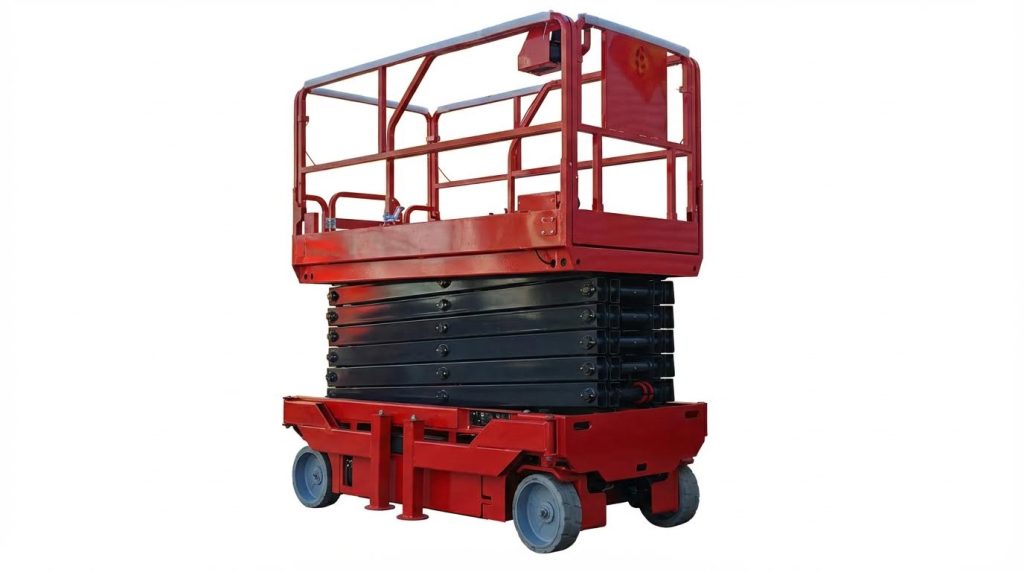
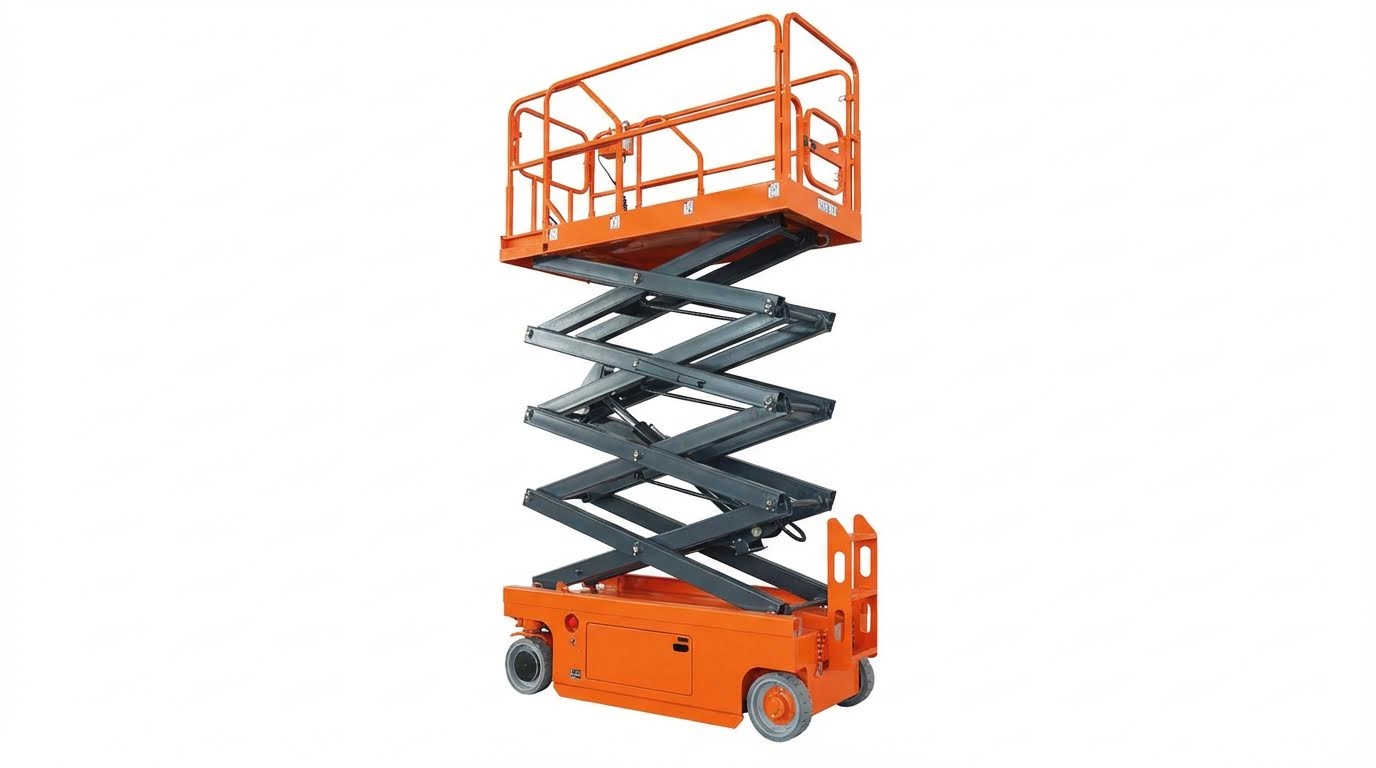
Beepers on a scissor lift are engineered safety devices, not annoyances. They warn you about conditions that can lead to tip‑over, electrocution, crush injuries, or mechanical failure. Understanding this is far more important than learning how to disconnect beeper on scissor platform systems.
- Core safety functions of beepers
- Warn of overload on the platform or structural components, helping you stay within the rated load. OSHA required that platform load limits are not exceeded
- Indicate low battery or power issues so the lift does not stall in an unsafe position. Beeping indicators often signal low battery or system faults
- Alert operators to electrical or control faults before they lead to sudden stops, runaway motion, or loss of power. Motor controller alarms are tied to symptoms like sudden starts, stops, and power loss
- Support stability protections when operating near the limits of slope, height, or wind rating. Scissor lifts must be kept within level and stability limits
- How alarms connect to OSHA and safety rules
- Scissor lifts are treated as mobile supported scaffolds, so they fall under scaffold safety rules. OSHA classified scissor lifts as scaffolds, not aerial lifts
- Employers must ensure controls and safety systems are functional before use, including alarms. Controls must be tested before use and brakes verified
- Regular inspections and preventive maintenance are mandatory to keep safety systems, including beepers, in working order. OSHA required routine inspection and maintenance of scissor lifts
- Operators must be trained to recognize hazards and respond correctly to alarms, not bypass them. Training must cover hazard identification and safe operation
- Why silencing or disconnecting beepers is unsafe
- You remove an early‑warning layer against overload, instability, and electrical faults, increasing risk of collapse or tip‑over.
- Bypassing a safety device can violate employer safety policies and regulatory duties to maintain protective systems.
- If an incident occurs and investigators find the beeper disabled, liability for injuries or fatalities can increase sharply.
- Most “annoying” beeps are symptoms of a maintenance or usage problem that should be fixed at the root (battery, load, controls), not muted.
Legal and workplace consequences of disabling alarms
From a safety‑engineering standpoint, the beeper is part of the lift’s control and warning system. Disabling it can be treated as tampering with a safety device. Employers are required to keep guardrails, controls, and other safety systems functional and to train operators in their use. OSHA guidance stressed proper maintenance of safety systems and training That is why the safe answer to how to disconnect beeper on scissor platform lift equipment is: do not bypass it; instead, diagnose the underlying fault or call a qualified technician.
Common beeping patterns and what they typically signal
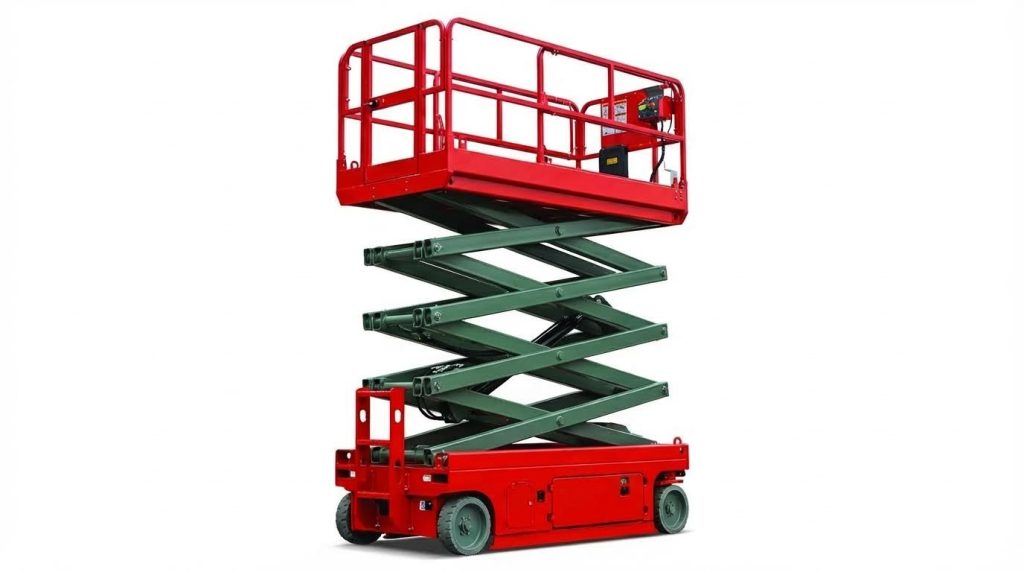
Each manufacturer uses its own tones and flash codes, but the patterns usually map to the same few risk categories: power, load/stability, and system faults. Always confirm with the specific operator’s manual for your model because it lists the exact patterns and codes.
| Typical beeping pattern | Likely condition | Associated risks | First safe actions |
|---|---|---|---|
| Slow, intermittent beeps while driving or lifting | Low battery voltage or charging problem. Beeping indicators often signal low battery | Lift may stall elevated; reduced drive torque; contactor or controller stress. | Stop at a safe area, lower platform, check battery charge, inspect charger, cables, and terminals. Terminals and charger cables should be inspected and cleaned |
| Rapid beeping when platform is loaded or moving | Approaching or exceeding rated platform capacity or stability limits. | Higher tip‑over risk, structural overload of scissor stack or chassis. Loads must not exceed manufacturer rating and stability requirements | Stop lifting or traveling, reduce load, verify surface is firm and level, re‑check weight vs. nameplate. |
| Continuous tone with no movement allowed | Critical electrical, control, or hydraulic fault detected (e.g., motor controller alarm, blown fuse, control mismatch). | Unexpected stops or starts, loss of power, uncontrolled movement. Motor controller alarms relate to sudden starts, stops, and power loss | Do not bypass; keep platform secured, use emergency lowering if needed, then have a qualified person troubleshoot fuses, controller, and wiring. Fuses and electrical components should be inspected and replaced correctly |
| Beep on key‑on or control check, then stops | Self‑test or pre‑operation alert confirming that controls and safety circuits are alive. | No direct hazard; this is a status confirmation. | Proceed with formal pre‑use inspection of controls, brakes, guardrails, and hydraulics. Controls and brakes must be tested before use |
| Beeping combined with unusual buzzing or clicking from control box | Possible motor controller or relay issue, especially if paired with intermittent power or odd behavior. Buzzing/clicking plus alarms suggest controller problems | Loss of drive or lift, sudden stops, potential for getting stuck elevated. | Remove lift from service, tag out, and have a technician evaluate controller, relays, and related wiring. |
Some beeping patterns are also tied to environmental and positioning hazards. For example, alarms may sound when the lift is driven on excessive slope, near its wind rating, or too close to obstructions and power sources.
- Conditions that often trigger warning beeps
- Operating on surfaces that are not firm and level within the allowable slope. Scissor lifts must be used on firm, level surfaces within about 3 degrees of level
- Working in wind or weather outside the machine’s outdoor rating. Outdoor‑rated lifts are generally limited to winds below 28 mph
- Getting too close to overhead structures or live electrical lines, which can create crush and electrocution hazards. A 10‑ft minimum distance from electrical power sources is required
- Platform rails open or guardrail system compromised, which may generate interlock or warning signals.
Why you should read the beeper as data, not noise
Each beep pattern is a data point about the scissor lift’s status: power level, loading, stability, and internal health. Treating the sound as “noise” and looking for how to disconnect beeper on aerial platform equipment throws away that data. Using the operator’s manual and the fault tables, you can translate those patterns into clear actions: lower, unload, inspect, or remove the machine from service until a qualified person fixes the root cause.
Technical Causes Behind Beeping And How To Troubleshoot
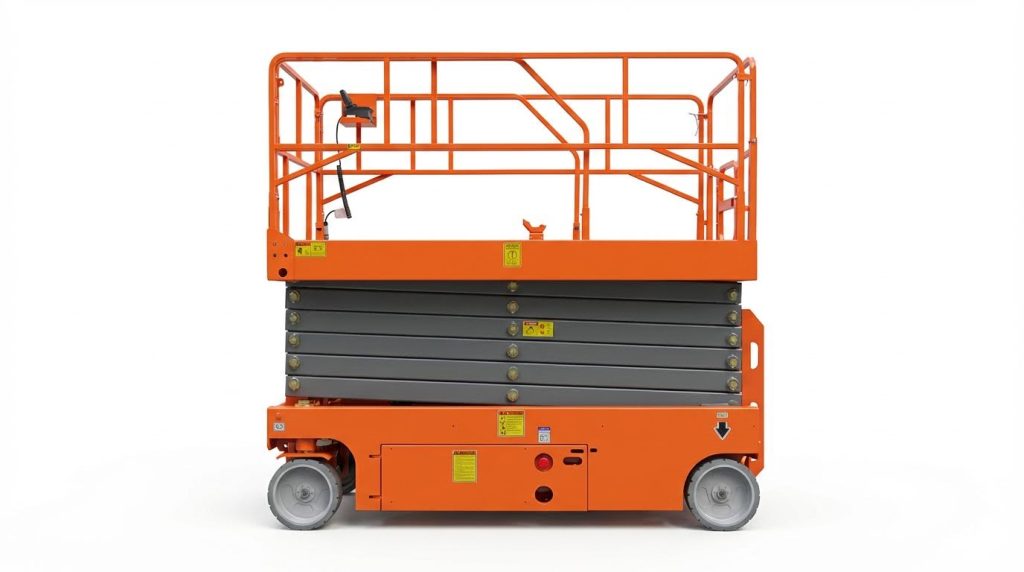
Scissor lift beepers are tied directly to the control, electrical, hydraulic, and stability systems. Understanding the technical cause behind a beep is far safer than searching for how to disconnect beeper on scissor platform. Use the patterns and checks below to diagnose issues methodically and keep the platform safe and compliant.
Low‑voltage and battery‑related warning beeps
Low‑voltage beeps usually warn that the battery can no longer support safe drive or lift functions. These alarms often increase in frequency as voltage drops further. Treat any persistent low‑battery beeping as a request to stop, secure the lift, and service the power system.
| Symptom / Beep Pattern | Likely Technical Cause | Simple Checks You Can Do Safely | Typical Corrective Action |
|---|---|---|---|
| Slow, repetitive beeping when driving or lifting | Overall battery pack voltage low under load |
|
|
| Beeping soon after charging completes | One or more weak / sulfated batteries |
|
|
| Random beeps plus charger not behaving normally | Poor connections at battery terminals or charger leads |
|
|
| Beeping plus intermittent loss of power to controls | Blown or loose low‑voltage fuse / connection |
|
|
Key troubleshooting tips for low‑voltage beeps
- Never keep operating after a low‑battery alarm; voltage sag can cause control faults and unplanned stops.
- Use a proper charger and verify indicator lights and cables if batteries do not reach full charge Cited Text or Data.
- Log when beeping starts in the shift; a trend toward earlier alarms usually indicates aging batteries.
Overload, stability, and motion‑related alarms
These alarms protect against tip‑over, structural overload, and unsafe travel conditions. They often sound continuously while the unsafe condition exists and may lock out lift or drive. Treat every stability‑related beep as a hard stop condition, not a nuisance.
| Operating Situation | What The Beep Often Means | Engineering / Safety Reason | What To Check |
|---|---|---|---|
| Platform fully raised, beeping when trying to drive | Drive speed or movement restricted at height | Reduces dynamic overturning moment at high center‑of‑gravity |
|
| Beeping as platform raises with heavy materials onboard | Approaching or exceeding rated load | Prevents over‑stressing structure and scissor arms |
|
| Beeping when driving over uneven or soft ground | Stability / tilt sensor detecting unsafe angle | Warns of risk of tipping due to poor support or slope |
|
| Beeping outdoors in gusty conditions | Wind / motion alarm or tilt reacting to mast sway | Reminds operator of wind speed limits and dynamic loads |
|
- Never try how to disconnect beeper on scissor platform lift to “get rid of” overload or tilt alarms; you remove the only audible warning that the machine is near its stability envelope.
- Always verify that the load, work surface, and environment match the conditions described in the operator’s manual and safety decals.
- If the beeper sounds with no obvious overload or tilt, tag the unit out and have the sensor and wiring inspected by a qualified technician.
Electrical, control, and hydraulic fault alarms
Fast or patterned beeps often indicate specific fault codes in the electrical, control, or hydraulic systems. These may be accompanied by warning lights, error numbers on a display, or unusual behavior such as sudden stops or failure to move. Many of these faults require a technician, but simple front‑end checks can rule out obvious issues.
| System Area | Typical Audible / Functional Symptom | Probable Technical Cause | First‑Level Checks |
|---|---|---|---|
| Motor controller / drive | Beeping plus sudden starts/stops, intermittent loss of power, buzzing or clicking from controller area | Controller fault, overheating, or internal failure Cited Text or Data |
|
| Control panel / switches | Beeping when a function is commanded but no movement | Stuck, dirty, or failed buttons; open‑circuit joystick or switch matrix |
|
| Power distribution / fuses | Beeping plus total loss of certain functions (e.g., lift works, drive does not) | Blown fuse, tripped protection, or failed relay |
|
| Logic / timer relays | Unexpected motion behavior, such as lift continuing to rise when DOWN is pressed | Misadjusted or defective timer relay in the control circuit |
|
| Hydraulic power unit | Beeping with weak or no lift, especially under load | Low hydraulic fluid, cavitation, or leak in hoses / fittings |
|
- If an electrical or hydraulic alarm persists after basic checks, remove the machine from service and call a qualified technician; do not bypass switches, sensors, or the beeper.
- Use the operator’s manual to match beep sequences to specific fault codes; this saves time and points the technician to the right circuit.
- Remember that the beeper is part of the safety and diagnostic system: learning what it is telling you is far safer and more efficient than learning how to disconnect beeper on aerial platform.
Safe Response, Maintenance Practices, And When To Call A Technician
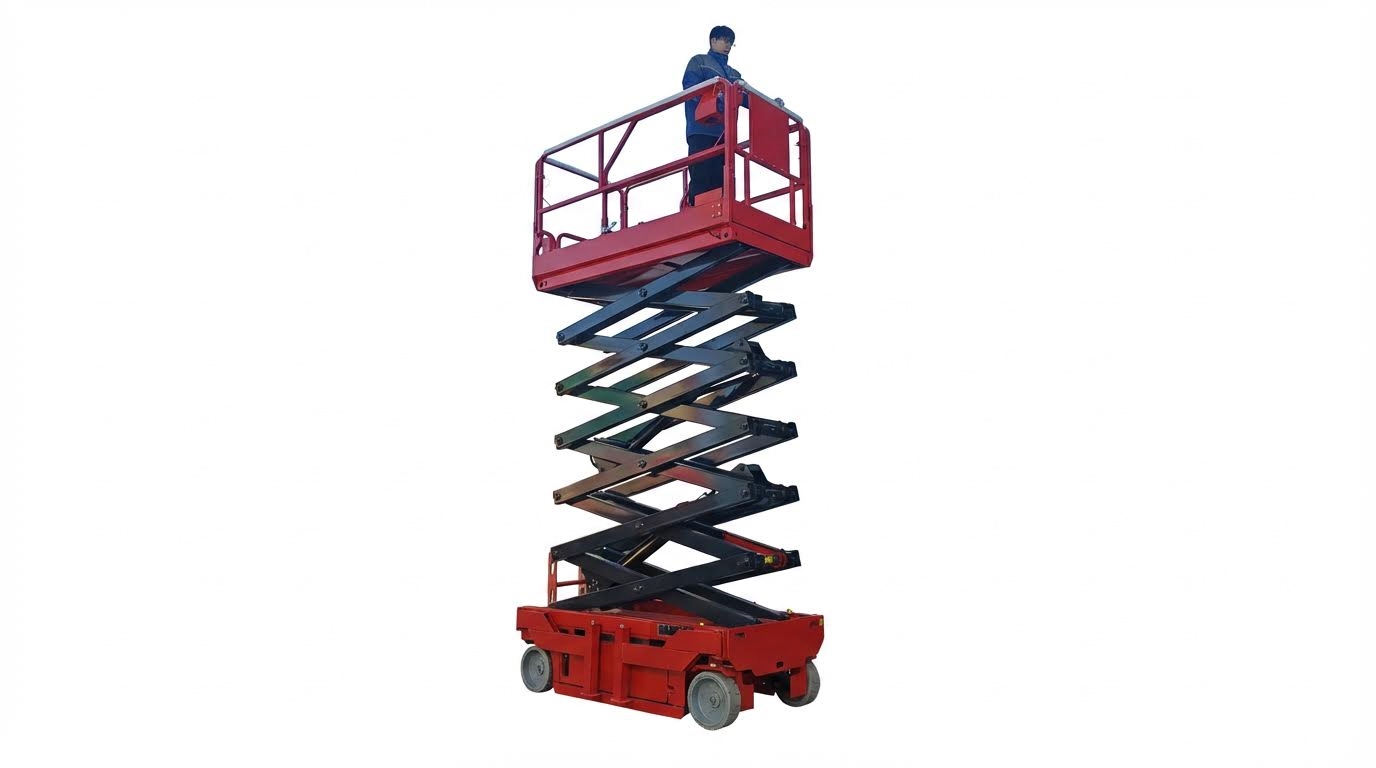
Step‑by‑step response when a beeper activates
When a scissor lift starts beeping, treat it as a safety warning, not a nuisance. Never look up “how to disconnect beeper on scissor lift” and bypass alarms; that can violate safety rules and lead to serious accidents. Use the beeper as a guide to stop, secure the lift, and diagnose the cause methodically.
- Stop movement immediately
- Release drive and lift controls at once.
- Set brakes and ensure the platform is stable and not moving. Brakes must hold the lift in position once set.
- Secure the work area
- Warn nearby workers and stop any work that depends on the lift.
- Check for overhead obstacles, power lines, or collision hazards around the platform. Positioning and overhead hazard checks are mandatory.
- Lower the platform if it is safe
- If the lift still responds, lower to the ground slowly.
- If it will not lower, follow the emergency‑descent procedure in the manual and keep people clear of the base.
- Identify the alarm type
- Note the beeping pattern (continuous, intermittent, in groups) and any flashing lights or error codes.
- Compare the pattern with the operator’s manual chart. Beeping indicators often map directly to low battery, overload, or system faults.
- Check for obvious safety violations
- Confirm the load (people + tools + materials) is within the platform rating. The platform load must never exceed the manufacturer’s rating.
- Verify the lift is on a firm, level surface within allowed slope. Scissor lifts must operate on firm, level ground free of pits and holes.
- Perform quick basic checks (with power off)
- Turn the key off, remove it, and set all controls to neutral. Controls must be neutralized before servicing or starting.
- Look for loose cables, damaged buttons, or obvious hydraulic leaks around the base and scissor stack. Leaks at hoses and connections are common hydraulic faults.
- Address simple, user‑level issues only
- If the alarm indicates low battery, park in a safe area and charge the batteries fully before reuse. Clean terminals and verify charger indicators during charging checks.
- If the alarm indicates overload, remove weight until you are below the rated capacity and re‑test.
- Know when to stop and tag out
- If the beeping relates to electrical, control, or hydraulic faults, do not keep trying to operate the lift.
- Apply lockout/tagout or at least a “Do Not Use” tag and call a qualified technician, especially if you suspect issues like motor controller alarms, defective relays, or repeated fuse failures. Buzzing, clicking, or intermittent power often indicate controller failure and defective timer relays or blown fuses require technical service.
Why you should not bypass or disconnect the beeper
The beeper is part of the safety system that alerts you to overload, instability, low power, or component failure. Disabling it to “get the job done” removes an engineered layer of protection and can violate employer procedures and regulatory expectations for maintaining safety devices. Instead of searching how to disconnect beeper on scissor lift, use the alarm as a trigger to inspect, correct the root cause, or call a technician.
Preventive maintenance to reduce nuisance alarms
Many beeping alarms come from issues that proper inspections and maintenance could have prevented. A structured preventive program reduces “nuisance” alarms, unplanned downtime, and the temptation to silence warning devices.
- Daily pre‑use inspection routine
- Walk around the lift and check for leaks, damaged parts, and loose bolts. Pre‑operation checks must cover bolts, damaged parts, and hydraulic lines.
- Test all platform and base controls before starting work. Controls must be tested to ensure proper function before use.
- Verify guardrails and platform gates are intact and close properly. Functional guardrails are a basic requirement for scissor lifts.
- Battery and charging care
- Clean battery terminals regularly and keep them tight to avoid voltage drops that trigger low‑voltage beeps. Dirty or loose terminals reduce charging efficiency.
- Inspect charger cables and connectors for cuts, burns, or loose pins, and confirm the charger’s indicator lights show normal operation.
- Hydraulic system upkeep
- Check hydraulic oil level with the dipstick or sight glass at the interval recommended by the manufacturer. Top up only with the specified fluid. Correct fluid level is critical for stable lift operation.
- Inspect hoses, fittings, and cylinders for damp spots or drips that indicate leaks, and repair them before they become major failures.
- Electrical and control system checks
- Inspect fuses in the control and power circuits during scheduled maintenance; replace any blown fuse with the correct rating and keep spares in the shop. Regular fuse inspection reduces unexpected power loss.
- Clean and exercise control panel buttons; if they stick or fail to respond, clean around them and check wiring for looseness or damage. Dirty or worn buttons are a common source of control faults.
- Listen for unusual buzzing or clicking from the motor controller; recurring noises and intermittent power should trigger a professional inspection before alarms escalate. These symptoms often precede controller failure and related alarms.
- Environment and loading discipline
- Verify the ground is firm, level, and capable of supporting the lift and its load before operation. Work surfaces must be firm, level, and adequately strong.
- Stay below the rated platform capacity and avoid using makeshift devices to gain extra height. Manufacturer weight limits and instructions must be followed.
- Avoid operating in high winds or severe weather that can cause stability alarms and unsafe sway. Outdoor‑rated lifts are generally limited to winds below about 28 mph.
- Planned preventive maintenance and training
- Follow the manufacturer’s preventive maintenance schedule rather than waiting for alarms or breakdowns. Preventive maintenance is required for safe operation.
- Ensure operators are trained in hazard recognition, pre‑use checks, and emergency procedures so they respond correctly to alarms instead of ignoring them. Training must cover hazard recognition and emergency actions.
With disciplined inspections and scheduled maintenance, most alarm events become rare and meaningful. That reduces frustration, makes operators less likely to search how to disconnect beeper on scissor lift, and keeps the beeper in its proper role as an early‑warning safety tool instead of background noise.
Key Takeaways On Managing Scissor Lift Alarms Safely
Scissor lift beepers tie directly into load limits, stability controls, electrical protection, and hydraulic health. When they sound, the machine is telling you that a design or safety limit is near. If you ignore or disconnect the beeper, you remove the only early warning before tip‑over, structural overload, power loss, or entrapment.
Safe practice is always the same. Stop movement, secure the area, lower the platform if possible, and identify the alarm using the operator’s manual. Handle user‑level issues such as low batteries, overload, or obvious ground problems. Tag out the lift and call a qualified technician when alarms point to electrical, control, or hydraulic faults.
Disciplined pre‑use checks, battery care, hydraulic inspections, and proper ground and loading control will sharply cut nuisance alarms. That keeps operators from treating the beeper as noise and supports compliance with OSHA expectations.
For operations and engineering teams, the best policy is clear. Never look for how to disconnect beeper on a scissor lift or Atomoving platform. Treat every alarm as actionable data, fix the root cause, and keep the warning system intact. This approach protects people, equipment, and uptime at the same time.
Frequently Asked Questions
How do you disconnect the beeper on a scissor lift?
Disconnecting the beeper on a scissor lift is generally not recommended as it serves as an important safety feature to alert others of the machine’s operation. However, if troubleshooting or maintenance requires it, consult the manufacturer’s manual for specific guidance. Scissor Lift Manual.
What should you check before attempting any adjustments on a scissor lift?
Before making any adjustments, ensure the scissor lift is powered off and properly grounded. Remove weight from the platform and reset the system using the Emergency Stop button. Always refer to the operator’s manual for detailed instructions. Operator Safety Guide.
Why is the beeper important on a scissor lift?
The beeper alerts workers and bystanders that the scissor lift is in operation, reducing the risk of accidents. It ensures compliance with safety standards like OSHA and ANSI, which mandate audible warnings during movement.