
Scissor lift certification duration is a critical compliance and safety factor for any operation that uses Mobile Elevating Work Platforms (MEWPs). This article explains how long certifications stay valid, when you must renew sooner, and how renewal links to OSHA, ANSI, and MEWP classifications. You will also see what technical content training must cover, how to align refresher cycles with maintenance, and how to plan cost and downtime. Use this as a practical framework to keep operators legal, competent, and safe while maximizing scissor platform availability.
Core Rules For Scissor Lift Certification Duration
OSHA and ANSI validity periods
For most workplaces, the baseline scissor lift certification duration is three years from the issue date. Multiple training providers and OSHA-aligned programs state that operators must renew or refresh their training at least every 36 months to stay compliant for aerial and scissor lift operation. This three‑year cycle aligns with how modern MEWP standards group periodic retraining and risk reviews, even though OSHA focuses on “as needed” competence and does not print an explicit expiry date in the regulation text. In practice, employers adopt the three‑year rule as a defensible minimum and document that each operator has current theory and hands‑on assessment within that window.
ANSI/SAIA MEWP standards emphasize that the employer must maintain operator proficiency and ensure training reflects the specific machine type and application. That means the formal three‑year scissor lift certification duration is only one element; supervisors must still monitor day‑to‑day performance and site conditions. Many safety programs therefore combine the 36‑month renewal with shorter toolbox talks and annual practical refreshers for high‑risk tasks. This layered approach reduces the likelihood of skills fade between formal recertification dates.
When recertification is required sooner
Recertification can be required well before the three‑year date if certain risk triggers occur. Employers are expected to retrain operators after any incident, near‑miss, or pattern of unsafe behavior, even if their card is still “in date” under typical three‑year renewal programs. Early retraining is also recommended when an operator changes job role, works in a significantly different environment, or has been away from MEWP work for an extended period.
- Unsafe operation documented by supervisors or audits.
- Involvement in an accident, property damage, or serious near‑miss.
- Introduction of new scissor lift models, controls, or attachments the operator has not used before that require additional familiarization.
These triggers effectively shorten the scissor lift certification duration for specific individuals because competence, not the printed expiry date, drives OSHA compliance. Documenting the reason for early retraining and the content covered is critical if an incident is later reviewed by regulators or insurers.
How certification ties to MEWP classifications
Scissor lifts are now treated as Mobile Elevating Work Platforms (MEWPs), and operator training must match the correct MEWP group and type. While OSHA places scissor lifts under its scaffolding framework for regulatory purposes, modern training programs align with MEWP classifications to ensure the content reflects platform motion, height, and work envelope. The scissor lift certification duration still follows the three‑year renewal norm, but the scope of that certification is tied to the specific MEWP category covered in training.
Practical implications for employers
In practice, this means an operator certified only on vertical scissor lifts should not automatically be treated as qualified for boom‑type MEWPs or other powered access equipment. Employers should:
- Define which MEWP groups and types are covered by each internal training module.
- Ensure refresher training every three years for each relevant MEWP class including hazard and environment updates.
- Issue records or cards that clearly list the MEWP classifications, not just a generic “aerial lift” label.
This classification-based approach makes the scissor lift certification duration auditable and aligned with how modern standards separate different elevating work platforms.
Technical Content Of Training, Testing, And Documentation
Required theory modules and standards coverage
The theory portion of scissor lift training must give operators enough knowledge to work safely for the full scissor lift certification duration, which is typically three years from issue. Most programs align their curriculum with this three‑year cycle so that all key OSHA and ANSI topics are refreshed at renewal. Core classroom or online modules usually cover four areas: regulations, equipment, hazards, and procedures.
- Regulatory and standards framework
- OSHA rules for aerial and scissor lifts, including classification as scaffolding and related fall‑protection requirements under the scaffolding standards.
- Relevant consensus standards (e.g., MEWP categories, safe-use and training responsibilities).
- Employer and operator duties for maintaining valid certification within the required period.
- Equipment design and limits
- Manufacturer operating instructions, controls, emergency lowering, and safety devices. Training must cover manufacturer instructions, weight limits, and defect recognition.
- Load ratings, center of gravity, and how platform loading affects stability.
- Differences between indoor and outdoor models, electric vs. engine powertrains, and terrain capabilities.
- Hazard recognition and controls
- Fall hazards, including improper use of guardrails and overreaching, which contribute significantly to aerial lift fatalities and represent a major share of serious incidents.
- Tip‑over risks from wind, impact, uneven surfaces, and overloading, and the need to stay within wind‑speed and surface limits. Stabilization guidelines include firm level ground, traffic control, and respecting load ratings.
- Electrical and crushing hazards from overhead lines, fixed structures, and vehicle traffic.
- Safe operating procedures and lifecycle
- Pre‑use inspections, work planning, and site risk assessments as mandatory steps before operation to prevent accidents and ensure safety.
- Start‑up, travel, elevation, positioning, and shutdown steps, including post‑use securing and storage.
- Reporting defects, tagging out unsafe equipment, and basic preventative maintenance concepts.
Typical theory module structure vs. certification cycle
A common structure is a 2–2.5 hour blended course, combining regulations, hazards, and procedures with tests. The theory is designed so that operators can safely perform tasks throughout the three‑year scissor lift certification duration before mandatory refresher training updates them on new standards and equipment. Many courses are built around a three‑year validity period, aligning content depth with renewal timing.
Practical evaluation, inspections, and test procedures
Hands‑on evaluation confirms that operators can apply theory in real conditions for the full certification period. Practical training often follows a “hear‑see‑do” sequence, which has been shown to produce much higher retention when combined with written tests and performance checks. Instructor‑led programs using this method report significantly better learning retention, which supports safer operation over the three‑year scissor lift certification duration.
- Pre‑operation inspection training
- Walk‑around checks of tires, hydraulics, panels, engine or power unit, elevating mechanisms, and platform structure. Pre‑shift inspections must also verify labels, data plates, and power connections.
- Verification that guardrails, gates, and safety devices are present and functional.
- Identification and reporting of leaks, cracks, loose components, or control faults.
- Functional and control testing
- Testing drive, steer, lift, and lower controls from both ground and platform positions. Operators should test warning lights, hour meter, horn, outriggers, and pothole protection.
- Simulated emergency stops and use of emergency lowering systems.
- Verification of interlocks and safety systems before entering service.
- Driving and elevation skills assessment
- Controlled driving around obstacles, through aisles, and on representative surfaces.
- Safe elevation near overhead obstructions and structural elements without striking them.
- Platform loading and unloading while staying within rated capacity and maintaining stability.
- Scenario‑based safety drills
- Response to changing wind, surface, or traffic conditions, including when to stop work.
- Procedures after near‑misses, incidents, or equipment damage, which can trigger early retraining.
- Demonstration of correct shutdown, securing, and post‑use checks to prevent unauthorized use and maintain equipment condition.
| Practical Component | Purpose | Link to Certification Duration |
|---|---|---|
| Pre‑use inspection drill | Ensure operators can identify defects and unsafe conditions | Reduces risk of incidents that could force early recertification |
| Control and function test | Verify ability to operate all controls and safety systems | Supports safe operation over the full three‑year validity period |
| On‑site driving and elevation | Prove competence in actual work environments | Demonstrates that current skills match site risks for the whole cycle |
Recordkeeping, audits, and digital training systems
Robust documentation is critical to prove compliance and manage scissor lift certification duration at the fleet level. Employers must keep training records that show who was trained, on which equipment types, by whom, and on what date. Guidance emphasizes employer responsibility for training records, safety policies, and continuous improvement. These records support internal audits and demonstrate due diligence after incidents or inspections.
- Essential training records
- Operator name, unique ID, and job role.
- Training dates, delivery method (online, classroom, blended), and trainer qualifications.
- Equipment classes and models covered, including MEWP categories.
- Test scores and practical evaluation checklists signed by the evaluator.
- Audit and compliance processes
- Periodic reviews to confirm all active operators hold valid certificates within the three‑year window. OSHA‑aligned programs require renewal every three years, with earlier recertification after unsafe use or accidents.
- Incident and near‑miss reviews to decide if targeted retraining is needed before scheduled renewal.
- Verification that training content still matches current OSHA and ANSI requirements.
- Digital learning and tracking systems
- Learning management systems (LMS) to host theory modules, tests, and certificates.
- Automated alerts for upcoming expirations so scissor lift certification duration is never exceeded.
- Electronic inspection and maintenance logs, which connect operator training with actual equipment condition and support better maintenance planning.
How documentation supports renewal planning
When records and digital systems are in place, safety teams can see at a glance which operators are due for renewal in the next cycle, how many hours they have actually operated, and whether any incidents occurred. This information allows companies to align refresher courses with the three‑year scissor lift certification duration, while also scheduling early retraining for higher‑risk operators or after equipment changes.
Engineering And Operational Considerations For Renewal
Linking refresher cycles to maintenance and inspections
Linking refresher training to maintenance and inspection cycles makes scissor lift certification duration easier to manage and audit. Most operators already follow pre-shift inspections that cover tires, hydraulics, panels, engine, elevating sections, platform condition, and data plates, plus functional tests of controls and safety systems during start-up. Aligning three‑year refresher training with major maintenance milestones helps capture updates on defects, recurring failures, and new site hazards. It also supports OSHA’s requirement for retraining at least every three years and after unsafe operation or accidents that indicate skill gaps.
- Use daily inspection checklists to feed real incident and defect data into refresher content.
- Schedule formal refresher training alongside major planned maintenance shutdowns to reduce extra downtime.
- Include preventive maintenance topics and defect recognition in renewal training modules to improve early fault detection.
- Document that inspection findings, near misses, and incident trends are reviewed during each renewal cycle to show continuous improvement.
Why tie training to inspections?
Inspection routines expose real-world misuse, overloading, or damage. Folding those lessons into the three‑year renewal cycle keeps training grounded in actual site conditions instead of generic theory.
Integrating new models, powertrains, and safety tech
Because scissor lift certification duration is typically three years, operators may face several equipment changes before their next scheduled renewal. OSHA expects additional training when new equipment or technology is introduced that affects safe operation rather than waiting for the normal cycle. New powertrains (lithium-ion, hybrid), drive systems, or platform controls change braking response, duty cycles, and failure modes. Added safety systems such as pothole protection, interlocks, and advanced warning lights also require hands‑on familiarization and updated emergency procedures to avoid misuse.
- Trigger short, equipment‑specific “delta” trainings whenever new models or control layouts arrive, even between three‑year renewals.
- Update operator content on load ratings, stability limits, and wind restrictions for each machine family, including outdoor use and terrain guidance to prevent tip‑overs.
- Include new guarding, fall protection practices, and proximity hazards (power lines, overhead structures, moving vehicles) in refresher modules as the fleet evolves.
- Maintain a configuration‑controlled matrix showing which operators are signed off on which models and technologies to simplify audits.
Engineering focus for new tech
From an engineering standpoint, changes in powertrain, weight distribution, and control logic alter stopping distances, gradeability, and tip‑over thresholds. Renewal training should explain these effects in practical terms operators can apply in the field.
Cost, downtime, and ROI planning for retraining
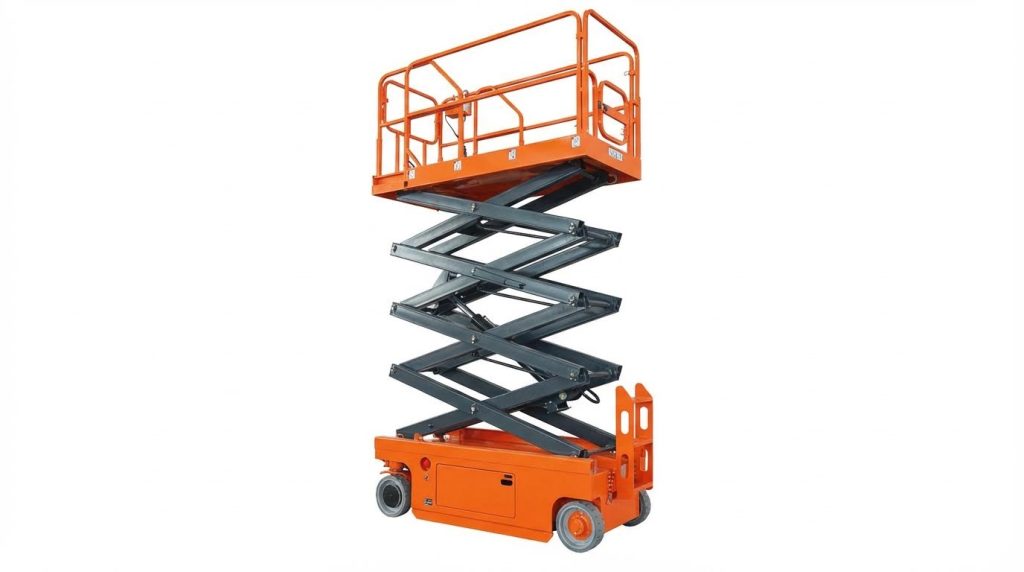
Well-planned renewal programs balance scissor lift certification duration, compliance risk, and operating cost. Training has direct costs (fees, materials) and indirect costs from lost productive hours, but it also delivers measurable gains in safety and performance over the life of the program. OSHA requires retraining at least every three years, and non‑compliance can lead to fines in excess of $10,000 plus liability after incidents which often dwarf training costs. Structuring renewal around short, focused sessions and integrating them into existing maintenance shutdowns reduces disruption.
| Planning Aspect | Engineering / Operational Consideration | ROI Impact |
|---|---|---|
| Training interval | Three‑year baseline, with earlier recertification after accidents, unsafe use, or major equipment changes to keep skills current | Reduces incident probability and associated repair and injury costs. |
| Session design | Short, targeted modules on hazards, weight limits, and preventive maintenance instead of full retraining from zero | Minimizes downtime while keeping content relevant. |
| Performance tracking | Compare incident, damage, and near‑miss rates before and after renewals to quantify benefits | Supports a clear business case for ongoing training investment. |
Practical ways to cut downtime
Use blended learning (online theory plus short on‑equipment evaluations), rotate small groups through training during low‑demand shifts, and align renewals with planned outages. This keeps lifts productive while still meeting three‑year compliance requirements.
Key Takeaways On Scissor Lift Certification Cycles
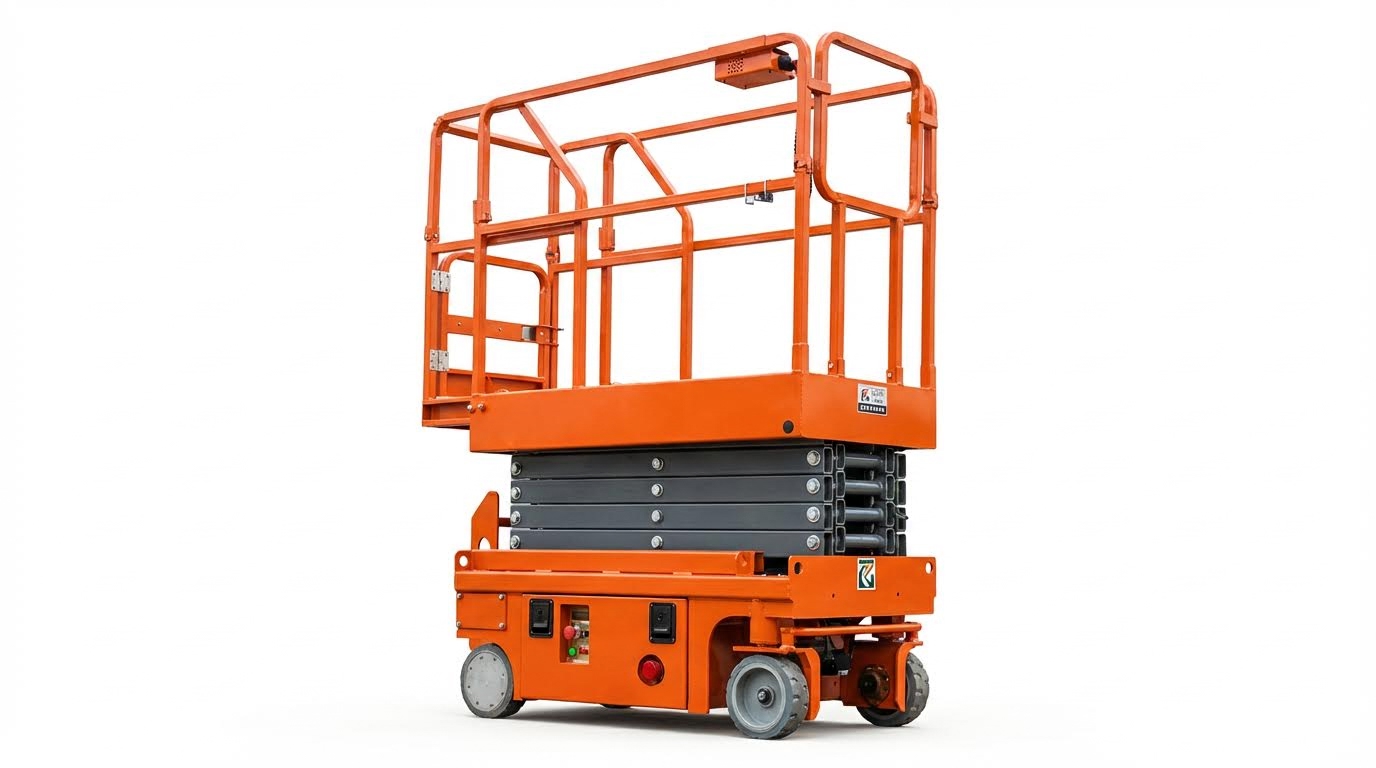
For most employers, the practical benchmark for scissor lift certification duration is a three‑year cycle. OSHA-aligned programs require refresher training every 36 months, with earlier recertification if an operator is involved in an incident, operates unsafely, or new equipment is introduced. Typical online theory courses take about 2 hours, but the total renewal effort also includes hands‑on evaluation and documentation. Planning certification cycles alongside maintenance, safety audits, and model updates helps control downtime and improves ROI while keeping operators compliant and safe.
Scissor lift certification cycles work best when you treat three years as the outer limit, not the target. Competence must stay current every day, not just on renewal dates. Link training tightly to real engineering limits such as load rating, center of gravity, wind speed, and surface conditions. When operators understand how these factors drive tip‑over and fall risk, they make safer choices in the platform.
Use incidents, near‑misses, and inspection findings to trigger early retraining. This keeps the program risk‑based instead of calendar‑only. Align renewals with major maintenance and fleet changes so operators learn new controls, powertrains, and safety systems before problems occur. Digital records, clear MEWP classifications, and model‑specific sign‑offs make audits simple and show due diligence to regulators and insurers.
The most effective strategy is a layered system. Provide solid initial training, short periodic refreshers, and focused “delta” sessions whenever Atomoving or other new equipment arrives. This approach protects people, reduces damage, and keeps scissor platforms available with less unplanned downtime. In the end, treat certification duration as a planning tool, while letting actual site risk and performance drive when you train and recertify.
Frequently Asked Questions
How long does OSHA scissor lift certification last?
OSHA requires all scissor lift operators to renew their certification every three years. Recertification is also necessary if an incident occurs that warrants refresher training. OSHA Certification Guide.
Do scissor lift certifications expire?
Yes, scissor lift certifications typically expire. In most cases, certifications are valid for three to five years. Operators must complete a refresher course to renew their certification and stay updated with new safety regulations. For example, in the UK, certifications usually last five years before renewal is required. UK Scissor Lift Training.