
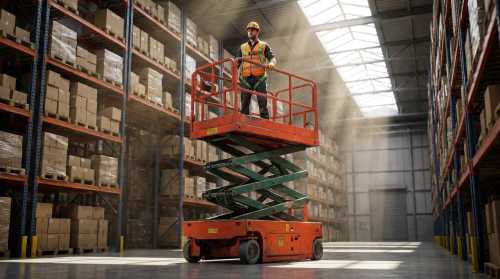
Whether you are a contractor, facility manager, or safety professional, understanding if and when you “need a license for a scissor lift” is critical for compliance and risk control. This guide explains what “license” really means for scissor lifts, how OSHA and ANSI classify this equipment, and how training, evaluation, and documentation must be handled in practice. You will learn the core technical and safety competencies operators must demonstrate, along with the employer’s legal duties for authorization, recordkeeping, and ongoing supervision. If you are asking “do you need a license for a scissor lift,” this article will walk you through the standards, typical training cycles, and practical steps to stay compliant and safe on every job.
What “License” Really Means For Scissor Lift Operation
How OSHA Classifies Scissor Lifts And MEWPs
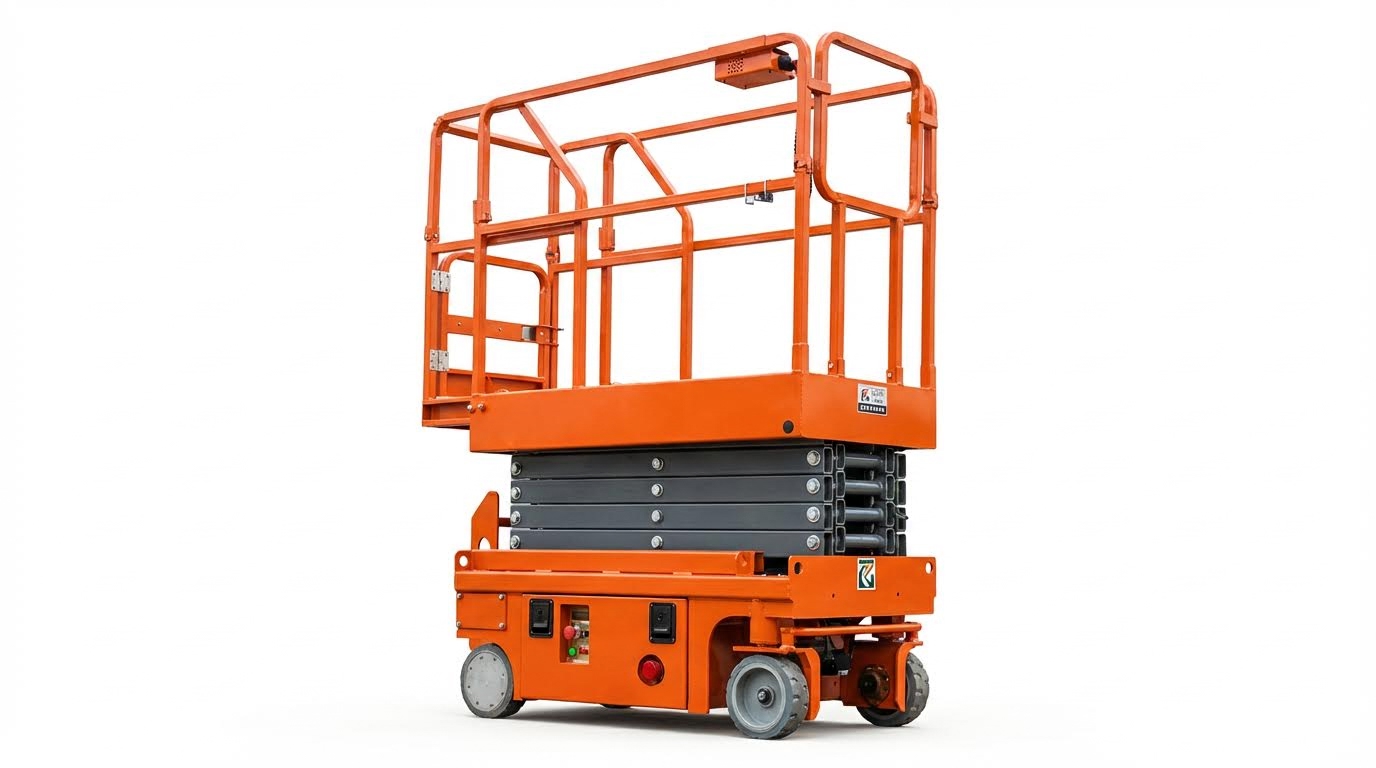
When people ask “do you need a license for a scissor lift,” they usually mean a government driver-style license. In the U.S., OSHA does not issue that kind of license for scissor lifts. Instead, OSHA treats most scissor lifts as mobile scaffolds and applies scaffold and aerial lift rules such as 29 CFR 1926.451, 1926.452(w), 1910.28, and related provisions for training and fall protection. Scissor lifts are defined as mobile scaffold work platforms used for vertical access in construction, manufacturing, retail, and similar industries. For powered access in general, OSHA and ANSI use the broader term MEWP (mobile elevating work platform), which includes scissor platform, boom lifts, and vertical masts, all of which require formal operator training rather than a state “license.”
License Vs. Certification Vs. Employer Authorization
For scissor lifts, compliance hinges on three different concepts that often get mixed up when people ask do you need a license for a scissor lift. There is no state-issued operator license, but employers must ensure operators are properly trained under OSHA and ANSI rules. Formal training and testing lead to an operator “certification,” which confirms the person has completed theory and hands-on instruction on topics such as safe operation, load limits, fall protection, and hazard recognition. OSHA requires employers to provide this training and ensure workers understand how to operate the lift, stay within weight limits, and recognize site hazards. Finally, only the employer can grant “authorization” to operate a specific scissor lift at a specific site, based on completed training, evaluation, and the employer’s own policies.
Mandatory Training, Evaluation, And Documentation
OSHA And ANSI Training Content Requirements
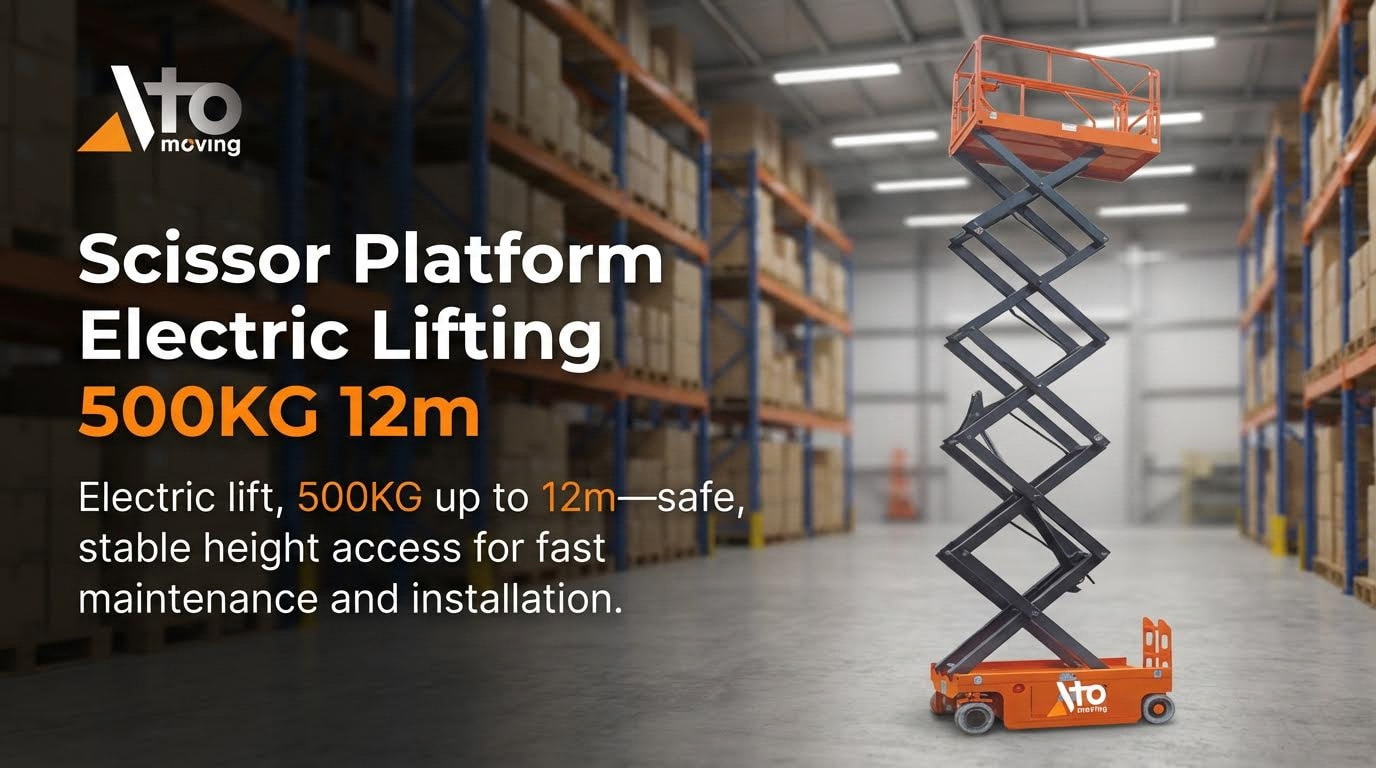
When people ask “do you need a license for a scissor lift,” OSHA’s answer is that you need documented training and authorization, not a driver-style license. OSHA required employers to train workers on safe operating procedures, load limits, fall hazards, and emergency response for scissor lifts under its scaffold and aerial lift rules 1910 and 1926.454. Training must cover vertical operation, travel, weight limits, and recognition of worksite hazards such as power lines. ANSI/SAIA A92.22 and A92.24 added structured theory and practical components, including hazard identification, inspections, fall protection, and proper use of controls. Typical MEWP training combines classroom or online theory with hands‑on operation, setup, route planning, and shutdown. Together, these standards mean employers must deliver a structured program and keep proof of completion before authorizing anyone to operate a scissor platform.
Practical Evaluation, Retesting, and Renewal Cycles
Beyond classroom content, OSHA and ANSI expected employers to verify practical competence on the actual equipment and work environment. Evaluations must confirm the operator’s skills, knowledge, and risk awareness for the specific machine, safety devices, and configurations, and be documented with operator name, evaluator, date, and equipment details. Many MEWP programs used a three‑year recertification cycle, with refresher training required sooner after accidents, unsafe behavior, or major changes in equipment or site conditions. Typical aerial lift certifications remained valid for about three years, with retraining triggered by new machinery or incidents. In practice, this means “do you need a license for a scissor lift” translates into needing initial hands‑on evaluation plus periodic retesting to keep authorization current and defensible.
Employer Duties, Recordkeeping, And Legal Exposure
OSHA placed the legal duty squarely on the employer, not the individual, to ensure only trained and authorized workers operate scissor lifts. Employers must train workers on correct operating procedures, staying within weight limits, recognizing electrical and site hazards, and reporting defects or maintenance needs. They must also provide qualified trainers, supervise trainees, and restrict in‑training operators from higher‑risk tasks such as working near power lines or hoisting personnel. Regulations require written records of evaluations and certifications, including language of testing and equipment covered. Poor or missing documentation can increase citations, fines, and liability if a scissor lift incident occurs, even when workers informally “know how” to run the manual pallet jack.
Technical And Operational Factors In Scissor Lift Competency
Equipment Design, Load Limits, And Stability Physics
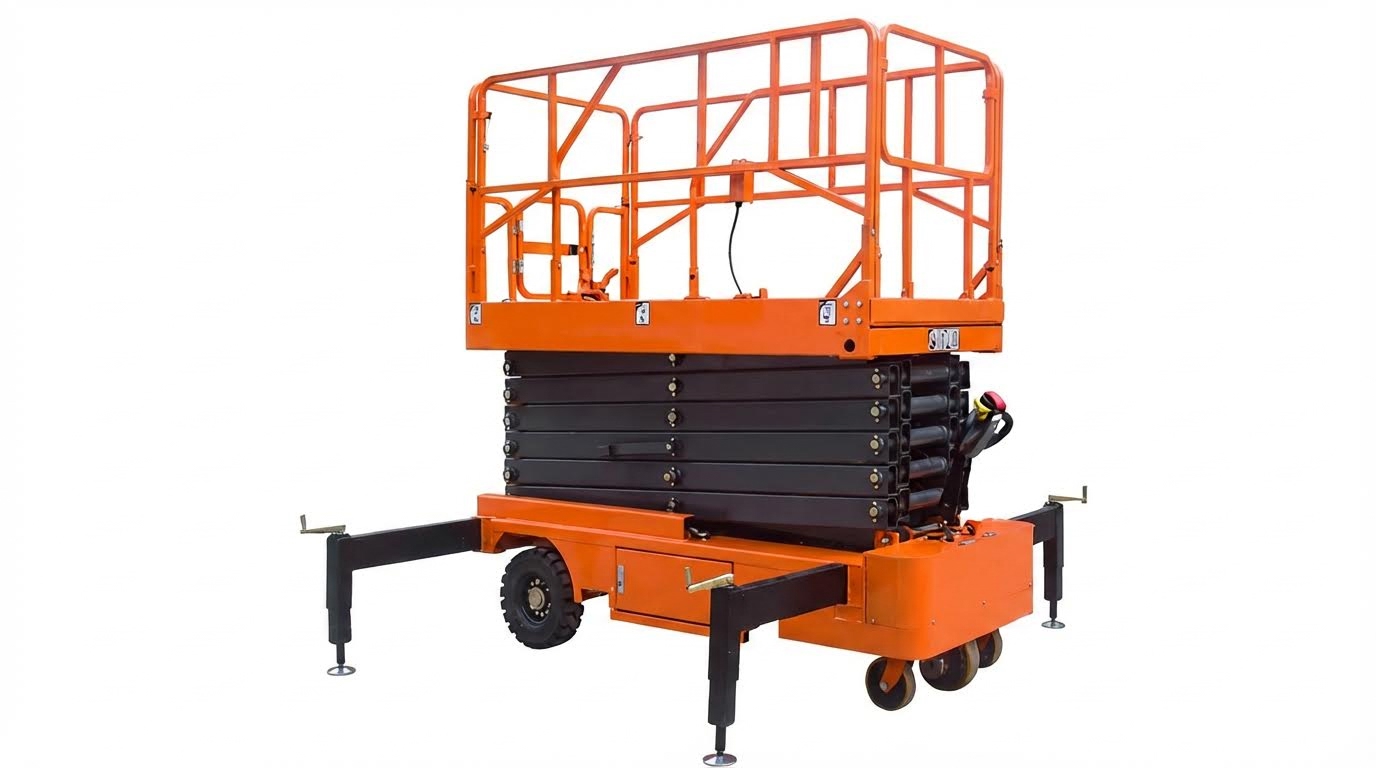
Competent operators understand how scissor lift geometry, load rating, and surface conditions interact to prevent tip-over. Scissor lifts use a pantograph mechanism that moves only vertically, so side loads and overreaching can quickly destabilize the platform. OSHA guidance stresses following manufacturer instructions for movement, usually prohibiting travel while elevated, and requiring firm, level ground free of holes or drop-offs for stability and collapse prevention. Operators must also respect the rated load, including people, tools, and materials, and never use blocks or other devices to gain extra height. When people ask do you need a license for a scissor platform, the real issue is whether the operator has been trained to read capacity charts, consider wind loading, and keep the center of gravity inside the wheelbase at all times.
Fall Protection, Guardrails, And Electrical Clearance
Scissor lift competency includes strict control of fall and electrocution risks. OSHA requires functional guardrail systems on the platform and instructs workers to stand only on the platform floor, keep work within easy reach, and avoid climbing or leaning outside the rails to maintain fall protection. Operators must position the lift to avoid crushing hazards and maintain at least 10 feet of clearance from live electrical sources, with greater distances required at higher voltages to prevent electrocution. Training for mobile elevated work platforms also covers PPE, such as harnesses and lanyards where required, and the use of traffic control or spotters near vehicles as part of a complete safety system. These controls form a core part of what employers must verify before authorizing anyone to operate a aerial platform.
Inspections, Maintenance, And Emerging Safety Tech
Technical competence also means knowing how to inspect and care for the equipment. OSHA and industry guidance require pre-use checks of controls, guardrails, brakes, and structural components, along with routine maintenance to prevent collapse and unplanned movement on scissor lifts used as mobile scaffolds. MEWP training programs teach operators to perform pre-shift inspections, verify safety devices such as weight sensors and wind-speed indicators, and assess the worksite for hazards before elevating as part of the practical component. Emerging technologies, including interlocks that stop operation when overload or high wind is detected, only work if operators understand their purpose and never bypass them. So when considering do you need a license for a scissor lift, employers should focus on documented training that covers inspections, defect reporting, and safe lockout when equipment is not fit for use.
“”
Key Takeaways For Compliance And Safe Operations
Scissor lift safety does not depend on a government license. It depends on structured training, clear authorization, and disciplined day‑to‑day practice. OSHA and ANSI set the baseline, but each employer must turn those rules into a living system that shapes how people plan work, use the platform, and react to hazards.
Engineering limits drive that system. Load charts, center of gravity, surface conditions, and wind forces define what the lift can safely do. Guardrails, fall protection, and electrical clearance rules protect workers from the most serious failure modes. Pre‑use inspections, maintenance, and modern safety devices keep mechanical and control risks under control.
Operations and safety teams should treat scissor lift authorization like a full competency program, not a one‑time card. Use formal theory, hands‑on evaluation on the actual equipment, and documented refreshers tied to incidents, new models, or site changes. Keep tight records and restrict use to trained, currently authorized operators.
When you ask “do you need a license for a scissor lift,” the best answer is this: build a documented, engineering‑based training and authorization process, choose reliable equipment from suppliers such as Atomoving, and enforce those rules on every shift.
Frequently Asked Questions
Do You Need a License or Certification to Operate a Scissor Lift?
Operating a scissor lift does not typically require a government-issued license, but proper training and certification are mandatory. According to OSHA standards, workers must be trained to safely operate scissor lifts, recognize hazards, and follow safety protocols. OSHA Scissor Lift Guide.
- Training must cover safe operation and hazard awareness.
- Certification ensures compliance with workplace safety regulations.
What is the Importance of an IPAF License for Scissor Lift Operators?
While not always legally required, having an IPAF license is highly recommended for scissor lift operators. It demonstrates that the operator has undergone rigorous safety training, ensuring both personal safety and compliance with employer requirements. IPAF Training Details.
- IPAF certification enhances safety and employability.
- Many employers mandate IPAF training for aerial work platforms.