
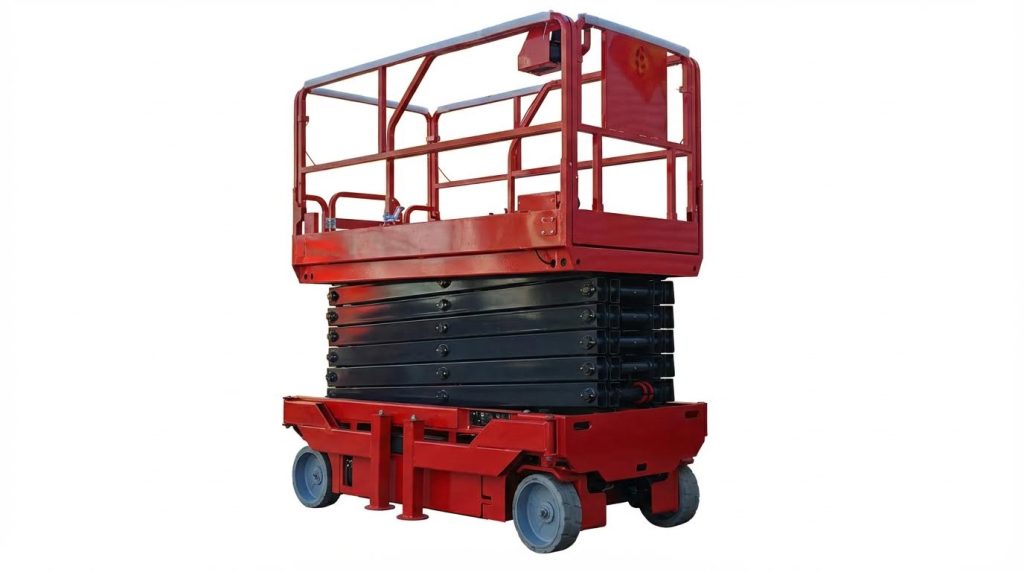
Scissor lifts are high-value, high-risk assets: if someone steals a key or bypasses access controls, you face safety incidents, downtime, and liability. This guide explains practical, engineering-grade strategies for how to keep people from stealing scissor platform keys, from policy-driven key control to electronic tracking and remote sensors. You will see how to combine physical locks, electronic key management, and real-time alerts with OSHA- and ANSI-aligned training and maintenance. Use it as a blueprint to harden your fleet against theft, misuse, and unauthorized operation while keeping daily work efficient.
Core Principles Of Scissor Lift Key Security
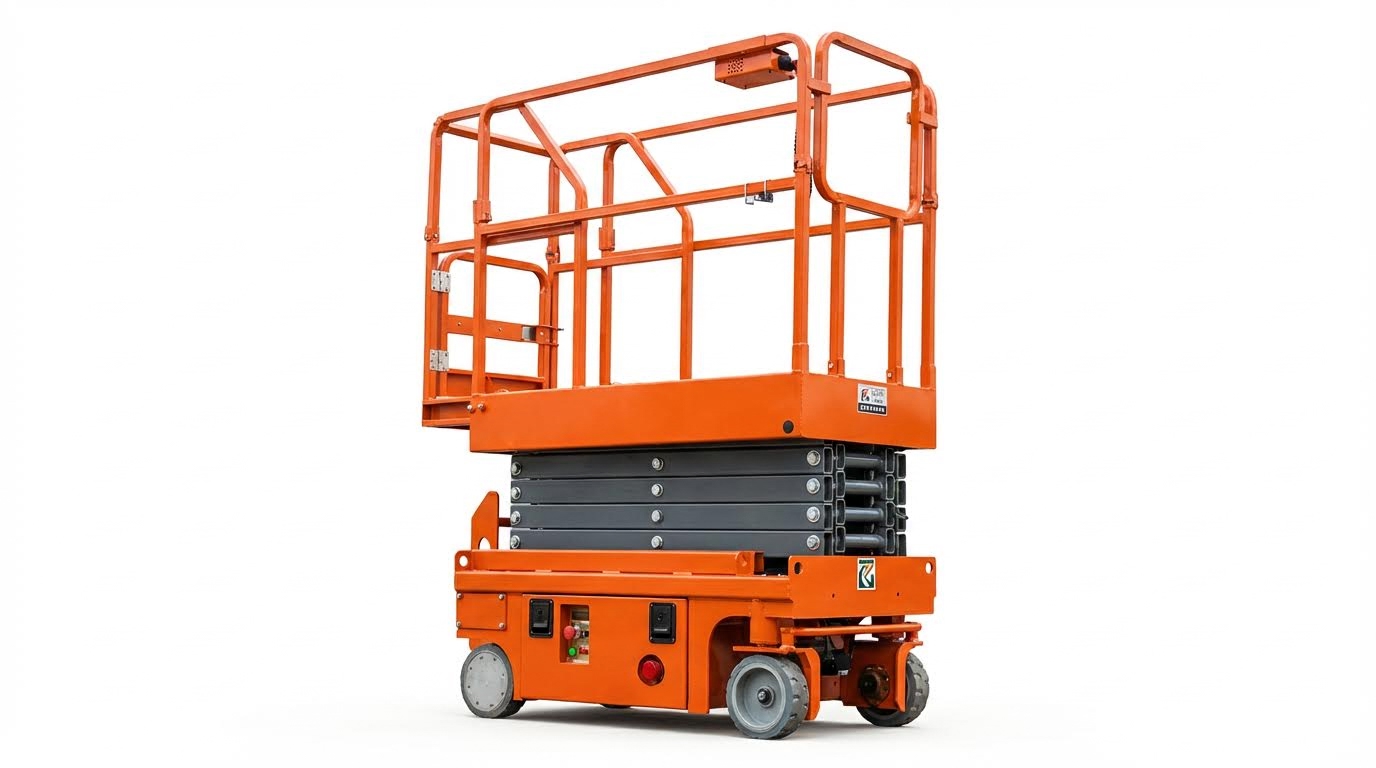
Risk Scenarios: Theft, Misuse, And Liability
Understanding how to keep people from stealing scissor lift keys starts with knowing where the real risks sit in day‑to‑day operations. Unauthorized access to a powered lift is both a security problem and a serious safety exposure.
- Equipment theft: A stolen key allows someone to drive the lift off‑site or reposition it to a hidden area for later removal.
- After‑hours “joyriding”: Curious workers or trespassers can power up the lift, increasing the chance of tip‑overs or collisions, especially in poor lighting or bad weather. Safe use requires level surfaces, hazard‑free areas, and controlled conditions.
- Unqualified operation: Keys in open view invite untrained personnel to “try” the machine, even though only trained operators should use scissor lifts. OSHA requires that only trained workers operate scissor lifts.
- Property damage and injury: Misuse can result in contact with overhead power lines, collisions with structures, or falls from height if guardrails or gates are bypassed. OSHA highlights positioning, electrical clearance, and load limits as critical hazards.
- Liability and regulatory exposure: If an untrained or unauthorized person is injured after using a lift with an easily accessible key, the employer can face citations, civil claims, and increased insurance costs.
Why “just hiding the key” is not enough
Simply tucking scissor lift keys under the platform or in an unlocked toolbox does not qualify as effective key control. Anyone familiar with the site quickly learns these hiding spots. A robust approach combines secure storage, documented authorization, and monitoring so you can prove who had access and when if an incident occurs.
Policy-Driven Key Control Programs
To control who can power and move a lift, you need a written key control program that fits into your overall safety system. This is the foundation of any strategy for how to keep people from stealing scissor lift keys and misusing the equipment.
- Define who is “authorized”
- Limit key access to workers who have completed formal scissor lift training and evaluation.
- Link authorization to job role (e.g., maintenance, construction, facility operations), not convenience.
- Issue and track keys
- Use a sign‑out log or electronic system so every key is tied to a named person and time.
- Record when keys are returned and verify counts at the end of each shift.
- Secure storage
- Store keys in a locked cabinet or controlled electronic key system, not on the machine when unattended. Sturdy lockable cabinets provide basic security, while electronic systems add PINs, biometrics, and audit trails.
- Lost or stolen key response
- Require immediate reporting of missing keys.
- Document the event, review camera footage if available, and consider re‑keying locks if the risk justifies it.
- Audits and compliance checks
- Schedule regular key inventories and access record reviews to catch gaps early. Routine audits help identify discrepancies and strengthen accountability.
Example: Simple key control workflow
| Step | Responsible Person | Key Control Action |
|---|---|---|
| 1. Start of shift | Supervisor | Counts keys, unlocks cabinet, verifies only authorized operators are scheduled. |
| 2. Key issue | Supervisor / Authorized operator | Logs key number, operator name, time out, and intended lift ID. |
| 3. During shift | Authorized operator | Keeps key on person; never leaves key in unattended lift. |
| 4. End of task/shift | Authorized operator | Returns key to cabinet; supervisor logs time in and confirms count. |
| 5. Weekly | Safety or security lead | Audits logs vs. physical key inventory; investigates any mismatch. |
Aligning With OSHA And ANSI Responsibilities
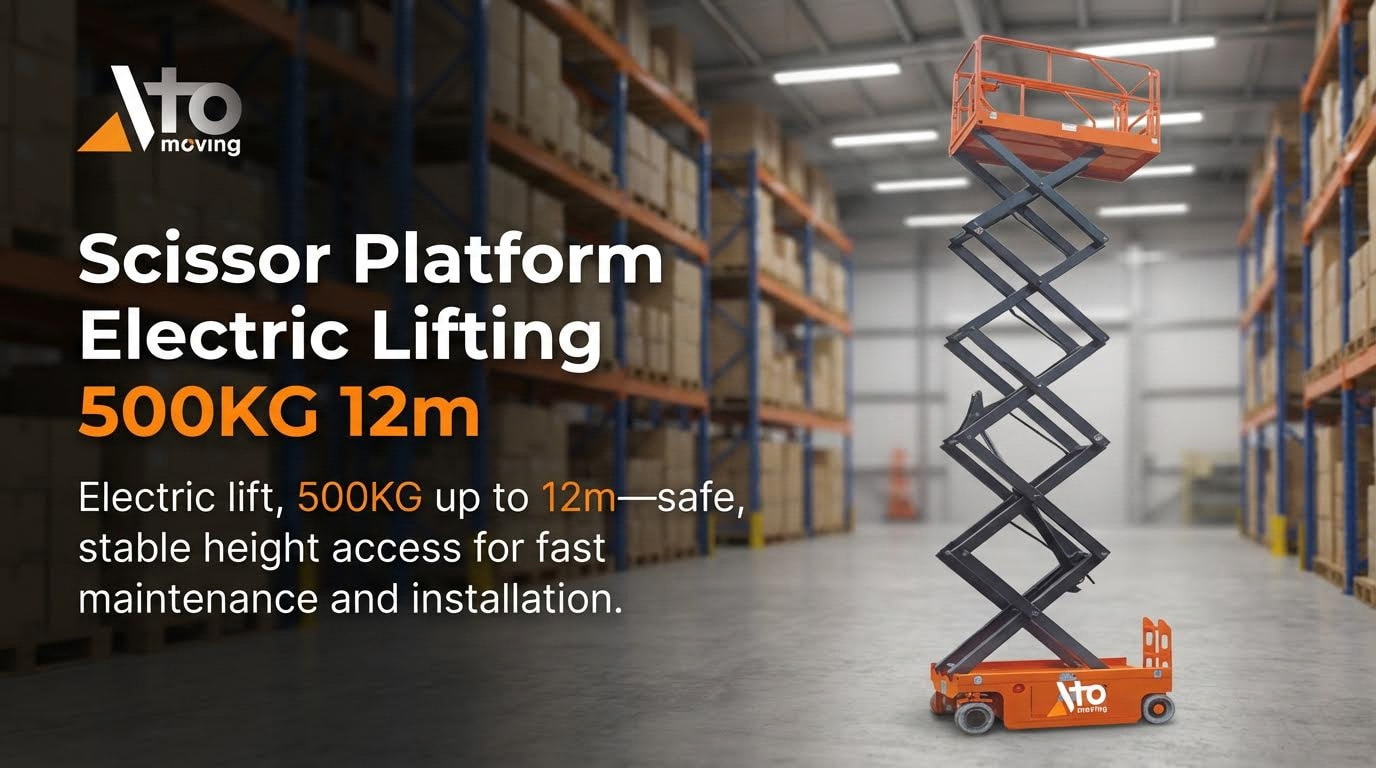
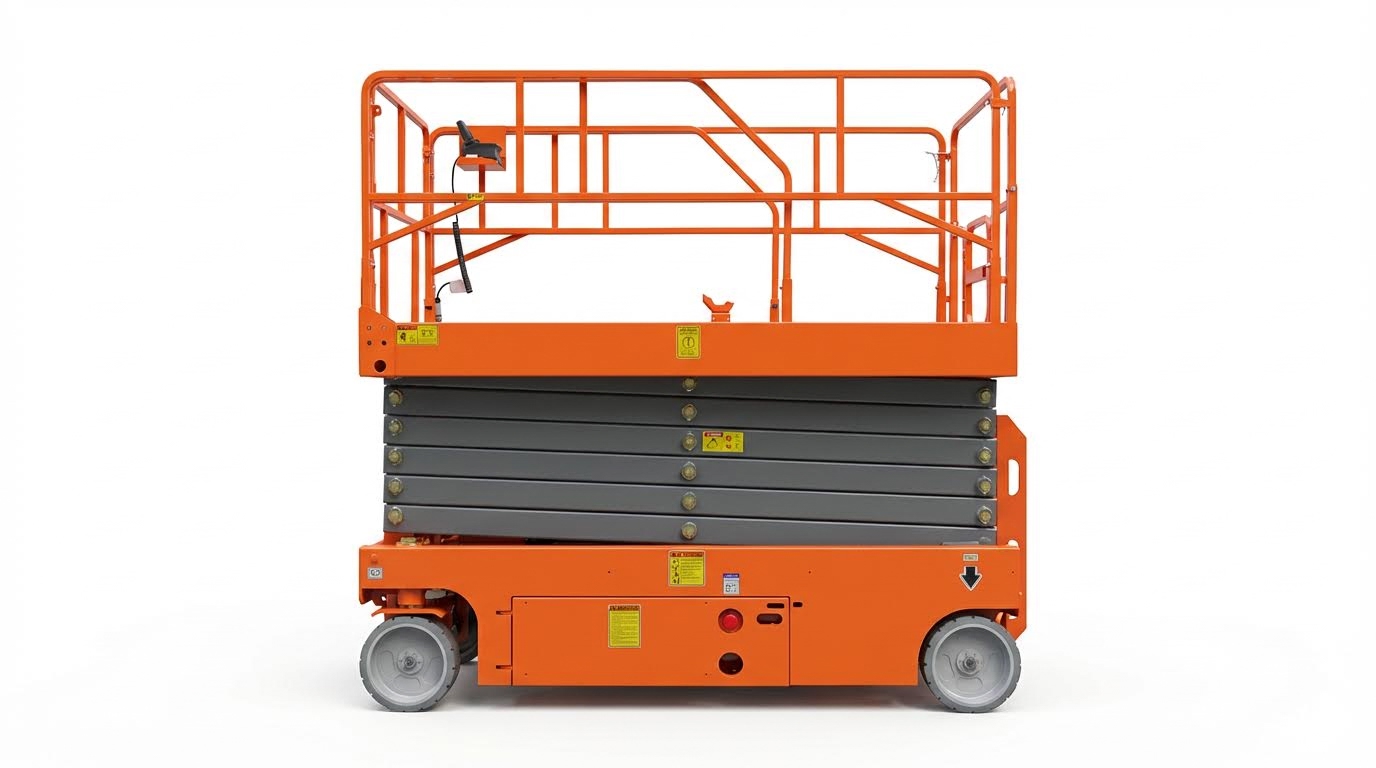
Key security is not named directly in most standards, but it directly supports your duty to prevent untrained and unauthorized use. Controlling keys is one of the most practical ways to enforce existing OSHA and ANSI requirements on scissor lift operation.
- Training and authorization
- OSHA requires that only trained workers operate scissor lifts and that training covers hazards such as falls, electrical contact, and equipment failure. Limiting keys to trained personnel is a practical enforcement tool.
- Fall protection and guardrails
- Standards require guardrails and gates to be in place and used correctly before operation. Employers must ensure guardrail systems are installed and maintained.
- Restricting keys helps prevent users from bypassing guardrails or operating the lift with missing components.
- Safe positioning and stability
- OSHA guidance stresses firm, level surfaces, limited wind speeds, and controlled movement to prevent tip‑overs. Improper use, especially by untrained people, greatly increases tipping and collision risks.
- Key control reduces the chance that someone moves the lift in unsafe weather or site conditions.
- Inspection and maintenance
- Employers must ensure lifts are inspected and defects corrected before use. Pre‑use checks of controls, brakes, and guardrails are mandatory.
- Policies can require that keys remain locked out if inspections fail or maintenance is pending.
- Documented responsibility
- ANSI and OSHA both expect employers to demonstrate control over who uses the equipment and under what conditions.
- Key logs, storage controls, and audit records help show due diligence if regulators or insurers investigate an incident.
Connecting key control to your written safety program
To fully align with OSHA and ANSI expectations, integrate scissor lift key procedures into existing written programs: training, lockout/tagout, powered industrial truck policies, and contractor rules. When contractors or temporary workers are on site, your policy should state clearly who controls the keys, how they are issued, and what qualifications are required before anyone touches the controls.
Technical Controls: Keys, Access Systems, And Sensors
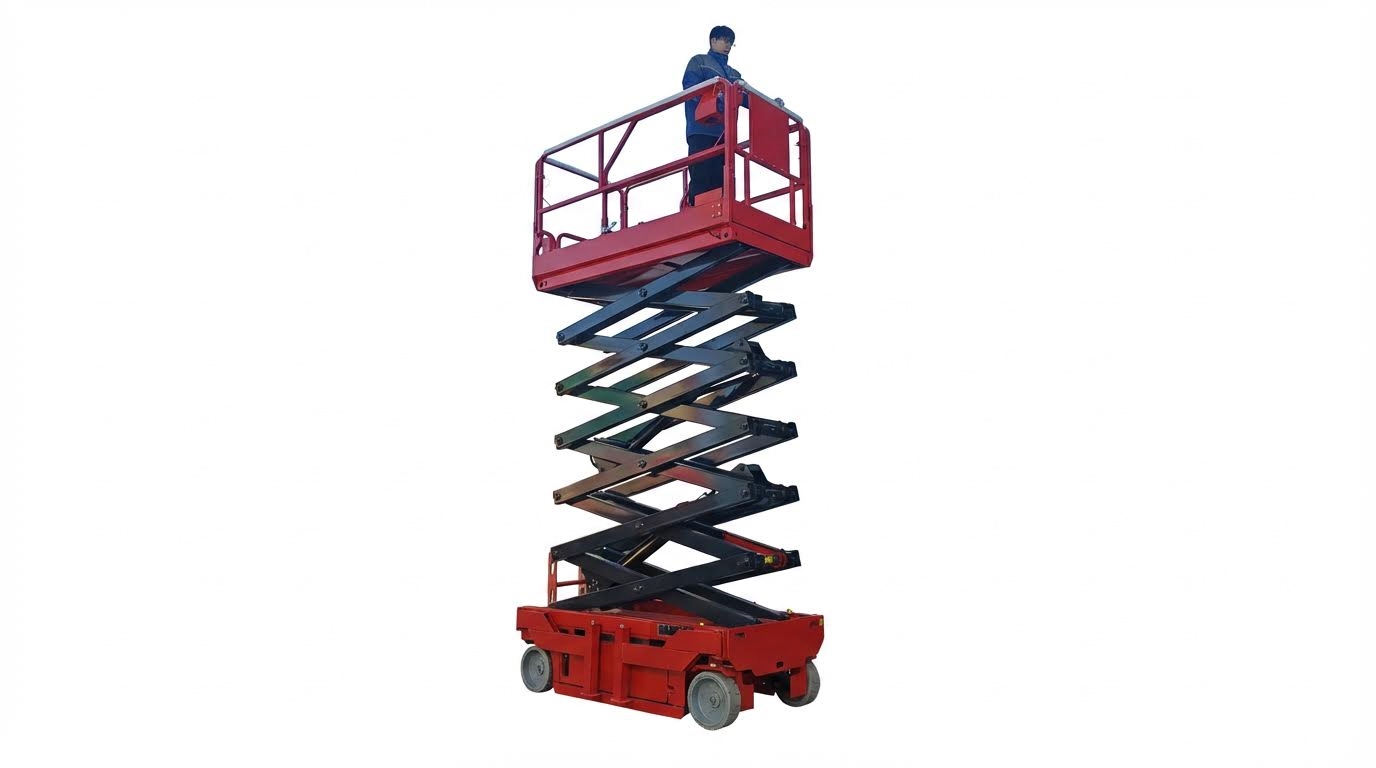
Mechanical Keying, Locks, and Physical Barriers
Mechanical controls are your first line of defense when planning how to keep people from stealing scissor lift keys. The goal is to make casual access inconvenient and unauthorized removal of keys or machines physically difficult. Combine keying strategy, lock hardware, and physical barriers into one coherent system.
| Control Type | Main Purpose | Typical Features | Best Used For |
|---|---|---|---|
| Restricted keying | Limit who can copy or use keys | Unique key profiles, controlled duplication, numbered keys | Fleet-wide scissor lift key control |
| Lockable key storage | Protect keys when not issued | Metal cabinets, individual hooks, tamper‑evident seals | Shops, warehouses, maintenance rooms |
| Equipment padlocks | Disable critical functions | Shackle through disconnects, controls, or access doors | Out-of-service or parked lifts |
| Physical barriers | Block access to lifts and keys | Cages, fenced areas, lockable bays | Outdoor yards, shared facilities, job sites |
Mechanical keying should start with a clear key hierarchy. Decide which groups need access to which scissor lifts, then assign key levels accordingly. Use numbered keys and maintain an issue/return log so you can track who had which key at any time. This log later supports investigations and liability control.
- Store all lift keys in a lockable, metal key cabinet when not in use. Sturdy cabinets provide a basic but reliable layer of security. Secure key storage solutions help prevent unauthorized removal.
- Locate the cabinet in a supervised area, not on the shop floor or in an open hallway.
- Use separate padlocks or hasps to lock out main power disconnects or battery compartments when lifts are parked for long periods.
- For outdoor equipment, park lifts in a fenced compound and lock the gate; treat the yard gate as another “keyed” access point.
- Use tamper‑evident seals on infrequently used keys so you can see if someone accessed them without authorization.
Mechanical controls: practical engineering tips
Choose lock hardware that matches the environment: corrosion‑resistant materials for outdoor yards and dust‑resistant cylinders in fabrication shops. Design parking and storage layouts so that lifts can be chained or parked nose‑to‑nose, making it harder to roll them away even if someone gains access to a key. Combine mechanical controls with documented procedures for issuing, tracking, and reporting missing keys to close policy gaps. Key control policies and regular audits support mechanical measures.
Electronic Key Management And Audit Trails
Electronic systems answer a critical question: not just who can access keys, but who actually did and when. If you want a robust answer to how to keep people from stealing scissor lift keys, electronic key management and audit trails convert key control from trust‑based to data‑driven.
| Electronic Feature | Function | Benefit for Scissor Lift Security |
|---|---|---|
| PIN or badge access | Users authenticate to remove a key | Prevents anonymous key access |
| Biometric verification | Fingerprint or facial recognition | Ensures the person present is the authorized user |
| Real‑time key tracking | Monitors which keys are out and to whom | Reduces loss and speeds up investigations |
| Audit trail reports | Time‑stamped log of key removals/returns | Supports incident reviews and liability defense |
| Alerts and reminders | Notifies when keys are overdue or accessed off‑hours | Flags possible theft or misuse early |
Electronic key management systems can integrate multiple authentication methods. They can also track keys in real time and provide detailed audit trails. RFID and electronic key management enhance accountability and reduce loss risks. This turns each key issue into a documented transaction, not an informal hand‑off.
- Assign unique user IDs to every operator, supervisor, and mechanic who may need scissor lift keys.
- Require PIN, badge, or biometric verification before the cabinet releases a key.
- Configure the system so keys must be returned before the end of a shift, with automatic alerts for overdue keys.
- Run regular audit reports to check for patterns such as repeated after‑hours key removals. Regular audits help identify discrepancies and vulnerabilities.
- Integrate electronic key data with training and authorization records so only trained personnel can draw specific lift keys.
When to move from mechanical to electronic systems
Electronic key management is most valuable when you operate multiple scissor lifts, share equipment across departments, or run multi‑shift operations where supervision is thin at night. As fleet size and headcount grow, manual logs and simple cabinets become harder to control. Electronic systems centralize key storage and automatically enforce rules for issuing, tracking, and reporting lost or stolen keys, aligning with best‑practice key control policies. Structured policies and electronic tools work together to maintain compliance.
Remote Sensors, Alerts, And Anti-Theft Devices
Remote sensors and anti‑theft devices protect the lift itself, not just the keys. They are especially useful for outdoor yards, remote job sites, and any area where scissor lifts sit unattended for long periods. These systems detect movement or tampering and send instant alerts so you can respond before a theft or unauthorized use escalates.
| Device / Feature | Typical Specification | Security Function |
|---|---|---|
| Motion / vibration sensor | Passive infrared, approx. 15’ x 15’ coverage | Detects movement around or of the lift |
| Device size & weight | About 1.5” x 3.7” x 3.3”, ~4.3 oz | Compact enough to conceal on the machine |
| Connectivity | GSM cellular, operation in 200+ countries | Works where Wi‑Fi is unavailable |
| Power source | Rechargeable lithium‑ion (around 650 mAh) | Up to a year of operation at ~10 alerts/month |
| Alert content | Encrypted alerts with temperature/humidity | Provides context for the event and site conditions |
| Mounting options | Magnetic mounts, screws, tie‑down slots, hinged brackets | Flexible installation on different lift frames |
| Data plan | Approx. $4.99/month or $49/year, with trial period | Enables continuous remote monitoring |
Remote sensors can detect light, motion, or vibration and then send encrypted alerts to designated phones when scissor lifts are disturbed. These devices can capture environmental data like temperature and humidity and operate via GSM cellular networks with long battery life. This makes them suitable for lifts stored in yards or on temporary job sites without power or Wi‑Fi.
- Mount sensors in locations that are hard to see and reach, using magnetic mounts, screws, or tie‑down slots as appropriate. Adjustable mounting accessories help secure devices in diverse environments.
- Configure alert schedules so notifications trigger mainly during off‑hours, such as overnight, to reduce nuisance alarms. Custom schedules focus alerts on periods of higher theft risk.
- Use different alert recipients for different sites (e.g., security, supervisors, or on‑call maintenance).
- Combine sensors with mechanical barriers; if someone defeats a lock or steals a key, lift movement will still trigger an alarm.
- Evaluate data plan costs per unit against the value of the lifts and the theft risk profile of each location. Per‑device data plans enable monitoring where other networks are unavailable.
How remote sensors support overall key security
Even with strong policies and key control, determined people may still try to remove or misuse scissor lifts. Remote sensors provide a backstop: if a lift moves without an authorized work order or outside scheduled hours, you receive an immediate alert and can investigate. This shortens response time, increases the chance of recovering equipment, and discourages repeat attempts. By logging alerts and correlating them with key issue records, you gain a clearer picture of where your key control program is strong and where you need tighter procedures.
Implementing Secure Practices In Your Facility
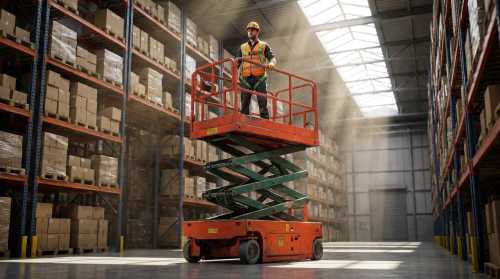
Designing A Multi-Layer Access Control Scheme
Multi-layer access control is the most practical way to solve how to keep people from stealing scissor platform keys. The idea is simple: even if one layer fails, the others still protect the machine. In a typical facility, you combine policy, physical hardware, and electronic tracking into one integrated scheme.
At minimum, your scheme should address:
- Who can access which scissor platform lift, and when
- Where keys are stored and how they are issued
- How you detect missing keys or unauthorized use
- How you respond to alarms, losses, and incidents
Typical layers in a secure scissor lift key program
Most facilities use a combination of physical key security, electronic monitoring, and operator training. Adding remote sensors on the machine itself further reduces theft and misuse risks. This layered approach is flexible enough for warehouses, plants, and outdoor construction sites.
A practical multi-layer scheme can be structured as follows.
| Security Layer | Primary Purpose | Typical Controls | Impact On Key Theft |
|---|---|---|---|
| Policy & Procedures | Define who may access keys and lifts | Written key control policy, issue/return rules, loss reporting, audits Cited Text or Data | Reduces casual misuse; creates accountability |
| Physical Key Security | Slow or block unauthorized key access | Lockable metal key cabinets, restricted rooms, unique keying, tamper-evident seals Cited Text or Data | Makes opportunistic theft difficult |
| Electronic Key Management | Track who took which key and when | PIN or biometric access, RFID-tagged keys, real-time tracking, audit logs Cited Text or Data | Strong deterrent; simplifies investigations |
| Machine-Level Deterrence | Detect tampering or unauthorized movement | Motion/vibration sensors, light sensors, cellular alerts Cited Text or Data | Allows rapid response to theft attempts |
| Training & Enforcement | Align workforce behavior with controls | Operator training, supervisor checks, disciplinary ladder Cited Text or Data | Reduces “friendly” key sharing and shortcuts |
To implement this scheme, start with a written key control policy. Define issuing, tracking, and reporting rules, and schedule regular key audits to catch discrepancies early. These audits should verify inventory accuracy and review access records to confirm only authorized personnel used keys. Cited Text or Data
Next, choose appropriate storage: small sites may use lockable steel cabinets; larger sites benefit from electronic key cabinets with PIN or biometric access and built‑in audit trails. These systems can log who removed a aerial platform key, at what time, and for which machine, which directly addresses how to keep people from stealing scissor lift keys through traceability rather than just physical hardness. Cited Text or Data
- Require unique logins (PIN or biometric) for every key checkout
- Limit each operator to the specific lift types they are trained on
- Set automatic alerts when keys are overdue or removed outside shift hours
- Run monthly reports to spot unusual patterns (e.g., same person pulling keys off-shift)
Finally, add remote sensors on high-value or remote lifts. Compact motion and vibration devices with passive infrared sensors, GSM connectivity, and long-life rechargeable batteries can send encrypted alerts to phones when a lift is disturbed during off-hours. Cited Text or Data You can schedule alerts only between, for example, 8 PM and 5 AM so normal daytime use does not trigger alarms. Cited Text or Data
Checklist: Building your multi-layer scheme
- Write and approve a formal scissor lift key control policy
- Centralize key storage in a controlled, lockable location
- Assign key custodians and define their responsibilities
- Implement electronic key tracking where risk or volume is high
- Install remote sensors and alerts on at-risk scissor lifts
- Integrate key control into operator training and supervision
- Schedule and document regular audits and incident reviews
Integrating Security With Training And Maintenance

Key security works only if it is embedded into daily training and maintenance. Operators must understand that controlling access to keys is part of their safety responsibilities, not just an anti-theft measure. This integration also aligns with OSHA requirements that only trained personnel operate scissor lifts. Cited Text or Data
During operator training, include a dedicated module on how to keep people from stealing scissor lift keys and misusing equipment. Link key control to other familiar safety topics such as guardrails, fall protection, and pre-use inspections, so operators see it as one system. Cited Text or Data
- Explain why keys are restricted and how unauthorized use leads to incidents
- Demonstrate the key sign-out process step by step
- Clarify that sharing keys or bypassing controls is a safety violation
- Practice what to do if a key is lost, stolen, or a lift is found energized
Link this training directly to daily inspections. Operators already check guardrails, safety chains, brakes, and controls before each shift. Cited Text or Data Add a simple step: “Verify key is removed and secured when lift is parked,” and, where sensors are installed, “Confirm security device status.” This keeps security checks as routine as mechanical checks.
| Process | Security Touchpoint | Training Emphasis | Maintenance Link |
|---|---|---|---|
| Pre-Use Inspection | Key issued only to trained operator | Confirm operator identity and authorization | Check controls, brakes, guardrails before use Cited Text or Data |
| Operation | No key sharing; no bypassing safety devices | Safe positioning, load limits, and fall protection Cited Text or Data | Monitor for abnormal noises, leaks, or control issues |
| Parking / End of Shift | Key removed and returned; sensor armed | Importance of securing lift and keys every time | Note defects for maintenance; remove unsafe lifts from service Cited Text or Data |
| Planned Maintenance | Technician access logged via key system | Only qualified staff operate during testing | Perform preventive maintenance and functional tests Cited Text or Data |
Maintenance teams should also be part of the security loop. When they inspect controls, guardrails, and brakes, they can verify that key switches, lock cylinders, and any mounted sensors are intact and functional. Cited Text or Data Any damaged locks, missing keys, or inactive sensors should trigger immediate corrective work orders.
- Include key switches and security devices in preventive maintenance checklists
- Document any changes to locks or keys and update key inventories
- Verify sensors, mounts, and power supplies during routine inspections Cited Text or Data
- Coordinate with safety and security teams after any theft or misuse incident
Aligning training, security, and compliance
By making key control part of operator training, pre-use inspections, and scheduled maintenance, you satisfy regulatory expectations for trained operators and inspected equipment while also reducing theft risk. This integrated approach means you are not running “security” as a separate program, but as a natural extension of safe equipment operation.
Final Thoughts On Scissor Lift Security Strategy
Effective scissor lift security does more than stop theft. It prevents untrained use, reduces incident rates, and strengthens regulatory compliance. When you control keys, you also control who can expose the lift to overload, poor ground conditions, or unsafe positioning. That engineering control directly supports OSHA and ANSI duties for stability, fall protection, and safe operation.
The most reliable results come from a layered design. Combine clear policies, restricted key storage, and electronic tracking with machine‑level sensors and physical barriers. Each layer compensates for gaps in the others. Audit trails, sign‑out logs, and remote alerts then turn security from guesswork into hard data. Supervisors can see patterns, close loopholes, and prove due diligence after an incident.
Operations and engineering teams should treat key security like any other critical safeguard. Build it into operator training, pre‑use inspections, and maintenance plans. Define ownership, measure performance, and correct weaknesses quickly. When you apply this structured approach across your fleet, every scissor platform, including Atomoving units, stays harder to steal, harder to misuse, and safer to operate day after day.
Frequently Asked Questions
How can I prevent unauthorized use of scissor lift keys?
To prevent theft or unauthorized use of scissor lift keys, you can implement several security measures. Start by using a key tracking system to monitor who has access to the keys. Store keys in a secure lockbox that only authorized personnel can access. Consider upgrading to equipment with electronic keyless ignition systems, which require a code or RFID tag to operate. This eliminates the need for physical keys altogether.
- Use a key tracking log or software system.
- Store keys in a locked key cabinet or safe.
- Upgrade to scissor lifts with keyless entry systems.
- Implement strict access control policies for equipment usage.
What are the benefits of using keyless ignition systems for scissor lifts?
Keyless ignition systems provide an extra layer of security and control over your equipment. These systems often require unique user codes or RFID tags, making it easier to track who operates the machine. They also eliminate the risk of lost or stolen keys, reducing downtime and maintenance costs. Additionally, keyless systems can be programmed to restrict access during specific hours or to certain authorized users, improving overall safety on the worksite.