
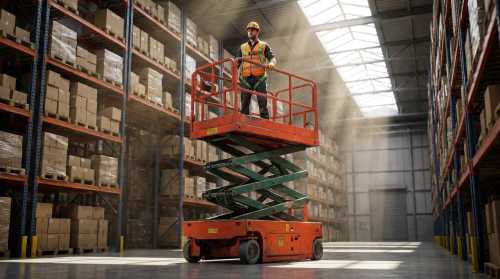
Learning how to get aerial work platform operation certificate is critical if you work at height, manage site safety, or hire powered access equipment. This guide walks through current certification types, regulatory expectations, and the exact training steps from entry requirements to final assessment. You will see how theory, hands-on practice, inspections, and recertification fit together to reduce risk and meet OSHA, ANSI, and local rules. Use it as a practical roadmap to plan compliant training for yourself or your workforce, and to set clear technical standards for safe aerial platform operation.
Understanding AWP Certification And Safety Standards
What Counts As AWP Certification Today
Today, an Aerial Work Platform (AWP) certification is a documented proof that an operator has completed formal theory training, hands‑on practice, and a practical skills evaluation on specific types of powered access equipment. A typical course combines around one full day of classroom instruction with practical operation of the machines, with duration of the hands-on portion adjusted to the operator’s prior experience Aerial Work Platform operator training is an 8-hour theory class followed by practical training. To meet regulatory expectations for how to get aerial work platform operation certificate, the program must cover safe operating procedures, load handling, startup and shutdown, and pre-operational checks of the equipment Pre-operational checks, load handling, and safe operating procedures are part of the curriculum. On successful completion, the trainee receives either a Powered Access License (PAL) card or an AWP operator certificate, typically valid for about three to five years depending on the scheme PAL cards are issued for 5 years Some AWP certificates are valid for three years. In most jurisdictions, certification is machine‑category specific, so operators are qualified only for the AWP types listed on their card, such as mobile vertical platforms, mobile booms, or static booms Training covers categories like Static Boom (1B), Mobile Vertical (3A), and Mobile Boom (3B).
- Formal theory session (regulations, hazards, safe use).
- Practical operation and pre-start inspections on real machines.
- Documented practical assessment of skills.
- Issue of a time‑limited card or certificate tied to equipment categories.
Core OSHA, ANSI, And Local Regulatory Requirements
From a compliance standpoint, learning how to get aerial work platform operation certificate starts with understanding OSHA, ANSI, and local rules that define what “qualified” means. In the U.S., aerial lift training must satisfy OSHA standards such as 1926.453 and 1926.454, which require instruction in fall protection, safe operating practices, and emergency procedures for aerial lifts and scissor platforms Training programs are designed to satisfy OSHA 1926.453 and 1926.454. ANSI-based programs add requirements for personal fall restraint or arrest systems, pre‑shift inspections of the vehicle, lifting structure, and work area, and training in electrical hazard avoidance near power lines Standards emphasize pre-shift inspections, fall protection, and electrical hazard prevention. Certification must also include a documented practical assessment where the operator demonstrates safe setup, operation, and securing of the aerial platform before they are allowed to work independently Practical assessments cover inspections, setup, operation, and securing the equipment. Many regions further require that trainees complete fall protection training as a prerequisite and that employers retrain operators at least every three years or sooner after poor performance, long inactivity, new technology, or an incident Retraining is required every 3 years or sooner if performance deteriorates or new technology is introduced Some programs specify three-year certificate validity and prerequisite fall protection training.
- OSHA: Requires formal instruction, hands‑on training, and evaluation; focuses on fall protection and safe use.
- ANSI: Adds detailed rules on fall arrest/restraint systems, inspections, and safe distances from electrical hazards.
- Local / provincial rules: Define certificate validity periods, prerequisite courses, and documentation duties for employers.
- Recertification: Typically every 3–5 years, or earlier after incidents, new equipment, or skill concerns.
Step-By-Step Path To Your Aerial Work Platform License
Entry Requirements, Prerequisite Training, And PPE
If you are asking how to get aerial work platform operation certificate, start by confirming you meet your provider’s minimum age, medical, and language requirements. Many programs require prior fall protection training so you understand harness use, anchor points, and basic work-at-height risks before you touch an aerial platform. You also need the correct personal protective equipment (PPE), which typically includes:
- Safety footwear with slip-resistant soles
- Hard hat with chin strap where required
- Full-body harness and adjustable restraint or lanyard, inspected within the last 12 months for certain categories safety equipment requirement
Training providers also check that candidates can physically access and operate the controls and can concentrate through a full training day. Having basic mechanical awareness and experience around construction or industrial sites helps but is not mandatory.
Classroom Theory: Regulations, Hazards, And Load Calculations
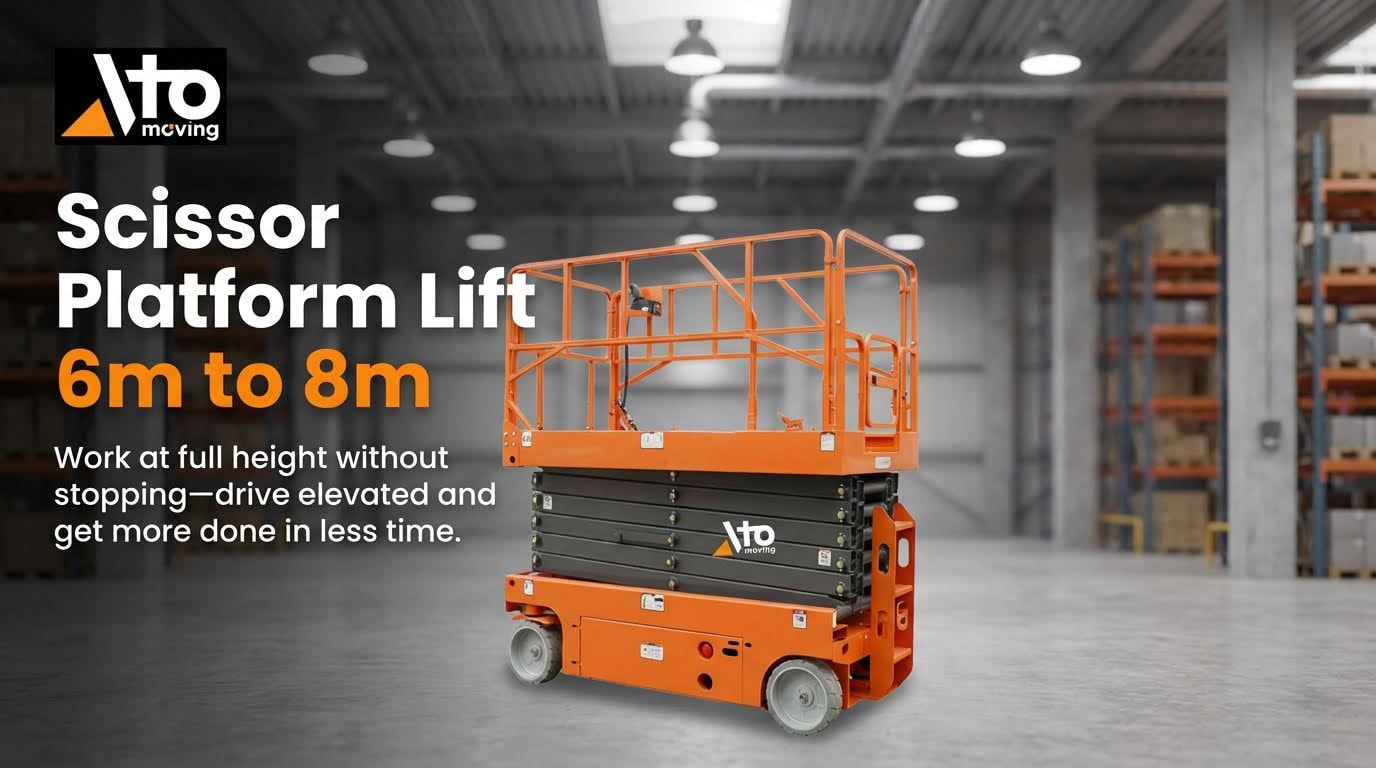
The first structured step in how to get aerial work platform operation certificate is classroom theory. Courses typically run as a full-day or 8-hour theory module that explains regulatory duties, safe operating practices, and manufacturer instructions course duration. Content is designed to satisfy requirements similar to OSHA aerial lift standards, which call for formal instruction on fall protection, safe operation, and emergency response training standards compliance.
- Regulations and responsibilities: Federal, state/provincial, and local rules for aerial lifts, plus employer and operator legal duties regulatory compliance.
- Hazard identification: Power lines, weather, ground conditions, traffic, and pedestrian exposure are analyzed using real scenarios hazard awareness.
- Fall protection and PPE: Correct selection, fitting, inspection, and tie-off methods for harnesses, lanyards, and guardrails fall protection requirements.
- Load and stability calculations: How to calculate total platform load (people, tools, materials) and compare it to the rated capacity to prevent overload and tip-over load capacity calculations.
Theory modules also cover pre-shift inspection checklists, safe travel and elevation practices, and electrical hazard clearances, so you understand the physics and limits of your machine before going outside.
Practical Training, Evaluation, And PAL / Certificate Issuance
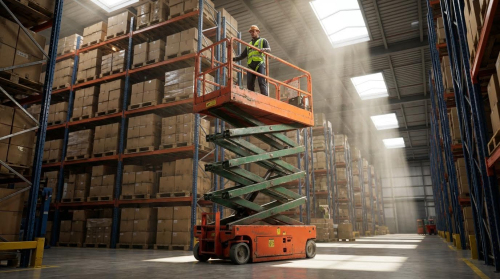
After theory, you move into hands-on training, which is essential in how to get aerial work platform operation certificate. Practical sessions include familiarization with controls, pre-start inspections, function tests, and real maneuvering exercises around obstacles equipment operation and inspection. Instructors demonstrate and then observe you performing:
- Daily walk-around and pre-operational checks, including startup and shutdown pre-operational inspection.
- Function tests of all controls and safety devices before use function tests.
- Safe elevation, travel, positioning near structures, and emergency lowering procedures operator training focus.
- Application of safe operating procedures for load handling and pedestrian safety safe operating procedures.
To qualify, you must pass both a written theory test and a practical skills assessment that proves competence in inspection, setup, operation, and securing the equipment practical assessment requirements. Successful candidates receive a certificate or Powered Access License card, commonly valid for about three to five years depending on the scheme PAL card validity certification validity. The result is documented proof that you completed formal instruction, hands-on training, and evaluation that align with modern regulatory expectations for aerial work platform operators OSHA-compliant certification.
Technical Skills, Equipment Types, And Recertification
Pre-Operation Inspection, Function Tests, And Safety Devices
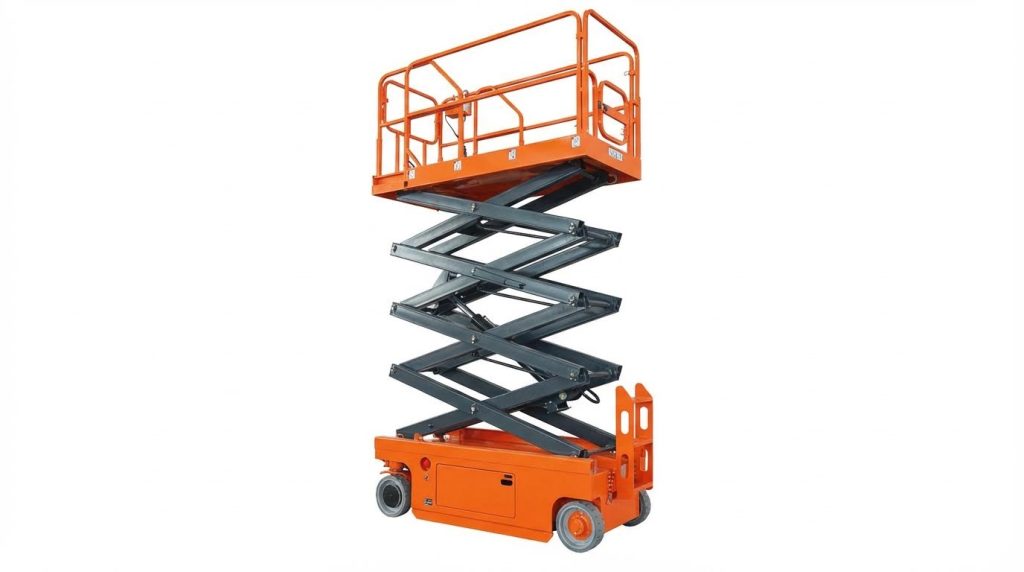
Knowing how to get aerial work platform operation certificate is not enough; you also need strong inspection discipline. A proper pre-operation inspection must be carried out every time the aerial platform is put into service, including a full function test of all controls and safety devices before use pre-operation inspection and function tests. Operators typically check the chassis, platform, guardrails, hydraulic systems, tires, steering, brakes, emergency lowering systems, and decals. Training courses teach pre-start checks, start-up and shutdown procedures as core skills pre-operational checks and procedures. Modern AWPs also include safety devices such as weight sensors to prevent operation when rated capacity is exceeded, and wind speed sensors that warn the operator or require lowering the platform in high winds safety devices on aerial lifts. Formal certification training reinforces that these inspections must be documented and that any defect affecting safe operation requires tagging the unit out of service until repaired.
- Daily visual walk-around and structural checks
- Function tests of lift, drive, steering, and emergency stop controls
- Verification of guardrails, gates, and platform entry points
- Confirmation that safety interlocks, sensors, and alarms operate correctly
Operating Different AWP Types And Fuel Technologies

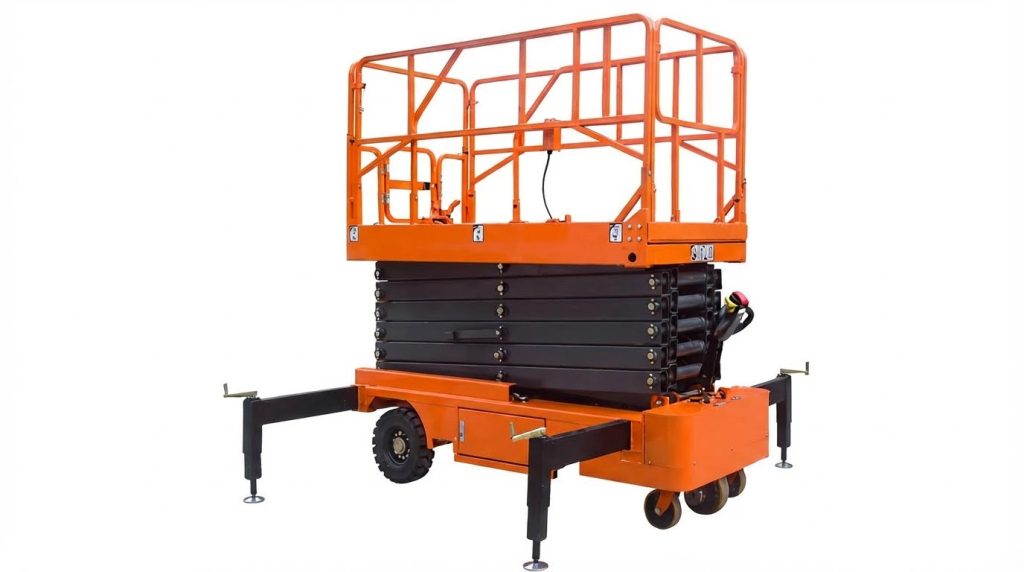
When people research how to get aerial work platform operation certificate, they often overlook that training is category-specific. Operator courses cover multiple AWP types, such as mobile vertical platforms (scissor platform), mobile booms, static booms, and vertical mast lifts, each with different stability limits and operating envelopes types of aerial lifts and their characteristics. Training explains how platform height, outreach, and load center affect tipping risk, and how ground conditions and slope influence safe setup. Courses also address operation around power lines, minimum approach distances, and recognition of electrical hazards hazard awareness and electrical risks. Fuel and power technologies are another key skill area: operators learn safe handling and charging of battery-powered units, as well as refueling and ventilation requirements for propane or other internal-combustion machines fuel source training. This mix of equipment-specific and fuel-specific training ensures operators can select the right AWP for the job and operate it within its design limits.
| AWP Skill Area | Key Competencies Taught |
|---|---|
| Equipment category | Differences between vertical, articulating boom, and telescopic boom platforms |
| Load handling | Calculating total platform load and comparing to rated capacity to prevent overloads load capacity calculations |
| Fuel / power system | Battery charging, propane cylinder handling, and ventilation requirements fuel source training |
| Worksite hazards | Ground conditions, pedestrians, traffic routes, and overhead obstructions hazard awareness and pedestrian safety |
Validity Periods, Retraining Triggers, And Advanced PAL+ Paths
Understanding certification validity and renewal is a core part of how to get aerial work platform operation certificate and keep it current. Standard AWP or aerial lift certificates commonly remain valid for about three years, after which recertification is required to stay compliant three-year certification validity and recertification. However, retraining may be needed sooner if the operator shows poor performance, has not used the equipment for an extended period, is involved in an incident, or is assigned to a machine with new technology or significantly different controls retraining triggers for aerial work platform operators. Some schemes issue a powered access license card with a five-year validity, after which operators must renew through refresher training and testing to demonstrate continued competence license validity and renewal. For higher-risk environments, an advanced “plus” course is available as an additional one-day program; it requires a theory test, practical test, and interview, and the advanced qualification is valid for five years, with renewal dependent on maintaining a detailed operating logbook with minimum activity levels over that period PAL+ course structure, validity, and logbook requirements. Employers should track expiry dates and retraining triggers in a competency matrix to ensure only currently certified operators are assigned to AWP tasks.
Typical recertification and advanced path overview
- Standard certificate validity: often 3 years for many AWP training programs three-year certificate validity
- License card schemes: operator cards commonly valid up to 5 years before renewal powered access license validity
- Retraining triggers: accidents, unsafe behavior, long inactivity, or new equipment technologies retraining requirements
- Advanced PAL+ style paths: one-day high-risk course with practical, theory, and interview, valid 5 years and linked to logbook evidence PAL+ course details
Final Checklist And Strategic Takeaways For Employers

Employer AWP Certification Compliance Checklist
Use this checklist to standardize how to get aerial platform operation certificate pathways across your sites and stay compliant. Ensure every operator completes a formal program that includes both classroom theory and practical, hands-on training, not just informal familiarization. Programs should cover safe operating practices, fall protection, emergency procedures, and hazard awareness to align with relevant safety standards and regulations. Many structured courses deliver a full day of theory and practical work, often around 8 hours for the classroom component alone. Aerial Work Platform operator training is commonly structured as an 8-hour theory class followed by practical training.
- Verify that training includes pre-operation inspections, startup/shutdown procedures, and function tests of all controls and safety devices every time the machine is put into service. Pre-operation inspections and function tests are required each time equipment is used.
- Confirm that training and certification meet applicable OSHA or equivalent national standards, including fall protection, safe operating practices, and emergency procedures. OSHA-compliant aerial lift programs cover fall protection, safe operation, and emergency response.
- Require a documented practical assessment where operators demonstrate inspections, setup, operation, and securing the equipment before you authorize them to work. Practical assessments must verify inspection, setup, operation, and shutdown skills.
- Track certificate validity periods and set reminders for recertification, typically on a 3–5 year cycle depending on the scheme used. Many aerial lift certifications remain valid for three years and some AWP certificates are issued with a three-year validity.
Safety-Critical Training Content Employers Must Demand
To control risk, employers should insist that any scissor platform certification course goes beyond basic machine controls. Content must include load calculation and capacity checks so operators can verify that the combined weight of personnel, tools, and materials stays within platform ratings, reducing tip-over risk. Training should also address safe operating procedures such as correct platform positioning, securing loads, and pedestrian safety around the work zone. Typical AWP courses review safe operating procedures, load handling, and proper placement.
- Ensure operators learn to identify and control hazards from adverse weather, unstable ground, power lines, and overhead obstructions. Modern AWP courses include hazard identification for weather, power lines, and ground conditions.
- Require specific instruction on fall protection systems, including harness use where applicable, anchor points, and inspection routines. Fall restraint or fall arrest systems are mandatory during aerial lift operation.
- Check that courses cover different AWP types and fuel technologies, including battery and propane systems, so operators understand varied start-up, refueling, and charging hazards. Training often includes equipment powered by different fuel sources such as battery and propane.
- Verify that electrical hazard prevention near power lines is addressed, with clear minimum approach distances and planning guidance. Aerial lift training commonly covers safe operation around electrical lines to prevent electrocution.
Strategic Takeaways: Building A Sustainable AWP Competency Program
Employers who want a robust, repeatable process for how to get aerial work platform operation certificate status for teams should think in terms of a full competency program, not one-off courses. Start by setting a corporate standard that all operators must complete an OSHA-equivalent, documented training and evaluation path before being authorized. Distinguish clearly between “general awareness” training and full, regulation-compliant certification that includes formal instruction, hands-on practice, and documented performance evaluation. General training alone does not meet OSHA requirements; compliant certification must include formal instruction, practical training, and evaluation.
- Integrate pre-operation inspections and function tests into daily routines and supervisor checklists so they become habitual, not optional. Pre-operation inspections and control function tests are required every time the machine is put into service.
- Plan for recertification and refresher training at least every three years, and sooner after incidents, near misses, or introduction of new equipment or technology. Retraining is required at least every three years or sooner if performance deteriorates or new technology is introduced.
- Use advanced or higher-risk courses (such as extended-height or complex-environment options) for supervisors and key operators who handle the most demanding tasks, and maintain logbooks or competency records for them. PAL+ higher-risk training includes additional theory, practical tests, and logbook requirements over a five-year validity period.
- Finally, align HR, safety, and operations so that job descriptions, permits-to-work, and contractor controls all reference your internal AWP competency standard, closing the loop between policy and field practice.
Final Checklist And Strategic Takeaways For Employers
A strong aerial work platform program blends certified training, disciplined inspection, and strict equipment limits into one system. Classroom theory builds a base in regulations, hazards, and load calculations so operators understand why rules exist, not just what they are. Practical training then turns this into muscle memory through repeatable routines: pre-use checks, function tests, safe travel, elevation, and emergency actions.
Category-specific instruction keeps each operator inside the safe working envelope of the exact machine they use. Load, reach, and ground limits are treated as hard engineering boundaries, not guidelines. Daily inspections and documented defect reporting stop marginal equipment from reaching the workface. Recertification and retraining close the loop when skills fade, incidents occur, or new technology arrives.
For employers, the best practice is clear. Treat AWP certification as an ongoing competency program, not a one-time card. Require OSHA-equivalent training, written and practical evaluation, and proof of current status before every assignment. Build pre-use inspections, function tests, and recertification dates into your safety management system. When you pair trained operators with well-maintained Atomoving platforms and tight supervision, you sharply cut fall, crush, and tip-over risk while staying compliant and productive at height.
Frequently Asked Questions
How to Get an Aerial Work Platform Operation Certificate?
To get certified for operating an aerial work platform (AWP), you need to complete a training program from an accredited provider. The process typically involves three steps:
- Complete the educational material provided by the training program.
- Pass an assessment or test to demonstrate your knowledge.
- Undergo an in-person evaluation to confirm your practical skills. Boom Lift Certification Guide.
Is AWP Certification Required?
Yes, certification is required to operate or supervise aerial work platforms. This certification ensures that you are trained to use the equipment safely and effectively. It validates your competence and understanding of safety protocols. AWP Certification Details.