
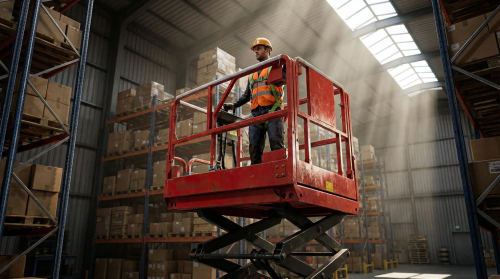
If you work with mobile elevating work platforms, you have probably asked yourself what type of MEWP is a scissor lift and how that affects safety, specs, and selection. This article explains exactly where scissor lifts sit in the MEWP classification system, including Group A vs. Group B and Types 1–3. You will see how platform motion, stability, and control locations drive the official group and type, and how current standards shape design and operation. Use this guide to match the right aerial platform to your jobsite, floor capacity, and compliance requirements with confidence.
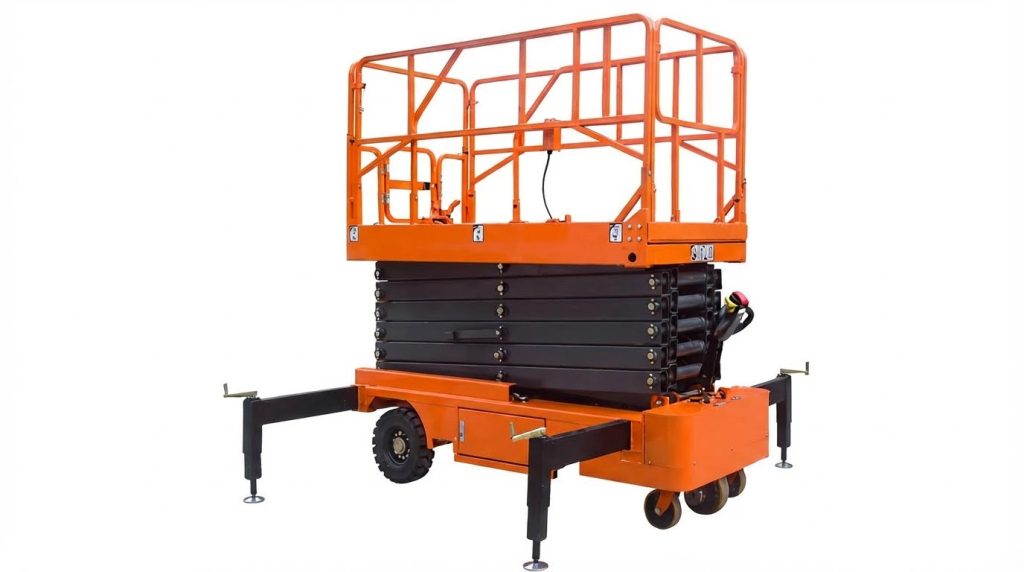
MEWP Basics And Where Scissor Lifts Fit
How MEWPs Are Grouped And Typed
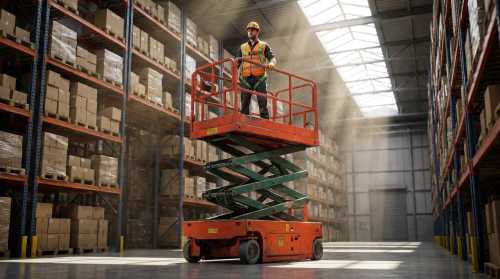
MEWPs are classified first by group, based on how the platform moves relative to the machine’s tipping lines. Group A machines move the platform only vertically and keep it within the footprint of the chassis, while Group B machines can reach beyond the chassis or tipping lines, as with boom-type lifts. Scissor lifts are listed in Group A; boom lifts in Group B. MEWPs are then divided into Types 1, 2, and 3 based on whether they can drive while elevated and where the travel controls are located. Type 1 travels only when stowed, Type 2 travels elevated with chassis controls, and Type 3 travels elevated with platform controls. Understanding this structure is essential when you ask what type of mewp is a scissor lift, because both the group and the type affect safe use and allowed motions.
Why Scissor Lifts Are Classified As Group A
Scissor lifts raise and lower the work platform straight up and down on crossed-beam mechanisms, so the platform stays inside the machine’s tipping lines instead of reaching out over obstacles. This vertical-only motion is why standards and guidance place scissor lifts in MEWP Group A, alongside other platforms that do not extend beyond the chassis. Group A is defined as MEWPs that move vertically but remain within the tipping lines, which matches scissor lift geometry and stability behavior. In contrast, Group B boom-type machines can articulate or telescope out past the base, creating different overturn and collision risks. When you define what type of mewp is a scissor lift in engineering terms, the key reason it is Group A is its constrained vertical motion and its center of gravity staying over the chassis during normal operation.
Scissor Lift Group A, Type 1–3: Technical Details
Platform motion, stability, and tipping lines
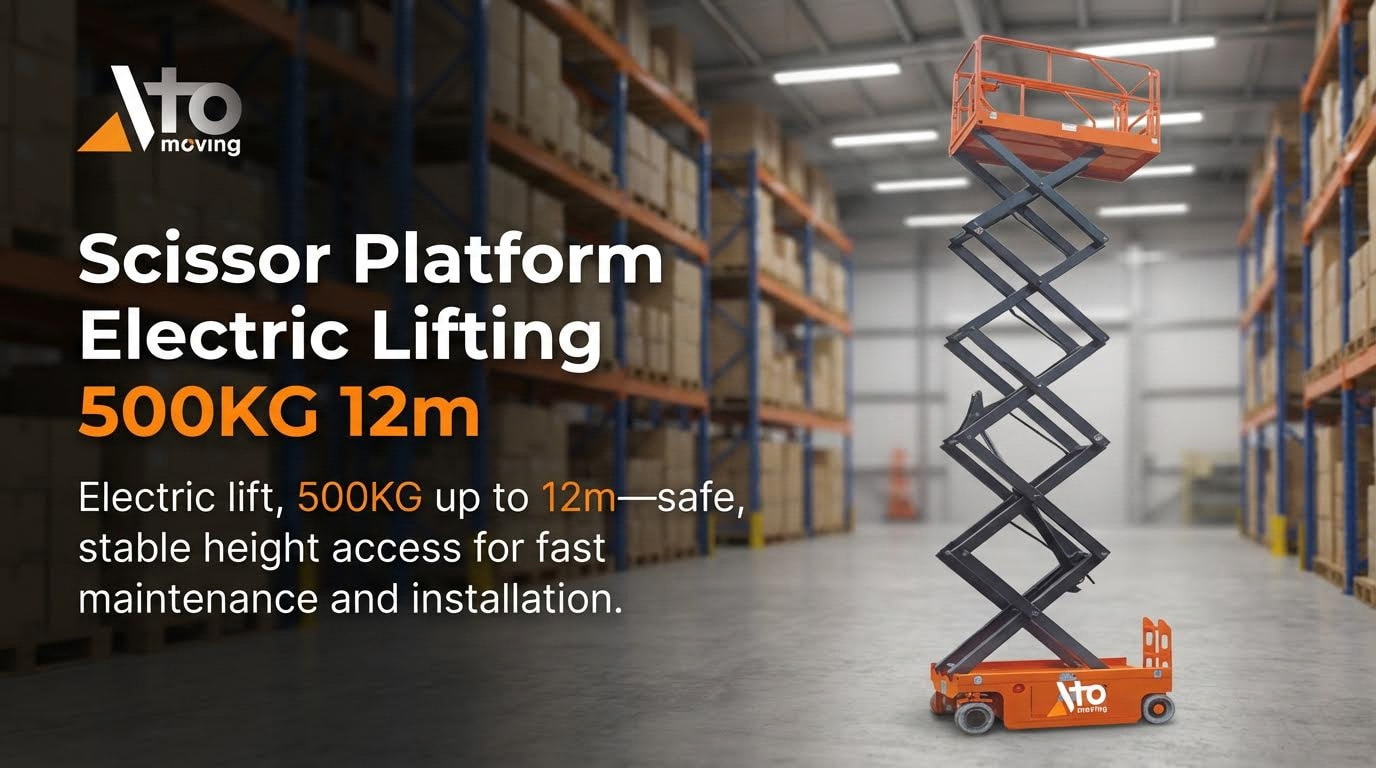
In MEWP terms, what type of MEWP is a scissor lift is defined first by its motion and stability characteristics. Scissor lifts are Group A because the platform moves almost straight up and down and stays within the machine’s chassis or tipping lines, unlike booms that reach outside the base footprint. Group A includes scissor lifts that move vertically but remain within the chassis or tipping lines. Stability depends on operating on firm, level ground, respecting the rated platform load, and never using external devices (ladders, blocks) to gain extra height. To prevent tip-overs, guidance requires using the lift only on suitable surfaces, not moving it while elevated unless allowed by the manufacturer, and limiting outdoor work to defined wind speeds. OSHA notes scissor lifts must be on firm, level surfaces and not moved while elevated unless permitted.
Drive and control configurations (Type 1, 2, 3)
Once you know what type of MEWP is a scissor lift in terms of Group (A), the next step is the Type, which describes how and when it can travel. Types are defined as:
- Type 1: Travel only with the platform fully stowed.
- Type 2: Travel with the platform elevated, but all drive/steer controls are at the chassis.
- Type 3: Travel with the platform elevated, with controls at the platform.
These definitions apply to all MEWPs and are widely used in standards and training. Type 1 can only travel stowed, Type 2 travels elevated with chassis controls, and Type 3 travels elevated with platform controls. Many modern self-propelled scissor lifts fall into Group A, Type 3, because they drive while elevated using platform controls, though some smaller or trailer units are Group A, Type 1.
Standards, safety features, and compliance (ANSI/CSA/OSHA)
Understanding what type of MEWP is a scissor lift also means matching it to the right standards and safety features. In the USA, self-propelled elevating work platforms must comply with the relevant A92 design and safe-use standards, while Canada uses the CSA B354 series for design, inspection, and training. The CSA B354.6/7/8 standards set design, maintenance, and operator training requirements. Newer MEWPs built after recent standard updates include load and tilt sensing, enhanced wind stability requirements, taller guardrails, toe-boards, and gates that are rigid rather than flexible. Post-2018 machines require load and tilt sensing, wind force criteria, toe-boards, non-flexible entrance gates, higher rails, and sustained involuntary operation controls. OSHA treats scissor lifts as mobile scaffolds and requires compliant fall protection, safe positioning away from traffic and power lines, and regular inspections before use. OSHA standards cover accident prevention, fall protection, mobile scaffold requirements, and training for scissor lift use.
Selecting The Right Scissor Lift For Your Application
Matching group and type to jobsite conditions
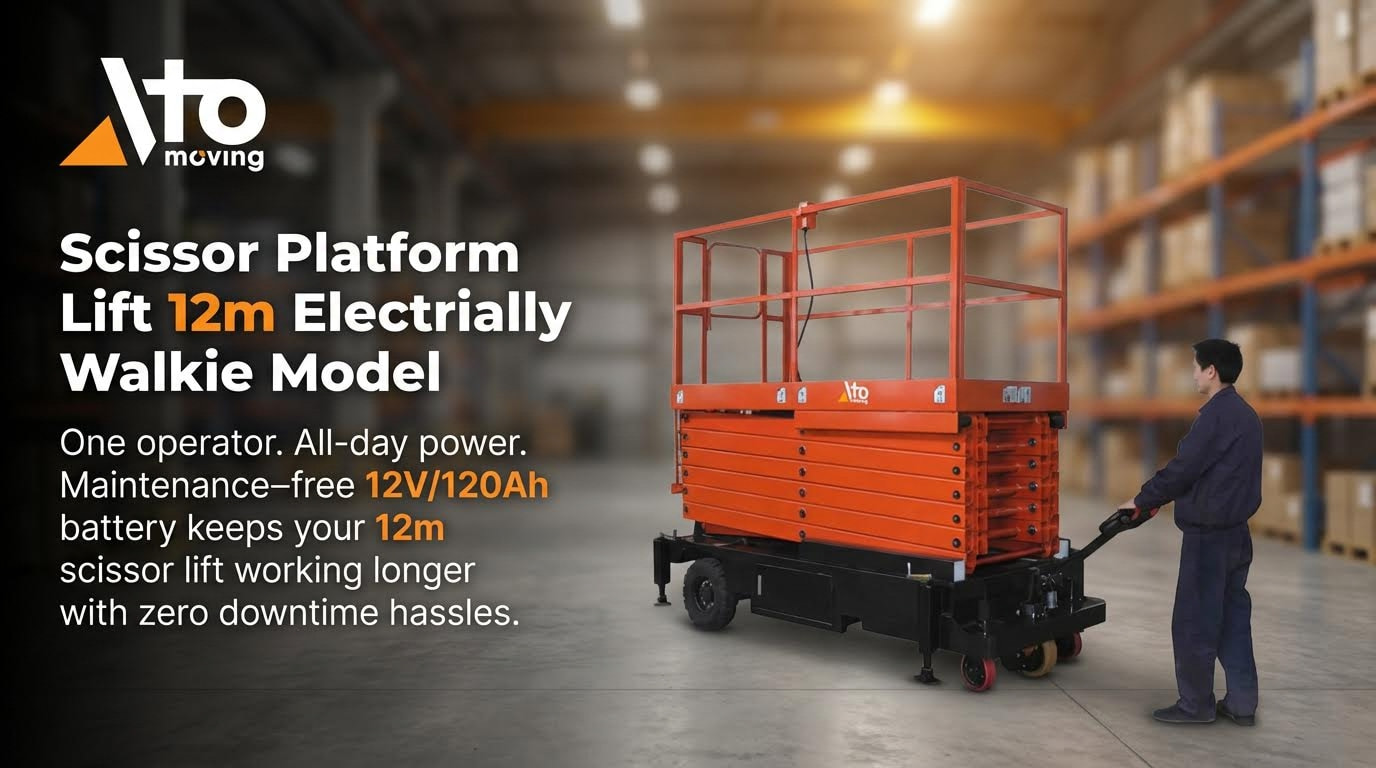
When you ask what type of MEWP is a scissor lift, you are usually dealing with Group A, Type 1–3 machines that move only vertically and stay within their tipping lines Group A scissor lifts. The right “type” depends mainly on how you need to move the machine while working and how tight the space is. Typical working heights for scissor lifts range from about 15–50 ft, so start by matching platform height and working height to the task typical scissor lift heights.
| Group / Type | When to use |
|---|---|
| Group A, Type 1 | Simple up/down work where you can reposition with platform stowed |
| Group A, Type 2 | Need to drive while elevated, but chassis controls are acceptable |
| Group A, Type 3 | Most common; need to drive and steer from the platform while elevated |
Also check whether the job is indoors or outdoors, the need to pass through doors or aisles, and how many people and tools must be on the platform at once MEWP selection factors.
Key engineering checks: loads, floors, and environment
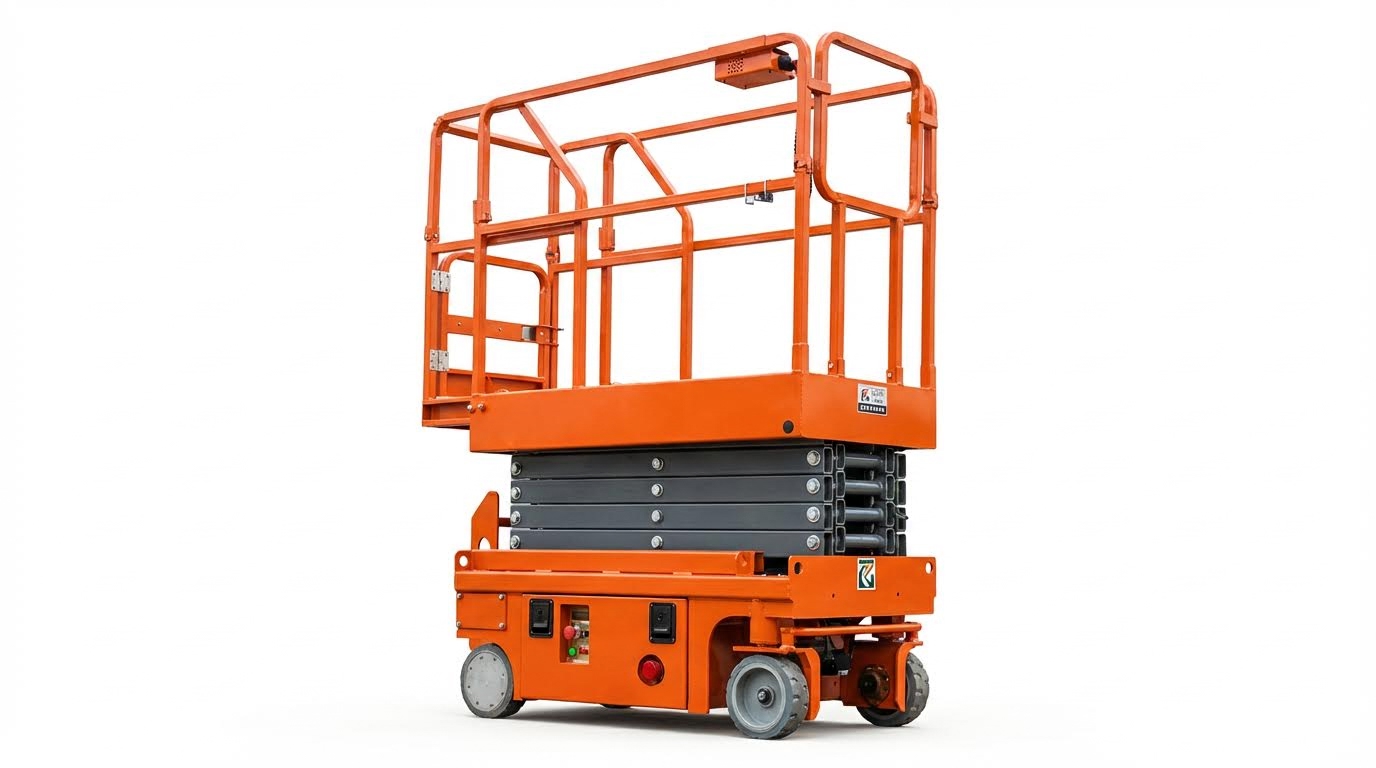
Once you know what type of MEWP is a scissor lift for your task, verify that the structure and environment can safely support it. Check the machine’s total weight and platform capacity against the floor’s Locally Concentrated Pressure (LCP) and Overall Uniform Pressure (OUP) limits so you do not overload slabs or mezzanines LCP and OUP definitions. For outdoor work, confirm the lift is rated for outdoor use and respect wind limitations; many scissor lifts were limited to wind speeds below about 28 mph in guidance and manufacturer instructions for stability reasons OSHA scissor lift stability practices.
- Verify platform rated load ≥ sum of workers, tools, and materials, with margin.
- Confirm firm, level support and avoid slopes that reduce stability tip‑over prevention.
- Maintain required clearances from power lines and overhead structures to avoid crush and electrical hazards positioning hazards.
Finally, ensure operators and occupants are trained for the specific MEWP group and type, including load limits, stability, and emergency procedures, in line with updated training standards ANSI A92.22 and A92.24.
Summary: Using MEWP Classification To Specify Scissor Lifts
MEWP group and type tell you exactly how a scissor lift can move and where it stays stable. Group A scissor lifts keep the platform within the tipping lines, so safe use depends mainly on ground conditions, structural capacity, and correct loading rather than outreach risk. Type 1–3 definitions then control when you may drive and where you stand to operate the machine, which has direct impact on collision risk and jobsite traffic planning.
Standards from ANSI, CSA, and OSHA turn these ideas into clear design and operating rules. Load and tilt sensing, guardrails, and wind limits all exist to keep the center of gravity inside a safe zone. Floor checks for LCP and OUP protect slabs from overload, while wind and slope limits protect against tip-over.
The best practice is simple. First, choose the correct Group A, Type 1–3 scissor lift for the task and space. Then verify platform height, rated load, floor capacity, and wind rating. Finally, train operators on that exact group and type, including emergency controls. When you follow this sequence, a scissor lift from Atomoving becomes a predictable, stable work platform instead of a hidden structural or safety risk.
Frequently Asked Questions
What type of MEWP is a scissor lift?
A scissor lift is classified as a vertical Mobile Elevating Work Platform (MEWP). MEWPs are powered access machines used in construction and warehousing. They come in two basic types: boom lifts (cherry pickers) and vertical lifts (scissor lifts). MEWP Types Guide.
Is a scissor lift considered a MEWP?
Yes, a scissor lift is considered a MEWP. The term MEWP is a broad category that includes scissor lifts, boom lifts, and other devices that elevate workers. If a machine can lift people to height and is mobile, it falls under the MEWP classification. MEWP Classification Details.