
400KG Manual Stacker
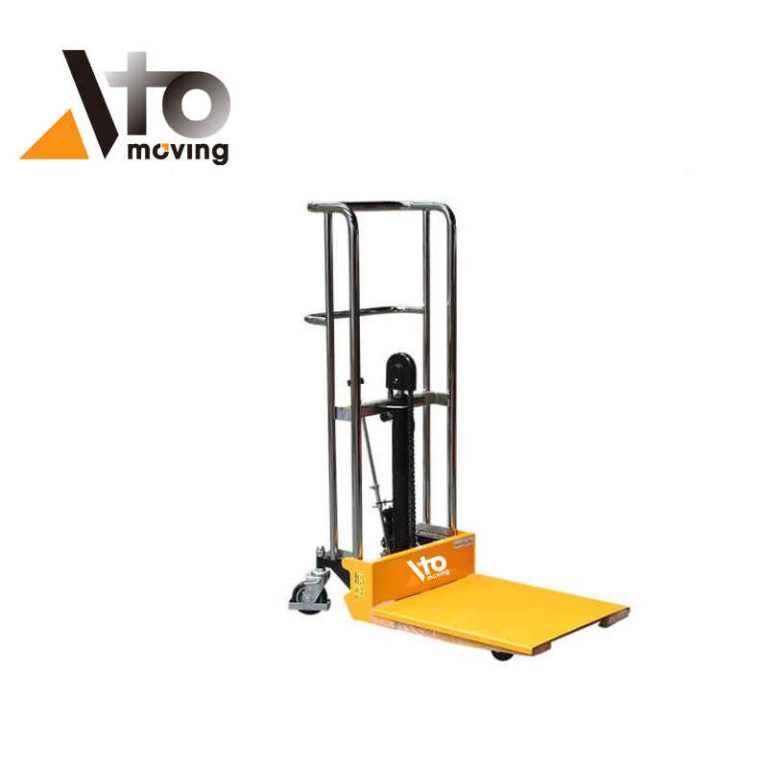
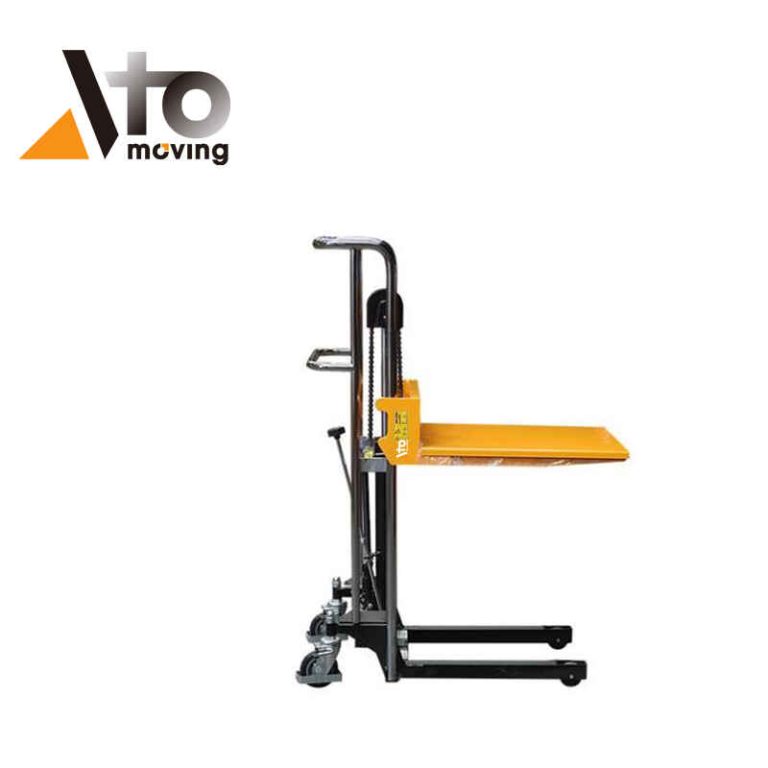
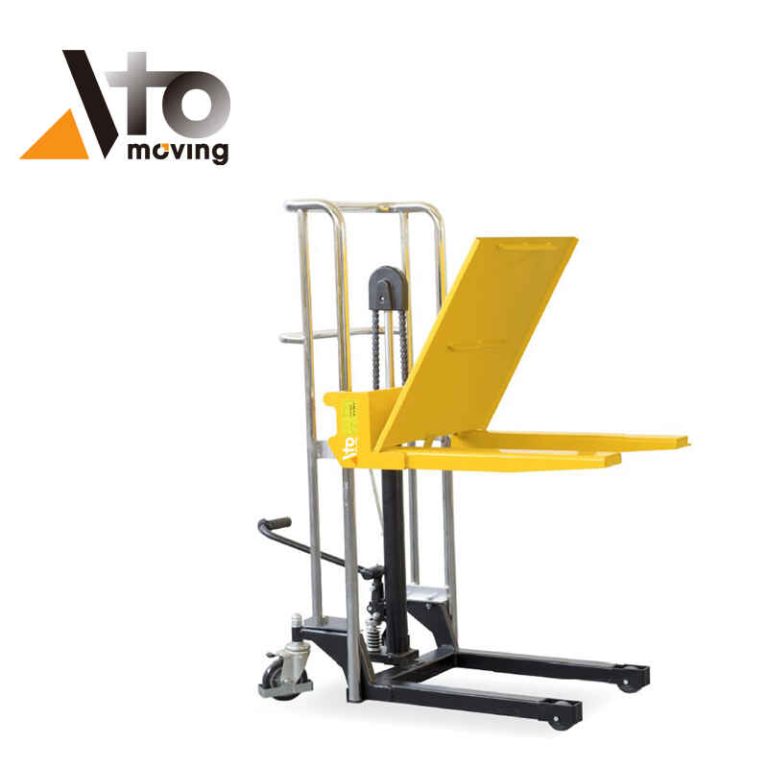
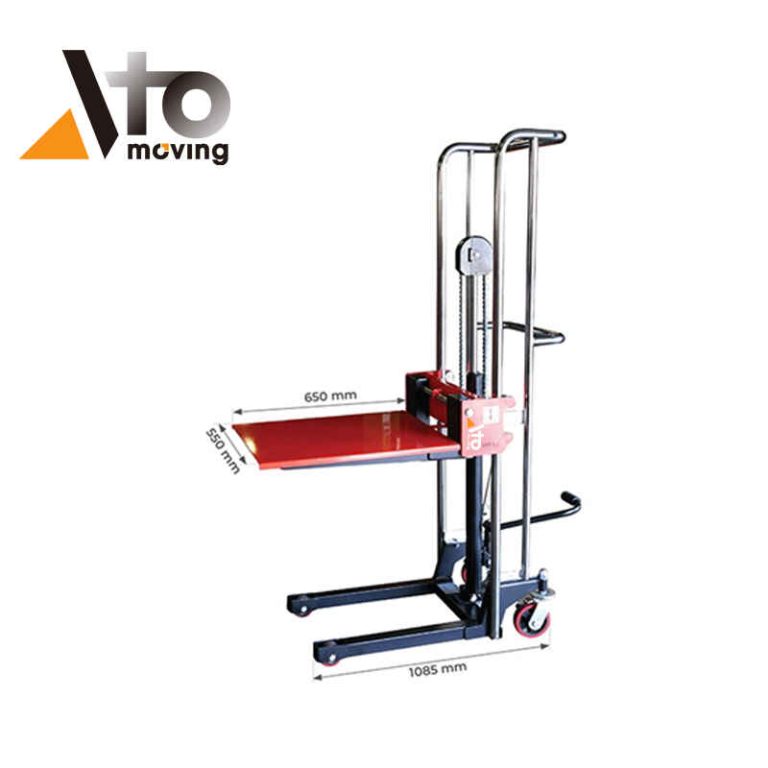
400kg Foot Pedal Hydraullic Manual Platform Stacker PF Series
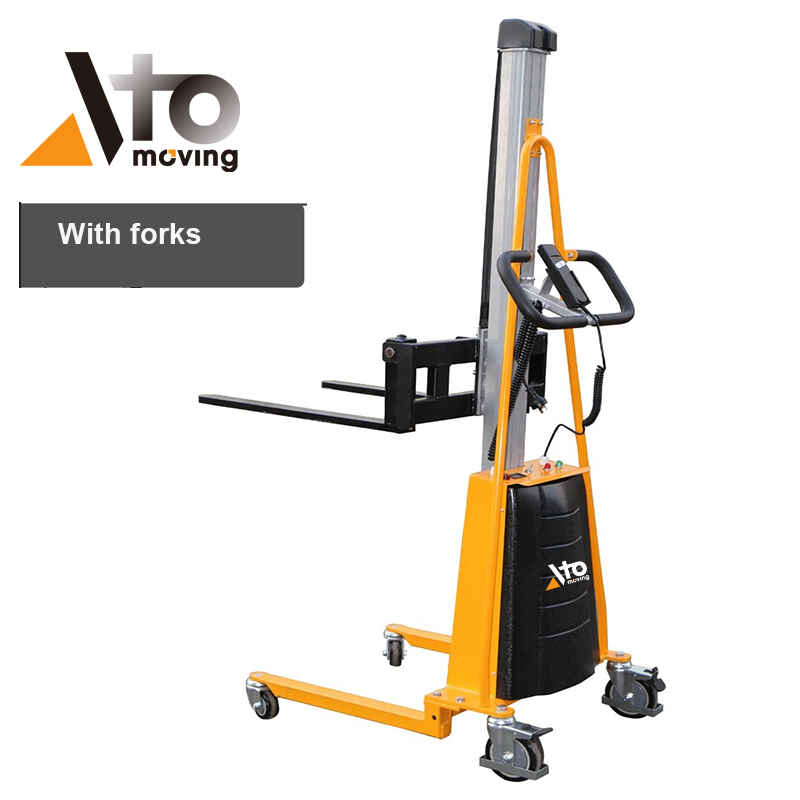
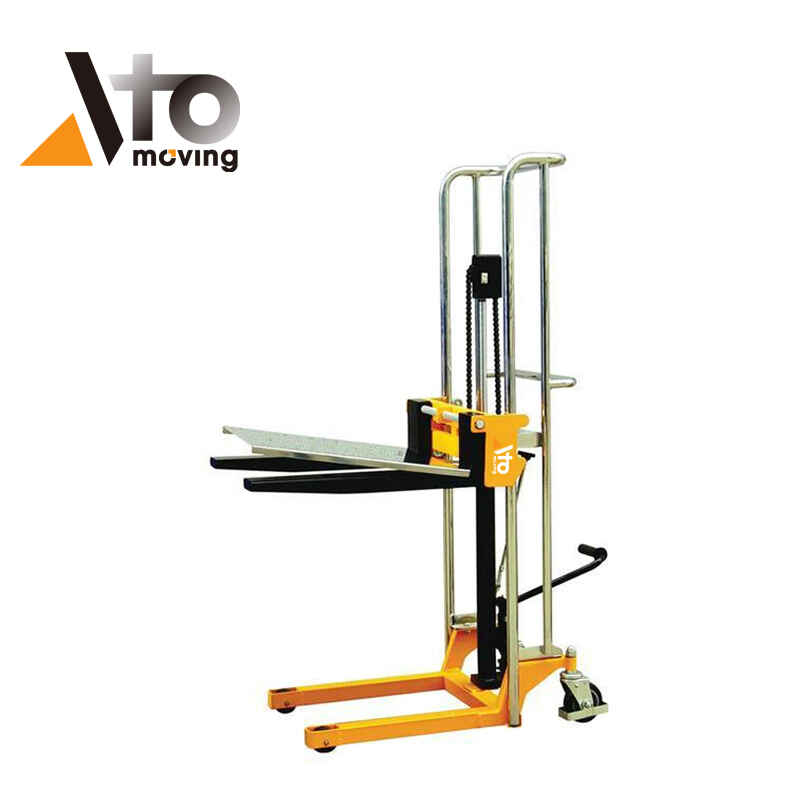
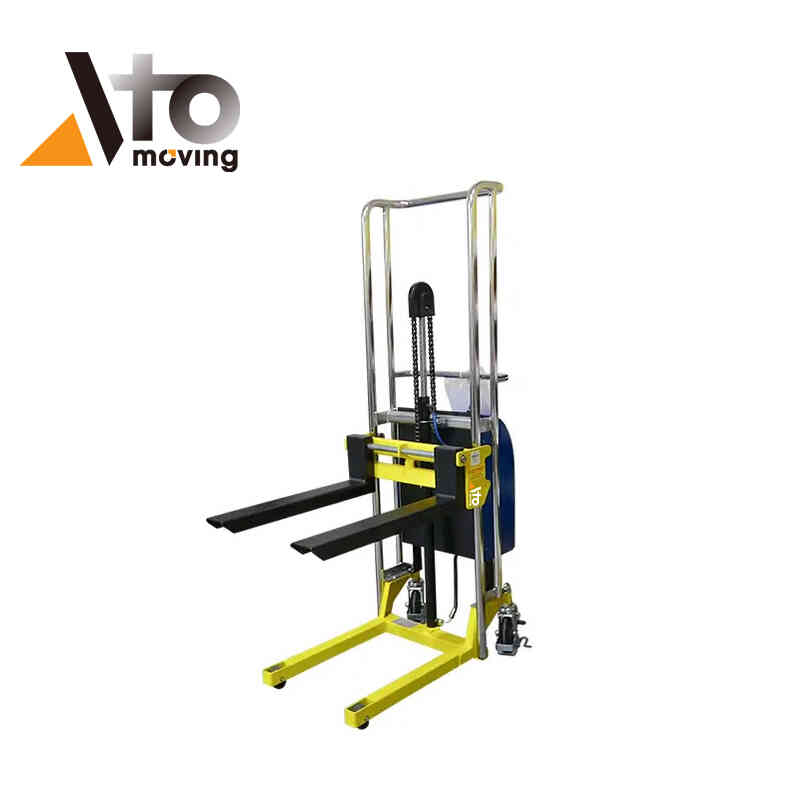
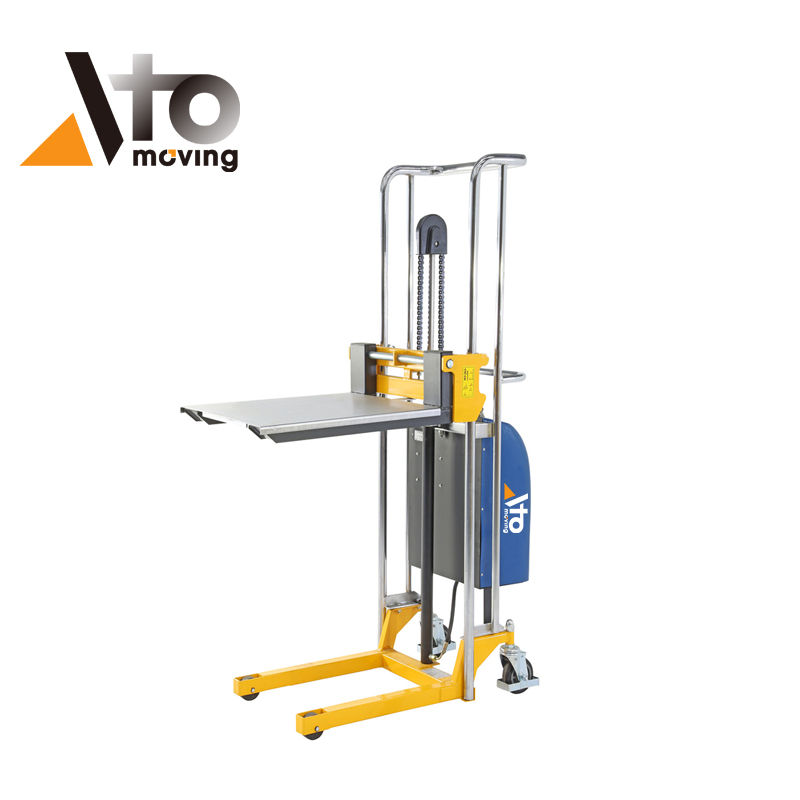
- Dual-Interface Carriage: Features a removable platform for loose cargo and fixed forks for skids, rated for a 400kg (880 lbs) load.
- Low-Profile Access: Fork lowering height of 85mm (3.3 in) enables seamless engagement with standard pallets and low-clearance skids.
- Hydraulic Safety: Integrated pressure relief valve automatically prevents system engagement if the load exceeds the rated 400kg (880 lbs) limit.
- Surface Hardening: Hard chromium-plated frame and ram construction minimizes sliding friction and provides long-term corrosion resistance.
400KG Manual Stacker
| Model | PJ4085 | PJ4120 | PJ4150 | PJ4170 | |
|---|---|---|---|---|---|
|
Capacity |
(KG) |
400 |
400 |
400 |
400 |
|
Max.Fork Height |
(mm) |
850 |
1200 |
1500 |
1700 |
|
Min.Fork Height |
(mm) |
85 |
85 |
85 |
85 |
|
Fork Length |
(mm) |
650 |
650 |
650 |
650 |
|
Fixed Fork Width (PF series) |
(mm) |
550 |
550 |
550 |
550 |
|
Adjustable Fork Width (PJ series) |
(mm) |
235-500 |
235-500 |
235-500 |
235-500 |
|
Load Roller |
(mm) |
Φ75 |
Φ75 |
Φ75 |
Φ75 |
|
Steering Wheel |
(mm) |
Φ125 |
Φ125 |
Φ125 |
Φ125 |
|
Pump Strokes to Max.Height |
(mm) |
35 |
50 |
63 |
74 |
|
Overall Height |
(mm) |
1060 |
1410 |
1710 |
1910 |
|
Overall Width |
(mm) |
590 |
590 |
590 |
590 |
|
Overall Length |
(mm) |
1040 |
1040 |
1040 |
1040 |
|
Net Weight (PF Series) |
(KG) |
70 |
76 |
82 |
90 |
|
Net Weight (PJ Series) |
(mm) |
75 |
81 |
85 |
95 |
|
Option Platform |
|
LP20 |
LP20 |
LP20 |
LP20 |

Request an Equipment Quote
More Material Handling Equipment

Performance
Hydraulic Actuation and Load Control
The lifting system is driven by a foot-operated hydraulic pump, which isolates the operator’s manual effort from the load mass. Unlike hand-pump systems, the collapsible foot pedal allows for ergonomic lifting strokes. Descent is controlled via a sensitive manual sinking valve, enabling infinite variable speed control for the precision lowering of delicate components. Crucially, the hydraulic circuit includes a built-in pressure relief valve. This safety mechanism hydraulically locks the lifting function if the payload exceeds 400kg (880 lbs), preventing structural deformation or seal failure due to overload.
Surface Engineering and Structural Durability
The PF Series distinguishes itself from standard painted stackers through the use of hard chromium plating on both the upright frame and the hydraulic ram. This engineering choice serves two functions: first, it significantly increases surface hardness, reducing the coefficient of friction during the carriage’s vertical travel. Second, it provides superior resistance to oxidation and environmental wear compared to powder-coated mild steel. The chassis rides on a 4-point stability system, consisting of two fixed frame rollers and two steering rollers, ensuring consistent tracking under full load.
Dual-Mode Interface for Operational Versatility
This equipment addresses the need for handling both palletized and unpalletized goods. For standard operations, the forks provide a lowered profile of 85mm (3.3 in), allowing entry into standard pallets and skids. For maintenance tasks or handling loose boxes, dies, or molds, the steel platform plate slides over the forks to create a flat, mobile workbench. This versatility makes the PF Series particularly effective for “last-mile” logistics, such as loading vans where a forklift cannot enter, or for positioning workpieces at ergonomic heights in assembly cells.
Frequently Asked Questions
What is the pallet stacking technique?
Pallet stacking technique refers to the safe, stable, and efficient method of arranging, loading, and stacking goods onto a pallet to prevent damage, ensure stability during transport and storage, and maximize space utilization. Common methods include block stacking, column stacking, interlocking stacking, and frame stacking. Proper stacking improves safety, reduces product loss, and makes handling with pallet jacks, stackers, and forklifts much safer.
Reference
[1] TCM Europe. “What is a Stacker? Exploring Essential Material Handling Equipment”. TCM Europe, Accessed February 22, 2026. https://www.tcm.eu/blog/what-is-a-stacker-exploring-essential-material-handling-equipment.
[2] U.S. Department of Labor, Occupational Safety and Health Administration. “1917.14 – Stacking of cargo and pallets”. OSHA, Accessed February 22, 2026. https://www.osha.gov/laws-regs/regulations/standardnumber/1917/1917.14.
[3] Cat Lift Trucks. “What are stacker trucks”. Cat Lift Trucks, Accessed February 22, 2026. https://www.catlifttruck.com/faq/what-are-stacker-trucks.