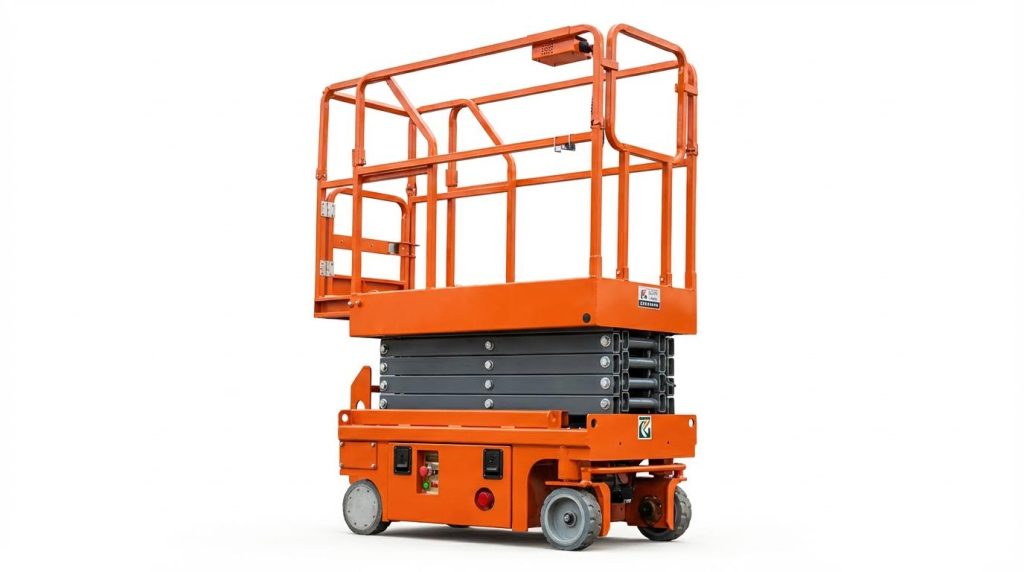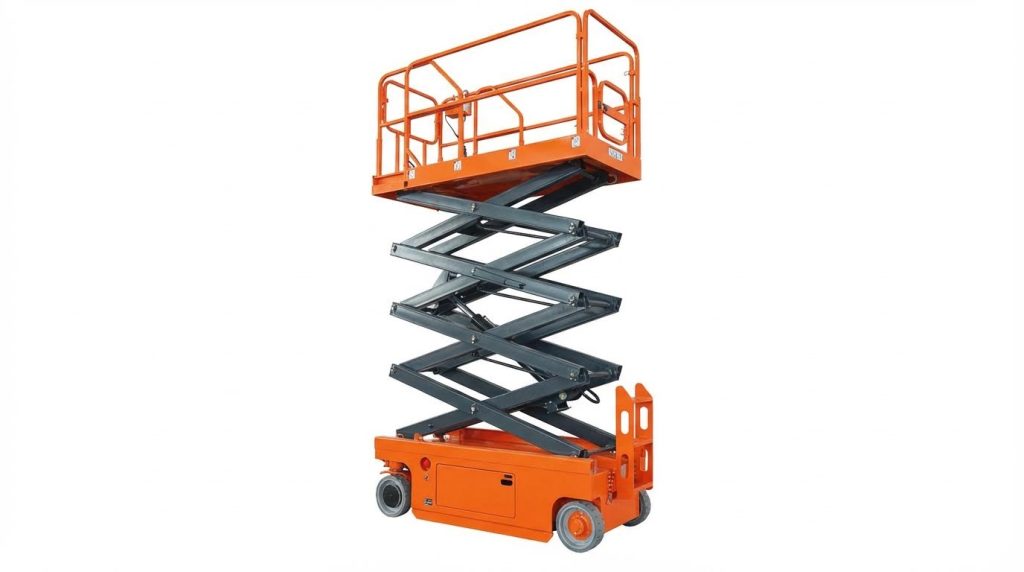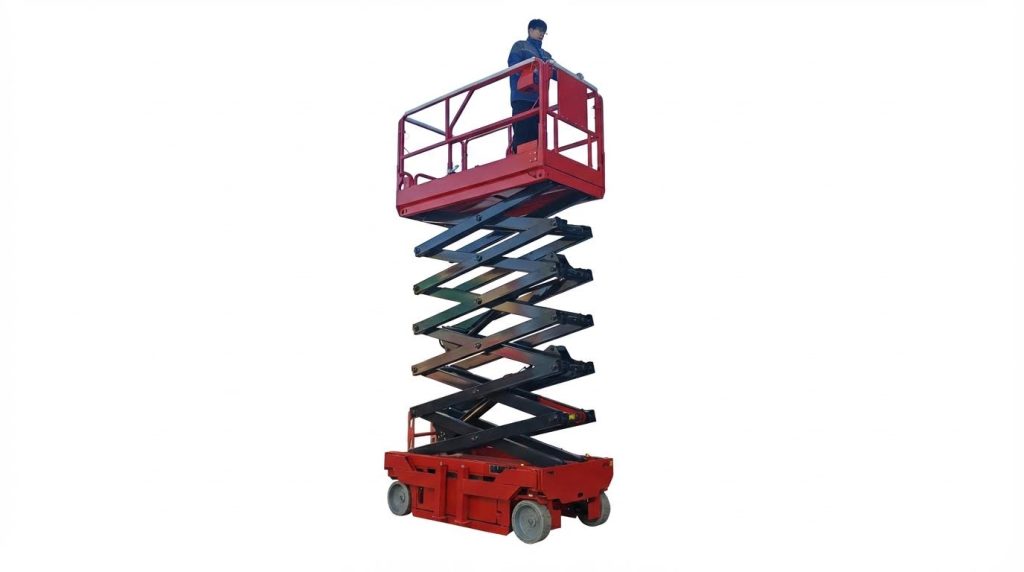
Can you move a towable aerial platform by hand? The honest answer is: only in very limited, tightly controlled situations, and often not at all for heavier units. This guide explains when manual repositioning is acceptable, what engineering and safety conditions must exist, and how to plan short moves without losing control. You will see the practical limits of human push forces versus machine weight, and how ground conditions, brakes, and team methods decide whether you move by hand or use a tow vehicle instead.
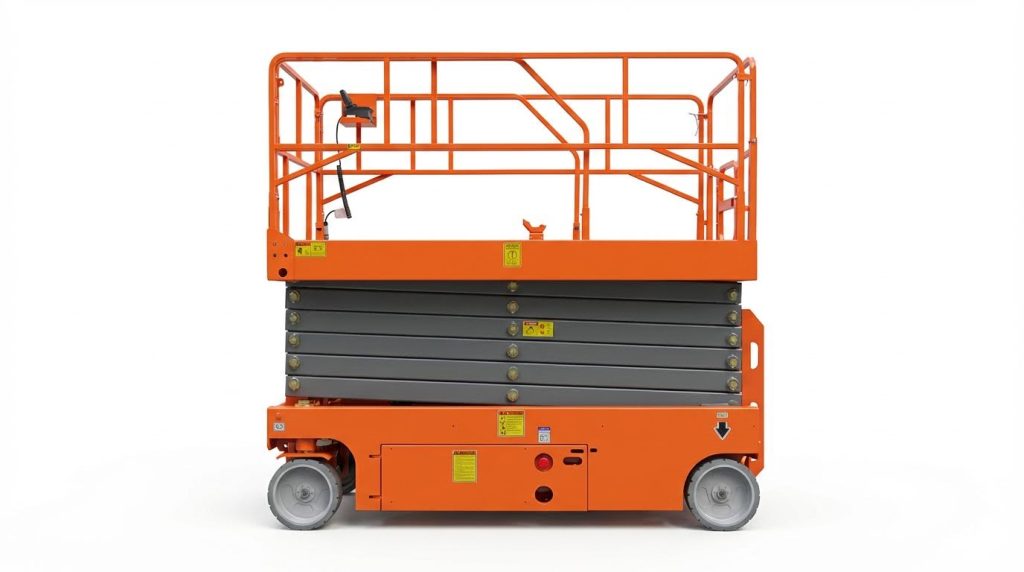
When It Is (And Is Not) Safe To Move By Hand
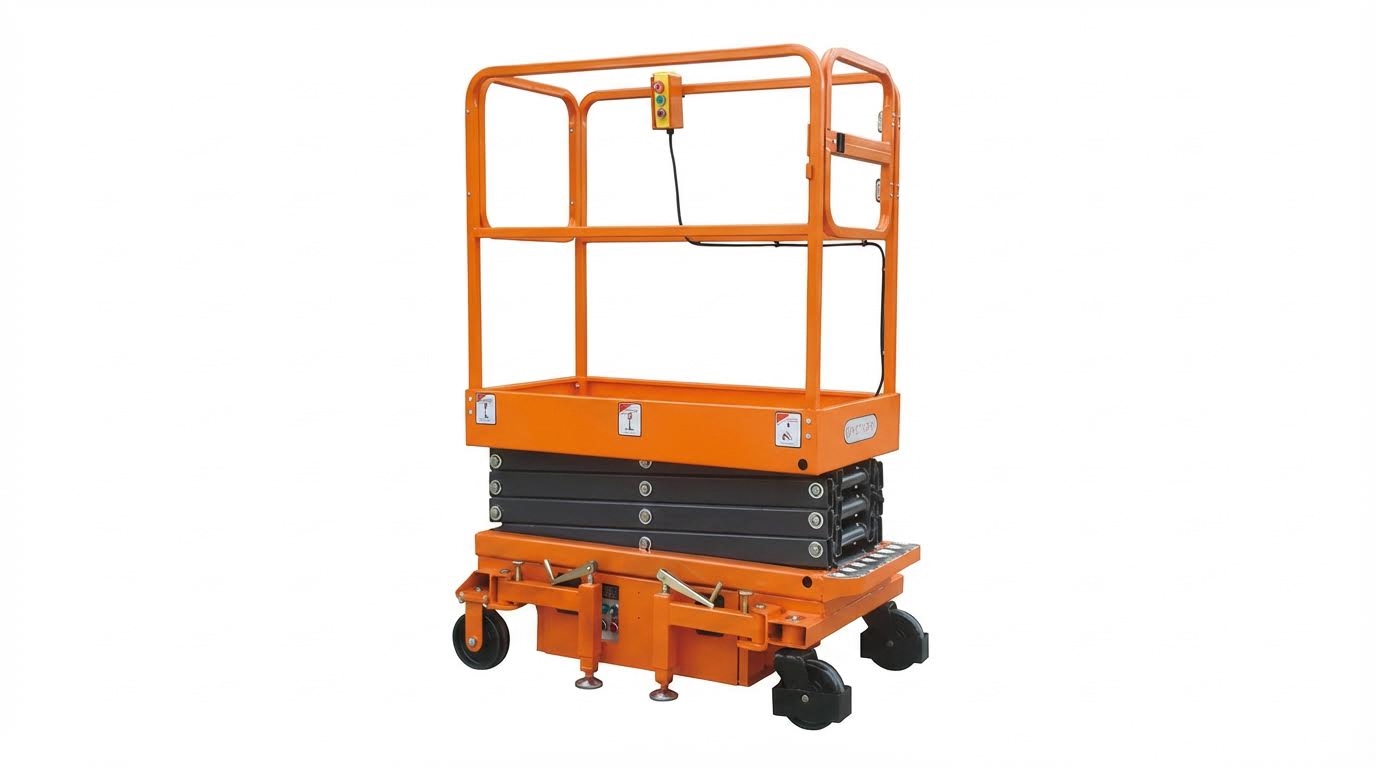
Typical weights and manual force limits
Many people ask: can you move a aerial platform by hand safely, or is it simply too heavy? The answer depends on machine weight, wheel design, surface, and how many people share the load. Most towable boom lifts are far beyond normal manual handling limits and should only ever be nudged for very short, controlled corrections. Understanding typical weights and realistic human push forces is the first step in deciding if hand movement is acceptable.
| Equipment type | Typical unit weight | Designed for manual movement? | Typical use of manual push |
|---|---|---|---|
| Towable boom lift (tow-behind) | ≈ 3,000–10,000 lb (general range) | No, generally not engineered for hand moving | Very short, flat corrections only, if allowed by manufacturer |
| Mobile scissor lift / small vertical mast | Few hundred to ≈ 1,000 lb (typical) | Yes, often designed for manual positioning | Short moves on smooth, hard floors only |
| Hydraulic lift table (shop use) | ≈ 200–600 lb | Yes, specifically engineered for hand push | Frequent repositioning on level, hard surfaces |
Safe human push forces are much lower than these equipment weights. On good casters and flat concrete, one person may control a few hundred pounds comfortably; beyond that, the task quickly exceeds ergonomic limits, especially when starting or stopping motion. This is why towable aerial work platforms, even if they appear to roll easily, are not considered “hand-movable” in the same way as small scissor platform lifts.
Why weight and slope matter together
Even a 1–2% slope can let a 1,000 lb mobile lift accelerate faster than operators expect, leading to loss of control and crush risk on small grades. For towable lifts three to ten times heavier, the risk multiplies rapidly.
Conditions that must exist before manual movement
Before you decide that you can move a towable aerial work platform by hand for a short reposition, several strict conditions must be met. These conditions reduce, but do not eliminate, the risks of runaway movement, tip-over, and crush injuries. If any one of them is not satisfied, a tow vehicle or powered mover is the safer choice.
- Ground and slope
- Route is firm, hard, and essentially level (no noticeable gradient).
- Surface is free of mud, sand, ice, loose gravel, or fragile floor panels. Ground defects and weak surfaces must be avoided.
- Any slope is well within the manufacturer’s stated limit for manual movement, if such a limit exists.
- Machine configuration
- Boom is fully lowered, stowed, and locked in its transport cradle. Stowed configuration is mandatory.
- Outriggers or stabilizers are fully raised and pinned for travel.
- No person is on the platform or leaning on the structure during movement (elevated travel with personnel is restricted).
- Brakes and chocks
- Service and parking brakes engage and release cleanly.
- With the parking brake set on level ground, a gentle push does not move the unit (otherwise, do not move by hand).
- Wheel chocks are available and used at each pause, especially near any gradient.
- People and push points
- Sufficient trained personnel are available so each person applies only modest force.
- Operators push or pull only at approved chassis or drawbar points, not on the boom, cylinders, or guardrails. Approved push points reduce pinch and crush hazards.
- Operators stand clear of the downhill side and never place feet or hands where wheels can roll over them.
If the surface, distance, or required force feels marginal at any point, stop and switch to mechanical towing instead of trying to “muscle through” the move.
Regulatory and manufacturer constraints
Even when conditions look good, you must still respect regulatory rules and the manufacturer’s instructions. These constraints define when you can move a towable aerial work platform by hand at all, and when you must not. Regulations focus on preventing movement with personnel aloft, controlling travel on slopes, and ensuring stability and braking performance.
- Manufacturer instructions (primary authority)
- The operator’s manual states whether manual movement is permitted, and under what limits (gradient, distance, number of operators).
- If no manual-push procedure is provided, treat the unit as not approved for hand movement (most towable booms fall in this category).
- Any specified maximum manual force or maximum slope must be treated as a hard limit, with a safety margin below it.
- Regulatory and safety requirements
- Aerial lifts must not be moved with the platform elevated and personnel in the basket unless the equipment is specifically designed and permitted for that operation (general aerial lift rule).
- Before any movement, the work area must be inspected for drop-offs, unstable surfaces, overhead obstructions, and unauthorized persons to prevent collision and tip hazards.
- Wheel chocks are required when setting up on inclines, and brakes must hold the unit without creeping (brake and chock use).
- Practical “red lines” for manual movement
- Do not attempt hand movement on noticeable slopes, near ramps, or toward drop-offs.
- Do not move if the boom is raised, the platform is loaded, or wind conditions are strong enough to affect stability.
- Do not bypass damaged brakes, missing chocks, or defective components; the unit must be repaired and returned to service only when safe (tag-out requirements).
In practice, these constraints mean that manual movement of towable aerial work platforms should be rare, tightly controlled, and limited to very short, low-risk corrections near the work area, with the default method being mechanical towing or powered drive wherever possible.
Engineering Controls For Safe Hand Movement
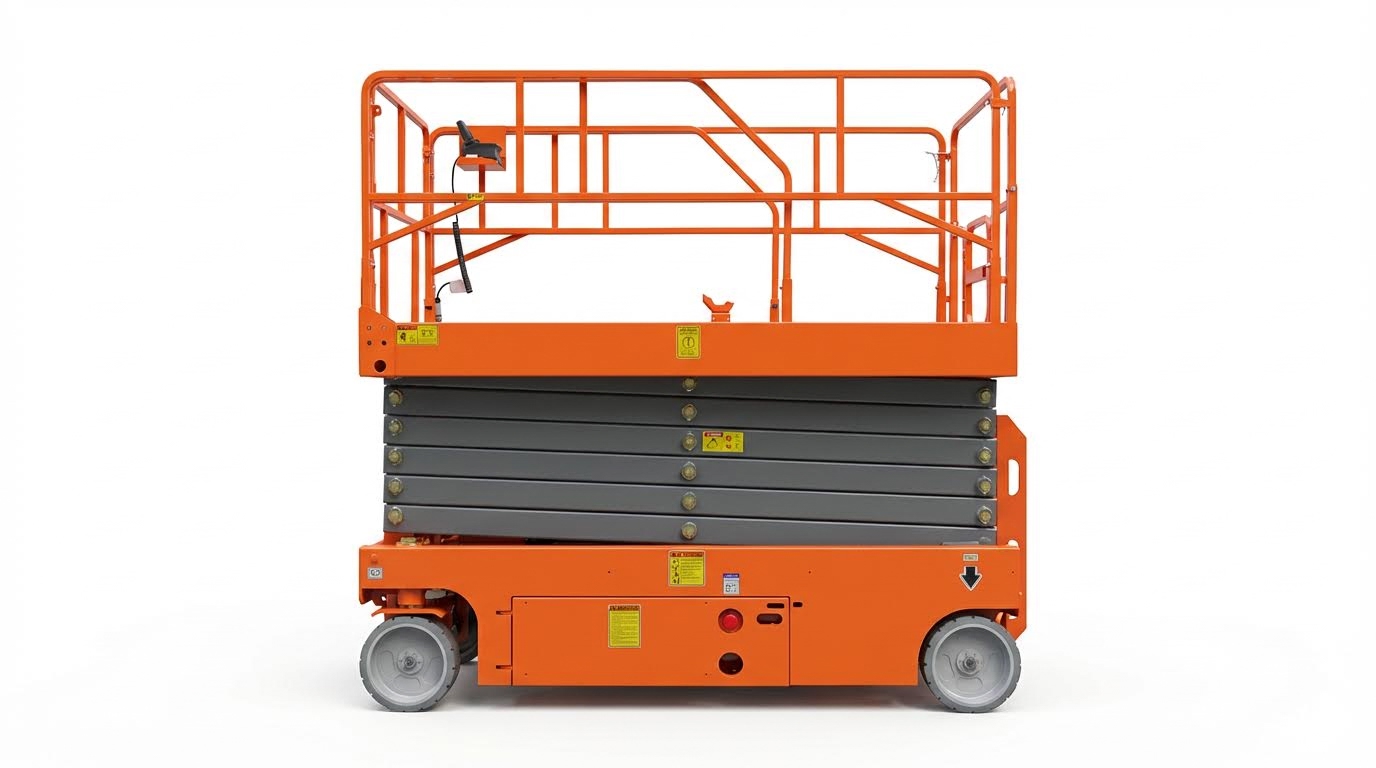
Brake performance, parking brake, and wheel chocks
Before you ask can you move a towable aerial platform by hand, you need to confirm that the braking system can actually control and hold the lift. Brakes are your primary engineering control against runaway movement, especially on slight slopes that are hard to see by eye. Use this quick checklist-style approach every time before you release any hitch or start pushing.
- Verify service brakes engage and release cleanly during functional checks.
- Test the parking brake on level, firm ground before any manual movement.
- Use wheel chocks as a backup restraint whenever there is any gradient or stop point.
- Size and position chocks for the lift weight, tyre size, and slope direction.
| Brake / Chock Item | How to Check | Safe / Unsafe Indicator | Action Before Hand Movement |
|---|---|---|---|
| Service brake function | Apply and release while attempting gentle movement | No dragging, no failure to hold when applied | If operation is irregular, do not move by hand; tag out for repair (daily control tests required) |
| Parking brake hold test | Set brake on level surface and try to move unit gently | Lift does not roll with brake set | If the unit rolls, do not attempt manual movement; use tow vehicle or repair brakes |
| Wheel chock selection | Compare chock rating and size to lift weight and tyre diameter | Chock is rated for at least unit weight and fits tyre curvature | Use pairs of chocks on heavier towable lifts or where vibration/wind is possible |
| Wheel chock placement | Place tight to tyre on downhill side of movement or gradient | Chock contacts tyre tread or sidewall with no gap | On any gradient, chock at least one axle before releasing hitch or brakes |
Why wheel chocks are critical even on “flat” ground
Even a 2% grade can accelerate a 1,000‑pound mobile lift quickly enough to escape manual control, and towable boom lifts often weigh between 3,000 and 10,000 pounds. A small unseen slope or a push that overshoots the target can turn into a crushing hazard if the parking brake or chocks are not in place. Engineering controls like brakes and chocks reduce dependence on operator strength and reaction time, which is essential when deciding can you move a towable scissor platform by hand safely.
Ground conditions, slopes, and stability margins
Ground and slope conditions often decide whether manual movement is acceptable at all. Towable lifts rely on tyre contact and outrigger geometry for stability; poor surfaces or excessive slopes cut into the safety margin quickly. Always evaluate the full intended route, not just the start and end points.
- Inspect the entire path for potholes, soft spots, drains, ramps, debris, and slick areas.
- Measure or estimate slopes and compare with the manufacturer’s travel and setup limits.
- Keep the boom fully stowed and locked, with outriggers fully raised, during any hand movement.
- Avoid muddy, sandy, icy, or fragile floors for manual repositioning.
| Ground / Slope Factor | Engineering Concern | Implication for Hand Movement | Recommended Control |
|---|---|---|---|
| Visible slope (even mild) | Gravitational component creates rolling force that can exceed human push force | Manual movement generally not allowed unless manufacturer gives a specific manual push gradient | If allowed, stay well below the limit, use spotters and chocks at every pause |
| Soft or weak ground (mud, fill, asphalt seams) | Local bearing failure, wheel sinkage, and sudden tilt | High risk of bogging or tipping during push; manual movement should be avoided | Use outrigger pads, alternative access equipment, or a tow vehicle instead of hand movement |
| Surface irregularities (potholes, ramps, thresholds) | Dynamic load transfer and wheel lift reduce stability margin | Can cause sudden lurching that overpowers operators | Ramp edges and holes must be bridged or avoided; do not push across broken ground |
| Out-of-level condition at final position | Platform tilt and reduced overturning resistance | Even if you can move a towable manual pallet jack by hand to the spot, it may not be safe to elevate | Keep within typical 5° out-of-level limit and respect tilt alarms before elevation |
Best-practice route planning for short manual moves
For short, local corrections near the work zone—such as aligning to a doorway or clearing a column—the safest practice is to pre-walk the exact wheel paths. Confirm there are no hidden depressions, hoses, cables, or oil spills. Keep the boom on the uphill side of any slight gradient to reduce overturning risk, and station trained spotters at front and rear to watch for uncontrolled rolling. Wheel chocks should be applied during each pause or adjustment, not just at the end of the move.
Approved push points, team size, and body mechanics
Even when the ground and brakes are suitable, the way you apply human force to the machine determines whether the operation stays within safe limits. The structure of a towable lift has defined push or pull points that can take load without damage or pinch hazards. Team size and body mechanics must keep individual forces within ergonomic guidelines.
- Use only approved push points on the chassis or drawbar, not on the boom, scissor stack, or hydraulic components.
- Never move the platform with any person on it.
- Assign enough people so each exerts only modest force, especially on heavier units.
- Prefer pushing over pulling to keep operators behind the load with clear visibility.
| Human-Factor Control | Engineering / Ergonomic Rationale | Safe Practice |
|---|---|---|
| Approved push points | Chassis members and drawbar are designed to take horizontal loads; other parts are not | Push/pull only on marked or manual-specified locations to avoid structural damage and pinch points |
| Team size | Typical towable lifts weigh 3,000–10,000 lb, far beyond safe force for one person | Use multiple operators so each handles only a small share of the required push; if that still feels excessive, switch to a tow vehicle or powered mover |
| Push vs. pull | Pushing engages stronger leg muscles and keeps body out of the machine’s path | Push whenever possible; avoid pulling heavy lifts to reduce shoulder strain and run‑over risk |
| Body posture and hand placement | Low, controlled push height reduces tipping moment and improves traction | Keep hands between roughly waist and chest height, feet staggered, and never place hands near wheel pinch points or under the chassis |
When engineering controls say “do not move by hand”
If the unit lacks a dedicated friction‑drive “drive and set” system for fine positioning, weighs several thousand pounds, or sits on any noticeable slope, engineering controls and physics often make the answer to can you move a towable drum dolly by hand effectively “no.” In these cases, a tow vehicle or powered mover is the correct control measure to keep forces, stability, and stopping distances within safe limits. When in doubt, follow the manufacturer’s manual and choose mechanical assistance over human muscle.
Planning Procedures For Short Manual Repositioning

Route planning and hazard inspection
Before you ask “can you move a towable aerial platform by hand,” you need a clear, checked route. Short manual repositioning is only acceptable on a controlled, inspected path close to the work area. Use this checklist before anyone touches the drawbar.
- Confirm the lift is suitable for hand movement and within the manufacturer’s limits for manual repositioning. Towable units are often not designed for long manual moves.
- Verify the boom is fully stowed and locked, and all outriggers are fully raised before planning the route. Never move with the platform elevated or a person on board.
- Walk the entire path slowly and mark the start, pauses, and final stop position near the work zone.
- Check ground type and bearing capacity along the route (concrete, asphalt, compacted gravel) and avoid soft, muddy, sandy, icy, or fragile surfaces. Ground conditions strongly affect manual movement safety.
- Inspect for potholes, drains, ramps, cable covers, and floor joints that could stop a wheel or cause a sudden lurch.
- Measure or estimate slopes and compare with the manufacturer’s allowed gradient for manual movement; avoid “noticeable” slopes unless explicitly permitted. Even mild gradients can cause uncontrolled acceleration.
- Plan to keep the boom side on the uphill side of any slight gradient to improve stability margins.
- Identify overhead obstructions and power lines and maintain the required clearances, even with the boom stowed. Maintain at least 10 ft from overhead power lines.
- Note locations where you may need to apply wheel chocks during intermediate pauses, especially on any gradient or near drop-offs.
- Confirm there are no unprotected edges, pits, or ramps where a runaway unit could fall or jack-knife.
Additional engineering checks for the route
For higher-risk environments, add basic engineering checks. Confirm the route surface is at least as strong as the heaviest wheel load from the towable lift. Avoid trench covers or suspended slabs unless they are rated for the equipment weight. Where ground is marginal, specify outrigger pads for setup locations and consider alternative access such as tracked platforms instead of manual movement. Route suitability must be confirmed before any movement.
Communication, spotters, and exclusion zones
Even for a very short manual move, you need disciplined teamwork. Poor communication is a common root cause when people later ask “how can you move a towable scissor platform by hand safely.” Define roles and signals before anyone starts pushing.
- Assign a single move leader who has read the operating manual and understands the limits for manual movement.
- Designate at least one spotter at the front (direction of travel) and, where possible, another at the rear to watch blind spots and wheel paths. Spotters help detect uncontrolled rolling and hazards.
- Agree on simple verbal commands or hand signals: “Stop,” “Hold,” “Forward,” “Back,” and “Chock.” Only the leader gives movement commands.
- Establish an exclusion zone around the lift where no bystanders may stand, especially in crush zones between the lift and walls, vehicles, or columns.
- Ensure nobody stands directly downhill of the lift on any gradient; position helpers to the sides or uphill of the chassis.
- Confirm that all team members know the approved push points on the chassis or drawbar, and that nobody will push on the boom, basket, or hydraulic components. Use only designated push or pull points to avoid damage and pinch hazards.
- Before starting, the leader confirms brakes and parking brake have been function-tested and that wheel chocks are ready for use at each planned pause. Brakes must engage and hold on level ground before manual movement.
- Keep the move slow and deliberate; if any person feels the force increasing or the unit starting to “run,” the agreed “Stop” command must be used immediately and chocks applied.
- After reaching the final position, set the parking brake, chock wheels if there is any slope, and only then begin outrigger deployment and setup.
With a pre-planned route, clear roles, and controlled exclusion zones, short manual repositioning stays within safe human force limits and stability margins. If at any point the planned controls are not possible, stop and switch to a tow vehicle or powered mover instead of relying on extra manpower.
Final Guidance On Moving Towable Lifts By Hand
Towable aerial work platforms sit at the edge of what people can control by hand. Their high weight, long wheelbase, and elevated centers of gravity mean physics, not effort, decides what is safe. Human push forces stay small, while stored energy in a rolling 3,000–10,000 lb lift grows very fast, especially on slight slopes.
Engineering controls exist to close this gap. Brakes, parking brakes, and wheel chocks must hold the lift at every pause. Ground and slope limits protect stability margins. Approved push points, correct team size, and good body mechanics keep structural loads and human strain within safe ranges. Planning, spotters, and exclusion zones then tie these controls into one coherent procedure.
The practical result is clear. Treat manual movement of towable lifts as an exception, not a normal method. Keep moves very short, on firm, near-level, inspected routes, with the boom fully stowed and no one on the platform. Follow the manufacturer’s instructions as the final authority and stay below every stated limit. When any condition looks marginal, stop and use a tow vehicle or powered mover. This approach lets your team use equipment like Atomoving aerial platforms productively while keeping risk tightly controlled.
Frequently Asked Questions
Can you move a towable aerial work platform by hand?
Yes, you can move a towable aerial work platform by hand, but it depends on the specific model and its features. Most towable boom lifts are designed with wheels for easy transport when not in use. However, they may still require significant effort due to their weight and size.
- Ensure the platform is powered down and properly secured before attempting to move it.
- Check the manufacturer’s guidelines for instructions on manual movement.
- Use proper lifting techniques or additional help to avoid injury.
Can you use a towable boom lift on uneven ground?
Towable boom lifts are generally designed for stable surfaces like concrete slabs, grass, or gravel. If the ground is uneven, it can compromise stability and safety. Always ensure the equipment is set up on level ground before use. For more information on safe usage, refer to this guide: Towable Boom Lift Guide.