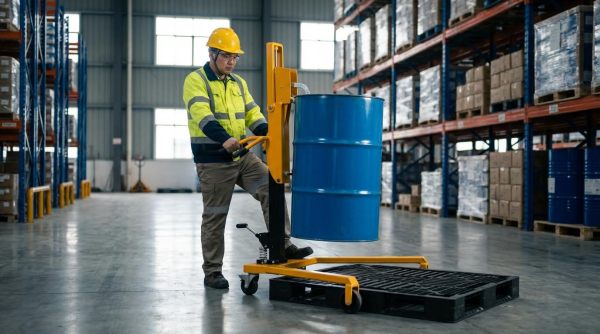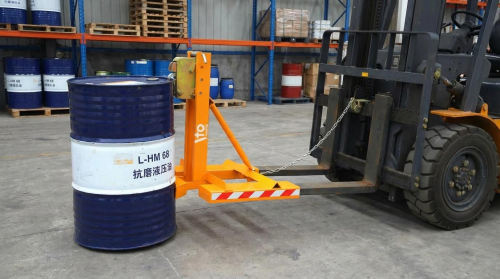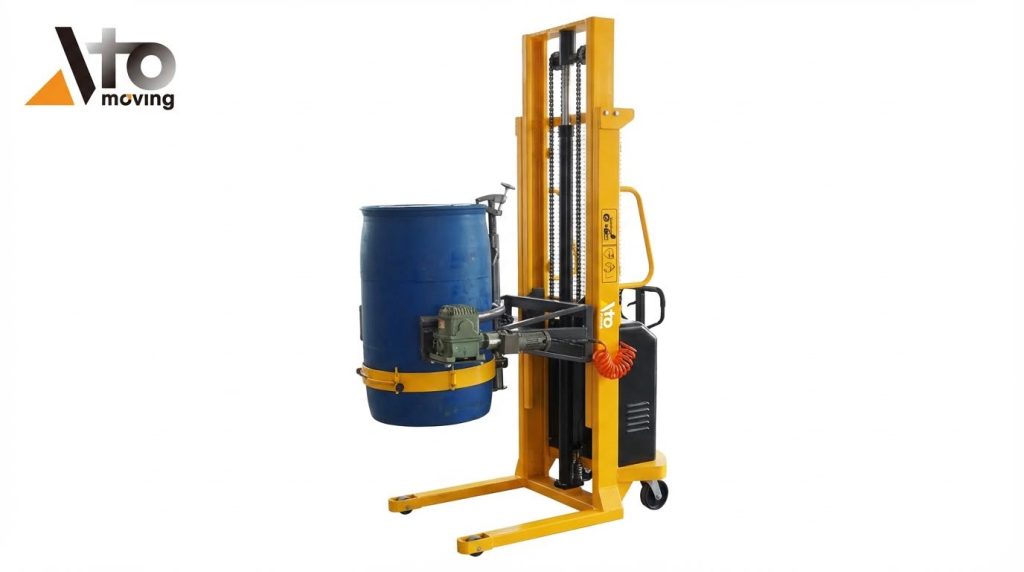
Safe oil drum stacking is the controlled storage of drums so they cannot tip, leak, or collapse while meeting spill containment and regulatory requirements. Poor stacking drives most drum-related injuries, product loss, and environmental violations. This guide explains how to stack oil drums safely, how to size and select secondary containment, and how to align your storage practices with OSHA material stacking rules, EPA/SPCC spill requirements, and fire code expectations for flammable and combustible liquids.
Core Principles Of Safe Oil Drum Stacking
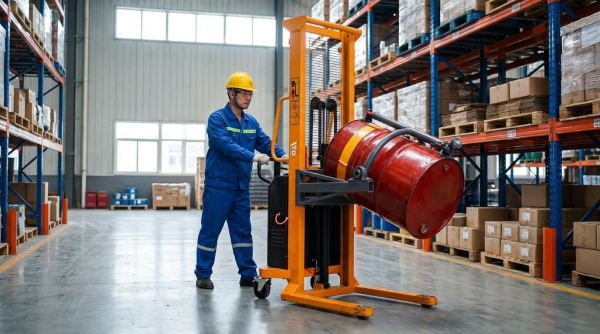
Core principles of safe oil drum stacking define how to stack oil drums so they stay stable, contained, and compliant with OSHA tier‑stacking rules, while preventing roll‑away, collapse, and spill escalation.
When you plan how to stack oil drums, you are managing three things at once: geometry (how drums touch), friction (how they resist sliding/rolling), and load paths (how weight travels down to the floor). OSHA requires stacked materials to be “stacked, blocked, interlocked, and limited in height” to prevent sliding, falling, or collapse under 29 CFR 1910.176(b) and 1926.250(a)(1) for all tiered storage. For drums this translates into choosing the correct orientation, blocking method, and stack height for the product, floor, and handling equipment.
💡 Field Engineer’s Note: Most drum collapses I’ve investigated started with a “just one more tier” decision or missing chocks on the bottom row; treat the first tier and the last tier as your critical control points.
On-End Vs. Horizontal Stacking Methods
On-end vs. horizontal drum stacking is the foundational choice in how to stack oil drums because it dictates roll control, bung position, and how safely you can build multiple tiers.
On-end means drums stand vertically on their chime; horizontal means drums lie on their sides, typically in racks or cradles. OSHA requires that cylindrical materials stored in tiers be stacked and blocked to prevent spreading, tilting, or rolling, unless they are in racks just as for pipe and bar stock. For drums, that blocking is usually chocks, wedges, or purpose-built racks.
| Orientation | Typical Use Case | Key Stability Controls | Spill / Bung Considerations | Field Impact |
|---|---|---|---|---|
| On-end (vertical) | Bulk storage, palletized drums, general warehousing | Symmetrical stacking, dunnage/pallets between tiers, chocking of bottom tier | Bungs on top; less seepage risk if gaskets fail | Fast to handle with forklifts; suitable for 2–3 tiers when properly blocked and limited in height |
| Horizontal in racks | Dispensing, decanting, gravity feed | Engineered racks or cradles; no free-stacked tiers | Bung positioned at 3/9 o’clock or 10/2 o’clock for venting and minimal leak risk | Excellent access for taps but higher rack cost; easier containment design under rack |
| Horizontal, free-stacked on floor | Legacy yards, ad-hoc outdoor storage (not recommended) | Robust blocking to prevent rolling and spreading | Leaks can track along drum; harder to contain | High risk of roll-away and collapse; usually fails modern safety and spill-prevention expectations |
On-end stacking is usually the default for compliant warehouse storage because it allows symmetrical, pallet-based tiers and easy application of OSHA’s tier stacking rules. Symmetrical stacking with planks, plywood, or pallets between tiers creates a firm, flat surface and distributes load evenly, reducing point loads on the drum chimes and preventing rocking between tiers as recommended for drums and kegs.
Horizontal storage is preferred when drums are used as process vessels or for frequent dispensing, but then stability comes from the rack design, not from stacking geometry. Cylindrical materials like pipes and drums must be “stacked and blocked to prevent spreading or tilting unless racked” per OSHA-aligned guidance, which is why free-stacked horizontal drums on the floor are inherently high-risk and usually reserved for temporary, low-height arrangements with aggressive blocking.
How to choose orientation when planning a new drum area
Use on-end stacking when your priority is dense storage, forklift handling, and clean containment under the footprint. Use horizontal racks when the primary function is dispensing and you need valves accessible at working height. Avoid mixed orientations in the same bay; it complicates blocking and makes visual inspection for leaks harder.
💡 Field Engineer’s Note: If you ever see horizontal drums on a flat concrete pad without chocks touching both sides of the bottom tier, treat it as an immediate corrective action item—one bump from a forklift can start an uncontrolled roll.
Stability, Blocking, And Height Limitations
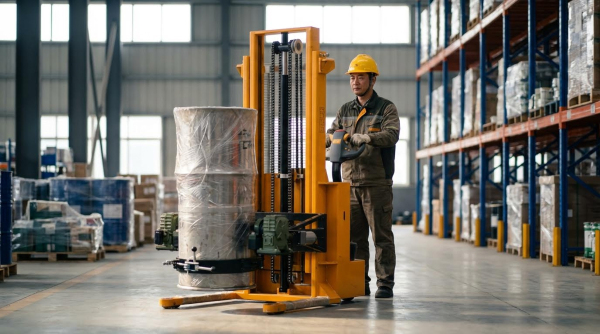
Stability, blocking, and height limits control how to stack oil drums without collapse by enforcing proper chocking, interlocking, and maximum tier heights under OSHA’s tiered-storage rules.
OSHA requires that materials stored in tiers be stacked, racked, blocked, interlocked, or otherwise secured to prevent sliding, falling, or collapse in both general industry (1910.176(b)) and construction (1926.250(a)(1)) for all materials. For drums, this translates into three disciplines: secure the base tier against movement, maintain flat bearing surfaces between tiers, and limit the stack height based on floor rating and handling method.
- Bottom-tier blocking: Chock or wedge both sides of the bottom row when drums are on their sides, and chock each side of the bottom tier when stacking on end two or more tiers high to prevent shifting or rolling as recommended for drums, barrels, and kegs.
- Flat, continuous dunnage between tiers: Use planks, plywood sheets, or pallets between drum tiers to create a firm, level surface and distribute load, similar to lumber stacking requirements that call for solidly supported, leveled bracing for stability.
- Symmetrical, interlocked layout: Stack drums symmetrically in rows and, where possible, offset or interlock tiers so vertical load paths are straight and lateral forces are resisted, echoing the interlocking guidance for boxes and bagged materials to maintain stack security.
- Height and load limits: Limit drum stacks so they remain stable and do not exceed floor load ratings or safe handling heights; material stacking guidance stresses that stored materials must not exceed maximum safe load limits and that height restrictions should be clearly posted and marked on walls or posts for worker awareness.
- Clearances and aisles: Maintain sufficient clearance around drum stacks for safe handling and to keep materials away from lighting, pipes, ductwork, electrical lines, and sprinkler heads, as required for general material storage to prevent damage and fire obstruction.
OSHA also requires aisles and passageways to be kept clear and in good repair, with no obstructions that could create hazards under 1910.176(a) and 1926.250(a)(3). In practice, this means your drum stack design must include dedicated aisles wide enough for your forklifts or pallet jacks, and you must resist the temptation to “grow” stacks into those aisles when space gets tight.
From a physics standpoint, drum stacks fail either by sliding (insufficient friction or blocking), tilting (center of gravity moves outside the base), or crushing (floor or lower drums overloaded). Dunnage and chocks raise friction and stop rolling; interlocking and height limits keep the combined center of gravity low and inside the footprint; posted load and height limits keep you within the floor’s structural capacity. When operators know these limits and see them clearly marked, they are far less likely to over-stack “just this once.”
💡 Field Engineer’s Note: If you want a quick field check, look at the bottom tier: if you can kick a drum and see any movement, or if dunnage is visibly bowed or broken, that stack is already telling you it’s at risk.
For handling such materials, consider using tools like a manual pallet jack or a drum cart to ensure safe and efficient operations.
Facility Design, Equipment, And Operational Controls
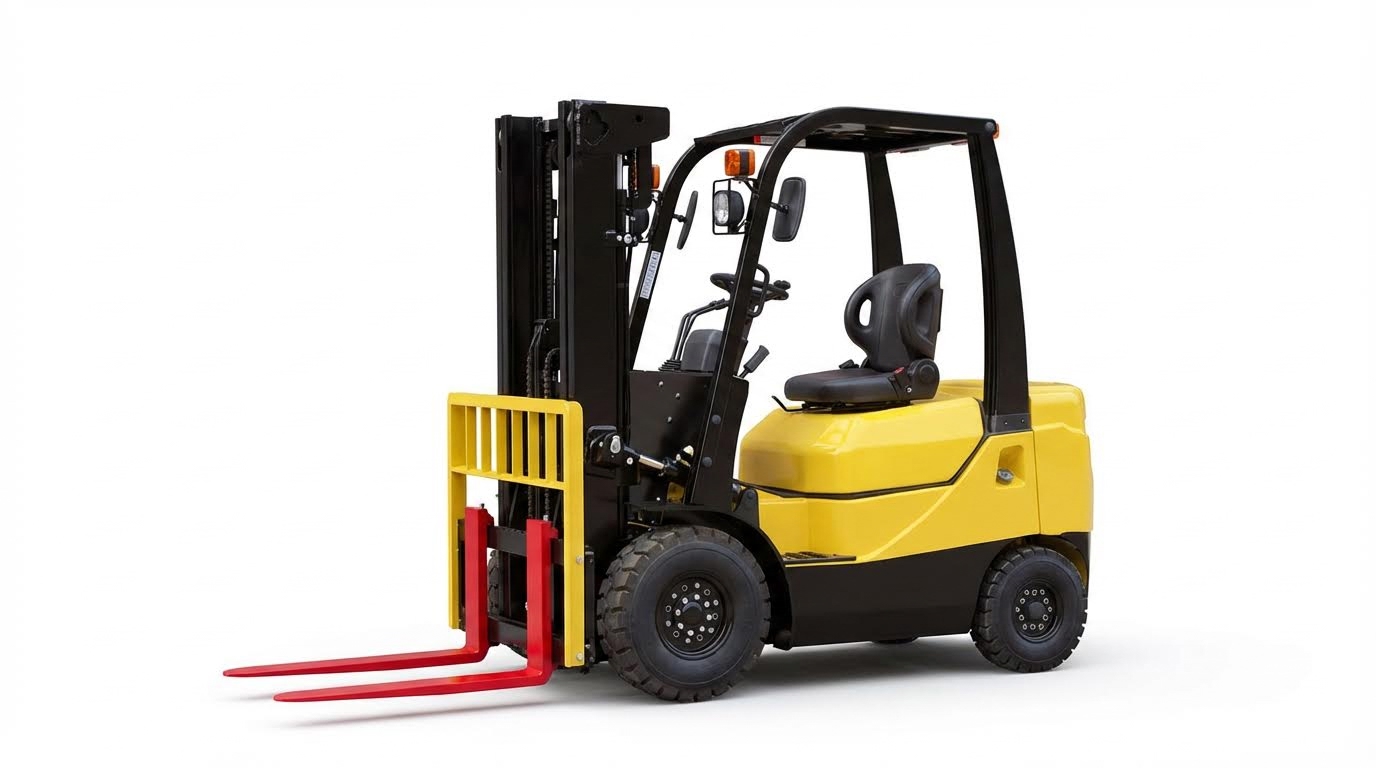
Facility design and equipment controls determine whether your plan for how to stack oil drums stays safe, stable, and compliant once forklifts, people, and spill rules enter the picture.
Good drum storage design starts with the floor plan: you engineer clear aisles, marked stack limits, and protected containment so stacks never interfere with exits, sprinklers, or material handling routes. Then you match that layout with the right equipment—manual pallet jack, drum racks, pallets, and spill decks—so operators can move drums without side loads, impacts, or over‑reaching that destabilize stacks.
💡 Field Engineer’s Note: Most drum collapses I investigate start as “just a little squeeze” from a forklift mast or a tight turn in a narrow aisle—design the layout so operators never have to improvise.
Layout, Clearances, And Aisle Management
Layout and aisle management control how to stack oil drums so they remain stable while still allowing safe forklift access, emergency egress, and compliance with OSHA aisle and clearance rules.
- Clear, unobstructed aisles: Aisles and passageways must be kept clear and in good repair to allow free and safe movement of equipment and employees, as required by OSHA 1910.176(a) and 1926.250(a)(3) for aisles and passageways.
- Dedicated stacking zones: Designate drum stacking pads separate from main travel aisles so stationary stacks are not exposed to impact from turning forklifts or pallet jacks.
- Posted height and load limits: Height restrictions, clearance limits, and maximum safe floor load limits must be considered and clearly posted to prevent over‑stacking and floor overloading for stacking limitations.
- Visual height indicators: Walls or posts can be painted with stripes to indicate maximum stacking heights so operators see when a drum tier is at its limit for painted height stripes.
- Overhead clearance to services: Maintain extra space below lighting, pipes, ductwork, electrical lines, and sprinkler heads so drum stacks cannot interfere with these systems or reduce sprinkler effectiveness for required clearances.
- Housekeeping and vegetation control: Keep storage areas tidy, removing clutter and excessive vegetation to avoid tripping hazards, fire risk, and pest issues around drum stacks for storage area housekeeping.
How layout affects spill containment performance
When you plan how to stack oil drums, you must also plan where leak paths go. Secondary containment structures such as dikes, berms, or sumps must cover the entire storage footprint and be sufficiently impervious to prevent oil from migrating to soil, groundwater, or surface water for containment system design. This means aisles, rack legs, and drum pads inside the containment must be integrated into the design so spilled oil cannot bypass the system.
Forklift Handling, Racking, And Stacking Aids
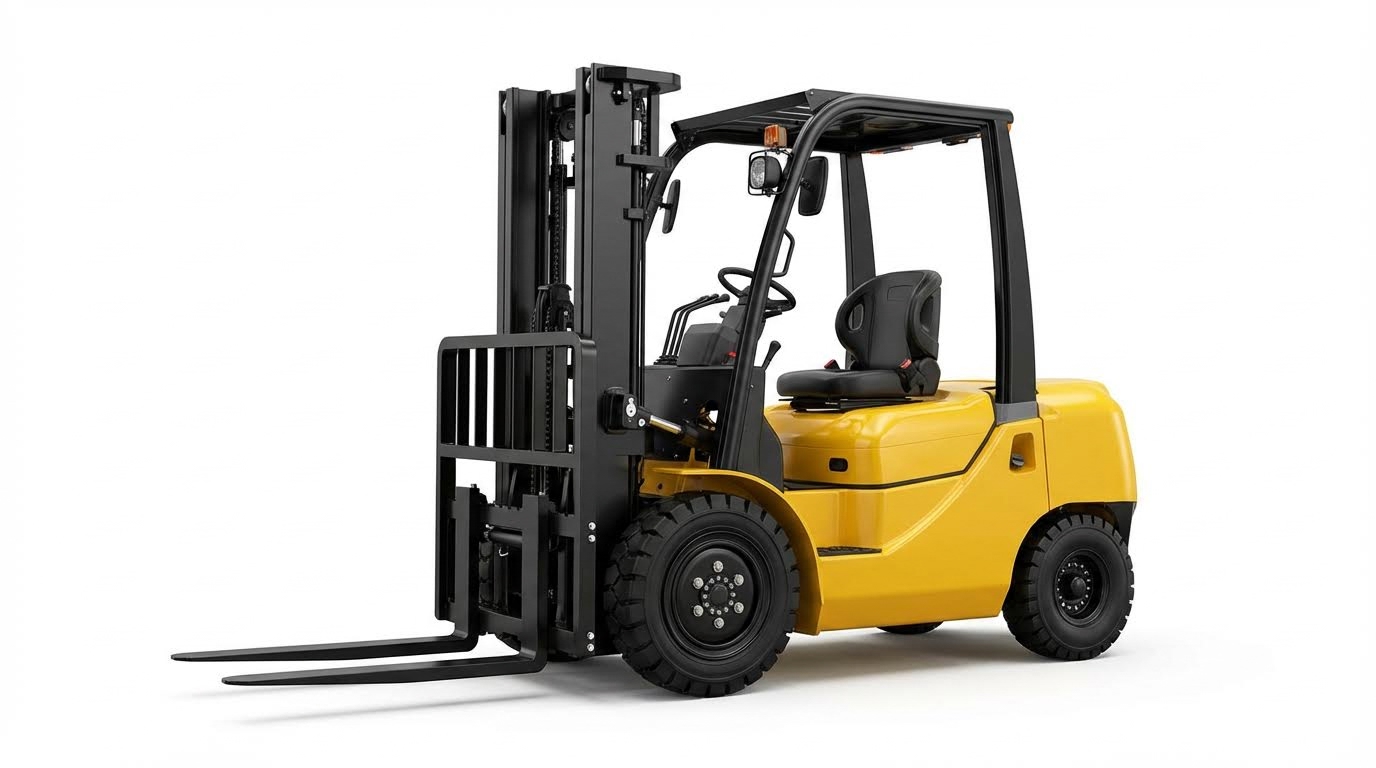
Forklift handling, racking, and stacking aids turn the theory of how to stack oil drums into repeatable practice by mechanically controlling drum position, load stability, and impact risk.
| Element | Key Requirement / Practice | Relevant Standard / Source | Field Impact On Drum Stacking |
|---|---|---|---|
| Forklift load positioning | Center loads on forks and keep as close to the mast as possible; avoid overloading and do not add rear weight to counterbalance an overload | Material stacking guidance for forklift use for safe forklift loading | Reduces tipping risk and side loading on drum stacks when placing drums on upper tiers or racks. |
| Travel position of forks / drums | Travel with the load in the lowest safe position to maintain stability and visibility | Forklift stacking recommendations for travel height guidance | Minimizes chance of striking existing drum stacks, racks, or sprinkler piping during movement. |
| Stack formation | All stacked loads should be piled and cross‑tiered correctly when possible | General stacking practice for cross‑tiering advice | Improves stability of palletized drum loads, especially when drums are on end with dunnage or pallets between tiers. |
| Stack stability requirements | Stored materials must be stacked, blocked, interlocked, or otherwise secured to prevent sliding, falling, or collapse | OSHA 1910.176(b) and 1926.250(a)(1) for stability requirements | Drum racks, chocks, and containment pallets must prevent rolling or spreading under impact or vibration. |
| Secondary containment integration | Use sumps, spill decks, or dikes under drum storage to capture leaks and spills | Spill prevention equipment guidance for secondary containment use | Spill decks and sumps act as both containment and a defined stacking base, improving stability and environmental compliance. |
| Spill deck capacity | Example decks: 2‑drum deck ≈ 80 L containment with ≈ 1,361 kg load; 4‑drum deck ≈ 150 L containment | Containment deck specifications for spill deck capacities | Confirms deck can safely carry fully loaded drums while providing sufficient sump volume for leaks. |
| Regulatory alignment | Spill prevention equipment should comply with EPA 40 CFR 264.175 and SPCC‑type requirements | Regulatory compliance statement for EPA/SPCC alignment | Ensures that your drum stacking and containment system meets environmental regulations for oil storage. |
- Use purpose‑built drum racks or pallets: Store drums in engineered racks or on pallets that provide flat, continuous support so drums are stacked symmetrically and remain stable in tiers.
- Block and chock cylindrical drums: When drums are stored horizontally, block bottom tiers to prevent rolling, and chock sides of vertical stacks to prevent shifting, following the general rule for cylindrical materials for blocking of cylinders.
- Integrate spill decks with handling paths: Position spill decks where forklifts can approach squarely, without tight turns on the deck surface, to avoid twisting loads and side‑loading drum stacks.
- Train operators on drum‑specific stacking: Include in forklift and warehouse training how to stack oil drums—on‑end vs horizontal, use of dunnage, maximum tiers, and when to reject damaged pallets or drums.
- Inspect containment and supports weekly: Inspect secondary containment structures weekly for damage, oily water, or staining that could indicate leaks or compromised integrity, and record findings in a logbook signed by a responsible person for weekly inspection requirements.
💡 Field Engineer’s Note: Never treat spill decks as “just plastic pallets.” Their load rating and sump volume are part of your engineered system—overhanging drums or extra tiers can both overload the deck and void your containment capacity.

Final Considerations For Compliant Drum Storage
Safe, compliant drum storage depends on how well you control geometry, loads, and liquids at the same time. Stack design must keep every drum stable under impact, vibration, and routine handling, while secondary containment captures leaks before they reach soil or drains. When you choose on-end or horizontal storage, you also choose how you will block drums, support tiers, and position bungs to reduce leak and ignition risk.
Engineers and supervisors should treat bottom-tier blocking, flat dunnage, and posted height limits as non-negotiable. Clear aisles, marked stack zones, and protected containment turn OSHA’s stacking rules and EPA/SPCC expectations into a layout that operators can follow without guesswork. Forklifts, pallet jacks, racks, and spill decks must work as one system so loads stay centered, impacts stay low, and sumps always have capacity for the worst credible spill.
The best practice is simple: design the storage area as an engineered system, document limits, train operators on drum-specific rules, and inspect weekly for movement, damage, or leaks. When you do this, drum stacks stop being a chronic risk and become a controlled, auditable part of your safety and environmental program—supported by fit-for-purpose tools from Atomoving where needed.
Frequently Asked Questions
What are the best practices for stacking oil drums?
When stacking oil drums, it’s important to install shelving that adequately protects all containers. Store drums on their sides and ensure the storage area is well-ventilated. Avoid locations subject to external contamination like dust, excess humidity, or water. Also, make sure the oil store is not connected to any drain, sewer, or water source. For more details, check this oil drum storage guide.
How long can oil sit in a drum?
The recommended shelf life for oils and greases is typically five years when stored properly in the original sealed containers. Oil does not have an exact shelf life as it doesn’t spoil like food. However, proper storage conditions are crucial to maintain its quality. Learn more about oil storage longevity.
Can you stack 55-gallon drums?
Yes, you can stack 55-gallon drums, but it must be done safely. Ensure that the drums are stable and use appropriate racking systems designed for heavy loads. Always follow safety guidelines to prevent accidents. For creative ideas on repurposing empty drums, visit this resource on drum uses.
What should you do with empty oil drums?
Empty oil drums can be discarded as waste, recycled, or reclaimed. Check with local landfill and state regulations regarding disposal. Metal drums may interest scrap metal recyclers, while steel drums could be valuable to drum reclaimers. Proper labeling is essential if there’s residual waste inside. Find out more about disposing of hazardous material drums.