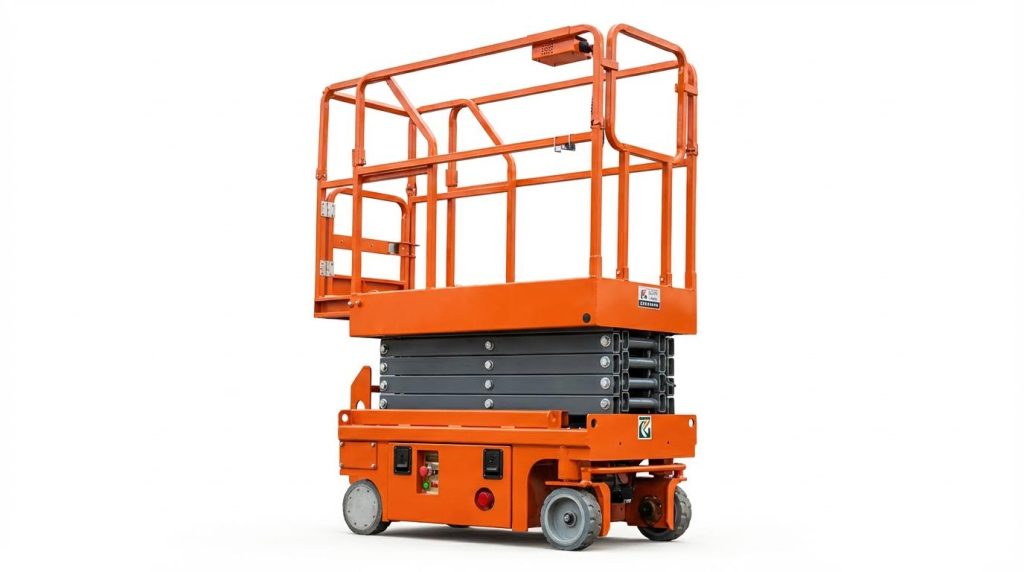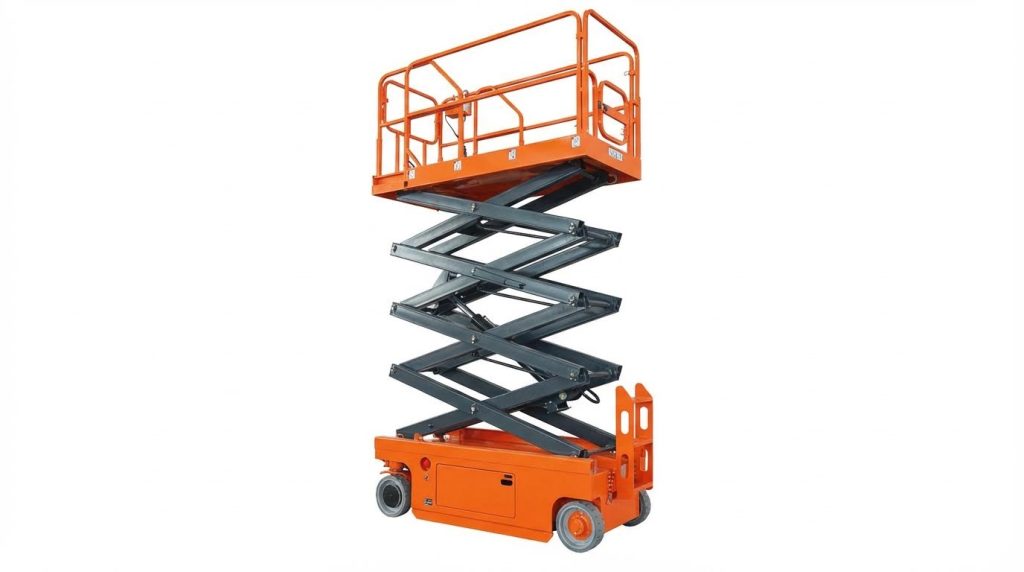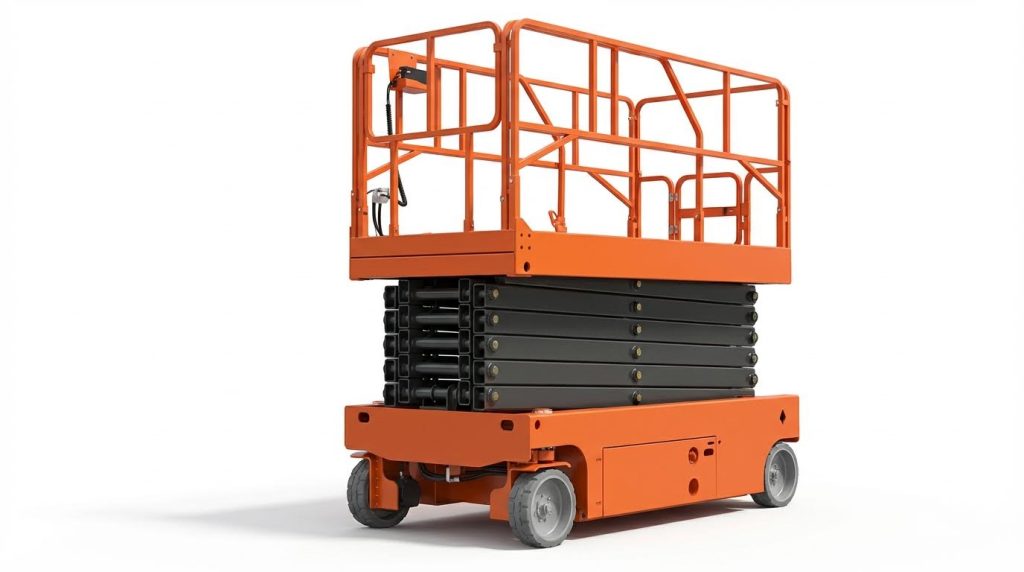
Scissor lifts sit in a gray zone: they behave like heavy equipment on site but are classified as mobile scaffolds under OSHA, not as powered industrial trucks or aerial lifts. This guide explains when a scissor lift is considered heavy equipment in practice, and how that affects training, inspections, and compliance. You will see how design, load ratings, and wind or stability limits tie directly into OSHA and ANSI rules so you can defend your classification to safety auditors. Along the way, we will answer the core question “is a scissor platform considered heavy equipment” in plain engineering and regulatory language.
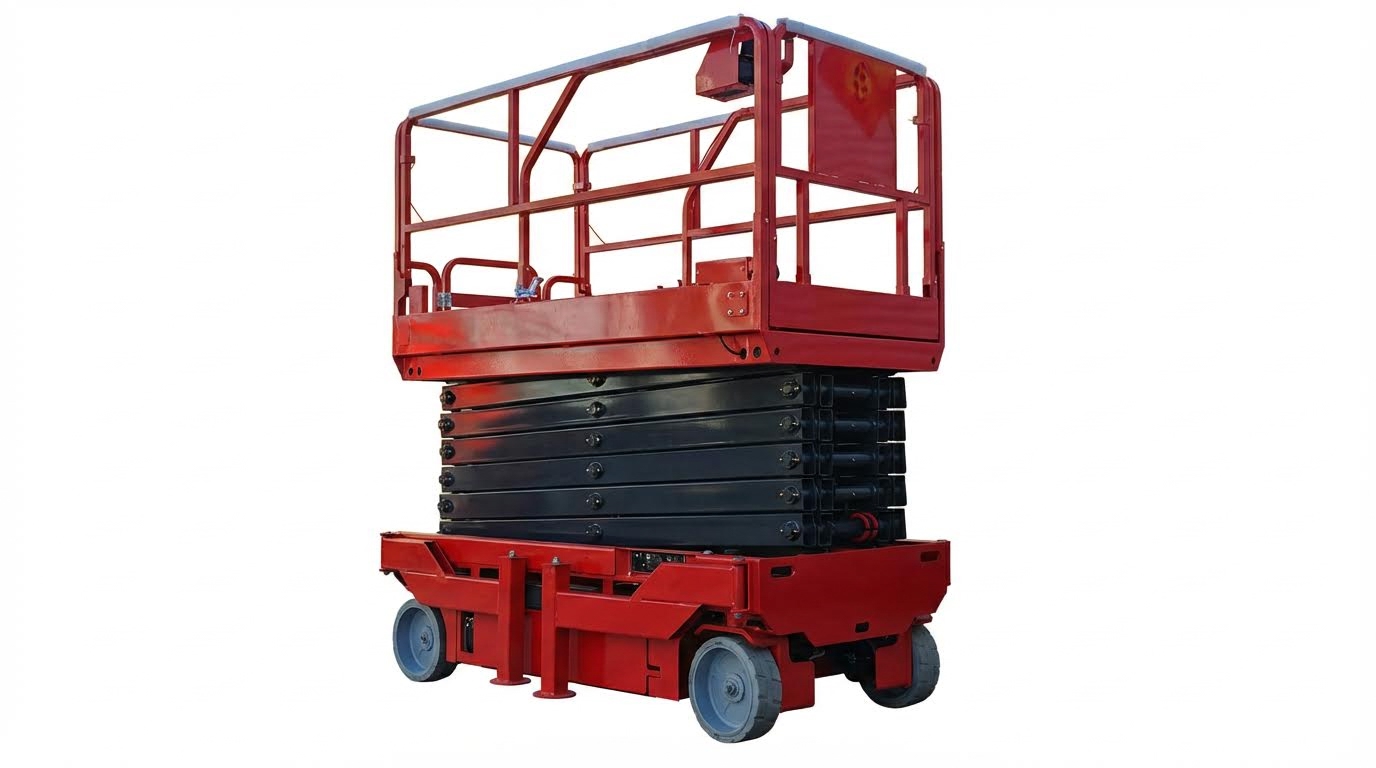
How Scissor Lifts Are Classified In Industry And By OSHA
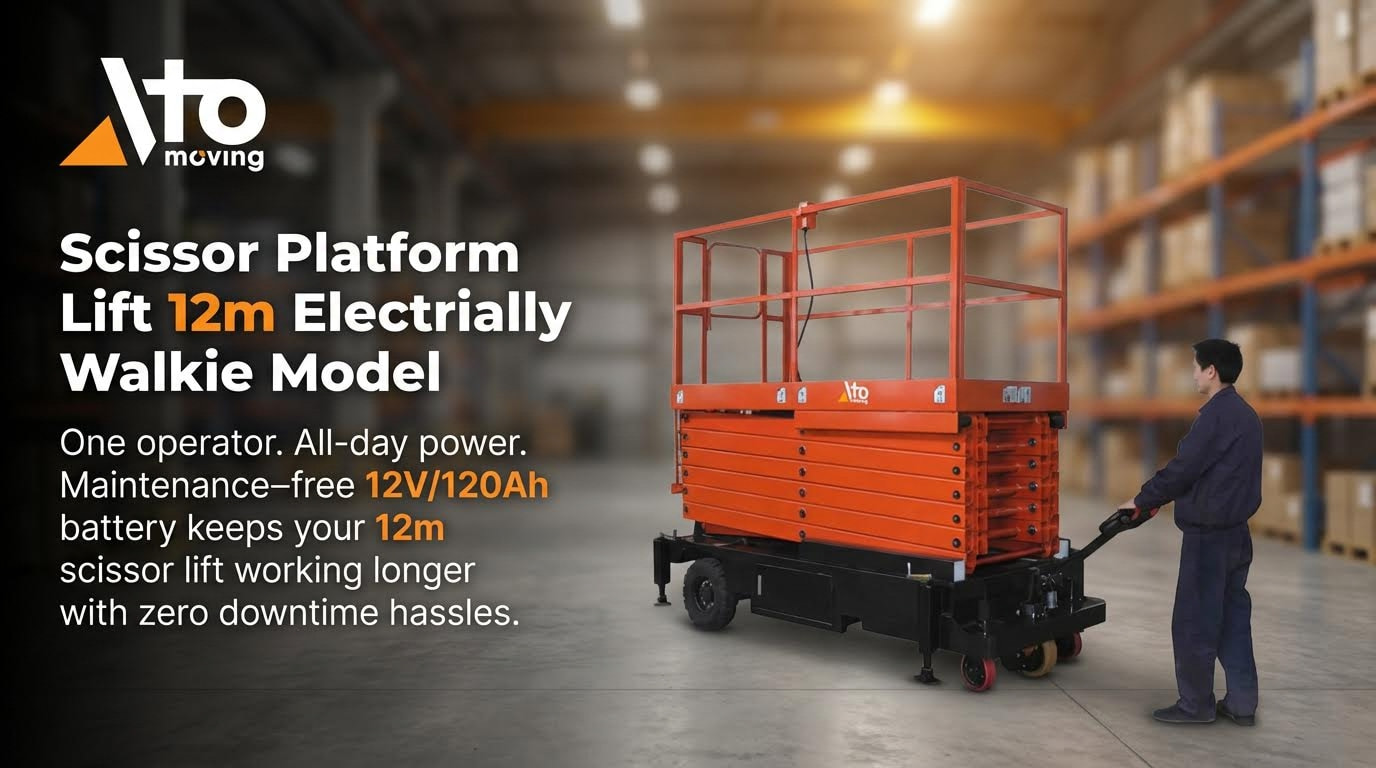
Scissor lifts sit in a grey area: mechanically they look like compact heavy equipment, but under OSHA they are classified and regulated as mobile scaffolds, not aerial lifts or forklifts. This difference drives how you answer “is a scissor lift considered heavy equipment” in policy, training, and documentation.
In practical terms, most construction and facility managers treat self‑propelled scissor lifts as part of the “light to medium” heavy equipment fleet because they can lift 230–1,000+ kg and reach up to about 20 m, similar to other powered access gear. Yet OSHA applies scaffold rules to them, which changes the compliance playbook compared with boom lifts or powered industrial trucks.
| Question | Short Answer | Operational Impact |
|---|---|---|
| Is a scissor lift considered heavy equipment on site? | Functionally yes, for planning and risk control. | Manage it like powered access gear: exclusion zones, traffic control, and competent operator training. |
| Is a scissor lift considered heavy equipment under OSHA definitions? | OSHA classifies it as a mobile scaffold, not a PIT or aerial lift. | You follow scaffold standards (29 CFR 1926 Subpart L), not forklift or aerial lift rules, for most requirements. |
| Is a scissor lift an aerial lift? | No; OSHA separates scissor lifts from aerial lifts. | Aerial lift movement rules for boom devices do not automatically apply to scissor lifts. |
💡 Field Engineer’s Note: For incident investigations, I always classify scissor lifts alongside other heavy equipment in the site risk register, even though OSHA calls them mobile scaffolds. This avoids gaps where nobody owns traffic control, ground conditions, or collision hazards.
Heavy equipment vs. aerial work platforms
Scissor lifts are best described as self-propelled aerial work platforms with scaffold-style regulation, rather than classic earthmoving “heavy equipment.” This hybrid identity is why the question “is a scissor lift considered heavy equipment” causes confusion across safety, maintenance, and HR teams.
From a mechanical and performance standpoint, modern scissor lifts use high-strength steel structures, hydraulic or electric drives, and can handle platform loads from about 230 kg to over 1,000 kg, with working heights up to roughly 20 m. Their work envelope and risk profile overlap strongly with other aerial platform like mast lifts and small booms, even though OSHA does not put them in the aerial lift category.
| Equipment Type | Typical Primary Use | Regulatory Category (OSHA) | Typical Capacity / Reach | Operational Impact |
|---|---|---|---|---|
| Scissor lift | Vertical access for people, tools, and materials | Mobile scaffold (29 CFR 1926.452(w)) per OSHA | Approx. 230–1,000+ kg; up to ~20 m height based on common specs | Acts like compact heavy equipment; needs exclusion zones and trained operators. |
| Boom-type aerial lift | Vertical and horizontal reach around obstacles | Aerial lift (separate OSHA aerial lift rules) | Often 15–40 m reach, similar platform loads | Stricter movement rules while elevated; more complex stability hazards. |
| Powered industrial truck (forklift) | Material handling, pallet movement | PIT (29 CFR 1910.178) | 1,000–5,000+ kg loads at low height | Different training, stability triangle concepts, and traffic rules. |
| Traditional heavy equipment (excavator, dozer) | Earthmoving, grading, demolition | Not treated as scaffold or PIT; governed by construction equipment rules | Masses in tens of tonnes | High ground pressure, swing radius, and rollover risks; different operator certification. |
- Vertical-only movement: Scissor lifts raise within the wheelbase – stability is more like a scaffold tower than a swinging boom.
- Platform-centric design: The platform, guardrails, and load distribution dominate risk – similar to temporary access platforms.
- Powered chassis: Self-propelled bases introduce traffic and collision risks – this is where “heavy equipment” style controls become necessary.
Why this matters for “is a scissor lift considered heavy equipment” in policy
If your written programs only list excavators, dozers, and cranes as “heavy equipment,” scissor lifts can fall through the cracks. Treating them as part of the heavy equipment fleet ensures they are included in traffic management plans, spotter requirements, and critical lift reviews where appropriate.
Why OSHA treats scissor lifts as mobile scaffolds
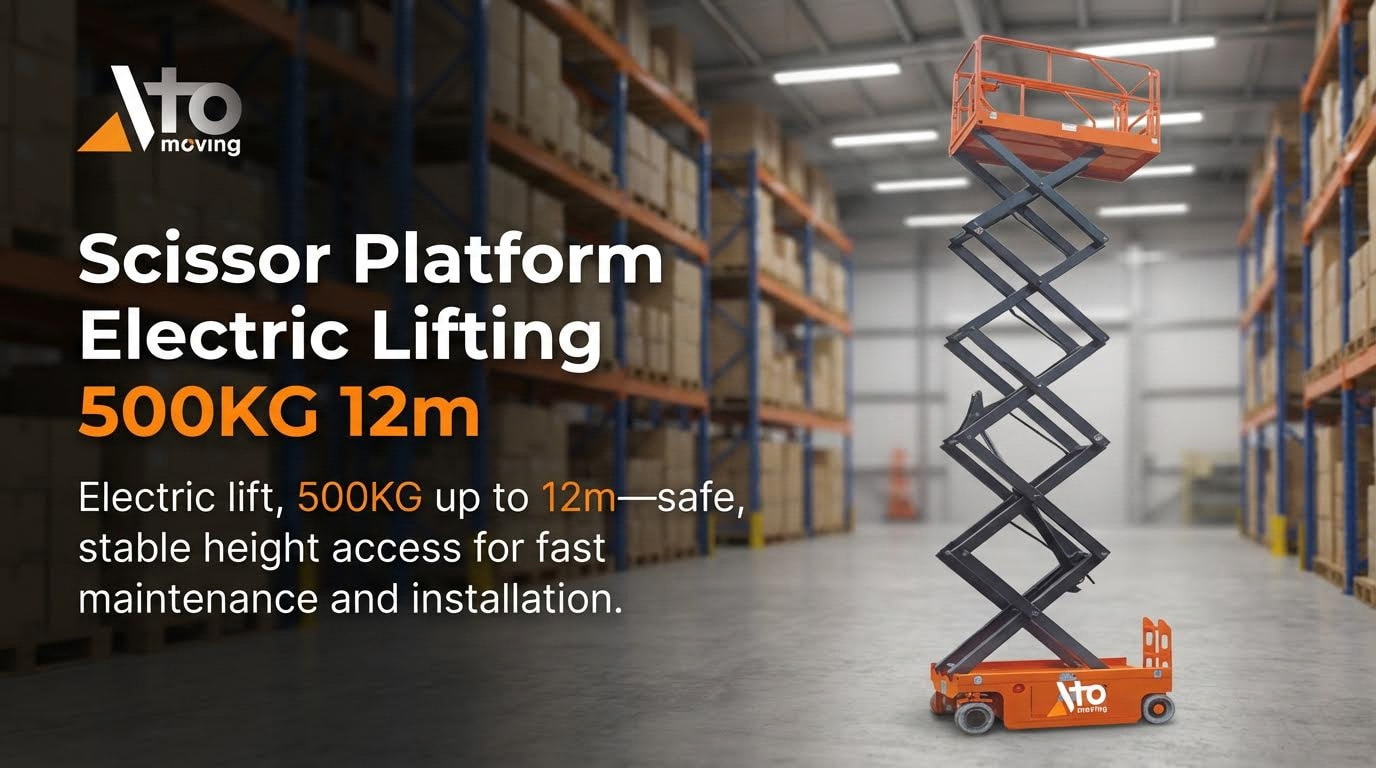
OSHA treats scissor lifts as mobile scaffolds because their platforms move vertically inside the wheelbase and rely on guardrails as the primary fall protection system. This geometry and control philosophy aligns more with scaffold towers than boom-type aerial lifts.
Under 29 CFR 1926.452(w), scissor lifts are explicitly classified as mobile scaffolds, not aerial lifts, and are therefore governed by scaffold safety standards rather than aerial lift or forklift standards. They must maintain a height-to-base-width ratio of 2:1 or less while moving unless they pass specific stability tests in Appendix A to Subpart L of 29 CFR 1926, and they must operate on firm, nearly level ground within about 3° of level free of pits or obstructions according to OSHA guidance.
| OSHA Focus Area | Requirement for Scissor Lifts | Operational Impact |
|---|---|---|
| Regulatory category | Classified as mobile scaffolds, not aerial lifts or PITs per OSHA-based guidance | Your written program should reference scaffold standards, not just forklift rules. |
| Fall protection | Guardrails required under 29 CFR 1926.451(g) or 1910.29(a)(3)(vii) per OSHA | Workers must stand on the platform only, not guardrails; harnesses used when guardrails are missing or compromised. |
| Stability while moving | Height-to-base-width ratio ≤ 2:1 unless tested; surface within ~3° of level and free of holes per OSHA | Restricts movement at full height; requires pre-use checks of floor flatness and obstructions. |
| Environmental limits | Operation prohibited in winds above about 28 mph; large sheeted loads reduce stability per OSHA | Supervisors must check weather and material sail area before authorizing work outdoors. |
| Load distribution | Loads must stay within rated capacity and be evenly distributed within guardrails per OSHA | No stacking of materials at one edge; tools and stock must be spread across the deck. |
- Guardrail-first philosophy: OSHA assumes guardrails alone usually provide adequate fall protection – harnesses become a backup when guardrails are missing or altered.
- Scaffold-style stability checks: Height-to-base ratios, surface levelness, and wind limits mirror mobile scaffold logic – operators must think like scaffold users, not just equipment drivers.
- Movement restrictions: Movement while elevated is tightly controlled – this is very different from many boom lifts that are designed for travel at height.
💡 Field Engineer’s Note: When you treat a scissor lift like a boom lift, operators tend to “creep” around at full height. Scaffold rules assume the opposite: you move low, work high. That simple mindset change dramatically cuts tip-over risk.
How this affects your written procedures
Your safe work procedures should speak the language of scaffolds: height-to-base ratios, guardrail integrity, plumb and level surfaces, and wind checks. If your current SOPs copy forklift or boom-lift language, they likely miss these scaffold-specific controls and may not align with OSHA expectations.
Implications for training and documentation
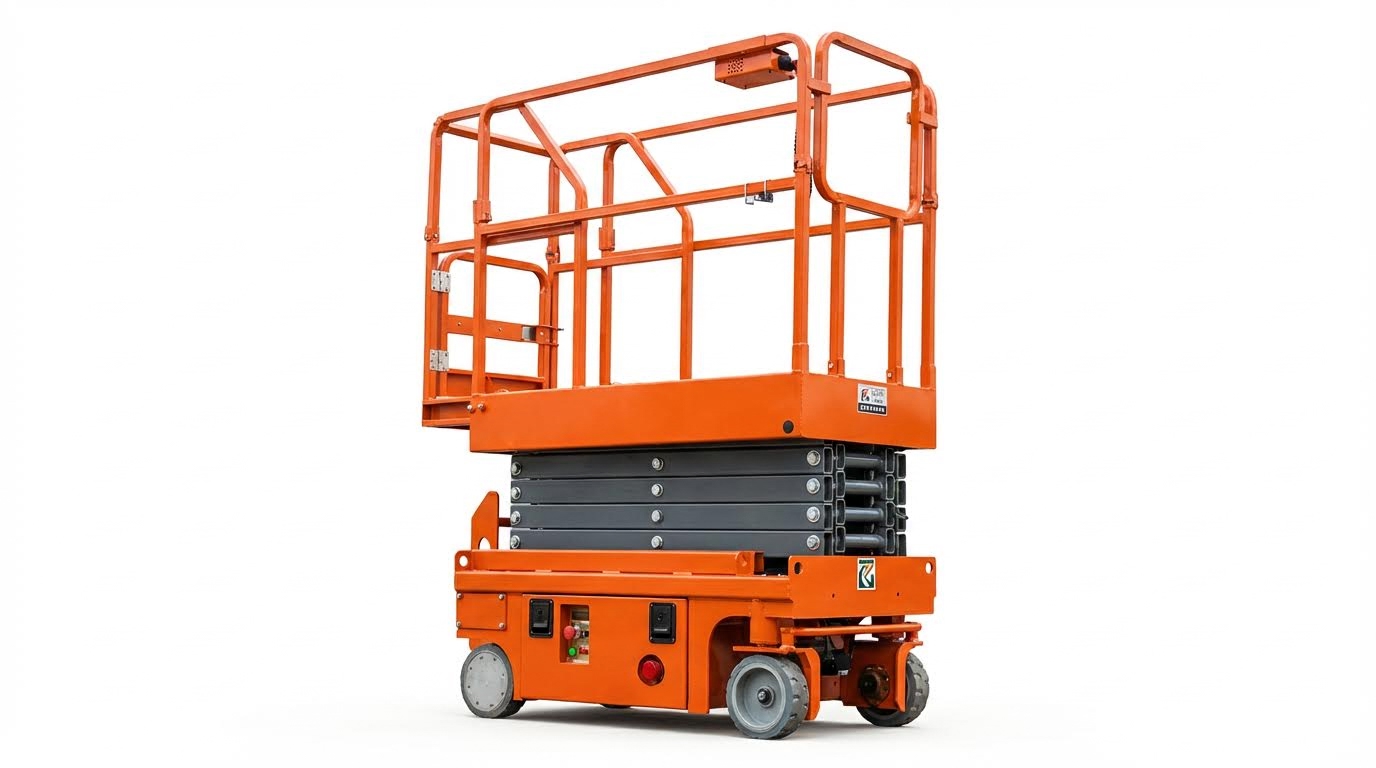
Because OSHA treats scissor lifts as mobile scaffolds, operator training and documentation must be scaffold-centric while still recognizing that, in the field, they behave like powered heavy equipment in traffic and collision scenarios. Training that only mirrors forklift programs leaves major gaps in fall protection, stability, and wind management.
OSHA-based guidance notes that scissor lift training should cover correct operation, staying within weight limits, recognizing overhead power lines and traffic routes, performing pre-use inspections, reporting defects, and understanding specific controls and safety devices, aligned with OSHA scaffold standards and ANSI A92.6 requirements according to industry interpretation of OSHA rules. Daily inspections must confirm fluid levels, tires, guardrails, controls, tilt alarms, and emergency stops while the platform is on firm, level ground per OSHA.
| Program Element | Scissor Lift Expectation | Operational Impact / Best For… | |||||||||||||||||||||||||||||||||||||||||||||||||||||||||||||||||||||||||||||||||||||||||||||||||||||||||||||||||||||||||||||||||||||
|---|---|---|---|---|---|---|---|---|---|---|---|---|---|---|---|---|---|---|---|---|---|---|---|---|---|---|---|---|---|---|---|---|---|---|---|---|---|---|---|---|---|---|---|---|---|---|---|---|---|---|---|---|---|---|---|---|---|---|---|---|---|---|---|---|---|---|---|---|---|---|---|---|---|---|---|---|---|---|---|---|---|---|---|---|---|---|---|---|---|---|---|---|---|---|---|---|---|---|---|---|---|---|---|---|---|---|---|---|---|---|---|---|---|---|---|---|---|---|---|---|---|---|---|---|---|---|---|---|---|---|---|---|---|---|---|
| Operator training scope | Include operation, weight limits, site hazards, pre-use inspection, and control familiarization, referencing scaffold and ANSI A92.6 requirements per OSHA-based guidance | Ensures operators understand both scaffold-style stability and powered chassis risks. | |||||||||||||||||||||||||||||||||||||||||||||||||||||||||||||||||||||||||||||||||||||||||||||||||||||||||||||||||||||||||||||||||||||
| Daily inspections | Check structure, guardrails, hydraulic/electric systems, tires or casters, controls, decals, and capacity markings per OSHA-based guidance and OSHA | Reduces sudden failures at height; supports safe use in 2.0–2.5 m wide aisles common in warehouses. | |||||||||||||||||||||||||||||||||||||||||||||||||||||||||||||||||||||||||||||||||||||||||||||||||||||||||||||||||||||||||||||||||||||
| Traffic and exclusion zones | Maintain at least a 1.8 m exclusion zone using cones, barricades, or tape; apply visual warnings and reflective markings per OSHA | Helps prevent crushing and collision incidents in busy aisles or outdoor sites. | |||||||||||||||||||||||||||||||||||||||||||||||||||||||||||||||||||||||||||||||||||||||||||||||||||||||||||||||||||||||||||||||||||||
| Fall protection policy | Guardrails as primary system; harness and restraint required if guardrails are missing, damaged, or removed, with anchor points rated at ≥ 22.2 kN per worker and limiting free fall to 1.8 m per OSHA | Clarifies when PFAS is mandatory; simplifies enforcement during audits. | |||||||||||||||||||||||||||||||||||||||||||||||||||||||||||||||||||||||||||||||||||||||||||||||||||||||||||||||||||||||||||||||||||||
| Positioning near power | Maintain at least 3.0 m (10 ft) from energized electrical sources; use ground guides in tight spaces Design, Performance, And Safety Standards For Scissor Lifts
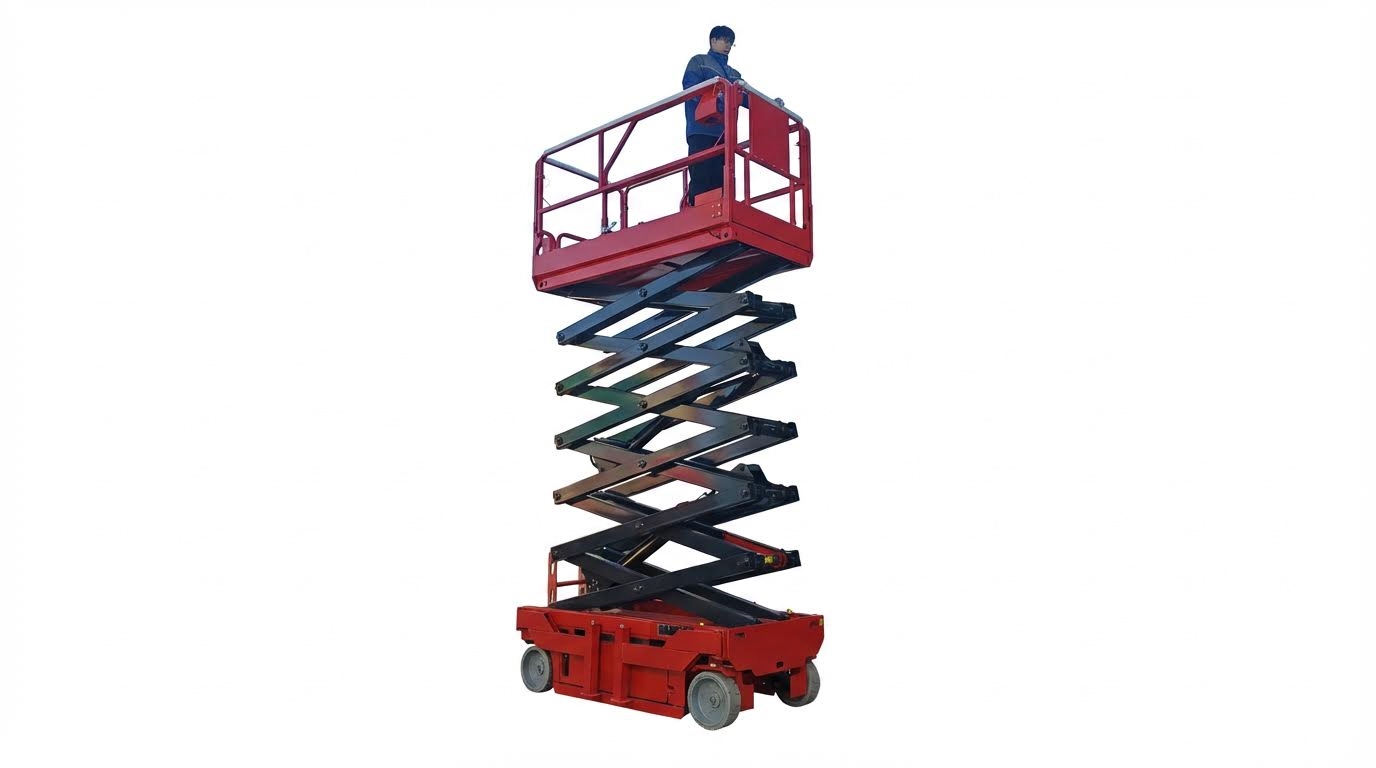 This section explains how scissor lifts are engineered, powered, and stabilized so you can decide when a scissor lift is a scissor platform considered heavy equipment in your risk register and compliance documents.
Core mechanical design and load pathsScissor lifts use an X‑shaped pantograph structure, high‑strength steel, and vertical load paths to transfer platform loads safely into the base frame and ground. The working platform sits on a scissor stack made of metal struts in an X‑shaped pantograph. This geometry converts cylinder force into vertical motion while keeping the platform inside the wheelbase. The base frame carries tracks and rollers that guide the scissor arms for smooth elevation and controlled deflection throughout the stroke. High‑quality models use Q345 high‑strength carbon steel, which increases load‑bearing capacity by about 20–30% compared with Q235 steel and improves resistance to bending and permanent deformation under repeated lifting cycles under dynamic loads.
Load ratings are defined at the platform and depend on vertical load paths staying within design limits. For example, some models allow about 320 kg indoors with two occupants but derate to about 230 kg outdoors with one occupant due to added wind and dynamic effects on stability and structural margins.
How engineers think about scissor-lift load pathsEngineers treat the scissor stack like a series of linked columns and beams under compression and bending. Pin joints, bushings, and welds are inspected for cracks or corrosion because any weakness there concentrates stress and can trigger progressive collapse under peak loads or shock events. Power options: hydraulic, electric, pneumatic, rough terrainScissor lifts use hydraulic, electric, pneumatic, or engine‑driven rough‑terrain power systems, and each power type changes where the lift can safely operate and how you maintain it.
Electric scissor lifts rely on rechargeable battery packs and often include proportional controls and onboard diagnostics to manage drive and lift functions quietly and precisely indoors without exhaust emissions. Battery care involves checking charge state, case condition, cable security, and electrolyte levels, plus cleaning terminals and using full overnight charges to extend service life and reduce mid‑shift failures.
Battery and hydraulic maintenance expectationsRoutine maintenance includes checking hydraulic fluid levels, wheel condition, steering, brakes, and emergency controls, plus verifying manuals are onboard and decals are legible for operator reference. Daily inspections also cover tilt alarms, emergency stops, and structural welds over longer intervals to catch early defects. Stability, wind, and load distribution criteriaScissor lift safety depends on geometric stability limits, wind speed restrictions, and strict control of how much weight you put on the platform and where you place it.
OSHA prohibits operation of scissor lifts in strong winds above about 28 mph because exposed surfaces such as sheeting or large panels can dramatically increase overturning moment and invalidate the rated wind limit even if the machine itself is within spec. Tilt alarms are there to warn of unsafe angles; operators must lower the platform and reposition on level ground rather than trying to “work off the alarm” as a leveling aid which is explicitly discouraged.
Inspection and structural stability checksDaily inspections should verify fluid levels, tires, guardrails, controls, tilt alarms, and emergency stops while the platform is fully lowered on firm, level ground before starting work. Weekly checks include lubricating scissor pivots and inspecting hoses for abrasion, while monthly inspections add structural weld reviews and full operational cycles under rated loads to confirm the lift still meets its original stability Choosing And Managing Scissor Lifts In Your Fleet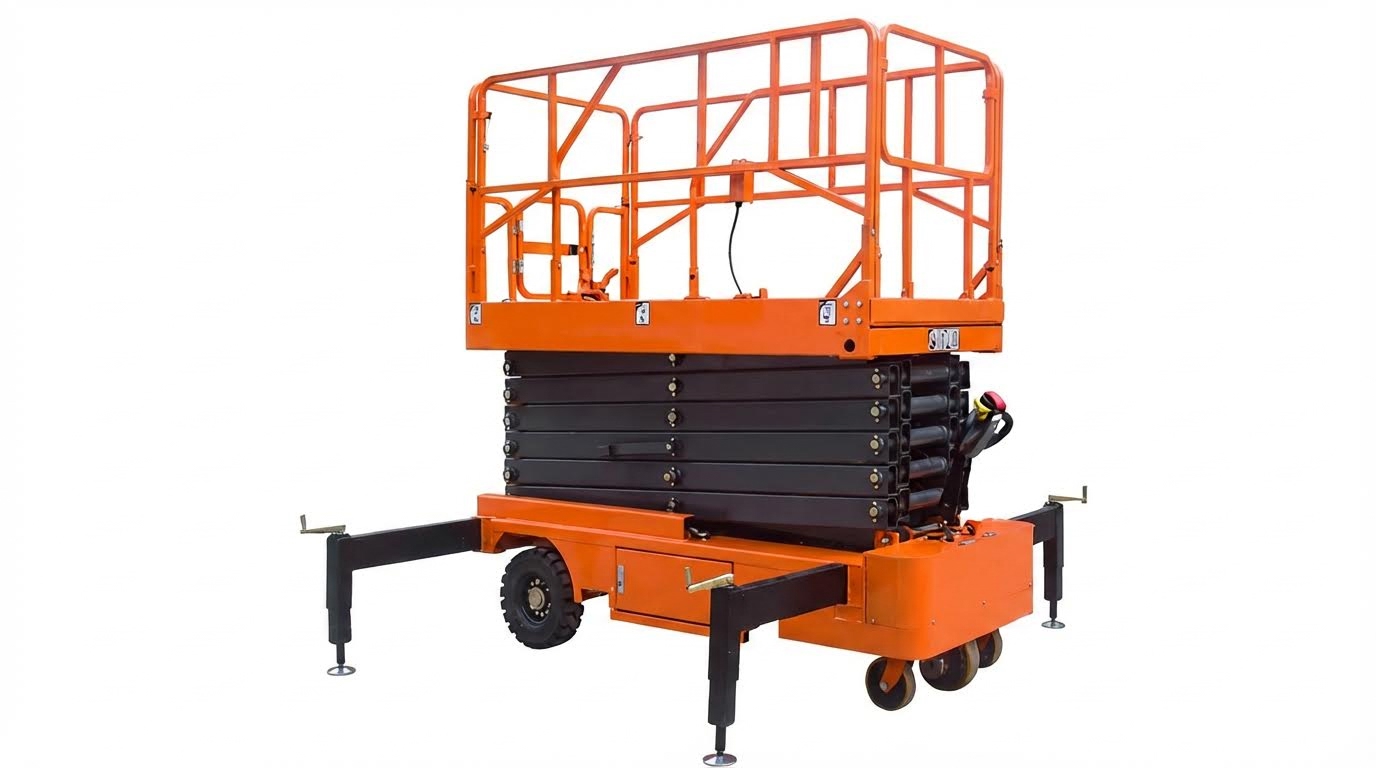 Choosing and managing scissor lifts in your fleet means matching lift type, power source, and safety systems to task, terrain, and regulatory duties, then backing that choice with structured inspections, training, and lifecycle maintenance. This is also where you answer the practical question “is a scissor lift considered heavy equipment” in policy terms, not just in theory: you decide how strictly to control it on site, how you classify operators, and how you budget for ownership.
Matching lift type to application and environmentMatching lift type to application and environment means selecting power, structure, and capacity around three things: where it runs, what height you need, and how “clean” the work area must stay.
How to pre‑check if a lift will physically fit your siteMeasure door clear height and width in mm, narrowest aisle width, and tightest turning radius on your route. Compare these to the manufacturer’s stowed height, overall width, and turning radius before committing to a model. Regulatory-driven selection and site risk assessmentRegulatory‑driven selection and risk assessment means you size, classify, and operate scissor lifts so they comply with OSHA scaffold rules, wind and stability limits, and platform load ratings for every job. This is where you operationalize the answer to “is a scissor lift considered heavy equipment” for your company: OSHA calls it a mobile scaffold, but your internal rules can still group it with forklifts and cranes for permits, traffic plans, and high‑risk work controls.
“” Final Thoughts On Heavy Equipment Status And ComplianceScissor lifts occupy a dual identity. OSHA calls them mobile scaffolds, but their mass, reach, and traffic risks align with compact heavy equipment. That split matters. If you treat them only as scaffolds, you risk missing traffic control, ground bearing, and collision hazards. If you treat them only as heavy equipment, you can overlook guardrail integrity, wind limits, and height‑to‑base rules. The engineering details in this guide point to one clear approach. Use scaffold standards to set design, training, and fall‑protection rules. Use heavy‑equipment style controls for movement, exclusion zones, and site logistics. Geometry, load paths, and high‑strength steels keep the platform stable only when you stay within rated capacity, keep loads centered, and work on firm, near‑level ground with wind under the limit. For operations and engineering teams, the best practice is simple. Classify scissor lifts as mobile scaffolds in your OSHA programs, and manage them as controlled heavy plant in your site rules. Build training around scaffold and ANSI A92.6 requirements. Lock in daily inspections and 1.8 m exclusion zones. If you follow that blended model, you can defend your compliance decisions, cut incident rates, and run a safer, more efficient fleet with Atomoving or any similar equipment in your mix. Frequently Asked QuestionsIs a scissor lift considered heavy equipment?A scissor lift is generally classified as heavy equipment, especially when considering its lifting capacity and industrial applications. These machines typically handle loads between 1,000 and 2,250 kilograms, with working heights ranging from 11 to 15 meters. Scissor Lift Applications. What type of equipment is a scissor lift considered?According to OSHA, a scissor lift is not classified as an aerial lift but rather considered a type of scaffold. This classification impacts safety regulations and operational guidelines. OSHA Scissor Lift Classification. What qualifies as lifting equipment?Lifting equipment refers to mechanical devices used for lifting, including forklifts, hoists, cranes, and scissor lifts. Accessories like slings, hooks, and shackles that attach the load to the lifting device are categorized separately as lifting accessories. Lifting Equipment Guide. |