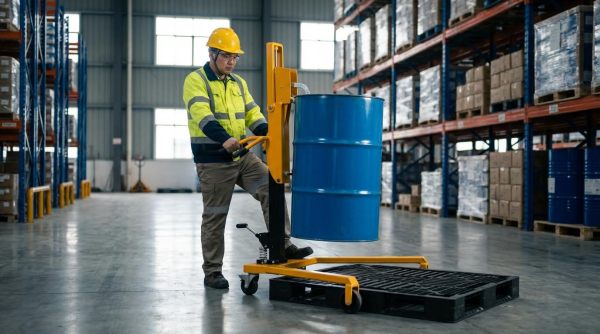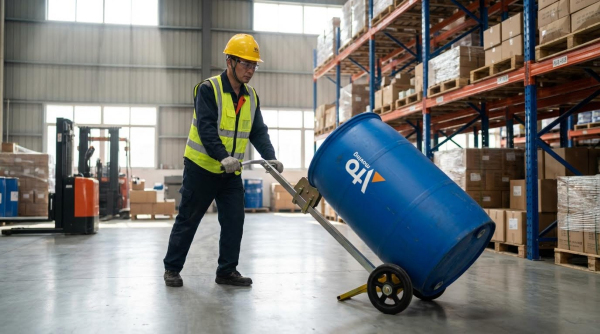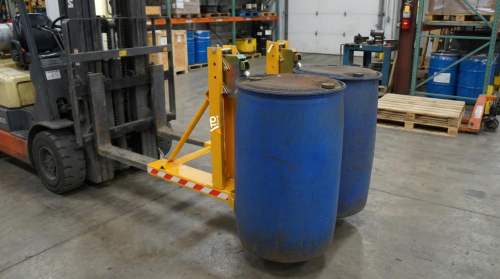
Efficient drum storage is critical for maximizing warehouse space and ensuring safe material handling. Understanding how many drums can fit on a standard pallet involves analyzing pallet dimensions, drum sizes, and load constraints. This article explores key factors affecting drum palletization, including dimensional compatibility, stacking methods, and securing techniques to optimize storage and transport stability.
We will examine standard pallet and drum dimensions, loading configurations, securing methods, and summarize best practices and industry trends. These insights aim to help professionals improve operational efficiency and maintain compliance with safety standards in drum handling.
Standard Pallet and Drum Dimensions for Optimal Fit
Typical Pallet Sizes Used in Drum Handling
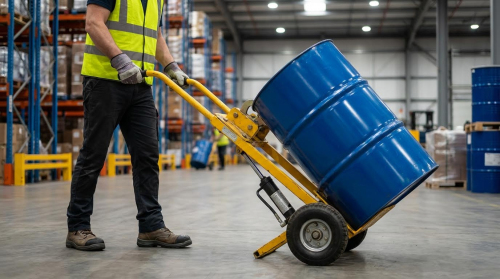
Standard pallets used in drum handling typically measure 1200 mm by 1000 mm or 1200 mm by 1200 mm. These sizes align with international shipping standards, facilitating efficient transport and storage. The choice between these pallet dimensions depends on drum size and warehouse layout constraints. Pallets must support drum weight evenly to prevent deformation during handling.
Common Drum Capacities and Their Dimensions
Drums commonly used in industry have capacities of 200 liters, 120 liters, and 60 liters. The 200-liter drum, for example, usually has a diameter of approximately 575 mm and a height near 880 mm. Smaller drums scale down proportionally in diameter and height. Accurate knowledge of these dimensions is essential for maximizing pallet space utilization and ensuring safe stacking.
Spatial Arrangement Patterns for Drums on Pallets
Drums are arranged on pallets in patterns that optimize space while maintaining stability. A single 1200 mm by 1000 mm pallet can typically hold four 200-liter drums in a square pattern. For smaller drums, the number per pallet increases proportionally. The arrangement must allow for secure handling and minimize movement during transport. Offset stacking patterns are sometimes used to improve load stability.
Load Capacities and Weight Considerations
The weight of a full 200-liter steel drum can reach approximately 250 kilograms. Pallets used must have a load capacity exceeding the total weight of the drums to prevent failure. Standard industrial pallets often support up to 1500 kilograms, accommodating multiple drums safely. Weight distribution across the pallet surface is critical to avoid stress concentrations that could damage the pallet or compromise safety.
Loading Configurations and Stacking Practices
Single-Layer Drum Placement Strategies
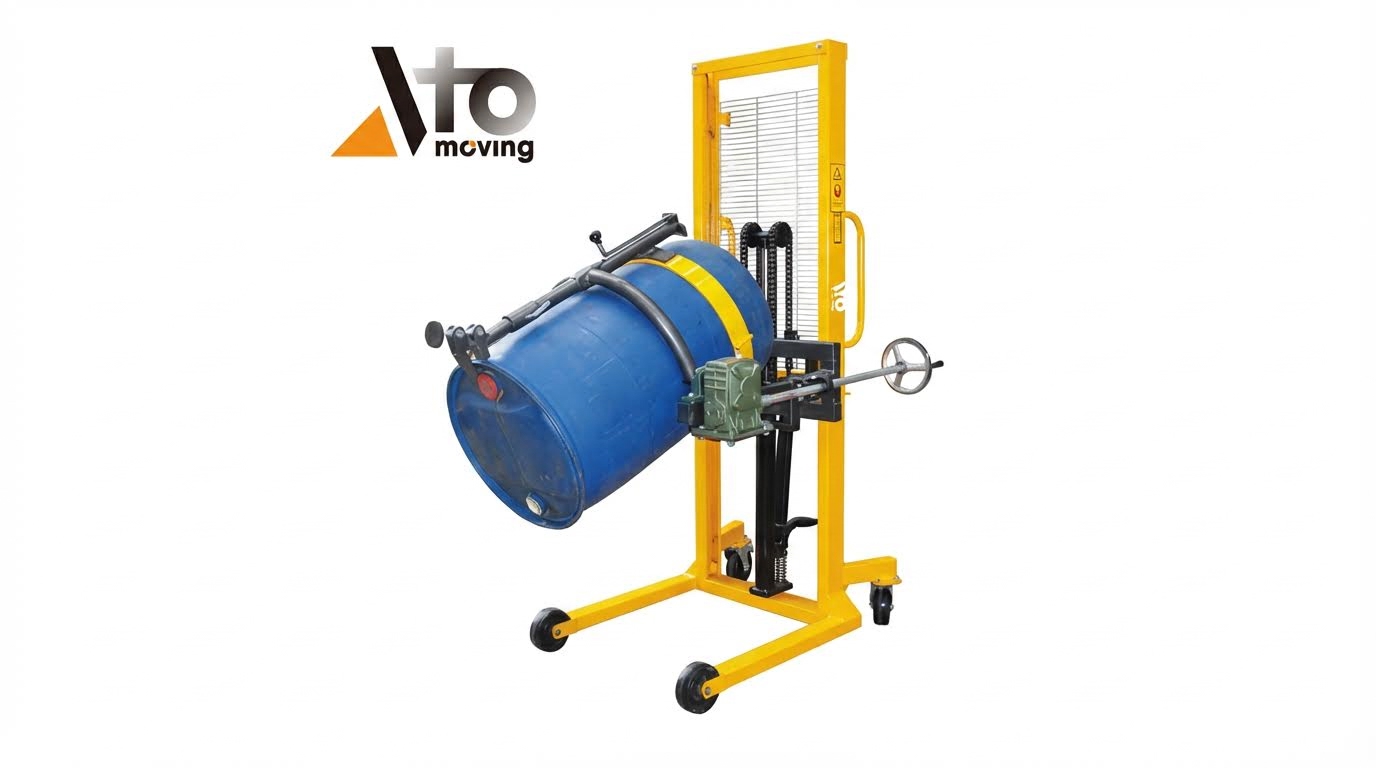
Single-layer drum placement typically involves arranging drums in a tight, stable pattern on the pallet surface. The most common approach is the columnar pattern, where drums are aligned in rows and columns, maximizing pallet space utilization. An alternative is the interlocking pattern, which enhances lateral stability by offsetting drums in adjacent rows. Proper single-layer placement ensures load evenness, reducing the risk of drum movement during handling and transport.
Multi-Layer Stacking: Safety and Stability Factors
Multi-layer stacking increases storage density but requires strict adherence to safety protocols. Stacking drums vertically must consider the load-bearing capacity of the lower drums and the pallet. Stability depends on uniform drum dimensions and secure interlayer materials such as slip sheets or pallets. Overstacking beyond recommended heights can lead to structural failure or tipping hazards, especially if drums contain hazardous materials. Compliance with OSHA and ISO standards is essential for safe multi-layer stacking.
Use of Retaining Rings and Securing Devices
Retaining rings clamp drum lids tightly to prevent spillage and maintain integrity during transport. These rings also contribute to the structural stability of stacked drums by keeping lids securely in place. Additional securing devices include banding straps, corner protectors, and edge guards to prevent lateral movement. Integrating these devices reduces vibration-induced shifting and enhances overall load stability, complying with transportation safety regulations such as DOT and IMDG codes.
Impact of Drum Height and Diameter on Stacking
Drum dimensions directly influence stacking feasibility and load distribution. Standard 55-gallon drums typically measure about 880 mm in height and 580 mm in diameter, allowing predictable stacking configurations. Taller drums may reduce the maximum safe stacking height due to increased center of gravity. Variations in diameter affect how tightly drums fit together, impacting the stability of both single and multi-layer arrangements. Engineering calculations must account for these dimensions to optimize pallet load design and ensure compliance with safety margins.
Securing Methods and Transport Stability Enhancements
Traditional Securing Techniques: Shrink Wrap and Strapping
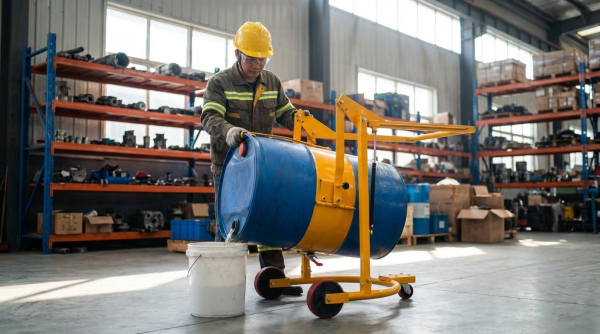
Shrink wrap is widely used to stabilize drums on pallets by tightly encasing the load, preventing lateral movement during transit. Strapping, typically made from steel or polyester, provides mechanical restraint by binding the drums to the pallet securely. Both methods reduce the risk of drum displacement and help maintain load integrity under dynamic transport conditions. Proper tensioning of straps and uniform application of shrink wrap are critical to maximize their effectiveness and avoid damage to the drums.
Advanced Solutions: DRUMCLIPs and Composite Strapping
DRUMCLIPs offer a reusable, mechanical securing option that clamps drums firmly to pallets without requiring wrapping or strapping. They enhance load stability by directly interfacing with drum rims, reducing slippage. Composite strapping, made from high-strength synthetic fibers, provides superior tension retention and corrosion resistance compared to traditional steel straps. These advanced methods improve securing reliability, reduce material waste, and facilitate faster loading and unloading operations.
Compliance with Stability and Safety Standards
Securing methods must comply with international standards such as ISO 3874 and EN 12195, which define load restraint and transport stability requirements. Compliance ensures that drum loads withstand forces encountered during road, rail, or sea transport without compromising safety. Regular inspection of securing devices and adherence to prescribed tension levels are essential to meet regulatory guidelines and prevent accidents caused by load shifts or drum falls.
Benefits of Securing Devices on Load Integrity
Effective securing devices maintain the geometric stability of drum stacks, minimizing impact forces and vibration damage. They reduce the likelihood of drum deformation, leakage, or contamination by limiting relative movement between drums and the pallet. Enhanced load integrity contributes to safer handling, reduces insurance claims, and lowers overall transportation costs. Integrating securing devices into drum palletization optimizes operational efficiency and supports compliance with safety protocols.
Summary of Drum Palletization Best Practices and Industry Trends
Efficient drum palletization hinges on selecting the correct pallet and drum dimensions, employing proper loading configurations, and utilizing effective securing methods. Industry standards emphasize matching drum sizes with pallet types to maximize load stability and optimize space. Advances in securing technologies, such as DRUMCLIPs and composite strapping, have enhanced transport stability and compliance with safety regulations.
Current trends indicate a shift toward more sustainable and lightweight securing materials without compromising load integrity. Automation in palletizing processes is gaining traction, improving handling speed and reducing manual errors. These developments reflect the industry’s focus on safety, efficiency, and environmental responsibility.
For practical implementation, operators must consider drum weight, pallet load capacity, and stacking height limitations to prevent structural failures. Integrating retaining devices and advanced securing solutions can mitigate risks during transit and storage. Ongoing training and adherence to regulatory guidelines remain critical for maintaining operational safety.
Overall, the evolution of drum palletization technology balances innovation with established best practices, ensuring robust, compliant, and efficient drum storage and transport solutions across industries.