Electric pallet jacks classified as Class III trucks played a central role in modern material handling. Facilities relied on them for mid-range runs, dock work, and in-aisle replenishment, where safe, repeatable operation was critical. This article examined core operating principles, OSHA-compliant procedures, and structured maintenance practices, including battery care and wear detection on critical components. It concluded with strategic implications for facilities planning to optimize throughput, minimize downtime, and align electric pallet jack use with broader safety and lifecycle management strategies.
Core Principles Of Electric Pallet Jack Operation

Core operating principles governed electric pallet jack performance, safety, and productivity in warehouses and distribution centers. Class III electric motor hand trucks relied on correct configuration, trained operators, and disciplined procedures. Understanding capacity, stability, and ergonomics reduced incidents and equipment damage. These fundamentals also formed the basis for OSHA-compliant training and site-specific operating rules.
Class III truck basics and key components
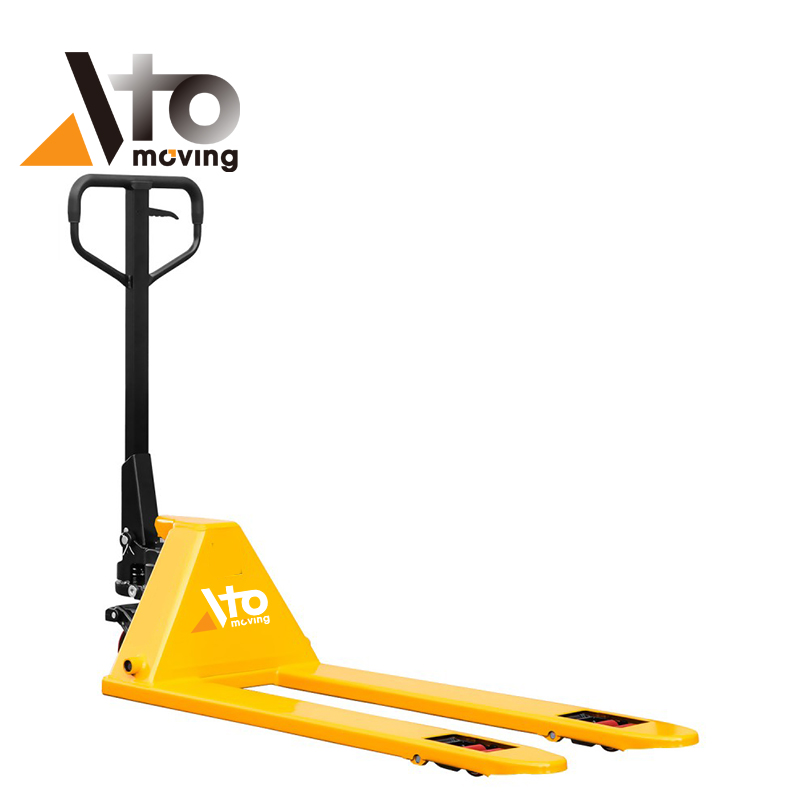
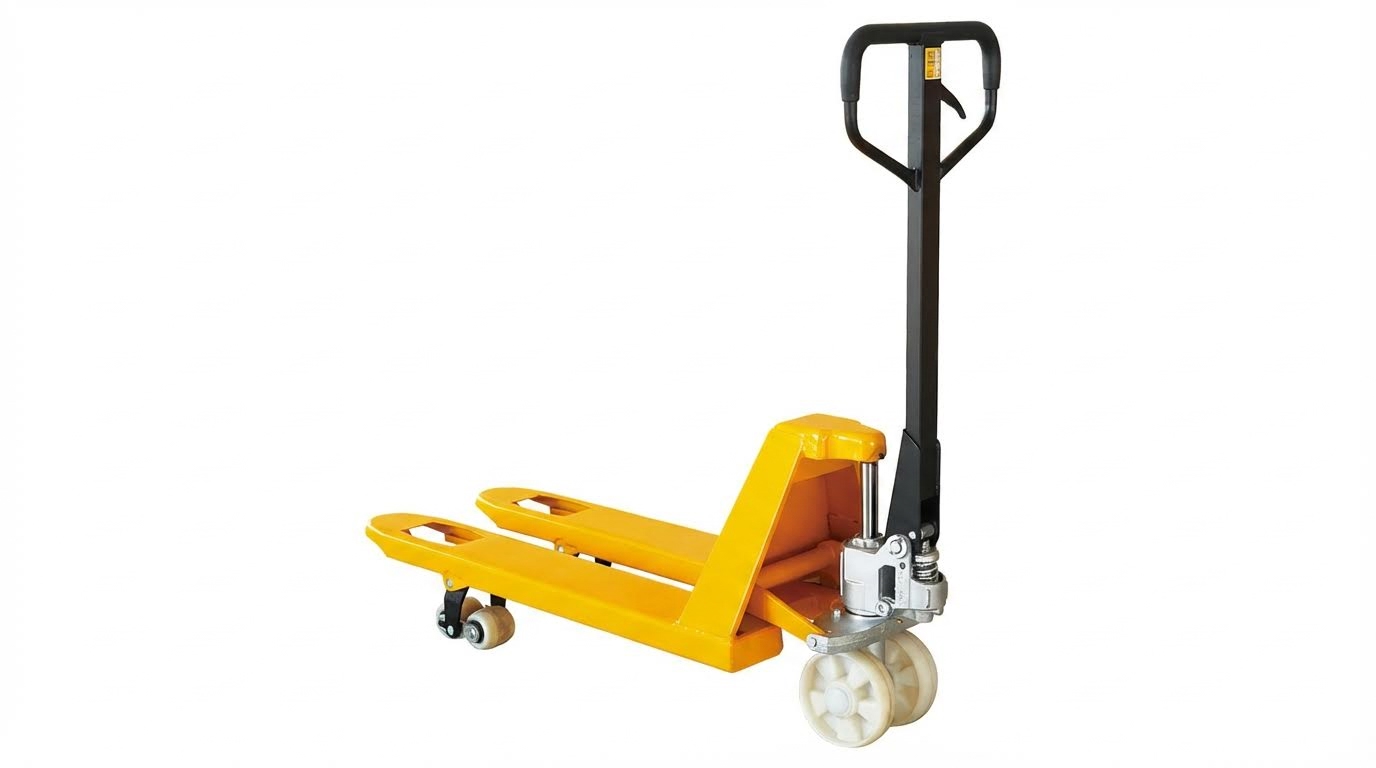
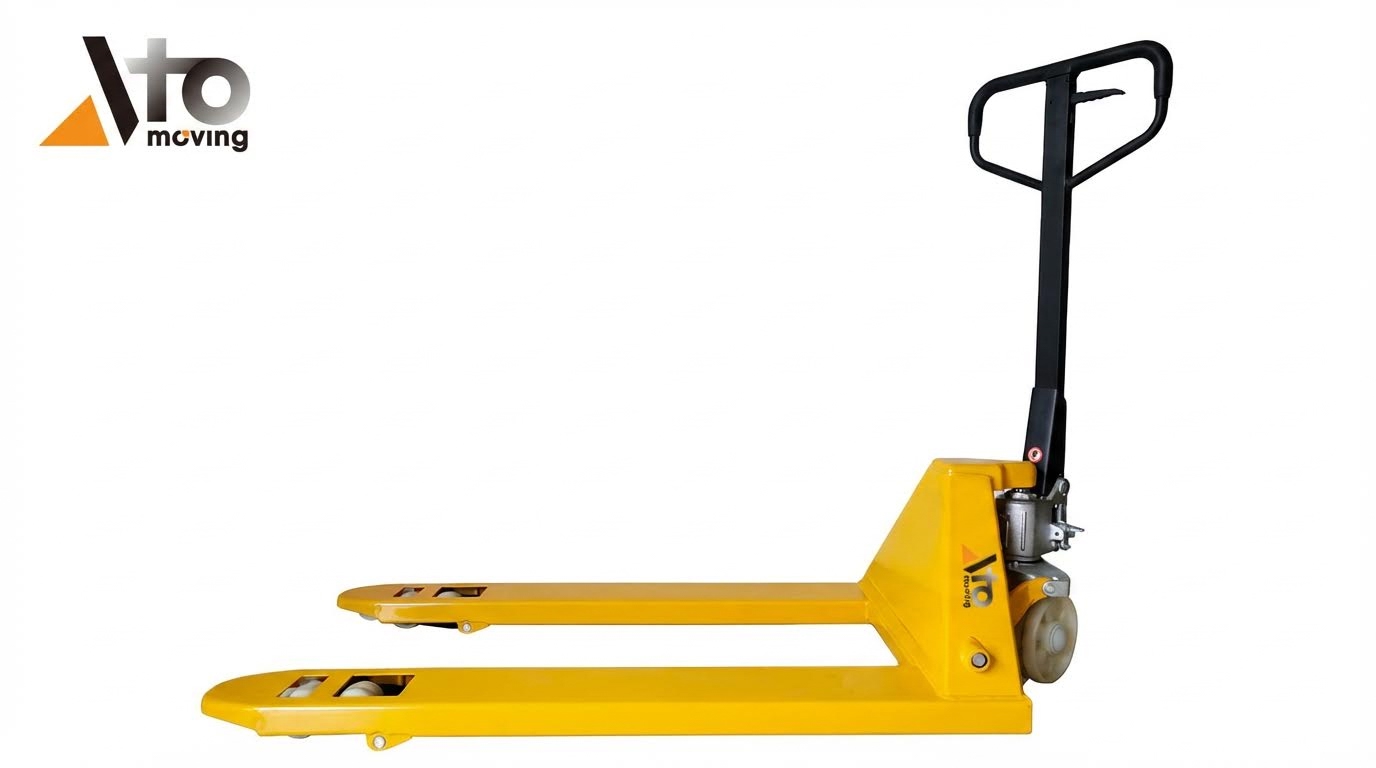
Electric pallet jacks belonged to OSHA Class III electric motor hand trucks. They used an electric drive motor, an onboard battery, and hydraulic lift to raise loads typically up to about 2 500 kg. Key components included forks, load wheels, drive wheel, tiller or control handle, and the hydraulic pump unit. Control heads integrated travel direction, speed control, lift and lower switches, horn, and emergency reverse or “belly button” switch. Some models incorporated folding ride-on platforms and load backrests for longer runs and two-tier loads. Understanding each component’s function supported accurate troubleshooting, safe operation, and correct pre-use inspection.
Load capacity, stability, and center of gravity
Every electric pallet jack carried a rated load capacity on its nameplate, which operators had to respect. Engineers defined this rating at a specified load center, often around 600 mm from the fork heel, assuming a rigid, evenly distributed load. When the combined center of gravity moved forward or upward, stability margins decreased and tip-over risk increased. Overhanging loads, stacked pallets, or damaged pallets shifted the center of gravity unpredictably. Operators maintained forks just high enough for ground clearance, which kept the load’s center of gravity low and within the stability triangle. Training emphasized rejecting damaged pallets and reconfiguring unstable loads rather than forcing marginal conditions.
Push vs. pull: control, visibility, and ergonomics
Best practice favored pushing electric pallet jacks whenever feasible because pushing improved operator posture and forward visibility. Pushing allowed the operator to walk behind or beside the truck with the load ahead, reducing trip hazards and steering effort. Pulling could be acceptable for short repositioning moves, particularly in tight aisles, but increased strain on shoulders and lower back. Guidance from safety programs required operators to walk slightly offset from the truck, never directly in line with the forks or chassis. This offset position reduced crush risk and allowed quick use of the emergency reverse switch. Facilities often wrote site rules specifying when pulling was prohibited, such as on inclines or in congested traffic lanes.
Operating on ramps, inclines, and uneven floors
Inclines and irregular floors significantly affected traction, braking distance, and load stability. On ramps, operators kept the load on the uphill side of the truck: load upgrade when traveling uphill and downgrade when descending, unless a two-tier load with a backrest required the opposite configuration. The truck traveled straight up or down the slope, not diagonally, to avoid lateral tip risk. Operators kept speed low, forks low, and prepared for longer stopping distances due to gravity and surface conditions. Uneven or damaged floors required route planning to avoid potholes, dock gaps, and transitions that could shock-load wheels and hydraulics. Supervisors integrated these constraints into traffic management plans and designated no-go zones where floor conditions compromised safe Class III operation.
Safe Operating Procedures And OSHA Compliance
Safe operation of electric pallet jacks relied on structured procedures aligned with OSHA Class III requirements. Facilities reduced incidents when they integrated certification, inspection, driving practices, and parking protocols into one coherent program. The following subsections outlined the critical elements that safety managers and supervisors enforced on the floor.
OSHA Class III rules and operator certification
Electric pallet jacks fell under OSHA 29 CFR 1910.178 as Class III electric motor hand trucks. OSHA required operators to be at least 18 years old and to complete formal instruction, practical training, and an on-the-job performance evaluation. Employers had to tailor training to the specific workplace, traffic patterns, floor conditions, and load types. Certification remained valid for three years, after which employers conducted re-evaluations or sooner after incidents or unsafe operation. Programs covered equipment capabilities, limitations, stability principles, and differences from forklifts. Facilities that documented training, evaluations, and refresher sessions demonstrated compliance during audits and incident investigations.
Pre-use inspection and functional safety checks
Operators performed a pre-use inspection at the start of each shift or before taking over a unit. They checked for leaking fluids, cracked or bent forks, damaged wheels, loose fasteners, and worn or frayed electrical cables. Functional checks included verifying horn operation, emergency reverse or “belly button” switch, service brake response, and smooth tiller movement. For electric models, operators confirmed battery charge level, secure connections, and absence of corrosion on terminals. They also inspected the work area for obstacles, debris, or slippery surfaces that could compromise traction and stopping distance. Any defect affecting safe operation required tagging the pallet jack out of service and reporting it for maintenance.
Safe driving techniques in active warehouses
Safe driving in busy warehouses relied on speed control, visibility, and load stability. Operators kept forks low, typically just enough to clear the floor, and ensured the load did not exceed rated capacity or obscure the line of sight. OSHA guidance and industry practice favored pushing rather than pulling whenever feasible, improving control and reducing musculoskeletal strain. In congested areas, operators reduced speed, sounded the horn at intersections, and maintained clearance from pedestrians and other equipment. On ramps, they traveled straight up or down, with the load upgrade when ascending and downgrade when descending, to keep the center of gravity within the stability envelope. They avoided sharp turns, sudden direction changes, and carrying passengers, which increased tip-over risk and violated safe-use rules.
Parking, shutdown, and unauthorized use prevention
Proper parking and shutdown procedures reduced unintended movement and unauthorized operation. At the end of use, operators lowered forks fully to the floor to eliminate stored potential energy and trip hazards. They neutralized travel controls, applied any parking brake, and for key-controlled units removed the key to prevent untrained use. For electric pallet jacks, they followed facility procedures for battery management, which included parking in designated charging or storage zones and connecting chargers where required. OSHA expectations included keeping parked equipment clear of exits, fire equipment, and emergency egress routes. Supervisors reinforced policies that only certified operators could use Class III trucks, supported by access control measures, signage, and periodic audits of parking and shutdown compliance.
Maintenance, Battery Health, And Lifecycle Management
Effective maintenance programs extended electric pallet jack life, reduced failures, and stabilized operating costs. Facilities integrated routine checks, structured battery care, and data-driven decisions to keep Class III trucks reliable under continuous duty. This section outlined practical maintenance intervals, battery management strategies, and condition monitoring methods aligned with OSHA expectations and manufacturer guidance.
Daily, weekly, and monthly maintenance routines
Daily maintenance focused on safety-critical checks before each shift. Operators inspected forks, wheels, tiller, horn, and hydraulic response, watching for leaks, bent components, abnormal noise, or sluggish lifting. They verified control functions, direction reverse switch, and emergency stop features, and confirmed that the battery indicator showed sufficient charge for the planned duty cycle. Weekly routines typically included more detailed cleaning, checking fastener tightness, and verifying that warning labels and capacity plates remained legible.
Monthly tasks addressed lubrication and deeper condition assessment. Technicians greased wheels, axles, and pivot points at least once per month, or more often in high-duty or dirty environments. They examined hydraulic cylinders and hoses for sweating, corrosion, or damaged seals, and recorded any performance deviations such as reduced lift speed. Maintenance teams also reviewed incident and defect logs monthly to identify recurring issues that indicated misuse or underspecification of equipment.
Battery charging, storage, and thermal protection
Battery management strongly influenced lifecycle cost for electric pallet jacks. Operators avoided full discharge, since repeated deep cycling shortened both lead-acid and lithium battery life. Facilities established charging windows that kept state of charge in a moderate band, usually between roughly 20% and 90%, while following the manufacturer’s specific recommendations. They charged batteries fully on designated cycles and monitored charge times for signs of capacity loss.
Proper storage reduced thermal and environmental stress. Jacks and removable batteries stayed in cool, dry areas, away from direct solar radiation, high humidity, or freezing conditions. High temperatures accelerated electrolyte degradation and electronic failures, while sub-zero exposure reduced available capacity and could crack housings. Maintenance staff inspected cables, connectors, and battery terminals for corrosion or insulation damage and cleaned contacts using approved methods. Facilities also ensured adequate ventilation in charging zones and enforced lockout of damaged chargers.
Wear detection on forks, wheels, and hydraulics
Systematic wear detection prevented structural failures and unplanned downtime. Technicians inspected forks for bending, tip mismatch, cracked welds, or localized thinning, often indicated by chipped paint or visible deformation. Any forks showing permanent deflection or surface cracks were removed from service and evaluated against manufacturer replacement criteria. Wheel inspections focused on flat spots, chunking, embedded debris, and uneven wear that increased rolling resistance and reduced braking performance.
Hydraulic systems required close attention to leaks and performance drift. Operators reported changes in lift speed, inability to hold a load at height, or jerky motion, which indicated internal leakage or contamination. Maintenance teams checked fluid levels, seal condition, and rod surface finish, then scheduled seal kits or cylinder replacement before functional failure occurred. Documenting wear patterns across a fleet helped identify abusive operating practices, such as overloading or impact with dock edges.
Data-driven maintenance and emerging technologies
Data-driven approaches improved the precision and timing of pallet jack maintenance. Facilities increasingly logged inspection findings, component replacements, and failure events in computerized maintenance management systems. Analysis of this data revealed mean time between failures for wheels, batteries, and hydraulic components, enabling optimized preventive replacement intervals. Some newer pallet jacks integrated onboard diagnostics, event logging, and battery management data that maintenance teams downloaded or accessed wirelessly.
Emerging technologies supported predictive strategies. Telematics modules tracked operating hours, travel distance, impact events, and charging behavior, allowing condition-based scheduling instead of fixed calendars. Advanced lithium battery packs provided detailed health metrics, including cycle count, temperature history, and estimated remaining capacity. By combining these datasets, facilities adjusted fleet size, redeployed units between high- and low-duty areas, and justified upgrades to higher-efficiency chargers or batteries. This data-centric maintenance philosophy reduced unplanned outages and aligned lifecycle decisions with real operating conditions.
Summary And Strategic Implications For Facilities

Electric pallet jacks functioned as high‑leverage assets in Class III material handling, provided facilities aligned operation, safety, and maintenance. Evidence from OSHA guidance and industry practice showed that trained, certified operators, structured inspections, and disciplined driving practices significantly reduced incidents and unplanned downtime. Load control, correct push/pull techniques, and proper use on ramps and uneven floors directly influenced stability margins and equipment life. Systematic maintenance and battery care extended lifecycle, preserved performance, and lowered total cost of ownership.
For facilities, the strategic impact went beyond basic compliance. Sites that embedded OSHA Class III requirements into standard work, enforced pre‑use checks, and integrated PPE and speed control into supervision regimes achieved measurably safer aisles and fewer product and racking damages. Planned maintenance programs, including daily visual checks and monthly lubrication and component inspection, supported higher equipment availability and more predictable throughput. Battery management policies that avoided deep discharge, controlled storage temperature, and standardized charging windows improved shift coverage and reduced replacement frequency.
Looking forward, facilities increasingly coupled traditional PM with data‑driven approaches. Telematics, hour‑meter tracking, and fault logging enabled condition‑based interventions instead of purely calendar‑based service. This trend supported tighter fleet sizing, better alignment of jack types to route length and load profile, and clearer ROI justification for upgrades such as lithium batteries or ride‑on walkies. However, technology alone did not replace fundamentals. Effective programs still required robust operator training, clear traffic layouts, and enforcement of no‑passenger, no‑overload, and no‑sudden‑maneuver rules.
Practically, facilities should treat electric pallet jacks as part of an integrated materials‑handling system. That meant defining standard routes, slope limits, and load envelopes, documenting inspection checklists, and locking out units with hydraulic, wheel, or control defects. Management should review incident and repair records periodically to adjust training content and operating rules. A balanced strategy combined conservative safety margins, disciplined maintenance, and selective adoption of new technologies to improve productivity without eroding safety or equipment longevity.