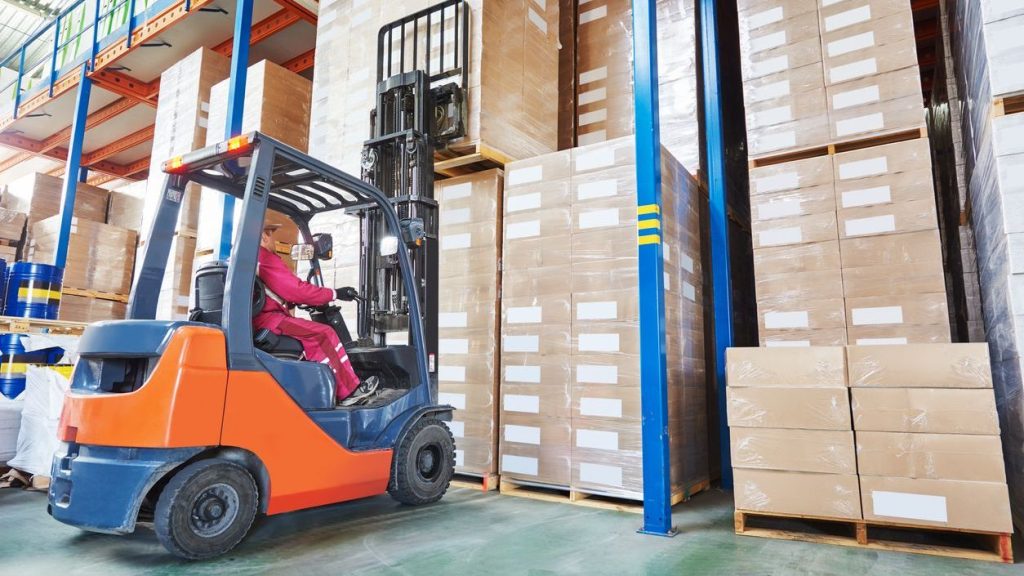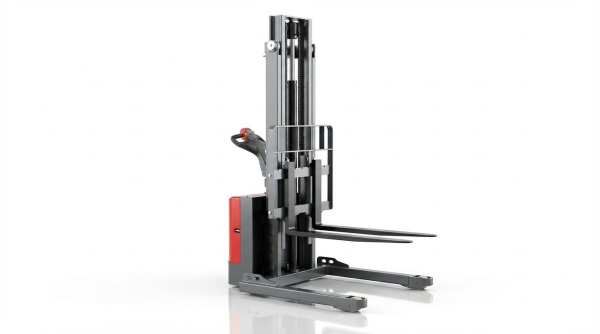
Safe trailer loading with walkie stackers required careful planning of trailer access, ground conditions, and load layout. Engineers and supervisors evaluated axle weights, center of gravity, and multi-stop unloading sequences to maintain vehicle stability and compliance.
They also selected suitable walkie stackers, matched capacity and fork geometry to trailer constraints, and assessed floor strength, gradients, and ramp interfaces. Operational practices addressed visibility, maneuvering in confined trailer spaces, and the safe use of tail lifts and stepped loading docks.
Robust safety systems, structured operator training, and disciplined maintenance routines underpinned reliable performance. Organizations increasingly integrated telematics, static roll threshold analysis, and digital twins to optimize trailer loading strategies and reduce risk across industrial operations.
Planning Trailer Access And Load Layout
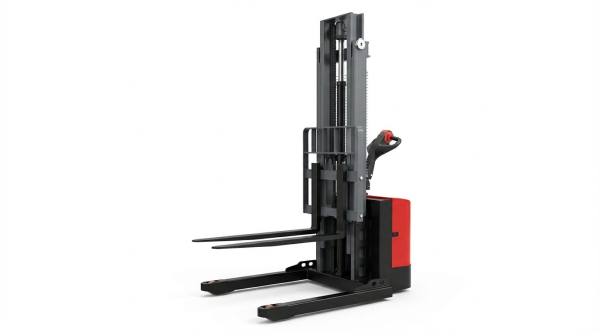
Planning trailer access and load layout governed safe, efficient walkie stacker operations in industrial yards and docks. Engineers and supervisors needed to align trailer type, access method, and stacker capability before any pallet moved. Sound planning minimized axle overloads, tipping risks, and load shifts during transport and unloading. This section focused on engineering considerations that underpinned compliant, stable trailer loading with walkie stackers.
Assessing Ground Conditions And Trailer Stability
Before loading, operators had to confirm that the trailer or rigid vehicle stood on firm, level ground with brakes applied. Soft ground, potholes, or crossfall increased suspension movement and altered the effective gradient at the dock interface, which reduced stacker traction and stability. Unsupported semi-trailers required particular care; excessive mass over the kingpin could tip the trailer or collapse landing legs, so trestles or fifth-wheel supports were necessary. Operators also removed ignition keys and, where available, engaged trailer locking systems to prevent drive-aways while the walkie stacker remained on the deck. Visual checks for damaged decks, missing planks, and contamination such as ice, oil, or loose debris reduced slip and puncture risks under concentrated wheel loads.
Choosing Trailer Types And Access Methods
The choice between flatbed, curtainsider, box trailer, or container dictated feasible access paths for a walkie stacker. Flatbeds allowed side loading but offered no edge protection, so engineers often preferred controlled rear loading with clear exclusion zones along the deck edges. Curtain-side trailers enabled side access but required operators to understand curtain load-rating limits; curtains could only restrain loads within specified clearances, typically within 100 millimetres. Stepped loading docks and containers required dock levellers, bridging plates, or ramps rated for the combined mass of stacker and load. Where no tractor unit supported the front, semi-trailer trestles or cribbing beneath the front structure were essential before driving a walkie stacker onto the deck.
Load Patterns, Axle Weights, And Center Of Gravity
Engineers planned pallet patterns to keep the trailer’s longitudinal center of gravity near the geometric center and within axle limits. They used tare mass, certificate-of-loading data, and pallet weights to estimate axle loads, ensuring no axle exceeded its legal rating, for example 8200 kilograms for a twin-tyred axle. Loading started at the headboard on flatbeds, placing paired pallets alternately on each side to avoid torsional twist and side lean. Heavier pallets went low and central, with lighter or fragile units above or outboard, keeping the stacker within its rated capacity and load center. For unblocked loads, restraint had to withstand up to 200 percent of the load forward and 50 percent sideways and rearward, so planners integrated blocking, dunnage, friction mats, and lashings into the layout.
Multi-Stop Routes And Unloading Sequencing
Multi-drop routes required the load plan to anticipate progressive unloading while maintaining stability and legal axle weights. Items for the first delivery point were positioned at the rear or in the most accessible bay to avoid unnecessary internal shunting with the walkie stacker. As pallets came off, planners ensured that remaining masses stayed balanced across axles and trailer width, avoiding a rear-heavy configuration that degraded steering and braking or a front-heavy layout that reduced drive axle traction. Dangerous goods segregation rules also influenced sequencing, preventing incompatible classes from ending up adjacent after partial unloading. Documented load diagrams and unloading instructions supported drivers and receiving sites, reducing ad-hoc decisions that could compromise stability late in the route.
Walkie Stacker Selection, Limits, And Operation
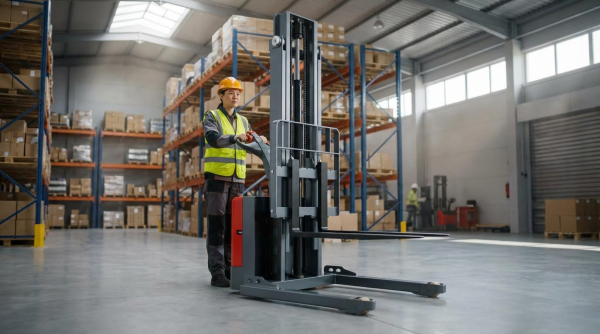
Correct walkie stacker selection and disciplined operation determined whether trailer loading stayed safe and efficient. Engineers and supervisors needed to align equipment capability with trailer design, ground conditions, and route plans. This section examined how to match stacker class and geometry to the task, verify trailer and ramp integrity, manage visibility and maneuvering constraints, and control risks at tail lifts and stepped docks.
Matching Stacker Class, Capacity, And Fork Geometry
Walkie stackers differed in rated capacity, lift height, wheelbase, and fork geometry, and these parameters constrained trailer loading envelopes. Engineers first confirmed that the stacker’s rated capacity at the required load centre exceeded the heaviest pallet mass, including packaging and dunnage. For typical Euro or standard pallets, load centres of 500–600 mm applied, but long or offset loads shifted the center of gravity forward and reduced usable capacity. Fork length had to suit pallet orientation in trailers; picking on the narrow face improved maneuverability but increased fork overhang and the risk of striking headboards or curtains. Low-profile forks and compact power units improved access into trailers with limited internal height, but designers had to ensure sufficient ground clearance at dock transitions to avoid bottoming and loss of control.
Trailer Floor Strength, Gradients, And Ramps
Trailer load decks and any connecting ramps or dock levellers had finite rated capacities that had to exceed the combined mass of walkie stacker and load. Before operations, supervisors checked certificates or manufacturer data for deck point loads and distributed loads, especially on mezzanine floors with specified static roll thresholds. Unsupported semi-trailers required stabilisers or trestles under the front because concentrated wheel loads near the kingpin could induce tipping when entering with a stacker and pallet. Gradients at dock plates, tail lifts, or yard ramps affected effective capacity and braking; operators kept gradients as low as practicable and always travelled with the load leading uphill to maintain traction and steering. Dock bridging equipment had to be compatible with the trailer width and bed height, mechanically secured, and inspected for cracks, deformation, and correct anti-slip surfaces before use.
Load Handling, Visibility, And Maneuvering In Trailers
Inside trailers, aisle width, pillar positions, and curtain-side intrusions constrained stacker maneuvering envelopes. Operators maintained a clear line of sight by using low-lift travel where possible and only raising the load to stacking height when close to the final position. They controlled speed based on aisle width, floor condition, and pallet mass, reducing travel speed on uneven decks or where suspension movement of the trailer could induce oscillations. Heavier pallets went on the floor with lighter units on top, with loads arranged so that individual items could not move independently during transport. Engineers specified turning templates and minimum internal widths so that the stacker could reverse and exit without excessive shunting, which reduced collision risks with headboards, posts, or curtain poles.
Managing Tail Lifts And Stepped Loading Docks
Tail lifts introduced concentrated loading and edge-fall hazards, especially when used with powered walkie stackers that imposed high axle loads on small platforms. Operators approached tail lifts with the load leading, turned 90 degrees as prescribed in training, and parked centrally away from platform edges before raising or lowering. The rated tail-lift capacity had to exceed the combined weight of stacker and load, with an additional safety margin to account for dynamic effects during start and stop. At stepped loading docks, planners ensured the front of any unsupported trailer was propped or locked to prevent tipping when a stacker drove inside with a pallet. Dock levellers and bridging plates were verified for correct height alignment, locking engagement, and surface condition so that small-diameter stacker wheels did not snag, which would otherwise cause abrupt deceleration, loss of control, or load shedding at the dock edge.
Safety Systems, Training, And Maintenance
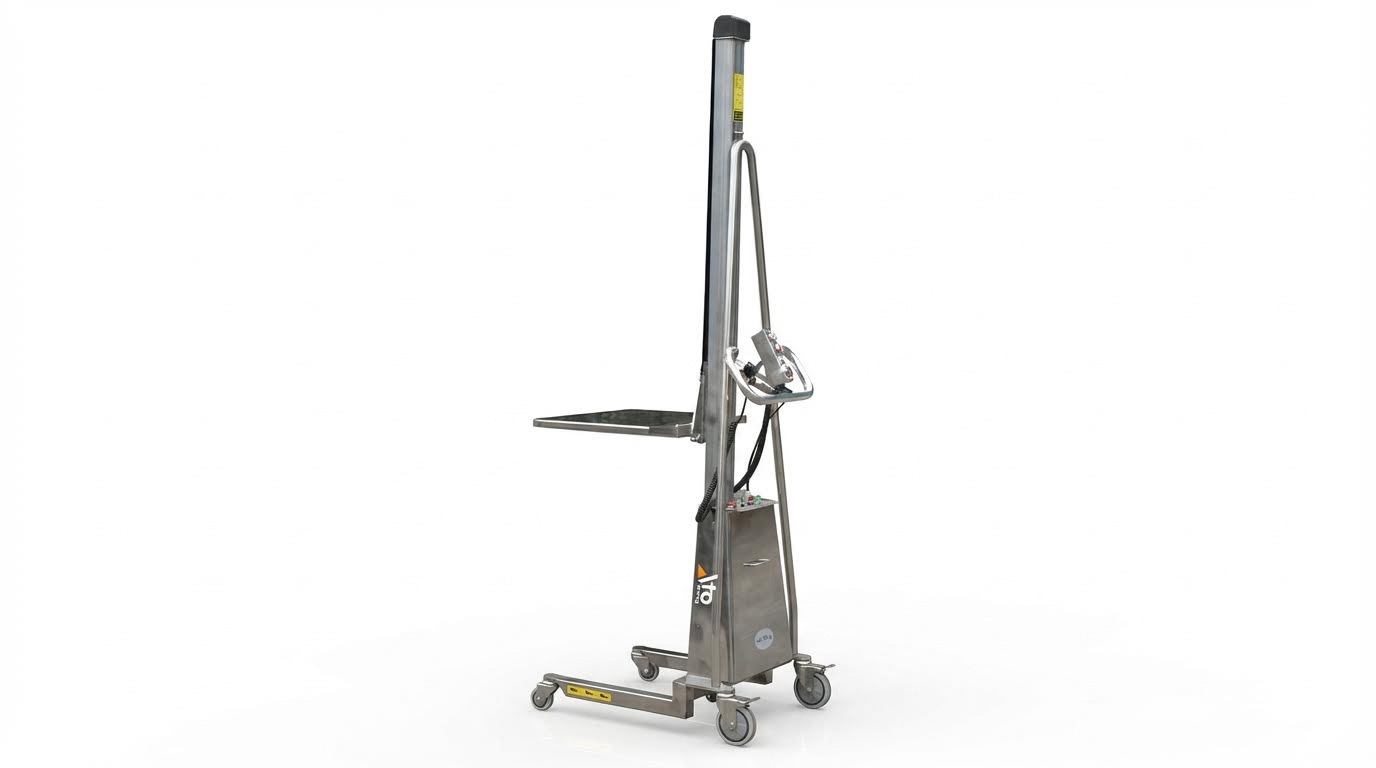
Safety systems, structured training, and disciplined maintenance formed the backbone of safe trailer loading with walkie stackers. Engineering controls, procedural controls, and human competence needed to align. This section linked legal load security requirements with practical operator behaviors, inspection regimes, and emerging digital technologies. The focus stayed on preventing catastrophic events such as trailer tip, load shift, and drive-away incidents while sustaining productivity.
Drive-Away Prevention And Load Restraint Rules
Drive-away prevention relied on both physical controls and procedural controls. Best practice required parking brakes applied, transmission in neutral, engine off, and keys removed before loading. Operators often retained vehicle keys or used dock locking systems to prevent premature departure. Wheel chocks and semi-trailer trestles or fifth-wheel supports increased stability, especially for unsupported semi-trailers.
Load restraint rules followed national Truck Loading Codes or equivalent standards. Engineers treated loads as blocked or unblocked when sizing restraints. Blocked loads required restraint capacity of 100% of load weight forward, 50% sideways and rearward, and 20% vertically. Unblocked loads required 200% forward, 50% sideways and rearward, and 20% vertically.
Where a front block of at least 150 mm existed, forward restraint capacity could reduce to 150% of load weight. Curtains used as part of the restraint system needed tight tension and clearances within approximately 100 mm. Load layout had to keep the center of gravity close to the vehicle centerline and avoid excessive rear or front bias that degraded steering, braking, or traction.
Operator Training, SOPs, And Dangerous Goods
Regulators and training bodies required a structured three-stage training model for walkie stacker and lift-truck operators. Basic training covered core operating principles, stability, rated capacity, and generic hazards. Specific Job training addressed local trailer types, dock layouts, tail lifts, ramps, and site traffic routes. Familiarisation training then embedded these skills under supervision in real operations.
Written standard operating procedures (SOPs) translated Truck Loading Code requirements into site-specific instructions. SOPs defined pre-loading checks, driver communication, key control, use of trestles, and limits on gradients or floor conditions. They also described safe pallet patterns, maximum stack heights, and when to refuse damaged pallets or unstable loads. Supervisors had to audit compliance, not just issue documents.
For dangerous goods, operators required additional DG handler training, while drivers needed appropriate endorsements. Procedures mandated correct segregation by class, reference to DG placards, and verification of package integrity before loading. Loaders had to understand how restraints, blocking, and ventilation requirements changed when handling flammable, toxic, or reactive materials. Emergency procedures, including spill response and evacuation routes, formed part of competency assessment.
Pre-Use Checks, Inspection Schedules, And Repairs
Pre-use checks on walkie stackers and manual stackers reduced failure risk inside trailers, where escape routes were limited. Operators visually inspected forks, mast, chains, rollers, and chassis for deformation, cracks, or corrosion. They checked hydraulic cylinders and hoses for leaks, steering for free movement, and brakes for full, non-slipping engagement. Battery condition, connectors, cables, and discharge indicators had to be functional before entering a trailer.
Maintenance regimes followed daily, weekly, monthly, and quarterly schedules. Daily tasks included checking hydraulic oil levels against lift height (for example about 5 L at 2.5 m, increasing to about 6 L at 3.5 m), verifying horn operation, and confirming all controls responded correctly. Weekly checks focused on brake systems, battery electrolyte levels, and contactor surfaces. Monthly and quarterly inspections expanded to wiring harnesses, fuses, key switches,
Summary And Key Engineering Takeaways
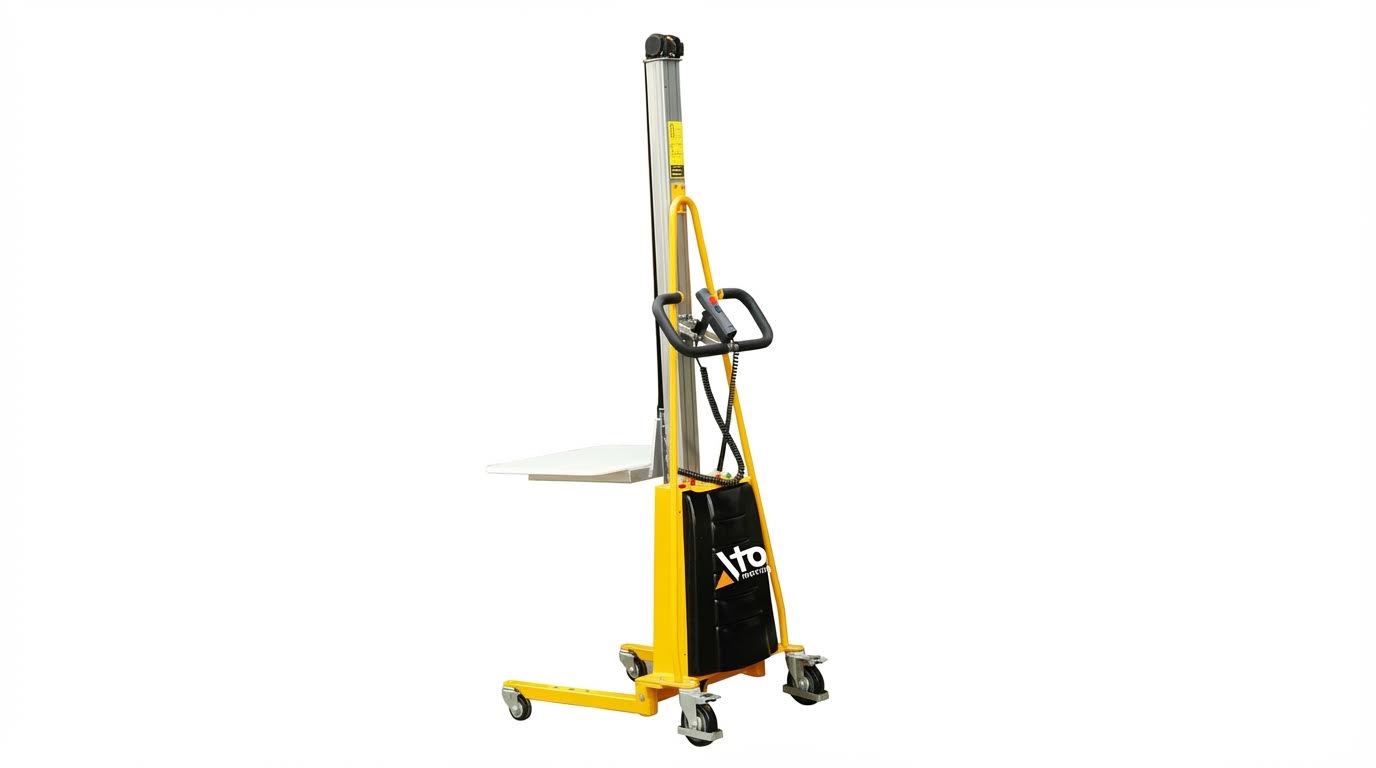
Safe trailer loading with walkie stackers depended on engineered control of ground conditions, vehicle stability, and load paths. Operators had to verify firm, level support, applied brakes, wheel chocks, and, where needed, trestles or fifth-wheel supports before entering any trailer or container. Unsupported semi-trailers, stepped docks, and mezzanine floors introduced tipping risks that engineers mitigated through structural checks, SRT limits, and defined exclusion zones. Correct pallet patterns, balanced axle loads, and a center of gravity close to the vehicle centerline preserved steering, braking, and rollover margins.
Walkie stacker selection and operation required tight alignment between rated capacity, fork geometry, and trailer floor strength. Engineers specified maximum gradients for ramps and tail lifts, controlled approach speeds, and restricted powered equipment use where deck stiffness or edge protection was inadequate. Load restraint design followed codified factors: up to 200% forward for unblocked loads, with defined lateral and vertical components, and explicit treatment of curtains as restraint elements. Dangerous goods handling added segregation rules, endorsement requirements, and stricter documentation and communication protocols.
From a systems perspective, robust safety performance relied on three pillars: structured training, repeatable procedures, and disciplined maintenance. Basic, Specific Job, and Familiarisation training built operator competence in risk recognition, including drive-away prevention and multi-stop unloading sequences. Layered inspection regimes, from daily hydraulic and brake checks to quarterly electrical audits, sustained stacker reliability and reduced in-service failures. Telematics, digital twins, and SRT-based planning tools increasingly allowed engineers to simulate loading scenarios, monitor real axle loads, and close the loop between design assumptions and field behavior.
Looking ahead, industrial operations would likely integrate walkie stackers, trailers, and dock infrastructure into connected safety ecosystems. Expect tighter coupling between load plans, real-time restraint verification, and automated interlocks that prevent movement of vehicles, tail lifts, or dock levellers under unsafe conditions. The engineering challenge remained to balance throughput with a conservative safety envelope, using data and standards rather than informal practice. Organizations that treated trailer loading as a designed system, not a routine chore, achieved lower incident rates, higher asset life, and more predictable logistics performance.